Picking the Ideal Free Agent to Fill Each of the Boston Red Sox's Holes
The Boston Red Sox have several obvious holes they need to fill if they wish to be competitive in 2015.
They need to shore up their starting rotation. They need to add some arms to the bullpen. They could potentially look into acquiring a new backup catcher, and they may decide to splurge on a new third baseman, too.
There are many reasonable arguments to be made regarding where the Sox would be best off allocating their resources. Some think they should splurge entirely on the rotation, and let Will Middlebrooks, Garin Cecchini and Brock Holt figure out third base.
Others think more offense is needed and want to see Boston sign one of the premier third basemen on the market. You could also look at what the Kansas City Royals just did with a dominant bullpen and argue that the Sox should focus most of their efforts there.
Today, we’re not going to argue about resource allocation. Instead, we’re simply going to look at the perfect free-agent fit for each of Boston’s numerous needs, regardless of how all the pieces of the puzzle fit together.
These deals are meant to be considered independent of one another, and are not meant to be presented as likely acquisitions.
Top of the Rotation: Jon Lester
The Red Sox’s most pressing need is a top-of-the-rotation starter who can anchor their pitching staff for several years. Their only options are to sign either Jon Lester, Max Scherzer or James Shields, use their prospects to trade for an ace or to go quantity over quality, and sign several No. 3 starter types.
Let’s not overthink this: Lester is the best fit, both because he’ll only cost money, not talent, and because Madison Bumgarner just proved the type of impact an ace can have on a team late in the season.
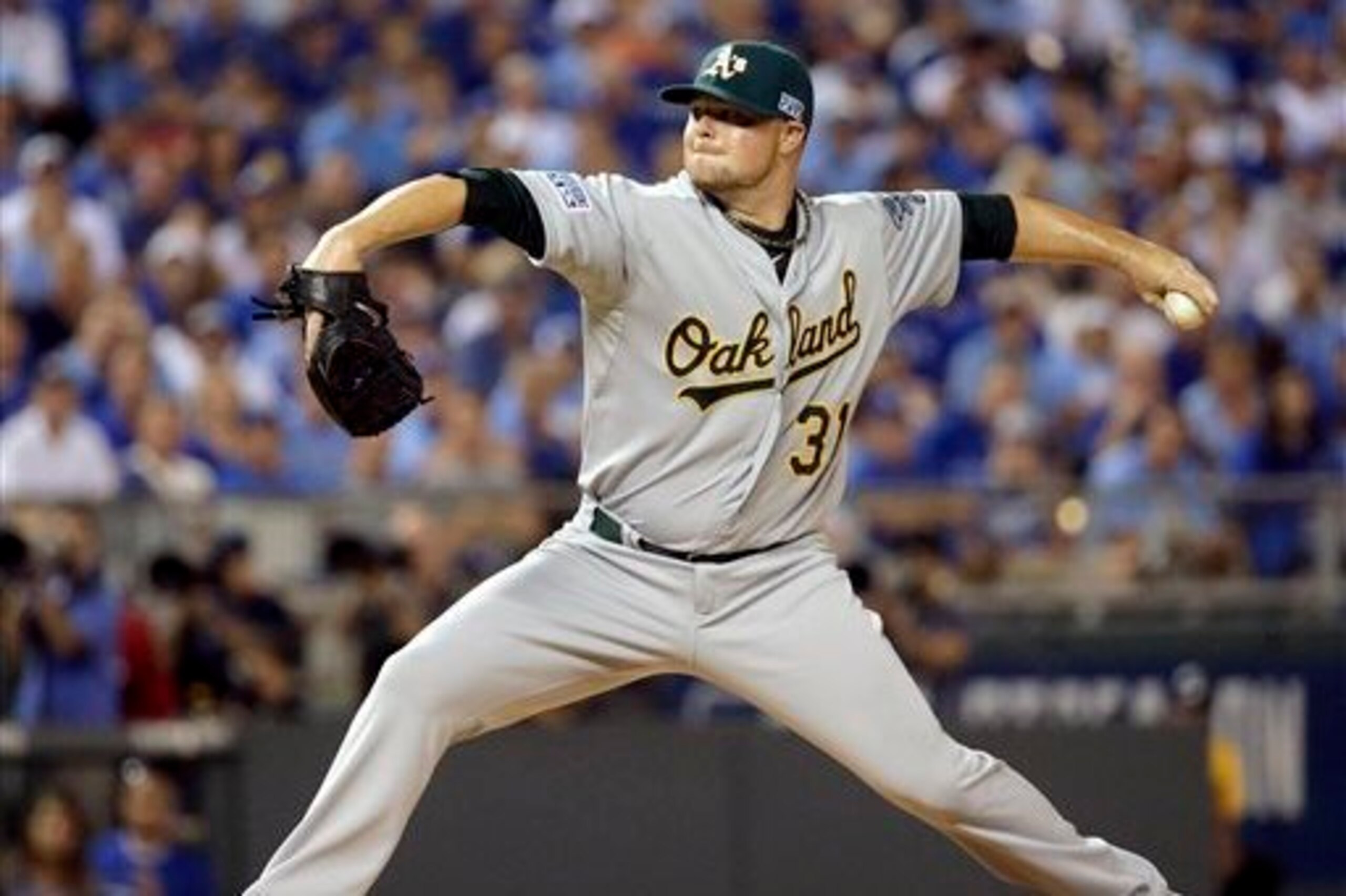
The Red Sox know Lester can thrive in Boston. There will be no period of acclimation if he’s re-signed. He’ll be expensive but could potentially take a moderate home-town discount. And he projects to hold up well for several years, with Baseball Prospectus’ Jeff Moore recently projecting Lester to maintain his current ace status for three to four years.
It’s hard to overstate just how good Lester was in 2014. The left-hander posted a 2.46 ERA in 219.2 innings, striking out 24.9 percent of batters faced and walking just 5.4 percent of the competition. According to FanGraphs, he had the second-best year of his career, posting 6.1 fWAR.
The only issue here is the financial commitment. ESPN.com’s Jim Bowden (subscription required) recently predicted that Lester will receive a six-year, $138 million contract on the market. The Red Sox have the money to make such a deal but may decide they don’t want to commit six-plus years to any pitcher.
The good news for Red Sox fans is that ESPNBoston.com’s Gordon Edes recently reported via Twitter that the Sox do indeed intend to try and bring Lester back.
But aside from Boston’s intent, the goal here is to find the perfect free-agent fits regardless of likeliness of signing, and Lester fits the bit.
Middle of the Rotation: Hiroki Kuroda
Odds are the Red Sox are going to acquire at least one starter through free agency and one starter through a trade this offseason, but it’s entirely possible they could decide to try and grab three starters.
Only Clay Buchholz and Joe Kelly are assured spots in the 2015 rotation, and while the No. 5 slot could be left to an Allen Webster/Rubby De La Rosa/Matt Barnes/Anthony Ranaudo competition, the Sox could also decide to move ahead with more reliable options.
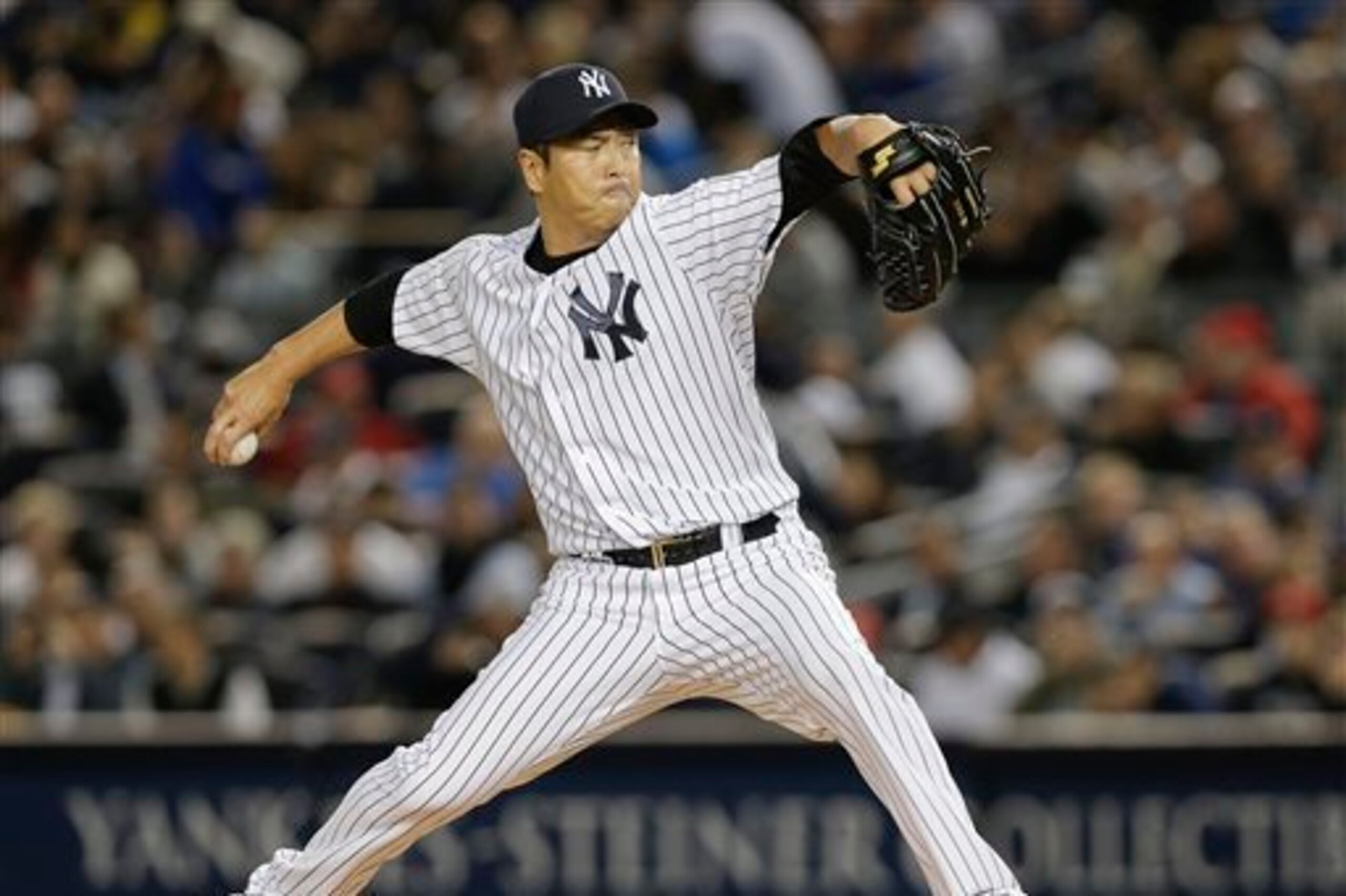
That would require bolstering the middle of the rotation, and Kuroda is a sneaky-good, if unlikely, option to look toward. The 39-year-old right-hander posted another solid year in 2014, earning a 3.71 ERA in 199 innings. He’s not an ace, but assuming the Sox acquire a top-flight starter elsewhere, they wouldn’t need him to be.
While many have speculated that Kuroda is going to retire, New York Yankees general manager Brian Cashman recently told USA Today’s Bob Nightengale that he thinks Kuroda will pitch in the majors or in Japan next year.
According to Bowden, Kuroda is likely to receive a one-year, $12 million contract. That’s well within the Sox’s budget, and would give their young pitchers another year to develop.
It would also be tempting to go with Brett Anderson here, though having two high-variance options with he and Buchholz would be a bit scary. Jason Hammel makes sense, too, as a lesser but younger version of what Kuroda could be for one year.
Third Base: Pablo Sandoval
You can argue that the Red Sox are better off allocating their resources to pitching, that Sandoval may be overpaid and that he might not be a third baseman for the duration of a five- or six-year deal. But there’s no arguing that Sandoval would make the Red Sox a better team in the short-to-mid term, even if his contract won’t net the Sox the most bang for their buck.
That’s why he gets the nod for “best fit” here, over the likes of Hanley Ramirez or Chase Headley. Sandoval can hit, he can capably defend right now and he brings a high-contact, switch-hitting presence to the middle of the order, serving as a perfect complement to right-handed bats in Yoenis Cespedes, Mike Napoli, Xander Bogaerts and Rusney Castillo.

It’s easy to overlook Sandoval because his counting stats often aren’t flashy, but the 28-year-old was quite good in 2014. He hit .279/.324/.415 with 16 homers in 638 plate appearances, and he has a long history of only striking out in between 13 to 14 percent of his at-bats.
The Red Sox have plenty of guys with patience, but the likes of Napoli, Cespedes and Bogaerts strike out plenty, too. Adding a different type of bat to the middle of the lineup is intriguing, and it would be fun to see what Sandoval can do going the other way and using the Green Monster.
There are obvious weight issues here, but Sandoval is a capable defender at third base right now and should be for at least a few more seasons. If he has to move to first base or designated hitter in the fourth or fifth year of a deal, then so be it. According to Bowden, Sandoval figures to receive a five-year, $90 million contract.
ESPNBoston.com’s Gordon Edes recently reported that the Red Sox are “all in” on Sandoval, and while no fan or analyst is completely thrilled by that news, there’s no doubt that Sandoval would make this Red Sox team better immediately.
You need to expose yourself to a little risk to benefit from rewards, and Sandoval is a good bet to remain productive moving forward.
Bullpen: Andrew Miller
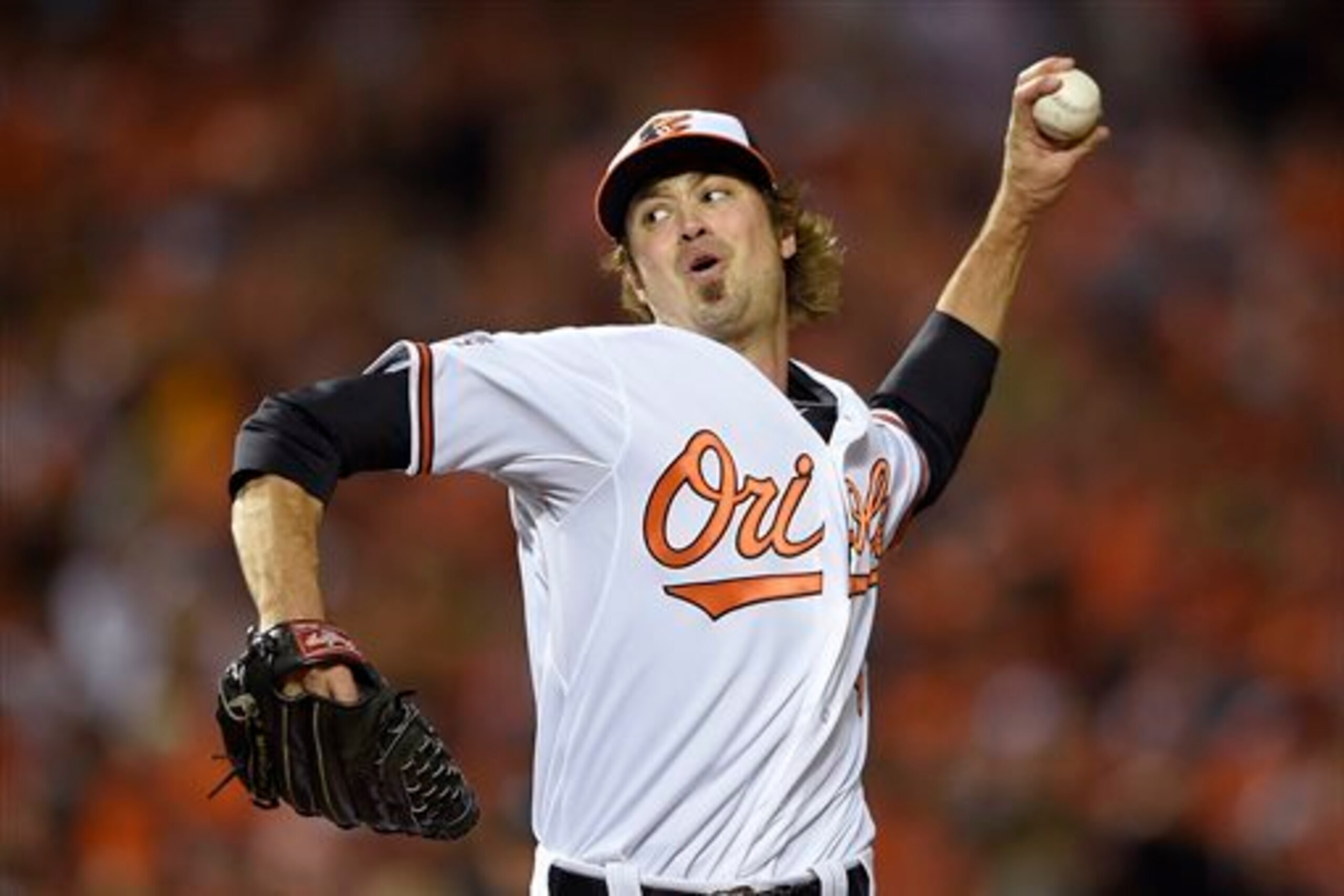
This is the obvious, boring choice, but it’s the right one. Miller is among the game’s most dominant left-handed relievers, a man who saved his floundering career in Boston and one of the few relievers who’s probably worth a significant multiyear commitment.
Miller struck out a preposterous 42.6 percent of opposing hitters last season, lowered his walks to 7.0 percent and posted a 2.02 ERA in 62.1 innings. There’s no doubting his dominance.
Bringing back Miller to rejoin Koji Uehara would solidify one of the few strengths of the 2014 Red Sox—they finished third in bullpen WAR, according to FanGraphs—and would give the Red Sox insurance should Uehara go down with an injury at some point in the next two seasons.
The Miller/Uehara combo essentially has the ability to turn regular-season games into eight-inning affairs and late-season or playoff games into seven-inning contests. Plus, Miller’s grown into a nearly equally effective weapon against right-handers and lefties alike, meaning John Farrell and Co. don’t have to worry about late-inning platoon splits.
The problem, of course, is that Miller’s contract is likely to be huge. Bowden estimates that Miller will receive a three-year, $25.5 million contract, and the history of deals of that ilk for relievers is quite poor.
The Sox showed last year that it’s possible to assemble a bullpen via savvy, free-agent acquisitions, internal options and under-the-radar trades, and they may not want to tie themselves to a reliever for three or four years.
But it’s tough to argue that there’s a better fit on the market for the Sox than Miller, and if we once again consider the additional salary relief the Sox figure to see in 2016 and beyond, it wouldn’t be terribly difficult to accommodate his contract.
Risk mitigation in the bullpen is a legitimate strategy, but if the Sox want the cream of the crop, their search should end with Miller.


.jpg?w=2560 "Every Trade's Best Trade Asset 🔁")
.jpg?w=2560 "Insiders: Cowboys Overpaid for Porter")

.jpg?w=2560 "Top NFL Trade Targets")