
Where Michael Vaughan Ranks in the List of England's Greatest Captains
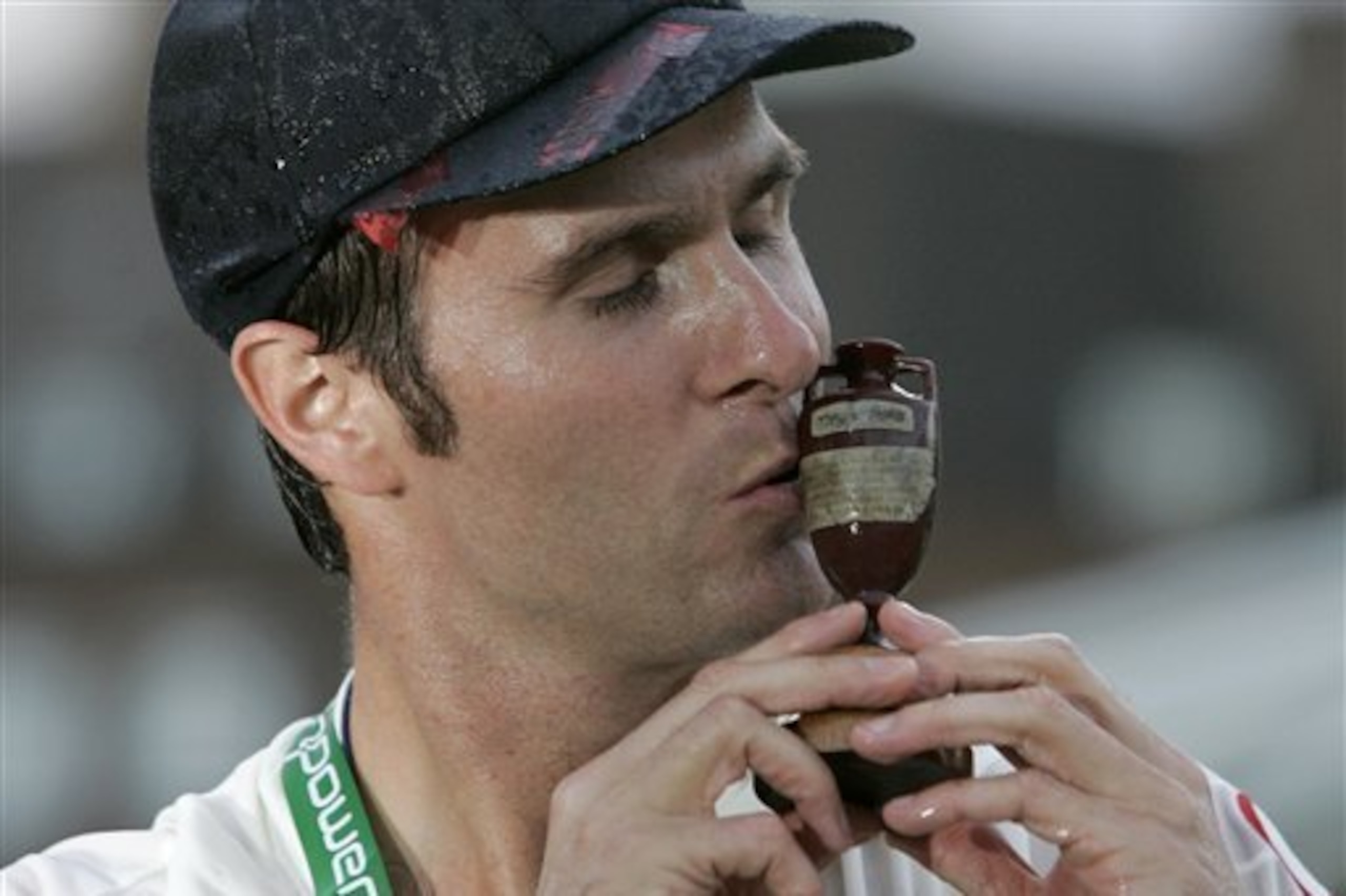
After steering the hosts to victory in the 2005 Ashes, Michael Vaughan's place in England's cricketing pantheon is assured.
Beating Australia is the pinnacle for any England cricket captain. Success against the old enemy can paper over a thin captaincy record, though. Take Mike Gatting, for example. Sometimes touted as one of England's best leaders, Gatting in fact won just two of his 23 matches in charge. That those wins came in Brisbane and Melbourne boosted his reputation.
As Vaughan celebrates his 40th birthday on Wednesday, we examine just how good a captain he really was. Consideration has been given to statistics, the quality of the England team at his disposal, the state of the sides he faced and the opinions of teammates and opponents.
Statistics courtesy of ESPNCricinfo.com and Howstat.com.
The Record
1 of 6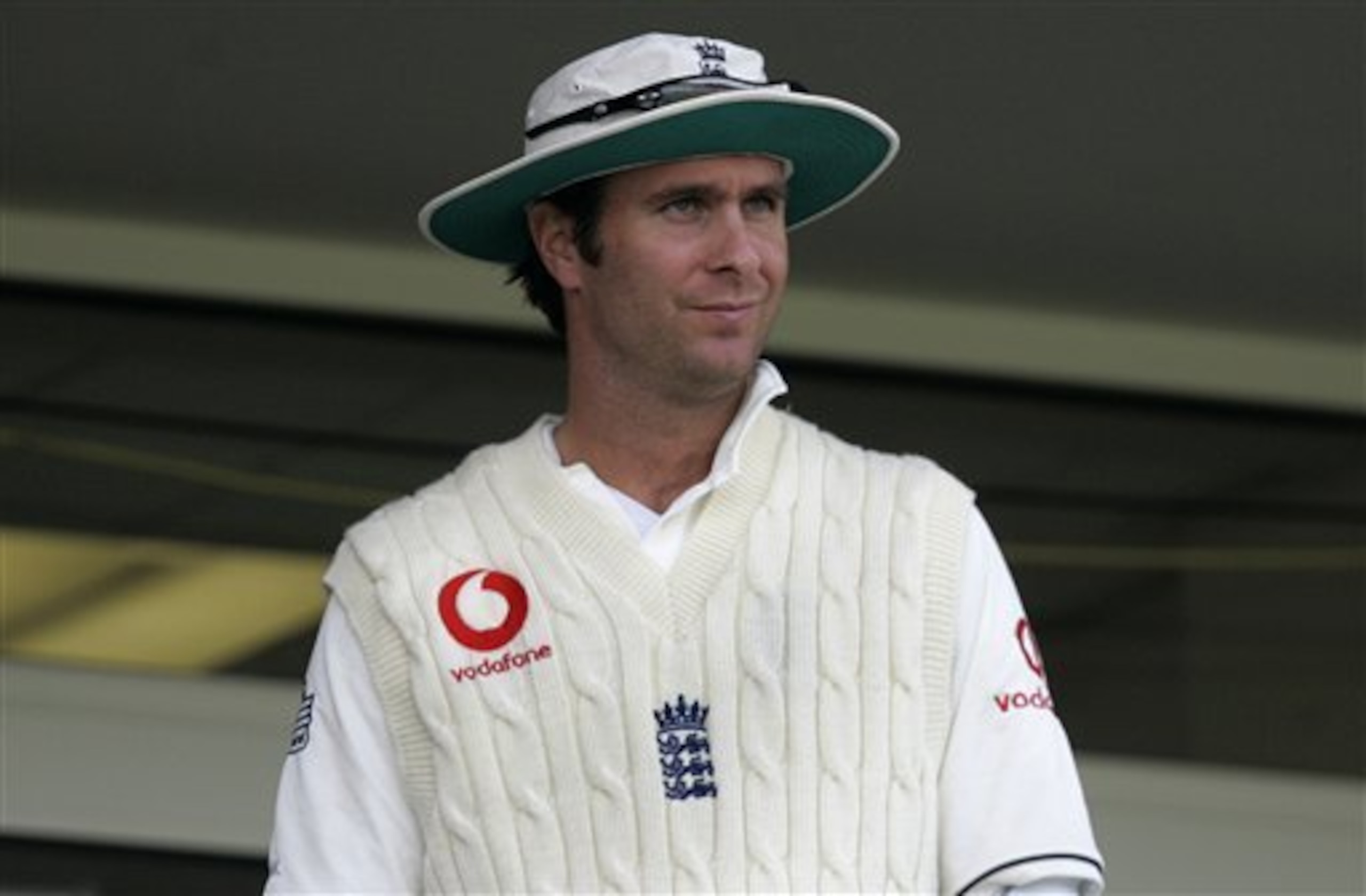
After a record thumping at the hands of South Africa in his first Test as captain, few could have predicted just how successful Michael Vaughan would become as England skipper.
Vaughan's record of 26 wins in 51 Tests as captain puts him in elite company in terms of longevity and success.
Only Michael Atherton, with 54 Tests in charge, has captained England more times than Vaughan. No England captain has more Test victories to his name than the former Yorkshire opener and only the great Mike Brearley has a higher winning percentage.
The numbers speak for themselves.
| Brearley, J M | 1976-1981 | 31 | 18 (58.06%) | 4 (12.90%) | 9 (29.03%) |
| Vaughan, M P | 1999-2008 | 51 | 26 (50.98%) | 11 (21.57%) | 14 (27.45%) |
| May, P B H | 1951-1961 | 41 | 20 (48.78%) | 10 (24.39%) | 11 (26.83%) |
| Hutton, L | 1937-1955 | 23 | 11 (47.83%) | 4 (17.39%) | 8 (34.78%) |
| Strauss, A J | 2004-2012 | 50 | 23 (46.00%) | 11 (22.00%) | 16 (32.00%) |
| Cook, A N* | 2006 – present | 28 | 12 (42.86%) | 8 (28.57%) | 8 (28.57%) |
| Illingworth, R | 1958-1973 | 31 | 12 (38.71%) | 5 (16.13%) | 14 (45.16%) |
| Hussain, N | 1990-2004 | 45 | 17 (37.78%) | 15 (33.33%) | 13 (28.89%) |
| Dexter, E R | 1958-1968 | 30 | 9 (30.00%) | 7 (23.33%) | 14 (46.67%) |
| Cowdrey, M C | 1954-1975 | 27 | 8 (29.63%) | 4 (14.81%) | 15 (55.56%) |
Minimum 20 Tests as captains.
Vaughan's England
2 of 6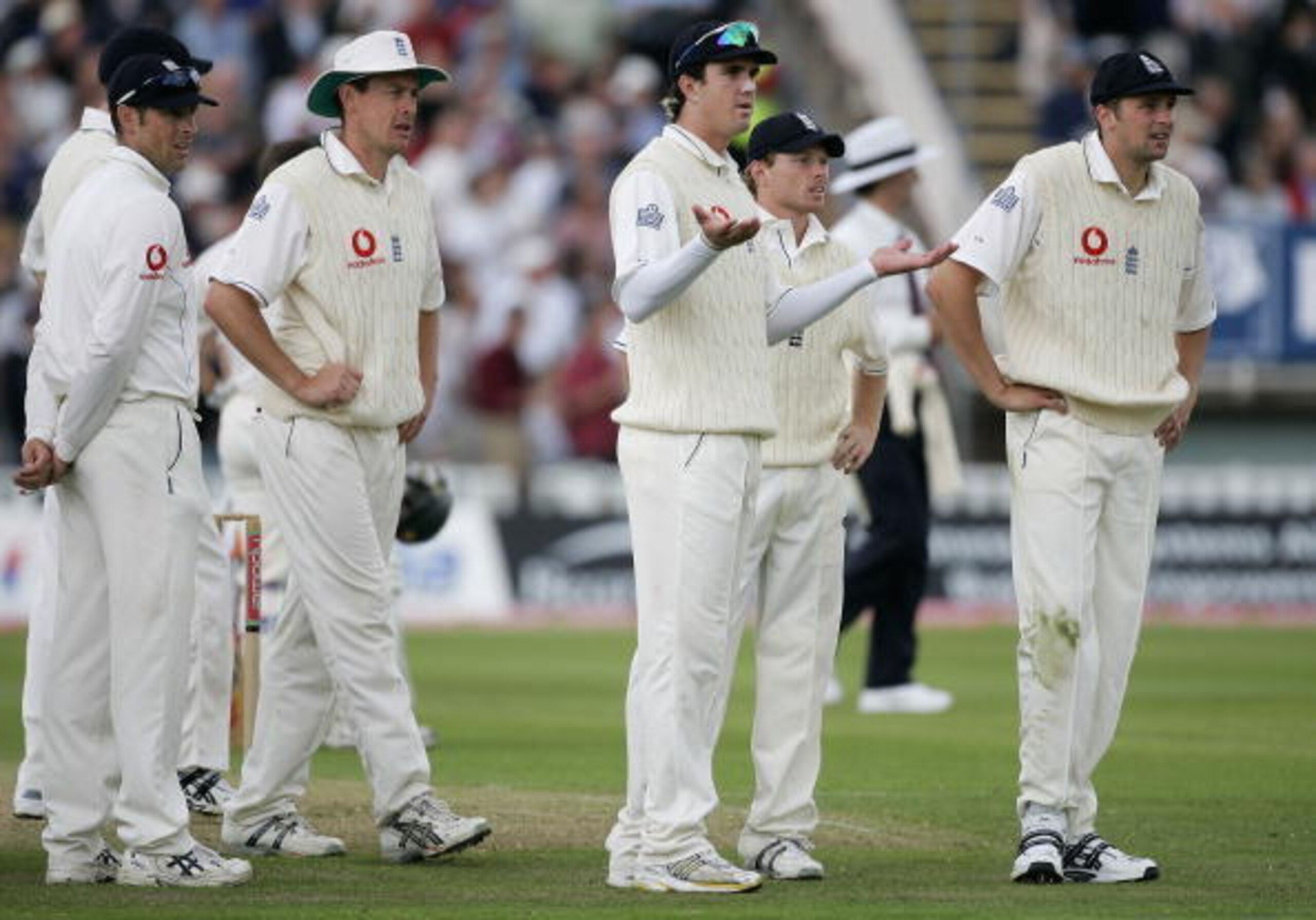
As Ted Dexter might have put it, the stars aligned for England when Nasser Hussain resigned and Michael Vaughan assumed the Test captaincy.
Vaughan inherited a talented and competitive side that had been drilled into shape by Hussain's tough-love approach. Boosted by settled central contracts, they were now ready to be let off the leash.
With a batting line-up that included the likes of Marcus Trescothick, Andrew Strauss and latterly Kevin Pietersen there was no shortage of class on view in England's top-order.
Combine that with arguably England's best ever seam attack of Steve Harmison, Andrew Flintoff, Simon Jones and Matthew Hoggard and it was no wonder that England under Vaughan were ready to fly.
More daring than his predecessor, Vaughan largely got the best of his impressive cast list. He coaxed a spectacular series in the Caribbean from noted non-traveller Steve Harmison. He got a Botham-esque Ashes series out of Andrew Flintoff and there were no fallings out with Kevin Pietersen.
The England dressing room under Vaughan and coach Duncan Fletcher wasn't short of big personalities. Vaughan was astute enough to get the best out of them.
The Opposition
3 of 6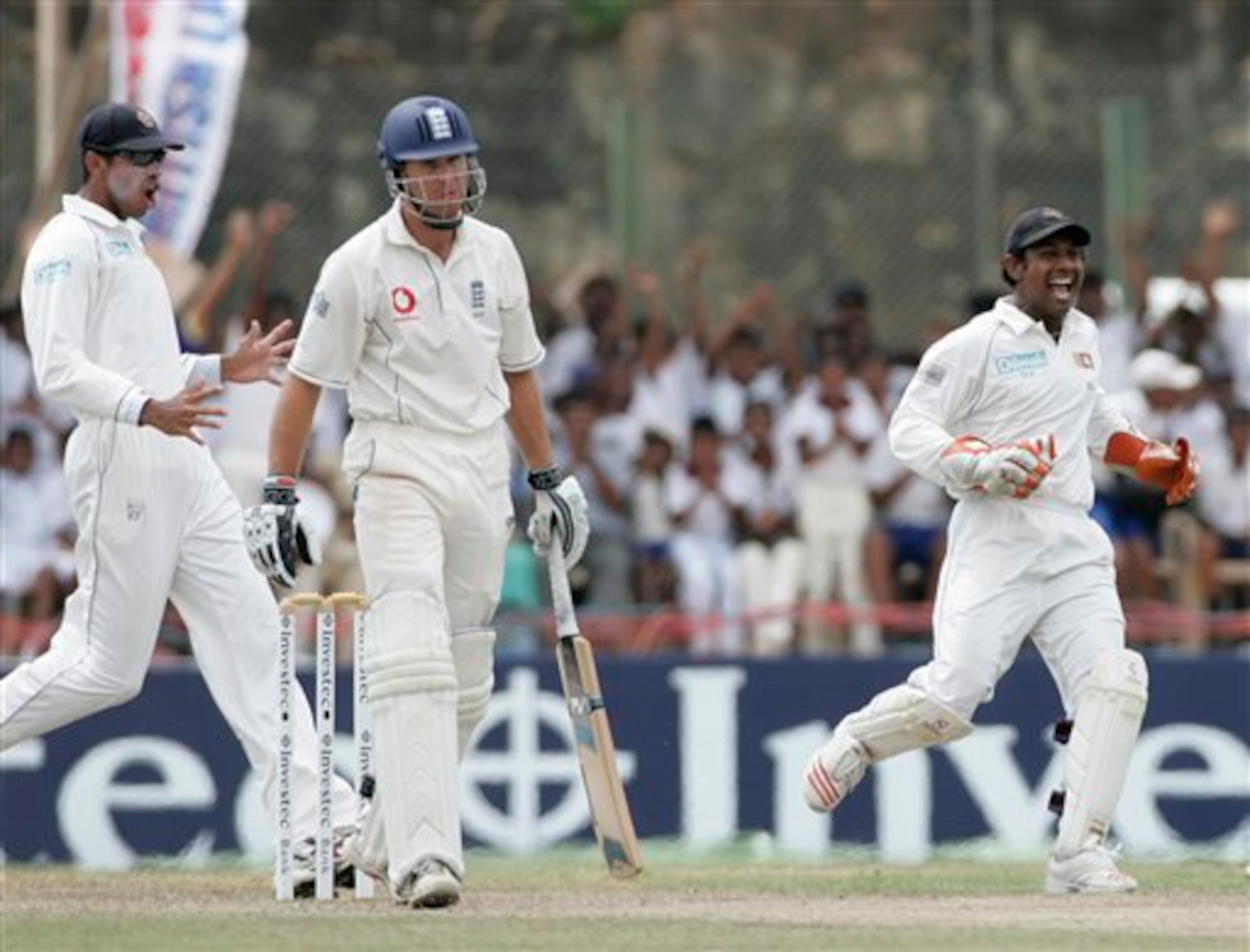
There was a striking symmetry to the Vaughan-era. He started his spell in charge with a heavy defeat against South Africa and called it a day following a similar drubbing at the hands of the same opposition.
In between, Vaughan's team enjoyed some amazing highs. First and foremost, they won the Ashes for the first time in 18 years in one of the greatest Test series ever played.
Impressive as Andrew Strauss's later home and away Ashes victories were, they didn't come against a team that included Justin Langer, Matthew Hayden, Adam Gilchrist, Shane Warne and Co. Vaughan's team went toe-to-toe with the playground bullies and came out on top.
That wasn't the only highlight, either. England claimed a series victory in the Caribbean for the first time in three decades on Vaughan's watch and won 11 out of 12 matches in 2004. His side also won an epic series in South Africa.
It wasn't all glory, though. Vaughan's sides struggled against Asian opposition, losing two series in Sri Lanka, one in Pakistan and at home to India. With the exception of Bangladesh, England failed to win even once in eleven matches against Asian sides with Vaughan in charge.
.jpg?w=2560 "NFL Paris Football")

.jpg?w=2560 "Seahawks Chiefs Football")
The Academic's View: Nasser Was Better
4 of 6
While it's interesting to speculate on the relative merits of different captains, one American-based academic has taken a more scientific approach.
In a paper titled Identifying the Greatest Team and Captain - A Complex Network Approach to Cricket Matches, Satyam Mukherjee, from Northwestern University has tried to develop a system that ranks captains and teams “by the ‘quality’ of wins and not on the number of wins alone,” per The Economist.
According to Mukherjee's rankings, Nasser Hussain has been England's best captain, followed by Peter May, Ray Illingworth and Andrew Strauss. They all rate among the top 20 skippers in the world between 1877 and 2010, a list topped by Steve Waugh. Quite how seriously one can take a ranking that has no place for Mike Brearley, let alone Vaughan is hard to tell.
It's certainly a good place to start a debate, though.
Colleagues and Opponents
5 of 6
Vaughan appears to have been a well-liked teammate and highly respected opponent.
Andrew Strauss told BBC Sport, “His ability to identify a new strategy for outwitting the opposition or bring the best out of his own players was a priceless asset. But more than anything we as players will miss the enormous sense of fun and enjoyment that Michael brought to the dressing room."
Kevin Pietersen was equally effusive, telling The Guardian that Vaughan was “a great leader of men and you learn a lot from guys like that."
Even Ricky Ponting was diplomatic enough to describe Vaughan to the BBC as “a distinguished captain who led the side very well. He was always a highly respected and skilled opponent."
Perhaps a little surprisingly, the only player who didn't appear to enjoy Vaughan's approach to captaincy was England fast bowler James Anderson.
In an extract from his 2012 autobiography published in the Daily Mail, Anderson wrote, “Although a lot has been made of Vaughan’s laconic style, I never felt comfortable playing under him. I never felt he rated me. His language with me was seldom positive and I didn’t like that."
Conclusion
6 of 6
England captains will always be judged by their performances against Australia and in 2005 Vaughan produced his best. Marshaling a talented side against one of the best teams of all-time, Vaughan masterminded a spectacular triumph.
Playing an aggressive, attacking, almost un-English style of cricket, Vaughan's sides were often very entertaining to watch. A win rate of 50.98 percent certainly puts him in elite company.
The mysterious lack of success against subcontinental opposition is the only real knock on Vaughan's spell in charge.
Despite never leading a side against the great West Indies team, Mike Brearley is widely considered England's finest Test skipper. Vaughan's name shouldn't be far behind the next time that debate comes up for discussion.