

ESPN '30 for 30: When the Garden Was Eden' TV Schedule and Preview
What if I told you that the New York Knicks were once a winning basketball organization that bounded and astounded rather than vexed and perplexed?
Younger fans only know the franchise through a dysfunctional front office deflated by James Dolan. They have not reached the NBA Finals since 1999 and have endured nine consecutive losing seasons before accounting for three early playoff exits during Carmelo Anthony's tenure.
But over 40 years ago, Red Holtzman led the burgeoning franchise to its only two championships. Back in an era when the NBA altogether was not the marquee draw it is today, the Knicks captured New York's attention and adoration, turning Madison Square Garden into the "Mecca of Basketball."


In ESPN's latest 30 for 30 documentary, actor and director Michael Rapaport will guide viewers through the Knicks' golden days as the club today tries to regain its status on top of the NBA hierarchy. Based on Harvey Araton's book of the same title, When the Garden Was Eden will transport New York hoops fans back to a more blissful time.
When the Garden Was Eden
When: Tuesday, October 21 at 9 p.m. ET
Where: ESPN
Trailer
Preview
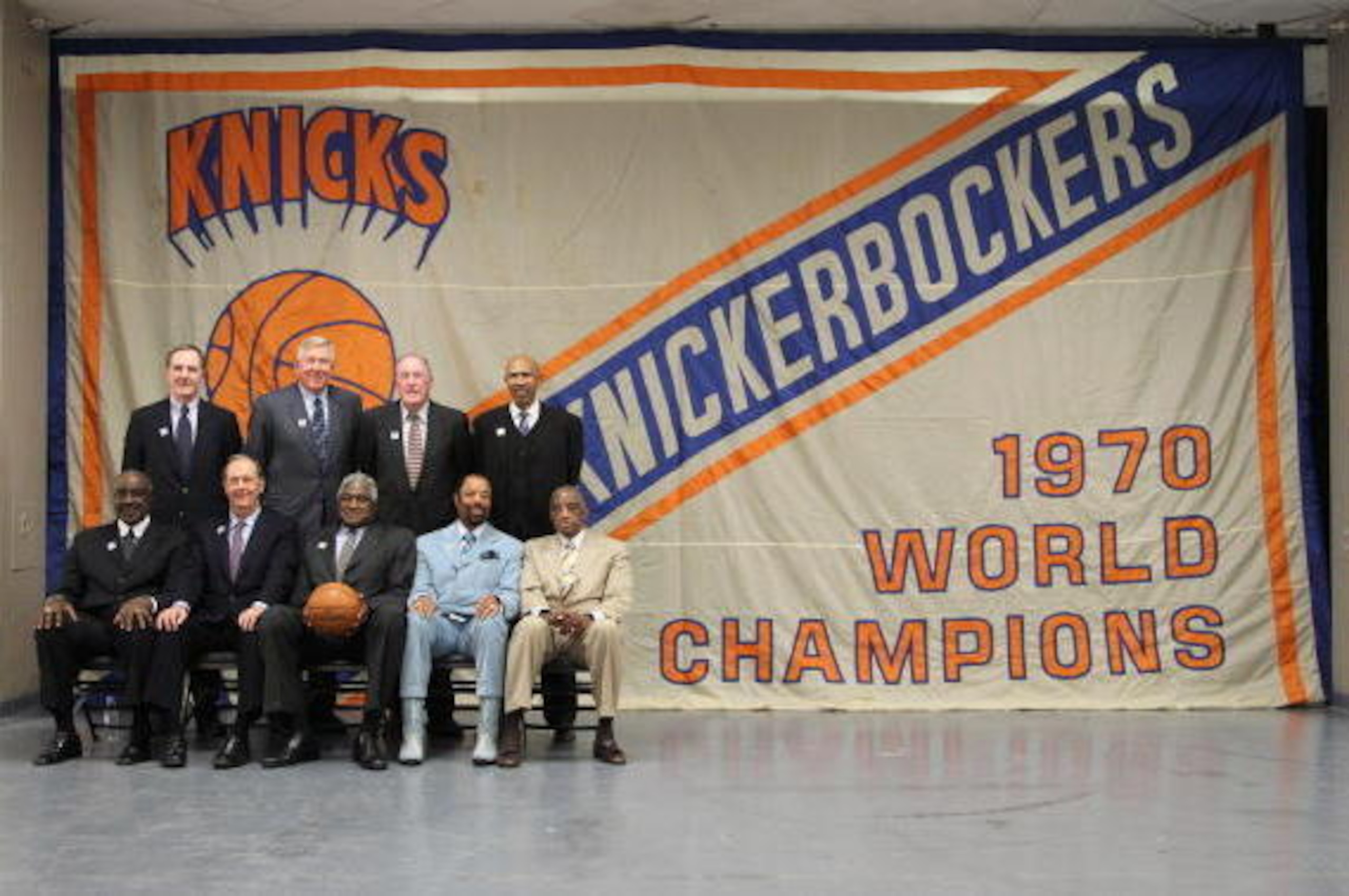
Even as they falter today, the Knicks constantly fill the Garden and get showered with frequent national TV exposure. In a time when the product is not as good as the hoopla, it's hard to imagine the reverse ringing true.
Yet they flew under the radar in a still-unpopular league dominated by the Boston Celtics. That, however, quickly changed, as Rapaport explained to the New York Daily News' David Hinckley.
"College games were more important than pro games. In the pros, you had these 7-foot players flying from one game to another in coach, just sitting with everybody else. Before the Knicks came along, the league was dominated by Boston. And that was great only if you were from Boston, because no other place really cared about it. Now suddenly when the Knicks were in it, New York was interested. Celebrities started showing up to the games. The media came. The whole thing started to explode.
"
To borrow one of Walt Frazier's favorite words, the Knicks rode some serendipity to their first and only two championships. Bill Russell's Celtics decimated the NBA, winning 11 of 13 titles before retiring after the 1968-69 season, clearing the way for a new regime.
It's easy to see how that dynasty generated some envy that persists among New York fans today. In his review of the documentary, Awful Announcing's Ben Koo declared Rapaport's obsession with Russell a rare mishap in an otherwise sharp film.
"My only quibble is that he oddly forces a tangent into the smoothly flowing film in asking/pestering a couple of former players if they thought Bill Russell was overrated. He does this because he strongly believes this and his fishing for agreement on this topic stood out a bit as players laugh off the suggestion.
"
Maybe Rapaport just wanted to mess with Bill Simmons, the man who devised the ESPN 30 for 30 series and a devout Celtics fan.
Either way, regardless of the circumstances that preceded, the Knicks finally got their chance. Despite lacking a revolutionary superstar, the Knicks usurped the Celtics' mantle with a bevy of talented players who meshed seamlessly together.

They also played tenacious defense. During the 1969-70 season, they allowed 105.9 points per game. That's mediocre by today's standards, but the next-best team, the Los Angeles Lakers, yielded 111.8 points per night.
They once again boasted the league's best defense en route to their second Finals victory, relinquishing 98.2 points per contest in 1972-73. Their athleticism and spunk guarding often larger opponents won them games and a spot in NBA folklore.
When thinking back on those glory days, the first thought that springs to mind is likely a hobbled Willis Reed limping to the court to make two early baskets in Game 7 of the 1970 Finals. Frazier credited the big man's gutsy performance for the deciding victory over Wilt Chamberlain, Jerry West and Co., per NBA.com's Encyclopedia.
"The scene is indelibly etched in my mind," Frazier said later, "because if that did not happen, I know we would not have won the game."
Yet the guard doesn't receive enough credit for his indelible impact on the franchise. Well before he joined the commentary booth to marvel at the team's newest precocious neophytes, Clyde churned out 36 points and 19 assists in that very game. He headlined the team's lockdown defense with seven consecutive NBA All-Defensive First Team honors from 1969-75.
The film will certainly relive that famous series between the Knicks and the Lakers, but it'll be interesting to see what else it teaches those born well after these guys ran the Big Apple.
Araton's book not only touches on the Knicks' rise to basketball glory, but also the societal issues then plaguing the nation. Racial tension in the U.S. permeated onto the basketball court, which led a predominantly white fanbase to embrace forward (and later U.S. Senator) Bill Bradley for the color of his skin more so than his basketball acumen.

The timing for this film also feels appropriate, as Phil Jackson's arrival into the front office creates a connecting point between then and now. The Zen Master began his 10-year tenure with the Knicks in 1967, contributing to their second championship by scoring a career-high 16.6 points per game during the 72-73 season.
As Rapaport told Newsday, he shot the film before Jackson's hiring, but the news presented the director with too sweet of an opportunity.
"It made for great drama; it made the film better," Rapaport said. "It almost feels like we made the film after the Phil Jackson thing, which isn't the case. But it was just the perfect ending to an already fascinating story."
As disheartened fans gear up for another rebuilding phase in hopes of eventually snapping a 41-year-old championship drought, this documentary gives them a chance to relive better days, all while realizing how sweet it'd be to see the Knicks return to the top of the basketball world again.


.jpg?w=2560 "NFL House in Paris Closes for Protests")
.jpg?w=2560 "Trevon Diggs Cut by Seahawks")


