

Retiring from Test cricket too soon: can it actually be done?
It's an interesting thought to ponder when reflecting on the retirements of the game's leading players. For Test cricket is often something that the sport's stars cling to for as long as possible, fighting the inevitability of it all as careers approach their close.
Conversely, if we were to compile a list of Test cricketers who held on too long and retired too late, we'd be here for a considerable amount of time. So many, after all, continue until reaching a point where they jump before they're pushed.
Few, therefore, ever call it quits when time is still on their side.
Across the following slides, we look at eight who did.
Graeme Smith
1 of 8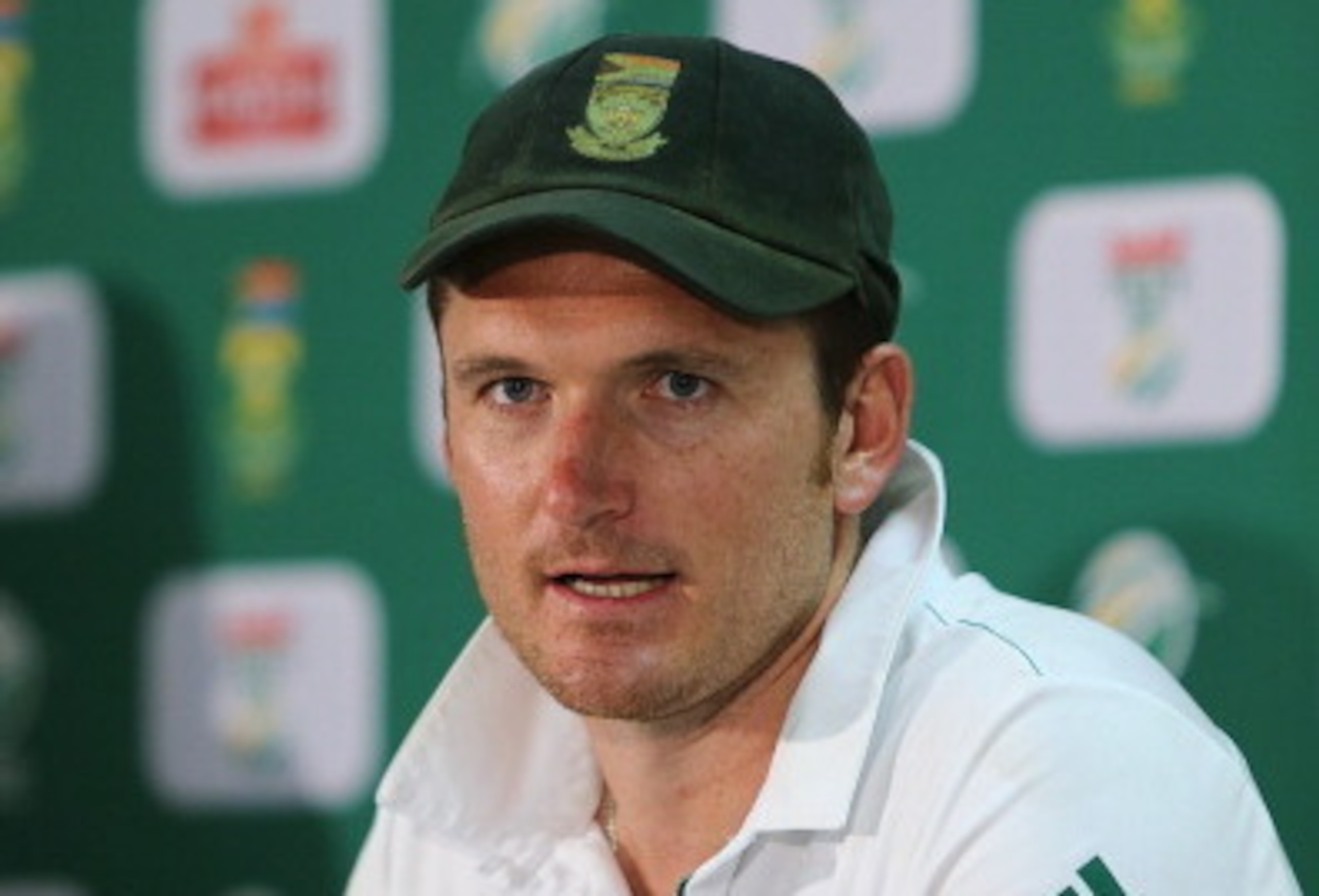
It may seem odd to suggest that the cricketer who captained his side more often than any other in history was one to depart the game early, but that's exactly what Graeme Smith did.
The South African played all but eight of his 117 Tests as skipper, finishing his career earlier this year as the most prolific and successful—in an absolute sense—captain ever.
Yet, Smith's exit from the game came as a shock.
At just 33, the left-hander seemingly had two-to-three years of high-quality production ahead of him in a South African shirt, particularly at the helm of the world's finest Test side.
Shahid Afridi
2 of 8
Few players in the history of cricket have ever amazed and puzzled onlookers in the quite the same way that Shahid Afridi has.
Perhaps the most enigmatic player in the game, the Pakistani has forged a reputation as a box-office limited-overs star capable of some truly unfathomable moments of brilliance.
But often forgotten is that Afridi enjoyed a strong Test career until his sudden retirement from the format in 2006 (he made a one-Test return in 2010), averaging in the mid 30s with both the bat and ball as a versatile all-rounder for his national side.
Of course, his greater suitability to the 50 and 20-over games has been obvious for all to see, but he did put a premature end to a Test career that could have been a rather fine one.
Dean Jones
3 of 8
While most recognised as a pioneer with the bat in one-day international cricket, Dean Jones was still among his nation's finest in the Test arena when he was controversially dropped from the side in 1992-93.
A dashing middle-order player, the Victorian amassed 3,631 runs at an average of 46.55 during his 52-match career, but retired abruptly in 1994 after his contentious axing from the side that many suggested was due to friction with key figures within the team's management.
When you consider that Jones was still in his early 30s—a typically productive time for a batsman—when he was discarded and ultimately forced into retirement, it's hard not to feel his career was cut considerably short.
.jpg?w=2560 "NFL Paris Football")

.jpg?w=2560 "Seahawks Chiefs Football")
Michael Hussey
4 of 8
Michael Hussey was admittedly 37 years of age when he decided to bring an end to his Test career against Sri Lanka in the Australian summer of 2012-13.
But the left-hander's time in whites still felt cut short somewhat, as if he'd exited Test cricket at a time when he still had so much to offer.
Perhaps the reason for such a perception was the time it took for Hussey to break into the Australian team in an era in which the nation was blessed with a staggering array of world-class batsmen.
Thus, after debuting in 2005 as a 30-year-old, the prolific accumulator's Test career spanned little more than seven years, leaving the impression that there was still so much to come from Hussey.
That he's continued to be a fine contributor in the Twenty20 arena has only served to reinforce such a feeling.
Graeme Swann
5 of 8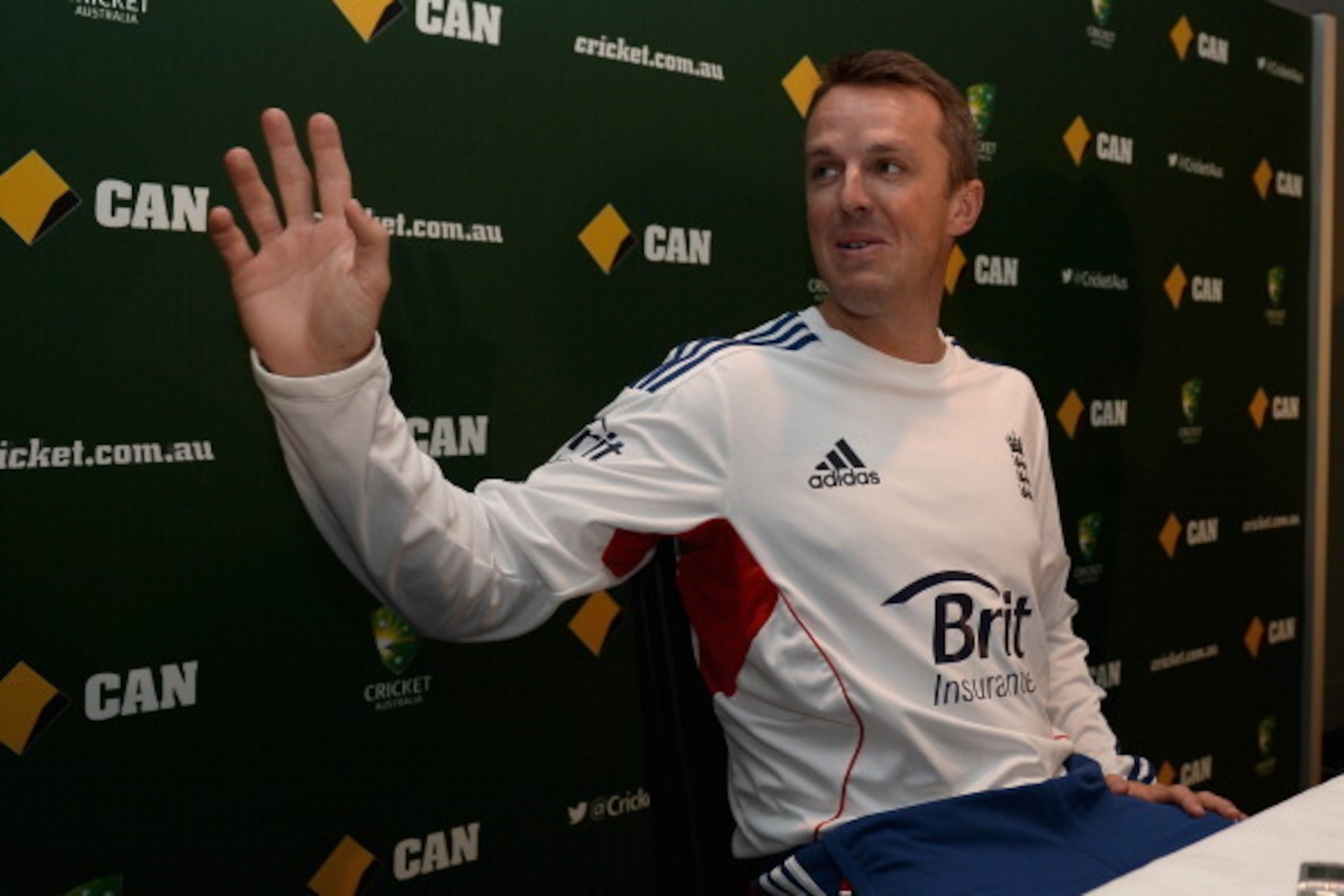
Graeme Swann has cited "an injury issue" as the reason for his earlier-than-expected retirement during the 2013-14 Ashes series, per the Guardian, saying he reached a point where he "couldn't turn a cricket ball which, as a spin bowler, you are then useless to your team."
In such a scenario, it was logical that the off-spinner sat out the final two Tests of that series, but the long Test layoff England enjoyed after the Ashes would have afforded Swann considerable recovery time in preparation for the English summer.
Thus, it's plausible that the popular spinner could have returned to something approaching his best form if given the necessary time for rehabilitation, which would have seen Swann maintain his position as England's No. 1 spinner.
Mahela Jayawardene
6 of 8
In Mahela Jayawardene's case, the perception that his retirement came prematurely is not based on his age or the amount of matches he played, but on his form when he departed the game in August this year.
Across 10 Tests in 2014, the Sri Lankan raced to 1,003 runs at an average of 59—a tally only trumped by team-mates Kumar Sangakkara and Angelo Mathews this calendar year, and one which included a sparkling 165 against South Africa.
Jayawardene, in his heart, clearly felt it was time to step aside, but had he possessed the desire to go on, there is no question Sri Lanka's selectors would have continued to include the veteran, given that his blistering form didn't appear set to halt anytime soon.
Brian Lara
7 of 8
When Brian Lara decided to depart the international arena in early 2007, it seemed that carrying a side spiralling toward its lowest point in decades had taken a toll on the mighty left-hander.
Having emerged at the back end of the West Indies' dominance in the early 1990s, Lara had watched his esteemed team-mates leave a power vacuum in their wake as the region's cricketing standards plummeted around him.
But even so, Lara's retirement came just months after he'd cracked 122 and 216 in consecutive Tests against Pakistan in late 2006, and only a year earlier he'd thumped 226 against Australia, leaving the impression he still possessed the capacity to lead the West Indies even as he exited the game.
Shane Warne
8 of 8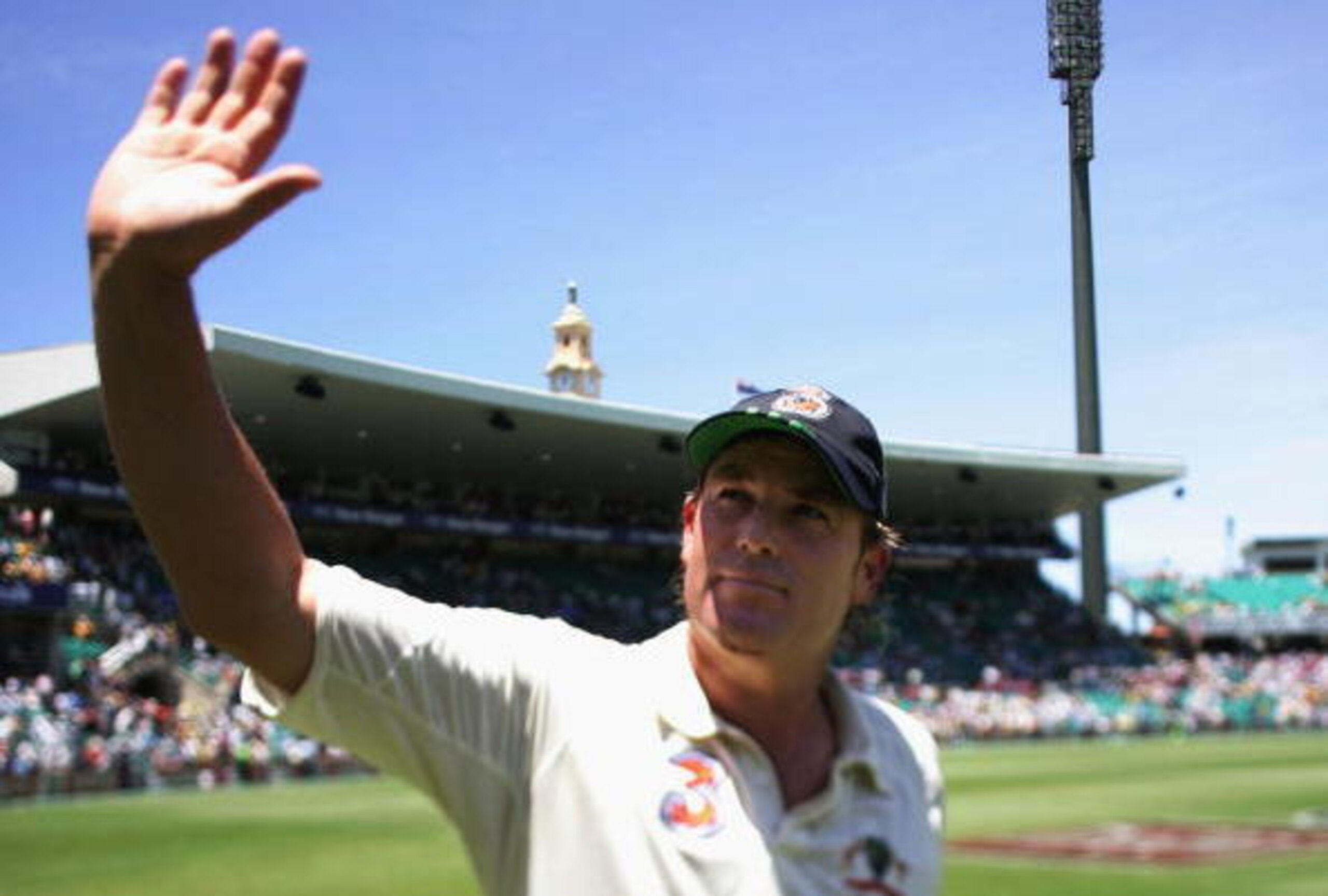
He could have kept going, couldn't he? Surely?
It's a perception that has lingered since Shane Warne's retirement at the end of the 2006-07 Ashes series, given that he'd continued to be a dominant figure for Australia right up until his goodbye (he claimed 23 wickets in that final series of his career).
Certainly, there was an element of Warne that clearly wanted to depart the game when he was still at its pinnacle—and he did—but given that he raced to 51 wickets in his final 12 months in the game, it's plausible that the great leg-spinner could have continued to make one last trip to England in 2009.
During that year, Dean Jones even floated the idea that Warne should come out of retirement to captain the Australian Test side, reflecting the mood of an Australian fan-base that yearned for the leg-spinner's return.