The Most Overrated Stats in Sports
The sports world is inundated with a plethora of stats, and though many are in fact useful, some are incredibly overrated.
Throughout the years, we’ve been told over and over that certain statistical offerings truly matter when in fact they really don’t.
Football coaches have long preached about controlling the clock even though it has very little bearing on a game’s outcome.
Meanwhile, analysts and fans of baseball have forever obsessed over wins and losses when, in truth, they say very little about a pitcher’s performance.
With all this in mind, we’ve decided to set the record straight, highlighting the five most overrated stats in all of sports. While some selections may be more obvious than others, they’ve all deceived equally, passing as important when they’re actually far from it.
Close, but No Cigar
1 of 11
Though we chose to highlight the top five most overrated stats in sports, there are a few others that also deserve mention. In this space, we honor the best of the rest:
Interceptions: A hypothetical defensive back may finish a season with a gaudy eight interceptions, but that small sample says nothing about what he did on the other 300 snaps he saw.
Saves: In theory, if a closer enters a game with two out in the ninth and his team leading 4-1, he gets the save even if he allows two runs to score before registering the final out. And that's supposed to be impressive?
Plus-Minus (basketball): This stat is used in box scores daily, and is meant to indicate a player’s value to team while on the floor (team scoring minus opponent scoring). It, however, fails to account for whom each guy played with as well as whom he played against.
Penalty Yards
2 of 11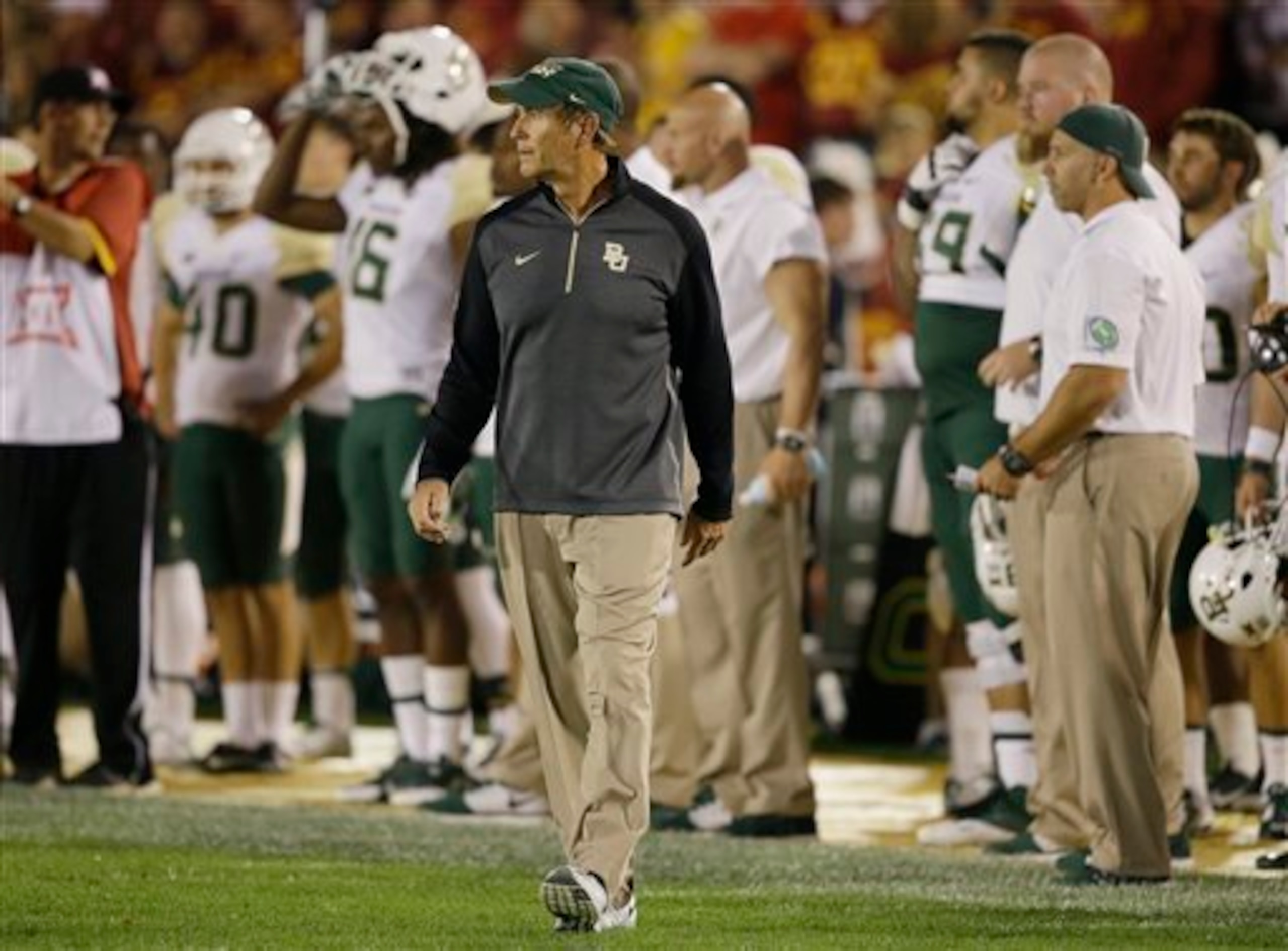
A clearly overrated stat, and people are starting to catch on.
Now let’s be clear: Penalties are negative plays and better off avoided.
That's obvious.
With that said, the correlation between penalty yards and winning football games is incredibly weak, especially on the college level.
In 2014, for example, the five most penalized teams in college football are currently Texas Tech, Marshall, BYU, East Carolina and Baylor.
Out of that group, Baylor and Marshall sport the top two offenses in America, while East Carolina ranks No. 14 in PPG. The other two have fallen off a bit, but both score better than 30 PPG, and BYU would rank much higher if not for an injury to QB Taysom Hill (the Cougars scored 33 or more in every game he played, but haven’t scored more than 24 since his departure from the lineup).
More importantly, the five teams combined are an impressive 23-7 on the season, and keep in mind that Texas Tech alone is responsible for four of the losses and that BYU’s two had everything to do with Hill’s injury and nothing to do with penalty yards (the Cougars are 4-0 with their starting QB in the lineup).
Of course, half a season does not make a trend.
Continued on next slide...
Penalty Yards Continued
3 of 11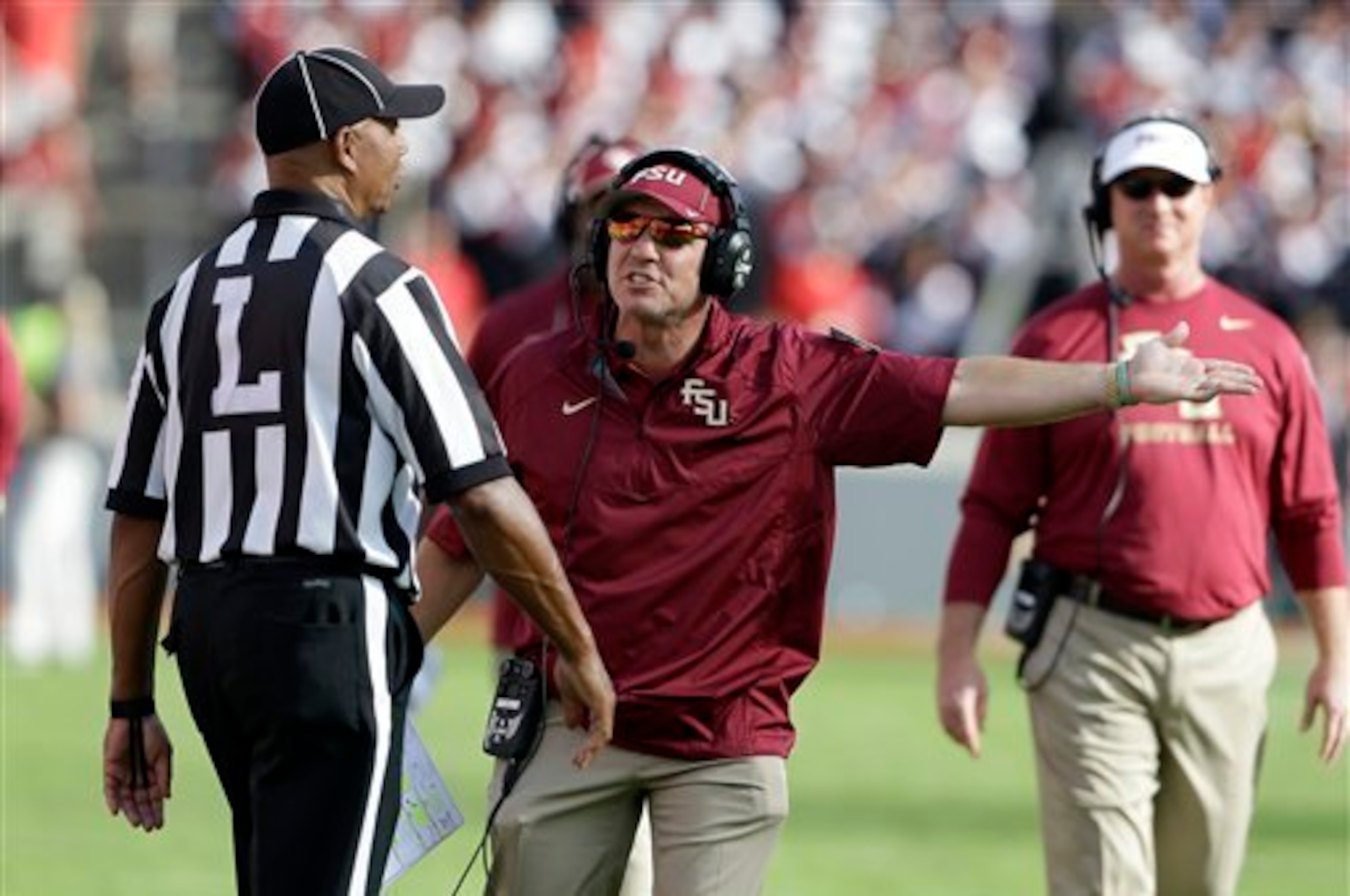
In 2013, Baylor led the country in penalty yards but went 11-2 and was again home to the sport’s top offense. And Florida State—America’s national champ—was the 34th most-penalized team in the country.
Furthermore, West Coast power Oregon has been among the top seven most penalized teams in each of the last three seasons. Florida was the second-most penalized in 2006 and the 13th-most penalized in 2008 but managed to win national titles in both years. Similarly, Auburn was No. 30 in its 2010 championship campaign, while LSU ranked No. 6 in 2007 when it, too, won it all.
That said, it’s hard to make complete sense of this statistical anomaly. Best guess: Top teams are often the most aggressive, and hyperaggression inevitably leads to penalties.

.jpg?w=2560 "NFL Paris Football")
.jpg?w=2560 "Seahawks Chiefs Football")
Pitcher Win-Loss Record
4 of 11
In most team sports, it’s hard to win consistently without quality group efforts. Baseball is no different.
Though pitchers disproportionately influence the outcome of games, they rarely win without the help of their teammates.
Because fielding and hitting are also integral parts of the game, starting pitchers must rely on others even on their best days.
For this reason, a pitcher’s win-loss record can easily deceive.
Quality starts are regularly negated thanks to weak play in the field and struggling bats at the plate. Likewise, even the most mediocre of pitching performances can be saved with timely hitting.
For example, this season pitcher Jeff Samardzija boasted an impressive 1.62 ERA through his first seven starts with the Cubs, yet, with little to no run support, had zero wins to show for it.
It’s worth noting the former Notre Dame wideout went at least seven innings in each outing and never once allowed more than three runs. Later in the year, Samardzija was traded to Oakland, where he finished with a more-than-respectable 2.99 ERA but a losing record of 7-13.
He, of course, was not the only pitcher undone by his team.
Continued on next slide...
Pitcher Win-Loss Record Continued
5 of 11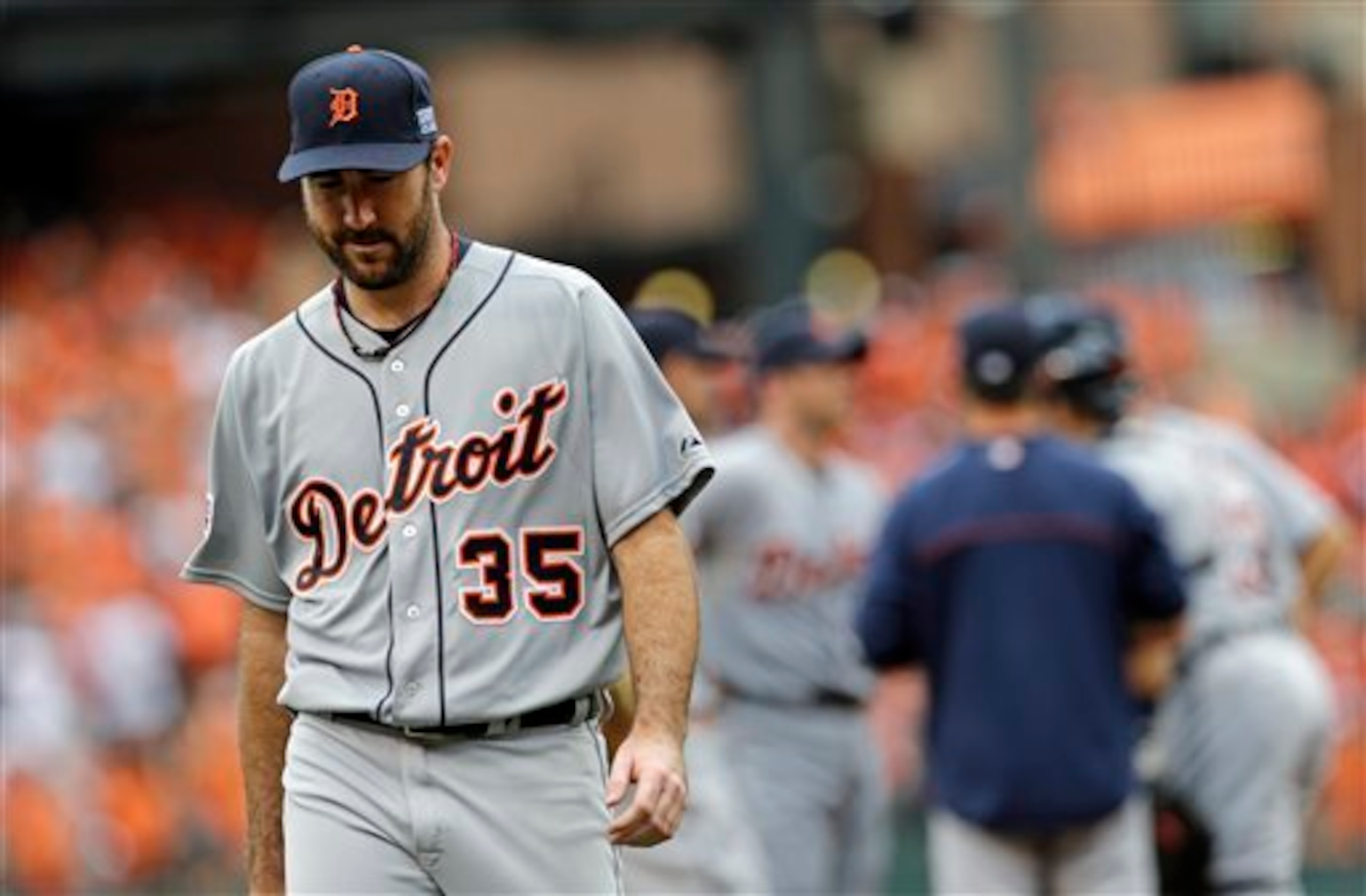
In the NL, Cole Hamels (2.46 ERA), Alex Wood (2.78), Tyson Ross (2.81), Francisco Liriano (3.38) and Jonathon Niese (3.40) all had great seasons but lost as often or more often than they won. In contrast, Bartolo Colon won 15 games despite an ERA above 4.00.
In the AL, seven pitchers (Hisashi Iwakuma, Bud Norris, Justin Verlander, Scott Kazmir, Wei-Yin Chen, Phil Hughes and Jered Weaver) won 15 or more games despite giving up more than 3.5 runs per nine innings. None finished in the AL’s top 17 for ERA. Most notably, Justin Verlander won 15 games in 2014 with a 4.54 ERA, while Jered Weaver won a league-leading 18 games with a mediocre ERA of 3.59.
No matter what, pitchers are going to leave their fingerprints all over their starts. But baseball is considered a team sport for a reason: Hot bats can make winners out of losers, while even the best of aces is nothing without a little help from his friends.
RBI
6 of 11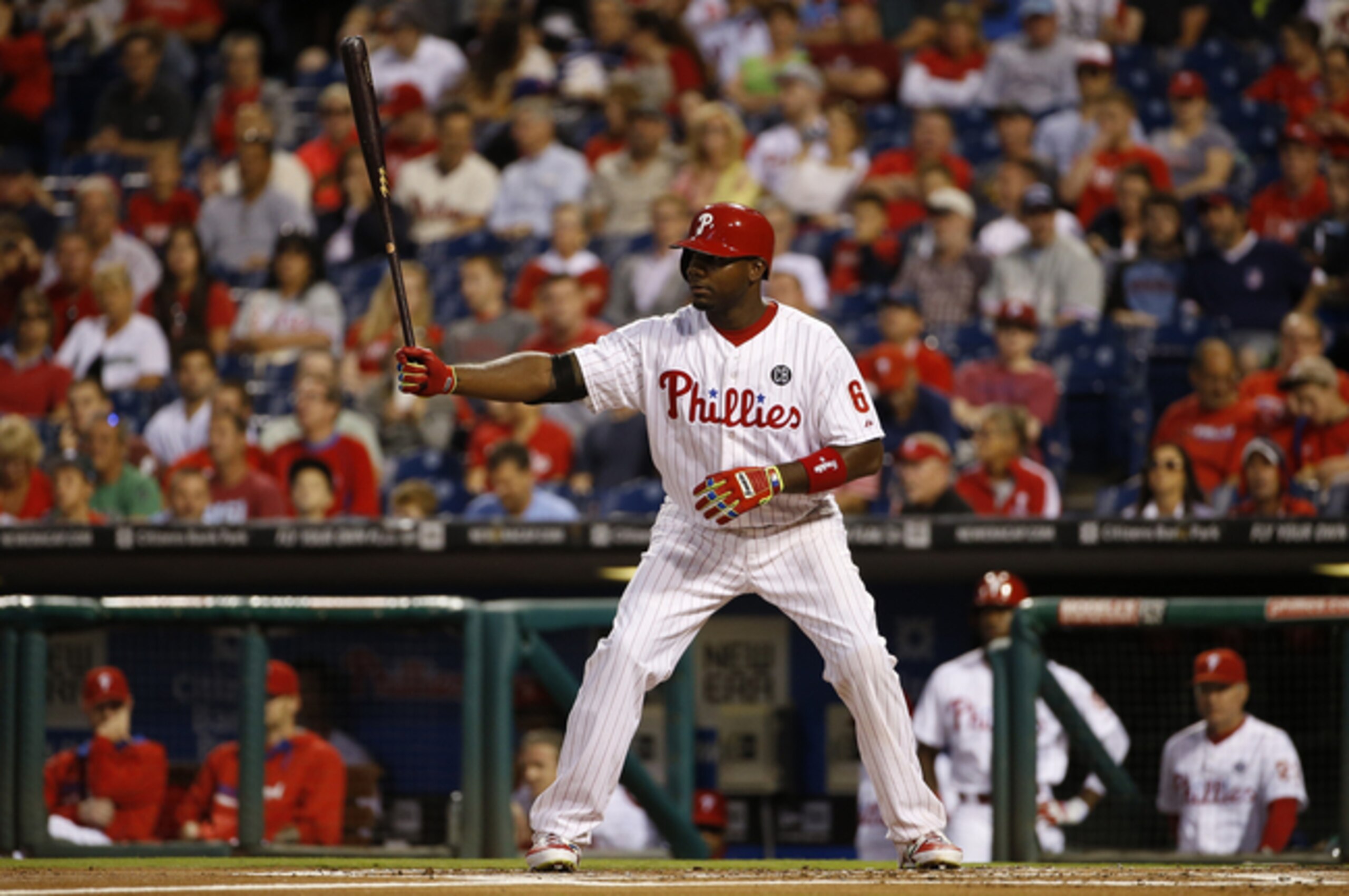
Let’s stick with baseball, where stats are maintained obsessively in what seems like an endless range of categories.
Just like a pitcher’s record, a batter’s RBI total can be incredibly misleading. Though it’s an individual stat, it has just as much to do with batting order and those who surround a given player.
In other words, a leadoff hitter will naturally have fewer chances to drive runs home than a player batting fourth or fifth in the lineup, and even the latter depends largely on his teammates—the more often those in front of him get on base, the more RBI chances he’ll have.
Take Ryan Howard’s 2008 season, for example. The Philadelphia first baseman hit a whopping 146 RBI despite hitting just .251 from the plate with a meager .339 on-base percentage (OBP). He, however, played for a top-10 offense and took advantage to say the least.
Continued on next slide...
RBI Continued
7 of 11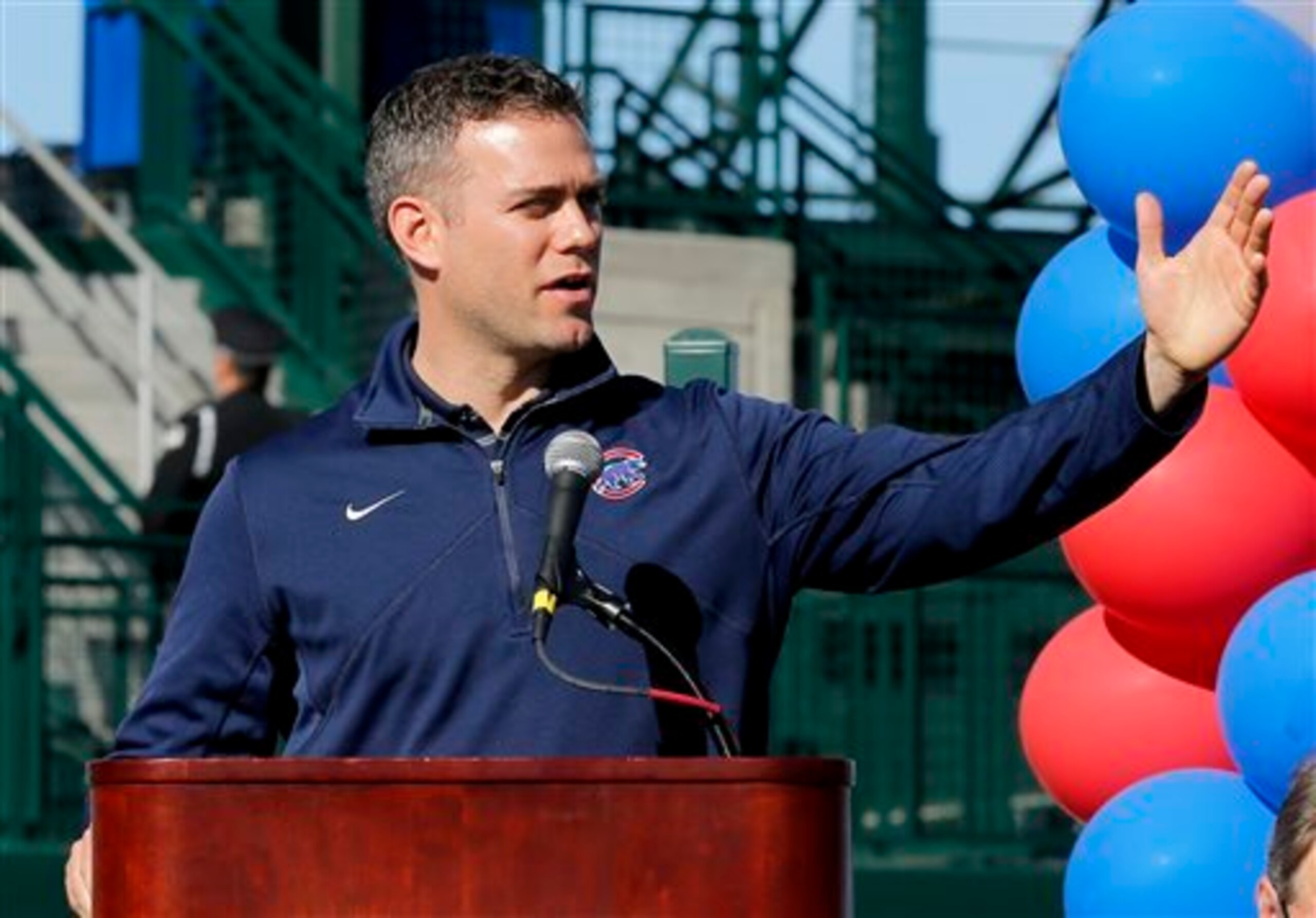
This season, Dodger first baseman Adrian Gonzalez drove in 116 runs despite a .276 batting average and .335 OBP. Of course, playing for a team that led baseball in OPB and that was sixth in runs scored didn’t hurt his cause.
In comparison, Adrian Beltre had much better year at the plate, hitting .324 with an OBP of .388, but finished the year with just 77 RBI. The difference: Beltre’s Rangers were in the bottom half of baseball in both runs scored and OBP.
And don’t just take our word for it. The great Theo Epstein—now president of baseball operations for the Chicago Cubs—will tell you the exact same thing:
“You guys can talk about RBI if you want. We ignore them in the front office. ... If you want to talk about RBI at all, talk about them as a percentage of opportunity, but it simply is not a way that we use to evaluate offensive players.”
Of course, guys like Epstein have far more useful stats at their disposal, like OPS, which combines a player’s slugging percentage with his OBP. Yet even still, player RBI totals somehow continue to be among the most visible and frequently referenced numbers in the game.
Time of Possession
8 of 11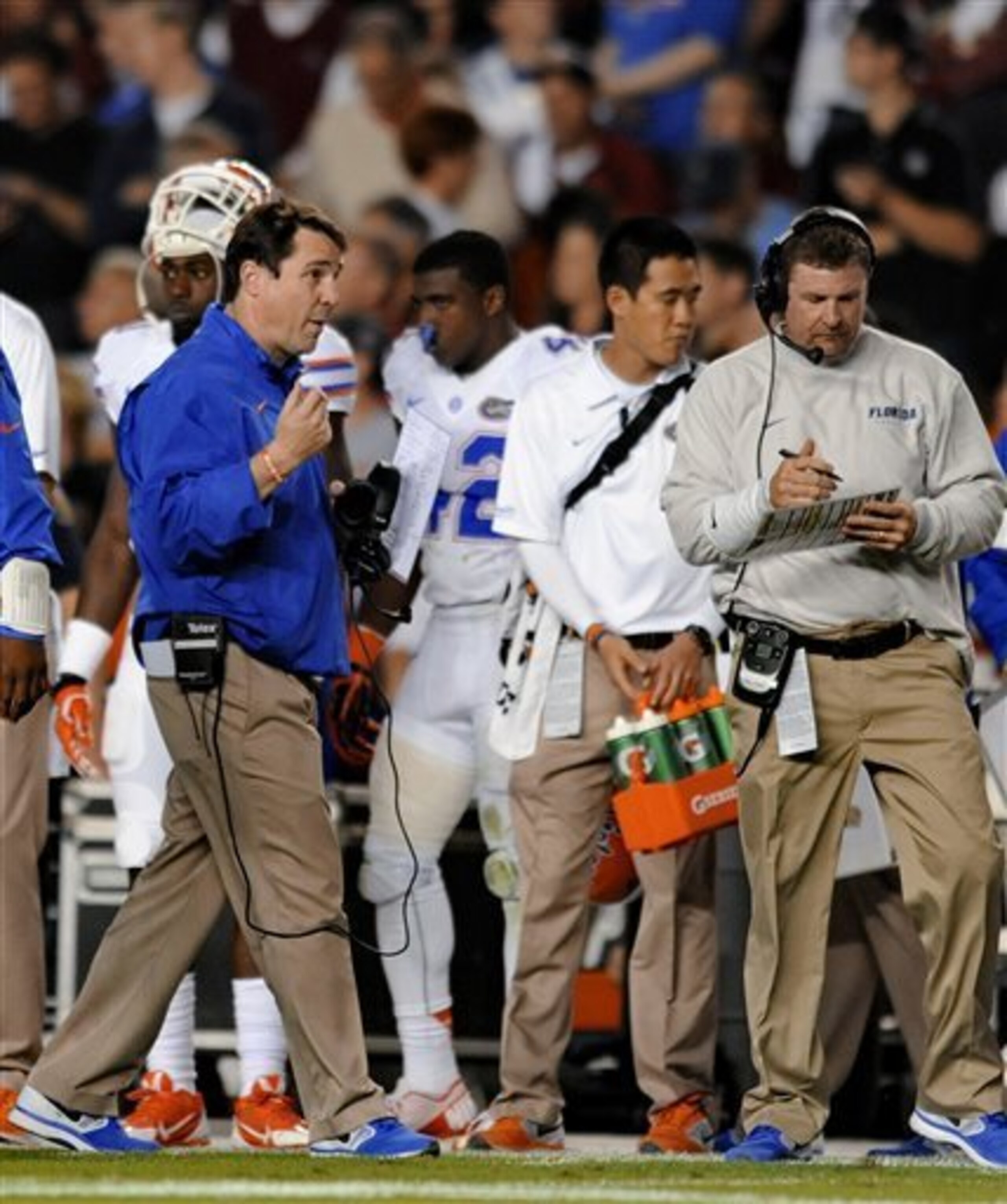
There’s clearly something to be said for keeping opposing offenses on the sideline. After all, it’s tough for the other team to score if it doesn’t have the football.
Yet time of possession (TOP) remains one of the most overrated stats in sports, completely meaningless without context.
Simply put, it's not about how long you have the football; it’s about what you do with it. The 60 seconds it takes for one team to go three-and-out may be ample time for another to score seven (yes, we’re looking at you, Oregon).
A team that predominantly runs the ball will likely run the clock, too, but that in no way guarantees it points. In contrast, some of the most prolific scoring attacks—often ones that favor the pass—require the least amount of time.
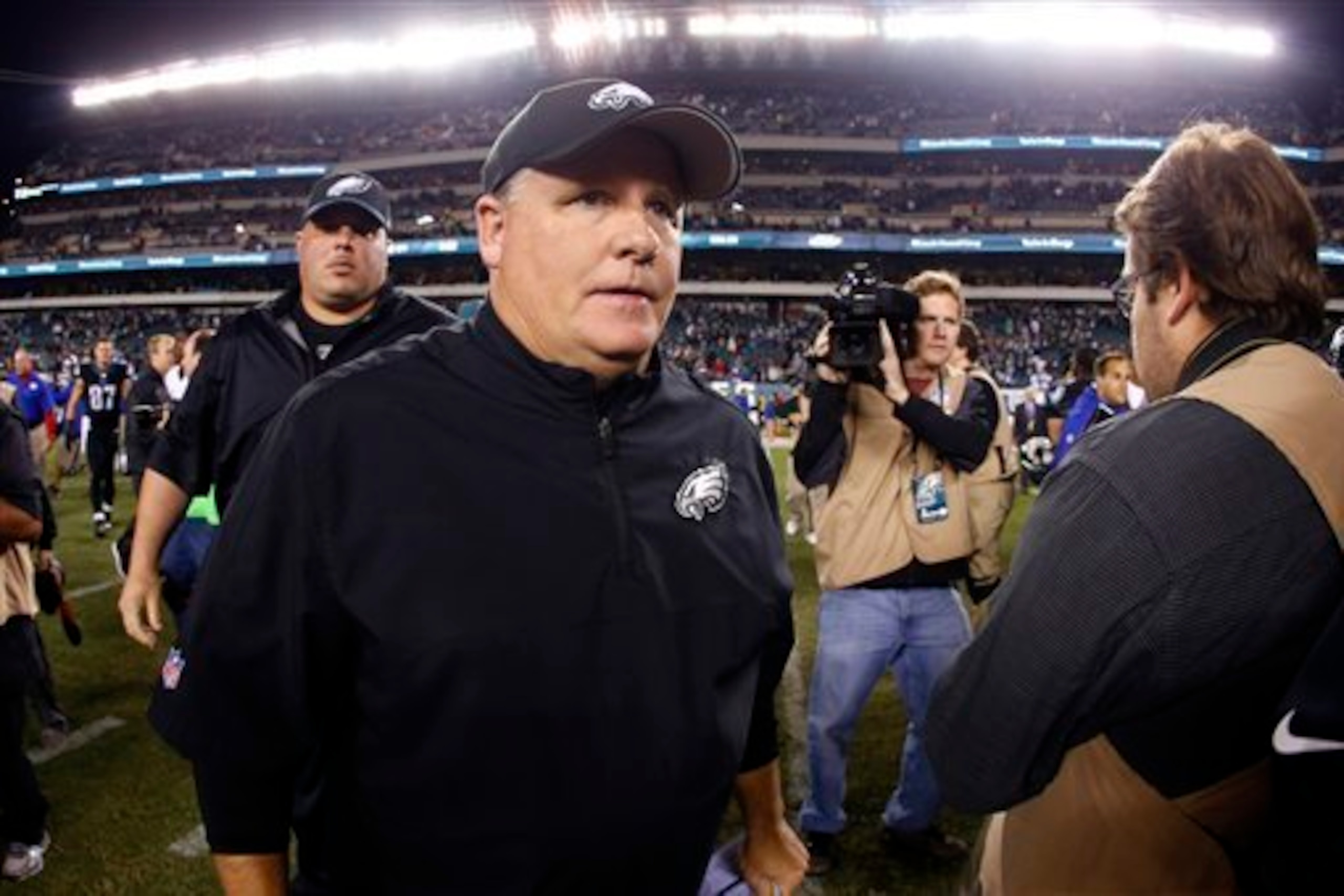
"I've heard the question about time of possession, but we've talked about all the time—time of possession is how much time can the other team waste," argues Philadelphia Eagles head coach Chip Kelly (via NFL.com). "Most games, we lose the time of possession, but it's how many snaps do you face?
In truth, many pro and college coaches today are taking pages out of Kelly’s playbook, seeking to speed the game up rather than slow it down. Just ask Alabama’s Nick Saban (h/t AL.com's Andrew Gribble), who has recently suggested that the trend toward faster tempo actually gives offenses an unfair advantage.
Continued on next slide...
Time of Possession Continued
9 of 11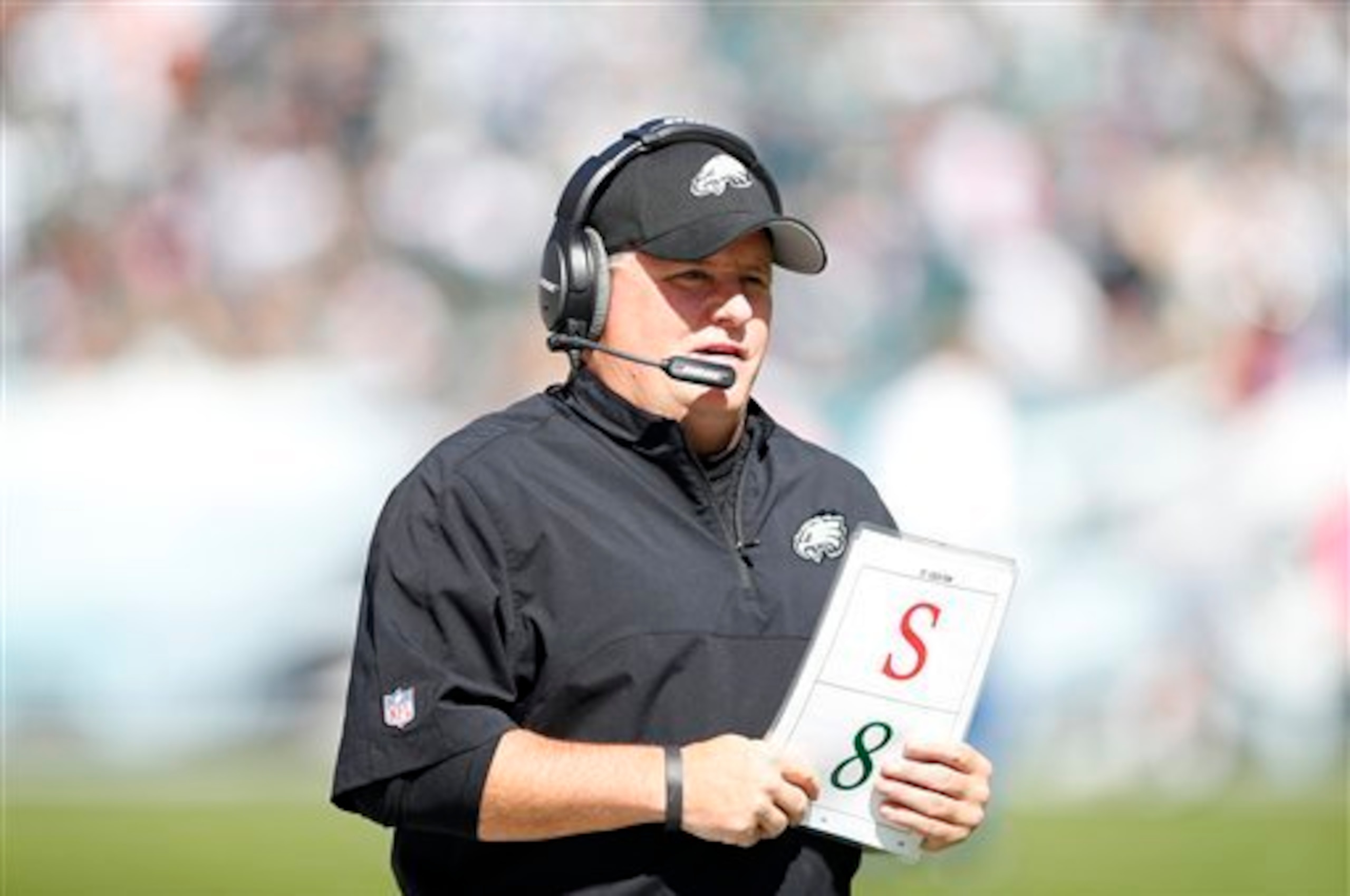
And for more proof, check out the NFL, where last year Seattle and Denver—the league’s top-two teams—were middle of the road in TOP, ranking 14th and 15th, respectively (h/t Sportingcharts).
And, as expected, Kelly’s Eagles continue to win despite ranking 31st in the category this year after finishing dead last in 2013 TOP.
In 2012, the Super Bowl-winning Ravens finished the year ranked 29th in TOP, while the Giants won a title the year prior even while ranking 23rd in the league.
On the college level, the evidence, provided by Teamrankings, is perhaps more compelling. Aside from 2013, you have to go all the way back to 2007 to find an Oregon team that ranked in the top 100 nationally in TOP (the Ducks ranked 94th that year). Yet over the nearly seven-year span, Oregon is an overwhelming 72-13.
On the flip side, Florida was miserable in 2013, losing eight games for the first time in 35 years. Holding onto the football hardly helped the Gators then, as they ranked second nationally in TOP.
Of course, none of this means it’s better to go fast than slow. It does, however, dispel a widely accepted notion that controlling the clock is a key ingredient in "winning football."
Turnovers in Basketball
10 of 11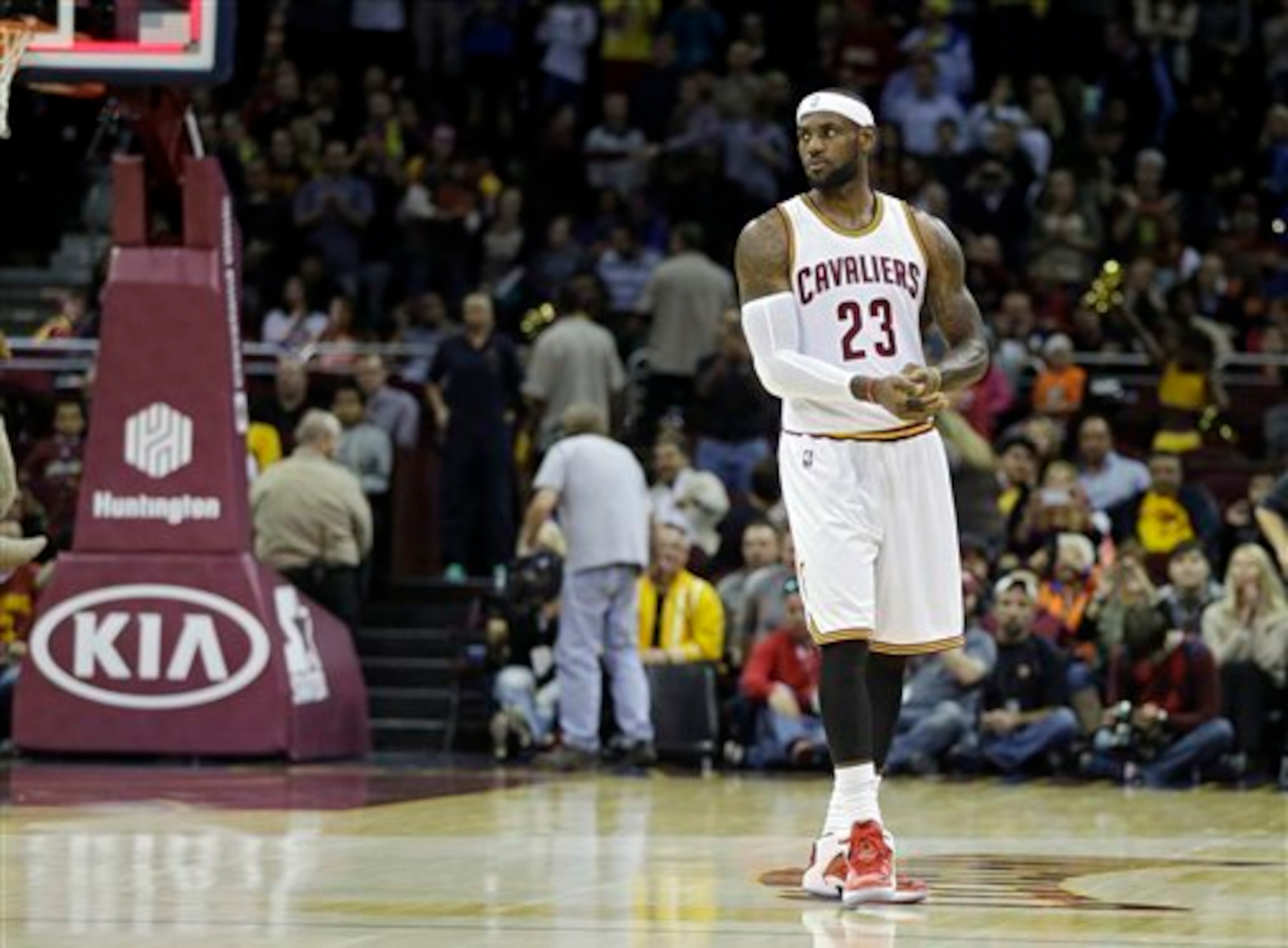
We end our statistical evaluation in the NBA, one of the many sports leagues in which turnovers are frowned upon. And we should first get one thing clear: Turning the ball over is never preferable. After all, it means one fewer shot for Team A as well as an extra possession for Team B.
As a stand-alone statistic, however, turnovers can deceive, often painting an incomplete picture.
Sure, a player’s number of turnovers in a given game or season may say something about his ability—or inability—to take care of the basketball. It may just as frequently, however, indicate a high usage rate or an overall attacking style of play.
For evidence, we need only look to the 2013 NBA season.
Continued on next slide...
Turnovers in Basketball Continued
11 of 11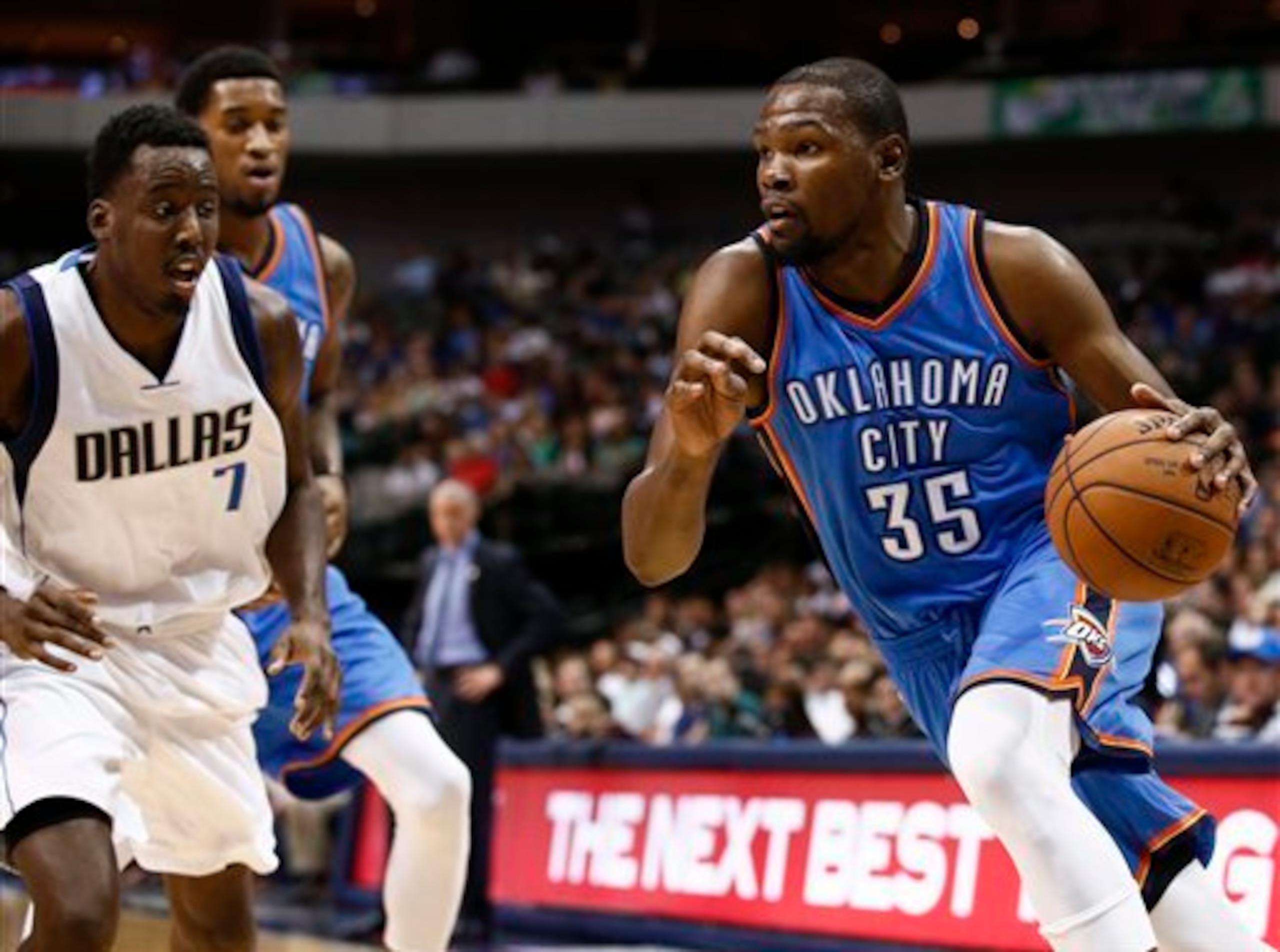
If we were to compile a list to include the 15 NBA players who turn the ball over the most per game, it would include the following stars: James Harden, Jrue Holiday, Kobe Bryant, Kevin Durant, Russell Westbrook, Kyrie Irving, Monta Ellis, Stephen Curry, LeBron James, Damian Lillard and Dwight Howard.
And, even from a team perspective, the same point can be made.
In 2013, Oklahoma City, Golden State and Houston were among the league’s top teams. They were also among the league leaders in turnovers. Meanwhile, New York and Philadelphia were dreadful cellar-dwellers but turned the ball over less than any other teams in basketball.
Again, this isn’t to say that turnovers are actually beneficial. They are, however, overrated and misunderstood; the inevitable byproduct of aggressive, attacking basketball, most commonly displayed by the world’s top players and teams.
Follow Janovitz on Twitter @BrainTrain9