Mercedes Are Right to Oppose a Change to Formula 1 Engine Development Rules
At times, Formula One seems to lurch from one self-made mini-controversy to the next, with barely enough space in between to actually hold the races. One week, there is an argument about tyre compounds, the next, it is regarding a clampdown on the use of team radios or the stewards' application of a particular rule.
The latest controversy is over the ban on in-season engine development, with Mercedes and their customer teams trying to hold on to the status quo against the Renault- and Ferrari-powered outfits.
In Russia last weekend, Mercedes won the constructors' championship, largely on the strength of the outstanding hybrid power unit they designed, which has been the class of the field for the 2014 season.
.jpg?w=2560 "NFL Paris Football")

.jpg?w=2560 "Seahawks Chiefs Football")
Now, the teams without the benefit of the Merc engine, seeing that they might not be able to close the performance gap to Mercedes by the start of next season, are agitating for a change in the regulations.
As part of the FIA's ongoing attempts to reduce costs in the sport, in-season development of the new hybrid engines is currently banned. Under the new regulations for 2014, each engine manufacturer provided a final version of their power unit to the FIA during the preseason. Changes to improve the performance of the engines are only allowed at the end of each season.
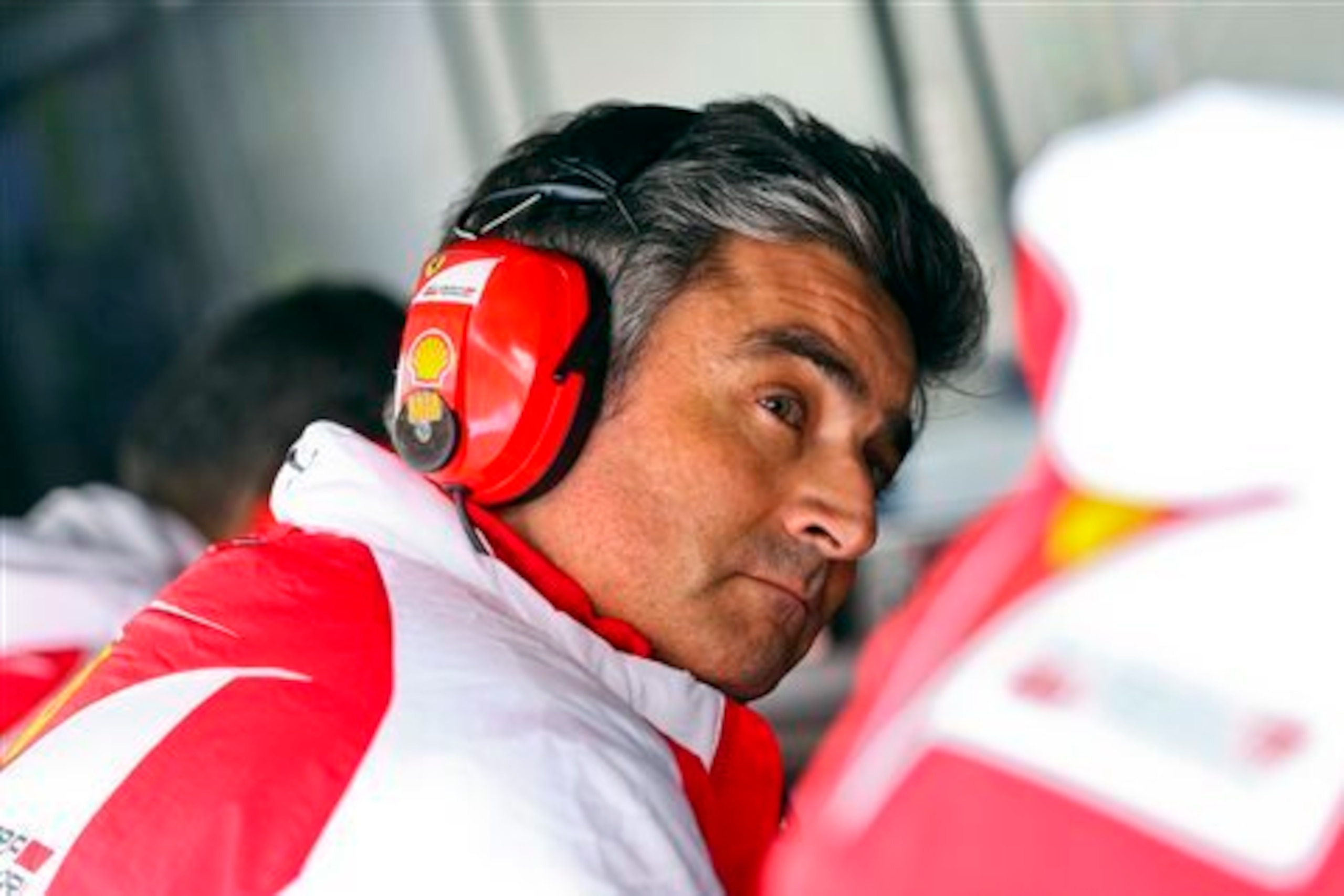
"I would like a certain amount of opportunities a year to work on the engine," said Ferrari team principal Marco Mattiacci in August, per ESPN F1. He continued:
"As you very well know we keep discussing about how to improve—if it's needed—every area of the Formula One product. ... But I suppose there are certain areas, the DNA of Formula One is innovating, innovating and catching up with the best one and being as fast as the smartest one. That's what I will keep, as Ferrari, insisting, and one of the areas is engine freezing.
"
In Russia, according to Autosport's Jonathan Noble, the F1 Strategy Group approved a proposal to allow some engine development during the 2015 season, despite opposition from the Merc-powered teams. However, to actually change the rule, a unanimous vote is needed from the F1 Commission, and Mercedes has a vote in that group, as well.
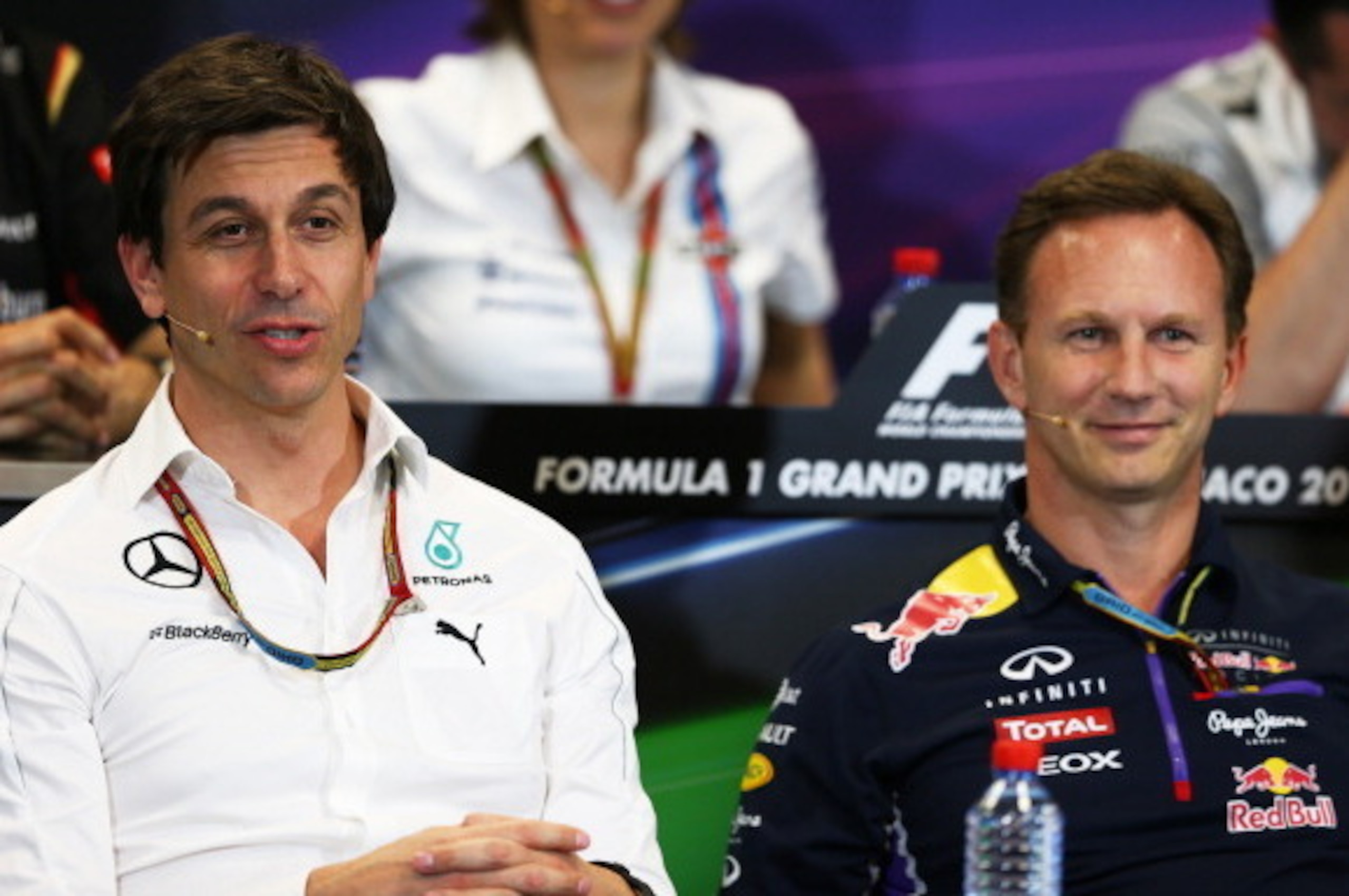
"In general terms, our philosophy is let's decide on the regulations early enough to have stable regulations," Mercedes executive director Toto Wolff told Autosport's Noble and Dieter Rencken in Sochi. "That is very important for F1—and must not make kneejerk reactions...you don't want to have regulations changing three months before the start of the season."
In the same interview, Wolff also spoke of the increased costs that would come from a loosening of the engine development rules.
Meanwhile, according to BBC Radio correspondent James Allen, Red Bull team principal Christian Horner said:
"I think it’s a bigger issue than just about the teams. It’s about what’s right for the sport, what’s right for the fans. It’s easy to take a self-interest position, but when you look at what is the right thing for F1, I think it’s to have competition. The rules are the rules, which they are at the moment, but I think we need to be big enough to say let’s open a little bit.
"
But let's not forget Horner's (and Mattiacci's and Wolff's) real goal: to win. They can speak all they want about competition and cost-savings, but their views on this issue are coloured—as they should be—by what is best for their respective teams.

However, what is best for certain individual teams is not necessarily what is best for the sport.
Mattiacci may be right that innovation is the essence of F1, but is F1 not also about building the fastest car possible within the regulations?
Mercedes have done that, and they have done it much better than Ferrari, Red Bull and everyone else. It is not fair to change the regulations for next season at the last minute, in the hope that there will be more competition at the front of the grid in 2015.
Just because it turns out Chelsea Football Club are better at scoring goals than any other team in the Premier League this season, does that mean their opponents should get a smaller net from now on?
Yes, it would be nice to see more than one team with a realistic hope of winning the championship in 2015, but not at the expense of rules that were established and agreed upon by the teams. If Ferrari, Red Bull and the others want to beat Mercedes, they should be forced to do it through the same hard work and ingenuity that Mercedes put in to reach their current level of dominance, not because they were able to manipulate the rules to their advantage.
It should also be remembered that one of the goals of the new engine regulations was to generate interest among manufacturers not currently involved in F1 and, ultimately, bring new engine builders into the sport.
At a Formula One Teams Association (FOTA) forum in 2011, then-FOTA chairman and McLaren team principal Martin Whitmarsh said, per Chris Medland of ESPN F1:
"The automotive manufacturers have, over the history of Formula One, been very significant investors in our sport. And I think we need to provide an environment where the engine rules are sufficiently defined so that people can come into it knowing that if they do a sound and good technological job then they will be competitive.
"
Honda has already been brought back into the fold, starting next season, but changing the engine regulations now, after just one season, would hurt efforts to entice other manufacturers. Why would any other companies want to join the sport if they thought that no matter how much time and money they put into developing an engine, the rules would be changed the minute they were perceived to have any kind of advantage?
The ban on in-season development of the power units should remain in place next year, and Mercedes should not be penalised for doing too good of a job.
The Silver Arrows will not be on top forever—and remember, it was less than a year ago that people were clamouring for anyone other than Red Bull to win a championship. Now we have that, along with one of the most interesting and exciting F1 seasons of the new millennium.
As the saying goes: If it ain't broke, don't fix it.
Follow me on Twitter for updates when I publish a new article and for other (mostly) F1-related news and banter: