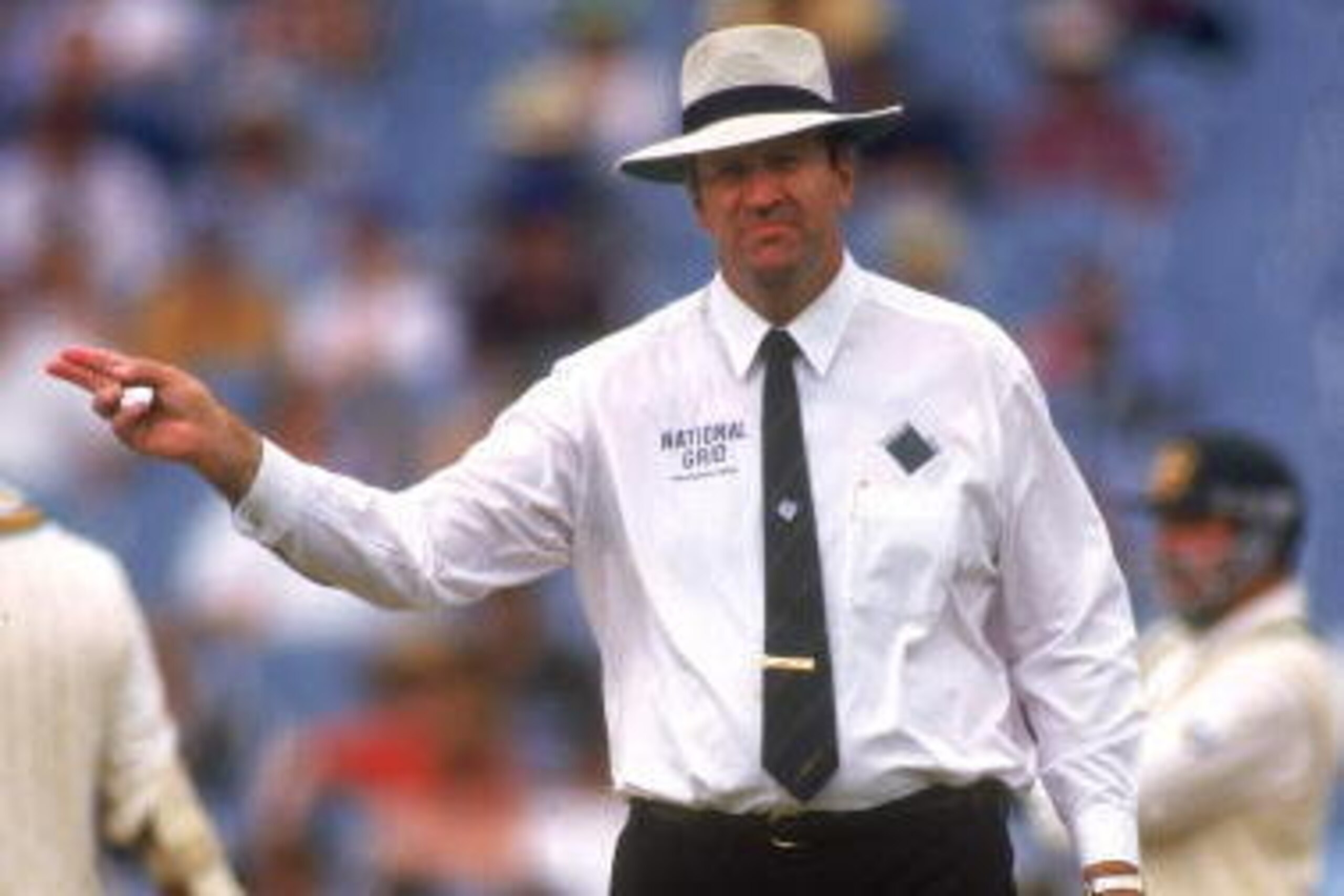
"No ball," cried umpire Darrell Hair soon after lunch in the centre of the Melbourne Cricket Ground.
His right arm outstretched, Hair was quickly about to mark the day, Dec. 26 1995, as one of the most infamous in the game's history.
"No ball," he cried again just moments later, as Muttiah Muralitharan sent down another of his deliveries on the first afternoon of the second Test between Australia and Sri Lanka.
.jpg?w=2560 "NFL Paris Football")

.jpg?w=2560 "Seahawks Chiefs Football")
Inside the colossal Australian venue, confusion quickly turned to tension when the realisation of what was occurring struck: Hair, a strong-minded straight-shooter, was making a one-man stand against the issue of suspect actions in international cricket.
In all, the now-retired umpire no-balled the off-spinner seven times on that fateful afternoon in Melbourne, forever entrenching the pair as the most central figures in cricket's murky throwing debate.
Those moments, played out more than 19 years ago in front of a crowd numbering 55,000, ensured that Hair's comments over the weekend regarding the ICC's recent crackdown on suspect actions carried significant weight.
"Whatever they're doing now, they're doing 20 years too late," the former umpire said on Sunday, according to the Sydney Morning Herald.
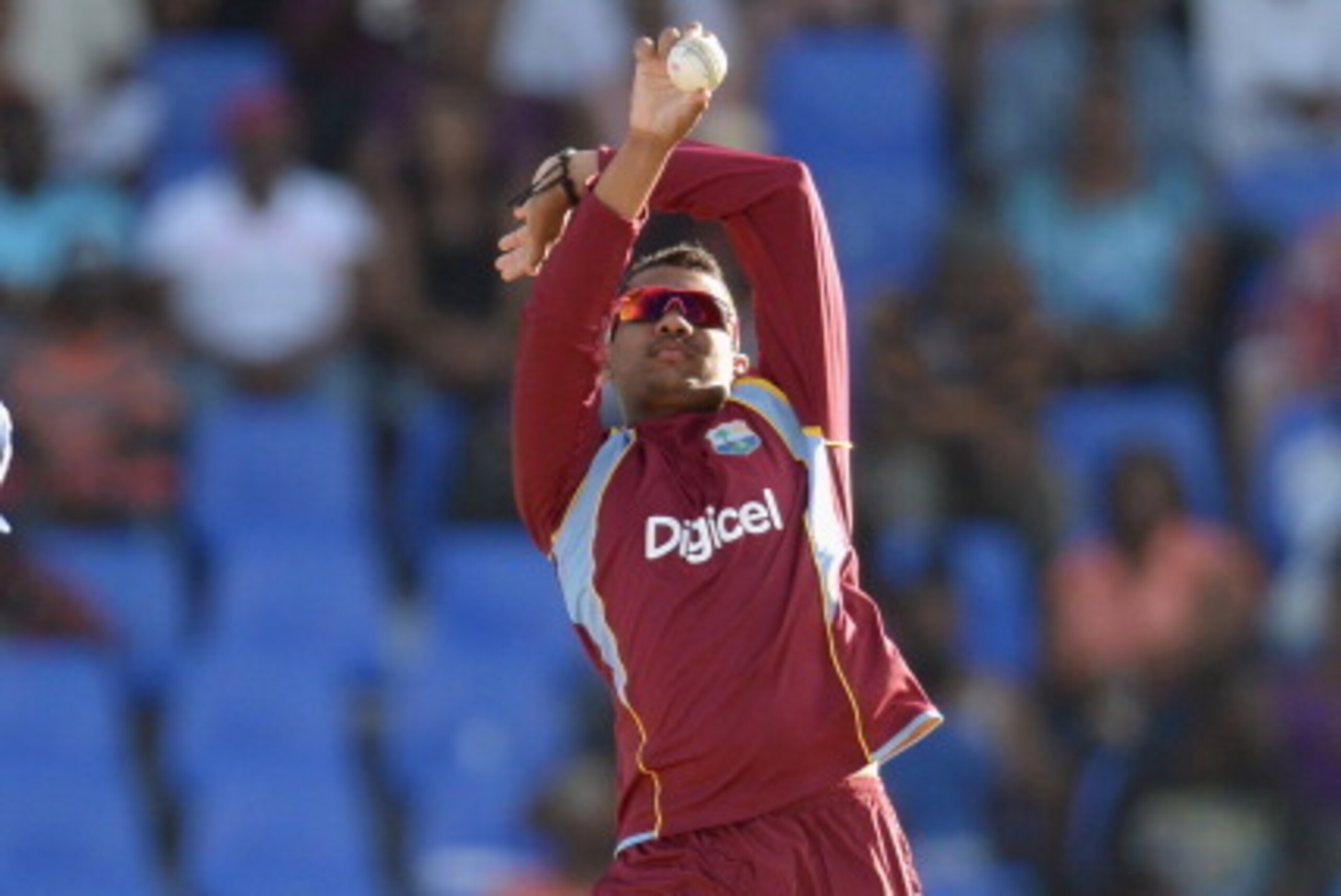
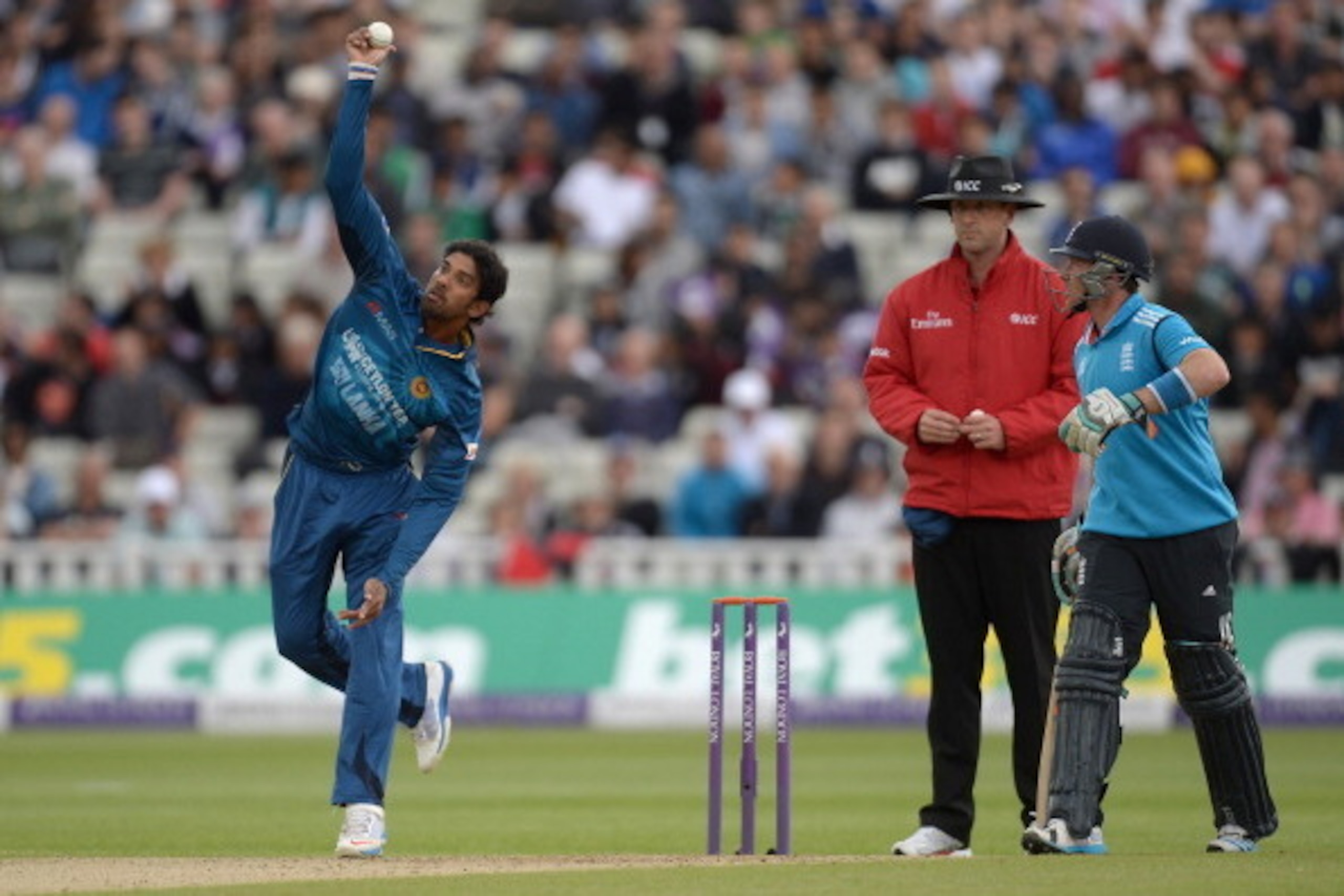
Hair was referring to the bans handed to Sachithra Senanayake, Saeed Ajmal, Kane Williamson, Prosper Utseya and Sohag Gazi in 2014, in addition to the recent reports of Sunil Narine, Mohammad Hafeez, Adnan Rasool, Suryakumar Yadav and Prenelan Subrayen in the concluded Champions League Twenty20.
"They had a chance in 1995 to clean things up and it's taken them 19 years to finally come back and say they want chuckers out of the game," he lamented.
Hair's words were typically forthright. He's never been one to hold any punches (or reluctantly keep his right arm by his side). But it also seems that his long-held concern—"I said it in the late '90s that if something wasn't done about it you'd have a generation of chuckers on your hands and now you have"—has become a reality that the ICC has belatedly opted to address.
Yet, why now? What's behind the suddenly urgent push to rid cricket of suspect actions following what has been an extended period of neglect on the issue? What part of the global cricket landscape has forced the hands of the game's governing bodies in 2014?
According to ICC general manager of cricket operations, Geoff Allardice, the campaign to counter illegal bowling actions was heightened after an ICC Cricket Committee meeting in June.
"The game had reached a tipping point on this issue, when many groups within the game felt that there were too many bowlers with suspect actions operating in international cricket," Allardice told Fairfax Media, per ESPN Cricinfo.
"The most prominent of these groups was the ICC Cricket Committee at its meeting in June, when it observed the ICC's reporting and testing procedures were not adequately scrutinising these bowlers," he added.
Allardice also suggested the concerns over suspect actions belonged to a number of groups within the game, rather than just the all-powerful boards in India, England and Australia as some might have suspected.
"They weren't the only ones [the ICC Cricket Committee] talking about this issue, as similar views had been expressed by teams, players, umpires, referees and administrators.
"Since that time the umpires have felt more confident to report their concerns with certain bowlers, and their concerns have been supported by the results of the testing of these reported bowlers."
What seems certain is that key figures within cricket—many of them, perhaps—had grown increasingly uneasy with the game's trajectory. But cricket has a history of merely shrugging at such damaging issues until they affect the bottom line.
Like Hair, former Australian captain Ricky Ponting insisted to the Cricket Australia website that suspect actions had been allowed "for way too long," per ESPN Cricinfo, adding that ridding the sport of chuckers would have been "the first thing that would come to mind" for players of the last 15 years when contemplating how to improve the game.
The delay in action is likely to owe itself to need, or a lack thereof—until now. Suddenly, the need is there: The competition for a dollar has never been fiercer than it is now, and cricket is a sport that, as Barney Ronay of The Guardian described, "has for the last decade turned itself inside out in pursuit of a buck."
But in professional sport, as it is in many industries, that buck is attached to credibility, a quantity the game simply can't possess if bowlers like Ajmal are allowed to break its laws by staggering margins.

And it's that dollar-credibility dynamic that appears to be driving the current crackdown on suspect actions.
Cricket desperately needs the approaching 2015 World Cup to be a success, particularly on the back of an ICC World Twenty20 tournament riddled with concerns regarding illegal actions and a Champions League Twenty20 plagued by the same issue and compounded by a wide-sweeping apathy for the flawed event.
While the game has acknowledged that the limited-overs formats—particularly the 20-over game—represent its economic future, a volatile 2014 has shown cricket that such a future also hinges on lasting reputability.
It might have come "20 years too late," as Hair suggested, but the current drive against suspect actions appears to be a starting point for the game to reclaim that dollar-driving commodity.