Stolen Sports Traditions
There are some great sports traditions out there, but that doesn’t make stealing them OK.
If a team or its fans perform a particular sports tradition and there is reasonable evidence that no one associated with that team came up with that tradition, then we have possible theft on our hands.
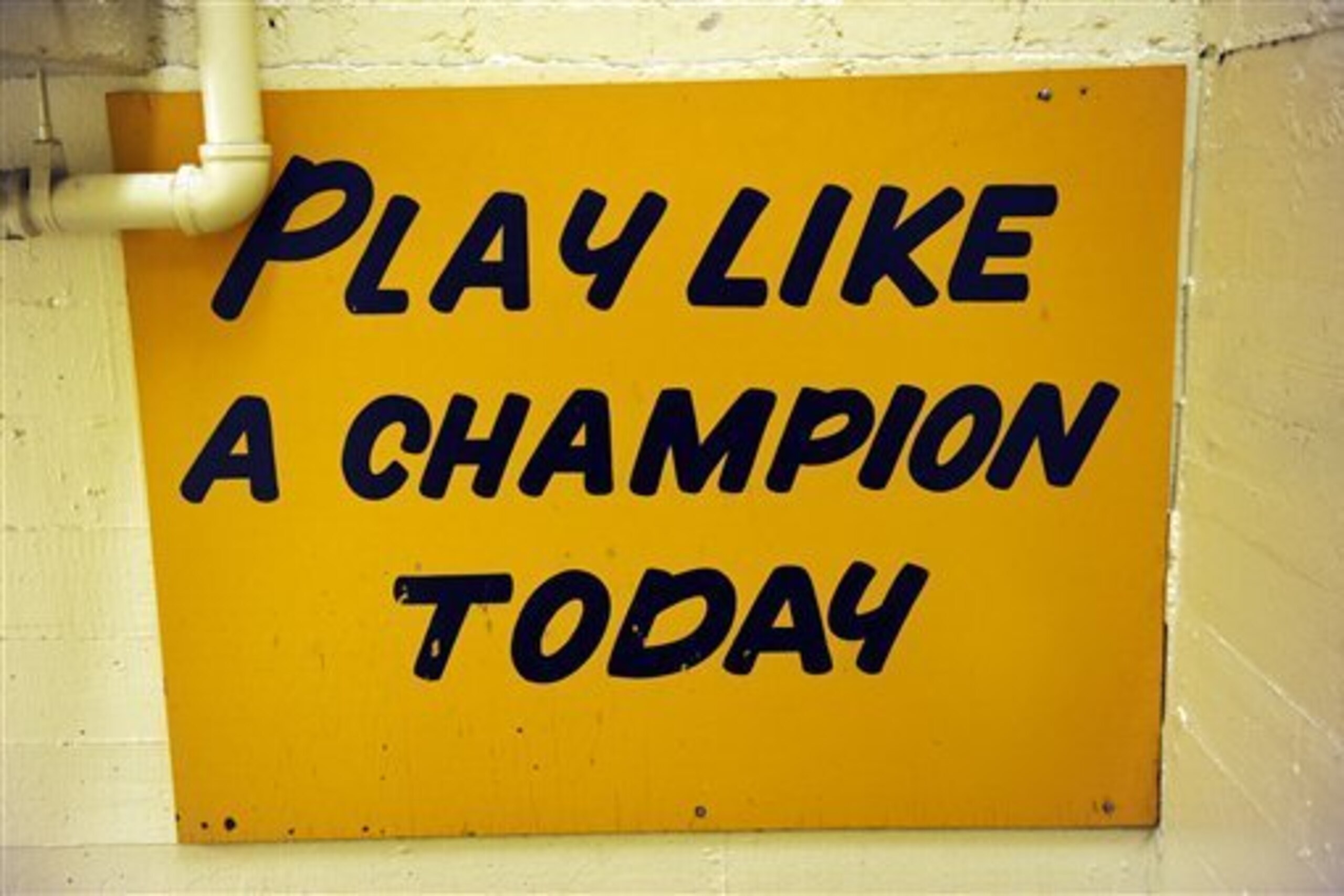
The Boston Red Sox did not invent playoff beards. The Atlanta Braves admit to getting their "Tomahawk Chop” indirectly from the Florida State Seminoles. Did you know that Notre Dame wasn’t the first college football team to have a “Play Like A Champion Today” sign?
Let’s take a look at a few stolen—whether intentional or not, admitted or not—sports traditions. How offended were the inventors of the traditions, if at all? The more egregious the theft, the worse the offense.
Haka Dance
1 of 13In terms of sports, the football team at Hawaii is often most associated with the performance of the Haka dance.
In reality, this sports tradition was first started in New Zealand with the All Blacks rugby squad.
The Haka itself is a war cry of the Māori people from New Zealand, and the rugby team first began performing it at games to both honor its country’s heritage and intimidate opponents.
Color-Outs
2 of 13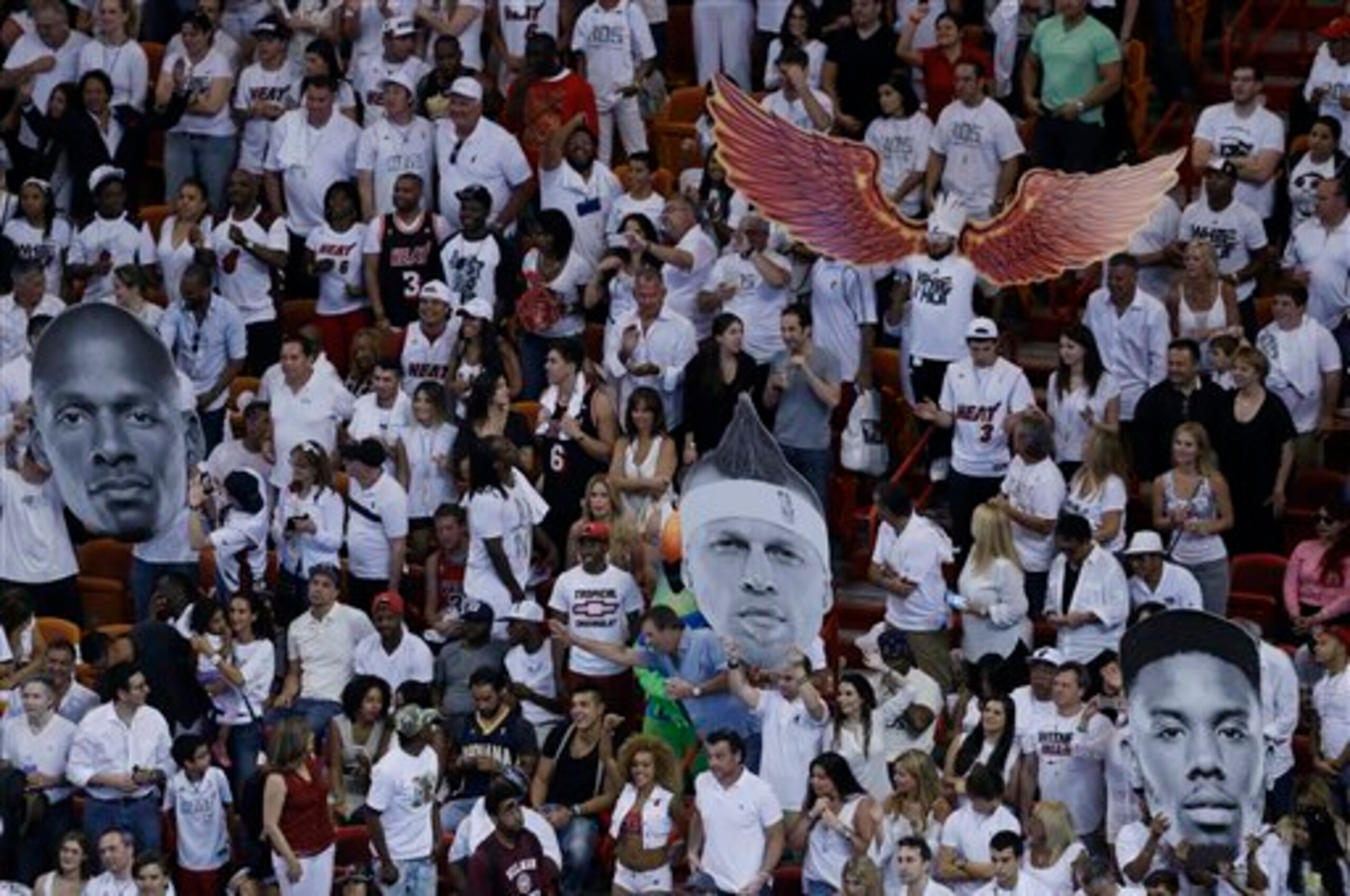
Who started this whole color-out business in sports?
According to Jared Diamond of the The Wall Street Journal, it was the Winnipeg Jets in the 1980s. A former Jets executive told Diamond that the team chose to execute white-outs because white shirts are most successful in hiding other colors.
Now, teams organize color-outs everywhere like it's their job. A notable example is the Miami Heat—the team has been organizing white-outs since 2006.
'Enter Sandman'
3 of 13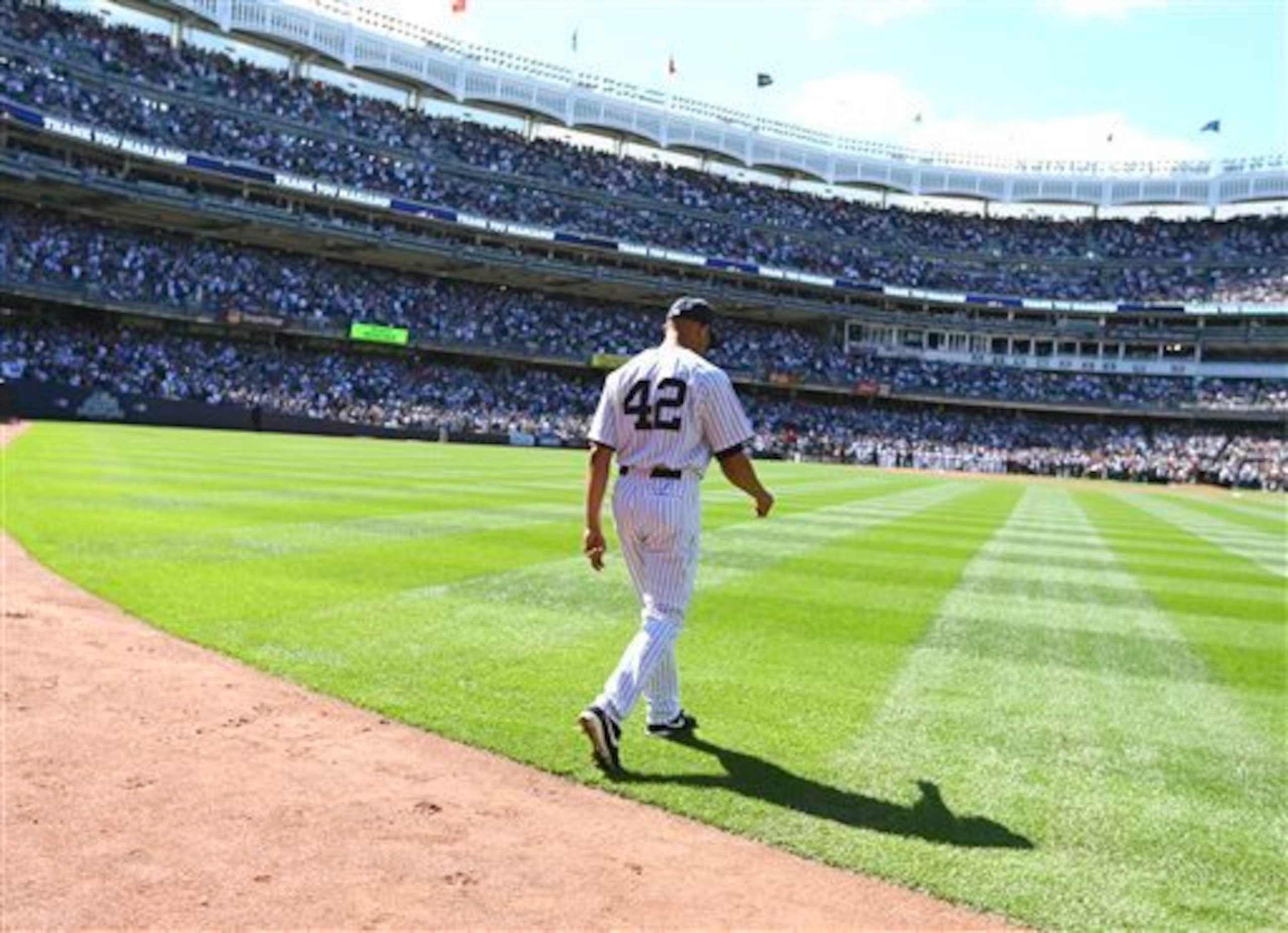
Legendary New York Yankees closer Mariano Rivera ran out of the bullpen to Metallica’s "Enter Sandman" from 1999 until his retirement in 2013.
His entrance became such a legendary scene, and the song such a big part of that scene, that Metallica actually played it live at one of Rivera’s last home games.
In 2000, Virginia Tech’s football team also began entering the field to "Enter Sandman." Due to the close timing, odds are that this is a coincidence, but it's hard to say. Maybe someone in the VT athletic department was a Yankee fan.

.jpg?w=2560 "NFL Paris Football")
.jpg?w=2560 "Seahawks Chiefs Football")
Playoff Beards
4 of 13
So, playoff beards have been a thing in hockey since the 1980 New York Islanders.
Other sports teams or individual players have taken part in the tradition from time to time, but the 2013 Boston Red Sox took it over completely.
Red Sox players let their beards grow all the way through to their World Series victory, often tugging at each other’s whiskers in celebration (OK).
Turns out hockey players might not mind the robbery, however. Toronto Maple Leafs forward David Clarkson told Kevin McGran of the Toronto Star, “It shows everyone knows what time of the year it is when everyone starts wearing beards. Whether it is hockey or baseball. Fans know it’s playoff time."
FSU War Chant
5 of 13L.V. Anderson of Slate magazine reported that the war chant performed by Florida State Seminoles fans most likely did originate with the Seminoles.
Deion Sanders later took the chant with him to the Atlanta Braves of MLB, and they call it the "Tomahawk Chop." However, Sanders did go to Florida State, so it’s not really malicious stealing.
The Braves even admit this tradition came from the Seminoles—as do the Kansas City Chiefs.
The Masked Rider
6 of 13
The Masked Rider has been the official mascot of Texas Tech since 1954. He theatrically rides out onto the field on a black horse for every home football game.
Then in 1984, a professor at Oklahoma State University, tasked with thinking up a new mascot, came up with the idea for Spirit Rider—also a dude riding a black horse.
Tiger Walk
7 of 13On football game days in Auburn, Alabama, the Tigers walk from their athletic complex to the stadium. As the players take this walk, thousands of fans line the street to cheer them on. This is the Tiger Walk.
According to Auburn athletics’ website, this great tradition started in the 1960s when kids would approach players for autographs on their way to the stadium.
Now, many other schools do their own version of this walk, including Tennessee, Georgia and Virginia Tech.
Terrible Towel
8 of 13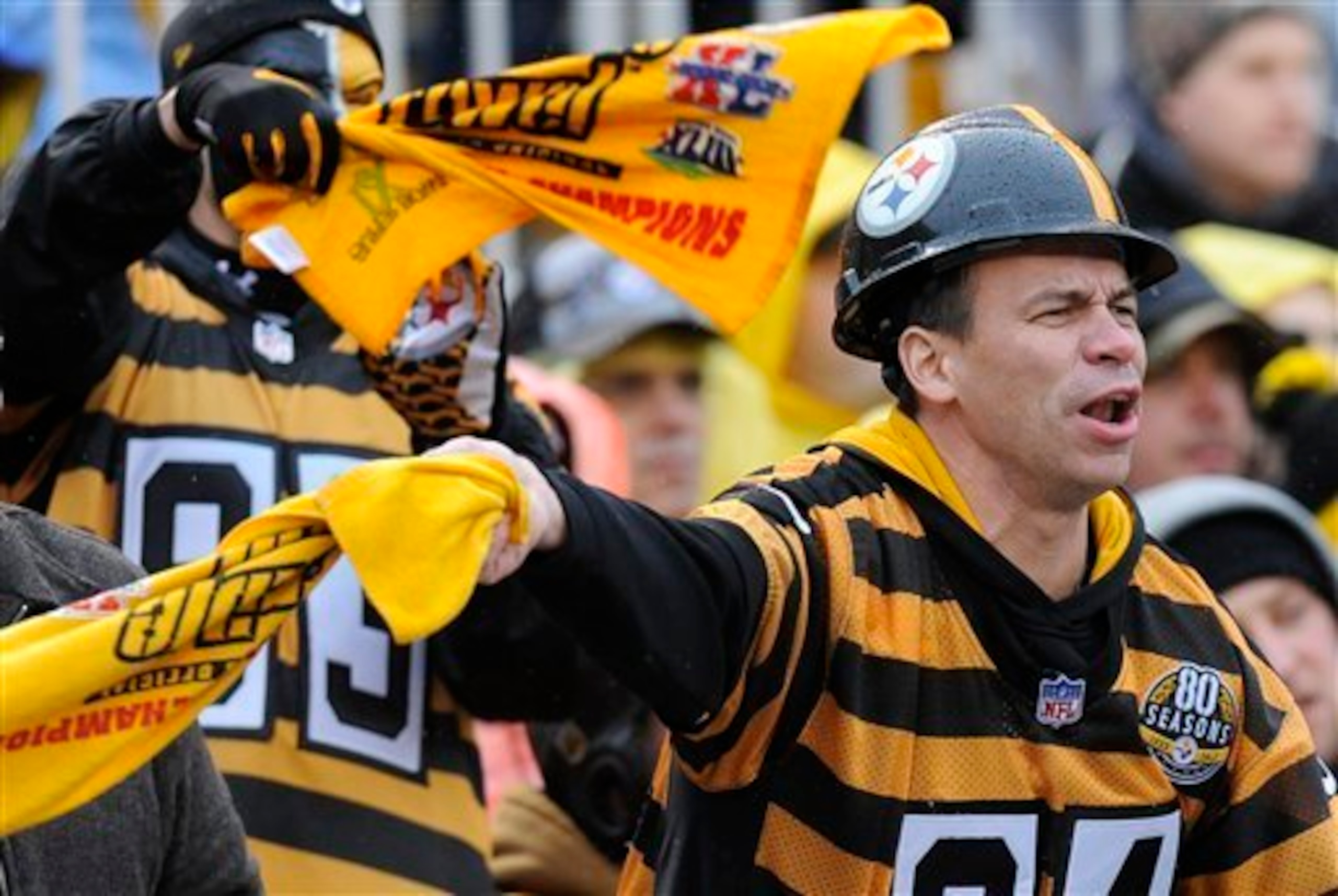
The Terrible Towel started with the Pittsburgh Steelers in 1975—broadcaster Myron Cope had the idea to get the crowd hyped up during the playoffs that year.
Well it worked—the Steelers won Super Bowl X—and it stuck.
Now, many NFL and other sports teams have Terrible Towels, although they’re not allowed to call them that. So they call them rally towels.
Gator Chomp
9 of 13Brent Woronoff of The Daytona Beach News-Journal reported that a man named Monty Musgrave came up with the University of Florida’s "Gator Chomp" cheer in 1981.
Musgrave was in the marching band and played the famous music from Jaws on his tuba while cheerleaders “chomped” with their arms.
Now, I’m not saying anyone has definitely stolen Musgrave’s masterpiece, but the University of Iowa’s fourth-down chant sure does resemble a gator chomping his jaw.
The Baylor Line
10 of 13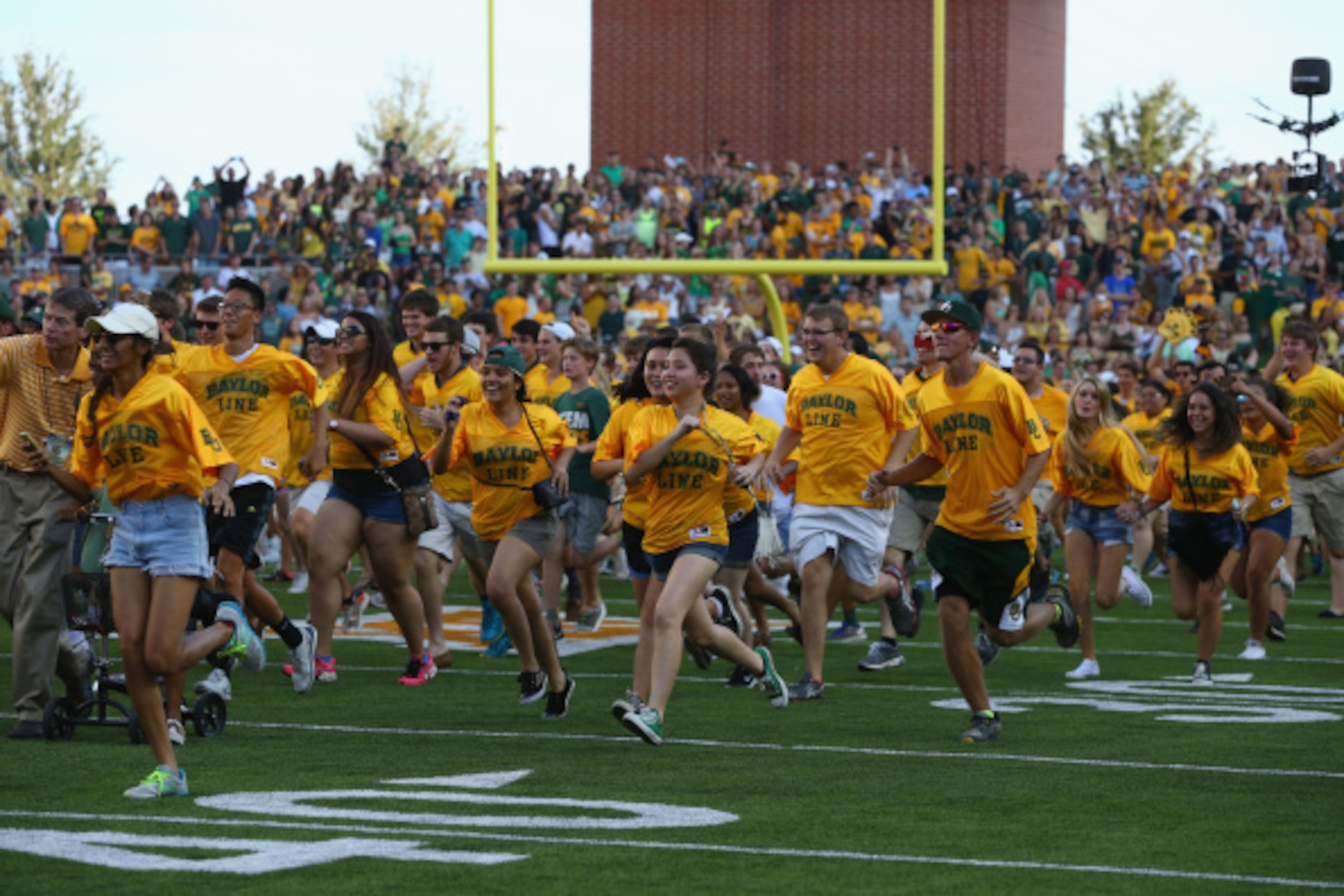
Renaming a tradition doesn’t mean you didn’t steal it.
The Baylor Line is a great tradition at Baylor University—a group of yellow-jersey-clad freshmen run onto the field prior to each home game and welcome the players onto the field.
In 2013, the University of Texas at San Antonio created the Rowdy Rush, admittedly modeled after the Baylor Line. Like the Baylor Line, UTSA freshmen are able to run onto the field prior to kickoff and help form the team’s entrance tunnel.
Opinions from the Baylor faithful have been mixed.
Lambeau Leap
11 of 13"The Lambeau Leap" is something that Green Bay Packers players do at their home, Lambeau Field.
This has been going on since LeRoy Butler arbitrarily decided to jump into the crowd after scoring a touchdown in 1993.
Anyway, someone should tell this to Chad Johnson (Ochocinco back then). During a game against the Packers in 2009, the Cincinnati Bengal decided to try out his own Lambeau Leap after scoring against the home team.
The fans in Green Bay didn’t take it too well.
The 12th Man
12 of 13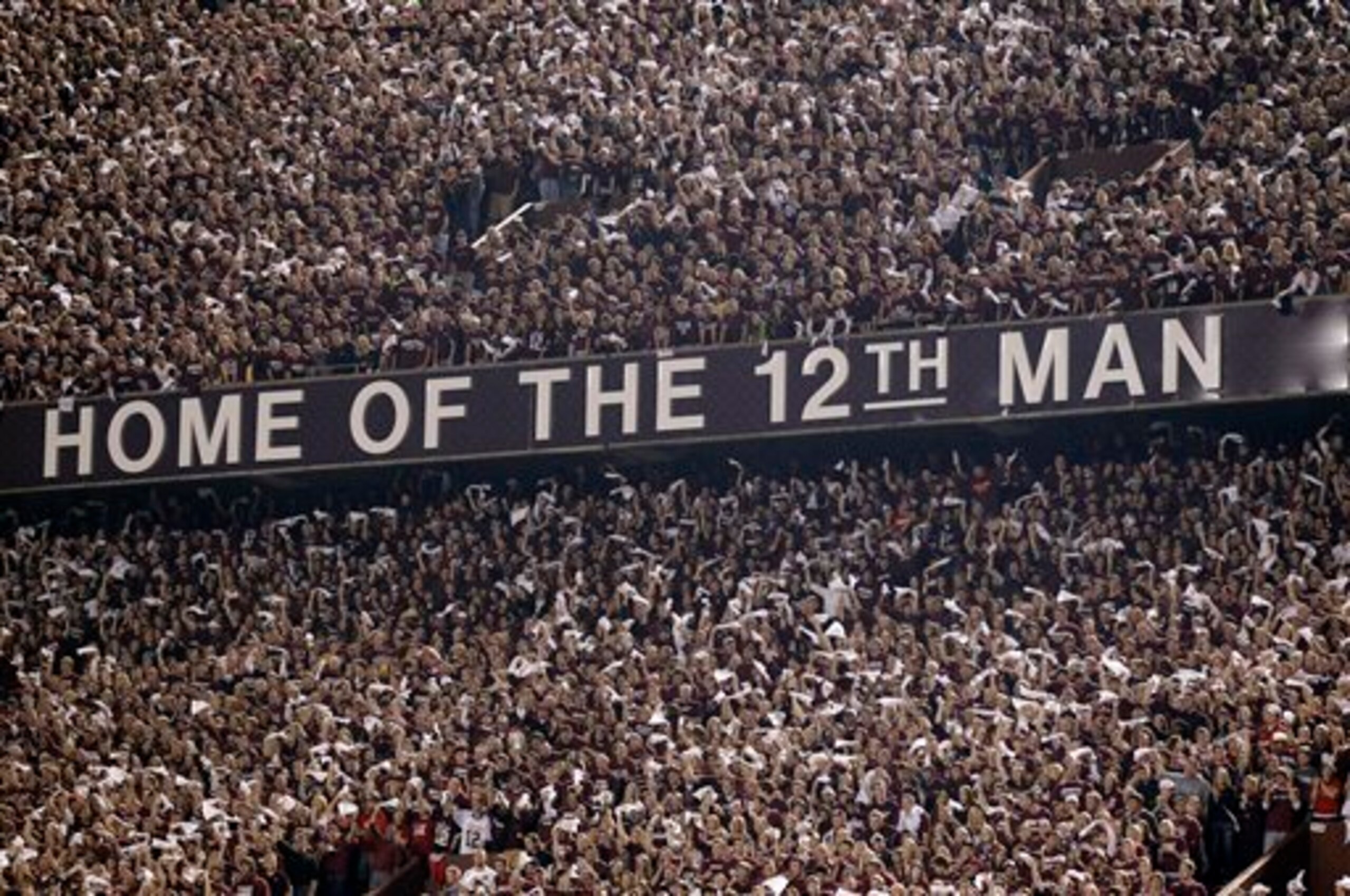
The Super Bowl champion Seattle Seahawks have made the “12th Man” famous. They sell his jerseys, mention him in broadcasts and have even named a burger after him at concession stands.
But the tradition actually started in 1922 at Texas A&M. The Aggies were so unhappy about Seattle's use of the phrase that they took legal action. In 2006, the university filed a lawsuit regarding the ownership rights of the phrase “12th Man.”
The suit resulted in an agreement that the trademark belongs to the Aggies, but Texas A&M will still allow the Seahawks to use the phrase under license. So there's a happy ending.
Play Like a Champion Today
13 of 13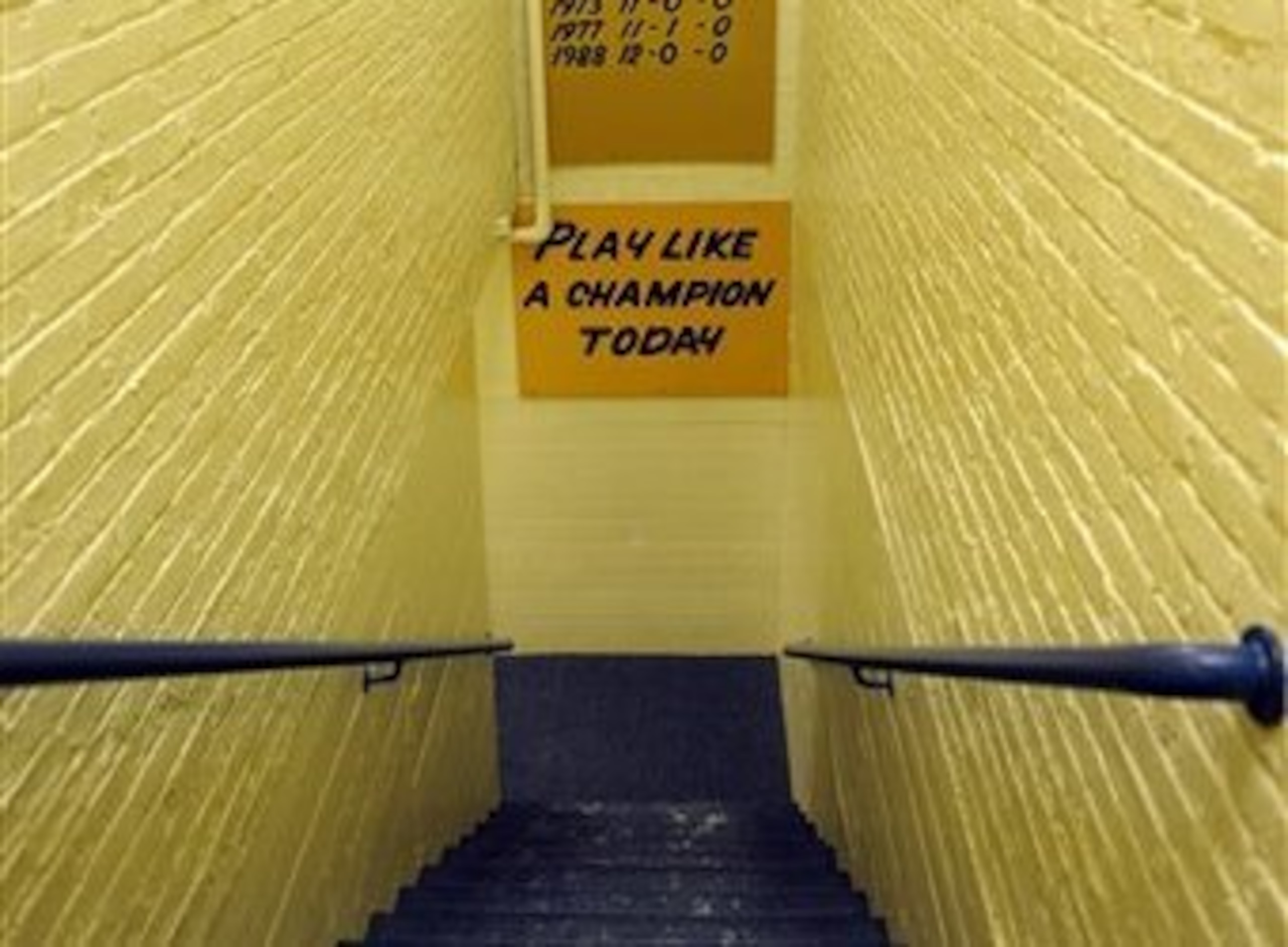
Notre Dame’s “Play Like A Champion Today” sign is one of the most recognizable symbols in all of sports.
But did you know that the Oklahoma Sooners had the same sign, and they had it first?
According to Berry Tramel of The Oklahoman, former Oklahoma head coach Bud Wilkinson hung a “Play Like A Champion Today” sign over his team’s locker room exit sometime between 1947 and 1951. All signs point to the fact that Notre Dame’s sign didn’t appear until 1986.
One OU fan wrote to Tramel, “They shamelessly stole our ‘Play Like A Champion Today' sign and have claimed it as their own. I often wonder why Lou Holtz didn't also rename the ‘Oklahoma Drill.'"