Best XV from 2014 Rugby Championship
The Rugby Championship’s final table might have a familiar look to it, but the last weekend shook the natural order of things up with wins for South Africa over New Zealand and Argentina over the Wallabies.
Some displays in this last weekend swung the decision over who should earn a spot in this team of the tournament, while others confirmed their places.
This team of the tournament is the result of an assessment of the quality of performances, the context in which some players performed and the number of matches they played compared to their rivals.
All stats courtesy of the New Zealand Herald Stats Centre.
15. Israel Dagg
1 of 15
Israel Dagg was brought back into the starting line-up by Steve Hansen for the third round of the championship, and justified his pick with four excellent displays.
His flare in attack has never been in doubt, but he backed that natural ability up with solidity at the back and a competent kicking game.
He also linked well with Ben Smith and the other three–quarters.
His rivals did not stand out enough to challenge him. Willie le Roux was solid but did not dazzle, Israel Folau was below par and Joaquin Tuculet did not impose himself as much as Dagg.
14. Ben Smith
2 of 15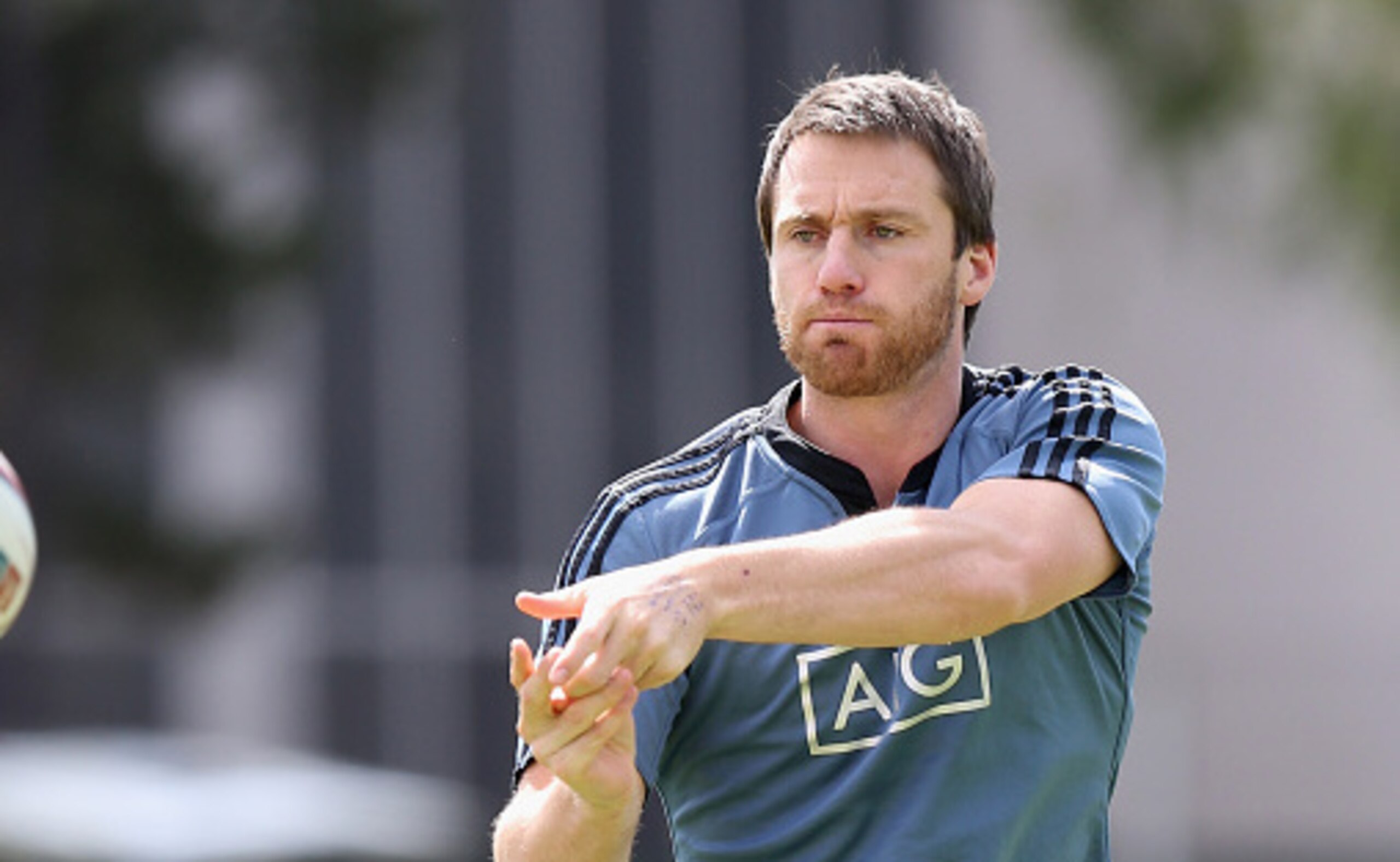
Ben Smith began at full-back before moving into the No. 14 shirt, and he flourished there just as he did last season.
He scored two tries but also created a fine score for Israel Dagg in Argentina. Prior to this, Smith had been called upon to fill the inside centre role against South Africa and had done so brilliantly. He is a complete player with an innate feel for the game.
This all-round ability edges Smith ahead of South Africa’s Cornal Hendricks, who scored three tries in the tournament and proved himself one of the deadliest finishers in world rugby.
He doesn’t get as involved as Smith, but when his chance comes, he pounces.
13. Conrad Smith
3 of 15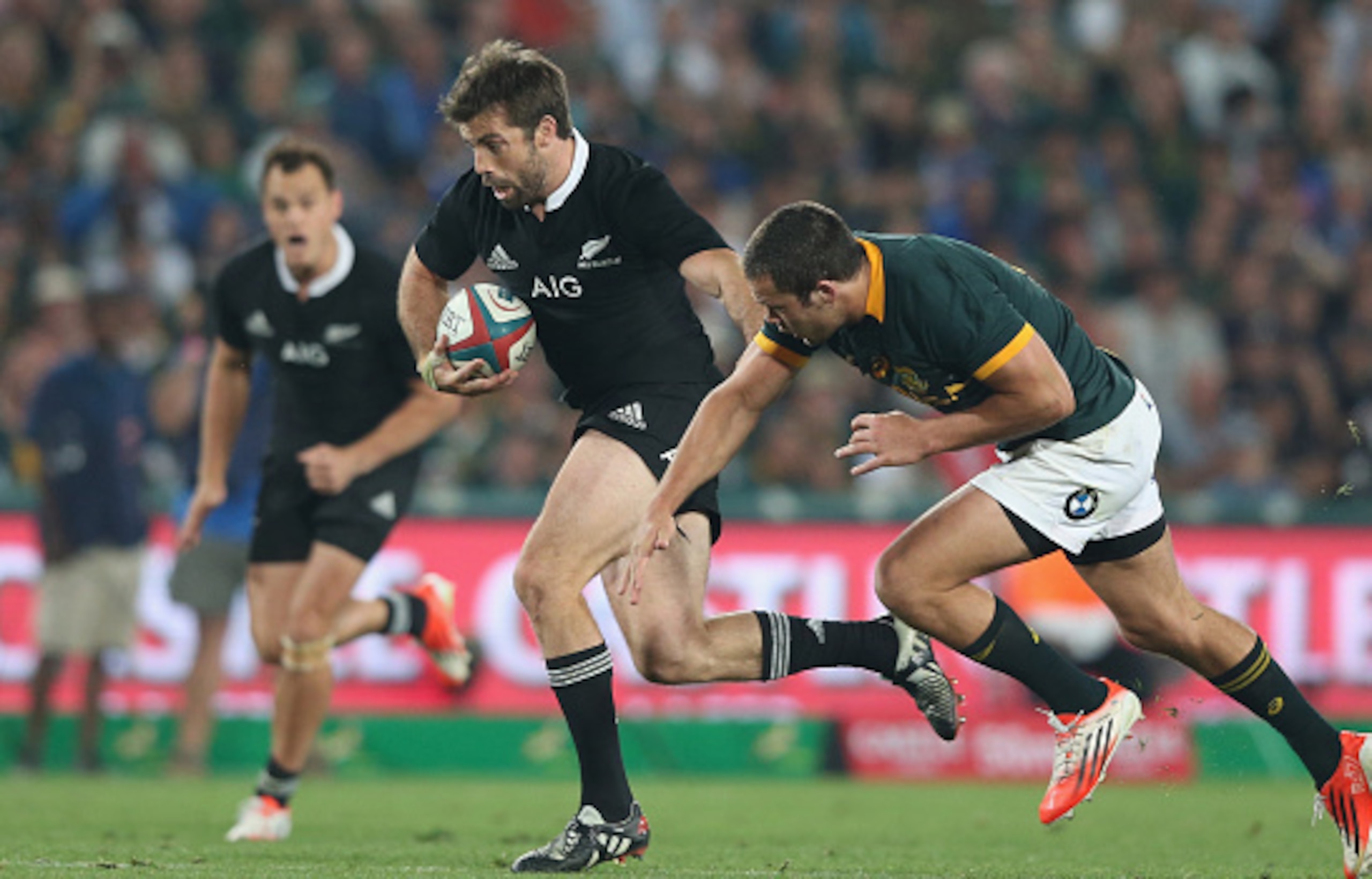
Three men stand out as candidates for this jersey.
For Australia, Tevita Kuridrani was a ball-carrying monster throughout the championship, notably against the Springboks when he bust through two tacklers to set up Adam Ashley-Cooper for a try.
He also made 35 tackles, missing just three. South Africa’s Jan Serfontein also had a stellar tournament, particularly in defence where he made 53 tackles.
Then there is Conrad Smith, who doesn’t come close to these two in the tackling department, predominantly because New Zealand have the ball more than anyone else.
So it comes down to the type of No. 13 you want to see as an attacking weapon. The choice is the rapier or the broadsword.
As effective as Kuridrani can be, Smith’s guile and passing ability offers the greater appeal. It was never shown more effectively than in his contribution for Ben Smith’s try in Johannesburg.
Conrad drifted on the outside of his defender, accepted the looping pass from his fly–half and then weighted a flip pass perfectly out to Smith for the try.
It looked simple, but is anything but that to accomplish.
.jpg?w=2560 "NFL Paris Football")

.jpg?w=2560 "Seahawks Chiefs Football")
12. Malakai Fekitoa
4 of 15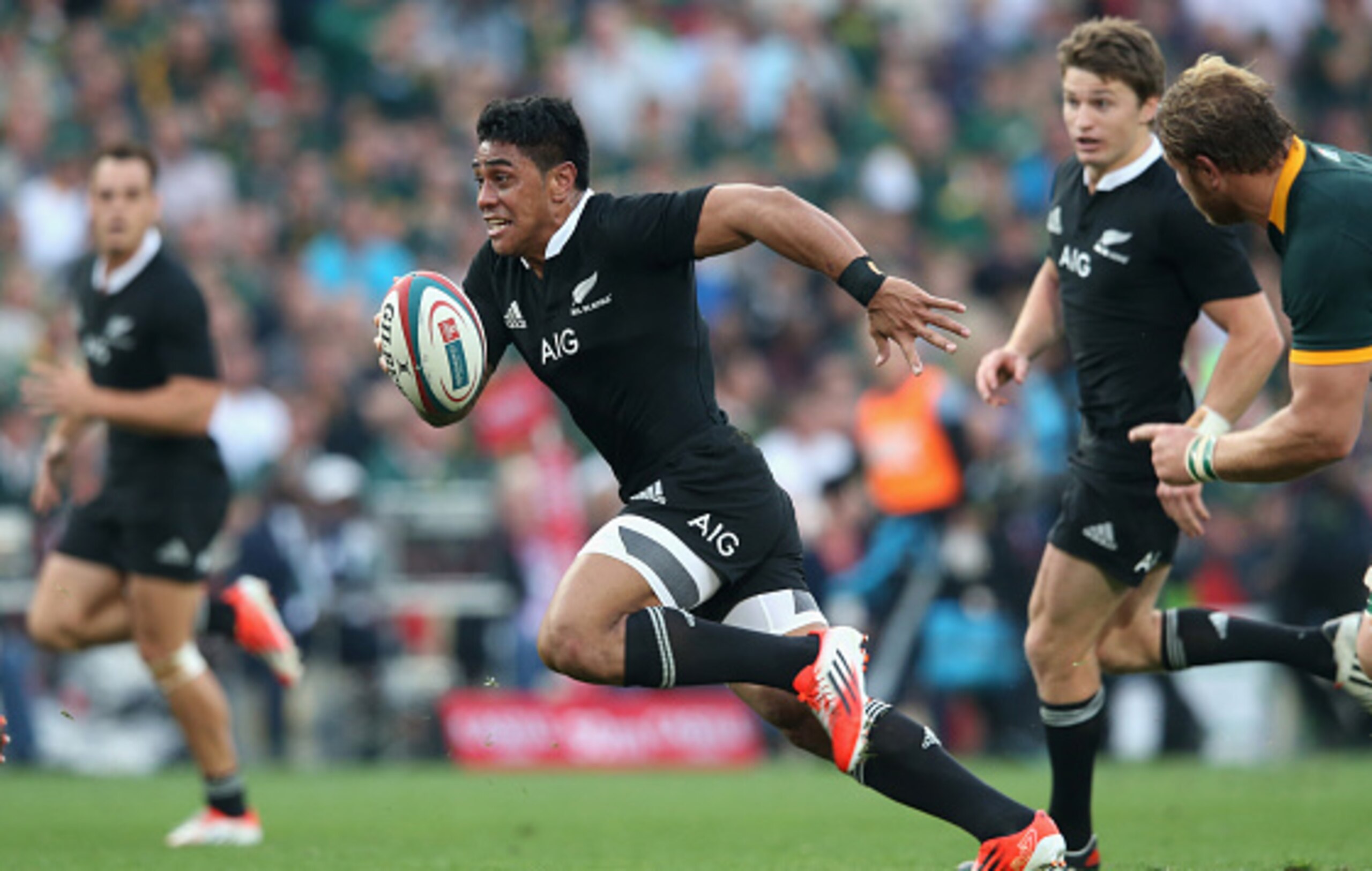
Only one start in the No. 12 shirt would seemingly make this pick a strange one.
But ask yourself this: If you had to put a team together tomorrow from this championship to take on Mars, who would you pick? The options of fit players at inside centre would come down to Matt Toomua, Jean de Villiers, and this man—Malakai Fekitoa.
Toomua has been in and out of the Wallabies side, and despite his obvious talent, was outshone by Tevita Kuridrani in terms of the impact he had on the team.
De Villiers didn’t look at his best in part of this tournament, particularly in New Zealand. But to his credit, against Australia, it was the South African captain’s try that sparked their revival before he added another.
Against New Zealand at Ellis Park, he was undressed by Conrad Smith in the build-up to Ben Smith’s score and didn’t really figure as an attacking threat.
Which leads us to Fekitoa, who looks like making something happen every time he gets the ball. He scored a try against the Boks in the final round and was a constant menace in attack.
He has the most to offer of these three, and in his brief opportunity in this jersey, proved that fact.
11. Julian Savea
5 of 15
Julian Savea moved on to 27 tries in 28 games for New Zealand with another four in this tournament.
No one really seems to have an answer to his pace and power when he gets a sniff of the line, but we also saw evidence of his ability to create tries for others, notably in New Zealand’s win in Salta when he fed TJ Perenara for his first Test try.
In the week before the final Test of the championship, the Wellington man garnered the highest praise of all from coach Steve Hansen, who told Stuff.co.nz (h/t The Sydney Morning Herald):
"I think he's probably better [than Lomu].
He can do more things than Jonah. Jonah was a great player, but I think Julian has got more to his game to be honest and that's saying something. I genuinely believe that.
He's very good going back, under the high ball, with the ball on the ground, as well as being a greater carrier so I think he's right up there.
"
10. Handre Pollard
6 of 15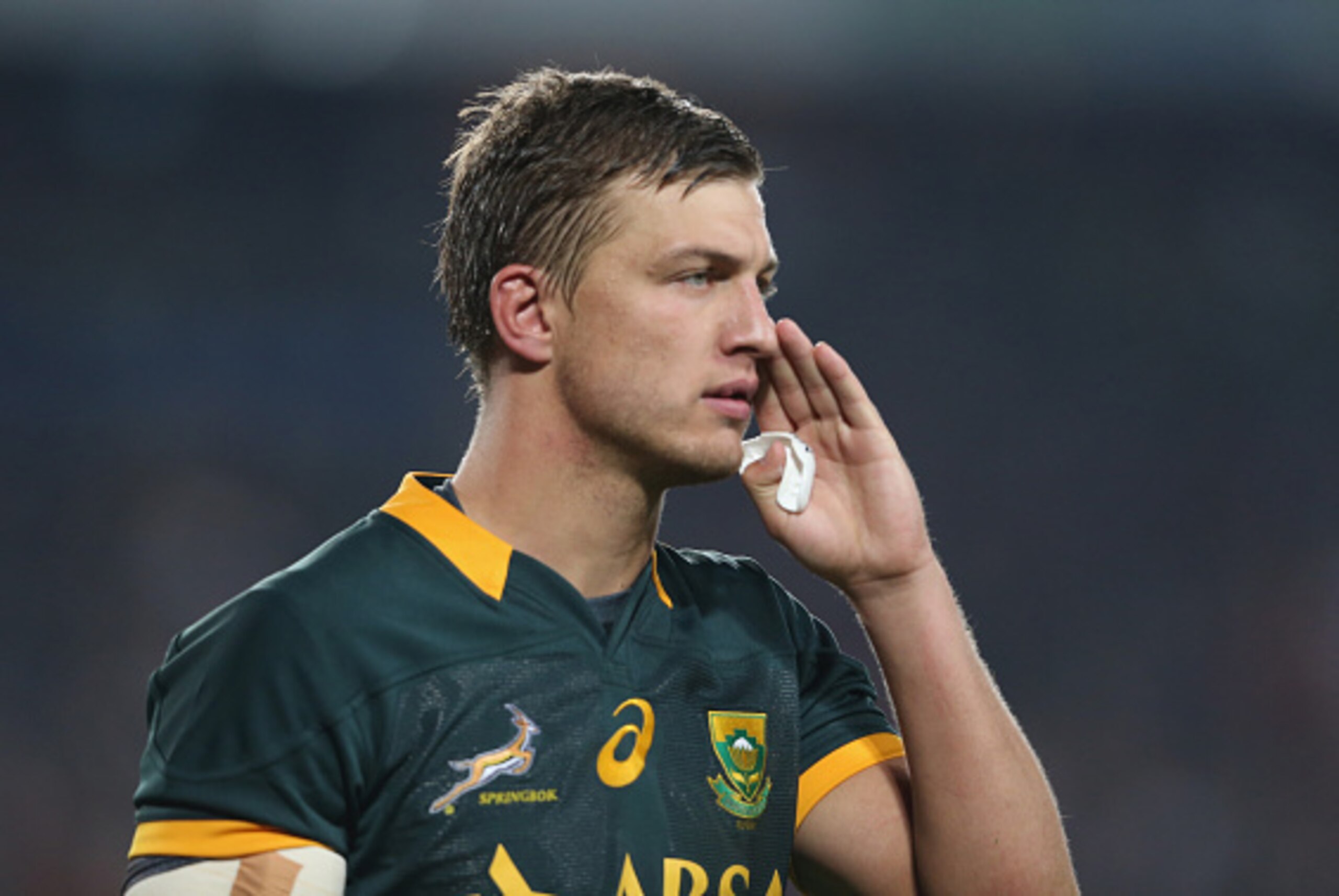
Aaron Cruden was probably sleep-walking into this position until injury and then indiscretion ended his championship.
He was replaced by Beauden Barrett who showed flashes of brilliance but perhaps, overall, did not do enough to promote himself from the rank of third choice for New Zealand.
Nicolas Sanchez performed competently with boot and ball in hand but you couldn't pick any shining moments of individual brilliance from the Argentine.
That leaves Bernard Foley and Handre Pollard to battle it out for this position.
On stats alone, Pollard would edge it with two tries to none, a far higher conversion rate and five more defenders beaten than the Australian.
It is more instructive to place those numbers in the context of Pollard’s age, 20, and the fact that his two best performances came against the All Blacks. In Wellington he was cool and calm, and in the furnace of Ellis Park last weekend, he was inspired.
Those two tries were all about speed of mind and foot, and he also ran the game superbly to pilot the Boks into a winning position.
Pollard has arrived on the grand stage in some style.
9. Aaron Smith
7 of 15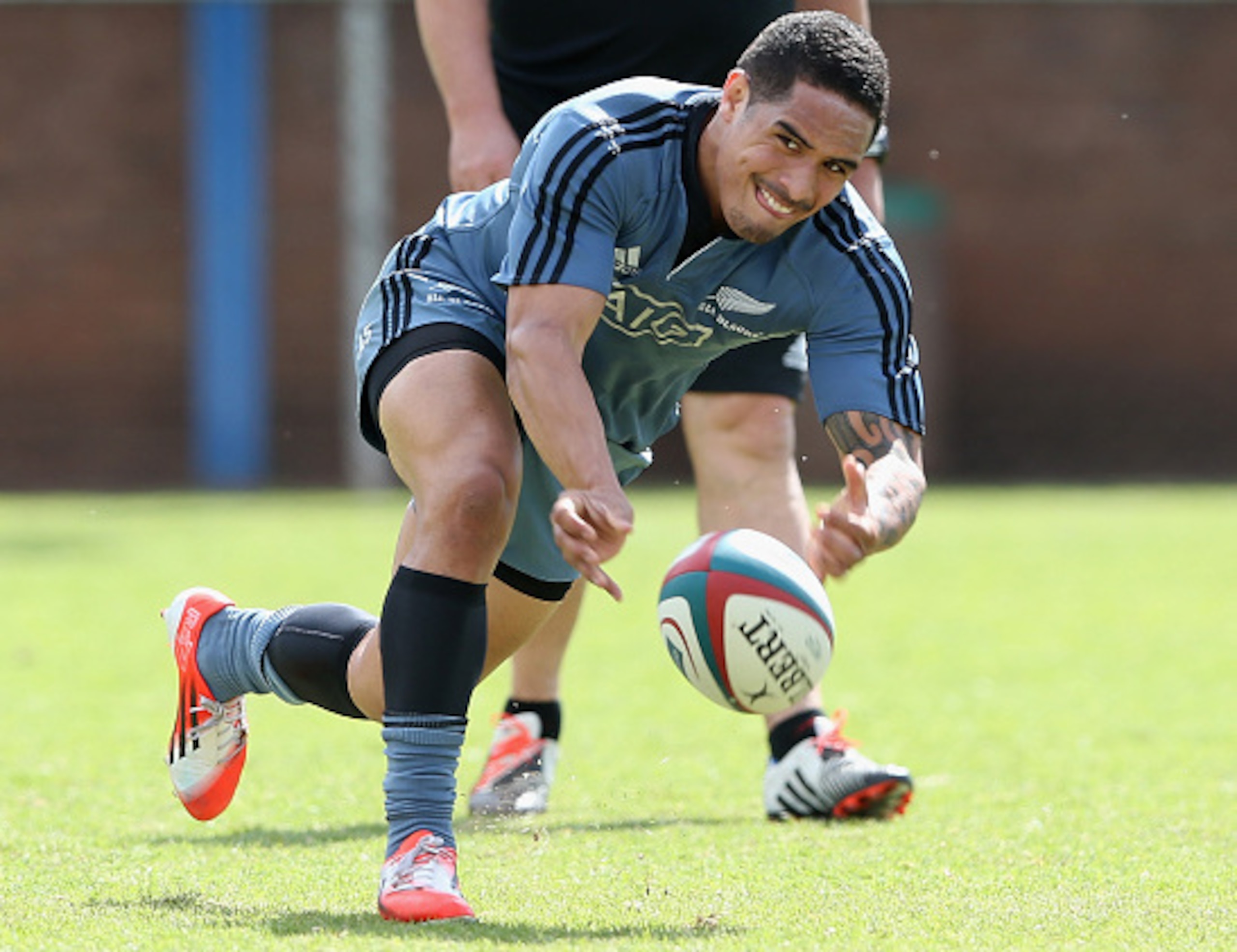
Aaron Smith’s five clean breaks were more than any other scrum–half in the tournament, and his kicking game was also a key feature throughout.
But most impressive is his ability to affect the tempo of New Zealand’s attacks.
He can keep the game humming at a rare pace, and even at that speed his decision making is outstanding.
Nick Phipps and Francois Hougaard both looked good, but neither has the menace of the New Zealander.
8. Kieran Read
8 of 15
Kieran Read may have been outgunned on the final day by Duane Vermeulen, who ran him close for this spot, but the New Zealander edges it.
He was on another level in the Auckland test against Australia and, when the Springboks visited Wellington, he again produced a dazzling performance.
That display was highlighted by his leap and take out on the wing before feeding Richie McCaw for a memorable try.
7. Richie McCaw
9 of 15
Richie McCaw regularly touched his highest standards during the tournament, despite the incident in the first weekend when he was sin-binned.
Other than that, we saw vintage McCaw at the breakdown, and his support play and tackling were as good as ever. It’s best left to the New Zealand Herald’s Chris Rattue to sum the great man’s tournament up:
"The fact is, McCaw is still one of the best and most effective test footballers on the planet, his warrior spirit and will to win at the heart of the All Blacks' charge past allcomers. On the occasions when there is any criticism or questioning of his form and future, he zooms back with a vengeance.
McCaw is entering a zone of quality and longevity that puts him in a league of his own. He is surviving, maybe thriving, as the All Blacks try to speed up, as they initially did against South Africa in Wellington including via short passing from their forwards.
In other words, McCaw's test endurance is more impressive and difficult to sustain than that of a veteran in an old-style English or South African pack.
"
6. Scott Fardy
10 of 15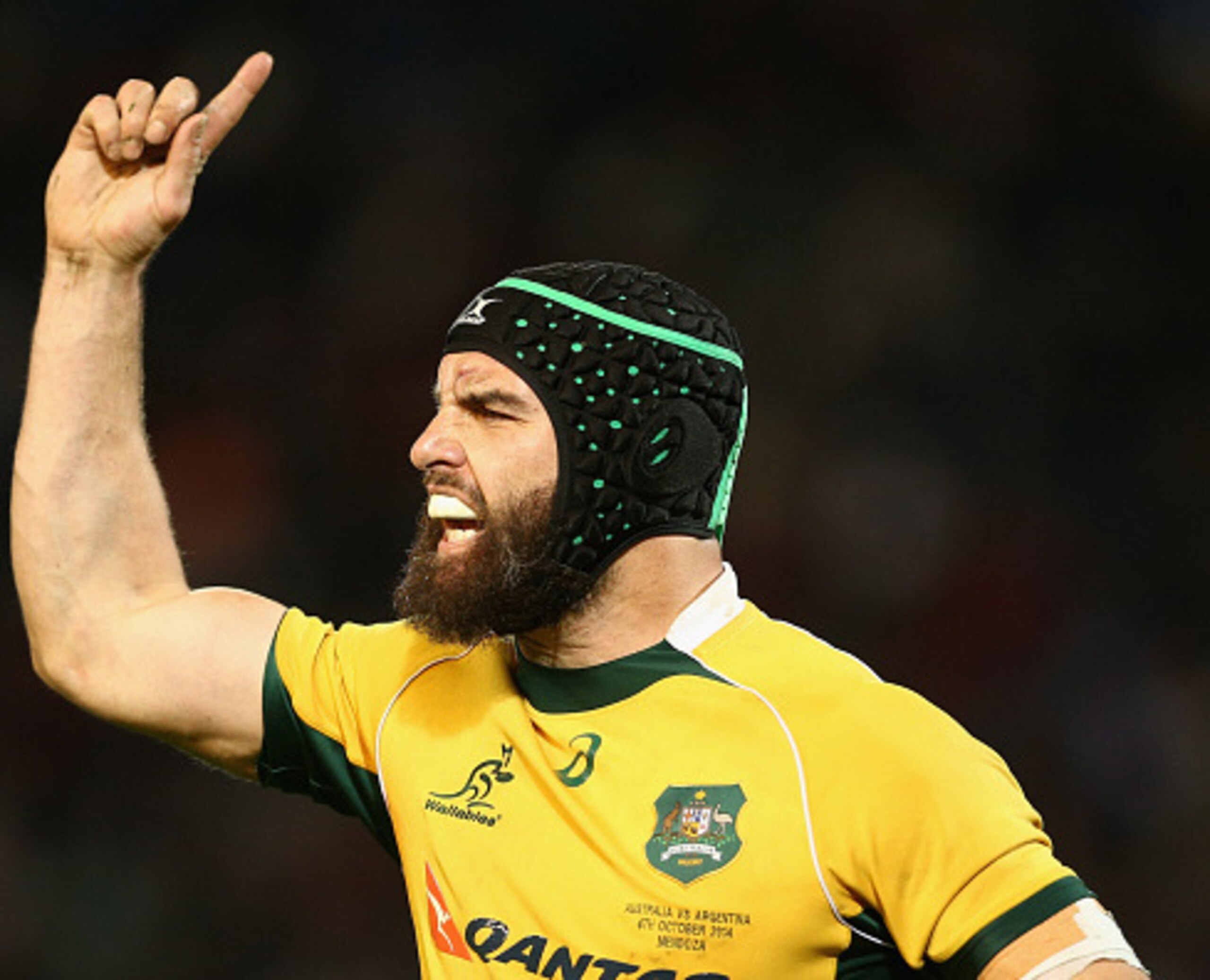
Scott Fardy was the only ever-present genuine blind-side flanker in the tournament. That alone wouldn’t be enough to earn him this pick, but his performances certainly did.
His rugged style doesn’t win many points for aesthetics, but he is hugely effective in the tackle and at the breakdown.
He has emerged as a world class No. 6 in this championship.
5. Victor Matfield
11 of 15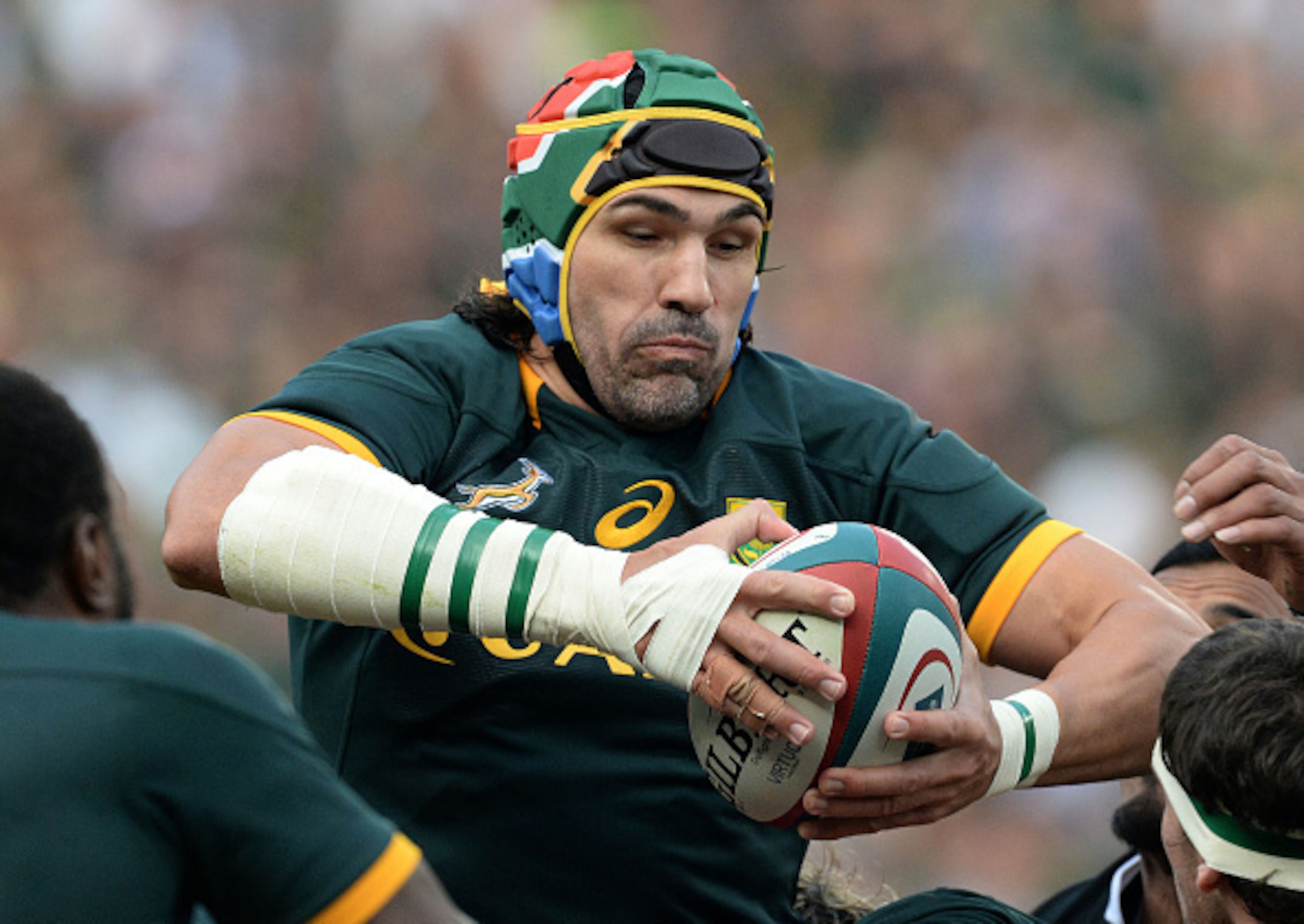
It would be inaccurate to say Victor Matfield rolled back the years in this championship, because there has never really been a dip in his performances as the candles have piled up on his birthday cakes.
His own decision to retire and then return now looks like a momentary hiatus in one of the finest international careers of the modern era.
Imperious in the lineout and a workhorse in defence, he continues to set the standard.
4. Brodie Retallick
12 of 15
If the All Blacks needed a reminder of the value of Brodie Retallick, it was provided by his absence in Johannesburg.
Prior to the final game, the Chiefs second row was arguably New Zealand’s best player in the Championship.
He made incisive runs, huge hits and swarmed all over the breakdown like a back–rower.
3. Owen Franks
13 of 15
Owen Franks ripped Australia’s scrum apart in Auckland and stood up reasonably well against Marcos Ayerza when he faced Argentina.
He underlined his reputation for mobility and handling, particularly when New Zealand went into warp-speed against the Wallabies.
A lot of props would take a seat and watch the stars do their thing. Franks joined in, as well as doing what he gets paid for.
2. Agustin Creevy
14 of 15
Argentine skipper Agustin Creevy was, first and foremost, the tip of the spear for the Pumas pack that ended the tournament as the best scrummaging unit in world rugby.
But he also played a captain’s role with ball in hand, carrying more than any other front row forward in the competition.
He made a vital turnover late in the game against Australia as Argentina scrapped their way to their first win—a key moment from Argentina’s key man.
1. Marcos Ayerza
15 of 15
Marcos Ayerza’s scrummaging was outstanding throughout the championship and he provided the cornerstone in Mendoza for the Pumas’ maiden victory.
The Beast may catch the eye more due to the fact the crowd in South Africa bellow his name every time he touches the ball, whether he makes an inch or a mile.
But the starting point for an international loose-head is—and should always be—his ability to pack down and push his opposite man into the middle of next week.
In this tournament, Ayerza did this better than anyone else.
Case closed.