Jules Bianchi Reminds Us That Formula 1 Still Involves Bravery, Danger and Risk
After Jules Bianchi's life-threatening crash brought a premature end to Sunday's Japanese Grand Prix, it felt strange to think that almost two hours earlier we were all bemoaning first a race start and then later a restart under safety car conditions.
Since the 2007 Japanese event at Fuji Speedway—a grand prix held in conditions which made Formula One resemble the America's Cup—almost everyone connected with the sport has at one time or another accused it of being allergic to a drop of rain.
Drivers frequently plead with Charlie Whiting, the FIA race director, over pit-to-car radio to stop spoiling their fun and withdraw the safety car, claiming that a race neutralised due to a flooded track is taking place on a surface good enough for intermediate tyres.
.jpg?w=2560 "NFL Paris Football")

.jpg?w=2560 "Seahawks Chiefs Football")

Fans in the grandstands begin to look into the terms and conditions that came with their tickets, determined to gain compensation for their ruined day out. And very often, the FOM television cameras work their way into race control to focus on Whiting and his sidekicks, making it very clear to the watching millions just who is to blame for the lack of action.
It is repeatedly said that sport is a form of entertainment, and that sentiment is especially true when it comes to a competition as synonymous with glamour as Formula One.
Yet that need for the show to go on can often lead to the hazardous element of F1 being criminally and sometimes catastrophically overlooked.
As time has passed since the death of three-time world champion Ayrton Senna in the 1994 San Marino Grand Prix at the Imola circuit—the most recent instance of a driver losing his life behind the wheel of a Formula One car—attitudes to safety have generally and eerily declined to the point where a sense of quiet caution has been replaced with foolish complacency.

The change in outlook is evident on the track alone, with driving standards dropping appallingly in recent years as competitors have lost the fear factor that was very much a presence in previous eras, permitting themselves to take more liberties than ever before.
The main reason behind the gradual change in thinking in the two decades since Senna's demise is simple yet depressingly prehistoric: F1 and its pilgrims view danger as an integral part of the sport's identity.
Without risk, there is seemingly no Formula One.
Modern venues such as the Bahrain International Circuit and the Yas Marina Circuit, the home of the Abu Dhabi Grand Prix, for instance, are largely unwanted due to their huge asphalt run-off areas.
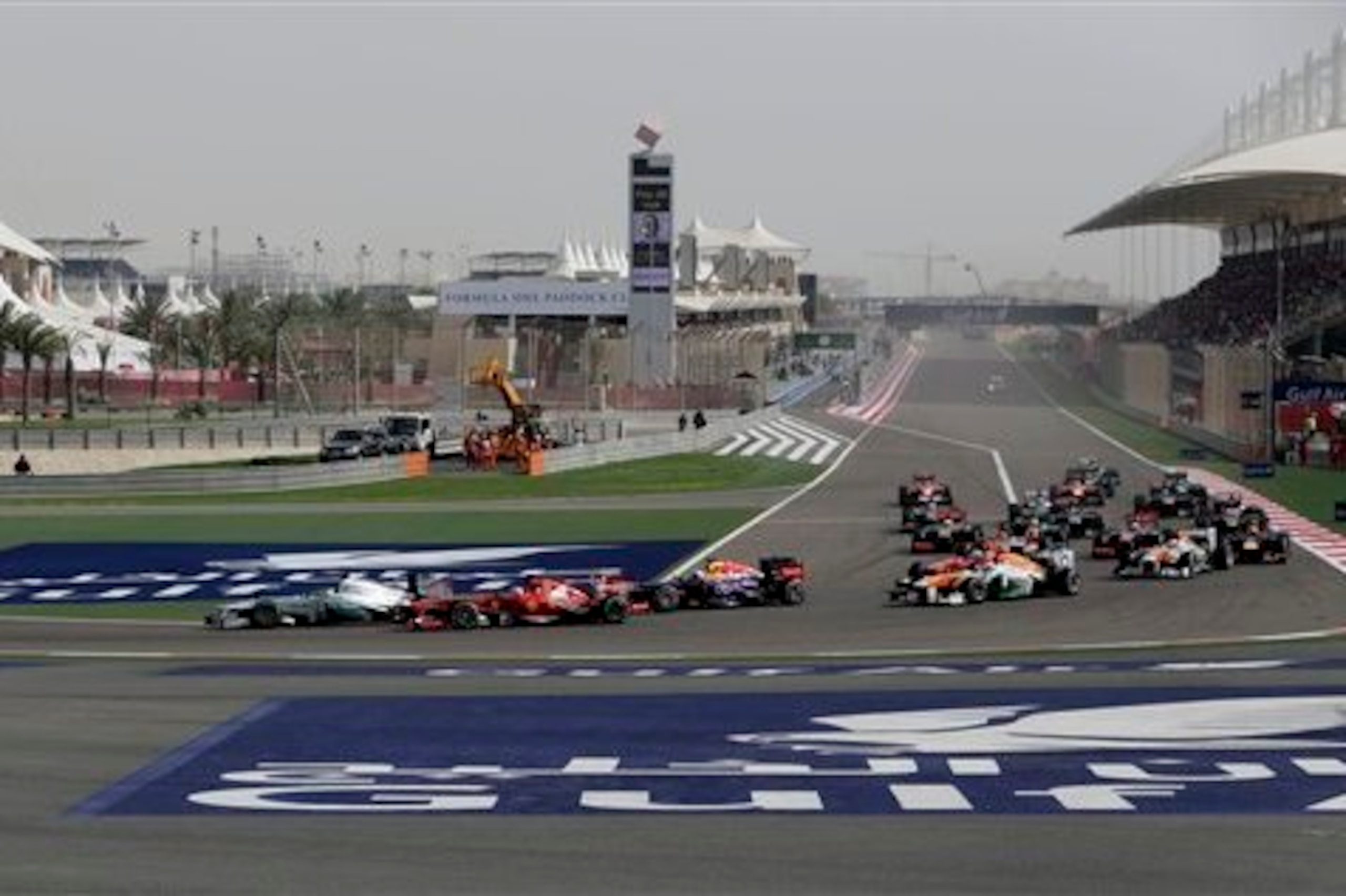
They are considered to fail to adequately punish driving errors, unlike a track such as Suzuka—the scene of Bianchi's accident—which is lined with more gravel traps and grass verges than almost every other circuit on the 2014 schedule.
The news earlier this year that the run-off area of the Parabolica corner at Monza, another iconic venue, would be replaced with tarmac was greeted as if it were vandalism—highlighting the bizarre willingness to cling to danger as a badge of honour—despite Nico Rosberg, a contender for this year's world title, saying at the FIA press conference in Italy that the right-hand turn "was one of the more risky corners that we had in our calendar."
In recent weeks, meanwhile, it has emerged that Formula One is planning to make the cars harder to drive, with Jonathan Noble of Autosport reporting that changes to "tyre grip, car dimension and aerodynamic performance" could be introduced "as early as 2016," and Bernie Ecclestone, the F1 supremo, telling the Daily Mail's Ian Parkes that he planned to make a driver's "life more difficult."
The theory behind it, worryingly, is that cars which are difficult to drive will lead to drivers making more mistakes, which will lead to more accidents, which will produce more drama, enhance the show and make the sport—always desperate to impress—more popular.
If the proposals were already unnecessary in a season of non-stop entertainment prior to the Japanese Grand Prix, they are bordering on barbaric after a race which saw anyone from Lewis Hamilton, the winner on the day and a former world champion, to Marcus Ericsson, a backmarker in his first season in F1, make errors in the first truly wet grand prix in almost two years.
Most unforgivable, however, is the fact that Whiting himself has shown signs of softening his stance on the dangers of the sport.
He has been, to say the least, negligent when it comes to high-risk situations in recent times, with perhaps the most staggering example occurring just five races ago in July's German Grand Prix.

The race at Hockenheim, you might recall, was notable for an incident involving the car of Adrian Sutil—who crashed at Suzuka's Dunlop curve just seconds before Bianchi's horrendous off-track excursion at the same corner on Sunday—with the German's Sauber left stranded on the pit straight after spinning on the exit of the final corner.
Rather than deploy the safety car, however, Whiting left it to a group of marshals to play chicken and remove the stricken Sauber from the scene as 18 other cars whizzed by within yards of them, beside a corner which has made a habit of spitting cars across the track.
With that attitude, danger was bound to bite Formula One on the backside sooner rather than later.
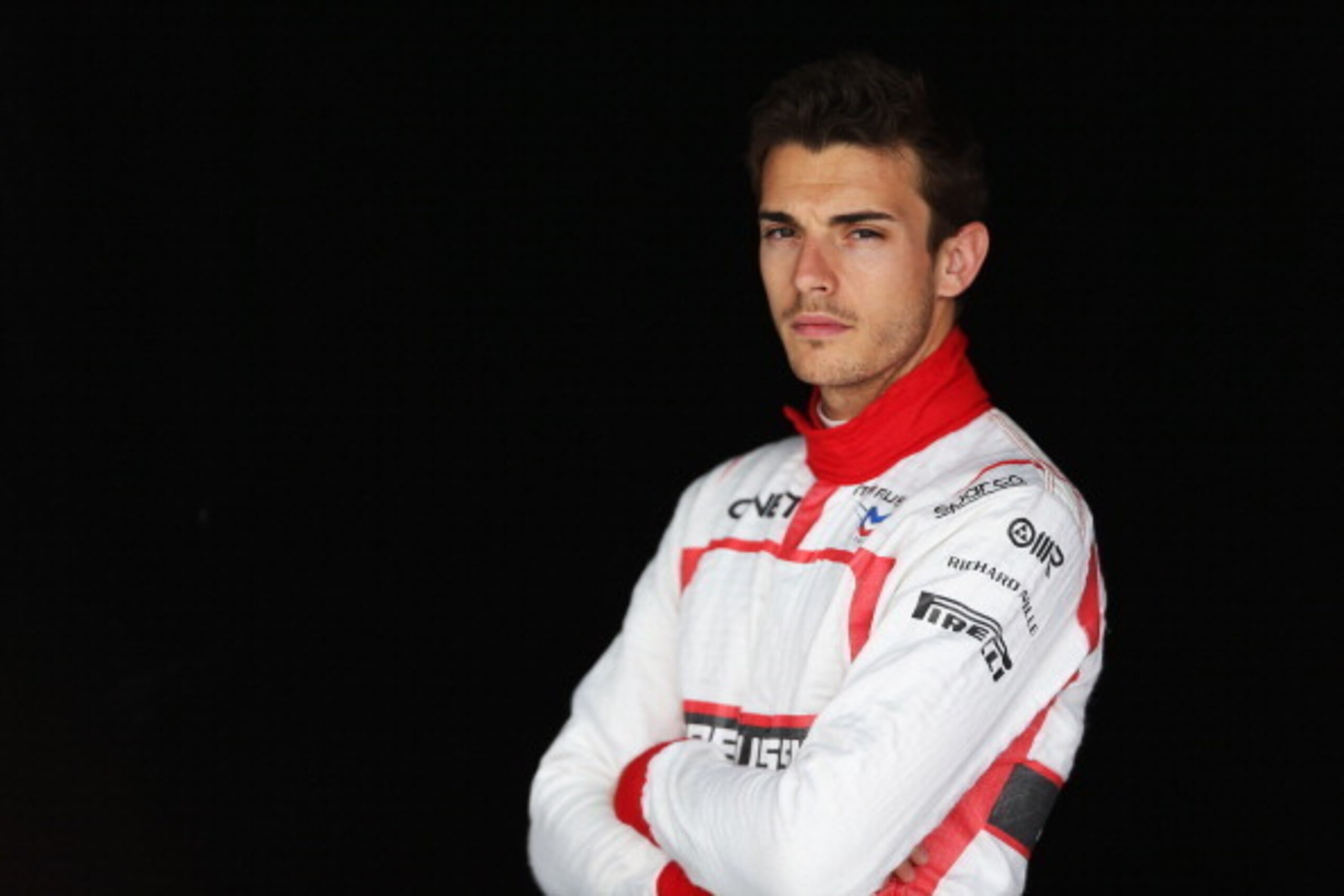
Bianchi—who at the time of writing is in intensive care after an operation on a "severe head injury", according to BBC Sport—is an innocent victim of his sport's shortcomings and its outdated, crass philosophy.
The 25-year-old Marussia driver's accident in the latter stages of the Japanese Grand Prix must act as a reminder that he and his fellow competitors—not only in F1 but across the motorsport spectrum—are not pawns for our entertainment but professionals, humans trying to do their jobs in the most secure environment possible.
Formula One can never, ever be too safe.