
Ranking the Top 50 Opening Batsmen in ODI Cricket by Runs Scored
In one-day internationals, the two opening batsmen perform one of the most vital roles of all for the batting side. The onus is on them to set a platform for their team, either with aggressive stroke-making or by digging in and hitting a big score while others bat around them.
Some are unable to cope with that pressure; however, others thrive and enjoy taking opposition bowling attacks to pieces early in the innings.
Over the history of ODI cricket, some openers have taken this run scoring to new levels and have made careers out of decimating even the finest bowlers.
Read on for a list of the top 50 openers in ODI history, sorted in order of runs scored.
All stats courtesy of ESPNCricinfo; correct as of September 29, 2014.
"Matches" denotes the number of matches played as an opening batsman.
50. Ian Bell (England)
1 of 50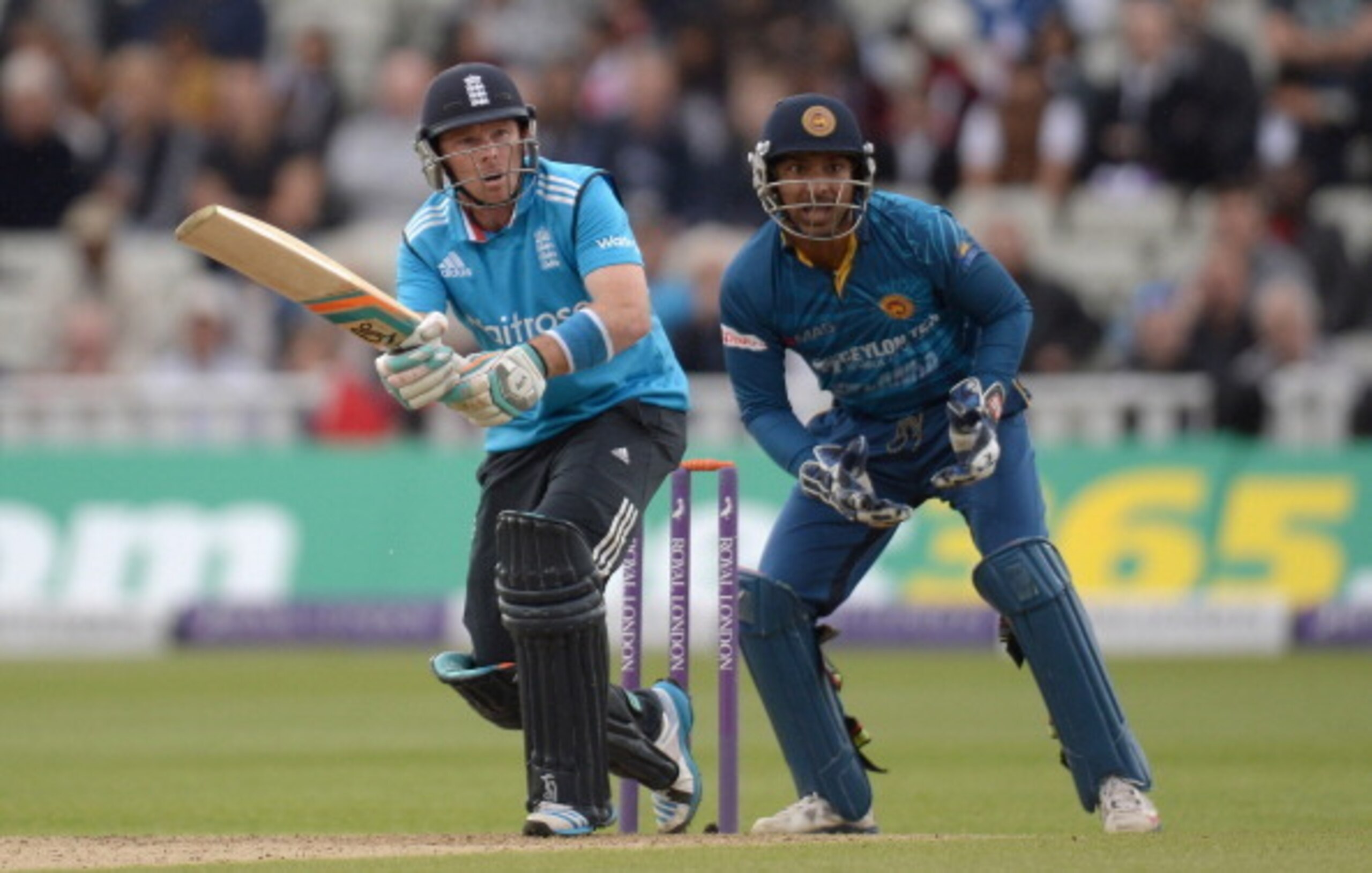
67 ODI matches
2,423 runs; 40.38 batting average; 77.90 strike rate; 126 highest score
The enormously talented Ian Bell comes in at No. 50 in our list, having been a part of England’s squad in the format for 10 years—albeit with some interruptions.
He may not be the most aggressive or even the most prolific, but his longevity in the format relative to some of his peers has helped him make an impact in this list.
Having been shuttled up and down the batting order, he would appear to have finally been settled into the top three, although he may still end up opening in the future.
With plenty of time left in his international career, it is also very likely that he will make progress upwards in the coming years.
49. Mudassar Nazar (Pakistan)
2 of 50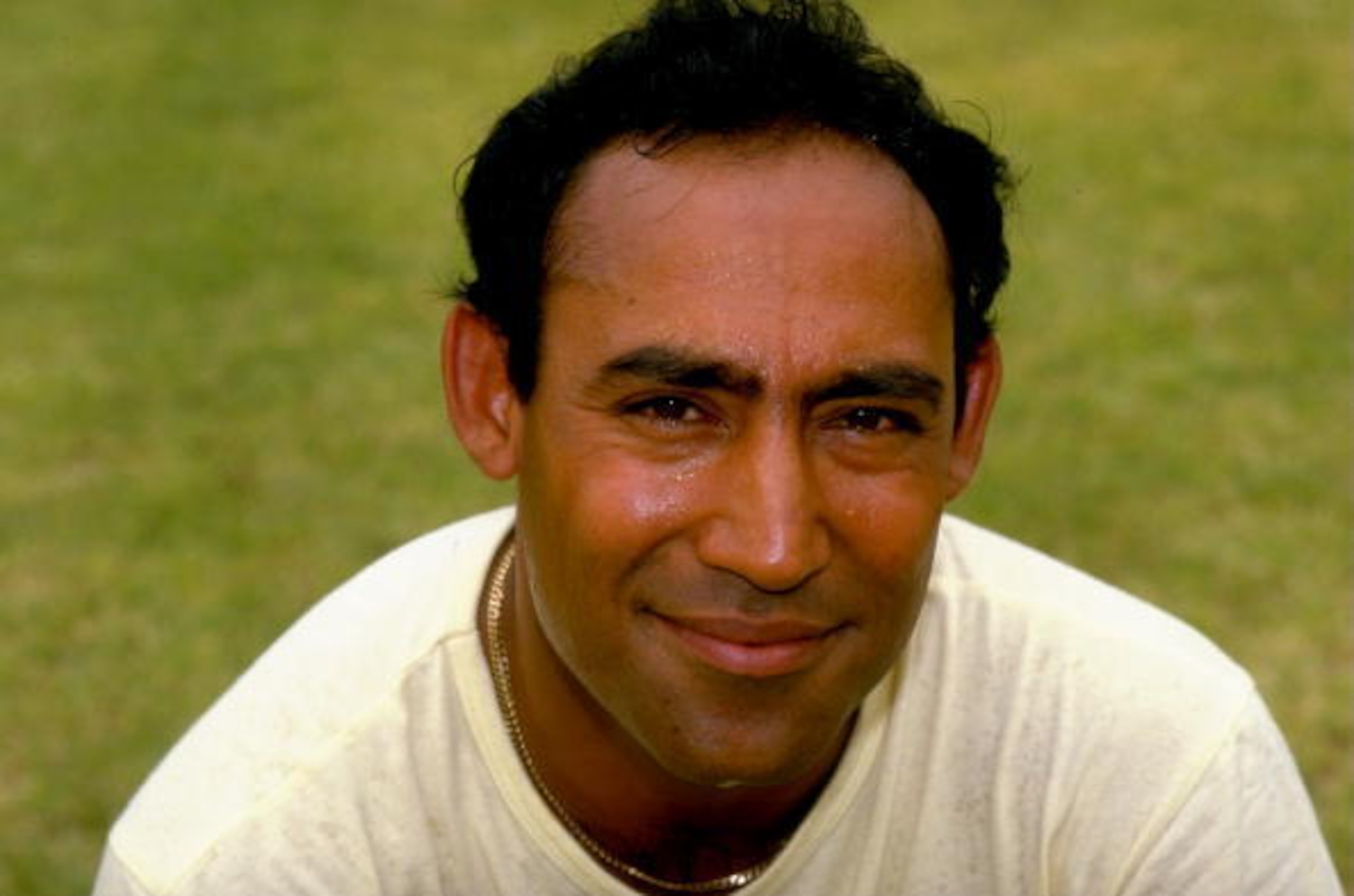
91 ODI matches
2,472 runs; 28.09 batting average; 52.00 strike rate; 95 highest score
One of Pakistan’s lesser-known batsmen, Mudassar Nazar was not as flashy as some of his colleagues but was certainly effective throughout a long career in international cricket.
He may not have quite hit the heights in ODI cricket that he reached in Tests, but in his 91 games he managed to do pretty well.
A final average of 28.09 perhaps does not do his talents justice, although he was often overshadowed by his more celebrated team-mates.
48. Brendon McCullum (New Zealand)
3 of 50
84 ODI matches
2,480 runs; 33.06 batting average; 91.74 strike rate; 166 highest score
Up next comes hard-hitting New Zealander Brendon McCullum, who also enjoyed a long ODI career in a variety of roles.
In spite of keeping wicket for his side on a number of occasions, McCullum stayed aggressive with the bat either in the middle order or as an opener.
He stopped opening the innings permanently in 2011 but retains his place in the Black Caps’ lineup and remains crucial in their team.
Perhaps in the future he may move up this list too.

.jpg?w=2560 "NFL Paris Football")
.jpg?w=2560 "Seahawks Chiefs Football")
47. Andrew Hudson (South Africa)
4 of 50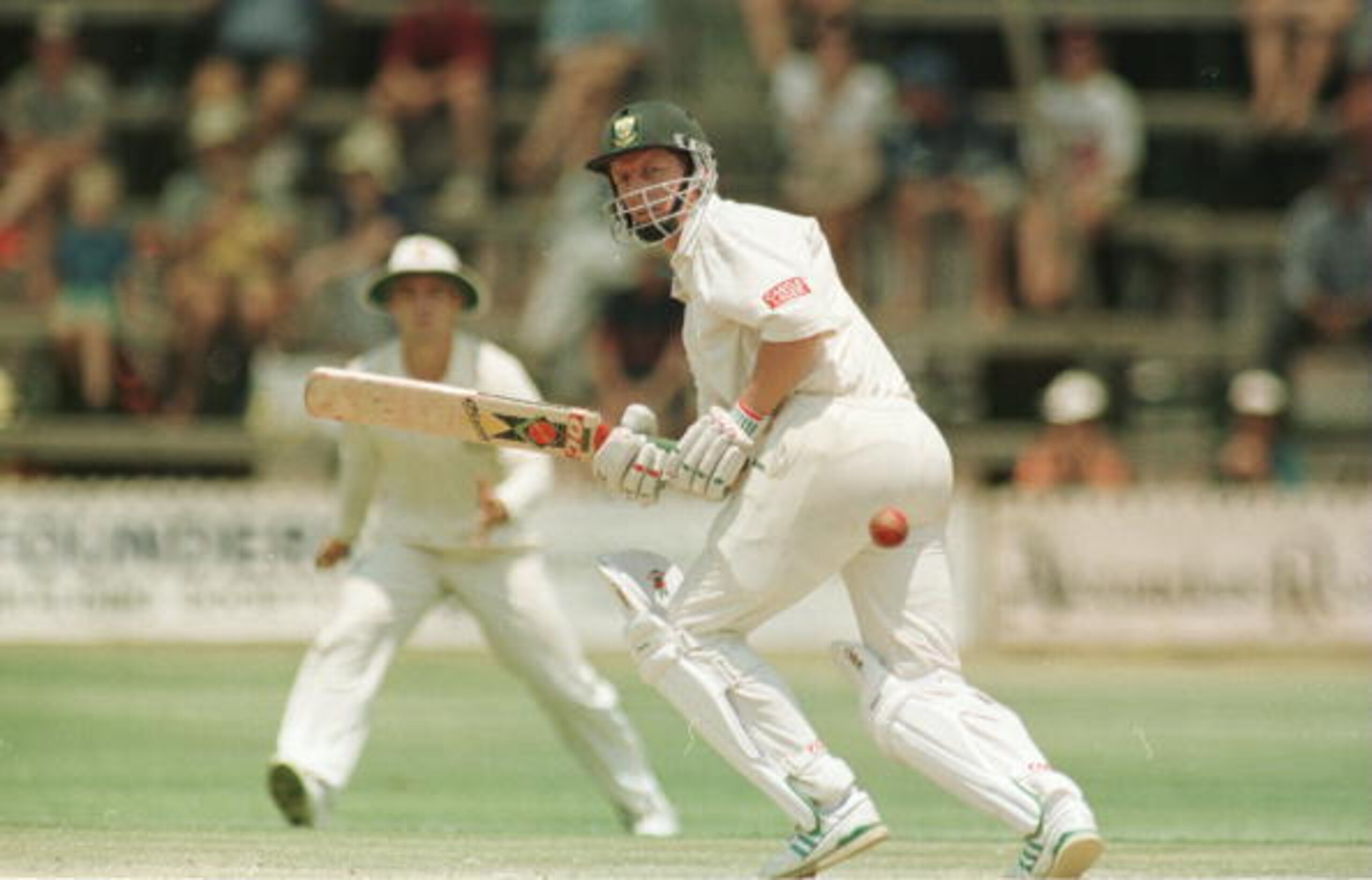
88 ODI matches
2,559 runs; 29.41 batting average; 64.62 strike rate; 161 highest score
South African Andrew Hudson followed at No. 47, having helped lead the Proteas from the top of the order as they were reintegrated into international cricket.
He reached his zenith in the 1996 Cricket World Cup, as he took a ragged Netherlands attack for 161 from 132 balls to help his team take another big win in the tournament.
That innings was somewhat out of character, as most of the time he preferred to dig in and keep the runs ticking over at a steady rate.
His time in ODIs was very consistent, however, and he is rewarded for that consistency with a place here.
46. Alistair Campbell (Zimbabwe)
5 of 50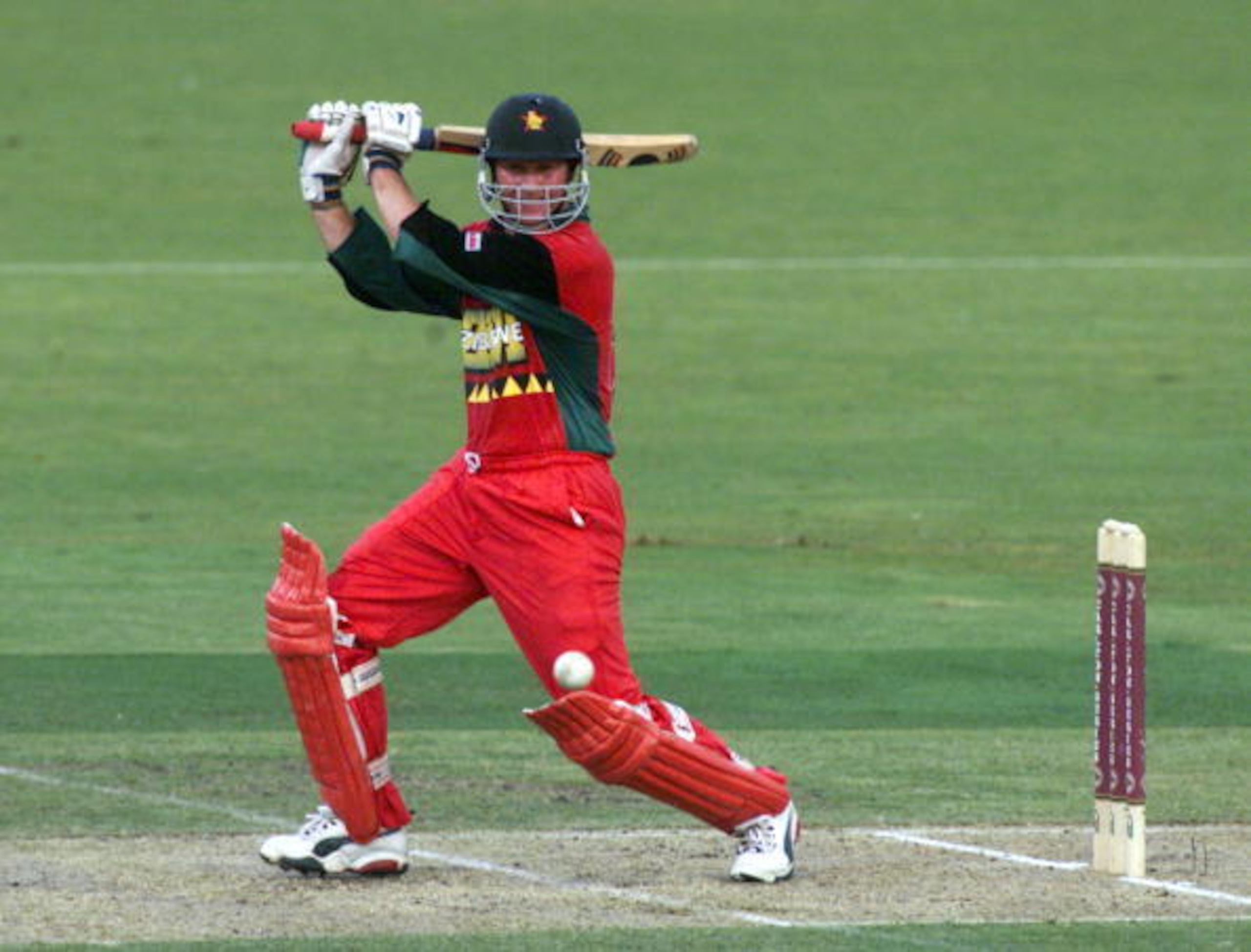
77 ODI matches
2,574 runs; 34.78 batting average; 68.14 strike rate; 124 highest score
Classy left-hander Alistair Campbell follows, having played some brilliant innings for Zimbabwe before his career was sadly cut short.
He was also aggressive in his style of play, something that served him particularly well in ODIs at the top of the order.
Campbell scored seven centuries overall in ODIs and was versatile enough to be used in almost every position in the top order including as an opener.
45. Sunil Gavaskar (India)
6 of 50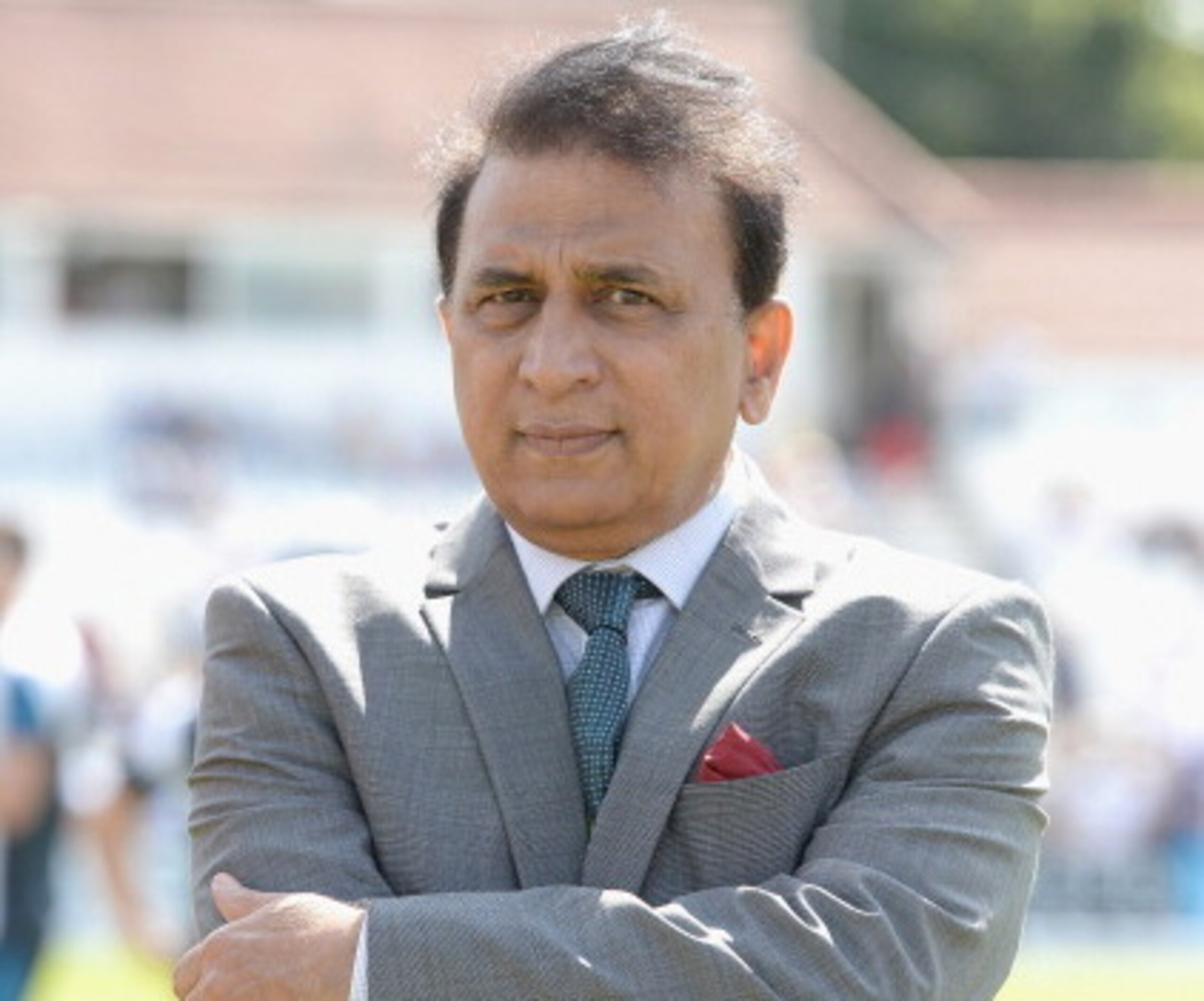
83 ODI matches
2,651 runs; 35.34 batting average; 61.50 strike rate; 103* highest score
Indian superstar Sunil Gavaskar follows at No. 45, having enjoyed an incredibly consistent career at the top of the order in ODIs.
An average of well over 30 is very healthy in the 50-over form of the game, while his strike rate shows that he was more than willing to dig in and let others bat around him.
His style is perhaps a little outdated by modern standards in ODIs, but in its time it was very effective and made Gavaskar one of the opposition’s most prized wickets.
44. Salman Butt (Pakistan)
7 of 50
77 ODI matches
2,725 runs; 37.32 batting average; 76.30 strike rate; 136 highest score
Above Gavaskar comes Pakistani opener Salman Butt, another who may well have the chance to move up this list once he returns from his ban from cricket.
A superb cutter and driver of the ball, Butt took some time to cement himself in the ODI team but proved himself to be more than capable in the opening spot.
If he is able to return to international cricket before retirement beckons, he will be hopeful of scoring even more runs.
43. Kepler Wessels (Australia/South Africa)
8 of 50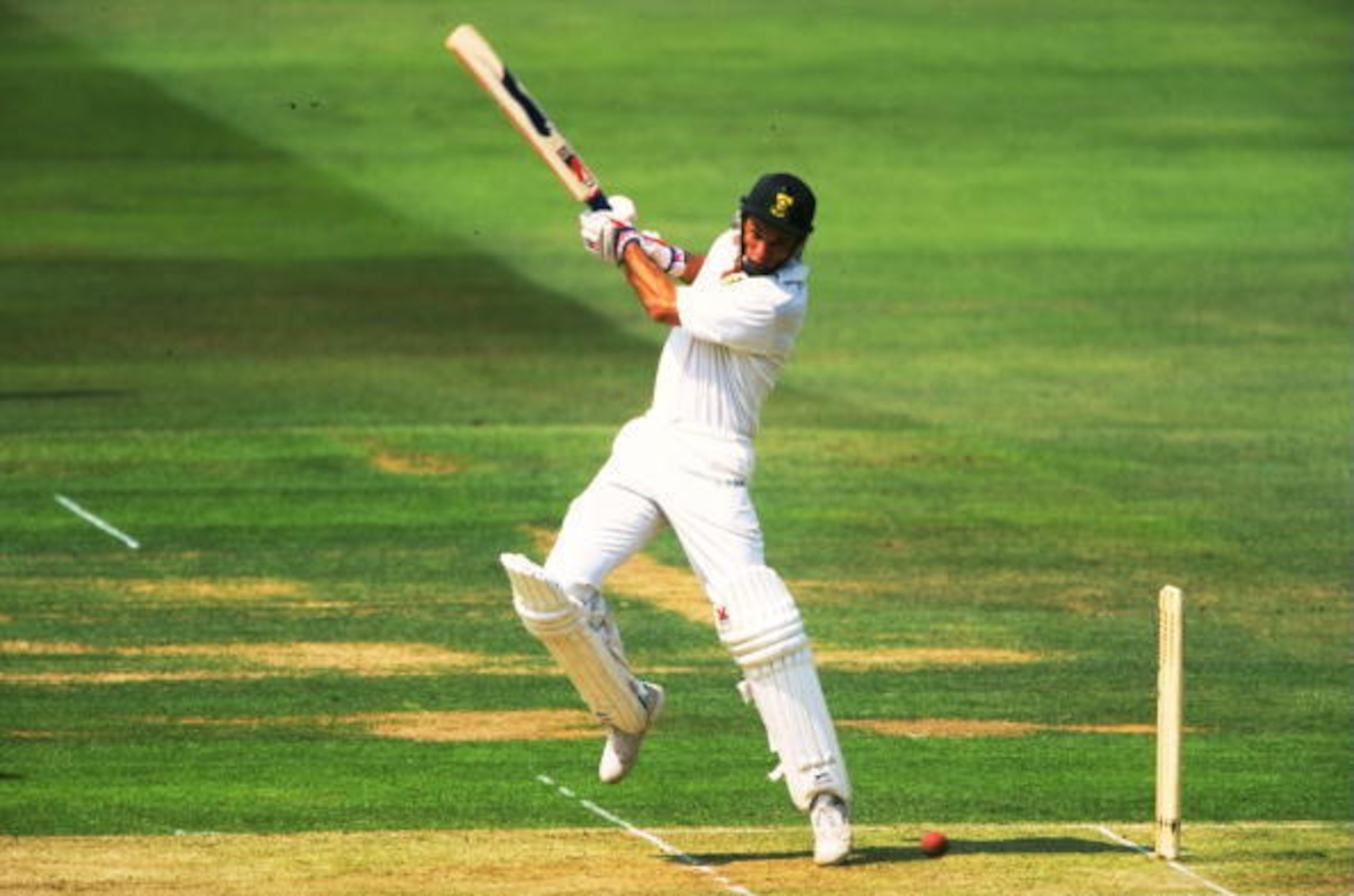
83 ODI matches
2,788 runs; 35.29 batting average; 54.15 strike rate; 107 highest score
One of the last players to represent two countries comes in next, as Australia and South African opener Kepler Wessels takes his place.
A hard-working and determined character, Wessels managed to balance the responsibilities of leadership well, even as the Proteas’ first captain after their return to international cricket.
His strike rate may be a little on the low side, but he was able to retain a high level of consistency and lead from the front in a number of ways.
42. Romesh Kaluwitharana (Sri Lanka)
9 of 50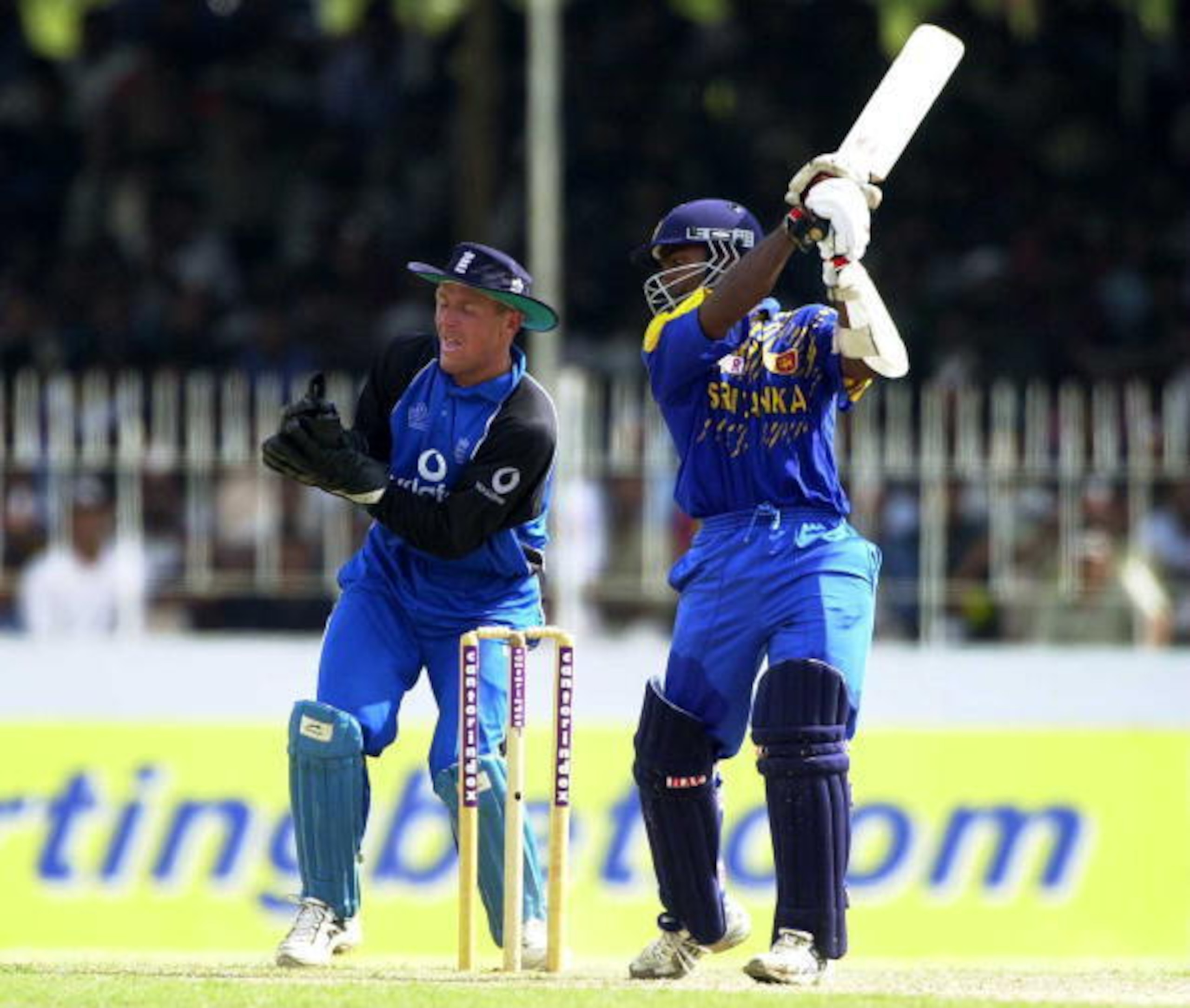
113 ODI matches
2,798 runs; 26.14 batting average; 78.72 strike rate; 102* highest score
Sri Lankan pinch hitter Romesh Kaluwitharana was at one stage one of the most feared openers in ODI cricket.
His partnership with Sanath Jayasuriya was feared across the world, especially during the 1996 Cricket World Cup as they took their country to a famous victory.
Kaluwitharana’s style sometimes did not come off, as his final average shows, but when it worked it would give the Sri Lankans brilliant early momentum.
He was truly a trend setter and helped redefine the expectations of openers in ODI cricket.
41. Alec Stewart (England)
10 of 50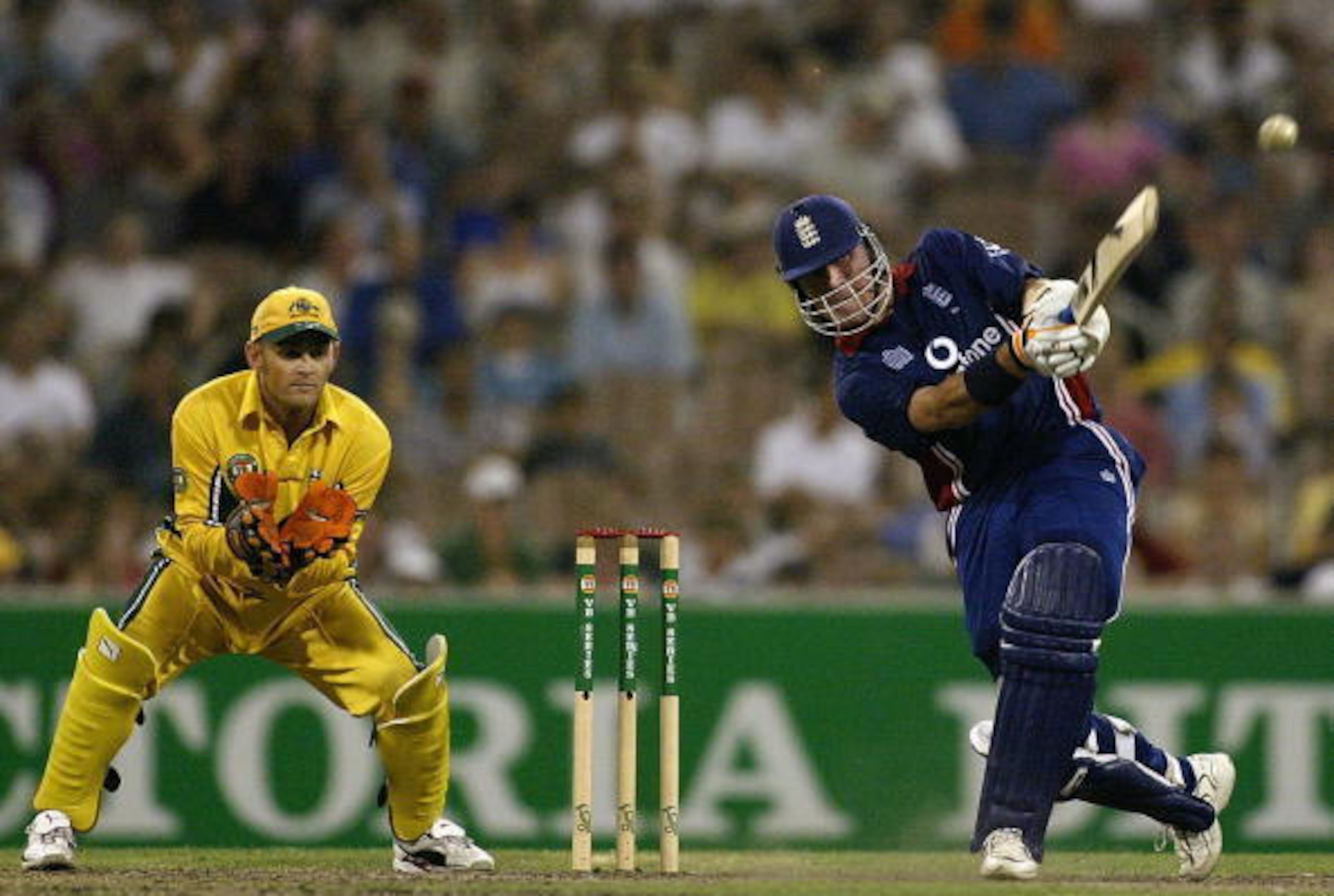
89 ODI matches
2,888 runs; 33.58 batting average; 68.14 strike rate; 116 highest score
One of England’s most dependable performers for many years, Alec Stewart was shuttled up and down the batting order but still delivered wherever he played.
As an opener, Stewart was good enough to play solid innings that enabled his team to build a strong platform.
An elegant player at his best, the right-hander was incredibly hard working, and he managed to maintain high standards even as he took on the added pressures of keeping wicket.
40. Shivnarine Chanderpaul (West Indies)
11 of 50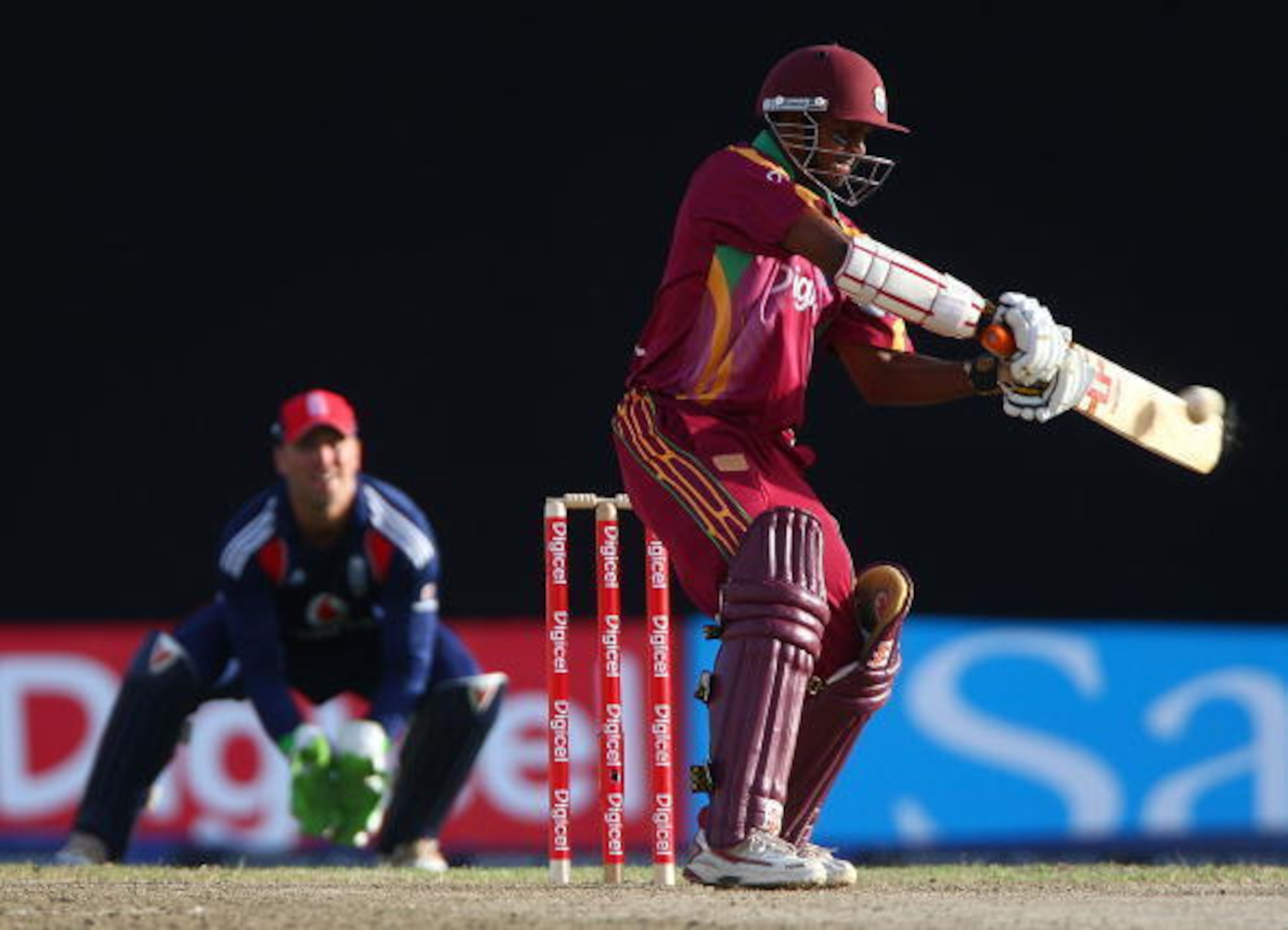
77 ODI matches
2,949 runs; 43.36 batting average; 69.94 strike rate; 150 highest score
Still going strong in Tests, West Indian left-hander Shivnarine Chanderpaul was also an accomplished ODI batsman even in an unfamiliar opening role.
With his unorthodox stance, he often was overshadowed by Brian Lara but still played some vital innings for the West Indies during a difficult period in their cricketing history.
He also stayed consistent and hardly ever failed to score runs, an impressive feat given his dalliances with captaincy and his team-mates’ lack of form at times.
39. Mohammad Hafeez (Pakistan)
12 of 50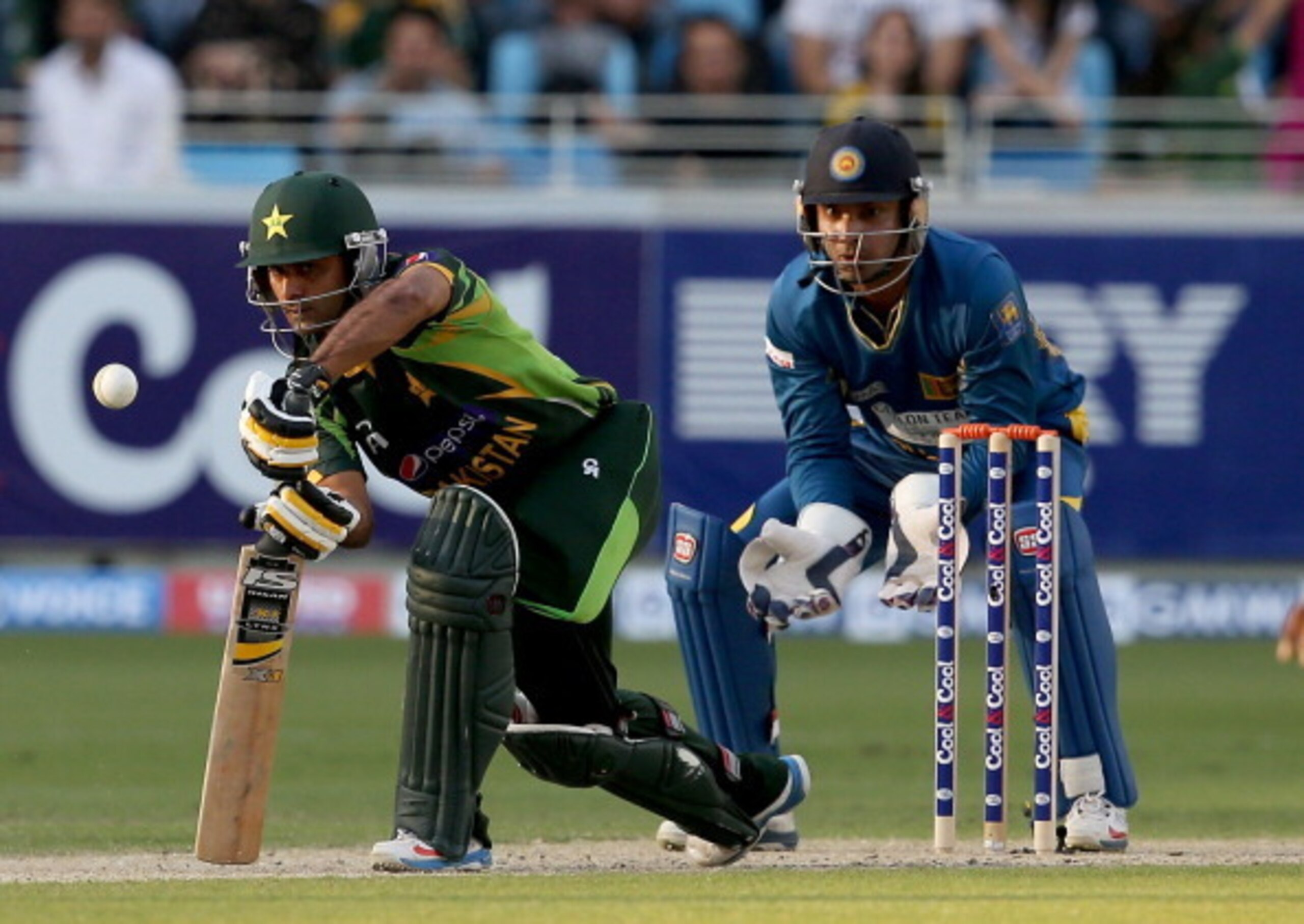
110 ODI matches
2,991 runs; 28.21 batting average; 70.22 strike rate; 139* highest score
Pakistan’s right-handed batsman and off-spinner Mohammad Hafeez comes next, having made himself into a very handy performer in all forms of cricket.
As an opener, he has been a little inconsistent but since being granted a run in the team, Hafeez has made himself indispensable.
An elegant player, he will likely move up this list in the near future.
38. Andrew Strauss (England)
13 of 50
83 ODI matches
3,053 runs; 38.16 batting average; 83.46 strike rate; 158 highest score
Former England captain Andrew Strauss may not have been the perfect ODI player, but he managed to give a decent account of himself in the format.
Another who was given chances in a number of spots in the batting order, when he was on form Strauss could look almost unbeatable.
Perhaps he was more effective in Tests, but Strauss also had some very good moments in ODIs.
37. Alastair Cook (England)
14 of 50
86 ODI matches
3,085 runs; 37.62 batting average; 77.57 strike rate; 137 highest score
Strauss’ replacement as England captain follows next, as Alastair Cook takes his place at No. 37 in spite of the tremendous criticism he has received.
He may not be the most thrilling of batsmen to watch, but Cook still has managed to score plenty of runs in ODIs at a decent enough strike rate.
A good-enough player to adapt his game to suit the situation, Cook perhaps does not receive enough credit for his ability as an ODI opener.
He is virtually guaranteed to be leading England in the upcoming Cricket World Cup, so he will surely move upwards in this list as well.
36. Marvan Atapattu (Sri Lanka)
15 of 50
93 ODI matches
3,128 runs; 37.68 batting average; 67.76 strike rate; 124 highest score
Sri Lankan Marvan Atapattu is next on the list after a very good career in which he proved time and again why his was a prized wicket.
Like others before and after him, he may have been overshadowed by his more explosive colleagues, but Atapattu was an opener who was willing to play a long innings.
Others may have been more aggressive and more flamboyant, but often it was Atapattu who was the glue that held the Sri Lankan innings together.
35. Stephen Fleming (New Zealand)
16 of 50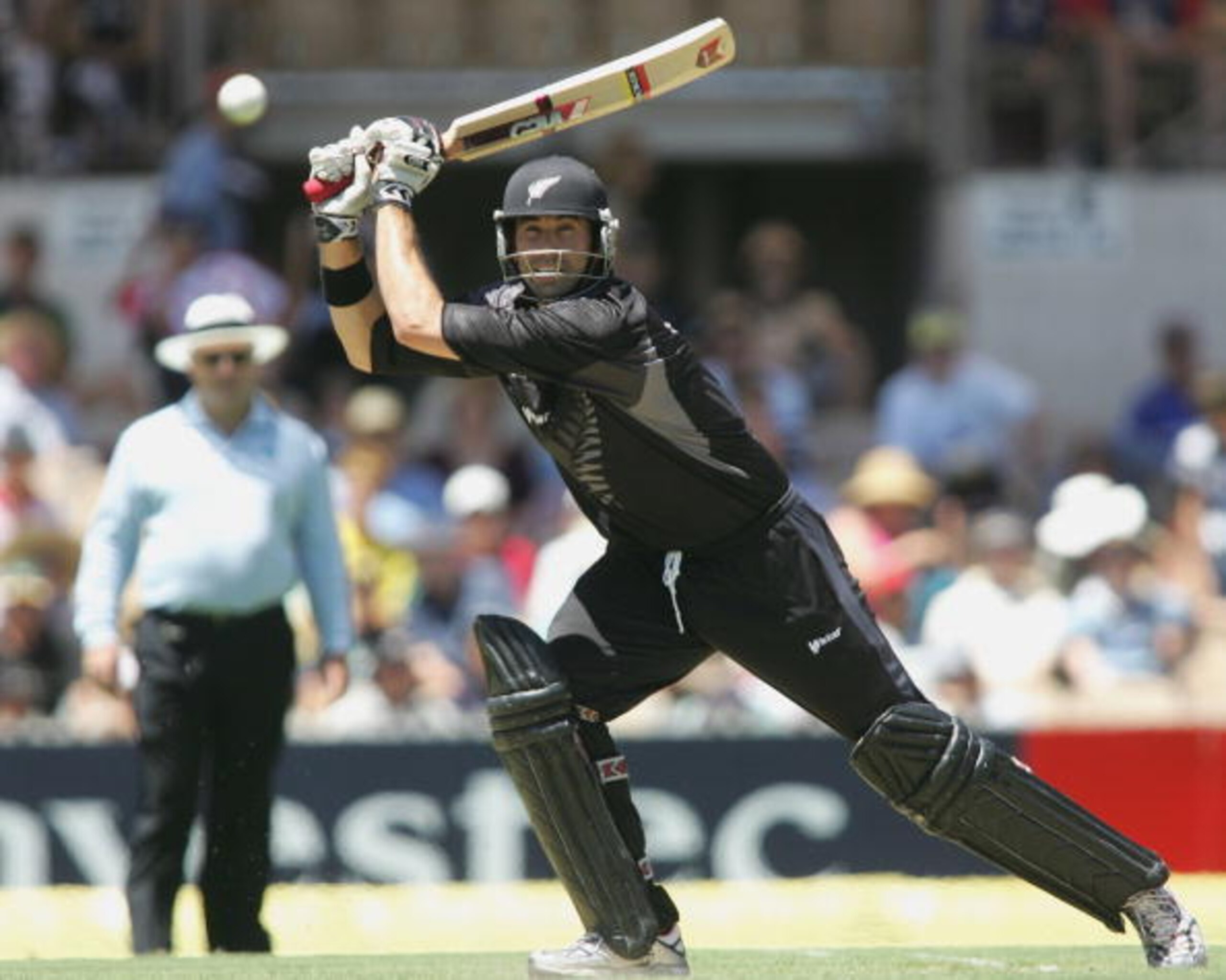
107 ODI matches
3,280 runs; 33.81 batting average; 73.52 strike rate; 134* highest score
An aggressive opener and captain of his country, Stephen Fleming of New Zealand was the lynchpin of the Black Caps’ lineup.
He got the very best out of a somewhat limited team and ensured his own performances did not suffer even as the results were a little inconsistent.
Fleming could also be belligerent with the bat in his hands and must have been a terrifying prospect for bowlers to face from 22 yards away.
34. Roshan Mahanama (Sri Lanka)
17 of 50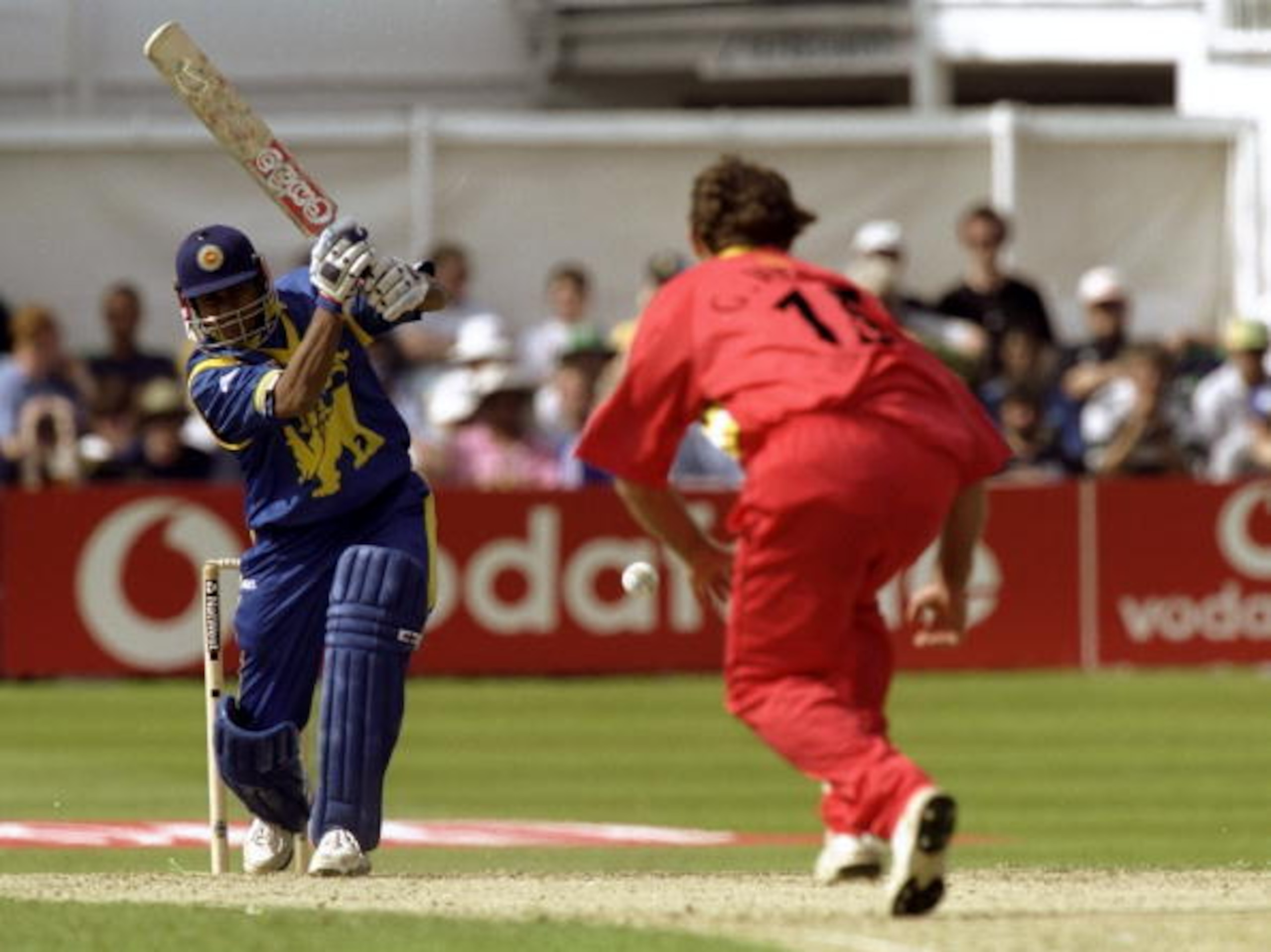
118 ODI matches
3,283 runs; 30.97 batting average; 57.47 strike rate; 119* highest score
A stalwart of Sri Lanka’s batting order for 13 years, Roshan Mahanama was the perfect foil for his aggressive team-mates.
Another who liked to hit boundaries, the right-hander maintained incredible consistency and for a time was one of the first names on his country’s teamsheet.
A final overall tally of 213 ODIs speaks for itself, especially as in such a large proportion of them he had the difficult task of opening the batting.
33. Nick Knight (England)
18 of 50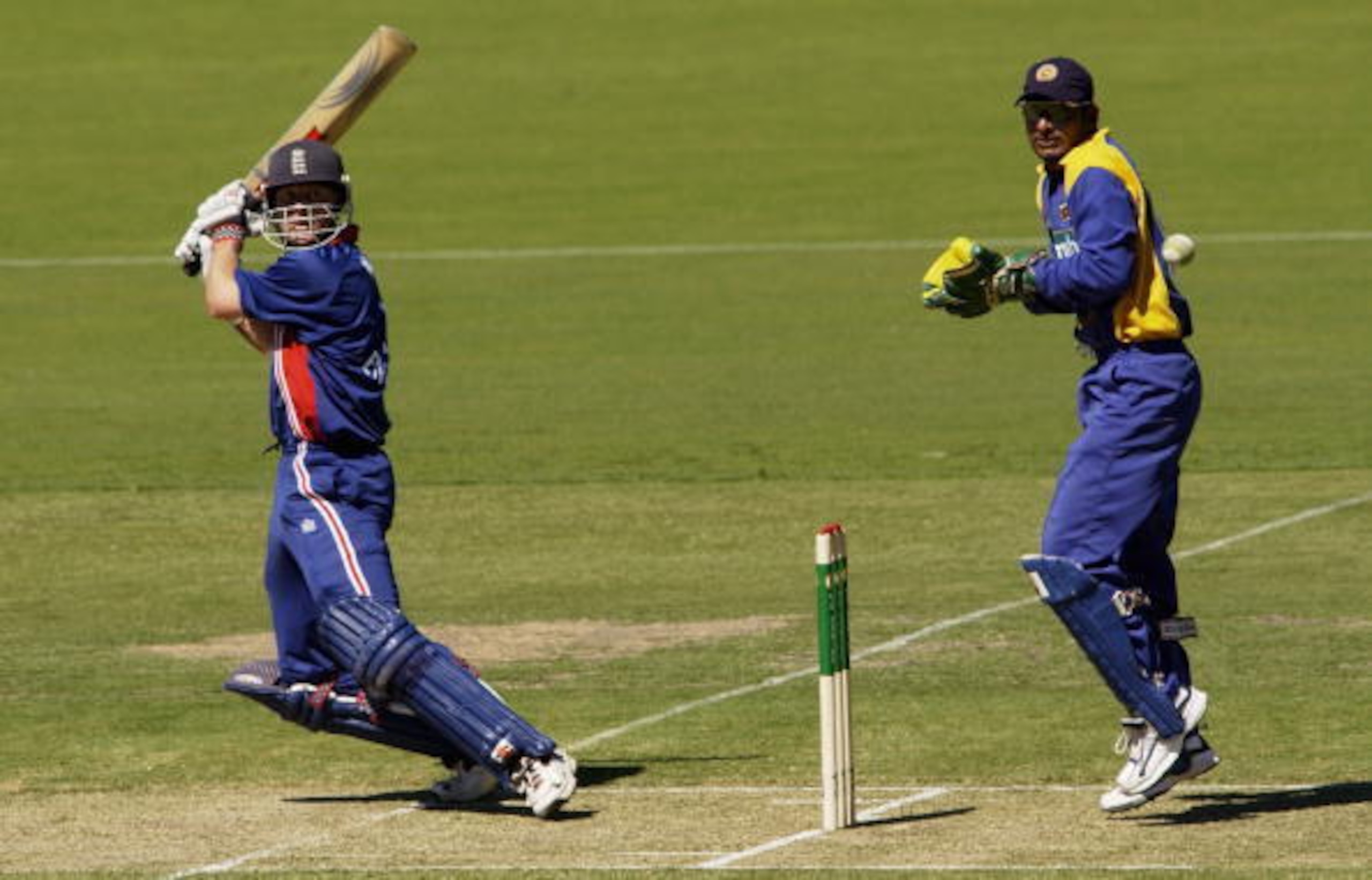
92 ODI matches
3,345 runs; 40.30 batting average; 73.16 strike rate; 125* highest score
Something of a rarity follows at No. 33, as Nick Knight was an ODI specialist who flourished in the short form but struggled in Tests.
As an opener, he looked to punish anything short and was capable of getting his side off to quick starts with the field restrictions in place.
His flamboyance served him well, and alongside Marcus Trescothick he formed one of England’s most effective opening partnerships in ODIs.
32. Gautam Gambhir (India)
19 of 50
94 ODI matches
3,367 runs; 39.61 batting average; 86.48 strike rate; 150 highest score
Indian left-hander Gautam Gambhir has all the ability in the world, and for a time he was also one of the best in ODIs.
Unfortunately, his form dropped off alarmingly, and he found himself jettisoned from the side with little hope of a recall.
He has thankfully rebuilt his reputation through some solid performances in domestic cricket and will surely come again in ODIs.
31. Mark Taylor (Australia)
20 of 50
109 ODI matches
3,514 runs; 32.53 batting average; 59.48 strike rate; 105 highest score
Mark Taylor helped make Australia into a great team once again with his captaincy, but his batting can sometimes be overlooked.
He was an intimidating presence at the crease and looked to make bowlers’ lives difficult by punishing anything loose and hitting regular boundaries.
That he was also a very successful captain shows how crucial Taylor was to the Australians in the early 1990s.
30. Shahid Afridi (Pakistan/Asia XI)
21 of 50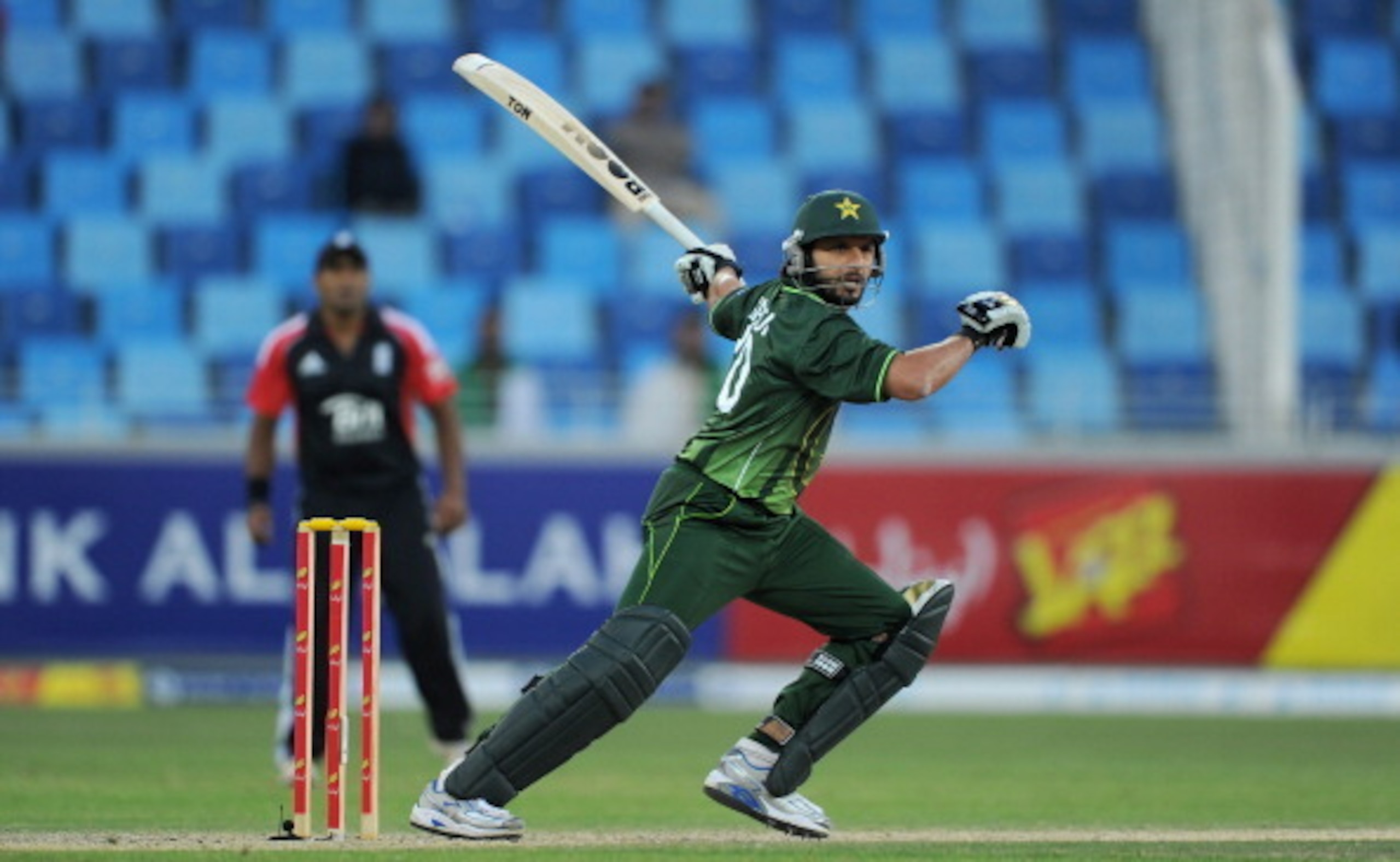
145 ODI matches
3,543 runs; 24.60 batting average; 101.66 strike rate; 109 highest score
Seemingly in and out of the Pakistan team at the drop of a hat, Shahid Afridi has managed to pull off some stunning performances for his side in ODIs.
Capable of swinging the momentum in the blink of an eye, Afridi is often used as a pinch-hitting opener with a view to getting the Pakistanis off to a flyer.
It does not always come off, but his aggressive style remains unchanged and can be critical in deciding the outcome of a game.
29. John Wright (New Zealand)
22 of 50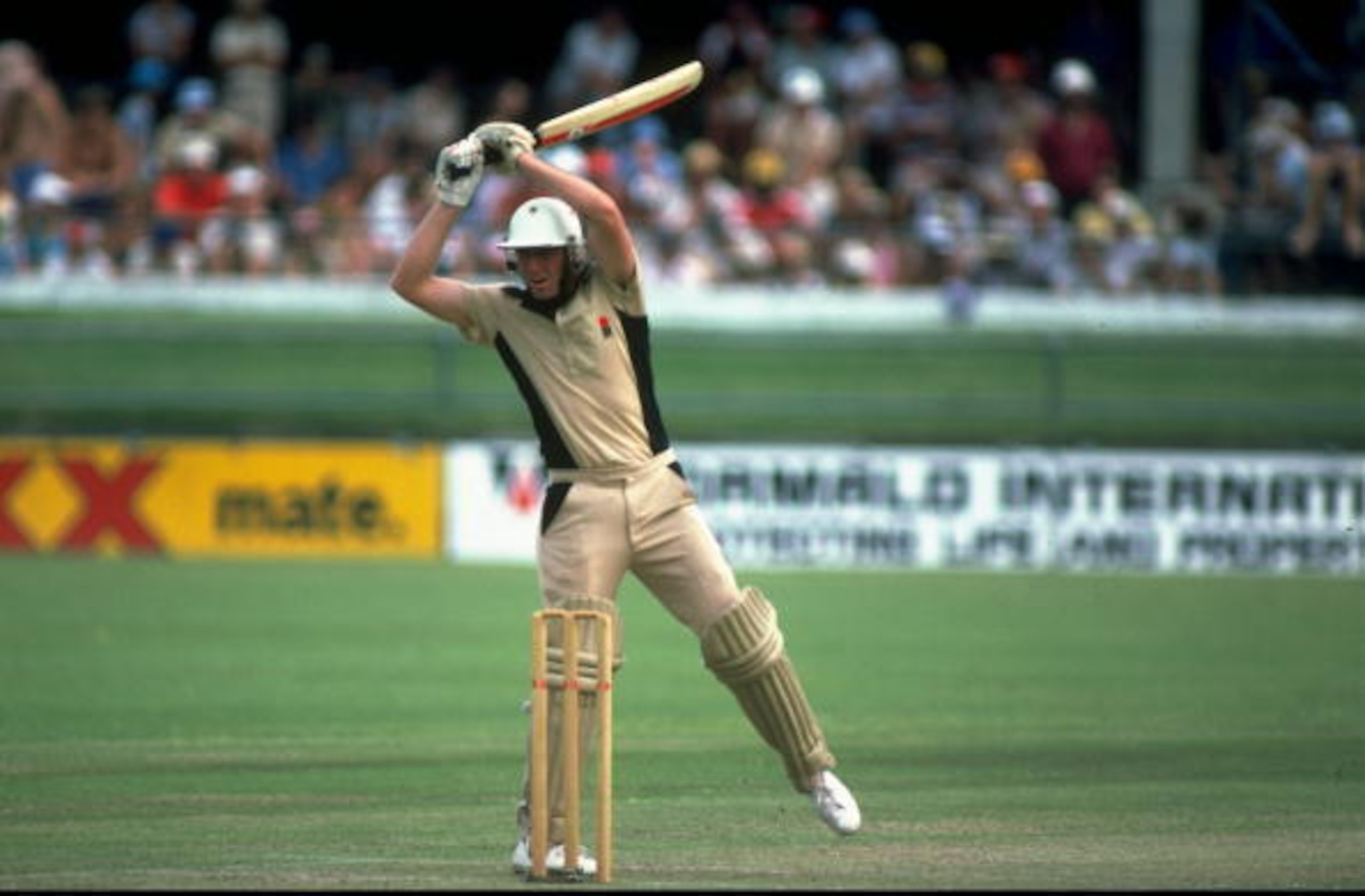
136 ODI matches
3,604 runs; 26.89 batting average; 56.79 strike rate; 101 highest score
Former New Zealand captain John Wright is known now as a coach, but during his playing days he was a very effective and durable opener.
He may have been a little on the defensive side in his style of play, but Wright was crucial in helping the Black Caps take some brilliant victories in the 1980s.
As an opener in ODIs, he scored well over 3,500 runs in a very long career in international cricket.
28. Tamim Iqbal (Bangladesh)
23 of 50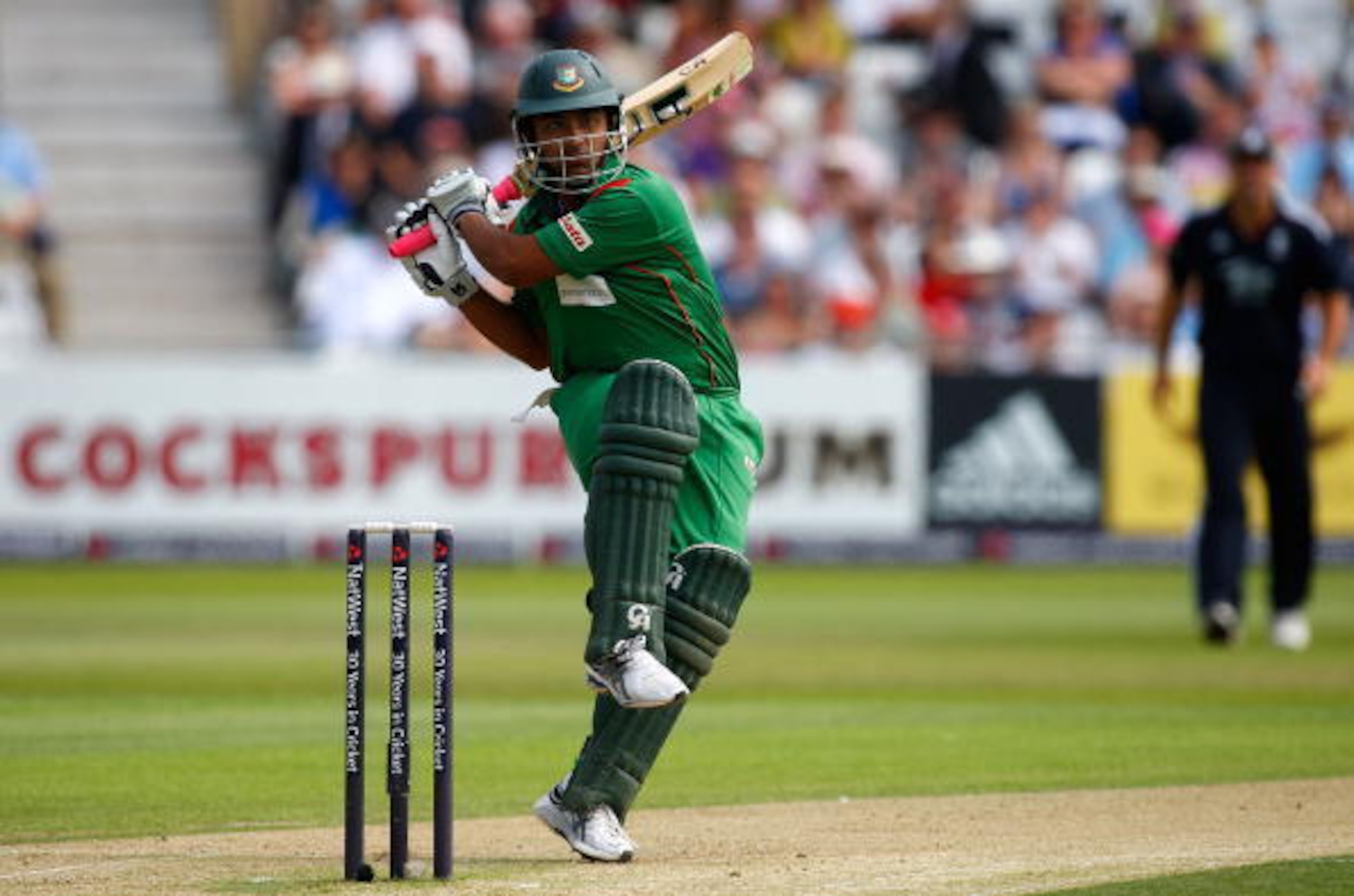
130 ODI matches
3,824 runs; 29.87 batting average; 78.12 strike rate; 154 highest score
Explosive Bangladesh left-hander Tamim Iqbal will certainly move upwards in this list, but already he has made quite an impact.
His aggressive style—like others—may not come off all the time, but it has brought him a large number of runs already and means he is crucial in his side’s lineup.
Iqbal sometimes has struggles with poor form, but he will definitely have further opportunities to increase his runs aggregate.
27. Graham Gooch (England)
24 of 50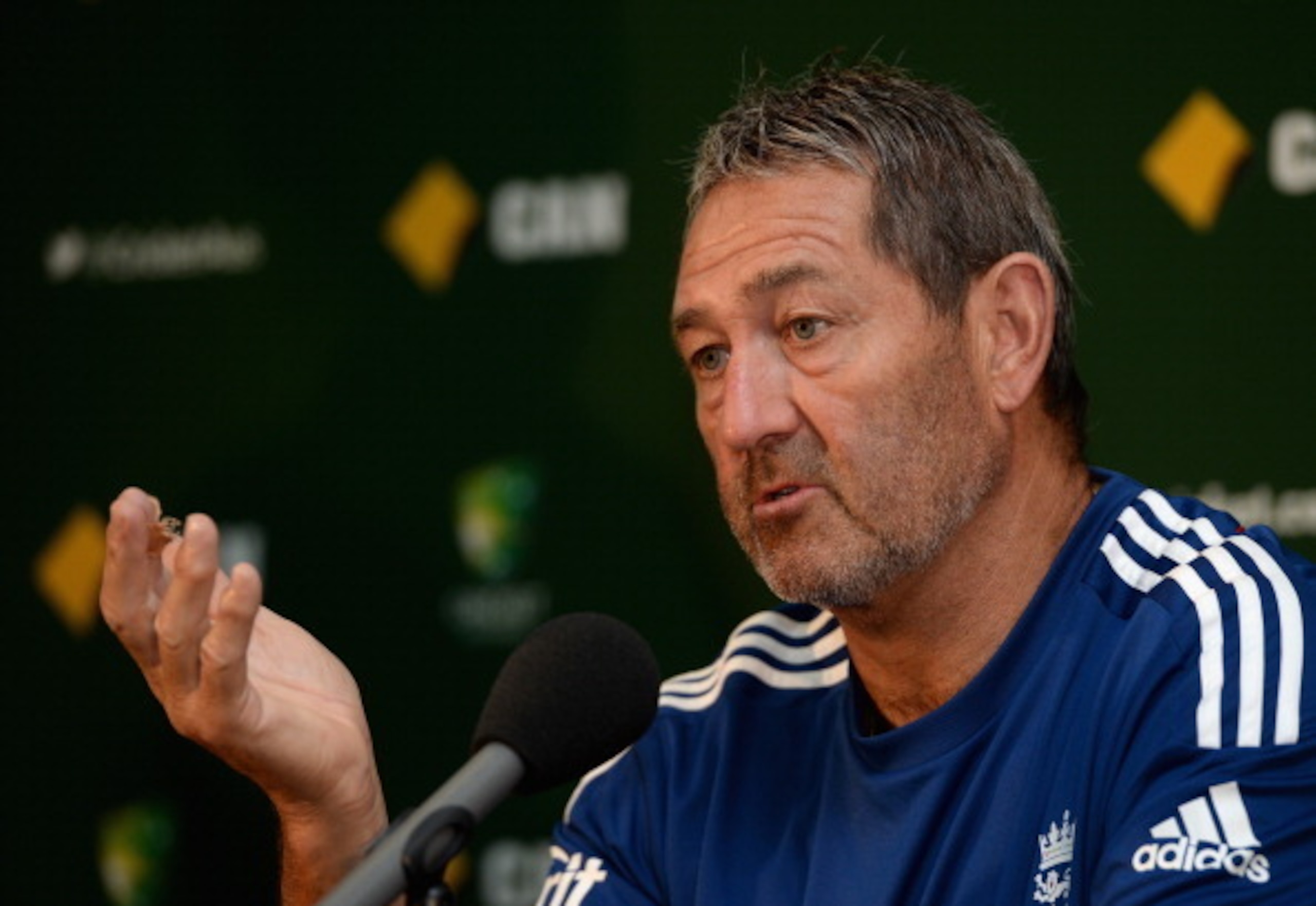
100 ODI matches
3,828 runs; 40.29 batting average; 62.12 strike rate; 142 highest score
Prolific England opener Graham Gooch follows at No. 27, having managed to combine a glut of runs at Test level with a very impressive record in ODIs.
With his trademark heavy bat, Gooch was capable of hitting the ball virtually anywhere, and he often laid superb platforms for his side at the top of the order.
He did not quite score as many centuries as he would have liked, but he still enjoyed a superb career in ODIs.
26. Shane Watson (Australia)
25 of 50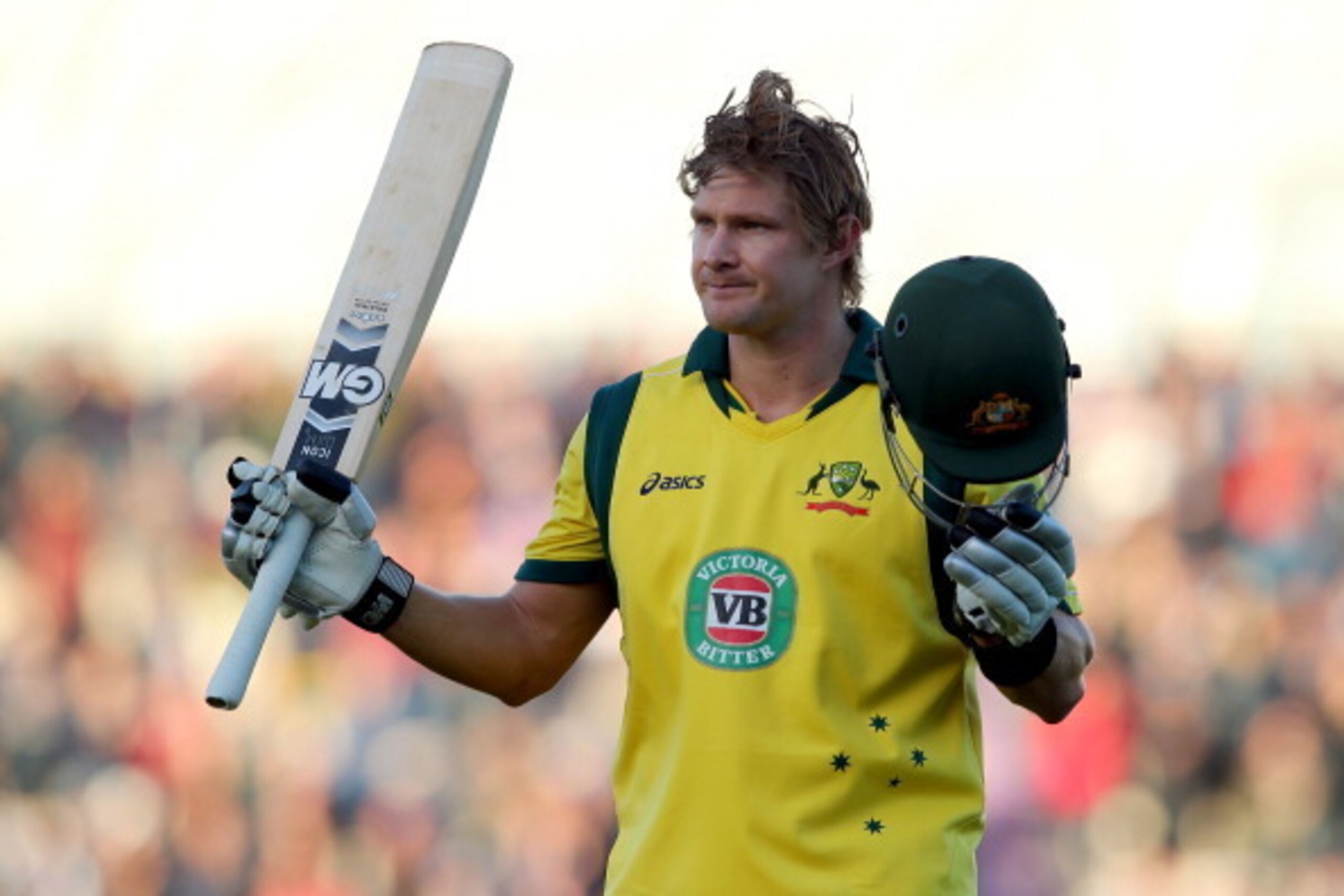
95 ODI matches
3,882 runs; 45.13 batting average; 91.68 strike rate; 185* highest score
An uncompromising cricketer, Shane Watson struggled with injury early in his career but has since found his niche for Australia.
At the top of the order, he is able to score runs quickly and has really come into his own over the last few years.
Depending on form and how his role may or may not change, Watson will likely make upwards progress in this list.
25. Rameez Raja (Pakistan)
26 of 50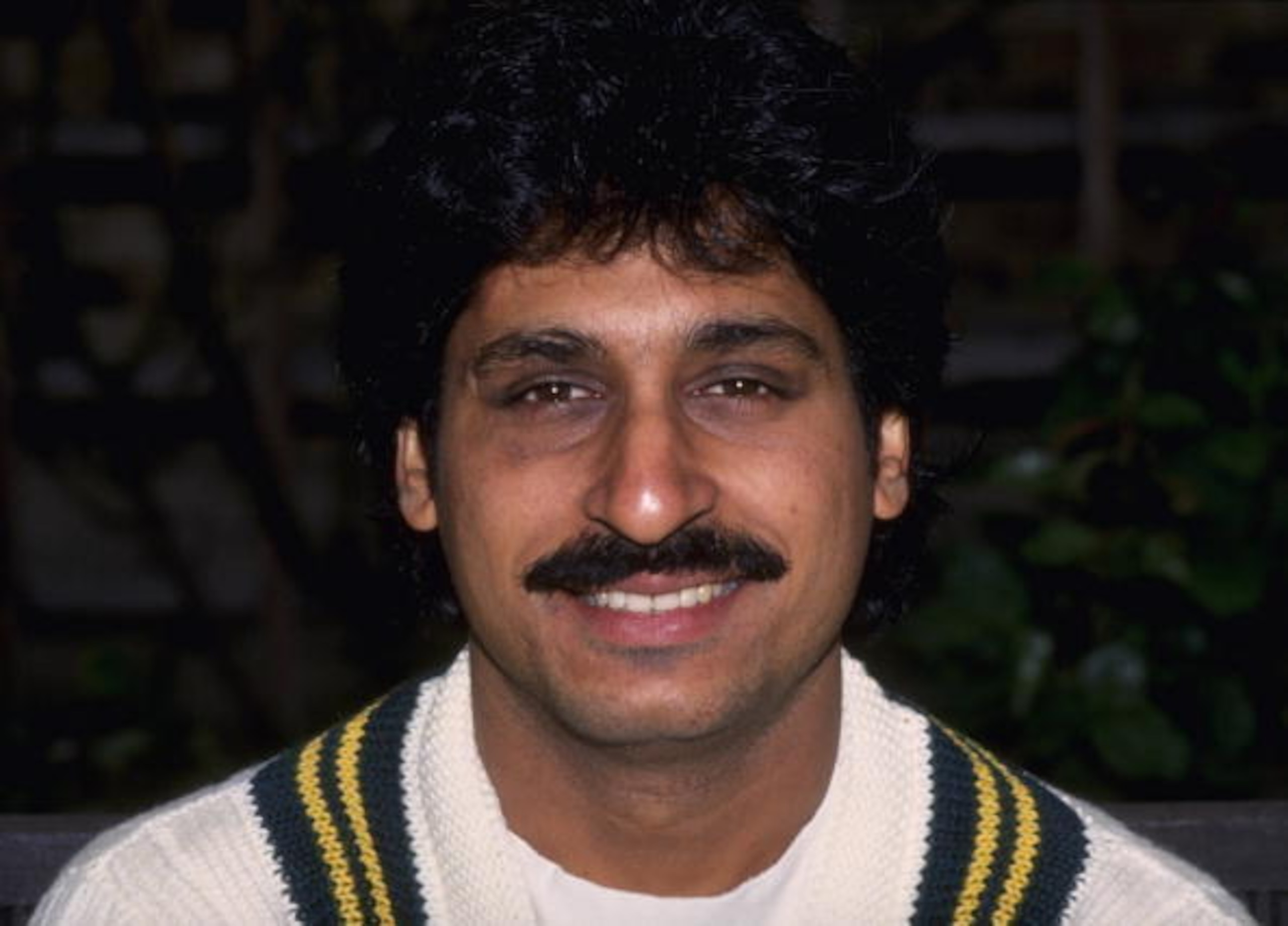
125 ODI matches
3,934 runs; 33.62 batting average; 63.18 strike rate; 119* highest score
An important part of Pakistan’s ODI squads in the 1980s and 1990s, Rameez Raja was a classy batsman who led the side from the front.
Especially strong on the leg side, Raja was perhaps better suited to ODIs than Tests, and he played with great freedom at a variety of positions.
It was as an opener in which he scored the majority of his runs, and he left quite a void when he retired from the game.
24. David Boon (Australia)
27 of 50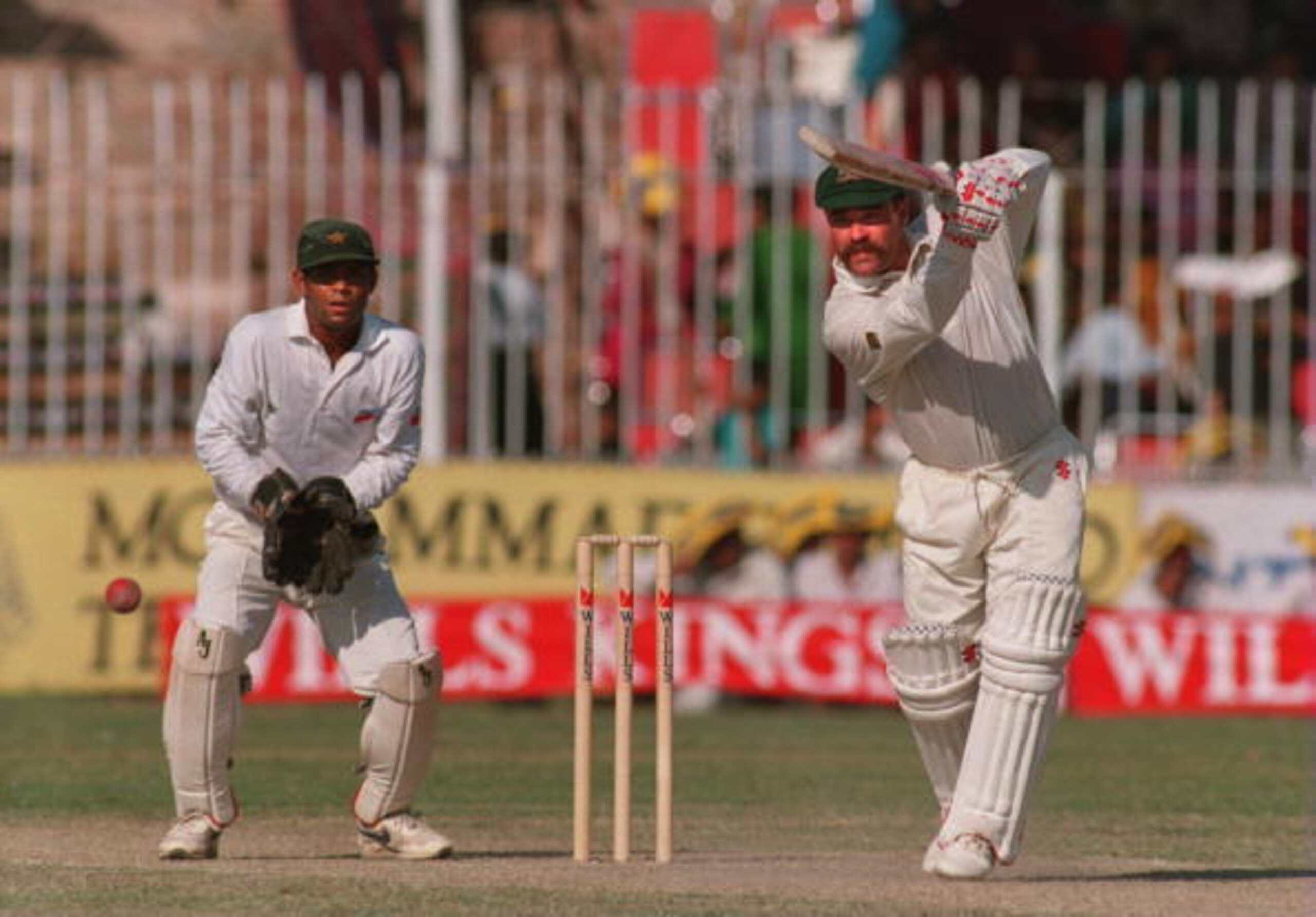
120 ODI matches
3,995 runs; 34.43 batting average; 64.27 strike rate; 122 highest score
He may have primarily been a No. 3, but Australian batsman David Boon also impressed as an opener in over 100 ODIs.
Perhaps not as fluent as others, Boon worked hard for his runs and was key as the Australians won the 1987 Cricket World Cup.
Without him, perhaps the Baggy Green would have had a harder time becoming the force in world cricket that they became.
23. Kris Srikkanth (India)
28 of 50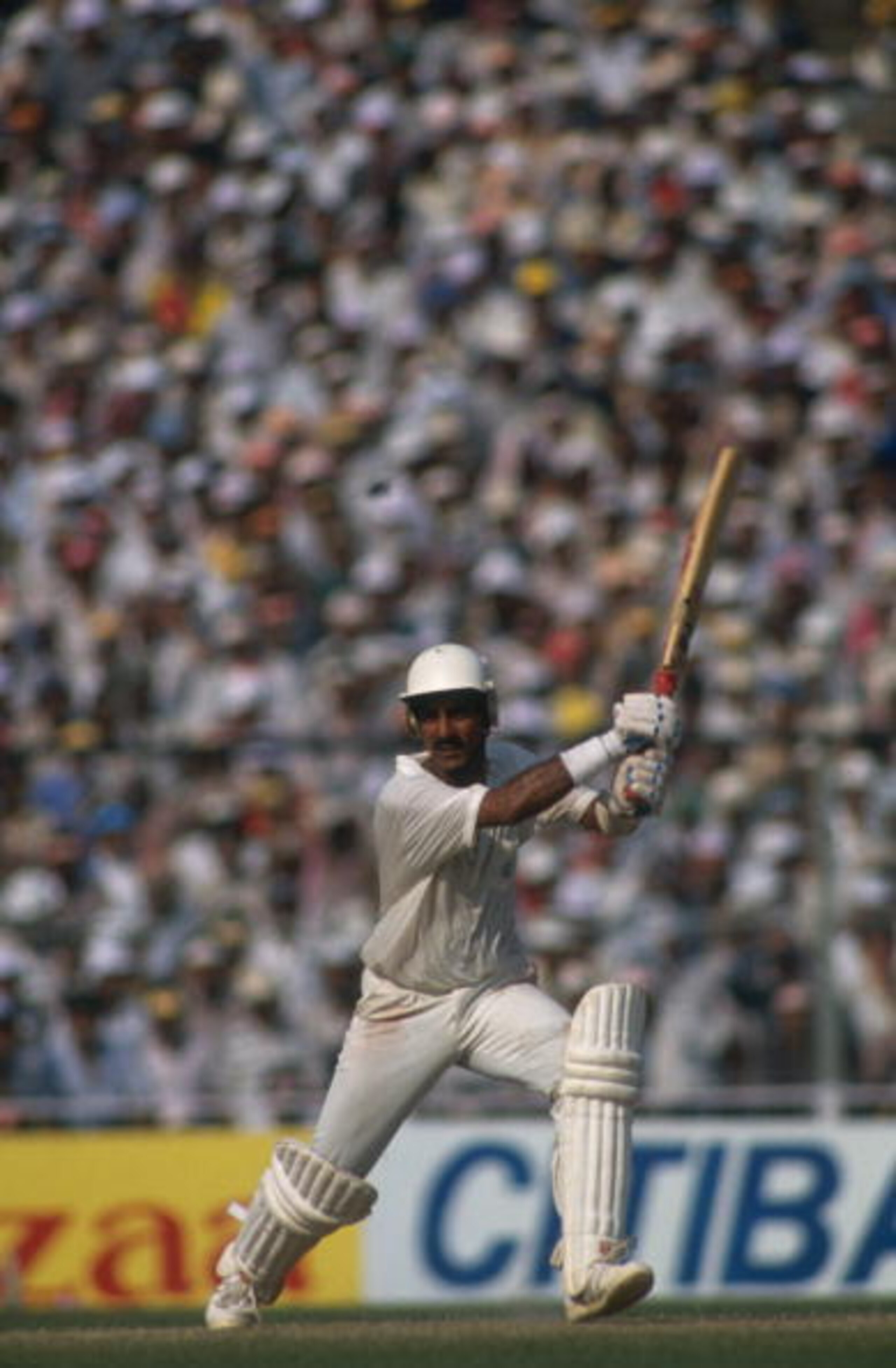
146 ODI matches
4,091 runs; 29.01 batting average; 64.27 strike rate; 123 highest score
An aggressive opener for India, Kris Srikkanth was capable of destroying any bowling attack, especially in ODIs.
Surrounded by his more circumspect colleagues, the right-hander managed to keep things interesting with his buccaneering style at the crease.
22. Aamer Sohail (Pakistan)
29 of 50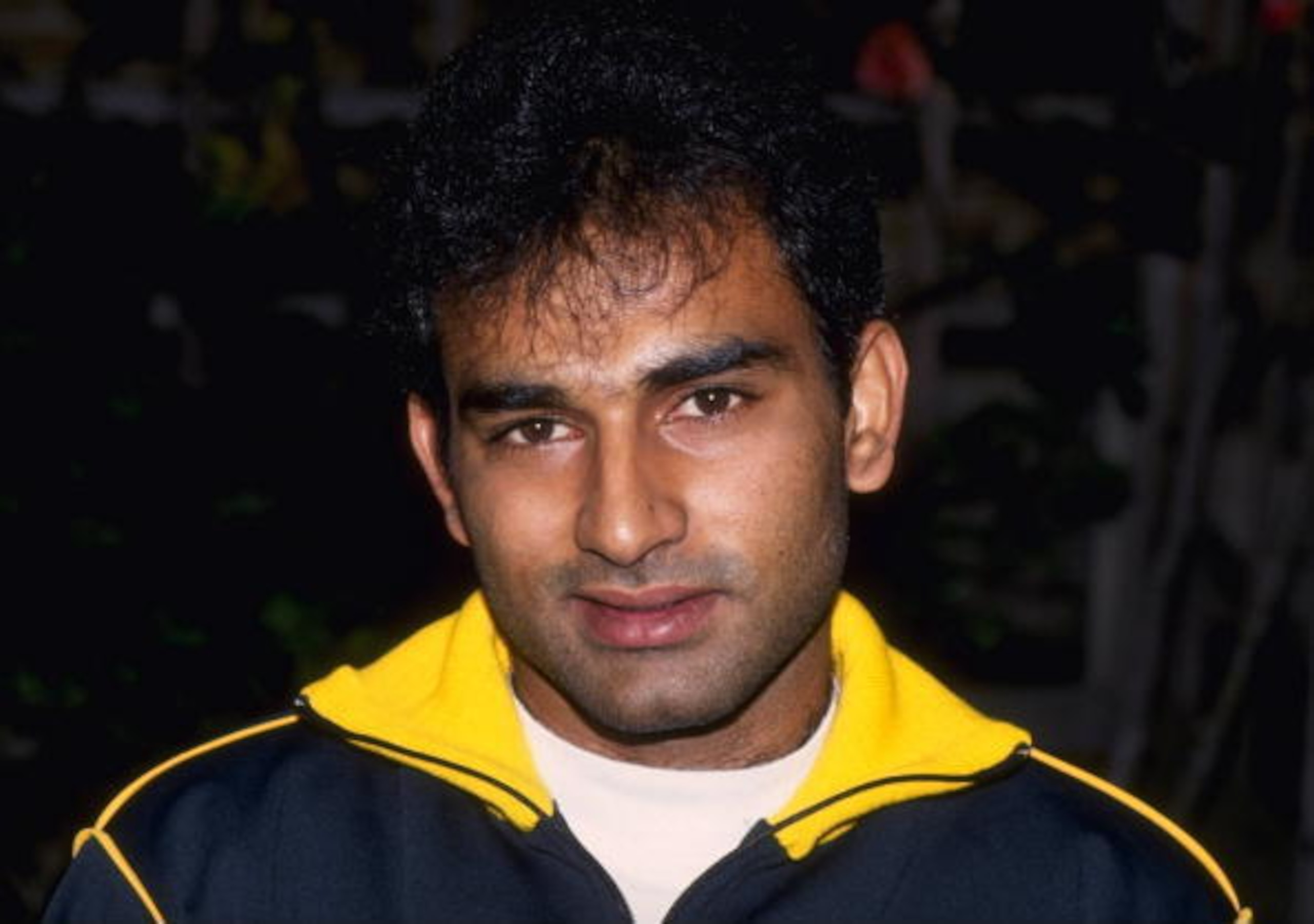
132 ODI matches
4,169 runs; 32.06 batting average; 65.55 strike rate; 134 highest score
Another opener who loved to attack was Aamer Sohail of Pakistan, and it served him well as he racked up the runs at the top of the order.
His personality may not have been to everyone’s liking, but Sohail’s aggression at the crease helped Pakistan build imposing targets.
He was one of a number of players who stood out in the team’s triumph at the 1992 Cricket World Cup and set the stage for subsequent aggressive Pakistani openers.
21. Marcus Trescothick (England)
30 of 50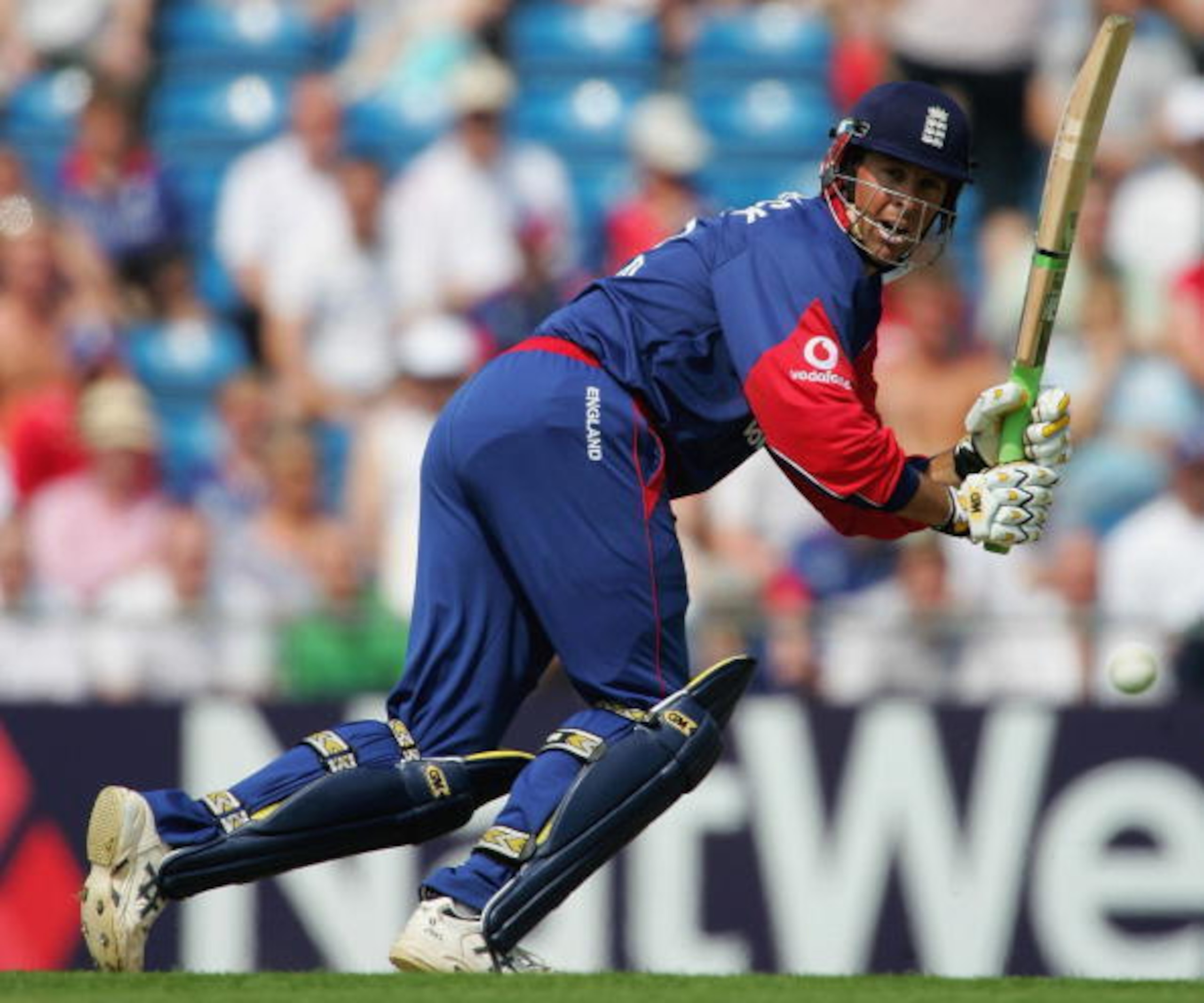
123 ODI matches
4,335 runs; 37.37 batting average; 85.21 strike rate; 137 highest score
He may have only been involved with England for a relatively small number of years, but Marcus Trescothick had quite an impact.
With his punishing cuts and pulls, the left-hander was very adept at getting his side off to a quick start and has arguably never really been replaced.
A final strike rate of 85.21 shows how capable he was of flaying bowling attacks, even in the bowler-friendly conditions of his home country.
20. Geoff Marsh (Australia)
31 of 50
116 ODI matches
4,357 runs; 39.97 batting average; 55.93 strike rate; 126* highest score
Despite being something of a dogged and dour opener in Tests, Australian Geoff Marsh threw the shackles off in ODIs and was very effective in a more attacking role.
His partnerships with Mark Taylor and David Boon were legendary; as he loved nothing more than building a huge innings and helping his side take another victory.
19. Grant Flower (Zimbabwe)
32 of 50
139 ODI matches
4,409 runs; 33.15 batting average; 65.85 strike rate; 140 highest score
Part of one of the most prolific sibling pairs ever to play international cricket, Grant Flower helped lead Zimbabwe into Test cricket while retaining great ability in ODIs.
When necessary, he could hit the ball a long way, although his technique was often suited to settling down and playing the long innings needed to build a platform.
Now a successful coach, it was a great shame when Flower retired from international cricket a decade ago.
18. Hashim Amla (South Africa)
33 of 50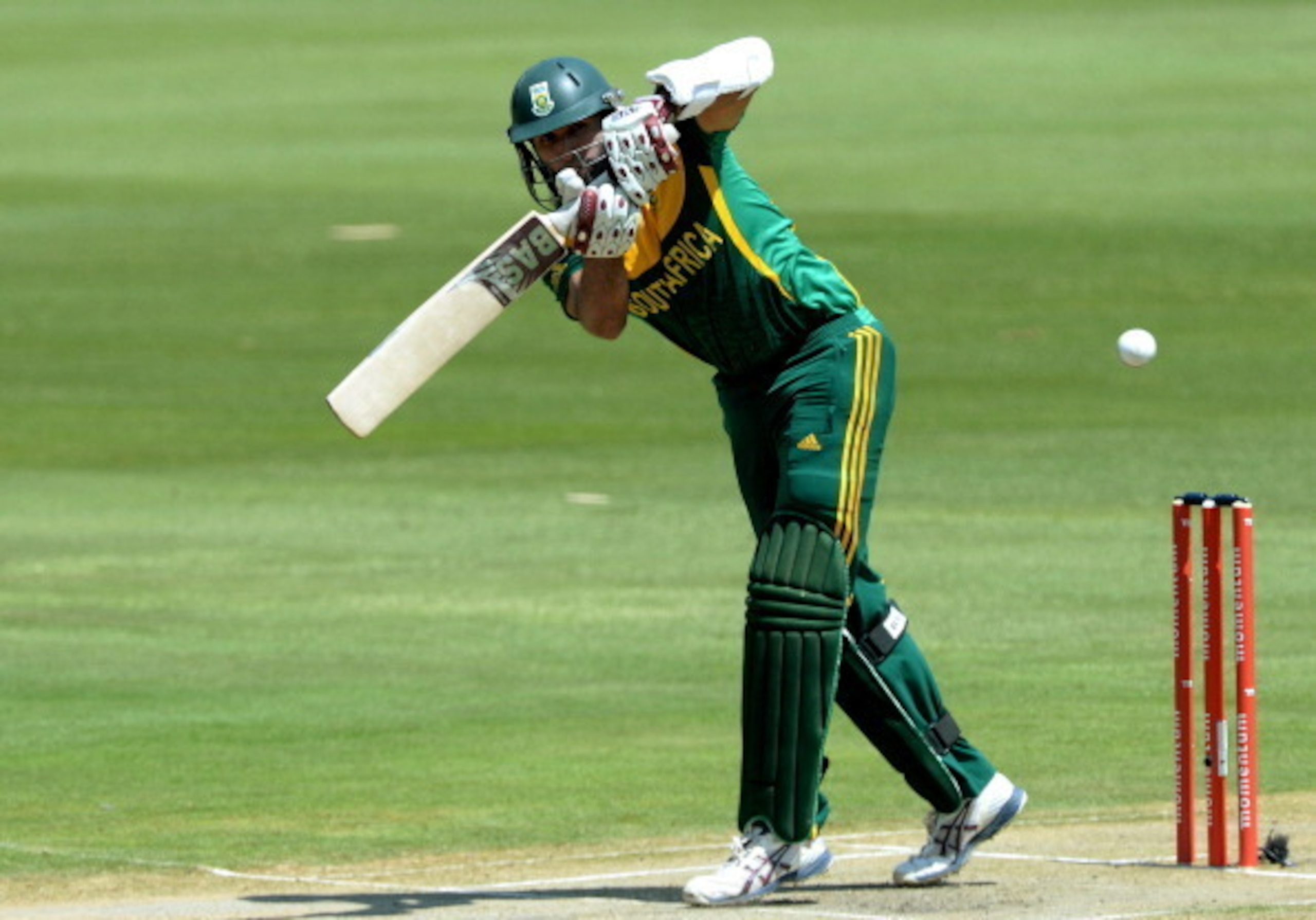
91 ODI matches
4,596 runs; 54.71 batting average; 89.57 strike rate; 150 highest score
Known as a bully of Test bowlers all over the world, Hashim Amla has also shown great ability in the ODI arena for South Africa.
Maybe not known as an aggressor with the bat, his high strike rate shows he is capable of upping the tempo when needed and getting his side some early momentum.
Given his knack of scoring runs almost anywhere, Amla is virtually certain to move up this list in the coming years.
17. Upul Tharanga (Sri Lanka)
34 of 50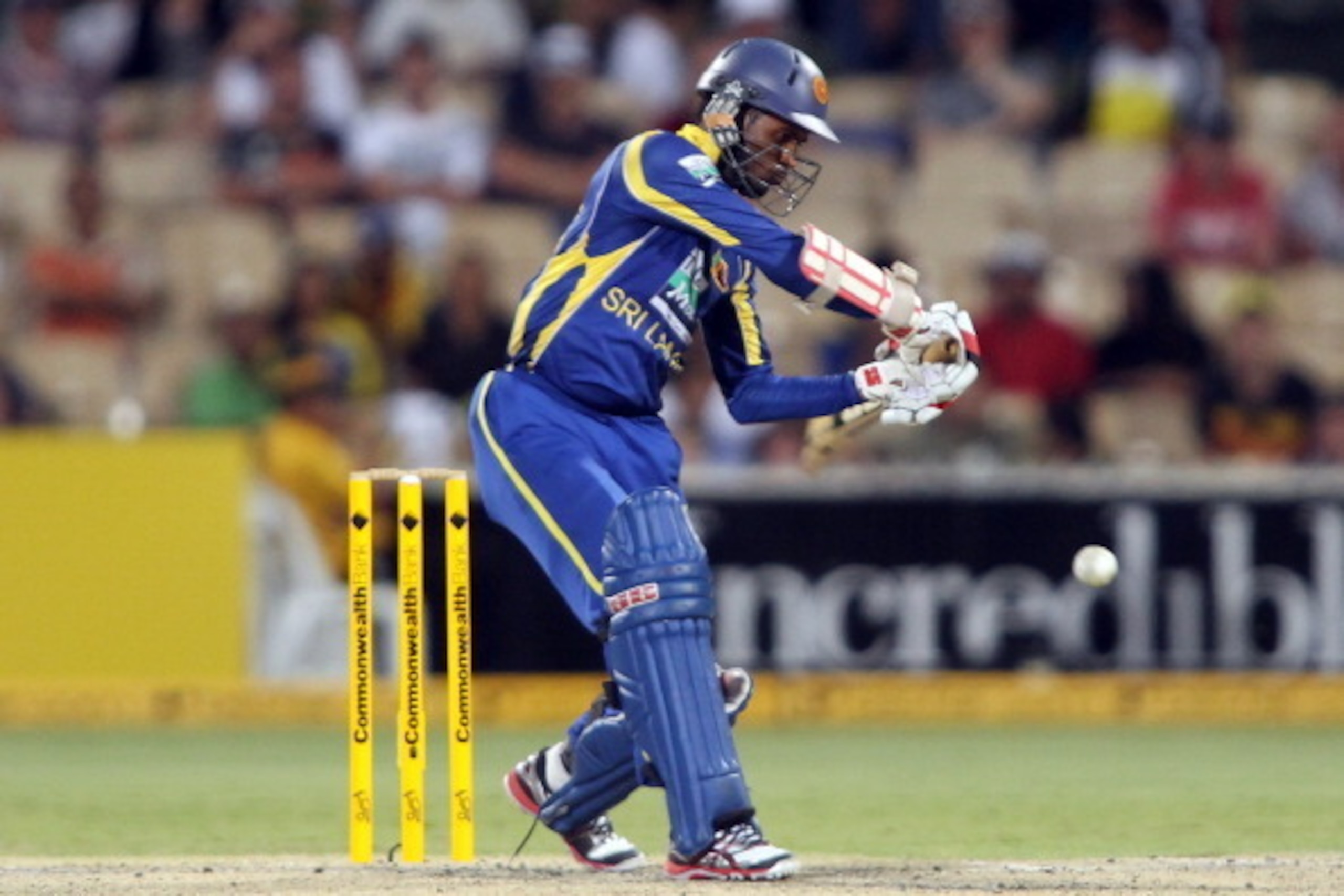
160 ODI matches
4,973 runs; 33.82 batting average; 73.75 strike rate; 174* highest score
Still opening for Sri Lanka, Upul Tharanga is another who will move up this list if he can maintain his consistency.
Earmarked for success from a young age, Tharanga is an elegant player with a strike rate that can compete with many others on the international circuit.
If his side are to keep winning in ODIs, you would imagine the left-hander would be a big part of that success.
16. Gordon Greenidge (West Indies)
35 of 50
120 ODI matches
4,993 runs; 45.39 batting average; 64.65 strike rate; 133* highest score
A terrifying prospect for opposition bowlers, Gordon Greenidge dominated both Tests and ODIs with his powerful stroke play.
The West Indian’s ability in the longest form translated brilliantly to the shorter format, and he helped maintain his side’s place atop the world rankings.
Alongside partner Desmond Haynes, he ripped opposition bowlers to shreds, leaving them and their bowling figures traumatised.
15. Tillakaratne Dilshan (Sri Lanka)
36 of 50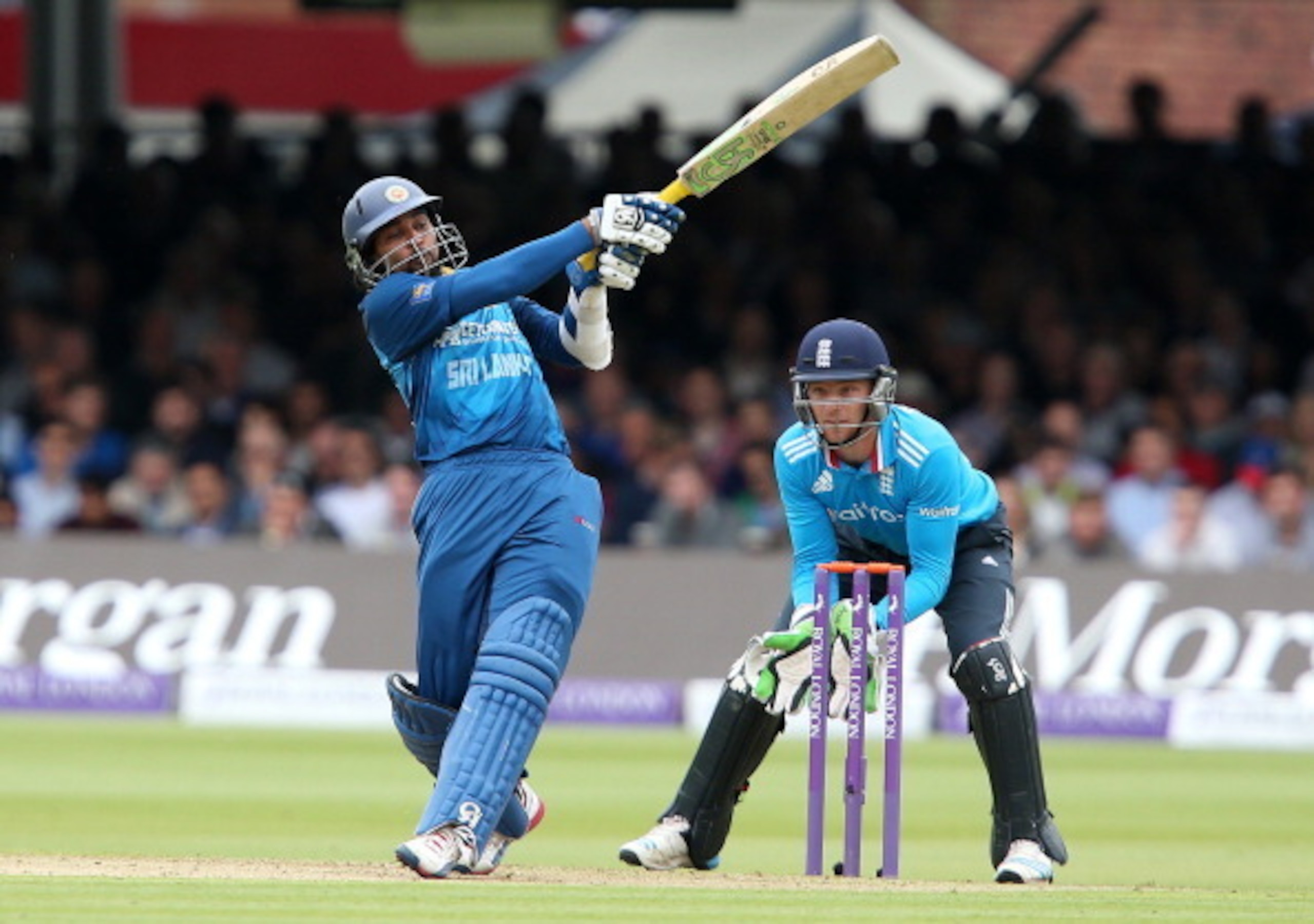
137 ODI matches
5,549 runs; 45.85 batting average; 89.16 strike rate; 160* highest score
An innovative and creative batsman, Tillakaratne Dilshan is another who looks to hit boundaries at every opportunity and only defend when truly necessary.
It has served him well for Sri Lanka, as he has kept a remarkably high average and strike rate, even when the pressures of captaincy were on him as well.
Perhaps coming to the end of his international career at the age of 37, there are few like Dilshan in the modern game.
14. Mark Waugh (Australia)
37 of 50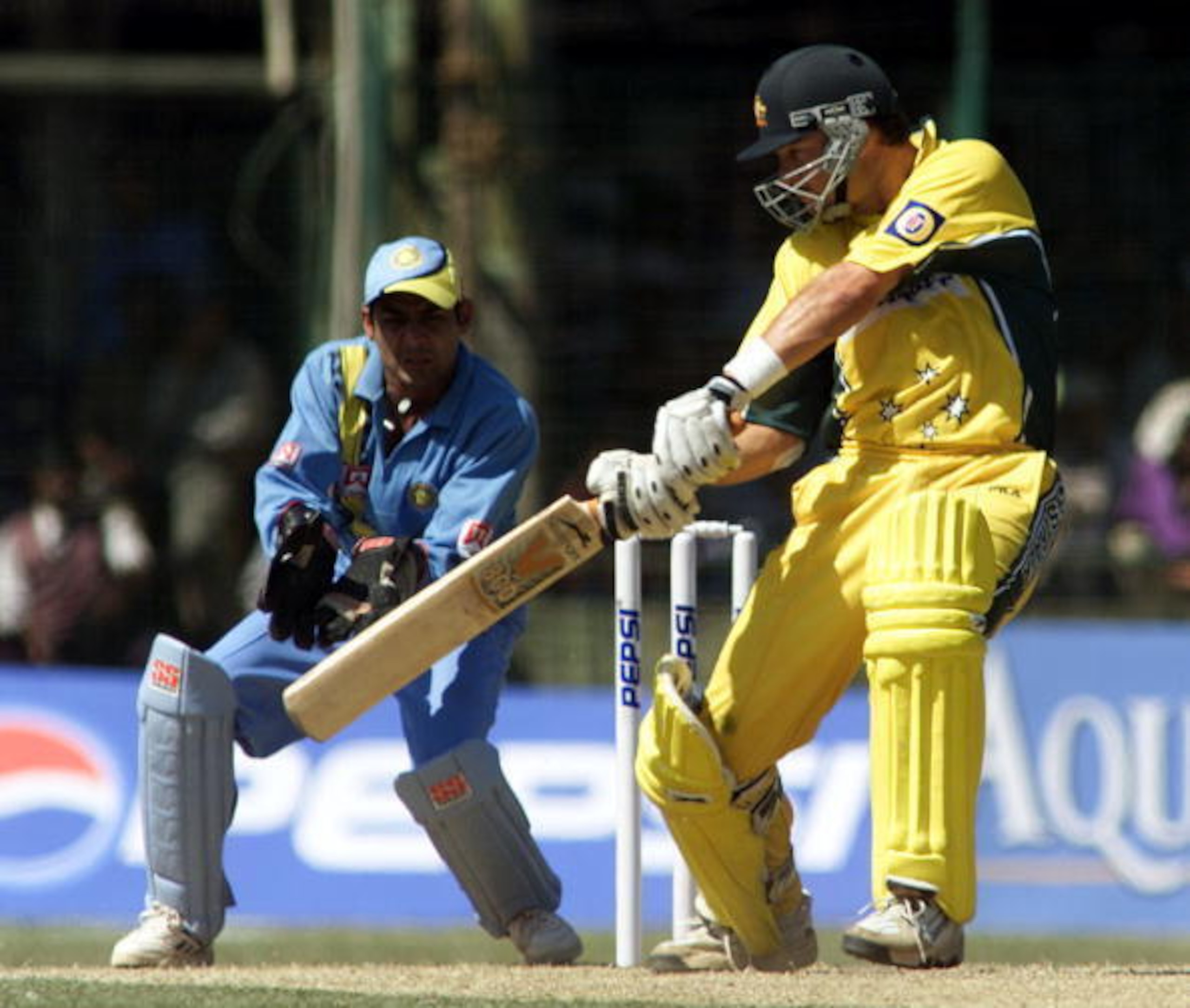
141 ODI matches
5,729 runs; 44.06 batting average; 76.74 strike rate; 173 highest score
Another who is part of a famous pair of batting brothers, Mark Waugh was a key part of Australia’s middle order in Tests but was pushed up to open in ODIs.
He always managed to look elegant at the crease, with his array of shots seemingly played with little effort as the ball rocketed to the boundary.
At the World Cup in 1996, his three centuries helped lead Australia into the latter stages of the tournament, and he was the perfect foil for fellow opener Adam Gilchrist.
13. Matthew Hayden (Australia)
38 of 50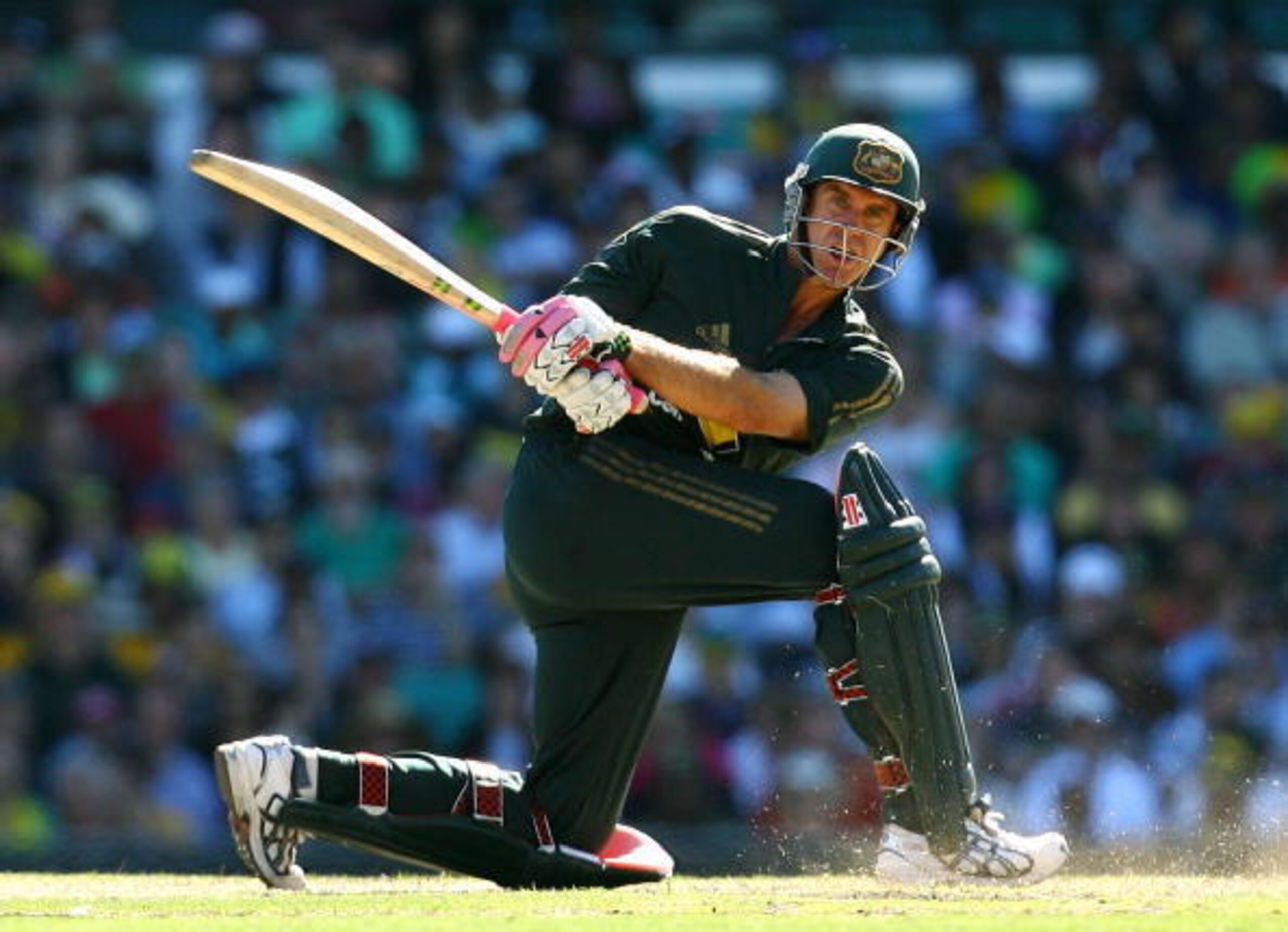
148 ODI matches
5,892 runs; 44.30 batting average; 78.70 strike rate; 181* highest score
A strong and uncompromising left-hander, Matthew Hayden loved demolishing bowling attacks and looked at ease when doing so.
His powers of concentration also suited him well for long innings, although often he would look to be aggressive straight away.
Hayden’s form did drop alarmingly towards the end of his career, but he still earns his place at No. 13 in our list after a stellar career for the Baggy Green.
12. Herschelle Gibbs (South Africa)
39 of 50
183 ODI matches
6,103 runs; 35.69 batting average; 82.86 strike rate; 153 highest score
With his exuberant array of strokes that seemed at times to be uniquely his, Herschelle Gibbs was able to adapt his game to playing either in the middle order or as an opener.
The Proteas looked a much better side when Gibbs was on form, as he was capable of putting any bowler to the sword.
With over 6,000 runs in the opening spots at a high strike rate, it shows how often his aggressive stroke play would be successful.
11. Nathan Astle (New Zealand)
40 of 50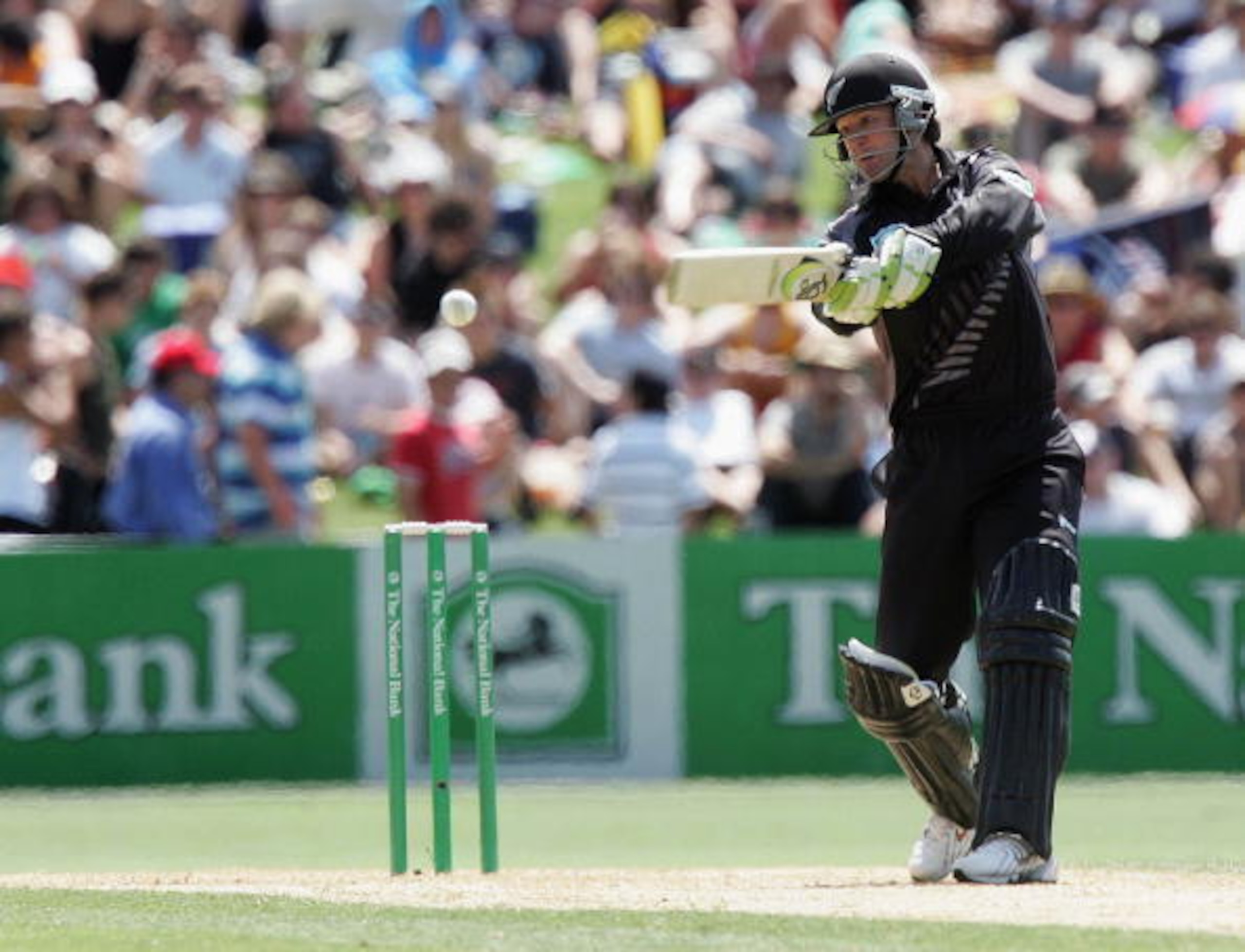
191 ODI matches
6,176 runs; 34.89 batting average; 72.72 strike rate; 145* highest score
New Zealand all-rounder Nathan Astle was known as a lower-order blaster in Tests, but in ODIs he enjoyed plenty of success as a pinch-hitting opener.
One of the Black Caps’ greatest-ever ODI players, he oozed confidence and always seemed to score freely regardless of the situation.
Even with the responsibility of his medium-pace bowling, Astle managed to maintain a high level of consistency until he retired from ODIs in 2007.
10. Gary Kirsten (South Africa)
41 of 50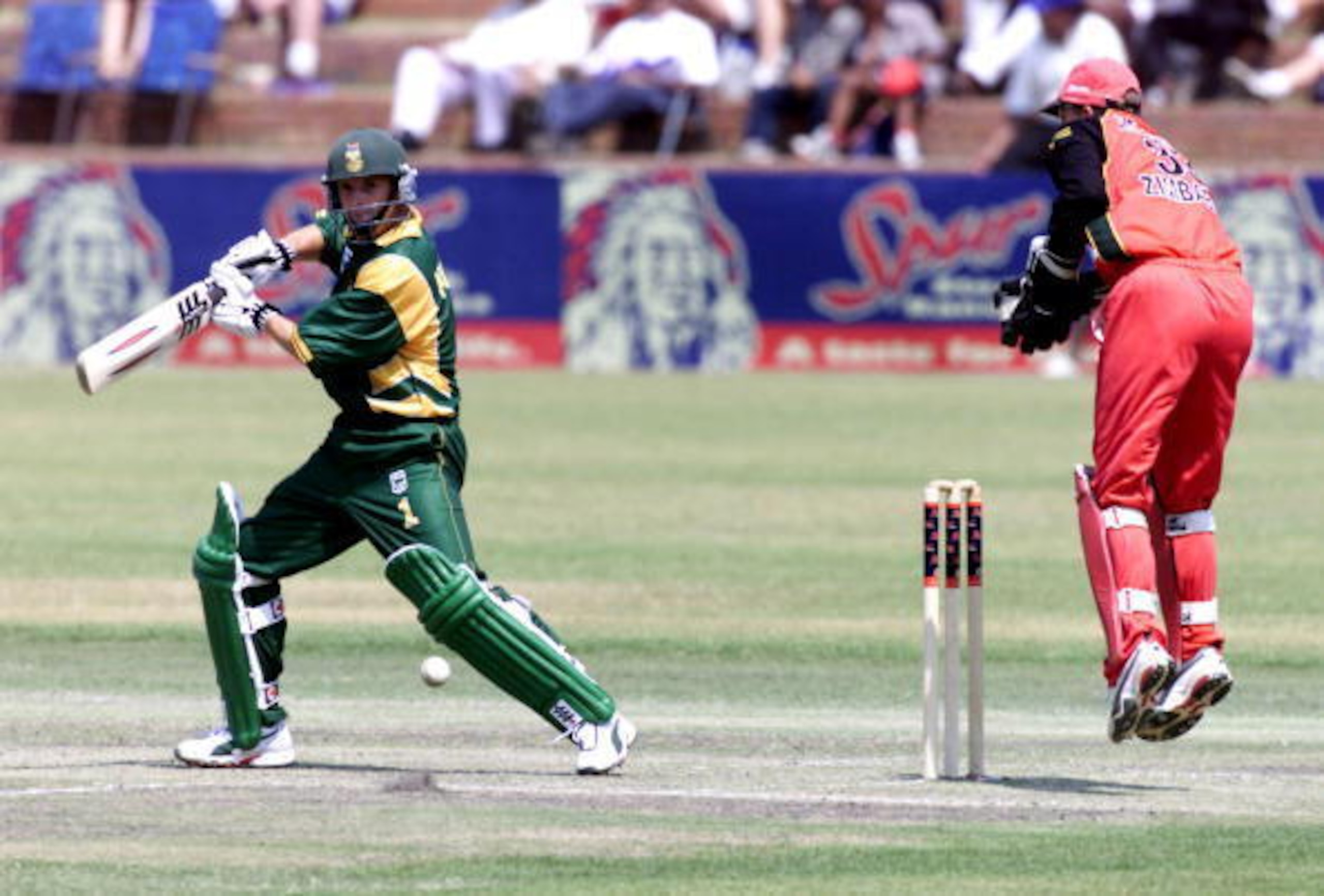
175 ODI matches
6,647 runs; 41.80 batting average; 72.25 strike rate; 188* highest score
Another South African follows at No. 10, as after a brilliant career Gary Kirsten ended with over 6,500 ODI runs in the opening positions.
He may not have been the prettiest batsman to watch at times, but he was certainly effective and able to concentrate for long periods even amid the tension of an ODI game.
At times during his career, it was hard to imagine a Proteas lineup without Kirsten at the top of the order.
9. Graeme Smith (South Africa/Africa XI)
42 of 50
196 ODI matches
6,974 runs; 38.10 batting average; 80.94 strike rate; 141 highest score
Above Kirsten comes another South African in the form of former captain Graeme Smith, who joins the list at No. 9.
Strong off his pads and able to punish any bowler whose line or length wavered even slightly, Smith managed to keep up his high standards even having been thrust into the captaincy.
He helped rebuild the Proteas’ confidence by leading from the front in every possible way, and it served both him and his team well.
8. Virender Sehwag (India/Asia XI/ICC World XI)
43 of 50
214 ODI matches
7,518 runs; 36.49 batting average; 104.72 strike rate; 219 highest score
The explosive Virender Sehwag follows at No. 8, after a career that saw him demolish bowling attacks across the world.
Like others who play in a similar way, his aggressive style perhaps did not come off as often as if he had been less attacking, but once he was settled he was capable of hitting anything.
A strike rate of 104.72—and some statistics that could still be improved if he finds a way back in the team—speak of a player who was truly dominant for a long time.
7. Saeed Anwar (Pakistan)
44 of 50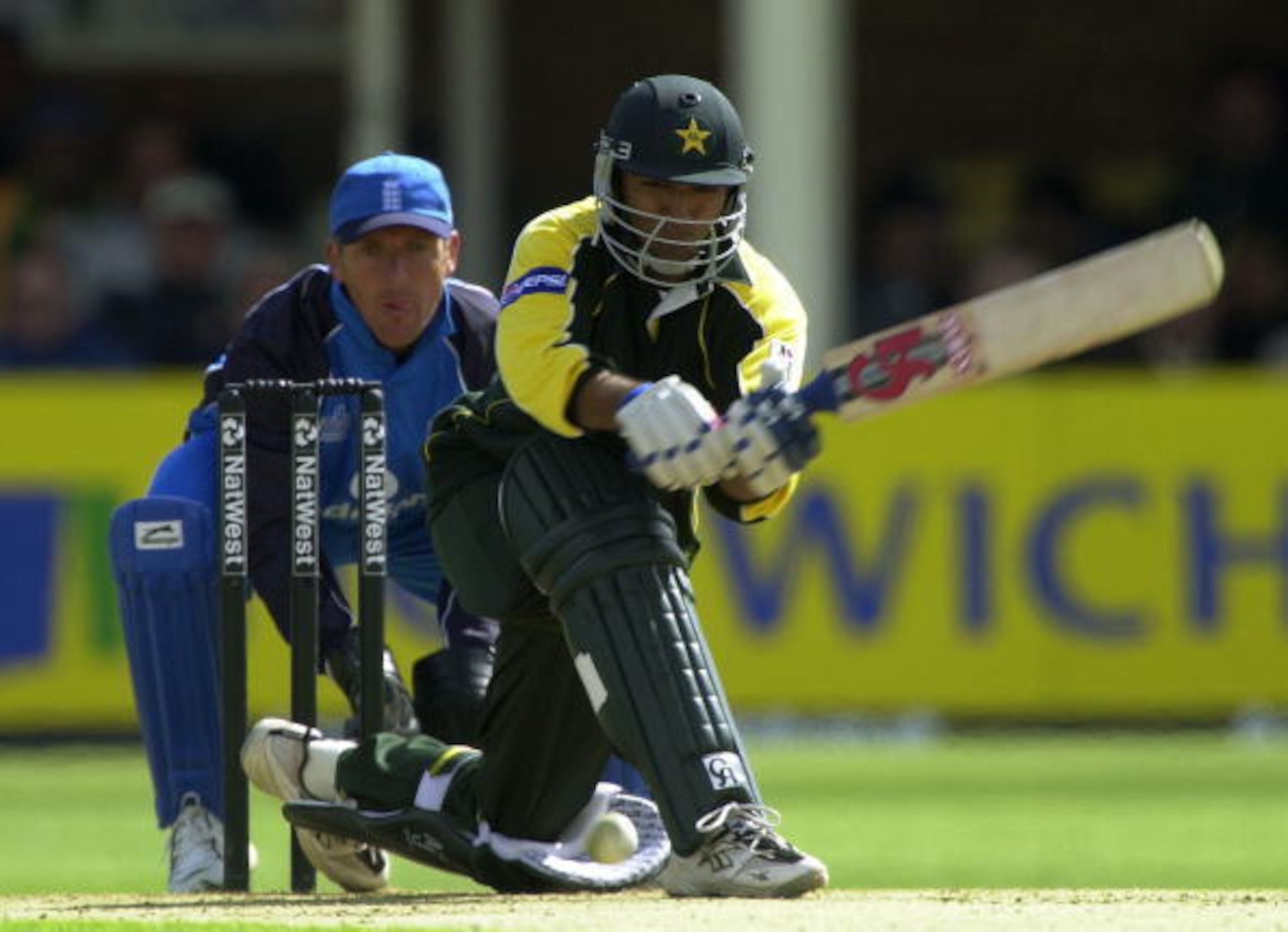
220 ODI matches
8,156 runs; 39.98 batting average; 79.93 strike rate; 194 highest score
The first of our ODI openers to top 8,000 runs in the top-two positions in the batting order is Saeed Anwar, the left-handed Pakistani stalwart.
Graceful rather than destructive, Anwar never looked in any hurry in spite of an unerring ability to hit the ball into the gaps.
He actually first gained recognition as an ODI player before Test honours followed, and in a long career he helped make Pakistan into a superb outfit in the limited-overs format.
6. Chris Gayle (West Indies/ICC World XI)
45 of 50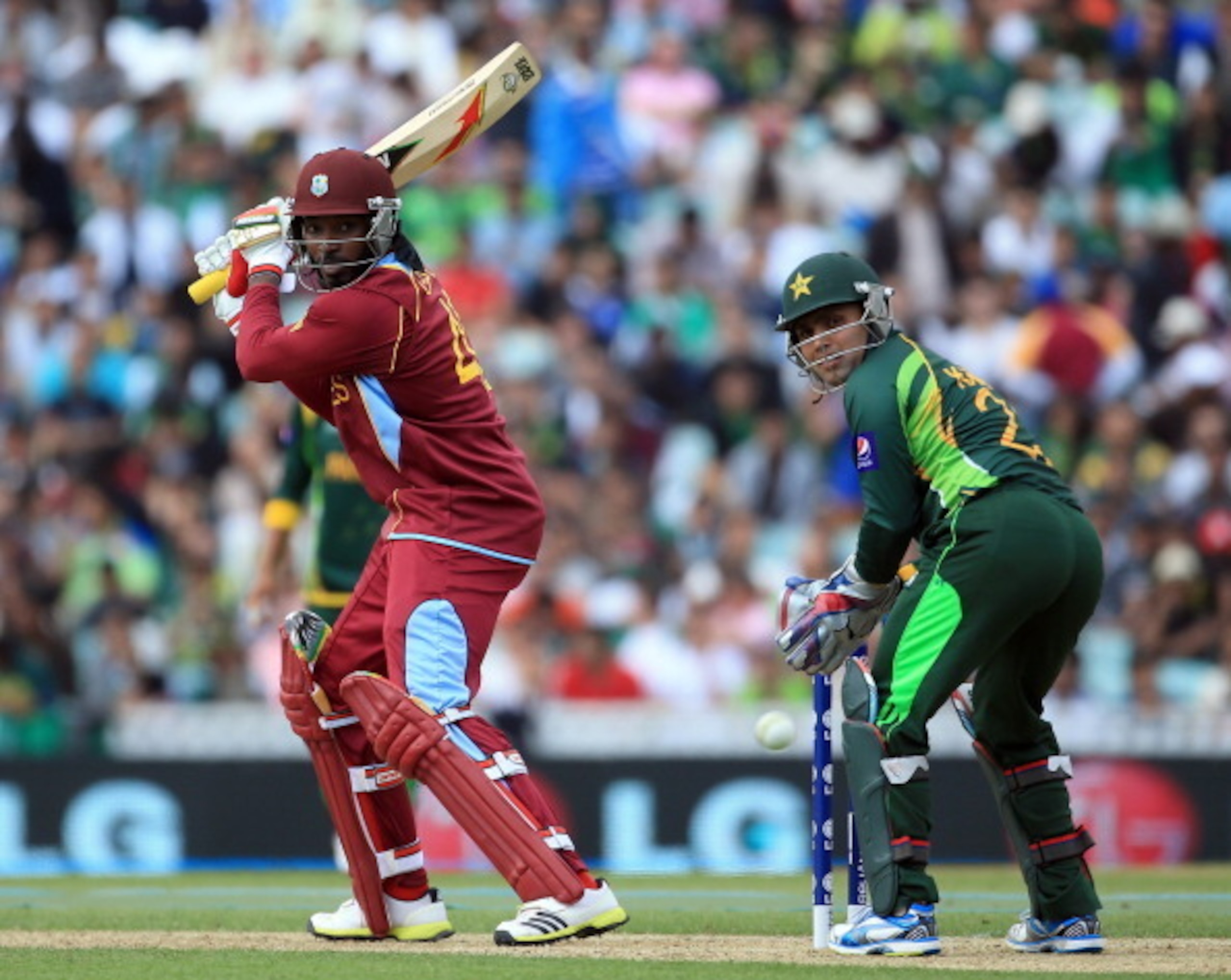
237 ODI matches
8,509 runs; 39.21 batting average; 84.86 strike rate; 153* highest score
Still making his mark in ODI cricket when his fitness allows, Chris Gayle has been terrorising attacks for the West Indies for well over a decade.
Using his incredible strength to hit boundaries that seem to involve no effort whatsoever, Gayle also has brilliant hand-eye coordination to go with his tremendous height.
If he can continue to be consistent, he will surely move up this list even further.
5. Desmond Haynes (West Indies)
46 of 50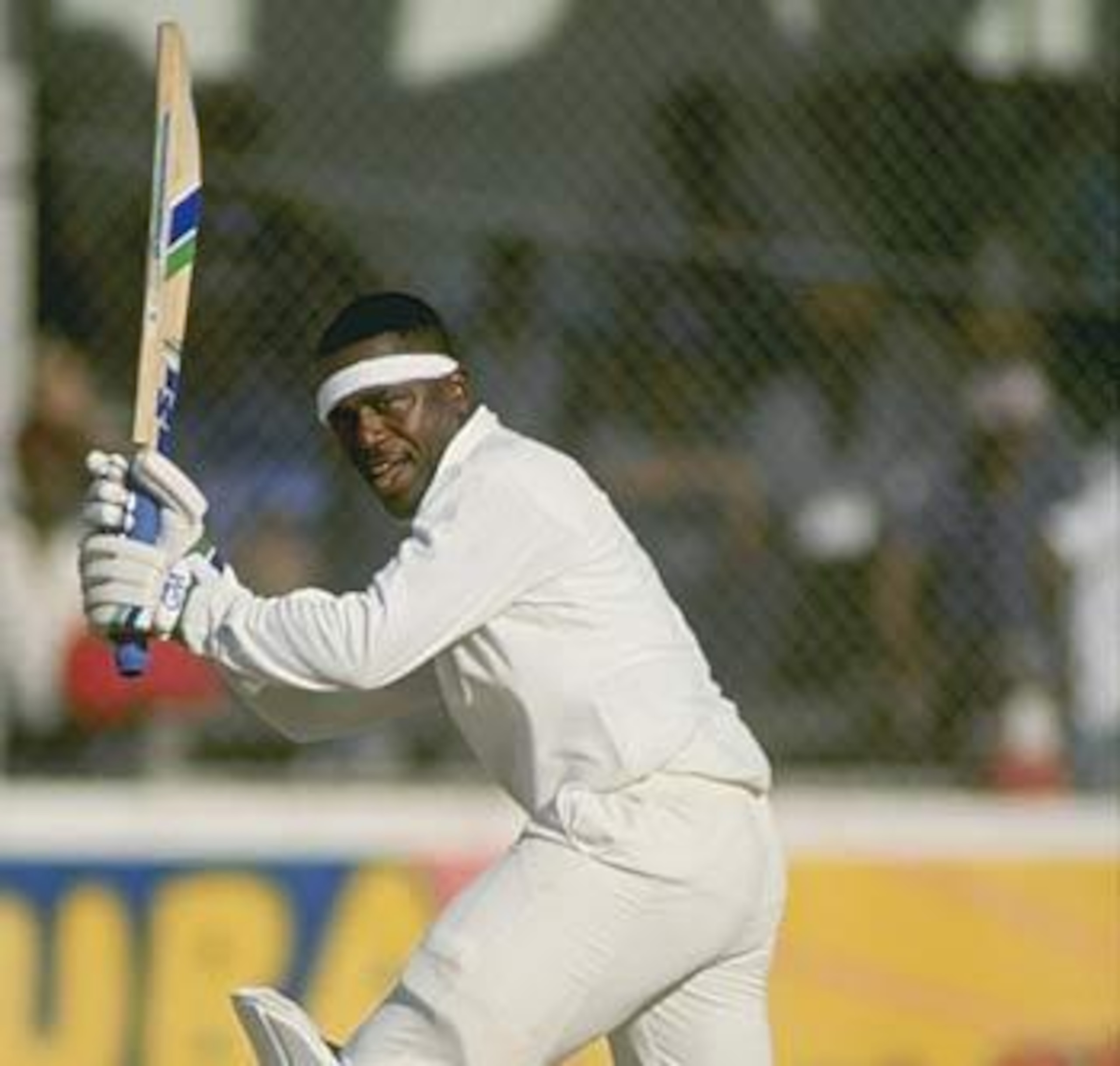
238 ODI matches
8,648 runs; 41.37 batting average; 63.09 strike rate; 152* highest score
Part of the golden West Indian team of the late 1970s and 1980s, Desmond Haynes was not quite as exuberant as his opening partner, Gordon Greenidge, but was certainly effective.
In spite of Greenidge being the more aggressive partner, Haynes was also a very good opener who was strong all around the ground and against any type of bowler.
His more relaxed style of batting translated well, and he was one of a number of superstars for the all-conquering West Indies.
4. Sourav Ganguly (India)
47 of 50
242 ODI matches
9,146 runs; 41.57 batting average; 73.59 strike rate; 183 highest score
One of the best ODI batsmen of all time, Sourav Ganguly was a destructive opener who was vital for India until his loss of form prompted him to retire.
The left-hander was a graceful batsman who almost never looked out of form, even against the best bowlers in the world.
Considering he also had to balance the responsibilities of captaining a team reeling from the match-fixing scandals of the early 2000s, he stayed very consistent throughout.
3. Adam Gilchrist (Australia/ICC World XI)
48 of 50
260 ODI matches
9,200 runs; 36.50 batting average; 98.02 strike rate; 172 highest score
The man who helped redefine how wicketkeepers should bat, Adam Gilchrist was a very exciting batsman to watch with his extravagant shots at the start of the innings.
His style was especially suited to ODIs, where he could take advantage of the fielding restrictions and rack up the runs.
He also managed to combine a strong average with a high strike rate, showing how often he was successful and how many times he would make telling contributions with the bat.
2. Sanath Jayasuriya (Sri Lanka/Asia XI)
49 of 50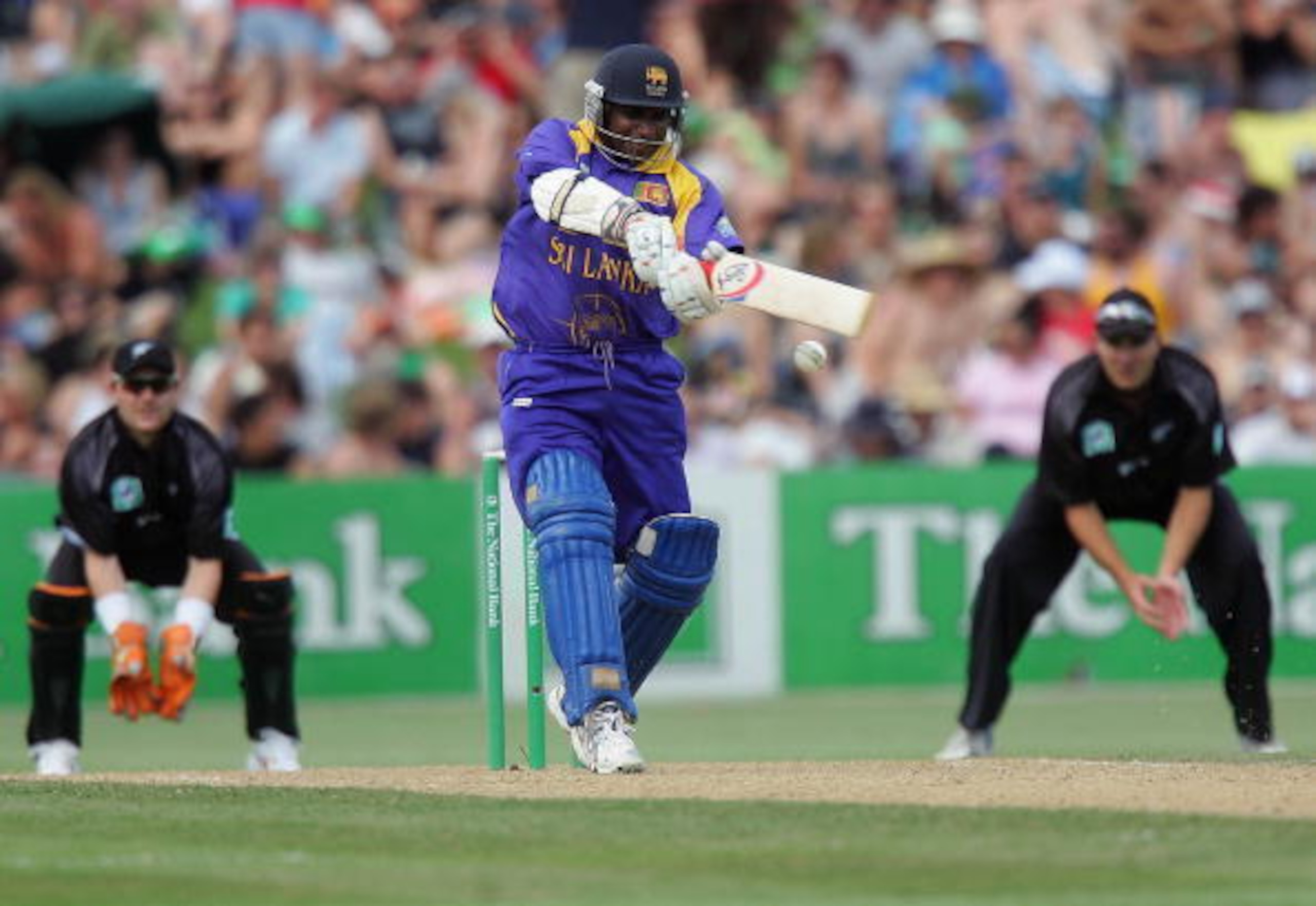
388 ODI matches
12,740 runs; 34.61 batting average; 92.48 strike rate; 189 highest score
Second on the list is Sanath Jayasuriya, who helped lead Sri Lanka to the 1996 Cricket World Cup as a pinch hitter and then went on to become one of the best ODI openers ever.
With his whirlwind of strokes played all around the wicket, his assaults on bowlers were legendary thanks in large part to some superb hand-eye coordination.
He finished with over 12,000 ODI runs as an opener—not a bad return for a man who entered the format as a lower-order batsman who bowled left-arm spin.
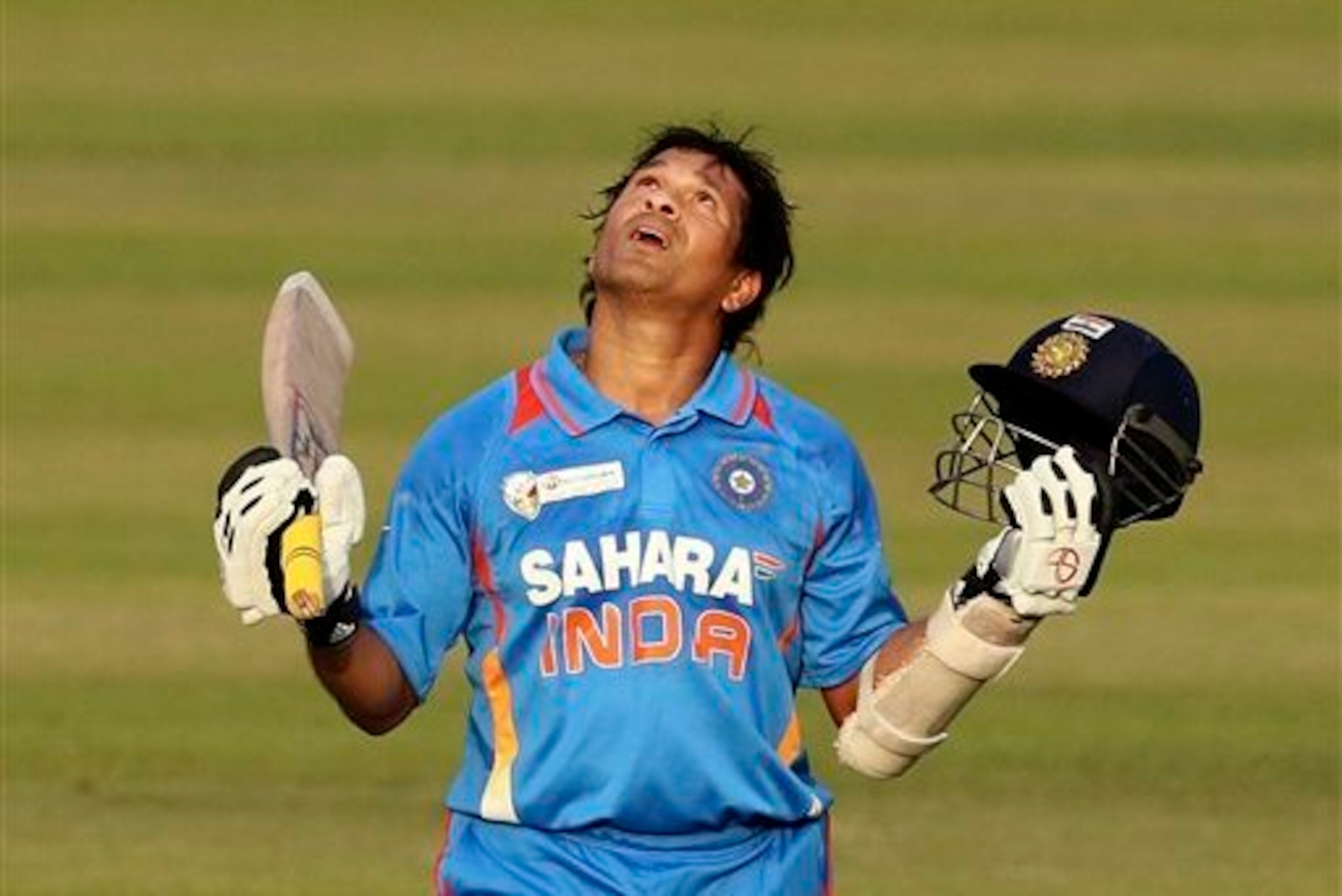
1. Sachin Tendulkar (India)
50 of 50
344 ODI matches
15,310 runs; 48.29 batting average; 88.05 strike rate; 200* highest score
At No. 1 is a familiar face, as Sachin Tendulkar takes his place atop the list having scored a total of over 15,000 ODI runs in the opening positions.
He holds almost every record in ODI cricket for batsmen, including the first-ever double century in the format, made against South Africa in 2010.
Tendulkar was a complete batsman, capable of stout defence and strong attacking play, and managed to cope well with the enormous expectations of the Indian public.