Ryder Cup 2014: Europe's Dominance Runs Deeper Than US Captaincy Problems
The first five decades of the Ryder Cup were, in the nicest possible terms, a farce. From the event's inception in 1927 until 1977, the United States won 19 of 22 Ryder Cups—and that's probably underselling the dominance. The U.S. and Great Britain traded off home-and-home wins for the first four events; the only British win thereafter came in 1957.
It was if the Ryder Cup had become a biennial excuse for the United States to again punish the old country for the tea tax. The United States were so dominant that event organizers began allowing golfers from continental Europe in 1979 to balance out the scales. While that decision did little to alter outcomes in the short term—the United States would win its first three Ryder Cups against the newly crowned Europe, bringing its win streak to an unprecedented 13—it ultimately led to the widespread panic currently engulfing the USGA.
.jpg?w=2560 "NFL Paris Football")

.jpg?w=2560 "Seahawks Chiefs Football")
Over the last 48 hours, attention has been directly focused on United States captain Tom Watson. The golf legend presided over the latest embarrassment for his country, a 16.5-11.5 walloping that was over by Saturday afternoon and gave Europe its third straight Ryder Cup.
After Zach Johnson putted in on No. 18 to halve his match and mercifully end the match before nightfall at Gleneagles Hotel in Scotland, the United States team participated in the tensest postmortem I can remember seeing. Led by pointed quotes from Phil Mickelson with his captain sitting nearby, the U.S. team seemed to lay the blame at their captain's feet—Lefty with his words and his teammates with their awkward silence.
Mickelson, whose motivations were in no way, shape or form clouded by Watson sitting him Saturday for the first time in his Ryder Cup career (sarcasm font), juxtaposed Watson's leadership with 2008 captain Paul Azinger. Unlike Watson, who made the pairings himself, Azinger put players in "pods" during pre-tournament training and determined partners by how they played together.
“So we were invested in the process,” Mickelson told reporters of Azinger. “Unfortunately, we have strayed from a winning formula in 2008 for the last three Ryder Cups, and we need to consider maybe getting back to that formula that helped us play our best.”
Mickelson wasn't the only person perturbed by Watson. NBC golf analyst Johnny Miller ripped the U.S. captain to shreds Friday for his decision to bench youngsters Patrick Reed and Jordan Spieth, who'd played beautifully in their morning session on Friday, for Mickelson and Keegan Bradley in the afternoon. The United States would squander a one-point lead by losing Friday afternoon 3.5-0.5.
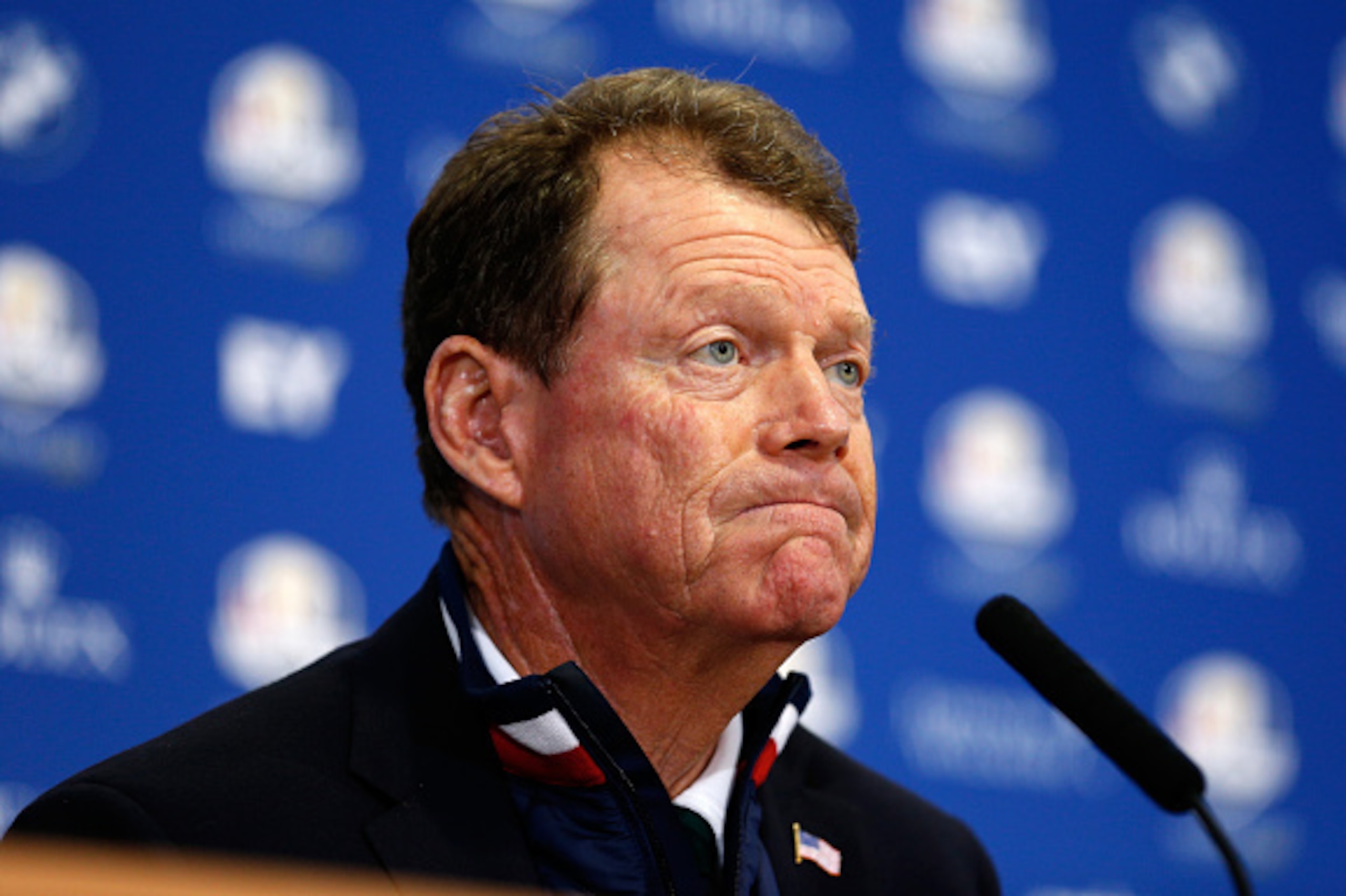
By Monday morning, the chorus calling for Azinger's return had grown so loud he had to address it in an interview with Steve DiMeglio of USA Today. While not ruling out a possible return in 2016 when the Ryder Cup returns stateside, Azinger bemoaned the United States' "lone-wolf captain" model and credited Europe for its systematic model in which vice captains usually ascend to the captaincy for the subsequent Ryder Cup.
"It is an approach that is comfortable and familiar," Azinger said, "which is in contrast to the U.S. practice that is less comfortable and completely unfamiliar to every repeat player. The U.S. players have to adjust to a completely unique system to the previous two years."
Azinger and Mickelson to a certain extent are correct. The United States would probably benefit from some level of comfort. The Ryder Cup is a unique tournament, and there are very few young players who come up in the ranks with much familiarity with the rigors of match play. At the very least having a rapport with the person telling you what to do can never hurt.

But the issue at hand has very little to do with who's setting up the golf blind dates. You could give someone Vince Lombardi's motivational skills, Chip Kelly's innovation and Phil Jackson's understanding of the human condition and that still won't make you hit the ball straighter.
Which is precisely the problem. Europe's domination of the Ryder Cup is not a new phenomenon. The U.S. wasn't smooth sailing with an Azinger-esque "pod" strategy for decades before some rogue decided to change everything up after 2008. The United States have gone with 14 different captains since 1985; not all of them could have been godawful scoundrels who treated the event like an autocracy.
In fact, Watson is the only repeat captain since the Reagan administration. His first proteges liked him just fine, earning a 15-13 win in 1993 to retain the Cup.
The United States has won twice since.
The problems with the U.S. Ryder Cup experience are not rooted in leadership but in talent. Four of the five best players in the 2014 Ryder Cup were European, using the World Golf Rankings as our barometer. The United States' most accomplished player was Jim Furyk, who, no, was not in fact around for the first Ryder Cup. I checked.
While looking down the rosters seemingly gives the United States hope in the form of depth, it's clear the developmental pipeline has fallen behind the rest of the world. The only reason the United States stood a chance coming into the weekend is that a shift of tectonic plates has not yet rearranged the globe so that Australia is part of Europe. Six of the world's eight top-ranked golfers are from outside the land of the free and home of the brave.
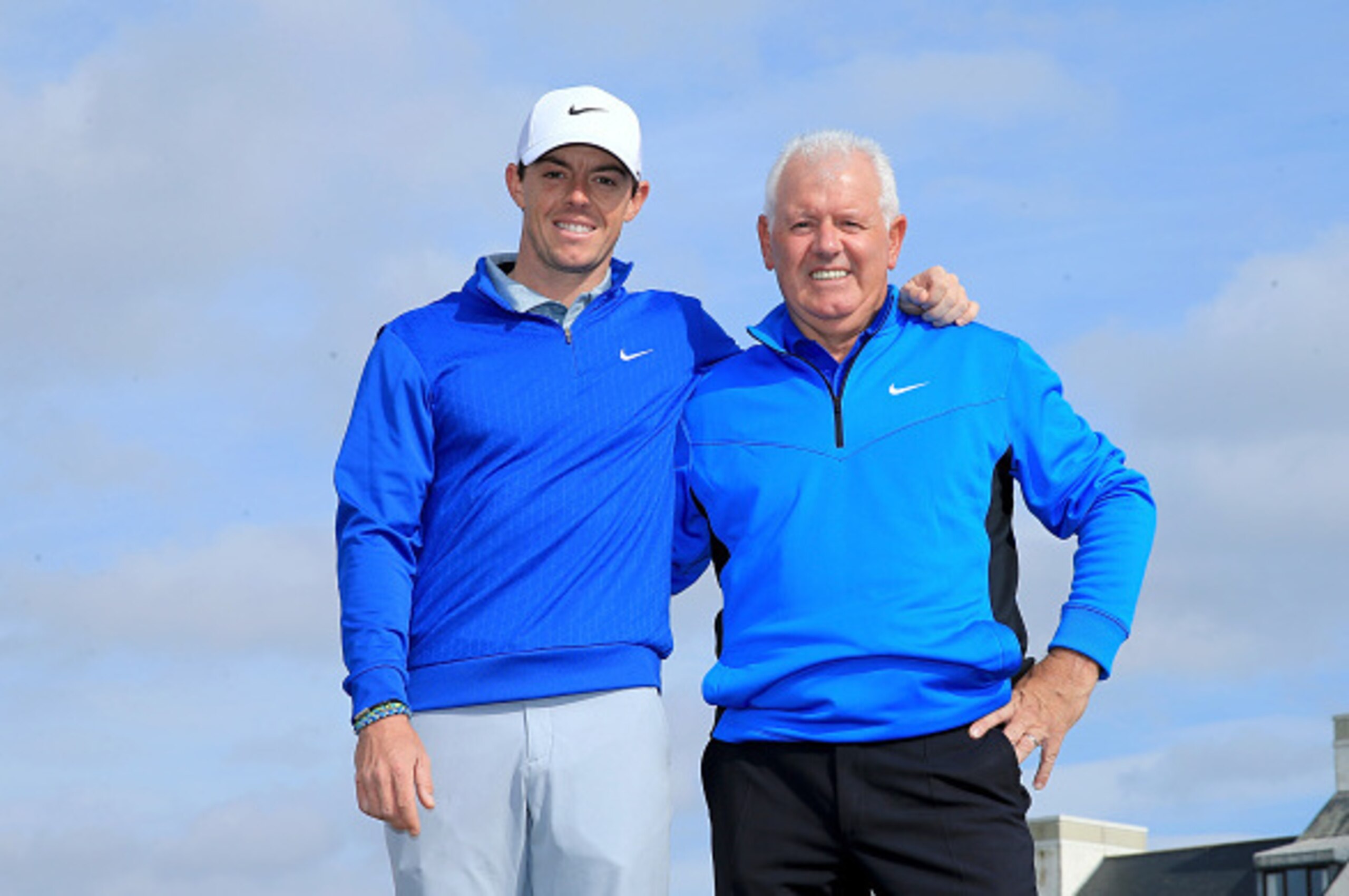
Since the inception of the World Golf rankings in 1986—basically the entire run of the European Ryder Cup dominance—17 players have held the top spot. Thirteen of them have been from non-U.S. countries. One of the United States' representatives is Tom Lehman, who held No. 1 for the grand total of one week. The other two, David Duval and Fred Couples, were atop the rankings for a combined 31 weeks.
Eight foreigners have held the top spot alone for more than 31 weeks.
Although this last decade plus has been defined by the all-time transcendence of Tiger Woods and Mickelson (and others) being on his heels, Woods was not a brand confined to only the United States. He was a worldwide phenomenon whose ascent happened in an era where it was easier than ever for young Rory McIlroys to watch their heroes live.
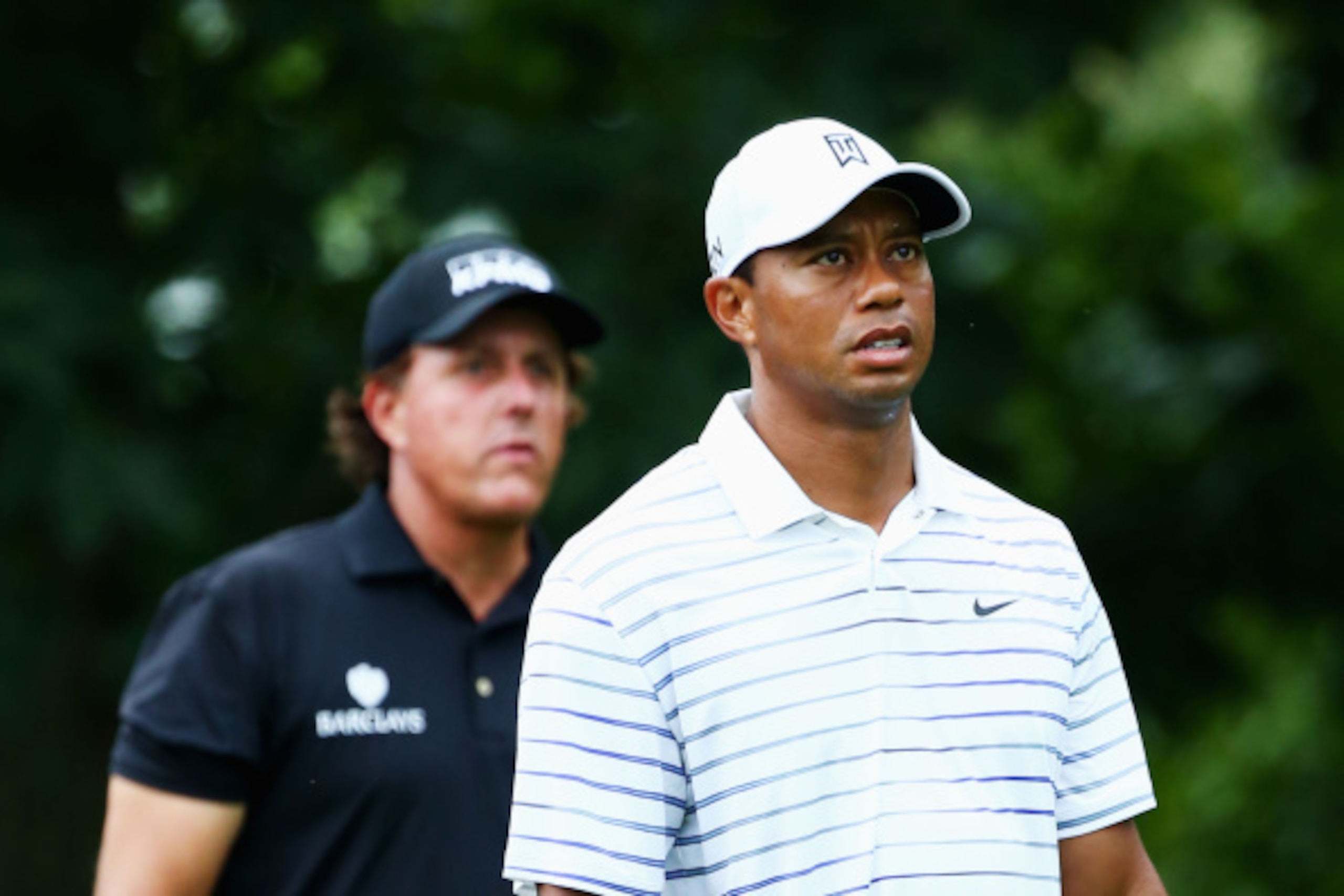
Much like the 1992 Dream Team, Woods has inspired other countries to close the gap between themselves and the United States. The gap between the elite and mid-tier players has never been smaller in golf, with the PGA Tour defined by a handful of stars and a bunch of guys jostling from position from all over the world.
The United States' depth advantage over Europe is only going to grow smaller in coming years. The United States' advantage at the top is gone, with Woods, never a great Ryder Cup player, replaced by the Rory McIlroy era.
If the United States doesn't have the best player and it doesn't have a deeper roster, then what advantage does it really have? I'm willing to bet that's a large-scale question not even Azinger's beloved "pod" system can figure out.
Follow Tyler Conway (@tylerconway22) on Twitter