Ryder Cup Format 2014: Breaking Down the Weekend's Match-Play Events
The first day of the 2014 Ryder Cup went the way it was expected to. Europe did come out of the gate slow in the morning session but rebounded in the afternoon to take a 5-3 lead and put the United States behind the eight ball.
While there will be plenty of stories written about how Europe will continue to steamroll the United States, what America must do to get back on track and everything in between, we are focused on how the Ryder Cup will be decided.
The unique Ryder Cup format makes it impossible for either side to rest on its laurels. Just two years ago, the U.S. blew a 10-6 lead on the final day at Medinah Country Club in Chicago. What does that mean for 2014?

.jpg?w=2560 "Commanders Eagles Football")

We are going to look at what will happen Saturday and Sunday at Gleneagles by breaking down the format for the remaining events.
Saturday
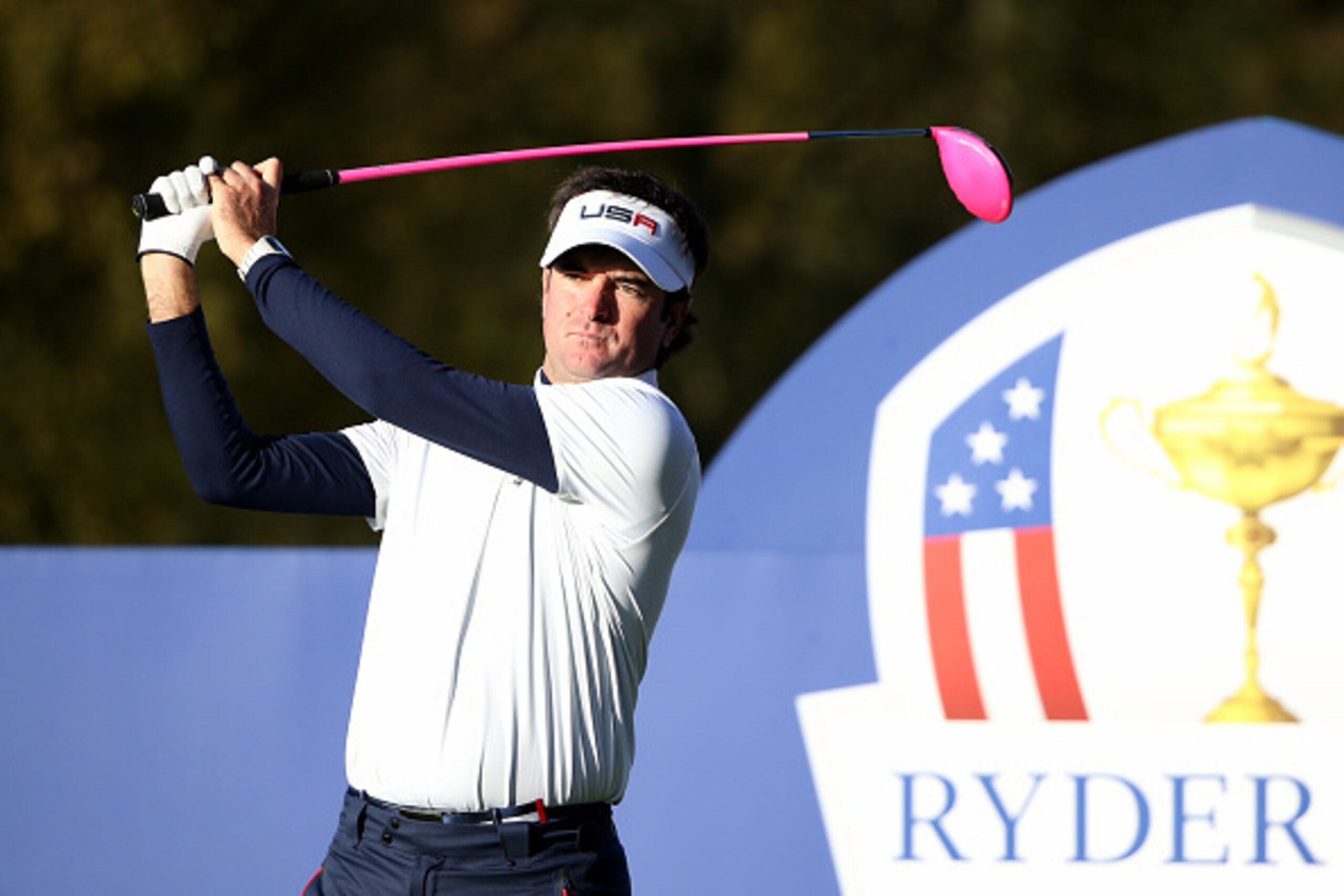
There are a total of 28 matches in the Ryder Cup spread out over three days. Eight of the matches took place Friday, with the European team getting out to a two-point lead. Saturday will look similar to Friday in terms of events on the course.
It will feature eight matches with two-man teams on each side. The matches are contested in two sessions, one in the morning and one in the afternoon. Morning matches are played in a four-ball format, which means all four players are taking shots, with the lowest score on a given hole being the one used on the leaderboard.
For instance, if Phil Mickelson shoots a four on a par four and Keegan Bradley shoots a three on the same hole, Bradley's score will be the one that is applied. If the players on the other team each par the same hole, Mickelson and Bradley will be awarded the hole. In the event of a tie at the end of 18 holes, both teams are awarded one-half point.
Moving to the afternoon sessions, the format changes slightly to a foursome. It's basically just an alternate-shot format, with players taking turns hitting the ball on each hole. If Mickelson hits the tee shot, then Bradley will hit the next shot, Mickelson the next shot and on and on until the match is over.
The only notable difference from Friday to Saturday is the pairings on the course. Captains are afforded the opportunity to change their twosomes, if they choose to do so. Here are the matchups for the Saturday morning sessions, via the Ryder Cup's official Twitter account:
In case you were wondering, notable changes made include Jim Furyk and Matt Kuchar being paired with new partners and Rory McIlroy playing with Ian Poulter instead of Sergio Garcia.
Sunday
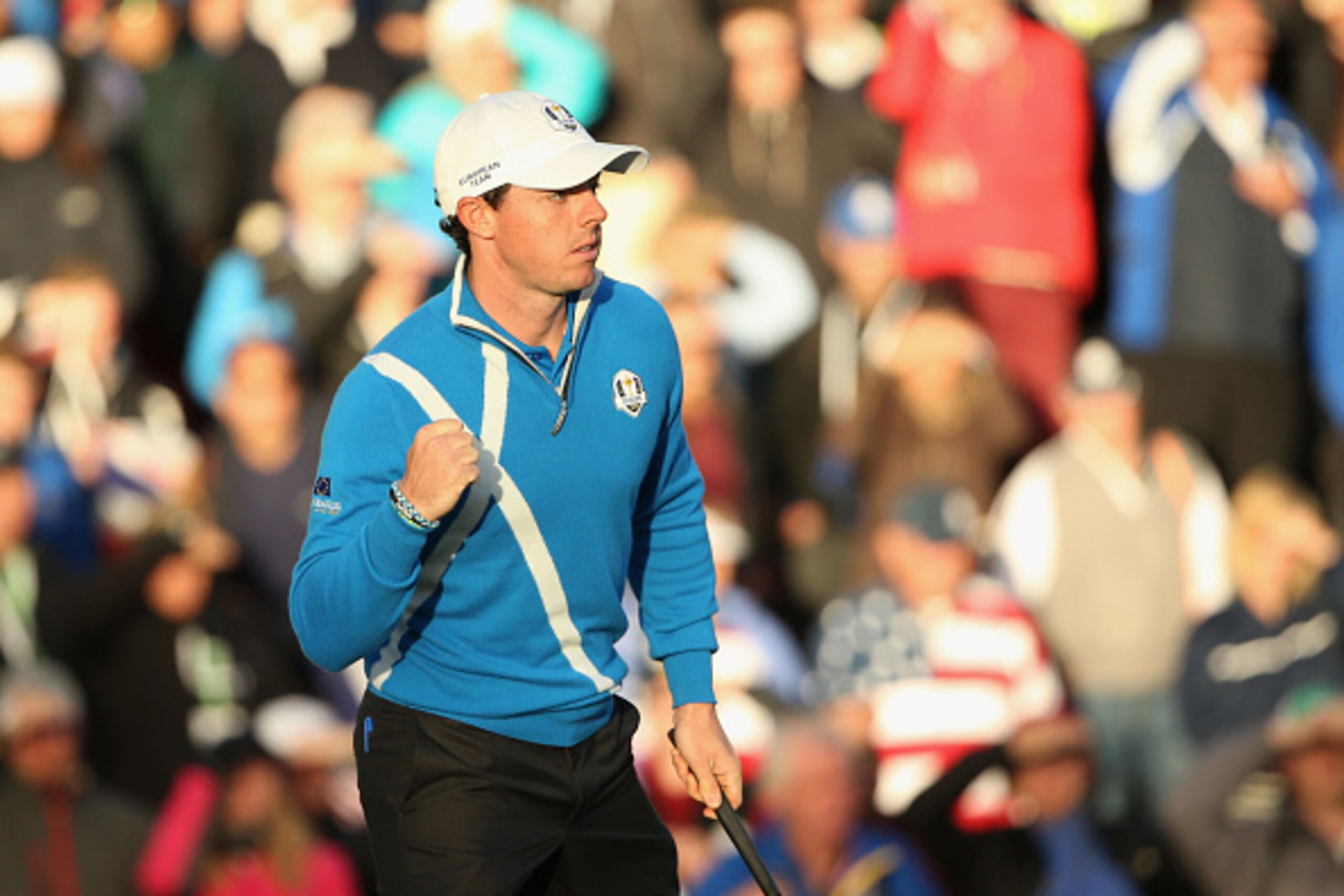
Sunday is where crazy things tend to happen at the Ryder Cup. We already mentioned the Meltdown at Medinah from 2012 with Europe's comeback, but that was preceded by the Battle of Brookline in 1999, when the United States overcame a 10-6 deficit by going 8-3-1 in the singles matches.
The reason you will occasionally get these big comebacks is the format completely changes Sunday. Instead of teams and alternate shots, it's every man for himself. There are 12 one-on-one matches between the two sides.
This can work to the benefit of a team, because it's as close as the Ryder Cup gets to resembling a traditional golf event. Players are no longer at the mercy of a teammate to bail them out following a poor drive or bad approach.
Some players can't wrap their mind around the foursome or four-ball formats. Tiger Woods was never a great Ryder Cup player, even at his peak, because the format Friday and Saturday didn't take advantage of what made him arguably the best player ever.
One added benefit to this format is that it doesn't require players to post a low score to make a big comeback. All they have to do is beat the guy they are matched up with on the most holes, which is a lot easier than asking someone to shoot 63 or 64 to get back into it.
What Friday's Results Mean
Going back to the results from Day 1 to wrap up our look at the Ryder Cup, the picture for Europe and the United States is coming into focus. According to ESPN Stats & Info, being in the lead after Day 1 often leads to good things:
The morning looked good for the United States, which came out of the first four matches with a 2.5-1.5 lead. Unfortunately, Europe caught fire in the afternoon session, as you can see in this graphic from the Ryder Cup's official Twitter account:
Since Europe is the defending Ryder Cup champion, it can tie the United States with 14 points and retain the title. Since the Americans are chasing the brass ring, they have to come out with a victory to bring the title back home.
It's not an impossible climb to get 11.5 points over the next two days, but if Europe repeats its dominance from Friday's afternoon session on Saturday, then Sunday will essentially become one long victory lap.
If you want to talk sports, hit me up on Twitter.

.jpg?w=2560 "Chiefs Dolphins Football")

.jpg?w=2560 "Love's Body Already 'Tired'")