

Nicklas Helenius Reveals Fight with Depression During 1st Year at Aston Villa
Very rarely are we given a true insight into the lives of football's elite individuals, let alone an understanding of the inner workings of their minds. Each player is subject to rigorous training not only on the pitch but on media protocol and the correct manner in which to approach public interactions.
In reality, it is no wonder that there is a prevalence of depression among footballers, given the incessant requirement to appear and behave a certain way. Indeed, it is something of a self-perpetuating issue with the players often unable to express their feelings and seek help due to this necessity to satisfy the pressures of being a top class sportsman.
TOP NEWS
Highlights and Viral Moments 🍿

Final Men's Ballon d'Or Rankings 📊

Carrick Replacement Options 📝

To hear Aston Villa's Nicklas Helenius speaking so frankly about the struggles he has faced with his physical and mental health over the last year is saddening but also enlightening and extremely important. In an interview with Danish TV3 on Thursday (translated by James Rushton of 7500 to Holte), the 23-year-old bravely told of a bacterial infection that caused him to fear for his life and the subsequent anxiety and depression, which resulted in an addiction to sleeping pills.
The Premier League is widely regarded as the finest division in world football, and it owes such a reputation to the plethora of young foreign stars who move to play in England every year. Success stories are aplenty but so are the tales of struggle. It is not difficult to think of highly rated youngsters whose careers failed to flourish upon arrival on English soil but rarely do we associate the shortcomings with personal issues.
Helenius represents one of these, but unfortunately, he is one of very few who have been forthcoming with the truth about their personal demons. According to a survey carried out by FIFPro on 300 current and former professional footballers, as reported by National Post's John Leicester, one in four admitted suffering from anxiety and depression. The actual rate is likely to be higher.

Describing the extremely unpleasant infection that savaged his first year at Villa Park, Helenius explained that it resembled chronic food poisoning. "I could not move because of the pain, I couldn't do much more than sit all day. I lost eight kilos very quickly," he said. The pressure of settling in a new country is difficult enough. When faced with adapting to the world's most demanding professional sports league, to suffer from a crippling and confusing illness on top of that is nothing short of a nightmare.
"I did not know my body as well, and I did not know what after-effects bacteria can bring. I had no idea what it was. I thought I was hit by a neurological disease or serious cancer. It was hard and it knocked me backwards," Helenius confessed. Things spiraled downward for the young forward at the beginning of 2014, as is too often the case with sufferers of depression.
Depression is an awful mental illness, and it affects more than 350 million people worldwide, according to the World Health Organisation. It is not simply a case of feeling down, nor is it easily explained to those who do not suffer from it, hence the difficulty for those who are regularly in the public eye. The harsh, bleak misery and loneliness brought on by severe depression grips the mind and can very rarely be alleviated without professional help.
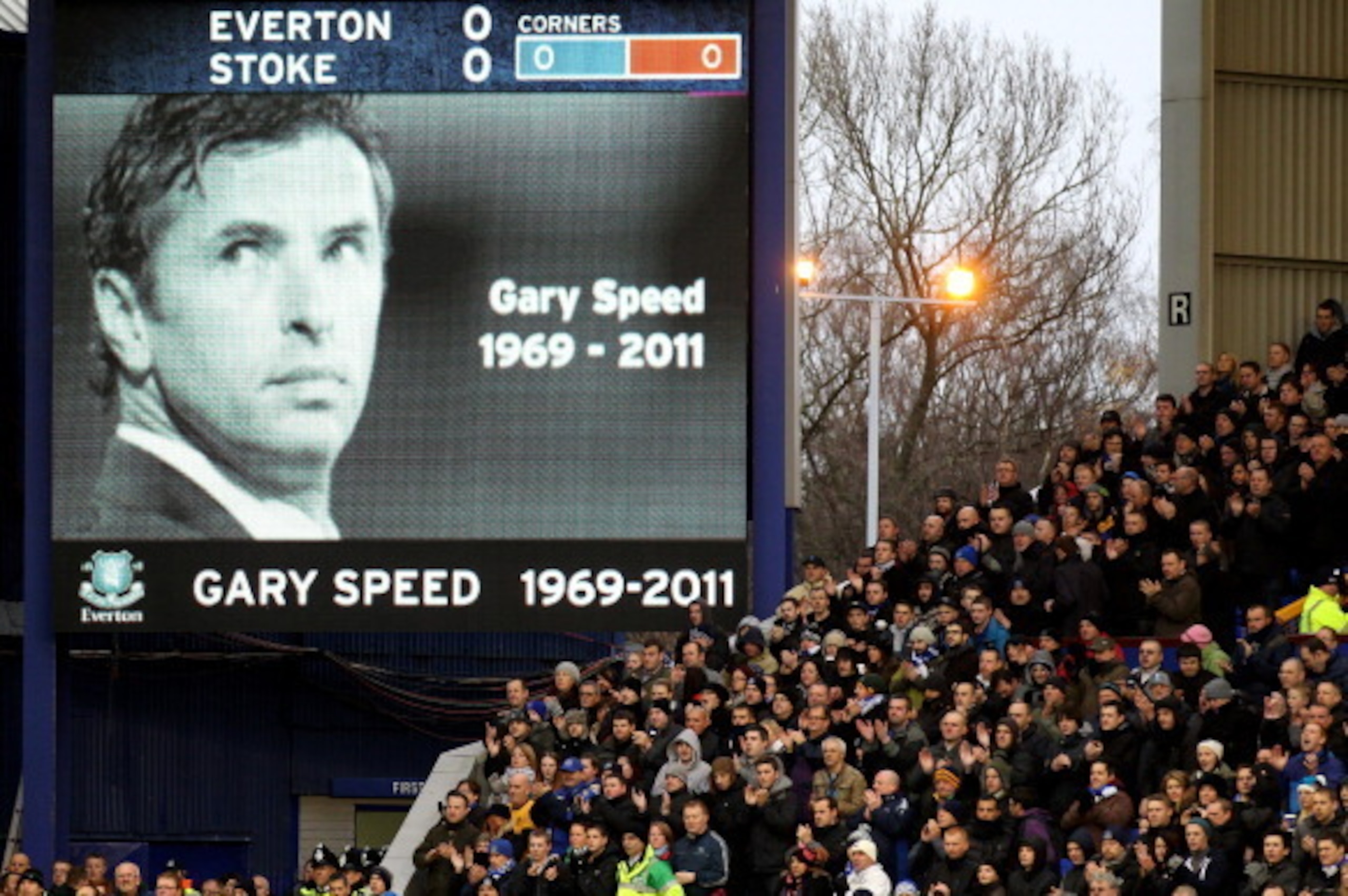
Next month, it will be four years since the death of Gary Speed, the well-decorated and highly regarded Welshman who committed suicide due to depression in 2011. Speed, it should be noted, did not struggle on the pitch very often—he played regularly in the Premier League over a period of nearly 20 years during which he played for five clubs and made over 600 appearances. Football represents a great livelihood for these people, but so often is it forgotten that they have lives and issues away from the sport.
Speed's death shook the footballing community and left many who knew and loved him, including a young family, with questions that we must all seek to resolve.
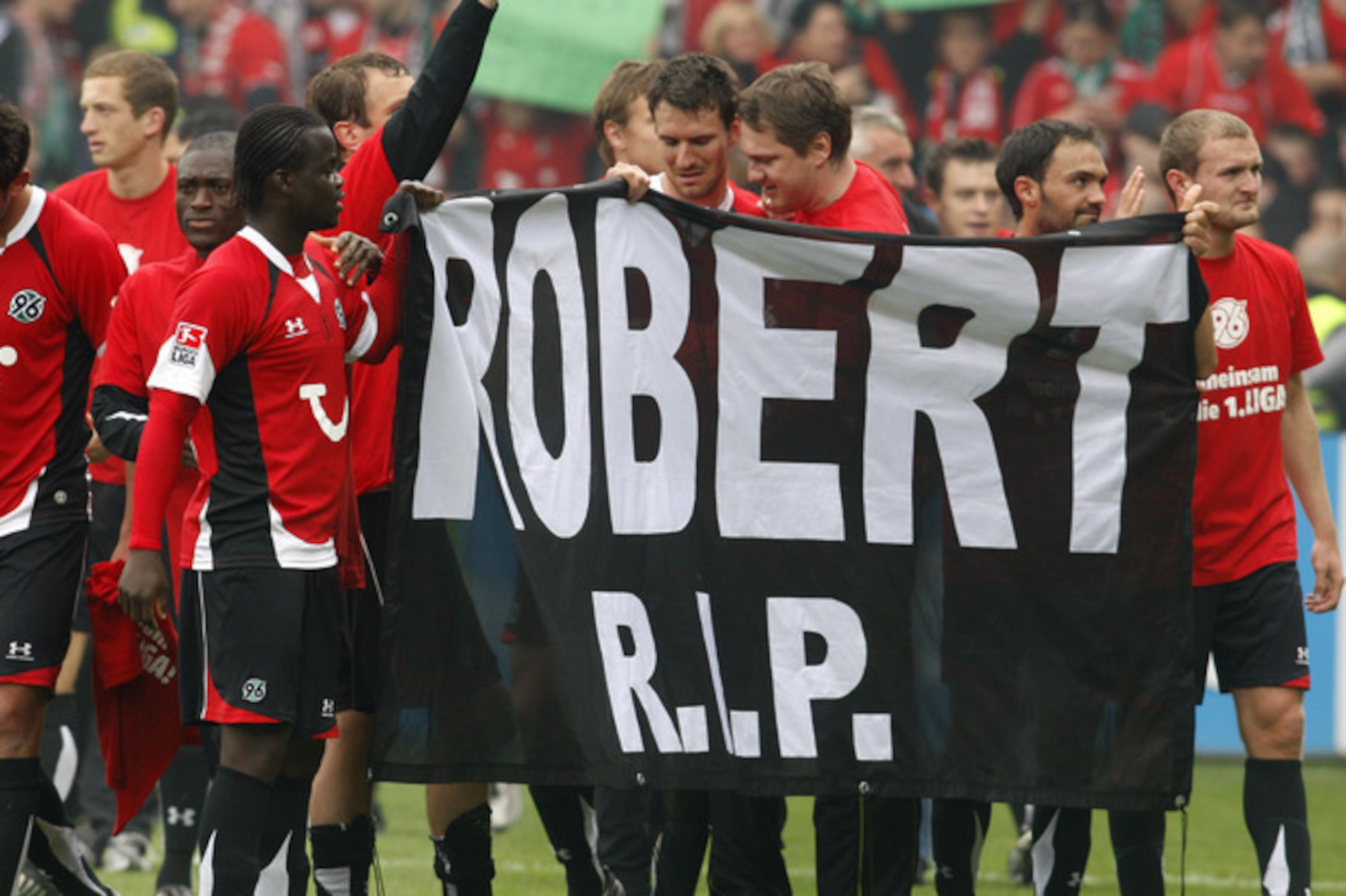
There have been other such tragic cases. Robert Enke's suicide in 2009 stunned world football and destroyed his family's lives. His widow, Teresa, revealed on national TV (via the Guardian) after his death, that the German international goalkeeper had suffered from depression for six years and had been receiving help from a psychiatrist following the death of his daughter in 2006.
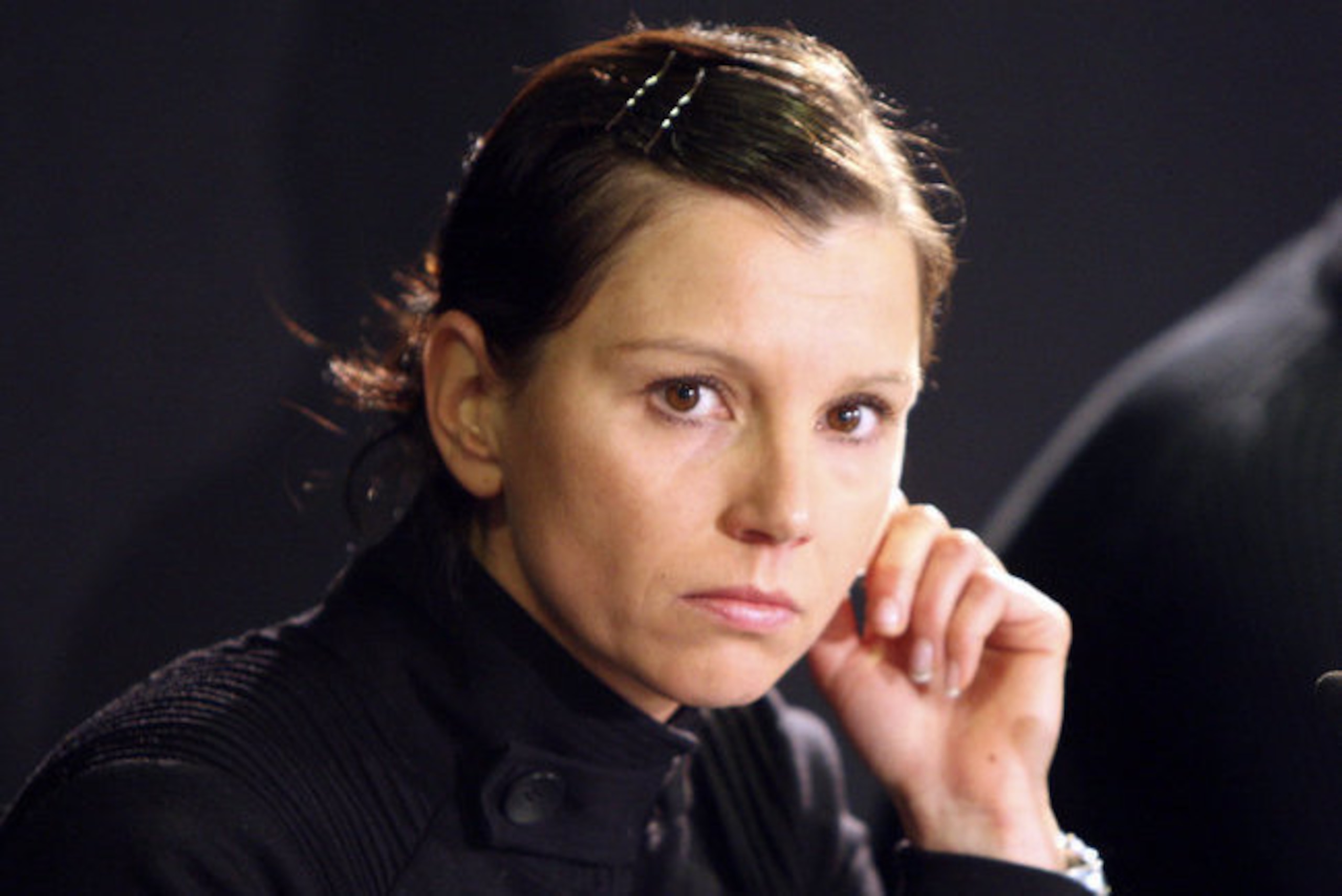
On Tuesday, Teresa Enke spoke to BBC Sport's Alex South about depression in football, suggesting that "depression is no longer a taboo topic." She explained her views that "perceptions have changed" since the death of her husband and highlighted that "a lot has happened in the way that people deal with the sickness. People are more open with it."
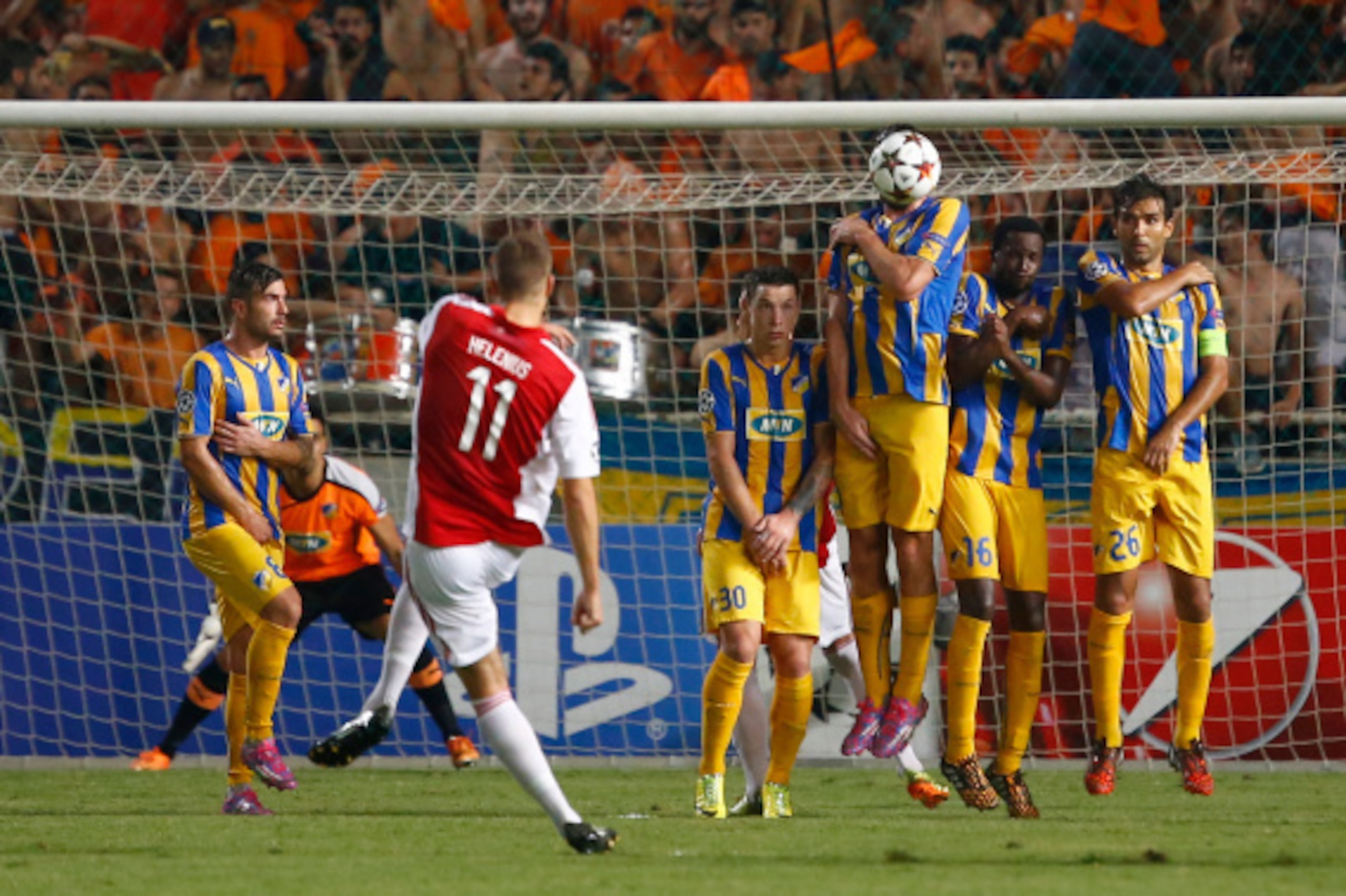
Fortunately, Helenius is an example that supports this theory. Although he left it several months before doing so, the young forward sought help in February, notifying doctors of his concerns that he was suffering from a disease such as cancer.
When he was told he had no such illness, the Dane informed Aston Villa of the issues he had been facing and was given a leave of 10 days to return home in March. Helenius made contact with a highly recommended Danish psychologist and now finds himself in a better place, physically and mentally.
His loan spell at Aalborg in Denmark is an opportunity for the talented young striker to get not just his career back on track but his life as well. Villa fans would be happy to see him back in form and back in claret-and-blue come this time next year, should he be in the right mindset to return.
The way in which Helenius went about his recovery is significant. Although their professional lives are watched closely and constantly, footballers need their privacy when it comes to such personal issues, and Teresa Enke has strong beliefs on this point. "We don't want sports people to go public and say we have depression. The help should be given internally. The coaches and the teams should help and support the player and let them know they can come back from it."
Whatever football holds in store for Helenius and any of the players that grace our sport, as a community, we must offer them all the support they need to overcome these situations and seek help. Collectively and individually, clubs must work to make transparency and understanding about depression an absolute priority in football.
Most importantly, we must realise that, in the words of Teresa Enke, "sport will always be important but you should always see the human being behind the sports person."
.jpg?w=2560 "Chiefs Giants Football")


.jpg?w=2560 "🚨 Week 8 AP Top 25 Poll")


.jpg?w=2560 "Updates from EVERY NFL Game 🏈")
.jpg?w=2560 "Baker Gets Glove From Rays 🧤")