

Conrad Smith Says 2007 All Blacks a Better Team Than 2011, Is He Right?
New Zealand centre Conrad Smith has been a member of two World Cup squads: the 2011 champions and the ill-fated 2007 quarter-finalists. Despite the results of each, he recently claimed that the 2007 team was the better squad of the two.
In reality, such comparisons are near impossible. They do, however, make for an interesting debate.
Perhaps Smith is not too far off the truth; the 2007 All Blacks may very well have been a more talented bunch than the team that won the World Cup four years later. It was a World Cup that was lost after trying to be too clever off the field and some bad luck against France in Cardiff.


.jpg?w=2560 "Rams Eagles Football")

No two words are more synonymous with that 2007 campaign than reconditioning and rotation. The selectors developed a master plan in the lead up to the Cup, which saw their players play limited roles in the Super 14 that year. Instead, they preferred to allow them to obtain peak physical condition in training.
Likewise, they decided rather than playing a top line-up every week, they would rotate their players and develop if it were needed.
In theory, they were good ideas; in practice, not so much.
The reconditioning programme left the players physically fit, but not match fit. They went into the World Cup underdone and played like it. This was not helped by the rotation policy, which had prevented solid combinations being built prior to the event. Even during the tournament, they were intent on rotating their players, making for some questionable selections at crucial times.
They were a team that looked disjointed, and they did not fire in the way they had the two years previously.
It was this, as much as anything, that caused them to come unstuck. Four years later, they stayed away from the two "r" words and got the job done.
The 2007 All Blacks were raging hot favourites heading into the World Cup. Even during it, it was hard to see them being beaten.
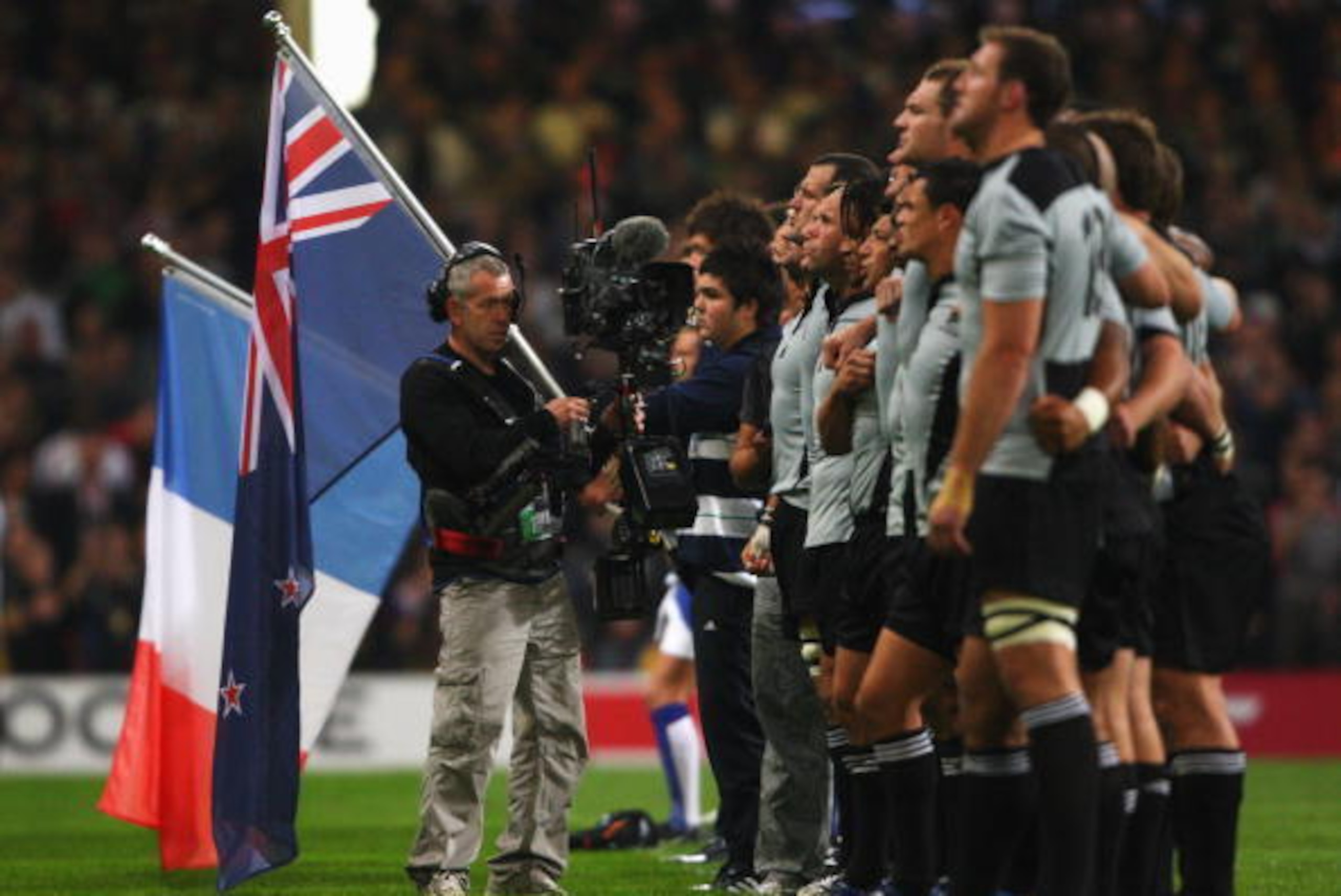
Their tight five was as good as the All Blacks have had during the professional era. Tony Woodcock, Anton Oliver and Carl Hayman made up an intimidating front row—powerful scrummagers who were hard-working around the park and strong in the tight.
In the locks, they had two athletic men who excelled at lineout time in Ali Williams and Chris Jack.
They were a formidable group. Behind them, Richie McCaw, at the peak of his physical powers, led a loose-forward trio that also featured the industrious Rodney So'oialo and the hard-hitting Jerry Collins.
If one was to find a critique among this bunch, it might be their lack of ball-carrying ability. As good as So'oialo and Collins were, they were not in the same class as Kieran Read and Jerome Kaino at the next Cup. Kaino was arguably the best player at the 2011 World Cup, and his ability to take the ball forward would have been huge four years earlier, while Read's ball skills would have been equally important.
Other than this, it would be hard not to favour the 2007 forward pack against the 2011 vintage, particularly in the tight and at the set piece. The 2011 pack was perhaps more mobile, but the strength of the 2007 front row is hard to look past.
The backs provide greater contrast. In 2007, they were based around exciting, skilful players. The dynamic nine-10 pairing of Byron Kelleher and Dan Carter had Nick Evans available as cover for Carter. Outside them, Luke McAlister and Aaron Mauger were equally good second five-eighths, both skilful players capable of taking the gaps.
Out wide, think of Joe Rokocoko, Sitiveni Sivivatu and Doug Howlett, with the reliable Leon MacDonald at the back. Smith filled the No. 13 jersey until he succumbed to injury, at which point the selectors took the unprecedented move of shifting Mils Muliaina into the midfield as cover.
It was unquestionably a talented group. Carter at the top of his game, a dangerous all-round scrum-half inside him and two second five-eighths who, on their day, were as good as any in the world at the time. That an in-form Rico Gear did not even make the squad shows the quality of the wings, while Muliaina and MacDonald were two of the best full-backs of their generation.
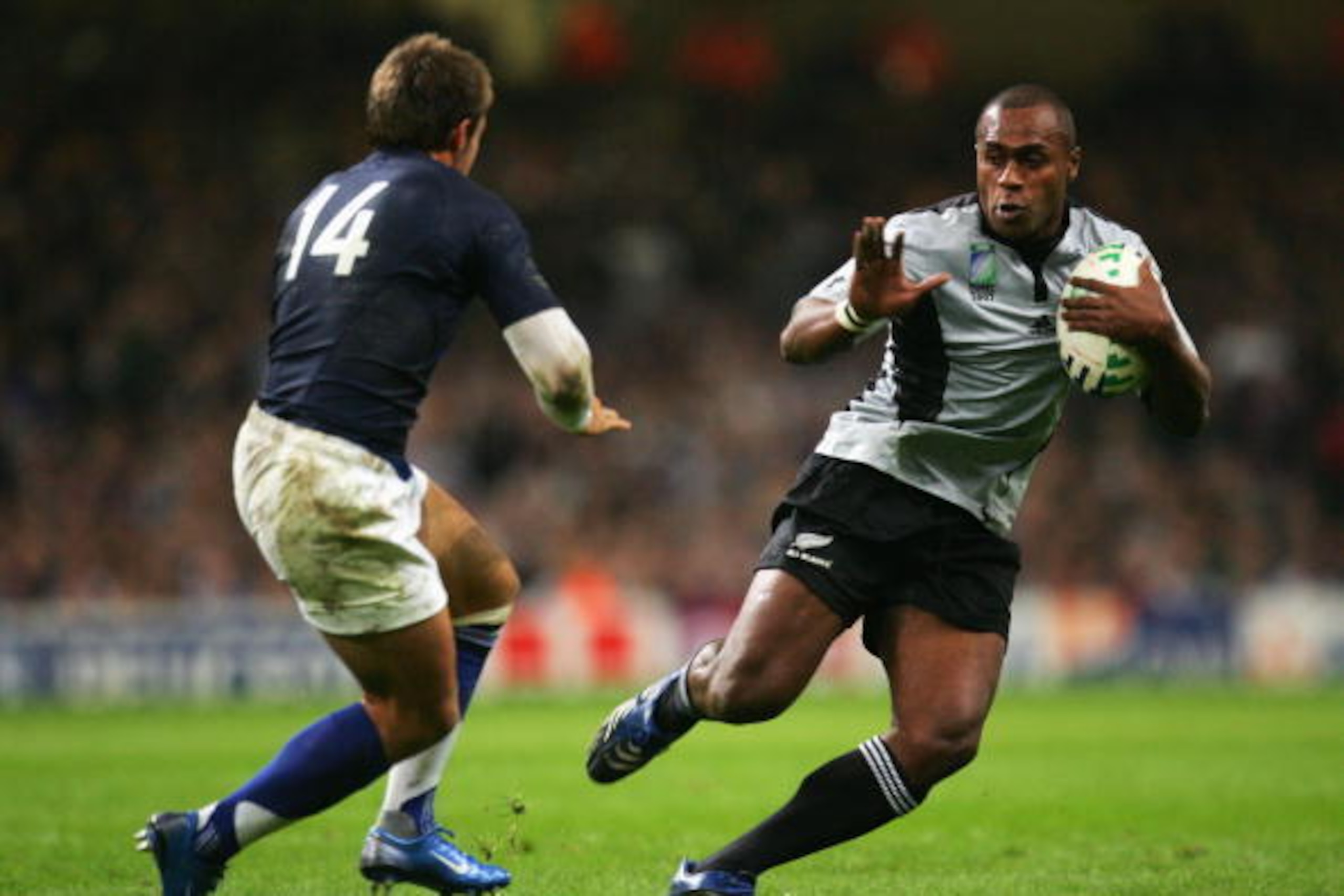
The 2011 side, however, was more solid. Cory Jane and Richard Kahui were both outstanding, skilful, safe players, but neither would have fit into the dynamic 2007 approach. It is likely Hosea Gear and Sitiveni Sivivatu would have been preferred if that approach had been taken a second time.
Likewise, it was recognised that they needed to keep a strong combination in the midfield and not experiment with players in these two key positions. Ma'a Nonu and Conrad Smith brought experience that was lacking from the 2007 back line and formed a rock-solid pairing.
The famous first five-eighth injury plague of 2011 saw four different men used, while Piri Weepu was not quite the dynamic player Kelleher was, despite being outstanding in his own way after Carter's injury.
So which was better? Talent-wise, it is tough to see past the 2007 team. Carter at the top of his game, despite carrying an injury that forced him from the field in the quarter-final. By 2011, he was still playing good rugby, but he was not quite the same penetrative attacking threat as earlier in his career.
The depth out wide probably gives the 2007 team a slight edge too. Although this is perhaps not surprising, given the 2007 campaign was built around developing depth.
There is so much more to winning rugby games and World Cups, though. It is as much about your mental approach, your tactics and your experience. In these categories, the 2011 side trumps its predecessor.
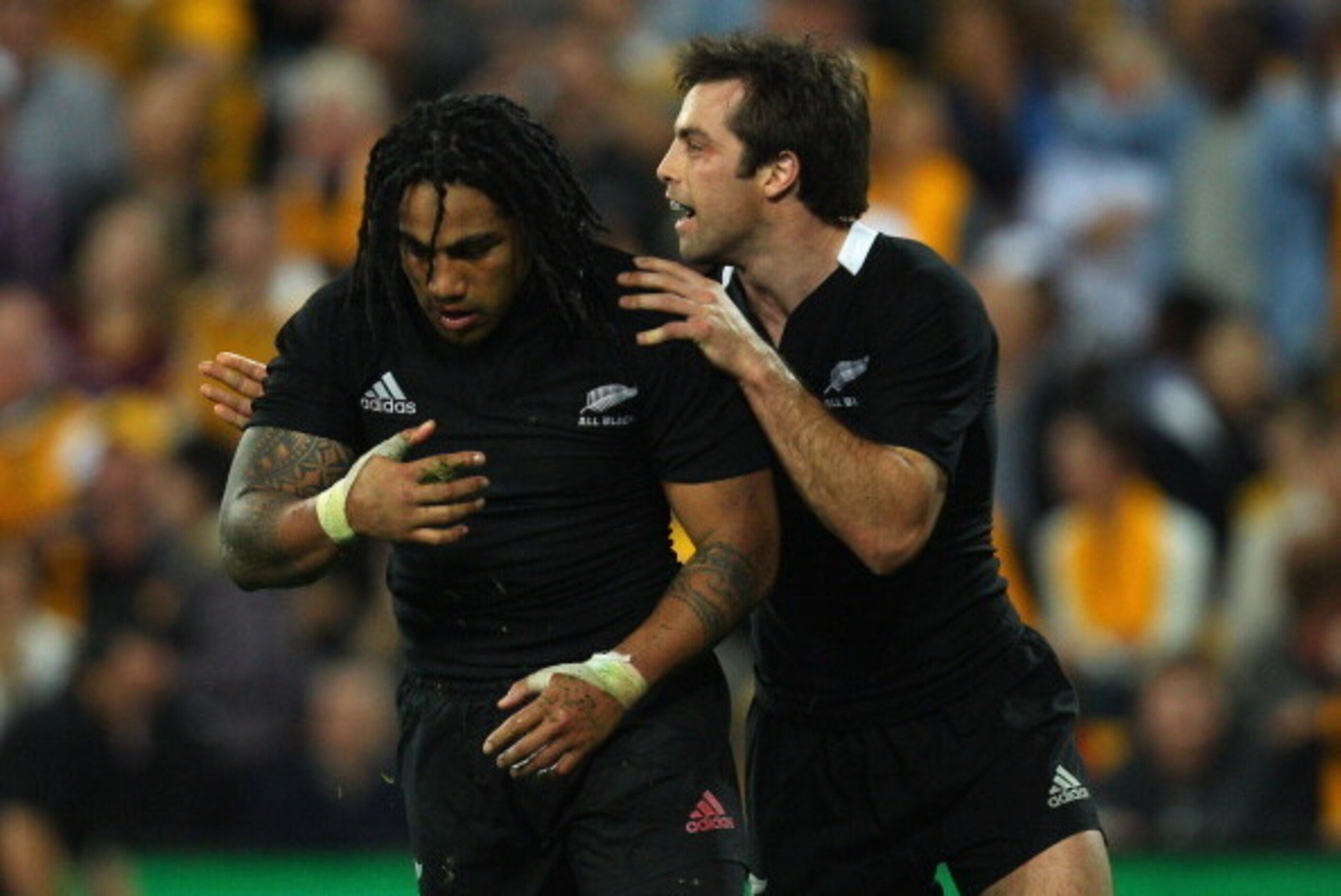
By 2011, there was a recognition that it was okay to win ugly. That, at the end of the day, it mattered not how they won, just that they won. The 2007 campaign was huge in New Zealand coming to this realisation. Not just the coaching staff, but players such as Woodcock, McCaw, Mealamu and Smith, all of whom had been there and done it by the time they found themselves under pressure in the 2011 final.
Perhaps this is being too harsh. It is easy to say in hindsight that the 2007 team should have taken a drop kick when trailing by two points. They instead went for the strategy of forcing the French to infringe and winning a penalty.
The tactic semi-worked. There is no doubt the close-in defenders were a mile offside, at times tackling the All Black forwards as they were picking up the ball. This happened multiple times. However, referee Wayne Barnes appeared to swallow his whistle and did not blow the penalty, meaning the All Blacks came unstuck.
This is not to blame the referee, only to say that it would be harsh to blame the players for their tactics. They were not to know that the penalty was not coming, particularly when France were so blatantly infringing. Even with the infamous forward pass and yellow card, they probably would have scraped through had a penalty been given.
But it was not. By 2011, New Zealand had learnt that sometimes you have to take the referee out of the equation. They had adopted the drop kick as part of their game, and despite using it sparingly, would use it when necessary. If that team was faced with the situation the 2007 team was, it would have been no surprise to see them take a different approach.
It was winning that had become important, not necessarily winning while playing attractive rugby. The team of 2005-2007 had been so dominant they had rarely been pushed in tight games. They were a team that liked to throw the ball around and won the majority of their games convincingly. It was often suggested that they did not know how to close out tight games, and perhaps this was right.
The 2011 team was more polished, more prepared and, most importantly, more composed.
Once again facing France, this time in the final, the 2011 team showed great patience in the second half, and they did not enjoy their usual dominance. After having just five points to show for having France under the pump for most of the first half, the second half seemed to be played between the two 10-metre lines, with neither team looking like scoring.
Four years previously, this may have meant panic stations for the All Blacks. They may have gone looking for the ball out of desperation, which would have led to them being penalised. But this time they did not. They fanned out, stayed onside and, despite their wealth of possession, France could not find a hole in what was a very well-organised defence.
It makes you appreciate how many factors go into winning a World Cup. The 2007 team may very well have been a more talented group than the 2011 one. You could at the very least argue that it is hard to say one was clearly more talented than the other.
But it was the experience, patience, preparation and ability to learn from their mistakes that was so crucial for the team of 2011 and the ultimate difference between the two. This acts as just another reminder ahead of the 2015 World Cup that talent alone does not always get the job done.
.jpg?w=2560)
.jpg?w=2560 "Texans-Mixon Released Football")

.jpg?w=2560 "2 NFL Officials Suspended")
.jpg?w=2560 "Mahomes' Wife Trolls Kubiak 💀")

