Ryder Cup 2014: Captains, Roster Info and Format Explanation
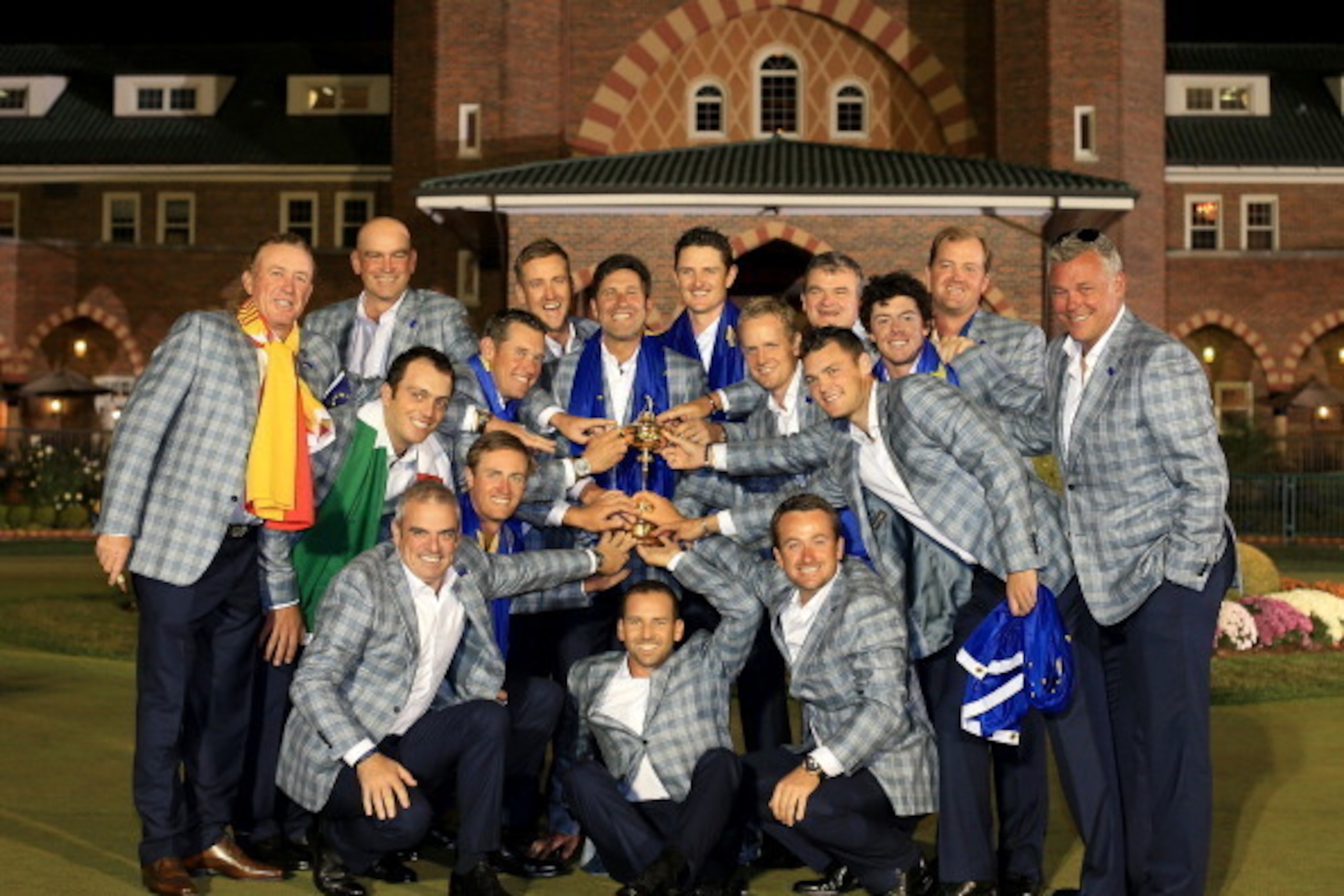
After the memorable final day of the 2012 Ryder Cup, levels of anticipation have never been higher on the cusp of the 2014 edition of the tournament.
Gleneagles will host one of the most prestigious and dramatic team competitions on the planet and—after the “Miracle of Medinah”, the “Battle of Brookline” and the "War on the Shore"—fireworks are almost guaranteed as Europe and the United States lock horns.


.jpg?w=2560 "Commanders Eagles Football")
Ahead of the tournament, here’s all the information you need on both captains and the lucky men making up each team. We'll also run over the format of this unique event for those who are unfamiliar or just need their memory refreshing.
| Captain | Paul McGinley | Tom Watson |
| Player 1 | Rory McIlroy | Bubba Watson |
| Player 2 | Henrik Stenson | Rickie Fowler |
| Player 3 | Victor Dubuisson | Jim Furyk |
| Player 4 | Jamie Donaldson | Jimmy Walker |
| Player 5 | Sergio García | Phil Mickelson |
| Player 6 | Justin Rose | Matt Kuchar |
| Player 7 | Martin Kaymer | Jordan Spieth |
| Player 8 | Thomas Bjørn | Patrick Reed |
| Player 9 | Graeme McDowell | Zach Johnson |
| Wildcard | Stephen Gallacher | Keegan Bradley |
| Wildcard | Ian Poulter | Webb Simpson |
| Wildcard | Lee Westwood | Hunter Mahan |
Key Players
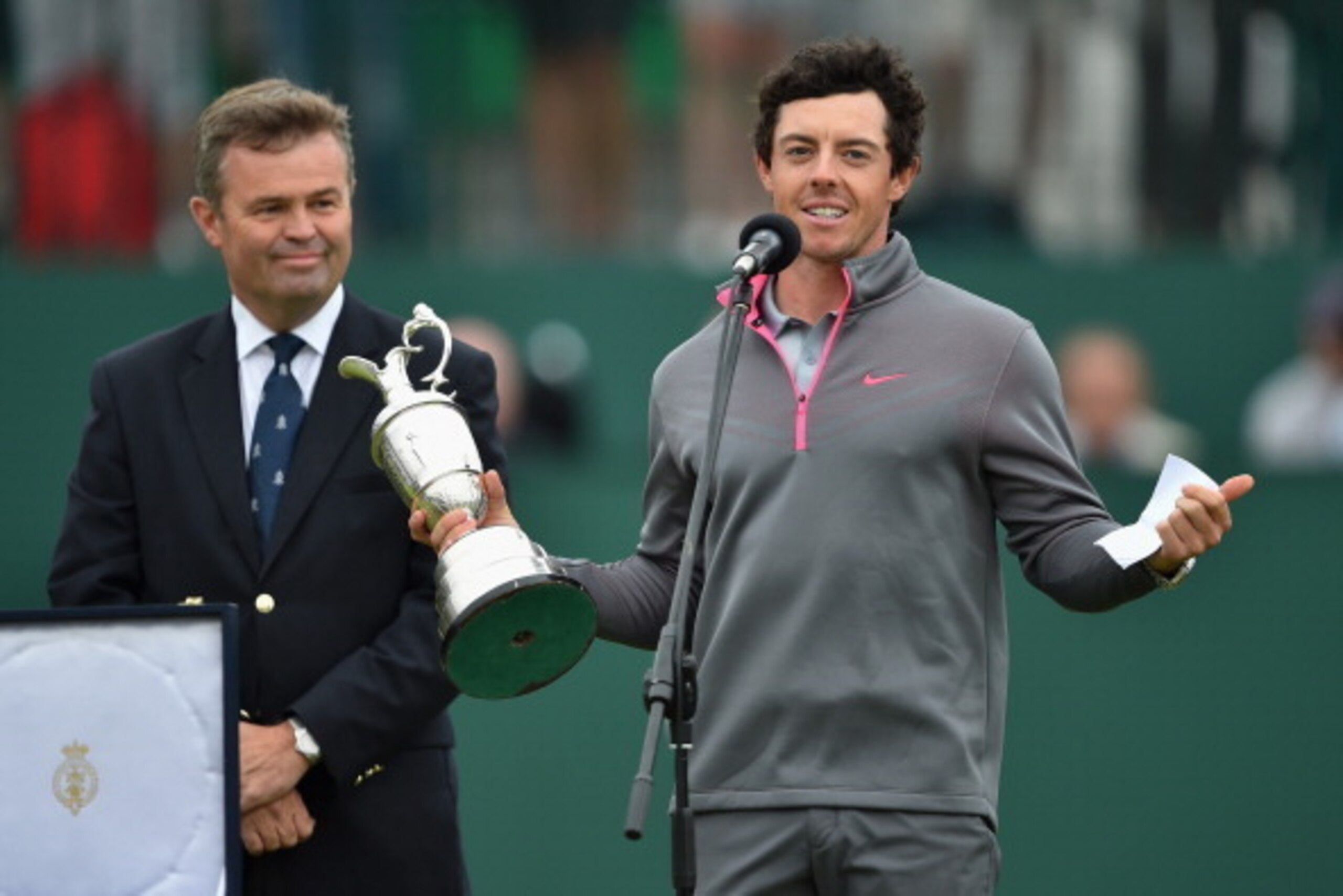
For the European team, all eyes will be on Rory McIlroy to continue his golden season. Individually, the Northern Irishman has had a marvellous campaign, winning both the British Open and the USPGA Championship; now the 25-year-old will be hoping to spur Europe on to their third consecutive Ryder Cup win.
Here's McIlroy's Ryder Cup record, courtesy of the Team Europe Twitter account.
Alongside him on the European team is Mr. Ryder Cup himself, Ian Poulter. The Englishman’s stunning five-birdie salvo on Day 2 in 2012 sparked an unprecedented fightback from the visitors, and his passion for the tournament encapsulates all that is wonderful about this particular competition. It's also worth noting that Poulter has never lost a match in the Ryder Cup.

While the hosts are undeniably the big favourites this time round, Tom Watson will be able to call on a few quality players himself, perhaps most notably Rickie Fowler.
In a manner not too dissimilar to McIlroy, the young American has really showcased his class this season with some excellent displays in the majors. But after falling short despite being in the mix on a few occasions, he'll be looking to galvanise United States and win back a cup they last won in 2008.
Daily schedule

The Ryder Cup is made up of 28 different matches which are played over the course of three days, all of which are in match play format. The schedule for the first two days is much the same.
There will be four foursome matches in the morning, where the captain of each side picks pairings to play together and they take alternative shots. Then in the afternoon its the four-ball matches—four games again—where each player has their own ball, and the lowest score on each team counts.
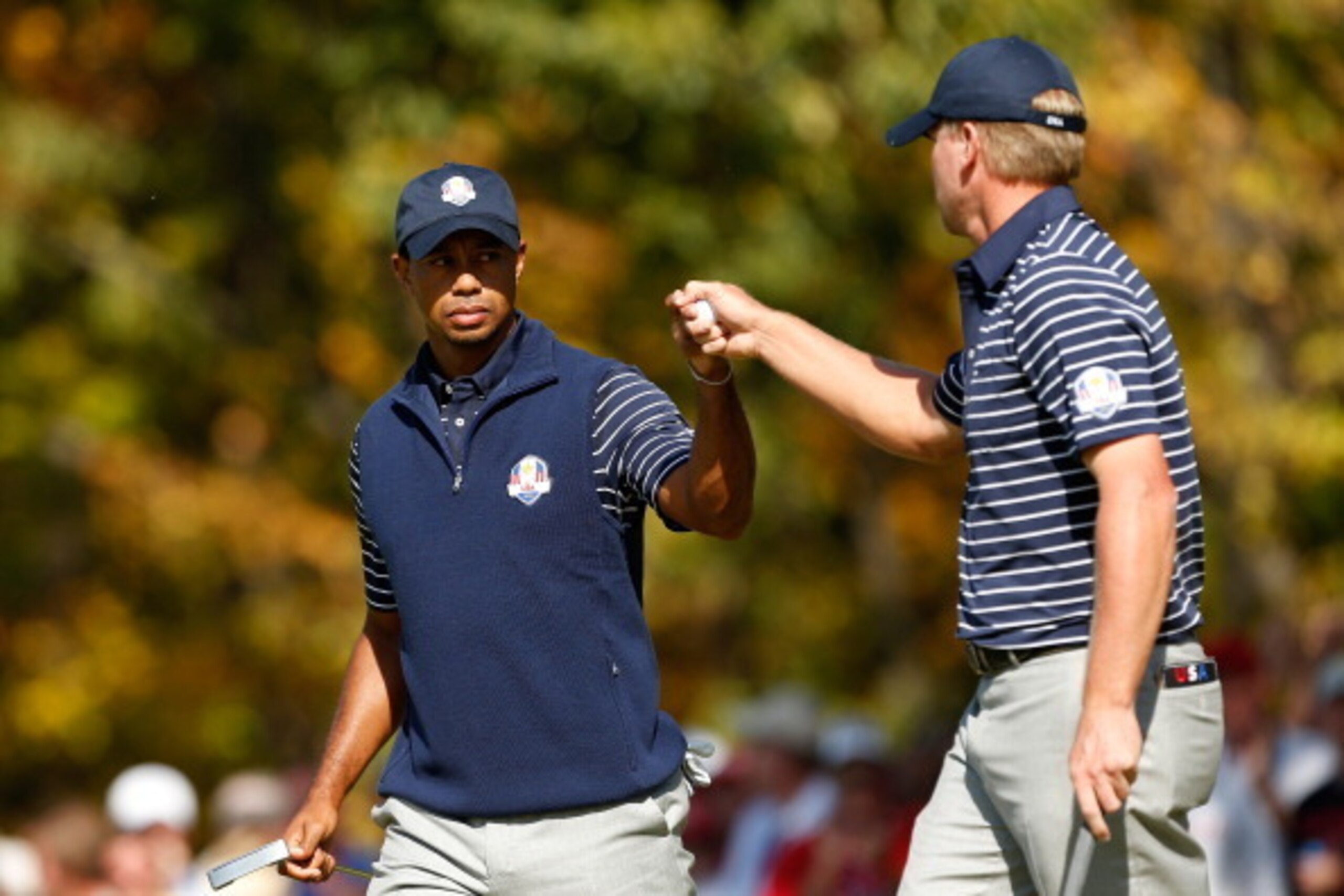
Once those 16 matches have been played across the opening two days its on to the singles, where all 12 players on each team go head-to-head. It sounds simple enough, but it can be an extremely tactical affair, as captains deliberate on whether to put their best men out first and accrue some early momentum, or put some of the key players at the back of the field when the pressure could be on.
With the last two Ryder Cup meetings coming down to the latter pairings, it’s a decision both Watson and Paul McGinley know could ultimately be the difference between winning and losing.
How do you score points?
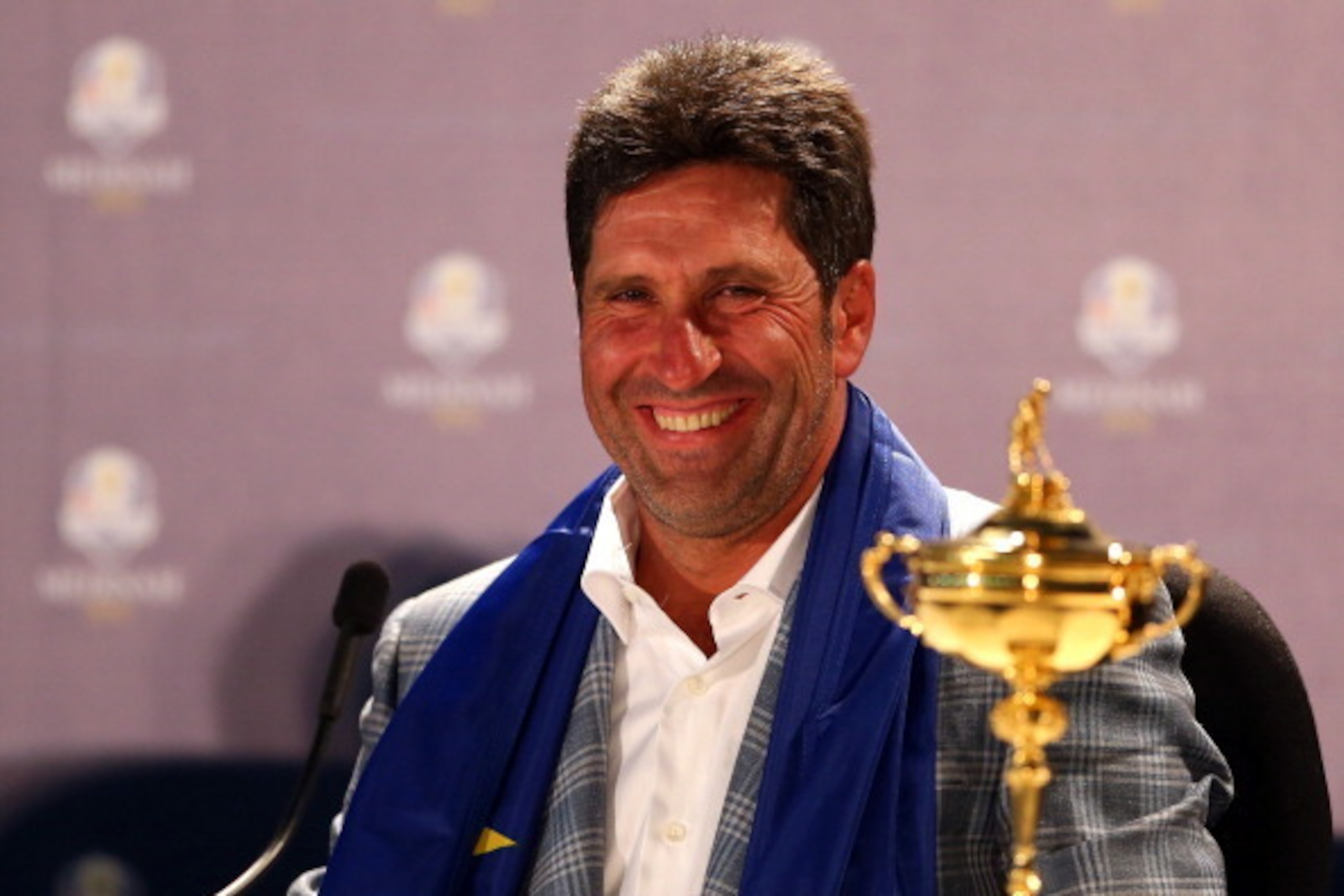
The aim is to get to 14.5 points, a coveted number that would give either nation guaranteed victory. If the match is drawn at 14 points each, the holder of the trophy will retain it. So this year, if after three days of slogging it out the score ends up at 14-14, it’d be Europe that’d keep hold of the cup.
The scoring in itself is pretty simple. If your team wins their foursome, four-ball or singles game then they’ll pick up a point, and if the scores are all square after 18 holes, then a point is shared.
Half a point may seem like little, but after the last two tournaments have seen just one point in it—Europe winning 14.5-13.5 on both occasions—every single match can prove critical to a team’s chances.

.jpg?w=2560 "Chiefs Dolphins Football")

.jpg?w=2560 "Love's Body Already 'Tired'")