

Bernie Ecclestone Plans 3-Car Change to Formula 1, Will Scrap Double Points
Bernie Ecclestone has revealed plans to unleash eight three-car teams during the 2015 Formula One season.
This major change would take place if financially unstable teams such as Caterham, Marussia and Sauber fail to fund their participation. Ecclestone spoke honestly about the potential switch ahead of the Singapore Grand Prix, reported by the Press Association via the Daily Mail:
"It has always been on the cards if we lose up to three teams the others will run three cars. I think we should do it anyway. I would rather see Ferrari with three cars, or any of the other top teams with three cars, than having teams that are struggling.
[...] The trouble with the teams - which is all normal - they think of themselves short term. You ask about next year, but they're worried about the next race, which is the problem.
"


.jpg?w=2560 "Rams Eagles Football")

Ecclestone also confirmed "we'll know after the next two or three races" if the plans are going to be viable in time for next season. This year's changes have seen the competitive nature of racing improve, but there's still a major financial gap between realistic title challengers and teams who struggle to register points.
In 2013, Autosport's Dieter Rencken (subscription required) estimated a £200 million difference between Ferrari and Marussia's budget. A level playing field is extremely difficult to create in a sport that is dominated by winnings, sponsors and the pressure to invest hefty costs in ever-changing technology.
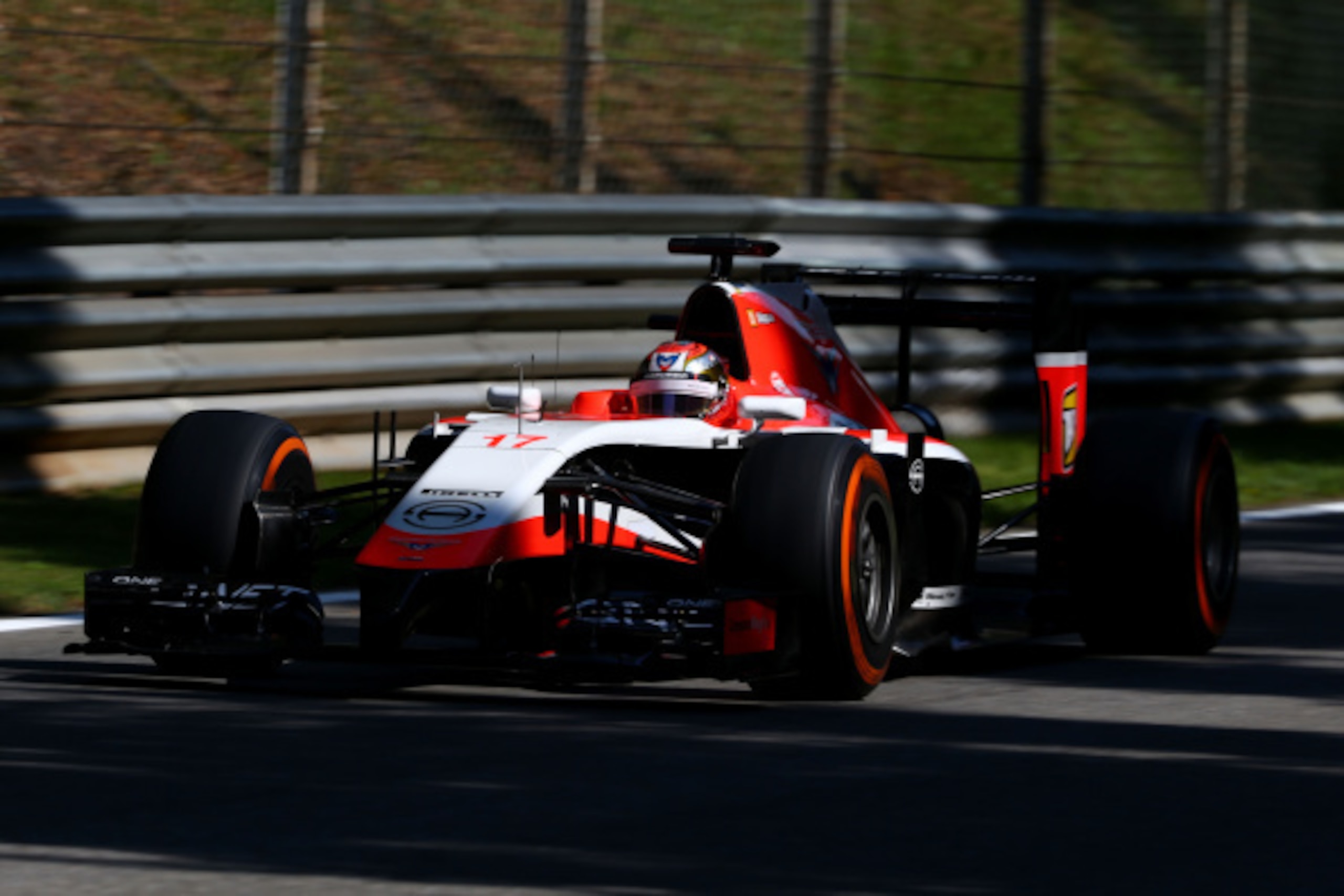
Marussia team principal John Booth outlined the struggle to gain respect outside of the paddock in March, reported by Paul Weaver of The Guardian, despite the team's improving reputation among other professionals:
"I think it's been a slow process but I think we do get respect from people within the paddock. I think that happened in year three, 2012, when we really showed what we were made of.
The wider TV audience is much more difficult, because they see us on the starting grid with Red Bull. They probably won't know there's any difference in budgets or numbers of staff.
"
Financial inequality isn't exclusive to F1 and has also reared its head in football. UEFA recently outlined its Financial Fair Play guidelines, a system that tasks clubs who compete in European competitions with breaking even over a set period of time.
Massive expenditures on transfers cannot be incurred, thus potentially shortening the gap between teams such as the Sheikh-owned Manchester City and the rest of the Premier League. Punishments have already been dealt for failing to comply after the first year, with City among those who received a fine, transfer cap and squad restrictions for the current campaign.
Although a giant chasm remains between elite sides and the rest, UEFA's proposals will continue to tighten over time, meaning competitiveness should improve. While a similar system is unlikely to be integrated into F1, the simplest solution to maintaining a two-car season with 11 teams would be to impose a low spending cap.
If all teams had the £50 million of Marussia to spend, interest could rise through an increased competitiveness. This is something Ecclestone has championed for a number of years and is set to be introduced during the 2015 campaign, although a budget number is yet to be confirmed.
Major plusses could be taken from a three-car season, however. Championship races would likely become increasingly tight with additional drivers utilising the best vehicles, while the promotion of youth could become a more prominent feature within the sport.
Perhaps the third car could be used as something of a wild card for up-and-coming starlets to hone their skills, although plenty of experienced racers will be looking for work if the plans come to fruition.

Ecclestone wants to make the art of racing more difficult for drivers no matter what happens. Certain types of radio messages are now banned, but the F1 boss hints further changes could be made to lessen each driver's team support when on the track. "I think we might [add further changes]...to make their life more difficult," said Ecclestone, per the Daily Mail.
He decided to backtrack on introducing double points for the final three races, reported by the Daily Mail, and now looks set to scrap the idea altogether. On reports suggesting the system could be kept for next year's last race, Ecclestone said, "No, they all say I'm mad, so we won't do it," per Crash.Net.
F1 remains a progressive sport in which significant changes are made on an annual basis. Financial restraints ensure the lesser teams face a difficult battle to establish themselves among the likes of Ferrari, McLaren and Mercedes, meaning we can expect constructors to regularly dissolve if the current system is upheld.
This is the extremely harsh reality of sport that struggles to balance competitiveness, both on the track and in monetary terms.
Although Ecclestone tried to address this by leaving the championship open until the very last with double points up for grabs, spending limitations appear to be the smartest way of levelling the playing field. This is especially true if a two-car season is to be maintained in 2015, as uncertainty once again shrouds the participation of many trying to establish themselves in the sport.
.jpg?w=2560 "Texans-Mixon Released Football")
.jpg?w=2560 "Commanders Eagles Football")


.jpg?w=2560 "Mahomes' Wife Trolls Kubiak 💀")

.jpg?w=2560 "Grading WWE Raw 🔠")