

NFL Week 3 Injury Notebook
As the NFL heads into Week 3, player health is starting to take its toll. Last Sunday offered a bona fide onslaught of serious injuries, shaking up teams across the country.
Team injury reports seem to be growing by the day.
Hidden within the seemingly limited information of those reports, fantasy owners can find quite a bit of useful information. Much of that information can inform decisions leading up to Sunday kickoffs.
In other words, there is much more to them than a "questionable" tag.
For starters, pay very close attention to practice-status trends. A wide receiver struggling with a hamstring injury who remains limited on Friday conjures up quite a bit of concern. Another wide receiver who progressed from no practice to full practice throughout the week? Not as much.
Elsewhere, a sore ankle that limits a player all week is troublesome. An ankle on which a player practices in full two days in a row? Less so.
A player's position also comes into play. For instance, a mild shoulder injury may not seem so mild if it it's a quarterback.
With those lessons in mind, let's survey the league for the latest injury news and notes, starting first with our Sports Medicine topic of the week.
Sports Medicine Topic of the Week: The Air Splint
1 of 12
Each week, we will look at a different Sports Medicine topic that may come into play during an NFL game. This week's topic: the air and vacuum splints.
When players goes down and does not immediately get back up—and sometimes, even if they do—athletic trainers and team doctors will usually run to assess the situation.
If an initial evaluation raises concern for a fracture or dislocation—if doctors identify an obvious major bone or joint deformity, for example—the attention of the medical staff turns toward reduction and immobilization. After all, continued motion can cause further damage.
Air and vacuum splints offer a quick, lightweight method of immobilizing the joint or bone in question.
Air splints wrap around the arm or leg containing the break or dislocation. Medical personnel then pump air into the splint until it conforms to the contours of the athlete's extremity, preventing him from bending or moving the injured area.
Vacuum splints serve the same purpose in a slightly different manner. Instead of pumping vacuum splints full of air, the medical staff vacuums out the air already inside. That way, tiny beads inside the splint move together and tighten around the arm or leg, keeping it still until the athlete undergoes X-rays or other imaging.
Robert Griffin III, QB, Washington Redskins (Red)
2 of 12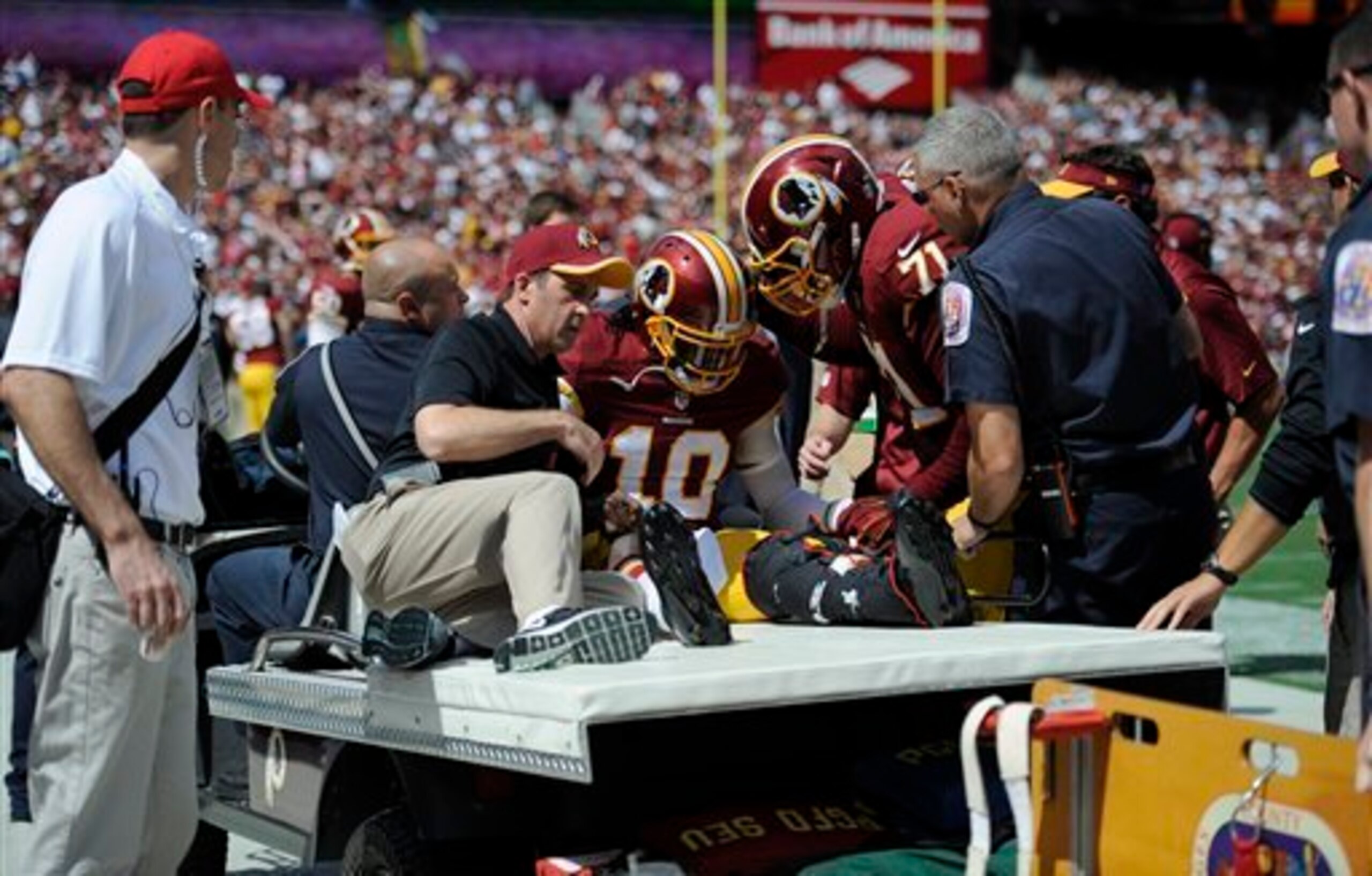
Player: Robert Griffin III, QB, Washington Redskins
Injury: Dislocated ankle
Latest News: The Washington Post's Mike Jones reported RG3 said an MRI showed no fracture in his ankle. According to NFL Network's Ian Rapoport, preliminary projections put the former Heisman Trophy winner's recovery time in the neighborhood of "six to eight weeks."
Alert Level: Red
Relevant Medicine and Anatomy: RG3's injury looked bad right from the get-go. A freeze frame of the injury showed his ankle joint gave seem to give way to the inside, and widespread reports of an ankle dislocation soon followed.
However, Will Carroll, Bleacher Report's lead writer for Sports Medicine, told me Griffin suffered a subtalar dislocation rather than an ankle dislocation. This may explain why the quarterback did not suffer a fracture, as the vast majority of ankle dislocations come with one.
The subtalar joint lies underneath the ankle between the talus—one of the bones in the rear portion of the foot—and calcaneus, or heel bone. The joint helps coordinate inversion and eversion—or deviation of the heel inward and outward, respectively.
The term "dislocation" represents more of an injury mechanism than a precise diagnosis. As such, recovery times depend on just how much damage—to bones and ligaments, for instance—the dislocation did. Relatively speaking, though, a subtalar dislocation allows for a better and quicker recovery compared to what could have been.
Possible On-Field Limitations and Considerations: After the former Baylor Bear returns to the field, his ability to plant on his ankle and cut in the opposite direction will tell how well he healed.
Fantasy Advice: Unfortunately, RG3, a quarterback who already found himself in the low end of the top tier of fantasy signal-callers, took a huge hit on Sunday. He already faces an extended recovery time that, at best, would let him return in November.
If owners can spare a long-term bench spot, though, he is worth hanging onto. He can fully recover, and he has already proven his healing ability many times in the past. It comes down to fantasy owners' roster situations.
Follow-Up: RG3's recovery comes down to foot stability. If everything scars down well, he can return to form.
Carson Palmer, QB, Arizona Cardinals (Red)
3 of 12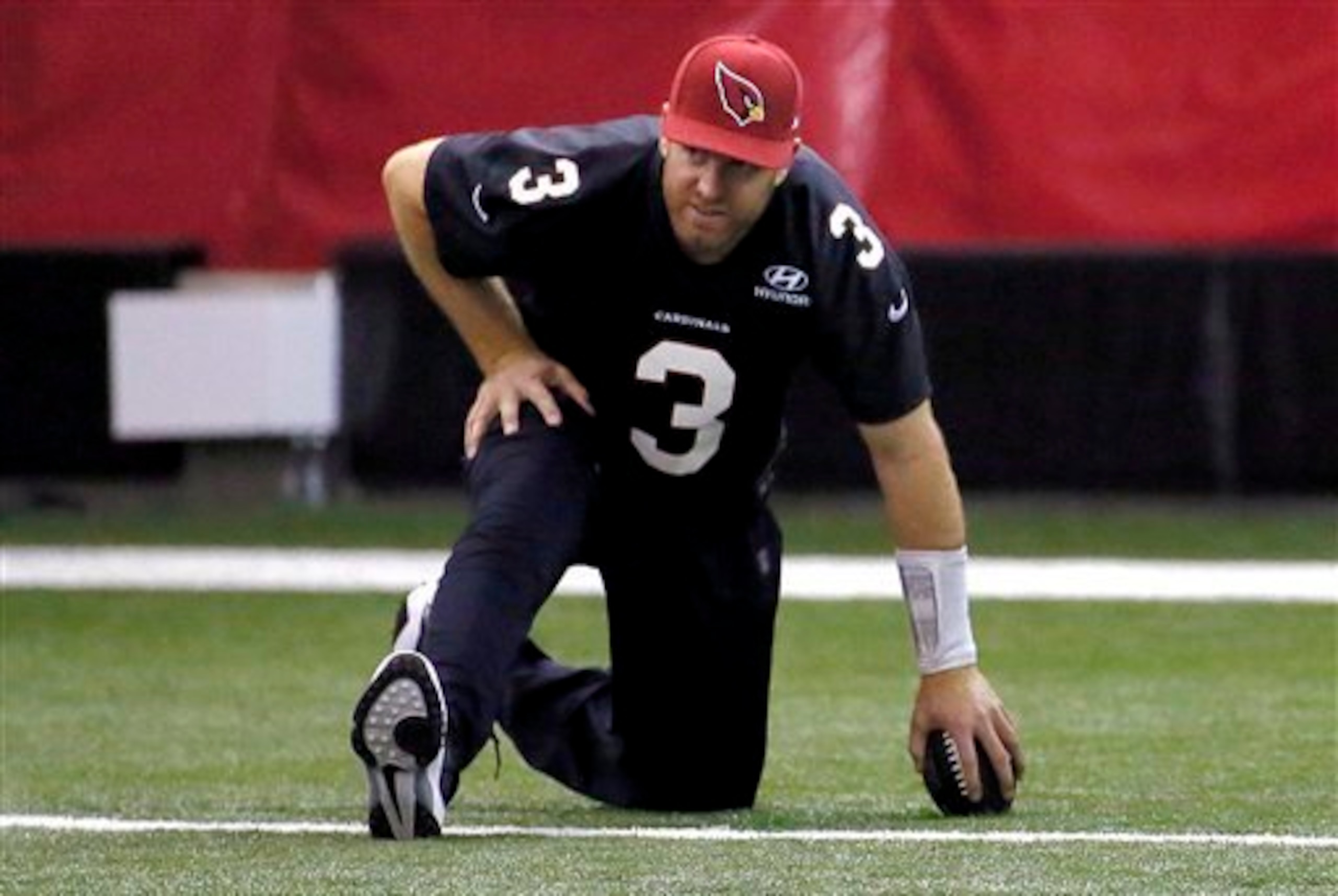
Injury: Nerve entrapment
Latest News: Palmer continues to try many different treatment modalities to treat nerve damage affecting his shoulder, but according to Cardinals writer Darren Urban, "nothing has worked quite yet." Urban reported Friday (via Pro Football Talk's Mike Wilkening) that head coach Bruce Arians announced Drew Stanton will start Week 3.
Alert Level: Red
Relevant Medicine and Anatomy: Nerves control strength and sensation. Upper extremity nerves start in the spinal cord in the neck and run out to the shoulder, arm and hand. Any interruption along that path can lead to numbness and weakness. After all, a strong muscle doesn't mean anything if there is no nerve signal to tell it to contract.
Stretching of nerves due to a hit to the head or shoulder can lead to the above symptoms, as can compression of a nerve root as it exits the spinal canal.
Possible On-Field Limitations and Considerations: The longer a nerve does not function properly, the greater the chance of muscle atrophy and wasting. As such, when Palmer returns to the field, his shoulder strength—measured by the depth and accuracy of his throws—merits monitoring.
Fantasy Advice: If you have an empty IR slot, you can put Palmer there for the time being. If you do not, and if he does not start to make progress soon, dropping him becomes an option.
Follow-Up: Nerve-injury recoveries are very difficult to predict. Palmer's issue may linger for months or longer, or it may subside entirely within the next few days.
.jpg?w=2560 "Chiefs Giants Football")


Jamaal Charles, RB, Kansas City Chiefs (Orange)
4 of 12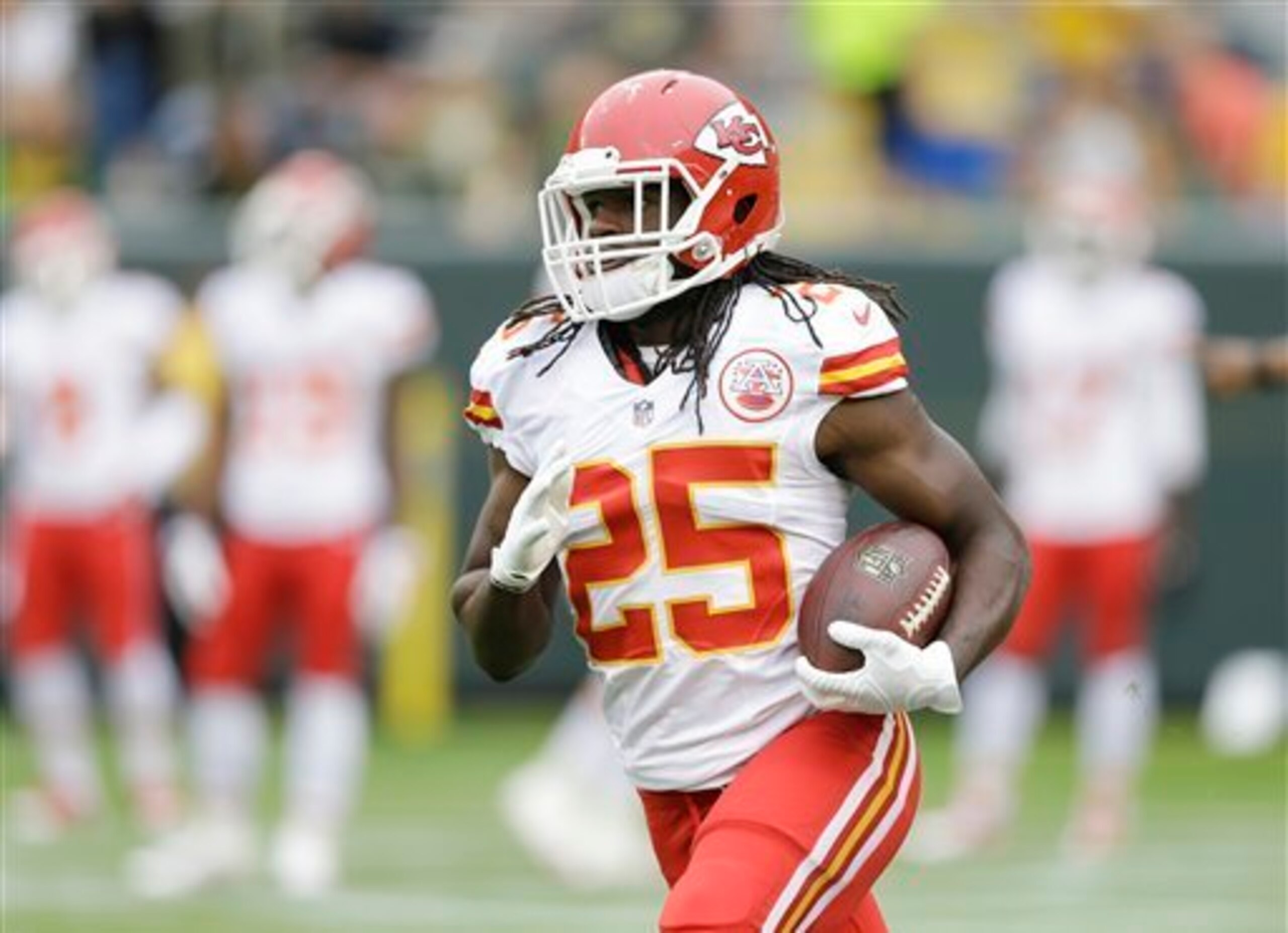
Player: Jamaal Charles, RB, Kansas City Chiefs
Injury: High ankle sprain
Latest News: The Kansas City Chiefs' injury report lists Charles as questionable for Sunday. He practiced on a limited basis Thursday and Friday after sitting out completely on Wednesday. Head coach Andy Reid told the press—via the Chiefs' official website—that the running back looked "okay":
"Q: Did Jamaal look, for lack of a better term, normal to you out there?
REID: Yeah, he did okay. Yeah he looked a little sore, but he did okay, you know. He worked a little bit yesterday, but he loosened up and he kind of went as it went. We’ll just see how he does.
"
Sources told Bleacher Report's Will Carroll that Charles aggravated a previously existing high-ankle sprain last week.
Alert Level: Orange
Relevant Medicine and Anatomy: High ankle sprains involve injury to the ligaments that connect the bones of the lower leg—the tibia and fibula—to each other.
Very mild sprains may need only week-to-week re-evaluation. Yet when all is said and done, an absence of at least a week or two usually follows most. Furthermore, severe high ankle sprains can lead to instability and separation of the tibia and fibula. Such cases often require surgery to fix the bones in place while the ligament or ligaments heal.
High ankle sprains usually swell much less than their low ankle counterparts. As such, Charles' pain tolerance and control will become key, as the objective finding of ankle swelling may not be as evident.
Possible On-Field Limitations and Considerations: Injured ligaments are weaker ligaments, so if Charles starts, he may find himself on a snap count to lower the risk of him suffering a more significant injury.
Fantasy Advice: Think long and hard before starting Charles this week. As mentioned, he may see limited work due to his very recent aggravation. Additionally, the lingering injury can drastically hamper his planting and cutting ability.
Owners my recall two high ankle sprains that likely dramatically affected two potential fantasy studs last year: Atlanta Falcons wide receiver Roddy White and Buffalo Bills running back C.J. Spiller. Both played through their sprains at times but put up weak, inconsistent fantasy numbers in the process.
Follow-Up: Consider benching Charles until he completes a game with 15-20 carries and does not experience significant ongoing pain in the days that follow.
When will such a scenario come to pass?
It may in a few weeks, or it may following Sunday's game against the Miami Dolphins. Either way, as of now, the safer move is to bench him for Week 3 and see how he performs.
Marshawn Lynch, RB, Seattle Seahawks (Green)
5 of 12
Player: Marshawn Lynch, RB, Seattle Seahawks
Injury: Back spasms
Latest News: The Seahawks' injury report lists Lynch as probable with a back injury. He practiced in full on Thursday and Friday. According to head coach Pete Carroll—via Pro Football Talk's Curtis Crabtree—the running back's "sore" back "tightened up late in the game" Week 2.
Alert Level: Green
Relevant Medicine and Anatomy: Low back pain and muscle spasms—what Lynch is presumably battling—represent two of the most common complaints at medical clinics across the country. They often respond well to treatment, but relapses occur frequently.
Back pain that arises from a herniated intervertebral disc in the spine is more concerning. Nothing yet suggests such a diagnosis for the Seahawks running back.
Possible On-Field Limitations and Considerations: Unfortunately, the chance of Lynch leaving early with back issues will likely persist indefinitely. That said, the Seahawks medical staff is outstanding and will surely help minimize that risk as much as possible.
Fantasy Advice: Lynch taking full practice reps two days in a row is extremely reassuring. Without any other red flags—numbness or weakness, for example—you can start him in all formats.
Follow-Up: This may turn into—and possibly already has been—an ongoing issue, and it may flare up from time to time. However, whenever Lynch practices two days in a row—implying the first day's practice did not cause enough pain to prevent him from participating in the second—fantasy owners and Seahawks fans can rest easy.
Keenan Allen, WR, San Diego Chargers (Yellow)
6 of 12
Player: Keenan Allen, WR, San Diego Chargers
Injury: Groin
Latest News: U-T San Diego's Michael Gehlken reported Thursday that Allen popped up on the Chargers' injury report with a groin injury. He practiced on a limited basis Thursday and Friday, and the report lists him as questionable.
Alert Level: Yellow
Relevant Medicine and Anatomy: Groin muscles help bring the leg inward and toward the center of the body. They also flex the hip and bring the thigh forward.
More than likely, Allen is battling a minor strain of one of these muscles. Mild strains usually heal well with time—barring an aggravation, of course. A more significant strain would likely prevent him from participating in practice altogether.
Possible On-Field Limitations and Considerations: Groin injuries are particularly troublesome for wide receivers. The position demands frequent sprinting, cutting and leaping, each of which can bring about pain from an injured groin muscle—as well as a more severe injury.
Depending on which muscle a groin strain involves, a pull can also hamper a receiver's top end speed due to resulting relative muscle weakness. Such weakness can manifest itself as a shorter stride length on the injured side.
Fantasy Advice: Like a hamstring injury, a groin injury can seriously limit a wide receiver's productivity, and Allen screams "game-time decision" this week. If he does start, owners need to be wary of the possibility of him receiving limited repetitions. The chance he assumes more of a decoy role is also very real.
Follow-Up: Assuming Allen's injury does, indeed, constitute only a minor groin strain, time and rest should allow it to heal. That said, he represents a major offensive weapon for the Chargers who, when on the field, draws opposing secondaries to him.
Let the Chargers' risk-versus-reward evaluation begin.
A.J. Green, WR, Cincinnati Bengals (Yellow)
7 of 12
Player: A.J. Green, WR, Cincinnati Bengals
Injury: Turf toe
Latest News: Head coach Marvin Lewis—via the Cincinnati Enquirer's Richard Skinner—expects Green to play on Sunday. The tall wideout left Cincinnati's Week 2 matchup against the Atlanta Falcons due to the injury, a big-toe injury that Skinner reports first occurred against the Baltimore Ravens Week 1.
According to the Bengals' injury report, Green's practice status trended upward this week. He sat out Wednesday and progressed from limited to full reps on Thursday and Friday, respectively, earning a "probable" designation.
Alert Level: Yellow
Relevant Medicine and Anatomy: According to Pro Football Talk's Darin Gantt, Green originally received a diagnosis of "turf toe." Later, PFT's Twitter account revised the diagnosis to a ligament injury.
In the end, any injury to the first metatarsophalangeal (MTP) joint—where the base of the big toe meets the foot—can earn the name "turf toe." The phrase serves as an umbrella term for multiple types of MTP joint injuries, including ligament damage. The name comes from the fact that the mechanism of injury—forced extension of the big toe—probably occurs more often on turf, which gives less than grass.
Minor ligament sprains in the big toe will heal with a brief period of rest. More significant injuries—such as a severe sprain or a tear in the cartilage underneath the MTP joint—may need weeks or months to heal. Some may even require surgery.
Possible On-Field Limitations and Considerations: As mentioned, MTP joint injuries occur when the toe bends upward too sharply. NFL players use the big toe to push into the ground in order to drive forward or cut and change directions, but a painful MTP joint can affect a wide receiver like Green's ability to do so.
Fantasy Advice: All signs point to Green's injury being minor. However, the ability of turf toe injuries to linger on and on—recall Green's injury likely occurred during Week 1, not Week 2—merits at least some concern.
Take a quick peak at the inactive list on Sunday to ensure the stud wideout does not find himself on it. Then, start him—but temper expectations somewhat.
Follow-Up: The longer Green can avoid sharply planting and over-twisting his toe, the better. However, his position demands it on a regular basis, and as a result, this week might not be the last we hear of his ailment.
DeSean Jackson, WR, Washington Redskins (Yellow)
8 of 12
Player: DeSean Jackson, WR, Washington Redskins
Injury: Acromioclavicular joint (AC) sprain
Latest News: Head coach Jay Gruden—via The Washington Times' Zac Boyer—called Jackson's separated shoulder partly an issue of "pain tolerance." The wideout did not practice on Wednesday or Thursday. He returned Friday on a limited basis, and the Redskins' injury report lists him as questionable.
Alert Level: Yellow (if active)
Relevant Medicine and Anatomy: A "separated shoulder" implies an AC joint sprain. The AC joint marks the location where the clavicle—the collarbone—meets a bony extension of the shoulder blade known as the acromion.
Ligaments connect the acromion and collarbone. Like all ligaments, they can stretch or tear. Mild injuries lead to pain with certain motions, while severe injuries can separate the acromion from the clavicle altogether, sometimes necessitating surgical correction.
Possible On-Field Limitations and Considerations: The fact that Jackson may play on Sunday implies the injury is mild. However, he may still be experiencing pain when he reaches far forward, out to the side or overhead, and as a result, his pain control looms large.
Jackson may also suffer a more significant injury with a direct blow to his injured shoulder. As such, if he plays, he may see less over-the-middle routes—where a direct hit to the shoulder may be more likely—in favor of deep throws.
Fantasy Advice: If Jackson starts, he likely demonstrated sufficient range of motion and pain control to Washington's medical staff leading up to kickoff.
If you do not have any other WR3 options, Jackson can fill the role—if he plays, of course. He remains a deep threat, despite his shoulder injury, as his speed should not suffer.
That said, if you are deciding between two wide receiver options, the risk of Jackson leaving at any given time after a blow to the shoulder is very real. Therefore, the injury may push you away from starting him this week.
Follow-Up: With enough time, Jackson's shoulder should heal well. A large part of his recovery relies on him avoiding big hits whenever he plays through the injury.
Jordan Cameron, TE, Cleveland Browns (Yellow)
9 of 12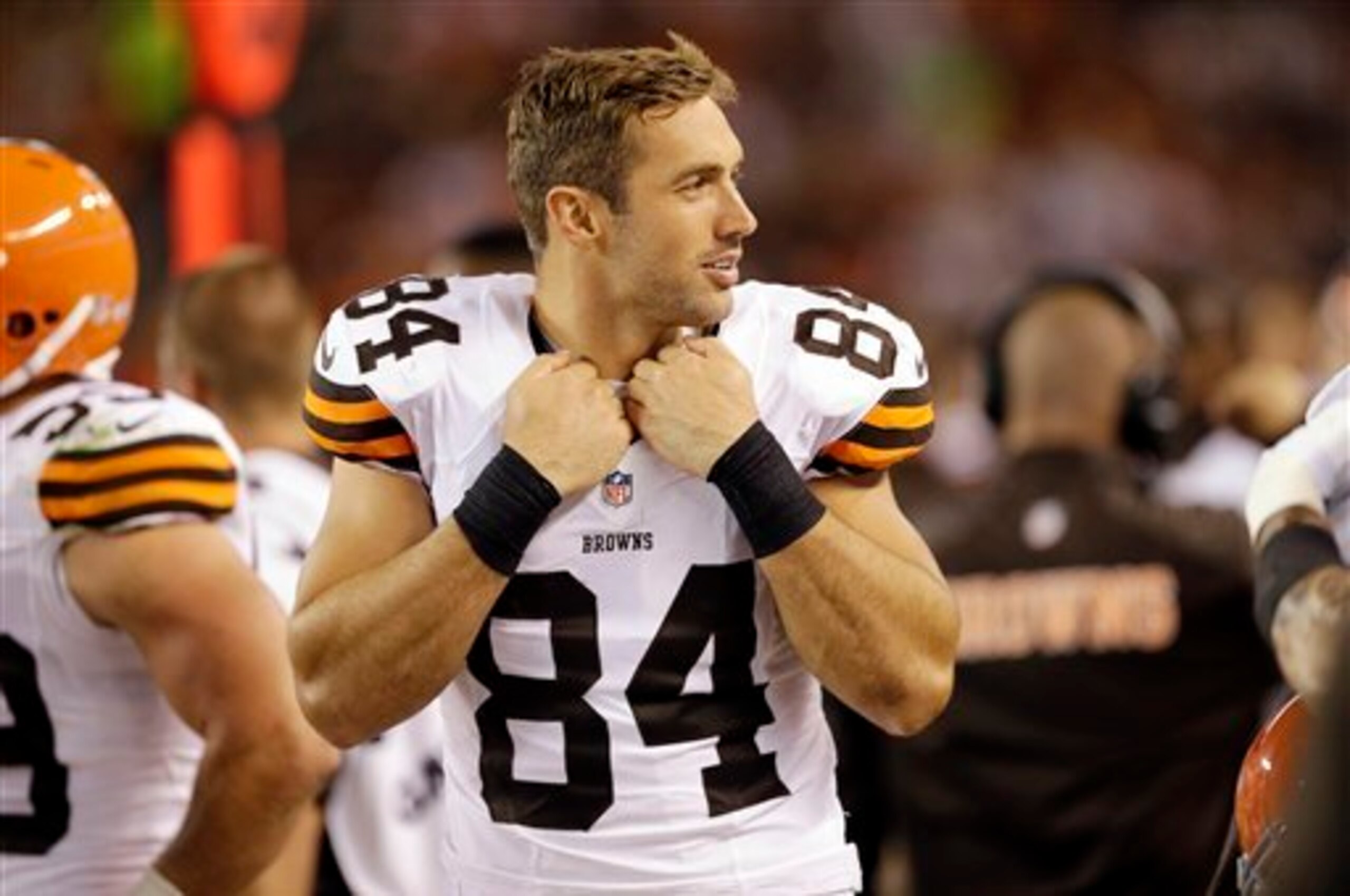
Player: Jordan Cameron, TE, Cleveland Browns
Injury: Acromioclavicular (AC) joint sprain
Latest News: According to Browns offensive coordinator Kyle Shanahan—per Cleveland.com's Mary Kay Cabot—Cameron's shoulder "can go either way" this week.
Alert Level: Yellow (if active)
Relevant Medicine and Anatomy: Cameron battled his injury during the preseason and suffered a setback Week 1, prolonging his recovery. As the tight end continues to heal, he, like DeSean Jackson, must focus on avoiding a big hit to his shoulder.
Possible On-Field Limitations and Considerations: Also like Jackson, Cameron's shoulder will likely come down to pain control, range of motion and an overall risk assessment. If he can show the Browns' medical staff that his level of pain is not limiting his range of motion, he may start.
Fantasy Advice: The tone of reports surrounding Cameron's shoulder is less than optimistic, so his status bears monitoring all the way until the Browns release their inactive list.
The fact that the Browns are on bye Week 4 may also come into play. After all, Cameron's shoulder will likely strengthen significantly by the time Week 5 rolls around, so the team might decide to sit him through the bye week to let him heal more definitively.
Nevertheless, Cameron remains a top receiving threat in Cleveland—and thus potentially worth the risk of starting him if he plays.
Follow-Up: Cameron's recovery comes down to time and avoiding setbacks. After all, if he did not aggravate his shoulder Week 1, his health might not even be in this week's fantasy conversation.
Jon Beason, LB, New York Giants (Red)
10 of 12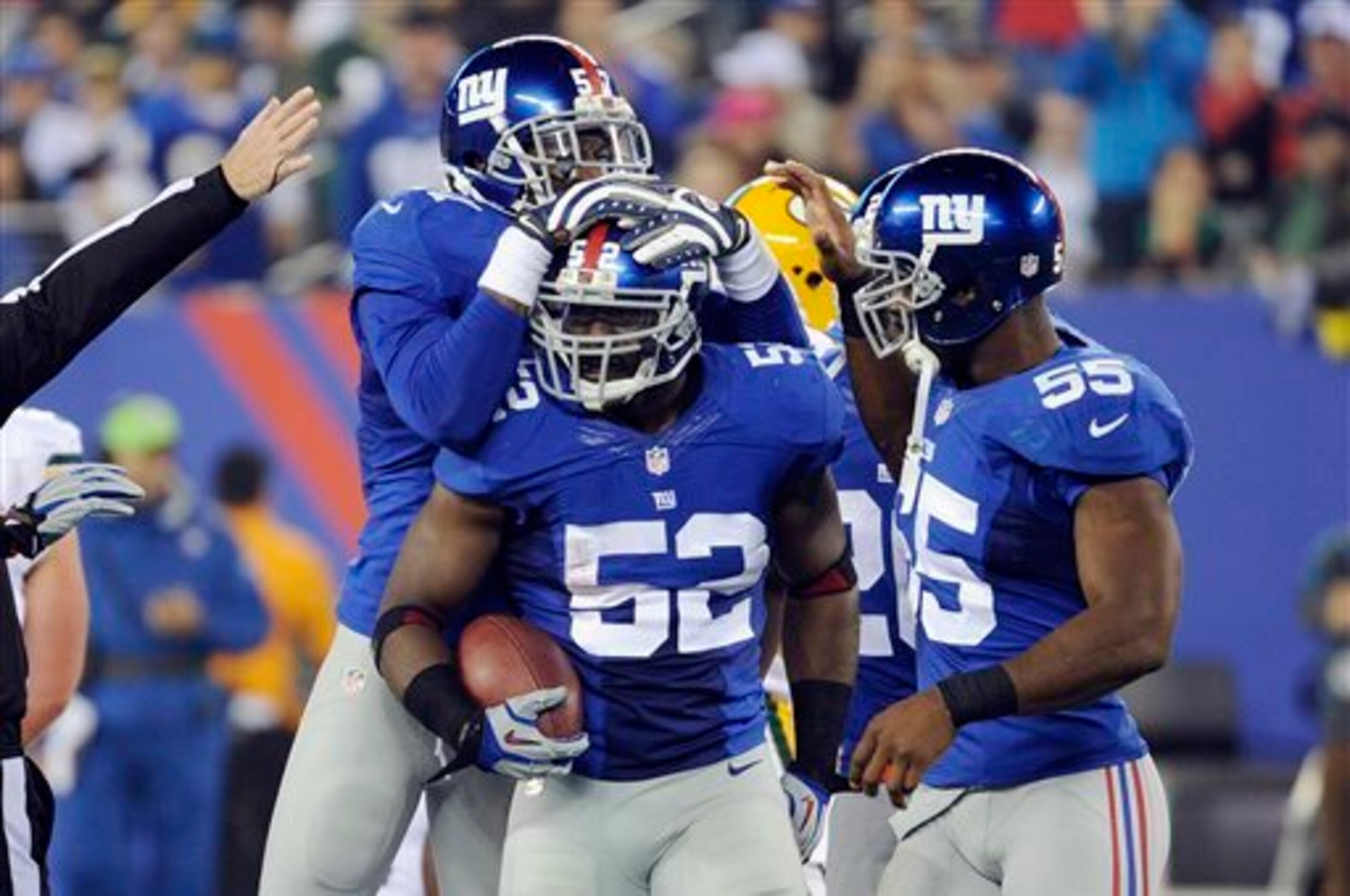
Player: Jon Beason, LB, New York Giants
Injury: Sesamoid fracture
Latest News: ESPNNewYork.com's Dan Graziano is worried Beason "could be out a while due to a re-aggravation of the toe injury that cost him all of training camp." The linebacker broke a sesamoid bone and tore a ligament in his foot earlier this year. NJ.com's Jordan Raanan noted Friday that head coach Tom Coughlin said "you have to probably fight through something like this for the duration (of the season)."
Alert Level: Red
Relevant Medicine and Anatomy: The sesamoid bones in the foot—there are two of them—lie underneath the big toe in the same general area as a "turf toe" injury. They help the biomechanical function of the big-toe muscles, allowing an athlete to push harder off the ground.
Unfortunately, the location of the sesamoid bones—at the far end of the circulatory system—leaves them with a relatively low blood supply. As a result, a broken sesamoid can struggle to heal.
It's possible Beason over-stressed his healing—or not healing, as the case may be—sesamoid on Sunday. Raanan wrote Beason stepped on the foot of teammate Jameel McClain. In the process, he likely sharply bent his big toe back—the mechanism of his original injury in the offseason.
Possible On-Field Limitations and Considerations: According to Ranaan, Beason feels better already. However, a sharp plant and cut that causes his big toe to hyperextend may lead to another aggravation in the future.
Fantasy Advice: As of now, the Giants defense is not a strong fantasy start, with or without Beason on the field.
Follow-Up: Coughlin said it best when he mentioned this might turn into something the linebacker deals with on and off throughout the entire year. Surgical intervention does not seem imminent, but it could become an option at some point if the pain continues to linger indefinitely despite conservative management.
Charles Tillman, DB, Chicago Bears (Red)
11 of 12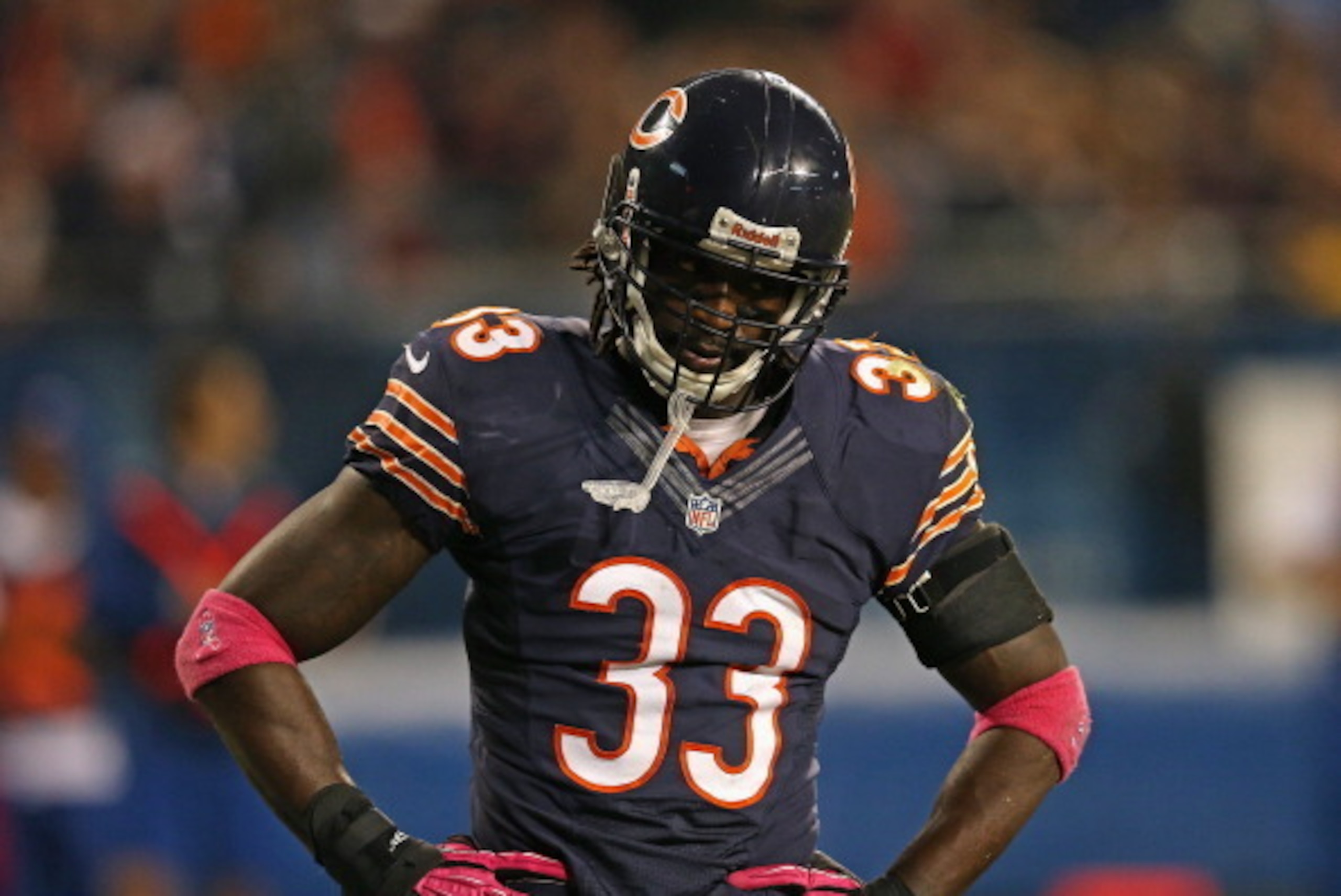
Player: Charles "Peanut" Tillman
Injury: Torn triceps
Latest News: According to Adam L. Jahns of the Chicago Sun-Times, Tillman said "this isn't the end of the road for me." The veteran went down on Sunday with a torn triceps, the same injury that ended his 2013 campaign. The Bears placed him on injured reserve shortly thereafter.
Alert Level: Red
Relevant Medicine and Anatomy: Those watching could see Tillman's opponent crash into the cornerback's arms while he extended them. The forceful bending of Tillman's arm counteracted him trying to straighten it—a recipe for a triceps tear. In this case, he injured the same triceps doctors surgically repaired last year.
Triceps tendon tears require rehabs that can reach six months or more.
Possible On-Field Limitations and Considerations: If Tillman returns to the game, his twice-repaired triceps will likely remain at higher risk of re-injury for the rest of his career.
Fantasy Advice: The Bears defense no longer represents the dominant force of years prior, and Tillman will leave a large hole in an already-struggling secondary. Look elsewhere this week.
Follow-Up: NFL fans everywhere can only hope Tillman—last year's Walter Payton NFL Man of the Year award winner—makes it back to the field. The NFL wouldn't be the same without him.
Quick Hits
12 of 12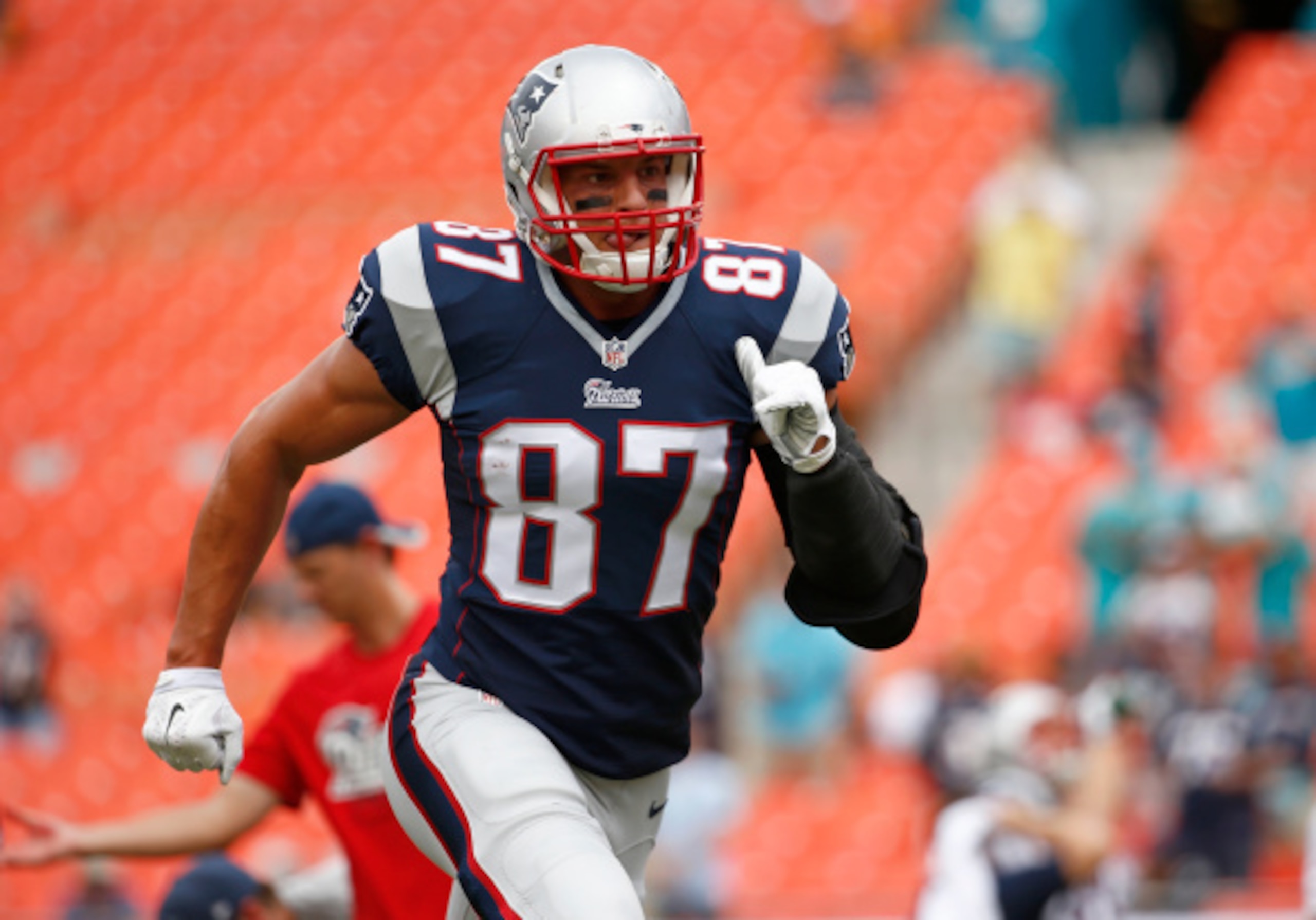
Quarterbacks
- New York Daily News' Mitchell Abramson spotted New York Giants quarterback Eli Manning wearing a compression brace on his left knee. For now, there is little reason for concern.
- According to Fox Sports' Alex Marvez, Tampa Bay Buccaneers quarterback Josh McCown may "miss several weeks" with an injured thumb. Thursday Night Football viewers saw him hit his throwing hand on a defender's helmet during the game.
- Dallas Cowboys quarterback Tony Romo's back flared up this week. ESPNDallas.com's Todd Archer reported he experienced "tightness." This might become an ongoing issue this season, but the Cowboys' injury report lists him as probable after he practiced in full on Thursday and Friday.
Running Backs
- The Arizona Cardinals' injury report gives running back Andre Ellington a "probable" tag. His peroneus longus tendon injury will likely linger for some time still, but every week without a setback increases his fantasy value.
- According to the Houston Texans' injury report, running back Arian Foster practiced on a limited basis this week with a hamstring injury. Follow his status all the way until inactive lists come out—surprise scratches due to hamstring strains are not rare—and lower fantasy expectations somewhat. Hammies affect top-line speed and carry an aggravation risk.
- As he continues to deal with an ankle injury, Jacksonville Jaguars running back Toby Gerhart's practice status trended upward all week—a very reassuring sign that he will play this week. Indeed, the Jaguars' injury report tags him as probable.
- According to ESPN.com's Mike Triplett, New Orleans Saints running back Mark Ingram needed hand surgery this week and will not play Week 3.
- Oakland Raiders running back Maurice Jones-Drew broke his hand earlier this month. According to the Raiders' injury report, he returned to practice this week and earned a "questionable" designation.
- Tampa Bay Buccaneers running back Doug Martin missed Thursday night's shellacking by the Atlanta Falcons with a knee injury. ESPN reported the news, among other media outlets.
- Despite the fact that NFL Network's Ian Rapoport was told San Diego Chargers running back Ryan Mathews could miss several weeks with an MCL injury, fantasy owners may want to keep him around for when he returns.
- The Miami Herald's Barry Jackson reports Miami Dolphins running back Knowshon Moreno targets a mid-October return from the dislocated elbow he suffered last week.
- Baltimore Ravens running back Bernard Pierce popped up on the team's injury report this week with a thigh injury. Details are scarce, and the Ravens' medical staff designates him as probable to play this week. He did practice on Thursday and Friday, suggesting he has good chance to play on some level.
- The Associated Press' Tom Withers reported earlier this week that Cleveland Browns running back Ben Tate likely will not play Week 3. A return after the Browns' Week 4 bye seems to make sense if Tate heals well.
- The Patriots' injury report shows running back Shane Vereen as a limited participant all week with a shoulder injury. Keep a close eye on him prior to kickoff, as he is questionable.
Wide Receivers
- ESPN.com's Todd Archer notes Dallas Cowboys wide receiver Dez Bryant says he will be "ready to roll" this week with a sore shoulder despite a questionable tag.
- New York Daily News' Manish Mehta tweeted Friday that New York Jets wide receiver Eric Decker missed practice with a hamstring injury. As a general rule of thumb, fantasy owners need to exercise caution when starting wide receivers with ongoing hamstring troubles.
- According to head coach Marc Trestman—per the Chicago Tribune's Rich Campbell—Chicago Bears wide receiver Alshon Jeffery did not suffer a hamstring-injury setback last week. Expect him to make progress each and every week, from both straight-line speed and fantasy production points of view.
- Chicago Bears wide receiver Brandon Marshall scored three touchdowns last week, despite his ankle injury. With another week of healing, there is no reason to expect any new limitations.
- The Minnesota Vikings' injury report lists wide receiver Cordarrelle Patterson as probable with a chest injury, but he practiced in full on Friday. Fantasy owners can start him with confidence.
- Jacksonville Jaguars wide receiver Cecil Shorts III earned a "probable" tag on the team's injury report this week. He may be turning the corner as he recovers from a hamstring strain.
- ESPN reported earlier this week that Atlanta Falcons wide receiver Roddy White missed Thursday night's game with a hamstring injury. Keep an eye on his status for Week 4. As mentioned, hamstring injuries and wide receivers do not go together well.
Tight Ends
- New England Patriots tight end Rob Gronkowski remained off the team's injury report this week.
- Carolina Panthers tight end Greg Olsen practiced in full on both Thursday and Friday, according to the team's injury report. He is battling a calf injury, but his practice-status trend is reassuring against anything serious.
- CSNWashington.com's Tarik El-Bashir reports Washington Redskins tight end Jordan Reed will miss Week 3 due to his hamstring injury.
- An abdominal injury limited Minnesota Vikings tight end Kyle Rudolph's practice all week. The team's injury report lists him as probable to play.
Others
- According to CBS Sports' Will Brinson, the Arizona Cardinals placed veteran linebacker John Abraham on injured reserve due to a recent concussion.
- Green Bay Packers right tackle Bryan Bulaga remains questionable with an MCL sprain in his knee. ESPN.com's Rob Demovsky had the news.
- Pro Football Talk's Josh Alper reported this week that Cincinnati Bengals linebacker Vontaze Burfict received a concussion diagnosis for the second time in two weeks. Concussions that occur in close proximity to one another can be quite worrisome.
- The Detroit Free Press' Carlos Monarrez reported this week that Detroit Lions defensive tackle Nick Fairley is dealing with a biceps injury. He is questionable this week.
- New York Jets cornerback Dee Milliner is battling a quadriceps injury in addition to his lingering high ankle sprain. According to the team's injury report, his practice status is trending in the wrong direction.
Dr. Dave Siebert is a second-year resident physician at the University of Washington and a member of the Professional Football Writers of America. He plans to pursue fellowship training in Primary Care (non-operative) Sports Medicine.
Stats were obtained from NFL.com official statistics.
Questions about players on this list? Not on this list? Send 'em to Dave on Twitter.
.jpg?w=2560 "🚨 Week 8 AP Top 25 Poll")

.jpg?w=2560 "Updates from EVERY NFL Game 🏈")
.jpg?w=2560 "Baker Gets Glove From Rays 🧤")