The PGA Tour's FedEx Cup Playoffs Are Here to Stay
The PGA Tour’s FedEx Cup Playoffs got off to a rocky start back in 2007; there is little question about that.
Human beings are inherently resistant to change, and that resistance tends to grow in intensity when there is a lack of understanding about all that will be involved with a particular change.
Not only was it difficult for the average fan to comprehend how golf would implement a playoff system comparable to those of other major sports, but it appeared as if a mathematics degree from MIT was required to have any chance at grasping the concept of the preliminary FedEx Cup point system created by the PGA Tour.

.jpg?w=2560 "Commanders Eagles Football")

So the initial skepticism displayed by fans toward the FedEx Cup Playoffs was a behavior that was by no means unexpected.
But within the first three years of the FedEx Cup Playoffs, that initial skepticism would evolve into a form of fan indifference that had many believing the FedEx Cup was a goner by late 2009.
Tiger Woods’ decision to skip the inaugural FedEx Cup event back in 2007 was certainly a slap in the face to the PGA Tour and a blow to the credibility of the Tour’s new playoff system. Needless to say, fans were dumbfounded by how Woods was able to cruise to the 2007 FedEx Cup title and a $10 million payday despite skipping the first event.
Wouldn’t that be like the Seattle Seahawks deciding to skip their first playoff game but then somehow going on to win the Super Bowl?
The Tour realized that something needed to be done about the point system, so the format was adjusted between 2007 and 2008 to allow for more points to be awarded during playoff events in an attempt to create more volatility and discourage players from skipping events.
When Vijay Singh won the first two playoff events the following year and needed only to remain upright for four rounds at East Lake in order to capture the FedEx Cup title despite Camilo Villegas winning the final two events, the entire FedEx Cup Playoff system became something of a laughing matter.
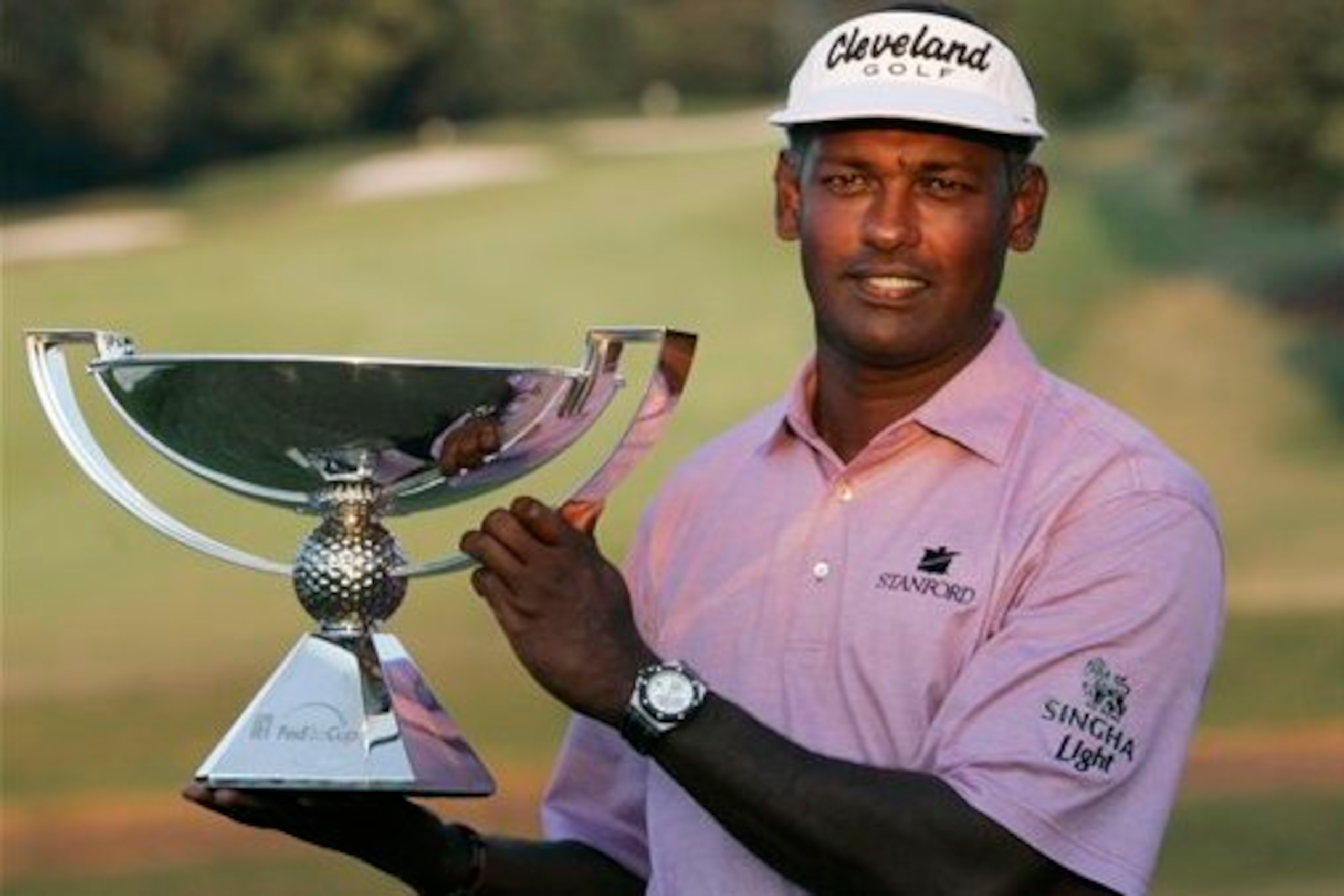
How in the world was it possible for a player to have the FedEx Cup title locked up after two playoff events when another player went on to win each of the final two events?
Stand-up comedians must have thought they had hit the jackpot with the PGA Tour’s $70 million joke of a playoff system.
So the Tour went back to the drawing board once again and made the largest structural changes to the point system that we have seen to date.
The changes made in late 2008 included resetting the points before the Tour Championship so that all 30 players in the field would have a mathematical chance to win the FedEx Cup. The point structure was also adjusted to create a situation where each of the top five players heading into the Tour Championship would secure the FedEx Cup title with a win at East Lake.
There was at least some form of excitement at these changes made prior to the 2009 season, no matter how minor that level of excitement may have been. It finally appeared as if the PGA Tour was moving toward making the Tour Championship its version of the Super Bowl.
But all of that excitement immediately went out the window when Woods once again cruised to a $10 million FedEx Cup payday in 2009 despite Phil Mickelson capturing the Tour Championship title.
This created an incredibly awkward moment where PGA Tour commissioner Tim Finchem was forced to hand the Tour Championship trophy to Mickelson before turning in the other direction to hand the FedEx Cup trophy and a $10 million check over to Woods.

Wasn’t that like the New York Giants winning Super Bowl XLII but then handing the Lombardi Trophy to the New England Patriots because they had a better regular season?
Yet more gold for stand-up comics across the nation.
It was at this point where the PGA Tour’s FedEx Cup Playoffs appeared to truly be at a crossroads. The Tour had tried three different point formats, none of which had created the level of excitement it had hoped. The Tour had altered the messaging around the FedEx Cup multiple times, which just created more confusion than anything else.
Was the FedEx Cup a playoff?
Was it a season-long race?
Was it both?
The FedEx Cup had no true identity, and it was unclear what direction the PGA Tour would take this $70 million season-ending debacle it had created.
But this is also where it is time to give credit where credit is due. The PGA Tour felt as if it had implemented a format that it could work with moving forward.
The latest changes made between the 2008 and 2009 seasons created a situation where players were rewarded for strong play throughout the season based on the way in which they were seeded heading into the playoffs.
However, with the changes to the volume of points awarded once the playoffs began, it also created a situation where a lower-seeded player could get hot and make a run at the FedEx Cup and a $10 million payday, similar to the way in which the New York Giants were able to get hot at just the right time and knock off the undefeated New England Patriots in Super Bowl XLII.
So despite all of the criticism and endless jokes made about the PGA Tour’s attempt to create a playoff system, the Tour stuck with a format in which it felt confident.
No major changes have been made to the FedEx Cup format since late 2008, yet the tide seems to have turned, and the FedEx Cup Playoffs finally appear to have hit its stride.
Jim Furyk’s dramatic up-and-down from the green-side bunker on the 72nd hole to secure the 2010 Tour Championship and FedEx Cup title was actually quite entertaining.
The 2011 Tour Championship came down to a playoff between Bill Haas and Hunter Mahan which ultimately produced one of the most memorable shots in PGA Tour history when Haas was able to get his ball up and down for par from the lake to the left of the 17th. Haas would then go on to win the Tour Championship and FedEx Cup titles on the very next hole.
And few would argue that the past three FedEx Cup winners–Brandt Snedeker, Henrik Stenson and Billy Horschel–were not deserving champions.
The PGA Tour has gotten the FedEx Cup format right; the 2014 playoffs were a perfect example of that.
Horschel entered The Barclays as the 69th seed. He missed the cut at there but finished second at the Deutsche Bank Championship and then went on to win the final two playoff events. He was by far the best player throughout the 2014 FedEx Cup Playoffs, and the fact that he went head-to-head with world No. 1 Rory McIlroy last weekend at East Lake and came out on top just further legitimized his $10 million payday.
Horschel catching fire at precisely the right time and steamrolling his way to a FedEx Cup title with a second-place finish followed by back-to-back wins is a perfect demonstration of how the FedEx Cup is there for the taking for any player who gets hot at the right time.
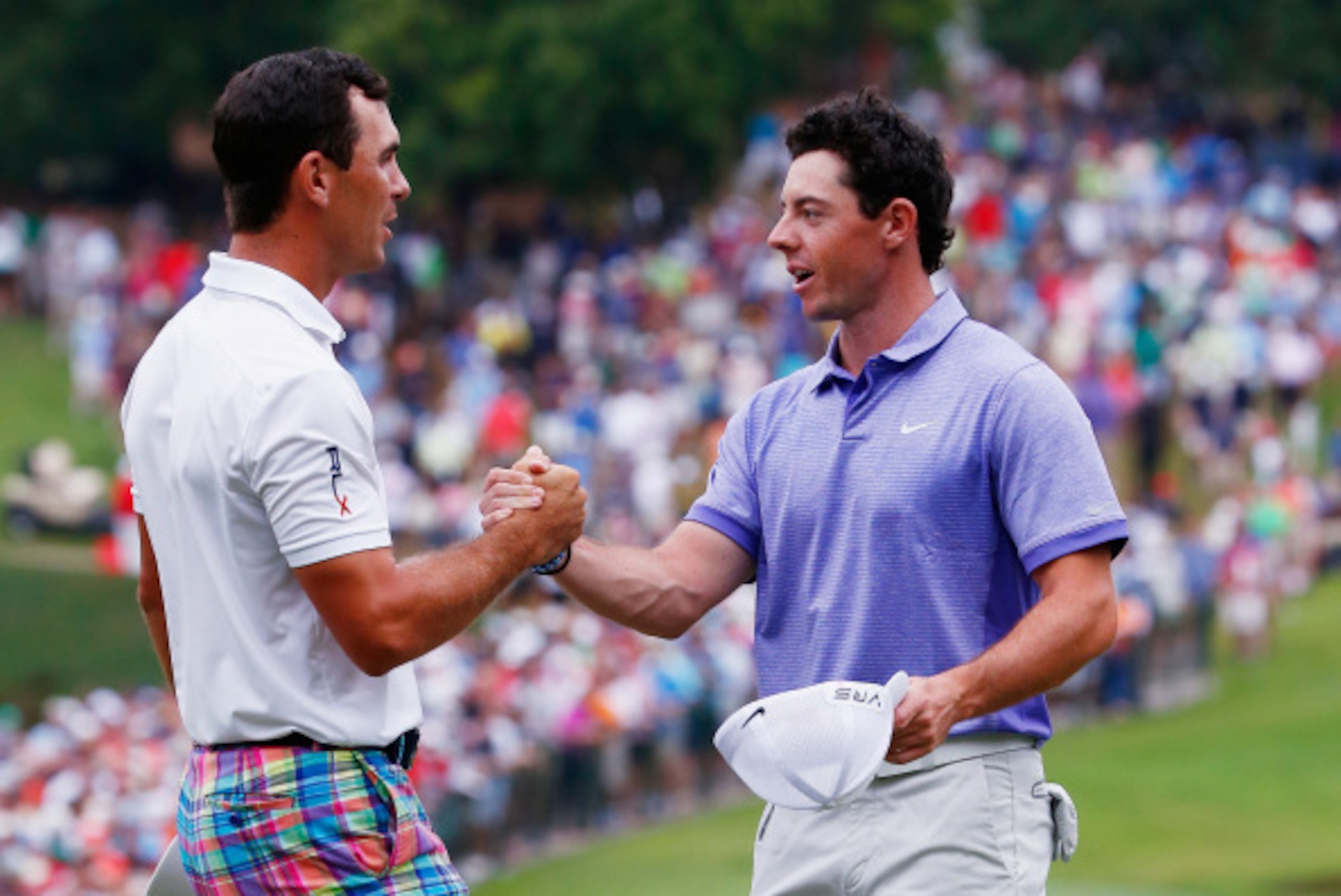
On the other side of the coin, the fact the McIlroy was still right in the mix for the FedEx Cup title last weekend at East Lake despite having finished no better than fifth at any of the three previous playoff events is a perfect example of how players are rewarded in their positioning based on their success during the season.
The FedEx Cup is not and never will be comparable to a major championship. The majority of casual fans will continue to remain far more interested in the start of football season than the PGA Tour Playoffs during September. And there are of course those who had a predefined view of a golf playoff system back in 2007 that will simply never be changed.
However, the FedEx Cup has managed to succeed on two very important fronts.
It has evolved into a series of events that are a close as one could hope to come to a legitimate playoff system in golf. The current FedEx Cup format is certainly not perfect, but then again golf is far different to most team sports and there is no practical way to implement a playoff format that even remotely resembles what we see in sports such as baseball, basketball and football.
The other way in which the Tour has managed to succeed with the FedEx Cup is that despite any misgivings you may have about the format and point system, it is infinitely better than what we had before, which was nothing.
Prior to the FedEx Cup playoffs, the top players in the world would pack their clubs away in mid-August and wouldn’t be seen again until the Ryder Cup in late September. The FedEx Cup provides fans with four additional big-time events after the PGA Championship while also producing some outstanding pairings, as players are grouped in each event based on their point standings.
The FedEx Cup may not have evolved into what the PGA Tour had originally envisioned for its season-ending playoff system, but it is also quite difficult to label it a failure.
The FedEx Cup is here to stay, and it is time that we give credit where credit is due and applaud the PGA Tour for both its willingness to modify the format throughout the years and its fortitude for sticking with a format and idea it truly believed in.
It may not be perfect, but it works.

.jpg?w=2560 "Chiefs Dolphins Football")

.jpg?w=2560 "Love's Body Already 'Tired'")