
Turnberry Tames Whining Tiger
For the first time in over 12 years of watching Tiger Woods play the game of golf better than anyone in the world, I was embarrassed to say I was still pulling for him.
After grimacing and cursing his way around the Alisa Course at Turnberry in Ayrshire, Scotland, Tiger missed the cut for the first time since the 2006 U.S. Open and gave us a glimpse of his 'other' side. Not only does Tiger get upset with himself when he doesn't play well, he sulks and whines his way around a beautiful Scottish course on which the average golfer would give up his first-born child to have a chance to play.
TOP NEWS
.jpg?w=2560 "Saints Lions Football")
Rap: Lions, LaPorta End Contract Talks
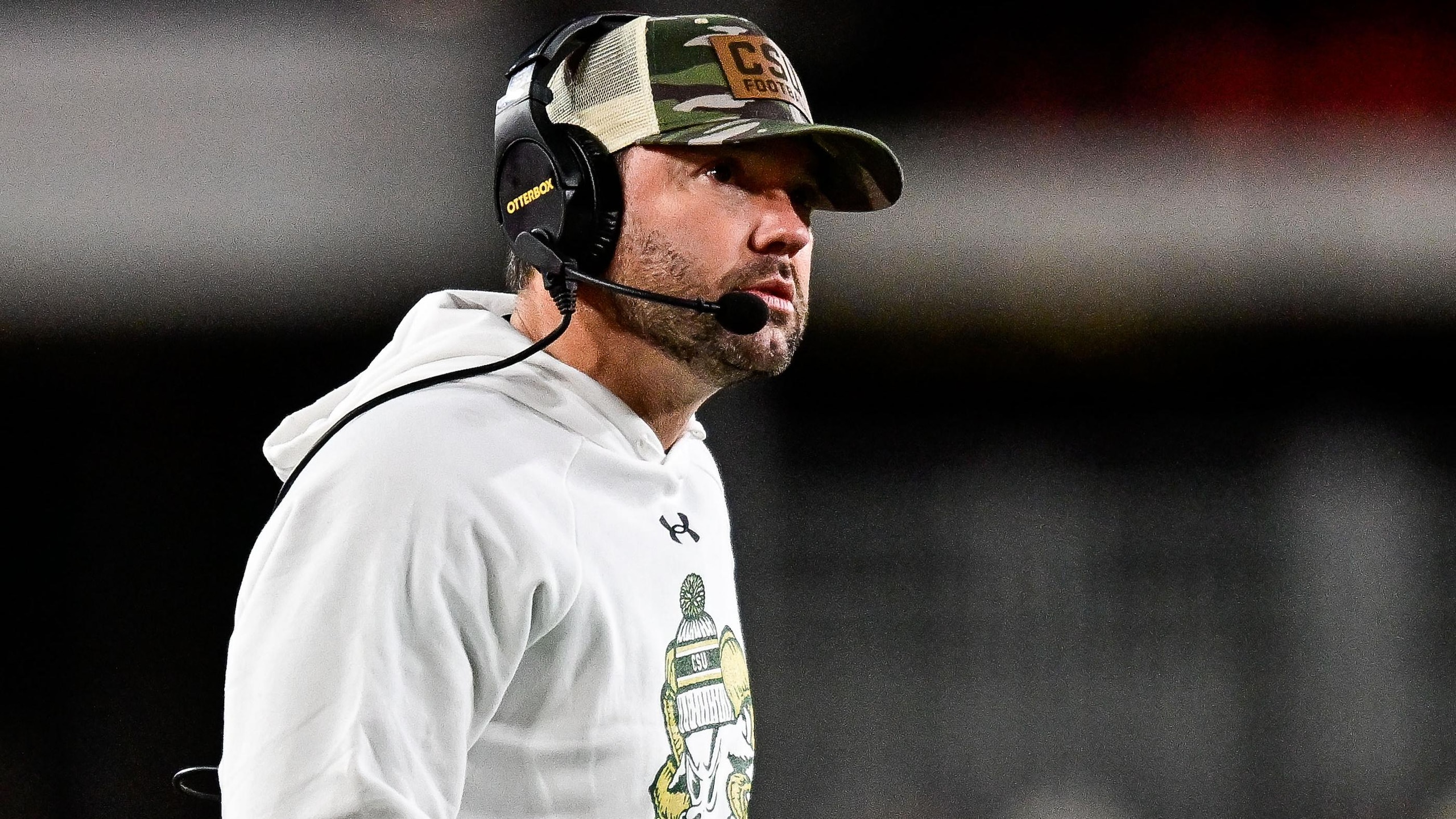
Colorado State DC gets fired mid-game during blowout loss
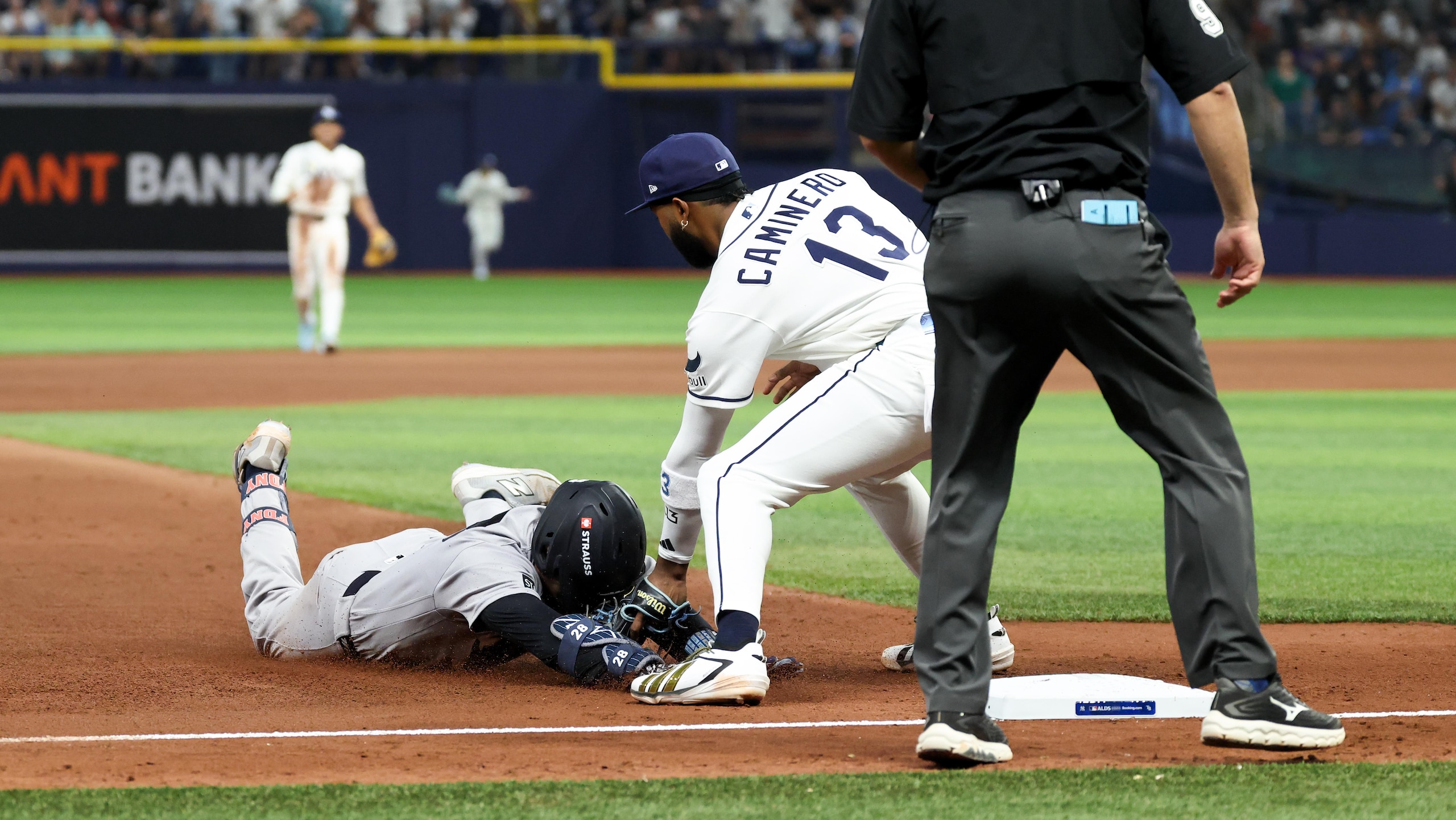
Aaron Boone Calls Out Yankees Catcher 🗣️
It took every ounce of broadcasting energy on the behalf of Ian Baker-Finch and Ernie Johnson to take pity on Woods as he lost control of his tee shots and hacked his way out of the rough. In a six-hole stretch, Tiger was an unimaginable seven strokes over par, with two double bogeys in four holes to start the back nine.
Tiger descended back to earth to play among his mortal peers Friday, but did so literally kicking and screaming.
It's no secret Woods swears on the course. If you listen carefully to a television broadcast you will pick up the occasional expletive, but more often than not you can read his lips as he bemoans a shot that wasn't quite up to his standards. Fans of golf can easily understand and relate to any golfer's frustrations on a course, but like any athlete who transcends his sport, Tiger should be held to a higher standard.
Tiger Woods' actions are carefully watched by millions worldwide, including kids just learning the game wanting to emulate his every move. They strut like Tiger, stare down putts like Tiger, even twirl their club after a particularly great tee shot like Tiger. The problem is when his game goes south, Woods shows those kids how not to act on the golf course and offers no apologies for his behavior.
Arnold Palmer often tells a story about how he learned golf etiquette quickly as a young golfer from his father. Palmer, in an interview with Golf Digest in 2008, recalled the experience.
"In the final of the Western Pennsylvania Junior when I was 17, I let my putter fly over the gallery after missing a short putt. I won the match, but when I got in the car with my parents for the ride home, there were no congratulations, just dead silence. Eventually my father said, 'If I ever see you throw a club again, you will never play in another golf tournament.' That wake-up call stayed with me. I haven't thrown a club since."
For the rest of his career, the "King" endeavored to act like a gentleman while on the golf course.
While Tiger may have already eclipsed Palmer in the record books, he certainly has not out-classed the old veteran and could learn a few things from Arnie's story. It is well known that Tiger's father, Earl, was instrumental in his development as a golfer, teaching him the fundamentals of ball striking and putting.
Earl Woods also taught Tiger the mental aspects of the game, transforming a talented young player into a focused and determined phenom who will someday be considered the greatest golfer ever.
Unfortunately, Mr. Earl Woods did not instill a strong enough sense of etiquette and conduct like Mr. and Mrs. Deacon Palmer were able to impart on young Arnold. Tiger may take issue with that statement, but the highlights do not lie.
When Woods is playing well, he struts about the course as if he is unbeatable, and typically is. However, once the putter loses some magic and his driver pushes a couple balls into the rough, the champ starts to pout like the mean kid on the playground who met a bigger bully.
For the final two hours of his round Friday, Woods walked the fairways (and rough) of Turnberry with his hands thrust deep into his pockets and his chin tucked deep into his chest, stewing and simmering after every wayward shot. Even when his ball found the green, it wasn't good enough unless it was mere feet from the hole or spinning as if it were on a string.
It's no small wonder Tiger Woods missed the cut at the 2009 Open Championship. If Tiger misses more weekends and continues to falter at majors, one might point to his lack of enthusiasm for the game and genuine enjoyment of the sport he supposedly loves.
Tiger Woods plays a game for a living, and is rewarded handsomely for it. Everyone remembers a younger, leaner Tiger flashing a smile after a monstrous drive or unashamedly pumping a trademark fist in the air following a fifty-foot birdie putt to win a tournament. These days the smiles are replaced with over-confident stares and unsatisfying tips of his cap.
For Tiger to return to the winner's podium at major championships, he will have to start enjoying himself more, control his temper and smile after making a long putt. He might want to spend this weekend watching Tom Watson.
At 59 years of age, Watson's face is the picture of exuberance as he is once again in contention at a British Open. Watson endured his share of struggles early in his second round, but chose to enjoy the ride and not curse his luck.
Perhaps missing this cut will teach Tiger a lesson every amateur golfer already knows. Golf is a game you can never beat. You can always score lower, drive the ball farther and putt smoother. When the game starts to beat you, and it always will, you need to enjoy the experience and hope for the best.
When golf becomes work, it ceases to be fun and today, Tiger Woods isn't smiling.
.jpg?w=2560 "Vikings Buccaneers Football")
.jpg?w=2560 "EVERY Fantasy Football Update")
_0.png?w=2560 "Week 5 Winners & Losers 📊")

.jpg?w=2560 "Commanders May Change Logo 👀")