

Tottenham Can Learn from the Underdog Mentality Perfected by Atletico Madrid
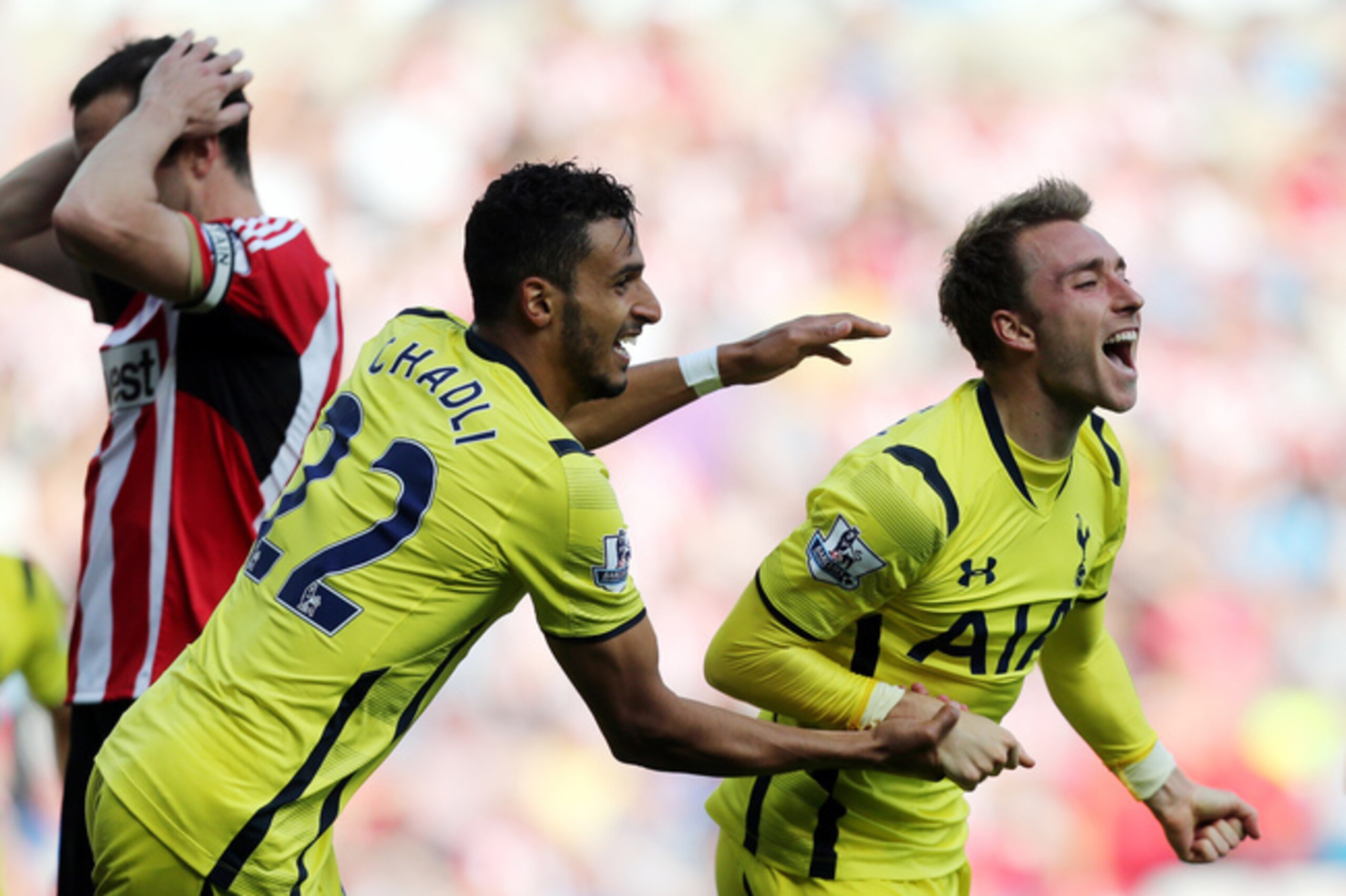
Tottenham Hotspur's 2-2 draw with Sunderland on Saturday spoke well of the "attacking football" Mauricio Pochettino has striven to implement since his appointment as head coach.
The fluidity of Tottenham's passing was spellbinding at times, augmented by moments of individual panache and line-breaking speed. Yet, for all the positives of their play, they were unable to kill Sunderland off and ultimately dropped points.
TOP NEWS
Highlights and Viral Moments 🍿

Final Men's Ballon d'Or Rankings 📊

Carrick Replacement Options 📝
Spurs' attempts to become a successful and entertaining team under Pochettino will require several things coming to fruition on the pitch (the Argentinian alluded to a killer instinct as one in post-Sunderland comments to his club's official website).
One aspect that may serve them well as they form their identity under their new boss is a regaining of the underdog mentality that initially helped move them towards their current standing as a top-four-bothering club, just under a decade ago.
The north Londoners' qualification for the Champions League in 2010-11 brought with it an expectation the club should be competing in it—or at least for the right to do so—on a regular basis. It was not unfounded.
Harry Redknapp's team more than held their own in the competition, beating then-holders Internazionale and city rivals AC Milan before Real Madrid knocked them out in the quarter-finals. Spurs missed out on fourth in the Premier League that season but reiterated their credentials in 2011-12.
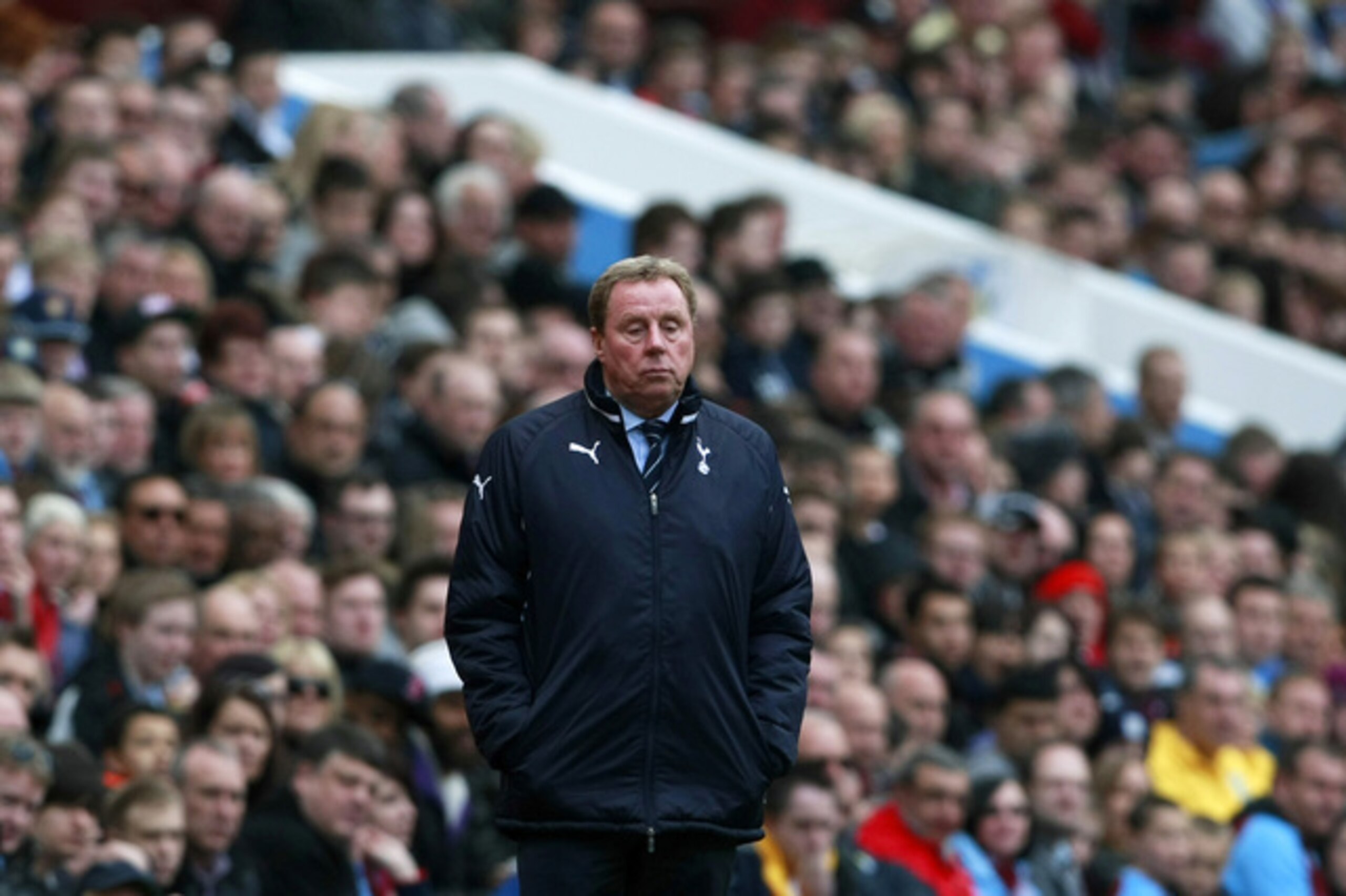
The side of Gareth Bale, Ledley King and Rafael van der Vaart ranged between brilliant and uninspired in a tumultuous campaign marked by major speculation about Redknapp's future (resulting from a prison-threatening court case and the vacant England job).
The team managed to finish fourth but lost out on a Champions League spot after sixth-place Chelsea won the tournament.
Those few years were the pinnacle of Spurs' more recent ambitious form. They have since remained in contention for the top four and have repeatedly qualified for the Europa League, yet the expectation has undoubtedly proved a burden.
Managerial changes and the improvement and resurgence of rivals like Arsenal and Liverpool (typified by Spurs' own struggles against them these last couple of seasons) have seen the previously established momentum pass somewhat.
Supporters and the club's key personnel have adapted to the change in circumstances to an extent, but pressure-raising lofty aspirations remain.
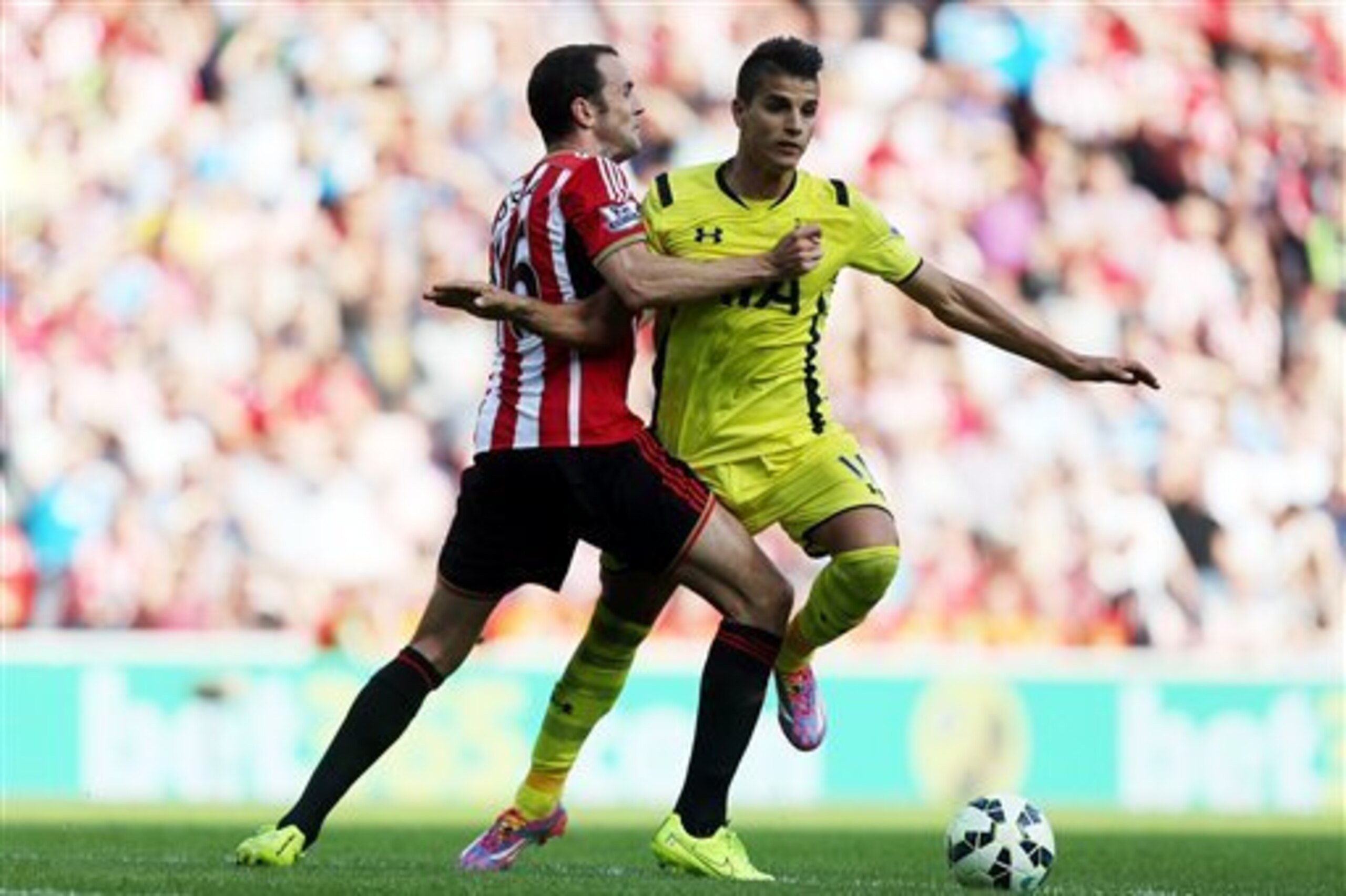
The fact is Tottenham are a good football team with talent the envy of the division. Opponents like Sunderland, this past Saturday, see the expensively assembled likes of Emmanuel Adebayor, Christian Eriksen and Erik Lamela and gear up to stop them playing. They opt for preservation, at least until the game shifts sufficiently for them to push forward more themselves.
The aforementioned underdog mentality will not automatically negate such an approach. The element of surprise that marked Spurs' emerging young team under Martin Jol, and also in Redknapp's first two seasons, has gone.
However, in their own minds, Pochettino's current side could still benefit from the re-installation of an all-encompassing desire and urgency to prove themselves no matter the opponent or competition, rather than just attempting to match the expectations that surround them.
The shining example of this in European football right now is Atletico Madrid.
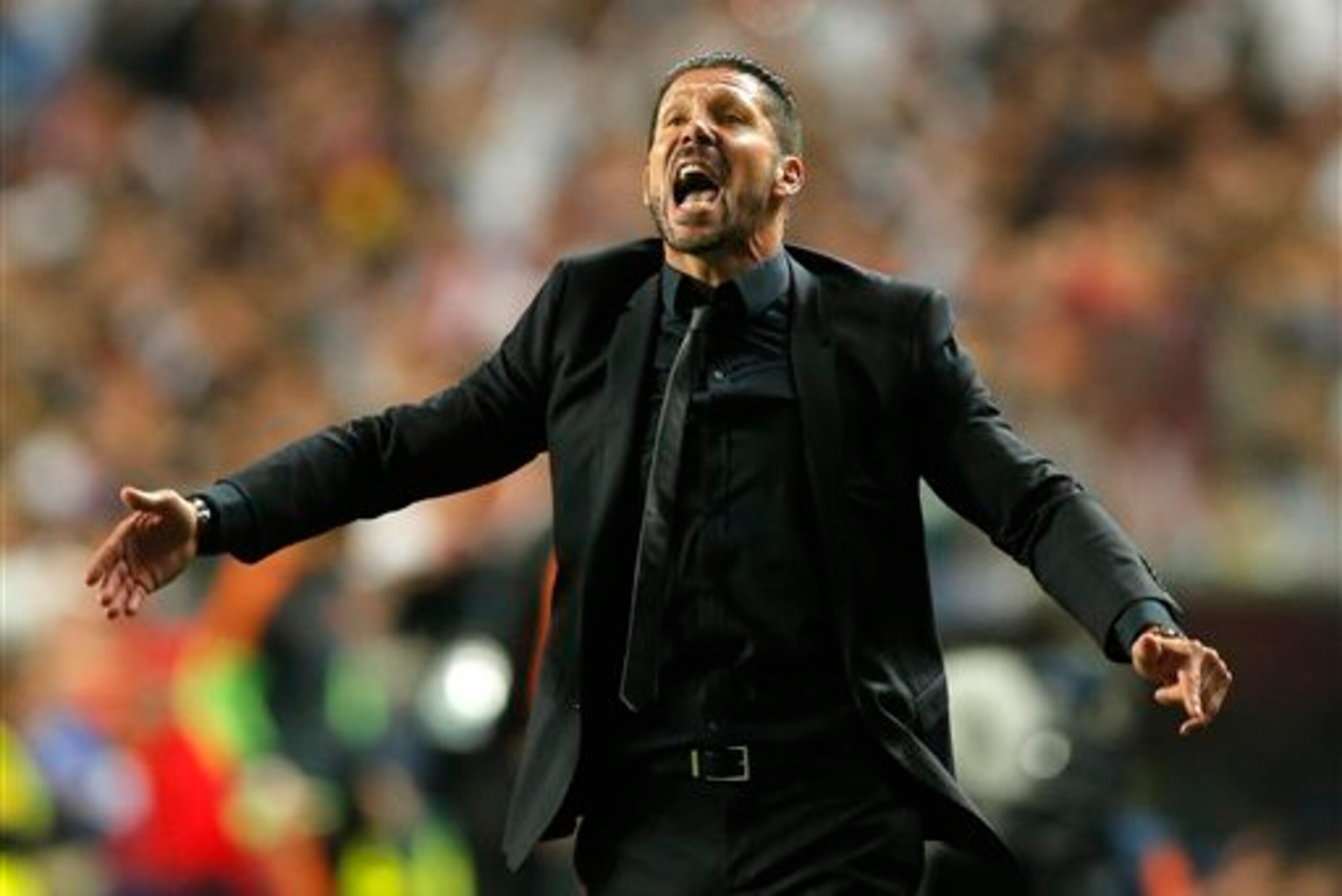
Under the angry young man of top-level coaching, Diego Simeone, the Spanish side have won the Europa League and Copa del Rey, before last season they broke Barcelona and Real Madrid's decade-long stranglehold to win La Liga.
They are part of the elite, the establishment even, yet Simeone appears to again this season have maintained the "us against the world" mentality that partially inspired those successes (Los Rojiblancos have twice beaten their Champions League final conquerors Real already this season).
The double-edged sword of their current status was referred to in the headline for Sid Lowe's season-preview in The Guardian: "Atletico Madrid both champions and underdogs." That last word is still used a lot with the title-holders.

Obviously Tottenham are not in the exact same situation as Atletico. Strategically, Pochettino subscribes to a different footballing ideal to his compatriot Simeone—ESPN FC's Michael Cox pinpointed Stoke City's recent win over Manchester City as a performance that "perhaps, was the first major victory that felt inspired by Atletico's 2013-14 title-winning campaign."
The Premier League is even more top-heavy than La Liga, too (at least in numbers, if not overall quality), making an Atletico-like infiltration difficult. There is a fine line between Simeone's use of the intangible and what he actually demands of his players.
For the Daily Mail last April, Pete Jenson quoted a stirring example of the former from the Argentinian to his club's fans:
"Forget the colour of the shirt of the opposition, we need them to get behind us as much against the small teams as the big teams. No-one sleeps and no-one eats until they turn the lights out on us. We have to stay together.
"
Jenson then contrasted it with an excerpt from a radio interview Diego Simeone gave to Onda Cero at the time:
"It’s not about motivation. Because what is motivation? It’s making them have the will to win and top players already have that. What you need to give them is the instructions that they can use out on the pitch that will help them win.
"
Spurs cannot hope to get anywhere near Atletico's success without continued work to improve their performances. Still, these efforts could be aided by establishing a similar mental approach, engineering a fighting spirit they can call on and the fans can feed off.

Simeone is undoubtedly a unique character, as fiery a personality as he is an intelligent coach. Pochettino is his own man, so it would be worrying to see him attempting to become the Premier League's own man in black.
His attempt to implement his oft-cited footballing philosophy might only take his team so far without the right attitude to back it, though.
With a range of opponents coming up in the next fortnight—from Partizan Belgrade to a north London derby with Arsenal—we have ample opportunity to further get to know the character of Pochettino's Tottenham, and where it might need to improve.

.jpg?w=2560 "Chiefs Giants Football")
.jpg?w=2560 "Rodgers Iced Out on Plane 💎")
.jpg?w=2560 "🚨 Week 8 AP Top 25 Poll")


.jpg?w=2560 "Lamar Being Out Shocked Ravens")
.jpg?w=2560 "Raiders Could Start Mendoza")