Breaking Down the Falling Out Between Michael Clarke and Darren Lehmann
Michael Clarke and Darren Lehmann are very different, both as cricketers and as men.
From their contrasting fortunes as players at the hands of national selectors, to their respective lifestyles in the public eye and their manner and choice of words, Australia's current captain and coach share few similarities.
But since coming together after Mickey Arthur's sacking prior to the 2013 Ashes series, they've each served a purpose to one another, forming a bond that has stood as a cornerstone in Australia's recent renaissance.
.jpg?w=2560 "Commanders Eagles Football")


Behind the confident, well-spoken captain, who's risen to prominence with his irrepressible talent and flashy tendencies, has been a rugged, no-nonsense and throwback coach—their contrariety balancing their strengths, mixing modern and traditional qualities to help Australia rediscover their identity.

The pair's burgeoning relationship appears to have stumbled into its first difficulty, though.
In the wake of Australia's shock defeat to Zimbabwe in the recently concluded triangular series, Clarke made clear his unhappiness in the exclusion of Steve Smith for the encounter with the African side.
"It was disappointing he wasn't out there to combat those conditions," Clarke said of Smith after the match, per The Telegraph.
Prior to the series, both Clarke and Lehmann had insisted that "the best XI" would be selected for each contest, amid suggestions that Australia might look to use their Zimbabwean campaign to experiment ahead of next year's World Cup. The deviation from that plan at the selection table has perhaps added to the captain's frustration.

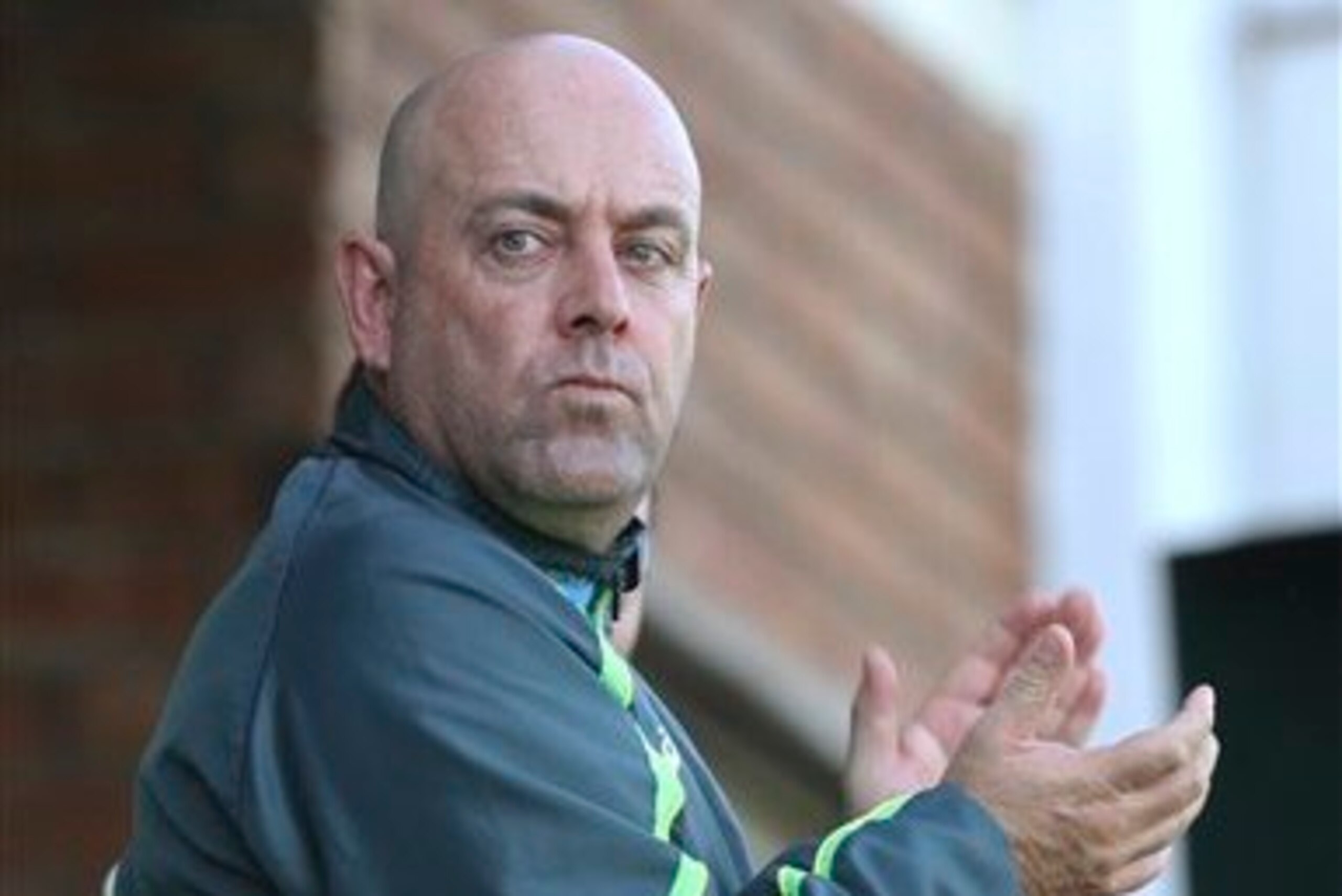
Lehmann, an old-school thinker whose character stems from a past era, quickly expressed his disappointment over Clarke's comment.
"I would rather our conversations stay out of the media," the Australian coach said when pressed on the captain's criticism.
And while he denied a falling out between him and Clarke over selection, saying "You just chat about the side the selectors and the captain wants and that's what you do," Lehmann reinforced that such discussions should be kept behind closed doors: "But again that's staying well between the captain and the selectors."
One senses that Clarke, having begun his career with the great Australian side of a decade ago before ascending to leadership in more troubled times, is strongly opposed to any sort of rotation policy.
"As I have always said, my goal as captain of Australia is to win every game," the 33-year-old said at Sydney Airport, per news.com.au, after leaving the Zimbabwe tour early with a hamstring injury.
Clarke witnessed first-hand how the team's form and unity evaporated during Arthur's tenure, a period which saw the South African implement a high-performance approach to selection that resulted in regular rotations. That will have stood in stark contrast to the essence of the Australian side that greeted Clarke on his arrival to the international stage, when cricket's dominant force thrived with a team that essentially picked itself without interruption.
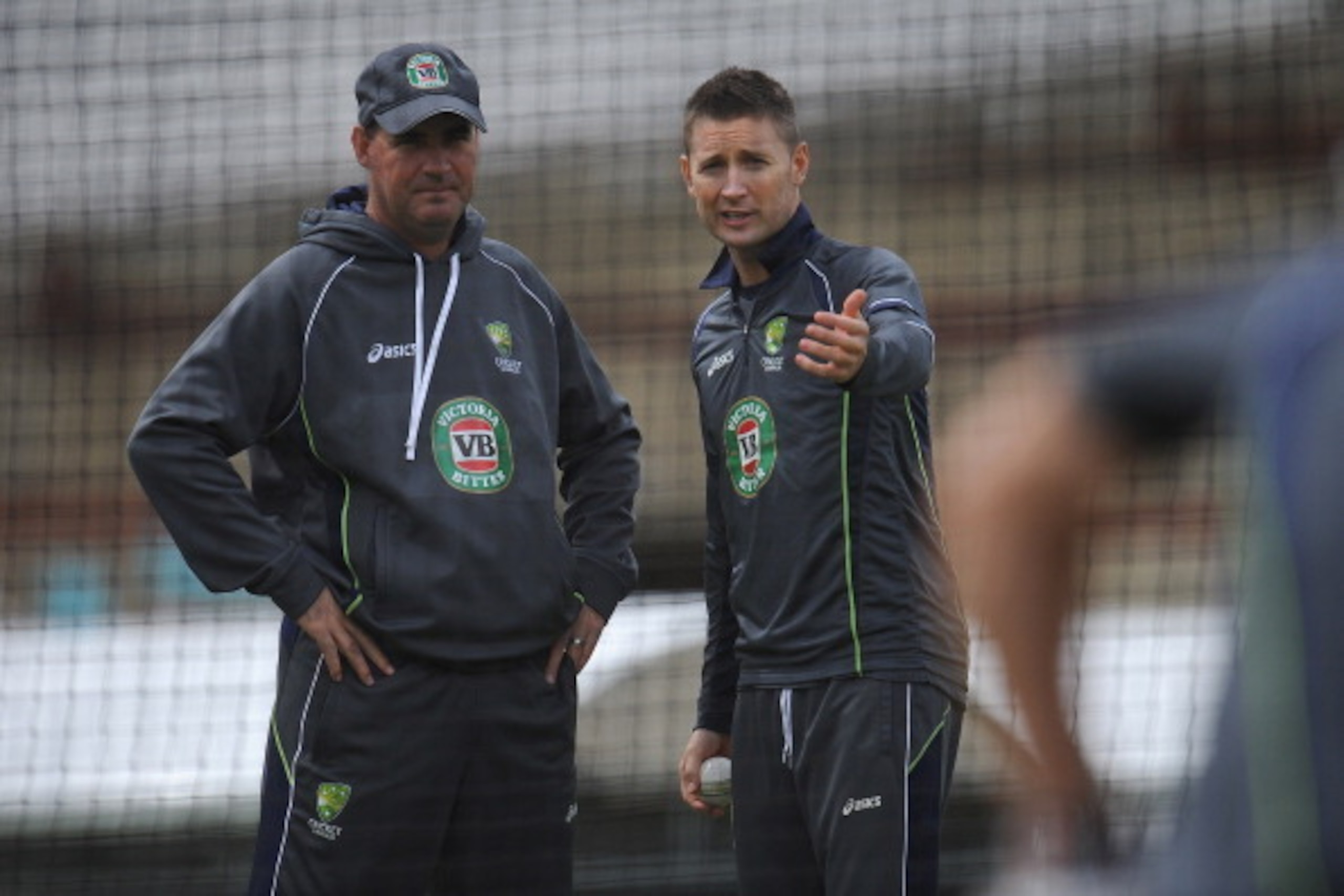
Clarke, therefore, was unwilling to back down from his criticism after returning to Australia, objecting to Lehmann's call for public silence, clearly in the belief that regular tinkering with the side will prove detrimental to performance.
"That's Boof's [Lehmann's] opinion," Clarke said when asked of the coach's disappointment regarding his initial comment.
"I have always been open and honest to the media and that's not going to change," he added, with more than a little touch of defiance.

Last year, it was Clarke's resignation from his place on the selection panel that was intended to quell the tension in the Australian dressing room.
It had been thought that the captain's position as a selector had driven a wedge between him and his teammates, the pervading view being that players feared for their place in the side if they put a foot wrong with Clarke.
But while that move has alleviated disquiet between the players, it seems Clarke's absence from the selection table has now pitted him against the team's management.
And while Lehmann has acknowledged that "there's a natural friction that exists" between the captain and the selectors, it appears that Clarke is deeply unsatisfied with his inability to influence the composition of his side.
Having spent the bulk of his career battling his own body, Clarke now looks to have another fight on his hands—one that could hold repercussions for Australia as they attempt to reclaim their World Cup crown.

.jpg?w=2560 "Chiefs Dolphins Football")

.jpg?w=2560 "Love's Body Already 'Tired'")

.jpg?w=2560 "Injury-stricken Seahawks signing veteran RB")