With shortstops in the bag, the B/R MLB 500 will now wrap up its trip around the infield at the hot corner.
Third basemen will be scored as such: 30 points for Hitting, 30 points for Power, 15 points for Baserunning and 25 points for Defense, for a total of 100 points.
The Hitting category involves not only looking at how good guys are at putting the bat on the ball and how they hit the ball, but also things like patience and plate discipline.
The Power category is not so much about raw power. It's more of a look at how much power guys have in actual games, which involves looking into how they tap into their power for extra-base hits.
The Baserunning category could be complicated, but we're going to keep it simple by focusing on how good guys are at stealing bases, taking extra bases and avoiding outs on the bases.
For Defense, various amounts of attention will be paid to the various things that make a good third baseman: sure-handedness, arm strength, reaction time, range, etc.
One thing we're not doing this year is a category for health. Rather than handle them separately, any health concerns we have will be applied to a specific category that could be impacted.
Please note that a score in the middle (i.e., 15/30 or 12/25) denotes average, not failing. And while the discussion will be centered on 2014, we also have one eye on 2015. Part of that includes B/R prospect guru Mike Rosenbaum providing some scores and scouting reports for some MLB-ready third basemen.
Lastly, any ties will be resolved with the following question: "If we could pick only one, who would it be?"
When you're ready, you can read on.
A Note on Links and Sources
1 of 36
Before we begin, there are some things you should know about the links and stats that lie ahead.
The most important thing is that CLICKING ON THE LINKS IS NOT MANDATORY. The links are there in case you're curious where a given point (or points) is coming from.
They're not from the same place. The links will take you to Baseball-Reference.com, FanGraphs.com, BrooksBaseball.net, BaseballSavant.com and BaseballProspectus.com. All have different data to offer, the combination of which was the backbone for the research of this project.
However, just because this project was heavily informed by stats doesn't mean you're about to be hit over the head with sabermetric jargon in this space. There are really only a couple of terms to know.
One is XBT%. That stands for "extra bases taken percentage," and it's Baseball-Reference.com's way of tracking how often players advance more than one base on singles and doubles. It's a crude way to get a picture of aggressiveness, and you'll have to pardon us for being a day behind on the percentages, but it'll have to do.
I'm also going to repeatedly refer to "the defensive metrics." This means ultimate zone rating (UZR) and defensive runs saved (DRS), which are both tracked by FanGraphs. They go about it differently, but the idea behind both is to evaluate how good players are on defense.
35. David Freese, Los Angeles Angels
2 of 36
Hitting
Freese’s approach at the dish has hardly gotten out of control, and he’s boosted his line-drive rate mainly by making plenty of good contact against hard and breaking pitches. He's also whiffing more on hard and off-speed pitches, however. That and his quickly declining average against 90-plus heat make you wonder if he’s trying too much to speed up a bat that’s slowing down with his age-32 season due up.
Power
Freese’s power fell off in a big way in 2013, and it hasn’t recovered. Some of this is owed to how he overwhelmingly favors line drives and ground balls instead of fly balls, but he’s also not doing himself any favors by hitting liners and flies to his pull side so infrequently. His main power alley is up the middle. That’s a tough place to hit for power consistently, especially at the Big A.
Baserunning
It’s good that Freese’s XBT% is on the way up, going from 29 percent in 2012 to 36 last year to 41 this year. But that only does so much to make up for a lack of steals, and he’s also run into more outs at second and third this year than he ever had before. And at his age, improvement isn’t likely.
Defense
After rating him as a disaster at third base in 2013, at least one of the defensive metrics isn't sold that Freese is much better in 2014. That he’s at least been able to field the ball better is progress, but he still has limited range that stems mainly from an at-times painfully slow first step. Factor in a non-elite arm, and you have a below-average package at third.
Total
If for no other reason than his defense has been more mistake-free, Freese is having a better season than the one he had in St. Louis a year ago. But with a bat and power that aren’t as strong as they once were, he’s really not much more than a warm body to put at third base.
34. Chris Johnson, Atlanta Braves
3 of 36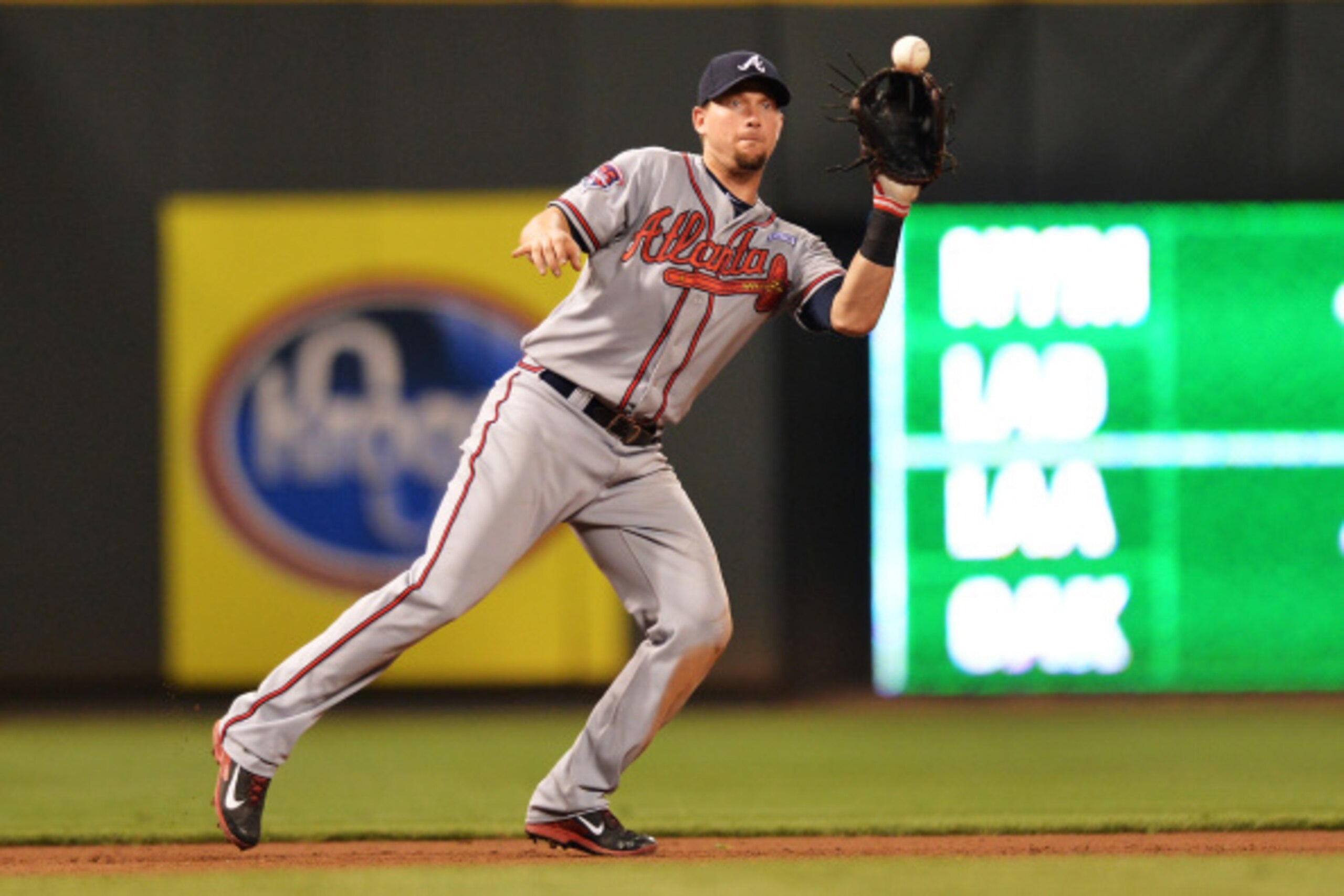
Hitting
Johnson has gone back to being his bad old self. He’s swinging at everything, oftentimes expanding the zone to do so. This has helped kill what was already a subpar walk rate, and has made him even more susceptible to whiffs. The good news? Johnson is still a very strong line-drive hitter, allowing him to keep his average on balls in play afloat. Without that, he’d be doomed.
Power
Though his raw power to left and center isn’t bad, Johnson doesn’t hit enough fly balls to be a real home run threat. He’s better off boosting his power production with doubles, which he’s fortunately not bad at getting. Trouble is, we probably saw the best of his doubles power last season, as he had a high line-drive rate to right field that he hadn’t teased before and isn’t duplicating now.
Baserunning
With power harder to come by, give Johnson credit for getting back to stealing bases. This marks two seasons in the last three that he’s stolen at least five bags with good efficiency, which is good enough for a third baseman. It’s too bad he hasn’t also upped his aggressiveness taking extra bases, posting a 36 XBT% that’s very much in line with his career norm.
Defense
The defensive metrics are once again viewing Johnson as a subpar defender, but the one that has him closer to average is the one doing him proper justice. At the least, he deserves credit for cleaning up his problem with errors. Sure-handedness without range is only worth so much, however, and a slow first step and inconsistent footwork keep Johnson’s range to a minimum.
Total
Johnson has gotten better at two things he was weak at in 2013: baserunning and defense. But it was his hitting that earned him attention, and that’s taken a big step back thanks to too much wild swinging and lesser power.


33. Garin Cecchini, Boston Red Sox (Prospect)
4 of 36
Hitting
Cecchini possesses above-average bat speed and superb bat-to-ball ability that drives his potential for an above-average-to-plus hit tool at maturity. He’s also an incredibly patient hitter who consistently works deep counts, evidenced by his 12.9 percent walk rate and .396 on-base percentage over four minor league seasons.
Power
The left-handed hitter features a compact swing that yields consistent, hard contact to all fields, and he shows present gap power that could evolve into more usable in-game power in the big leagues. However, with a career .135 ISO, there are questions whether he has enough power to hold down the hot corner at the highest level.
Baserunning
Baserunning has and will always be one of Cecchini’s strengths, as he gets excellent reads and jumps on balls in play and always looks to take an extra base. His once league-leading stolen base totals have come down in the high minors, but he possesses the instincts and aptitude to swipe at least 12-15 over a full season.
Defense
Cecchini shifted to third base upon turning pro and has continued to make adjustments at the new position. Though he has giving hands and solid defensive actions, his lack of a quick first step limits his range. He makes up for some of the shortcomings with solid body control and a strong, accurate arm.
Total
Cecchini’s lack of power isn’t a clean fit at the hot corner—which is why he’s also seen time in left field this season—but he has the tools and offensive skills to be a solid big leaguer. He’s blocked at the position with the Red Sox, so it wouldn’t be surprising if the 23-year-old were dangled as trade bait this offseason.
32. Nick Castellanos, Detroit Tigers
5 of 36
Hitting
For such an aggressive swinger, Castellanos has been decent at keeping his swings in the zone. He’s also shown he can handle inside hard stuff, and he’s hit a ton of line drives. It’s too bad he hasn’t been able to hit slow pitches, has swung and missed too much and has been beaten badly by pitches low and away. He's certainly had his moments here and there, but Castellanos needs a lot of work.
Power
With easily over 60 percent of his batted balls being line drives and fly balls, Castellanos has given himself more than enough chances to hit for power. But just as important is the raw power he’s shown, as he’s demonstrated an ability to drive the ball and pick up extra-base hits to all fields. He’s been cashing in on this power in the second half, and it’s a good bet he’ll continue to do so into 2015.
Baserunning
And now back to things Castellanos needs to work on. His minor league track record never indicated that he was going to be a base stealer, so that he hasn’t been is no big deal. But if you’re going to post just a 29 XBT%, you need to do better at avoiding outs on the bases. Castellanos has done more harm than good with his baserunning, and that needs to change.
Defense
It says a lot when we can sit here and honestly debate where the Tigers would have been better off keeping Miguel Cabrera at third base. The defensive metrics say Castellanos really has been that bad on defense, and not just because he hasn’t had the easiest time fielding the ball. He’s sometimes slow to react, and he has neither the first-step quickness nor the acceleration nor the arm to make up for that.
Total
Castellanos has been humbled in all sorts of ways in his first full season, with his hitting, baserunning and defense all being negative sources of value for the Tigers. But if there’s something to have faith in, it’s his power. It’s better than the results make it look, and should soon be a legit strength.
31. Yangervis Solarte, San Diego Padres
6 of 36
Hitting
We know Solarte has a pretty good approach, with good patience, discipline and a strong contact habit. But we also know that he hasn’t been able to hit breaking balls as squarely as he did in April and May, that he’s a mediocre line-drive hitter in general and that he doesn’t use the opposite field well from either side. He’s a tough hitter to figure, but labeling him as only slightly above average is the way to go.
Power
Because he’s good both at hitting the ball in the air and pulling it from both sides of the dish, Solarte does give himself opportunities to hit for power. But not having any opposite-field power does hurt him, and it’s hard to ignore how his home run power doesn’t extend far beyond either foul pole. Here’s thinking he doesn’t actually have much power to offer in a full-season setting.
Baserunning
Solarte hasn’t dabbled in stolen bases in the majors this year, and he left New York with just a 32 XBT% to his name. That figure has since risen to 50 percent with San Diego, however. It's happened in a small sample size of 42 games, but it will do for a sign that maybe his baserunning can be better in San Diego than it was in New York.
Defense
The Padres have replaced Chase Headley with a guy who the defensive metrics think is at best an average defender at third. Solarte's reaction time and footwork can be iffy, two things they’ll have to focus on fixing if they plan on keeping him at third full time. Even if they do, there’s no fixing the fringy arm he has for third base. As such, it’s a good thing they’ll at least have his versatility if they need it.
Total
Though he’s not an easy hitter to evaluate, there’s enough that says Solarte can hit enough to hold down a job as at least a playable everyday third baseman. But with suspect power and mediocre defense, whether he can be any better than playable is the question.
30. Maikel Franco, Philadelphia Phillies (Prospect)
7 of 36
Hitting
Franco employs an aggressive approach that borders on free-swinging, as the right-handed hitter has posted low strikeouts (14.6 percent) and walk rates (6.3 percent) over five seasons in the minors. His secondary recognition has improved and helped him control the strike zone, but Franco’s average will always be BABIP driven.
Power
A physically strong right-handed hitter, Franco’s strong wrists and plus bat speed allow him to drive the ball with backspin carry, especially to the pull side. His plus raw power could manifest in the form of 25-plus home runs at maturity, though it’d be nice to see his ground-ball rate come down in future seasons.
Baserunning
Franco will be a non-factor on the basepaths, as he’s a below-average runner and likely to lose speed with physical development.
Defense
Franco has decent lateral range at the hot corner to go along with good hands and above-average arm strength, though his lack of mobility and quickness could force a move to first base down the road.
Total
Franco projects as a run-producing, middle-of-the-order third baseman with plus power, but his approach is still a work in progress and will require refinement in future seasons. His contact skills will eventually serve as a strength, but not before he can develop a better feel for the zone and utilize the entire field.
29. D.J. Peterson, Seattle Mariners (Prospect)
8 of 36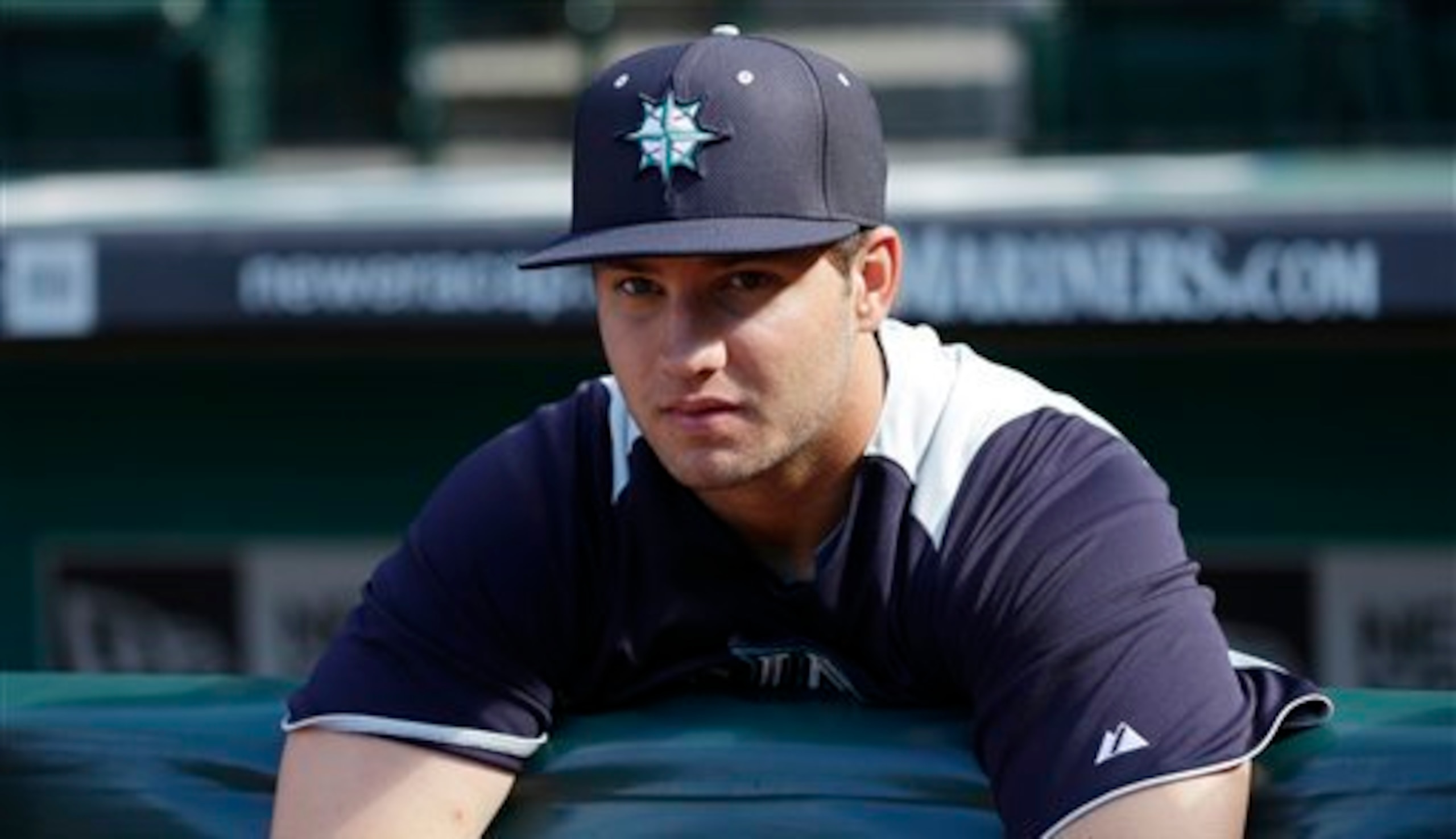
Hitting
Peterson has the potential to be a .270-plus hitter in the major leagues thanks to a combination of bat-to-ball skills and an advanced approach. The right-handed hitter’s swing is compact and powerful, as he attacks the ball throughout the zone and utilizes the entire field.
Power
Peterson projects to hit 22-25 home runs (possibly more) in the major leagues, and he flashed his big-time raw power this season with 31 home runs and 31 doubles in his first full campaign. He has some swing-and-miss to his game that could get in the way, but his contact skills are so good that a 15- to 18-homer floor seems realistic.
Baserunning
Peterson is a good athlete but a below-average runner. He moves well enough to move station to station and steal the occasional base, but don’t expect him to provide positive value on the basepaths.
Defense
Peterson is a third baseman at the present, where he’s an adequate defender with good arm strength and surprising mobility for his size. However, he doesn’t project well physically at the position and therefore could be forced across the infield to first base.
Total
Peterson may not remain at third base long term, but his bat, specifically his potential to hit for both average and power, is good enough to support a move to first base. It shouldn’t be long until the 22-year-old becomes a fixture in the heart of the Mariners’ batting order.
28. Cody Asche, Philadelphia Phillies
9 of 36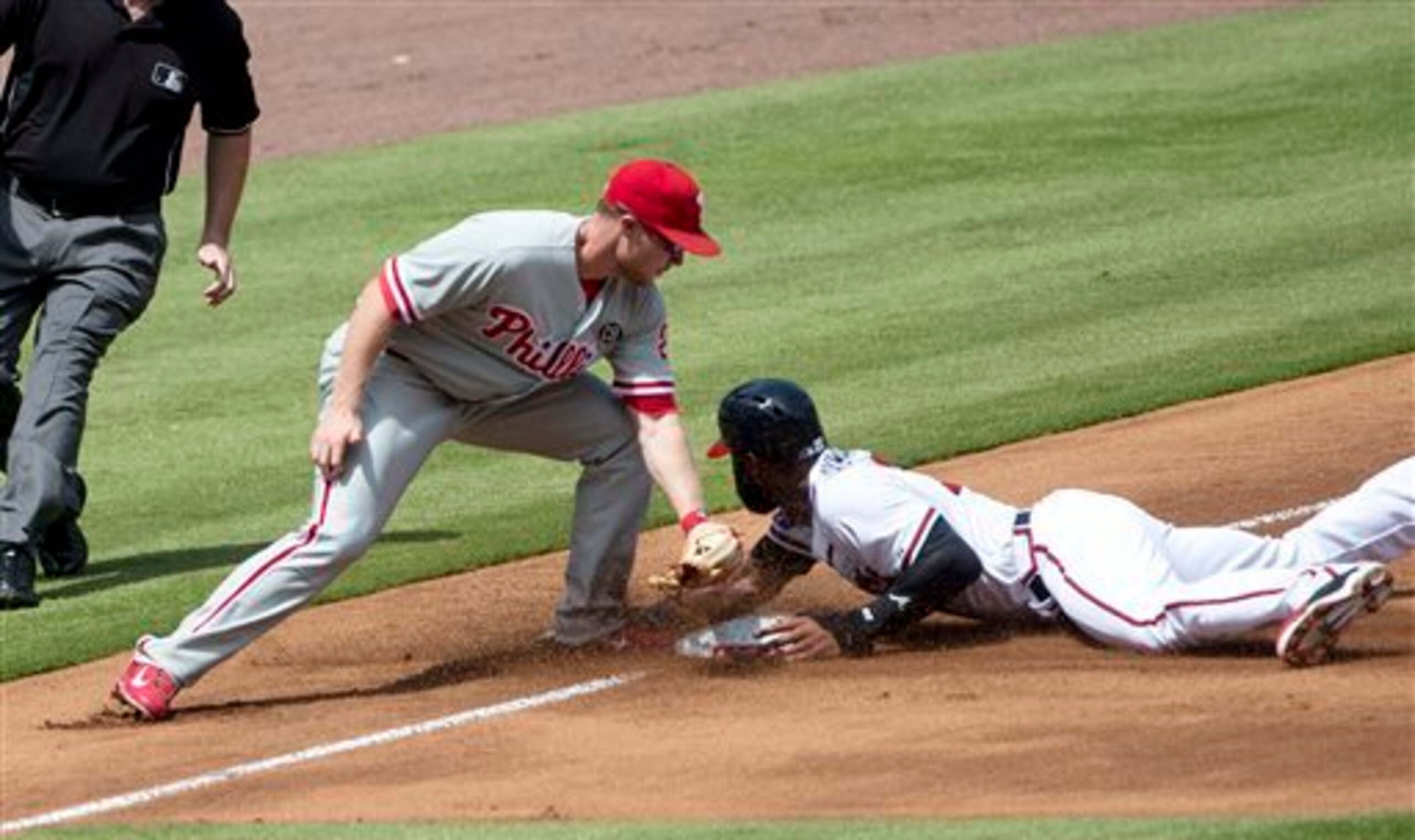
Hitting
Asche has been reasonably patient and disciplined in his first full season, and he probably deserves a better average on balls in play with his strong line-drive and ground-ball rates. But he does have a slight swing-and-miss problem, and one reason he hasn’t crushed right-handers is because he hasn’t had an answer for their breaking stuff. Until he patches up those problems, his bat is going to be lacking.
Power
Though he’s mainly a line-drive/ground-ball hitter, Asche mixes line drives and fly balls well enough to a point where he could be a consistent power source. Part of what’s keeping him from achieving that status is how he can’t hit the ball hard to any place other than his pull side, and even right-center is sort of an iffy area. He can pull enough line drives and fly balls to hit double-digit homers, but that’s about it.
Baserunning
Asche was a double-digit base stealer in the minors, but has yet to do much of anything stealing bases in the majors. This is not to say he’s been a total slug on the bases, however. He had a 50 XBT% in a small sample in 2013, and has done well enough to at least top 40 at 46 percent this year. That’s not good, but at least it’s better than bad.
Defense
The defensive metrics weren’t crazy about Asche’s defense in 2013, and they’re still viewing him as below average in 2014. Errors have been a problem, and there have been times when he’s looked overly cautious. Those days do seem to be over, though. Asche has looked more lively in the second half, showing off good quickness and footwork in making tough plays. The goods are there for a quality defender.
Total
Asche has had to deal with some growing pains in his first full tour through the bigs, showing holes in his bat and limited power. But if it’s the bright side you’re looking for, he hasn’t been totally overmatched at the dish, and we probably haven’t seen his best defense yet.
27. Mike Moustakas, Kansas City Royals
10 of 36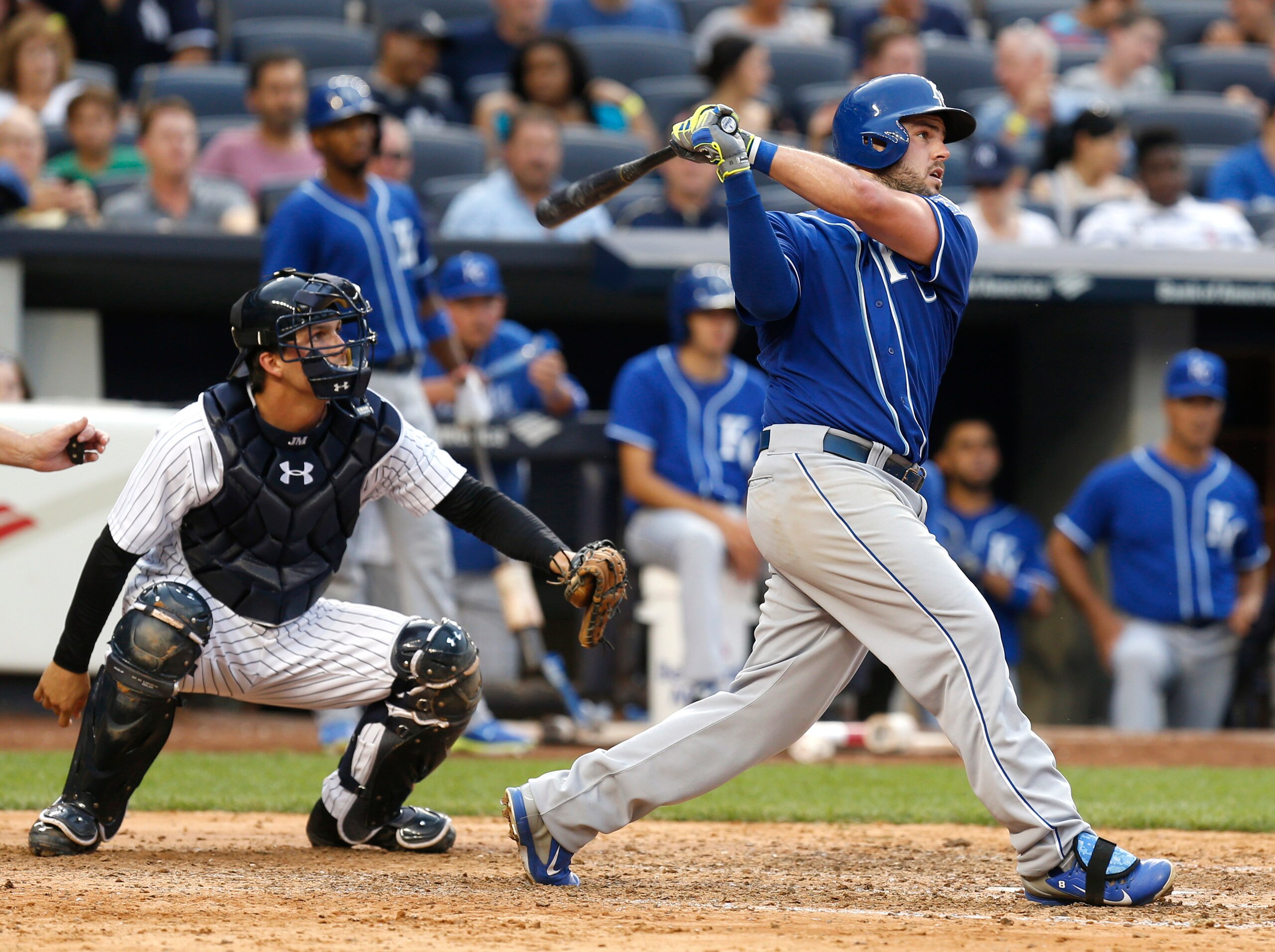
Hitting
Moustakas’ approach could be worse from an aggressiveness and contact standpoint. He’s also getting better at squaring up hard stuff. However, he still basically doesn’t do anything to left field. That’s a numbers-killer. So is his pull tendency on ground balls. That he also has a liking for pop-ups is still another numbers-killer. So, though his approach is fine, his hitting still needs a lot of work.
Power
Moustakas’ fly ball tendency isn’t wasted. This year more than ever, anything he hits in the air to right field is a danger to go. As long as that’s the case, he’s a danger for 20 or so homers. But his inability to use left field puts a cap on his power, and he also hasn’t been especially prolific at hitting line drives and fly balls to right field. He’s gone more to center field, and his power doesn’t play as well in that direction.
Baserunning
Moustakas has quit trying to steal bases. That’s the right idea in light of how infrequently he reaches base. Best not to risk unnecessary outs. The silver lining is that his XBT% has increased every year, with this season’s peak being 37 percent. If he can keep the trend going up, he’ll easily pass muster as at least a solid baserunner.
Defense
The defensive metrics no longer see Moustakas as an elite defender at third. One thing to gripe about is that his funky throwing motion can make his throws to first base adventurous. Another is that it looks like he’s actually lost some first-step quickness, which hasn’t helped his range. He still gets my vote as a good enough third baseman, but there is something to his defense having a down year.
Total
A lot of work needs to be done to get Moustakas’ bat even to the level of passable. Until that work is completed, he’s going to be a frustratingly inconsistent hitter. But because he has some power to offer with at least average defense at third base, Moustakas can be at least a playable regular at the hot corner.
26. Jake Lamb, Arizona Diamondbacks (Prospect)
11 of 36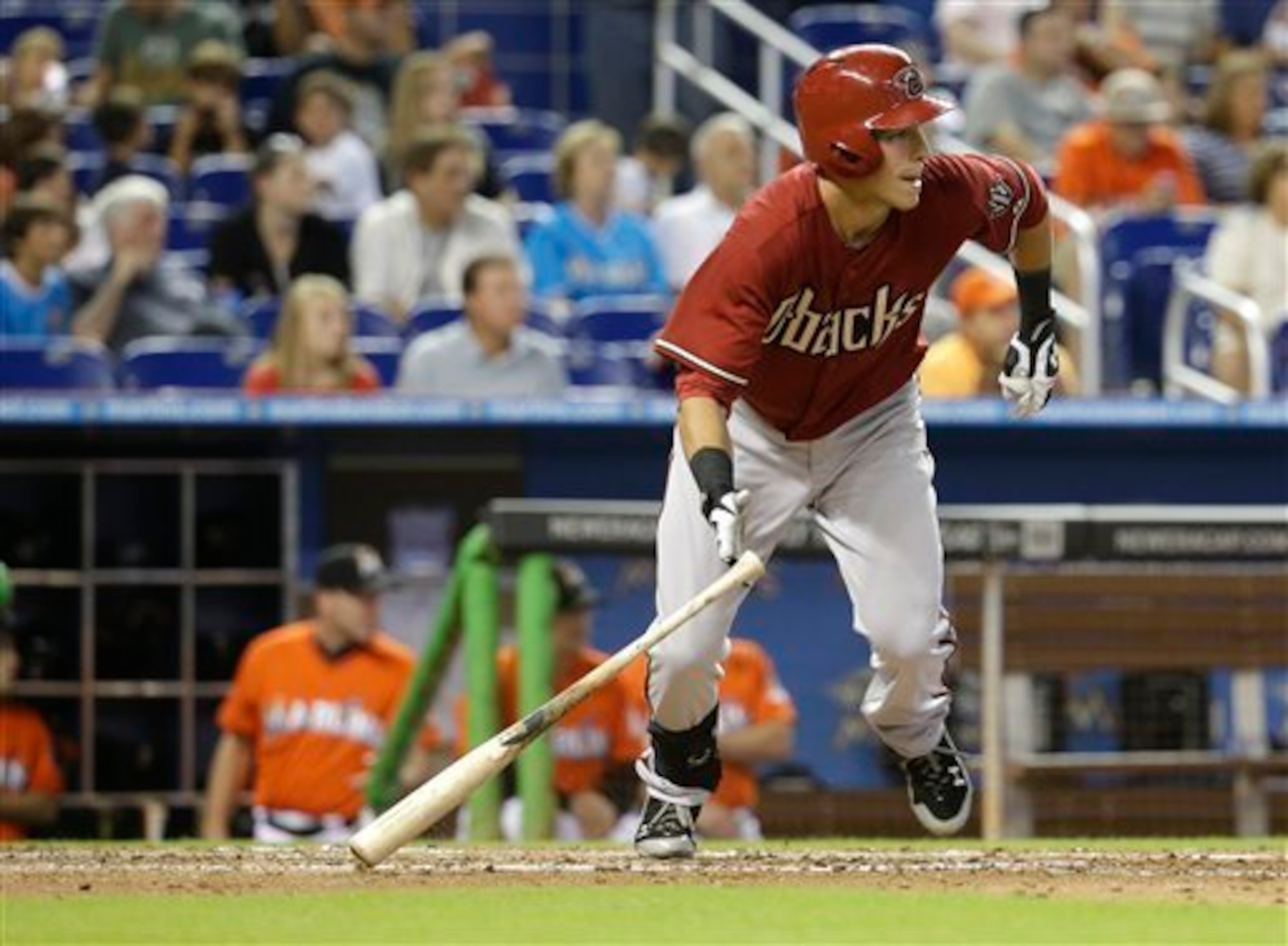
Hitting
Lamb has a smooth and compact left-handed swing, with a mature approach that caters to his strong on-base skills and allows him to drive the ball from line to line. Though he consistently works deep counts and projects for an average-or-better hit tool at maturity, there is some swing-and-miss to his game at the present.
Power
An adjustment to Lamb’s swing this spring has allowed him to create more leverage through the ball and in turn tap into his above-average raw power. He’s been a doubles machine throughout his career, but he started to clear more fences in 2014 and could hit upward of 20 home runs at maturity.
Baserunning
Lamb’s speed is only average the present, but he’s a good athlete who moves well once underway. He’ll never be a base stealer at the highest level but is fast enough to turn some singles into doubles and doubles into triples.
Defense
Lamb is a legitimate plus defender at third base with excellent range, soft hands and above-average arm strength as well as the agility and athleticism to stick at the position long term.
Total
Lamb flies under the radar in terms of third base prospects, but his tools and advanced skills on both sides of the ball have helped him achieve an everyday role in the major leagues. The 23-year-old will go through some growing pains due to his overall lack of professional experience, but he’ll also be given every chance to success as the Diamondbacks’ potential long-term third baseman.
25. Justin Turner, Los Angeles Dodgers
12 of 36
Hitting
Beyond the relatively small sample, much of Turner’s surprising success is owed to a suspiciously high average on ground balls and him capitalizing on mistakes. But give him credit for how he has the approach to work good at-bats and how he’s hit everything hard while maintaining his preference for right field. It’s easy to look locked in over a small sample, but hey, he’s been locked in.
Power
With line drives and ground balls accounting for over 70 percent of his balls in play, Turner’s power potential only goes so high. That his opposite-field approach doesn’t come with power is another holdup. Playing time is yet another. He’s always had pretty solid power to left-center, however, and he’s showing it off again this year. As long as he keeps that power alley, he’ll provide some occasional pop.
Baserunning
Turner showed in 2011 that he could provide some stolen bases with at least semi-regular playing time, and he’s doing it all over again this year. And while his 37 XBT% isn’t great—particularly in how he’s only gone first to third twice in 20 chances—it’ll do well enough for solid. He’s not going to come off the bench and tear up the basepaths, but he won’t slow anybody down either.
Defense
Third base is where Turner’s spent the bulk of his time in 2014, and the defensive metrics have him pegged as at worst average there. That’s fair. You can tell by his footwork that he’s not a natural and he really doesn’t have the arm for third, but his quick reactions and general athleticism help make up for those shortcomings. Add in his versatility, and you get a good defensive asset.
Total
Yes, Turner’s production this season is too good to be true. But he does deserve credit for how it hasn’t happened entirely by accident, and that he can play a solid third base is just part of his overall defensive versatility.
24. Casey McGehee, Miami Marlins
13 of 36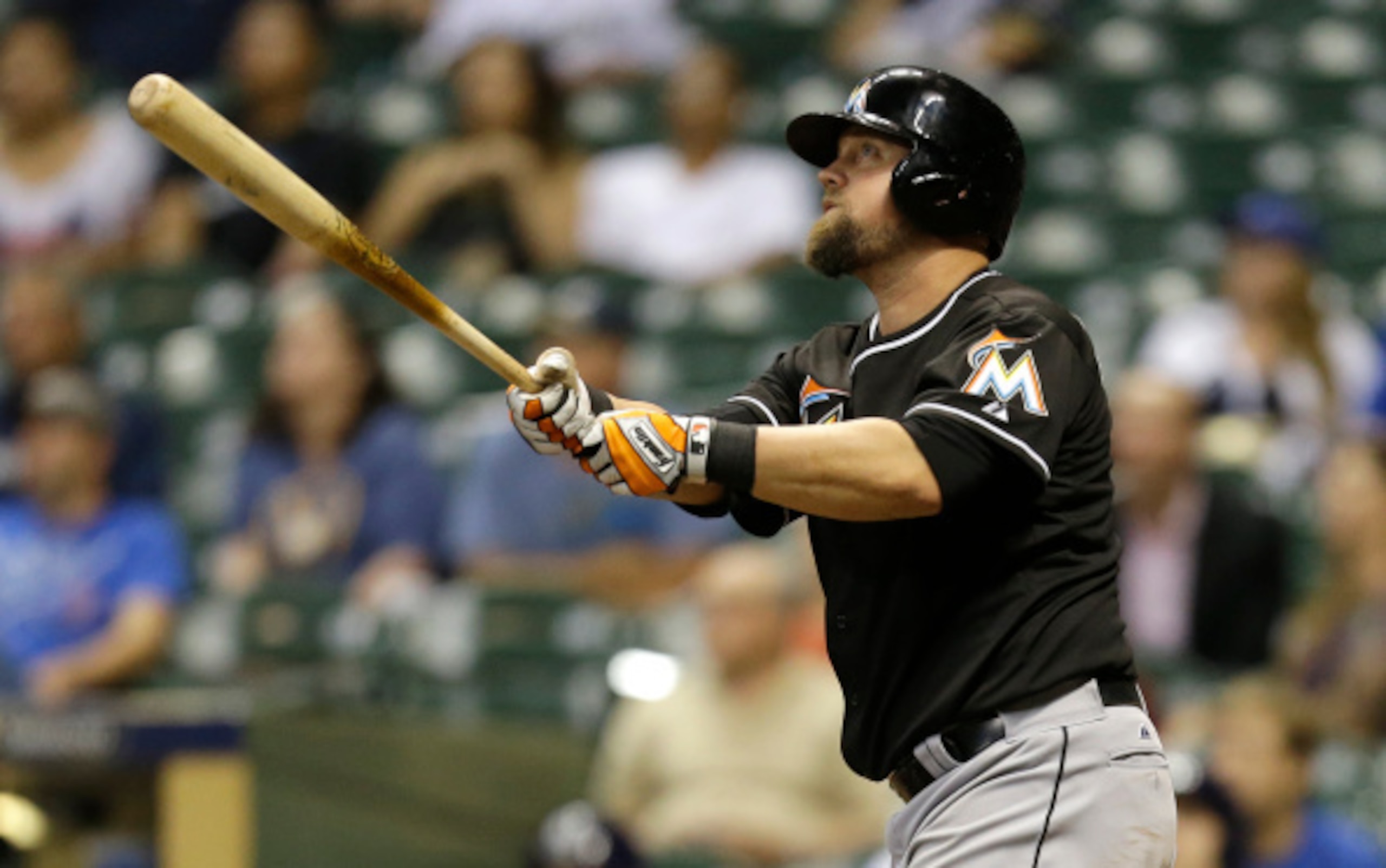
Hitting
The McGehee of 2014 is even more disciplined than the one we saw in 2012, and a better contact and line-drive hitter to boot. That he’s slowed down in the second half is no fluke, though. He’s pretty good at spreading them around, but too much of his first-half success was built on an unsustainable average on ground balls. Since he’s an extreme ground-ball hitter, he’s prone to such fluctuation.
Power
That McGehee’s had hardly any home run power isn’t surprising knowing how much he’s favored ground balls. He’s also nearing his 32nd birthday, so a return to the 20-homer power he once had isn’t happening. He at least still has doubles power, however, and his good bat control allows him to apply it to basically any corner of the outfield. That’s not a bad way to go about business at Marlins Park.
Baserunning
Nobody’s going to mistake McGehee for Rickey Henderson any time soon, nor should they. But he’s less of a liability on the bases than you might think. He does have a few steals this year, and his 37 XBT% is above his career rate of 32 percent. It’s doubtful that he can repeat this looking ahead to his age-32 season, but it’ll do for a sign that he’s hardly lifeless on the basepaths.
Defense
The defensive metrics have frowned on McGehee’s defense for much of his career, and are doing so once again this year. He may be more sure-handed than he used to be, but he’s relatively weak-armed and too slow out of his stance to offer much range. Living with him means living with at best passable defense at third base.
Total
McGehee was one of the pleasant surprises of the first half of the season, going into the All-Star Game with a .319 average. But while his approach to hitting is sound, that average was built too much on good luck. And aside from that, McGee offers subpar power, baserunning and defense.
23. Martin Prado, New York Yankees
14 of 36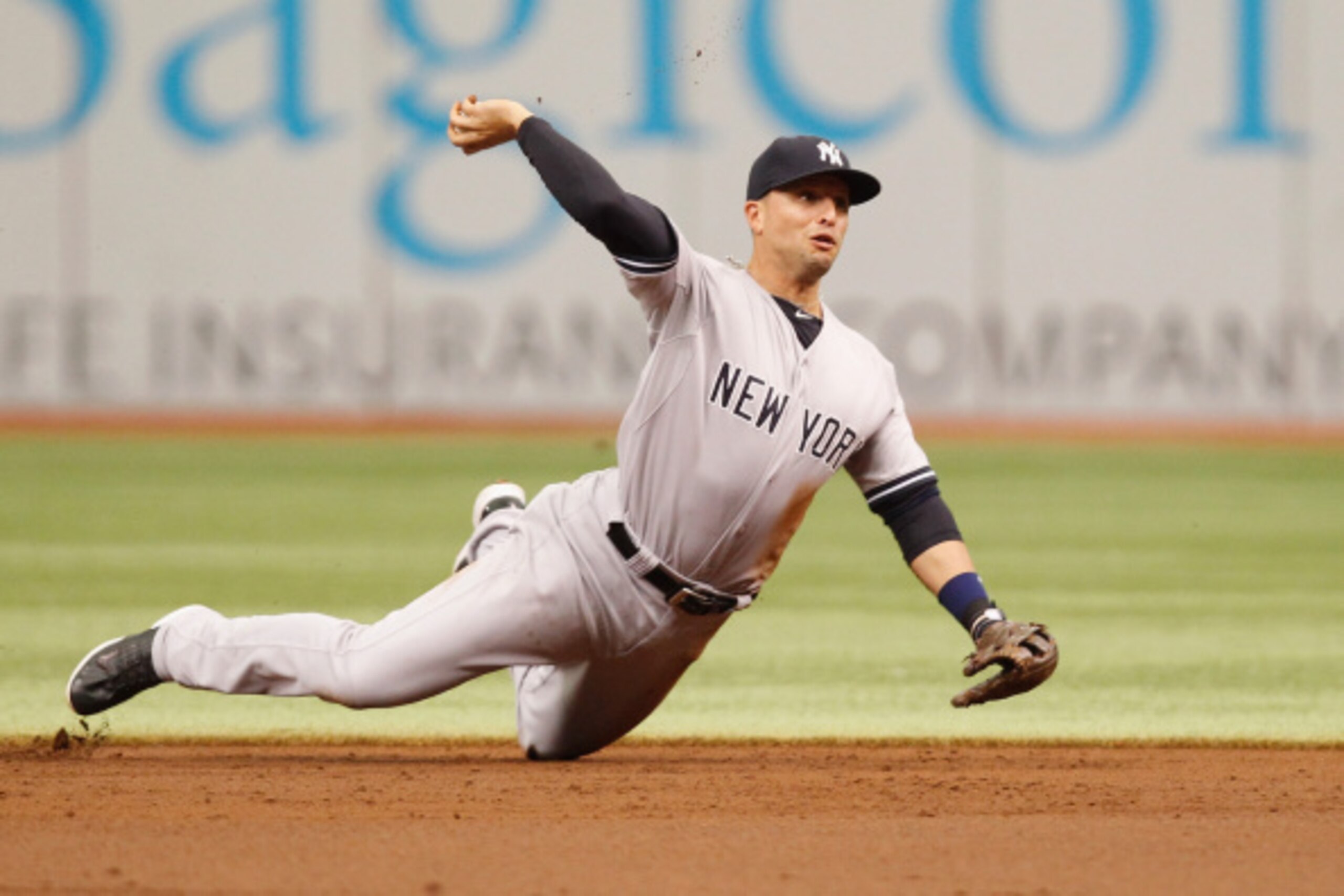
Hitting
There’s nothing wrong with Prado’s approach. And though it doesn’t show that much, he does have average-friendly contact habits with plenty of ground balls and line drives. But it is concerning how his whiff rates on slow stuff have increased, and his production against it is trending down from its 2012 peak. That’s reflective of a guy who might be cheating on fastballs, and that's deserving of skepticism.
Power
When you favor ground balls and line drives, you’re only going to give yourself so many chances to hit for power. Prado’s power also applies almost exclusively to left field, in particular his home run power. What I wonder about in his defense is if he’s really gotten the results he deserves in the right-center gap. Extra-base hits there have been infrequent, but not line drives. That's worthy of a slight break.
Baserunning
Prado stole 17 bases in 2012, but has struggled to get to even five steals in a season since then. With his 31st birthday fast approaching, that’s likely to continue. All the same, at least he can still manage as high as a 49 XBT%, and it’s worth noting that he was at 53 percent before he joined the Yankees. If he can keep that up, it will help balance out his tendency to run into seven or so outs every season.
Defense
This is assuming Prado will move back to third base next year, replacing Chase Headley and allowing Alex Rodriguez to DH. If so, the Yankees will have a guy at the hot corner who the defensive metrics deem to be an asset. He has just enough arm for the position and his first-step quickness can be hit or miss, but his footwork and anticipation are both strengths that help make up for that.
Total
Prado has fallen on hard times since he was quietly one of the better players in the league in 2012, largely because his bat is weakening as he ages. That bat is still passable, though, and Prado’s strong defense at third base is probably better than what the Yankees stand to get from A-Rod (who will not appear in these rankings) next year.
22. Brett Lawrie, Toronto Blue Jays
15 of 36
Hitting
An oblique injury has ended an injury-marred seasonfor Lawrie, so his .247 average and .301 OBP are final. He gets a slight pass for those numbers because of his injuries, but it’s otherwise hard to make excuses. His approach got wilder, he couldn’t hit anything slow and his line-drive rate declined even further to make him an all-or-nothing contact hitter. Add it all up, and you get a guy who’s still trending backward.
Power
This is an area where Lawrie fortunately got better. He can chalk that up to more fly balls and a reborn home-run-per-fly-ball rate, as well as to how he got the ball in the air to his pull side more often. However, one does worry about the relation between Lawrie’s power and his health. He has trouble staying healthy, and the hit-by-pitches that damaged his left hand are an occupational hazard with him.
Baserunning
Lawrie’s a good athlete by third base standards, but he had the right idea in putting an end to his base-stealing this season after going just 22-for-35 in 2012 and 2013. He’s better off just being aggressive on balls in play, which is something he still did well with a 50 XBT% for a second straight year. That he did so while making just one out on the bases makes that figure look even better.
Defense
Lawrie didn’t blow away the defensive metrics like he did in 2011 and 2012, but he still gets my vote as an asset. He has a playmaking talent because he can turn his live-wire energy into quick movements and quick releases. But one still wonders about his instincts and general consistency. Since he really didn’t play enough third base this season to convince either way, we’ll play it safe with a good-not-great rating.
Total
It feels like Lawrie had a lost season, and there is some truth to that knowing how much he battled with injuries and struggled to be consistent at the dish. But it’s good that he revived his power, continued to run the bases well and play some solid defense. He’s no star, but he’s at least playable.
21. Conor Gillaspie, Chicago White Sox
16 of 36
Hitting
Gillaspie has come out swinging and expanding the zone, but not at the expense of his contact habit. He’s made more good contact, too, upping all his line-drive rates. And yet he still gets under too many balls, which is reflected in his overly high fly-ball rate and his pop-up rates on breaking balls. He’s making progress, but he still needs to find the right balance to make himself a truly consistent hitter.
Power
A high fly-ball rate is generally good for power, and great for power if you can drive fly balls to all parts of the yard. Gillaspie's ability to do that is limited, as his power to left and center is only modest. Even his home run power has existed largely down the right field line, making his best bet for consistent power his ability to find the gaps. If he can do that, he’ll salvage some solid power numbers.
Baserunning
It’s become clear that Gillaspie shouldn’t steal bases. He hasn’t tried many, and the ones he has have taught him a lesson. It’s a good thing that his 46 XBT% could be worse. And that’s up from 39 percent last year, so there’s at least a shred of a sign that Gillaspie’s baserunning is trending in the right direction.
Defense
For a second year in a row, the defensive metrics think Gillaspie’s a subpar defender at third base. There’s something to that. He plays with good energy at the hot corner, but probably a bit too much at times. He can try to make plays look tougher than they really are. You can get away with that if you have good hands and a plus arm, but he has neither.
Total
There’s some solid potential in Gillaspie’s bat if he can keep up the adjustments he’s made this year while also cutting down on his fly balls. It’s too bad he doesn’t have much to offer outside of good hitting, as his power, baserunning and defense are all at best average.
20. Aramis Ramirez, Milwaukee Brewers
17 of 36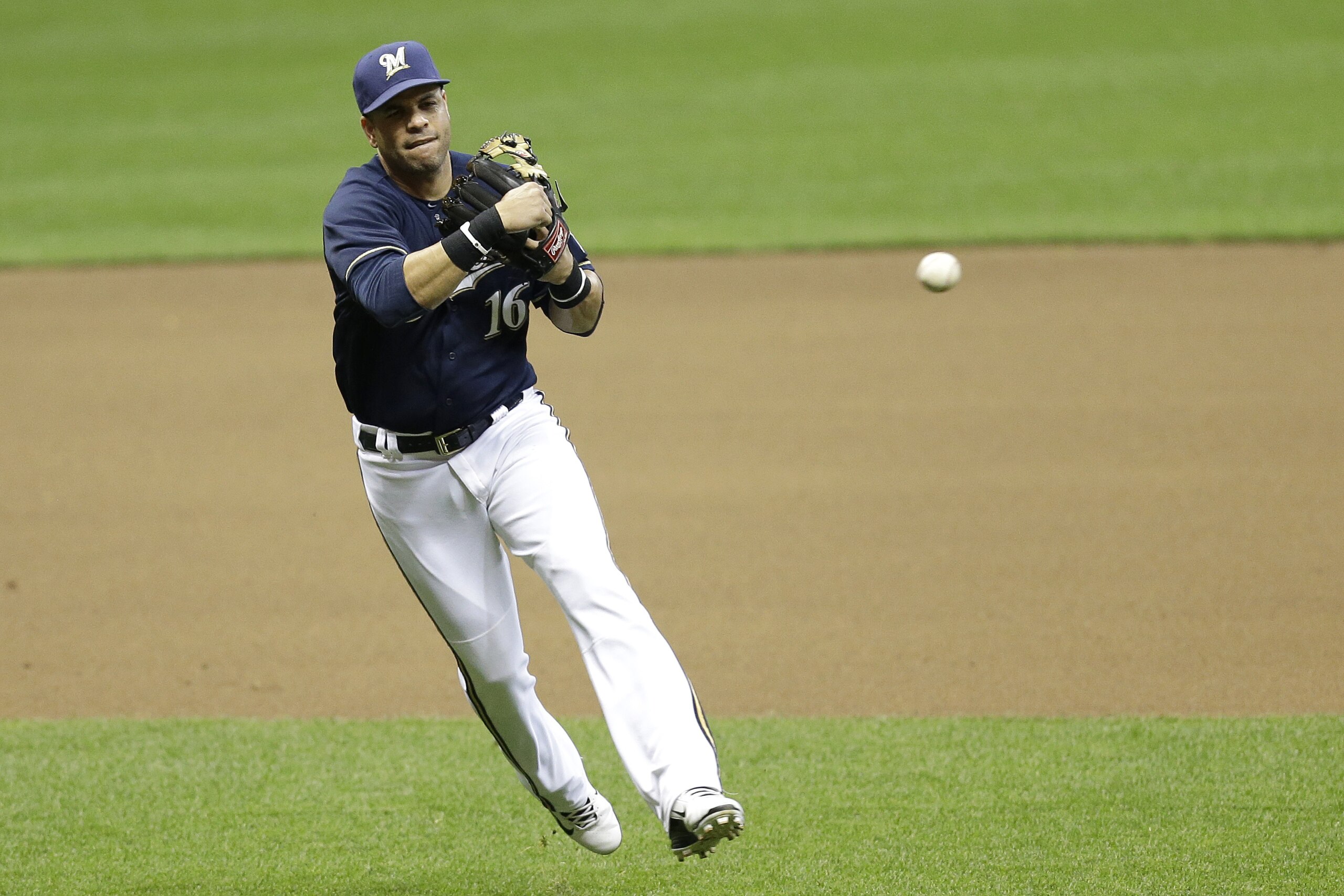
Hitting
After taking a break from it in 2013, Ramirez is back to his free-swinging style. That this has elevated his swinging-strike rate is a concern, especially knowing that it’s worsened an already distressing trend on slow stuff. The bright side is that his free swinging has applied mainly to hard stuff. And rather than whiff more often, he’s been clobbering it to keep his average afloat. That’ll work.
Power
Ramirez’s preference for line drives and fly balls should boost his power, but it looks like age is getting to him. You can sort of see it if you compare his 2014 batted balls to what he did in 2013 and 2012. He hasn’t lost his ability to drive the ball, but it’s fading. Between that and the issues he has staying healthy, counting on him for anything better than 15-20 homers isn’t a good idea.
Baserunning
Ramirez has been a station-to-station baserunner for a long time now, and that doesn’t appear likely to change. He may have a couple steals this season, but he also has just a 23 XBT% that’s even worse than his unspectacular career rate of 29 percent. An already slow runner is slowing down even more.
Defense
The defensive metrics can go back and forth on Ramirez, but this year they view him as pretty close to average. His defensive value largely hinges on how mistake-free he can be at third, and he’s been passable in that department this season. He still doesn’t offer much range, though, as anything that requires more than one or two steps is likely getting past him. He reacts fine, but accelerating is tough.
Total
Ramirez still packs a good bat, and it’s largely because of his hitting that this score comes off as being too low. But when you look at how much his hitting approach hinges on a single talent, how his power is on thin ice and how his defense is merely adequate, one does wonder if Ramirez can repeat his 2014 performance.
19. Joey Gallo, Texas Rangers (Prospect)
18 of 36
Hitting
The 20-year-old slugger has shown better plate discipline and pitch recognition this season after adjusting his swing mechanics, as he’s improved both his strikeout (33.3 percent) and walk (16.2 percent) rates and hit for a solid average (.271) without sacrificing any power (42 HR, .344 ISO). Gallo will always be a streaky hitter and have significant swing-and-miss to his game, but he’s also comfortable working counts and taking walks.
Power
Gallo is a physical specimen at 6’5”, 205 pounds with enormous, 80-grade raw power. The combination of his quick wrists, explosive bat speed and lofty swing give him effortless raw power to all fields that should produce 35-plus home runs at the highest level.
Baserunning
Gallo is an impressive athlete for his size, as he generally runs well and covers ground on the basepaths with his long strides once underway. He has the speed and instincts to quietly steal 10 bases in a season, but it never has been nor will be a major component of his game.
Defense
Gallo’s defense has noticeably improved at the hot corner over the last two years but still requires refinement. His range is average and should play up once he gains experience and develops better instincts, while his plus-plus arm strength (which produced mid-90s fastballs in high school) is ideal for the position.
Total
Gallo’s left-handed power rivals Kris Bryant’s from the right side, though the former doesn’t project to hit for as much average or reach base as consistently as the latter. However, he's still young and has already put up impressive numbers at advanced levels, so there’s still plenty of room for him to improve.
18. Luis Valbuena, Chicago Cubs
19 of 36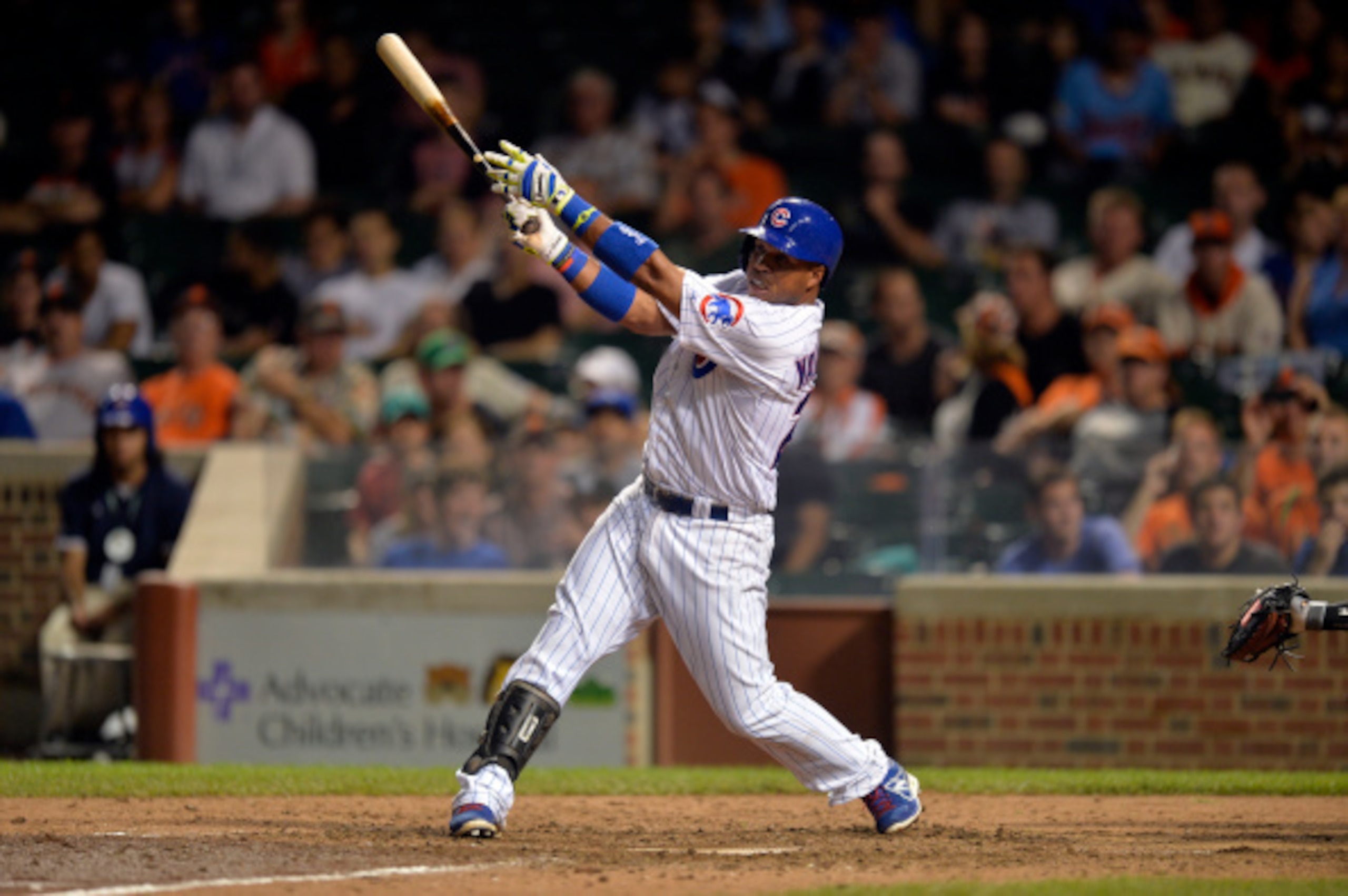
Hitting
Valbuena does come with a big platoon split. Beyond that, the guy still can’t hit breaking balls, and a more aggressive approach has made him prone to whiff on all manner of slow stuff. It’s a good thing he has a couple saving graces. Even a more aggressive approach by his standards is still pretty good, and he’s at least hit more pitches solidly in 2014.
Power
Valbuena has come out crushing the ball in the second half. What was already a high fly-ball rate has gotten higher, and virtually everything he’s hit well to his pull side has gone out. Though this is likely an unsustainable performance, it does drive home the point that Valbuena can hit the ball pretty hard. Even as a part-time player, he can manage 15-20 homers with doubles power.
Baserunning
Valbuena’s not about to be a base stealer any time soon. He has only a handful in his career, with more caught-stealings than successes to boot. And though he posted a 52 XBT% in 2013, this year’s 37 XBT% is more reflective of what’s normal for him. He’s at best an average baserunner.
Defense
The defensive metrics agreed that Valbuena was a strong defender in 2012 and 2013, but not so much this year. Primarily a second baseman before he came to Chicago, he doesn’t have an ideal arm for third base. That limits his ability to make plays. He’s otherwise a good fielder, though. He’s not prone to errors, and he has good enough range and footwork to make tough plays. And since he’s also shown he can still play a good second base this season, he deserves a point for versatility.
Total
It’s not wrong to regard Valbuena as a mere placeholder for Kris Bryant. That’s what he is. And no, he’s not actually as powerful as he’s shown in the second half. But he is a solid player, as his bat certainly isn’t without thunder and he can play solid defense at a couple positions.
17. Juan Uribe, Los Angeles Dodgers
20 of 36
Hitting
Uribe owes much to a spike in average on balls in play, this despite his batted-ball rates being fairly consistent with 2013 and his approach being wildly aggressive. What’s not so bad, though, is how he’s turned himself into a fastball hunter. Against hard stuff, he’s upped his swings and his line-drive rate, and he keeps his swings confined to where he can hit 'em. He’s overachieved, but that’s a nifty trick.
Power
The leg problems Uribe’s endured this season haven’t made it easy for him to maintain a strong base. Aside from that, his high pop-up rate goes to show how frequently he’s been mis-hitting the ball. Still, he hasn’t lost his ability to drive the ball to all fields. Even if it’s only as good as double-digit home run power, Uribe’s power is a bit better than he’s shown. Long live jazz hands.
Baserunning
Uribe’s leg injuries also haven’t made it easy for him to tear up the bases. After going 5-for-5 in steals last season, he hasn’t bothered in 2014. One thing that is good is his 43 XBT%, but trusting that to hold up is risky in light of both Uribe’s leg issues and his age. He’ll be 36 in March.
Defense
The defensive metrics still rate Uribe as elite, and they’re right to do so. He’s a relatively mistake-free defender with a terrific arm, and he’s quicker out of his stance and more nimble on his feet than he looks. It’s at the back of one’s mind that he can’t keep this up forever knowing how old he is and how much mileage he has on his legs, but even a slight drop-off would still keep him in elite territory.
Total
Uribe’s age and health concerns can’t be ignored, and his bat hasn’t been as good as his numbers make it look. Even still, his is at least a solid bat, and he combines it with more-than-solid defense to make himself a pretty good player.
16. Lonnie Chisenhall, Cleveland Indians
21 of 36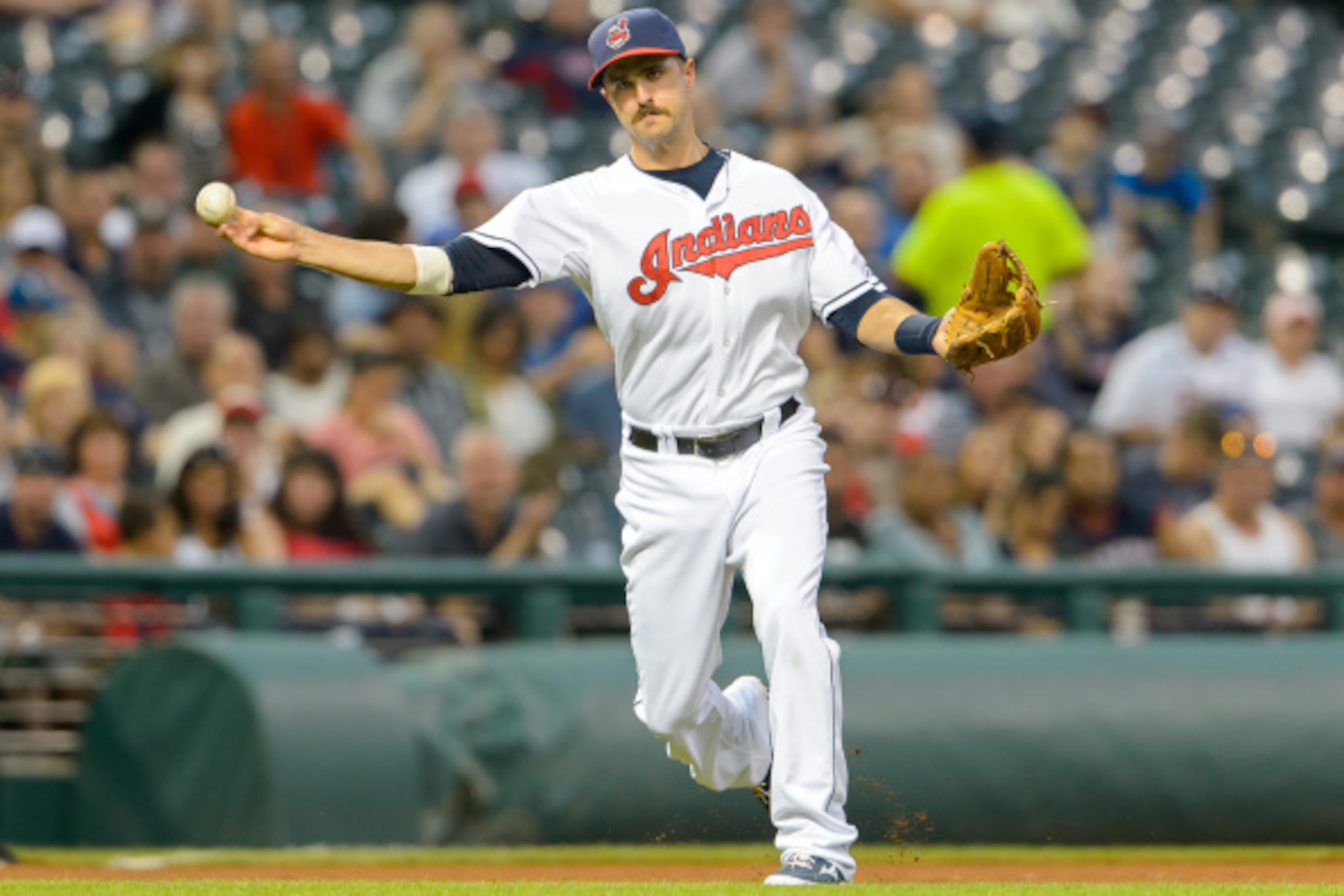
Hitting
Chisenhall’s second-half cooldown was bound to happen knowing how much his aggressive approach makes him dependent on luck. Even still, the improvements are legit. After coming into 2014 unable to hit hard or breaking pitches, he’s hit both more squarely and has gotten especially good at going with outside heat. Then there’s how well he’s hit lefties. High hopes are warranted.
Power
It’s a welcome sight that Chisenhall’s transformation hasn’t damaged his fly-ball rate too much. He’s still been giving himself chances to show off his power, and he does have some good pop that makes him a home run threat to right and center. He also knows how to find the right-center gap with line drives. Too bad his power to left field is limited and puts a cap on his potential.
Baserunning
Though he has a couple this season, a couple is about the extent of Chisenhall’s base-stealing potential. Fortunately, his aggressiveness could be worse. He’s working on a 41 XBT% that’s not great, but at least a couple ticks better than last year’s 39 XBT%. If he can keep that up while continuing to avoid outs on the bases, he’ll pass well enough for solid.
Defense
The defensive metrics indicate pretty strongly that Chisenhall is in the running for worst defensive third baseman in the bigs. His errors haven’t helped, and those are indeed reflective of iffy hands and subpar throwing accuracy. He also has range that’s limited not just by his athleticism, but his instincts for how to play every ground ball. In all, he needs plenty of work.
Total
That Chisenhall is so lousy defensively puts a damper on his overall potential. The bright side is that his hitting breakout has come about due to legit reasons. If he can keep that up and continue providing at least solid power, he’s going to be an easily above-average regular.
15. Trevor Plouffe, Minnesota Twins
22 of 36
Hitting
Plouffe’s approach is only becoming more and more disciplined, with the best part being how he’s refusing to swing at breaking balls (which, granted, he can’t hit anyway). He’s mainly targeted fastballs instead, and he’s only getting better at squaring them up. All he needs to do now is get a whole lot better at hitting low pitches, and he’ll have a chance to be a really productive hitter.
Power
Because Plouffe deals largely in line drives and fly balls, he definitely should be an above-average power producer. And he is solid, this year showing off possibly 15-homer power with lots of doubles. What holds him back, however, is how his power is focused more to center field than left field. That’s a tough task at Target Field, and a good reason why his power has been suited for doubles this year.
Baserunning
You won’t find Plouffe among the top base stealers at third base, as he’s only good for a couple attempts per season. He has been more active than usual otherwise, however, upping his XBT% to a solid 49 percent and cracking double-digit first-to-thirds for the first time in his career. The next step is to stop running into outs at third base.
Defense
The defensive metrics have been coming around, to a point now where they view him as an above-average defender. That he’s played more of a mistake-free third base has helped. Buying him as one of the better defenders in the league isn’t so easy, though. His arm is fine, but his reaction time and first step can be hit-or-miss. If he is above average, it’s not by that much.
Total
There might not be a more invisible third baseman in the league than Plouffe, and it’s true that he doesn’t really excel at anything. But with a solid bat that’s showing signs of getting better, solid power, solid baserunning and solid defense, Plouffe is a solid all-around third baseman.
14. Kris Bryant, Chicago Cubs (Prospect)
23 of 36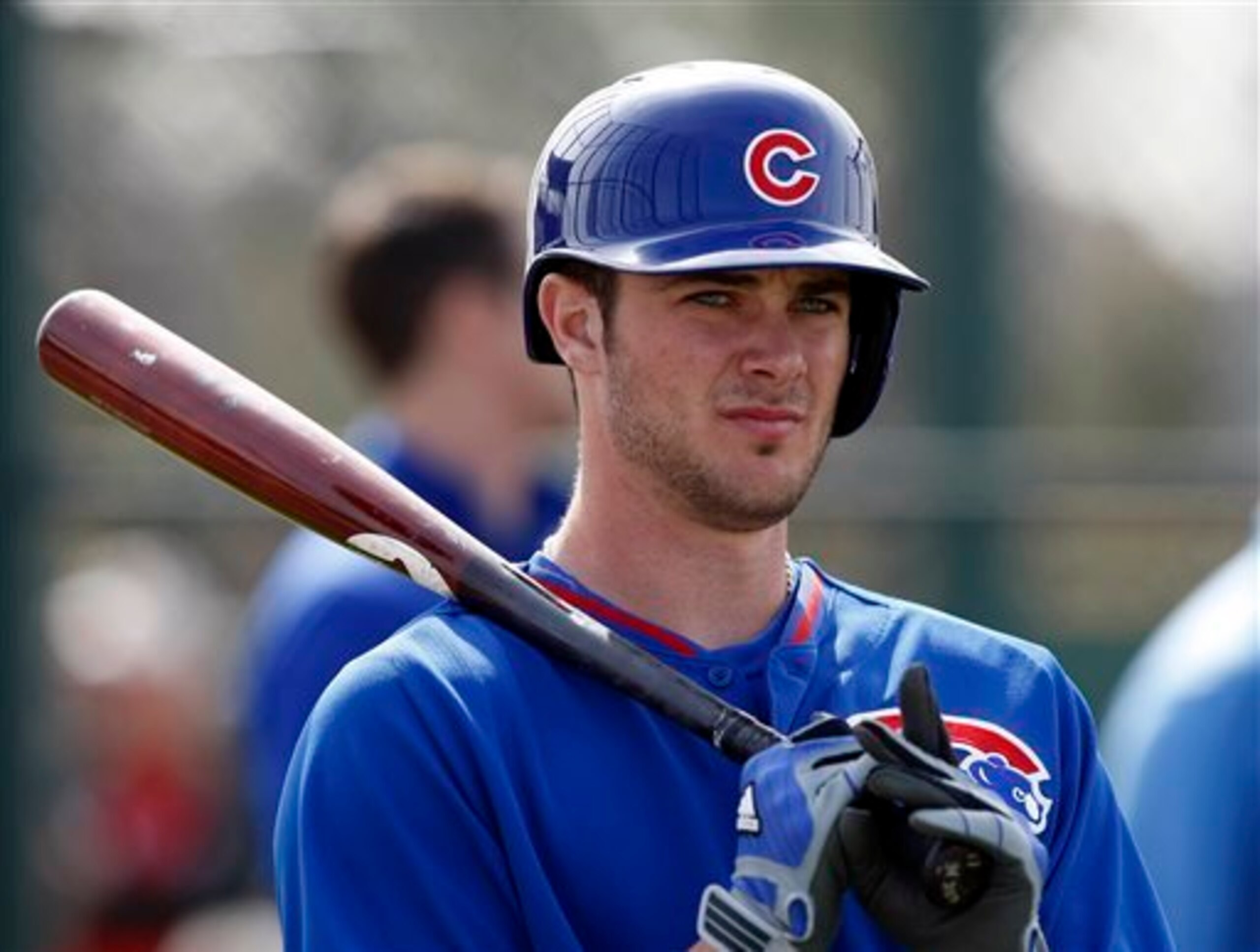
Hitting
Though known for his robust, light-tower power to all fields, Bryant actually has a good feel for hitting, with a line-to-line approach, good pitch recognition and excellent plate coverage. His lack of stride and purely rotational swing will always result in some swing-and-miss, but he’s still a smart enough hitter and controls the zone well enough to hit at least .250 in the major leagues.
Power
At 6’5”, 215 pounds, Bryant possesses effortless 80-grade power that has translated in a big way at each professional stop. The right-handed hitter does an excellent job of using his height and size to his advantage, hitting down on the ball to generate towering fly balls with backspin carry to all fields. At maturity, it’s easy to see him leading the league with 35-plus home runs in a give season.
Baserunning
Bryant is an impressive athlete who moves well on the basepaths, with the speed to move up more than one base at a time and put some pressure on opposing defenses. He’s not a pure base stealer, but Bryant’s average speed and ability to pick his spots should lead to numerous seasons with 10-plus stolen bases.
Defense
In spite of his massive build, Bryant is a good athlete and moves well for his size, showing range and agility at the hot corner that’s a tick above average. His plus arm strength is a clean fit at the position and could allow him to move to a corner outfield position down the road if necessary.
Total
No hitter in the minor leagues can match Bryant’s offensive ceiling, as he projects as a perennial 35-plus home run threat capable of hitting for some average while holding down a corner position. He’ll eventually go through an adjustment period, but the 22-year-old has the makeup and secondary skills to overcome any struggles.
13. Chase Headley, New York Yankees
24 of 36
Hitting
It’s not the best look for Headley that right-handers can so safely pound him inside with hard stuff, and he’s never been less productive against breaking balls. His improved production in New York is no mirage, though. His approach this season is basically his 2012 approach with more contact, and he has a career-best line-drive rate to go with it. He is indeed better than he looked in San Diego.
Power
If you ignore Headley's outlier 2012 season, his fly-ball and home-run-per-fly-ball rates this season are much more like him. The bigger disappointment is how his new line-drive habit hasn’t resulted in more doubles power, which is what happens when you struggle to find the gaps from both sides of the plate. In all, Headley sends off pretty strong below-average power vibes.
Baserunning
Headley was good for double-digit steals between 2009 and 2012, but leg injuries have done their part to render him a lesser baserunner in the last two seasons. He can’t be counted on for double-digit steals anymore, and it’s also not the best look that his XBT% has fallen from 41 to 33 to now 28 percent since his 2012 season. Knowing that Headley is now in his 30s, improvement likely isn’t in the cards.
Defense
The defensive metrics are viewing this as one of Headley's best defensive seasons, and he’s been even more impressive in New York. He doesn’t have the strongest arm, but he has some of the better hands you’re going to find at the hot corner. And though he doesn’t have explosive athleticism, his instincts help make up for that. You can watch him and see a guy with a knack for leaning in the right direction.
Total
We can stop waiting for the power Headley showed in 2012 to come back. It’s not going to happen, and his value can only go so high because of that. His hitting talent is better reflected by his time in New York than his time in San Diego, however, and he can play some fantastic defense at third base.
12. Pablo Sandoval, San Francisco Giants
25 of 36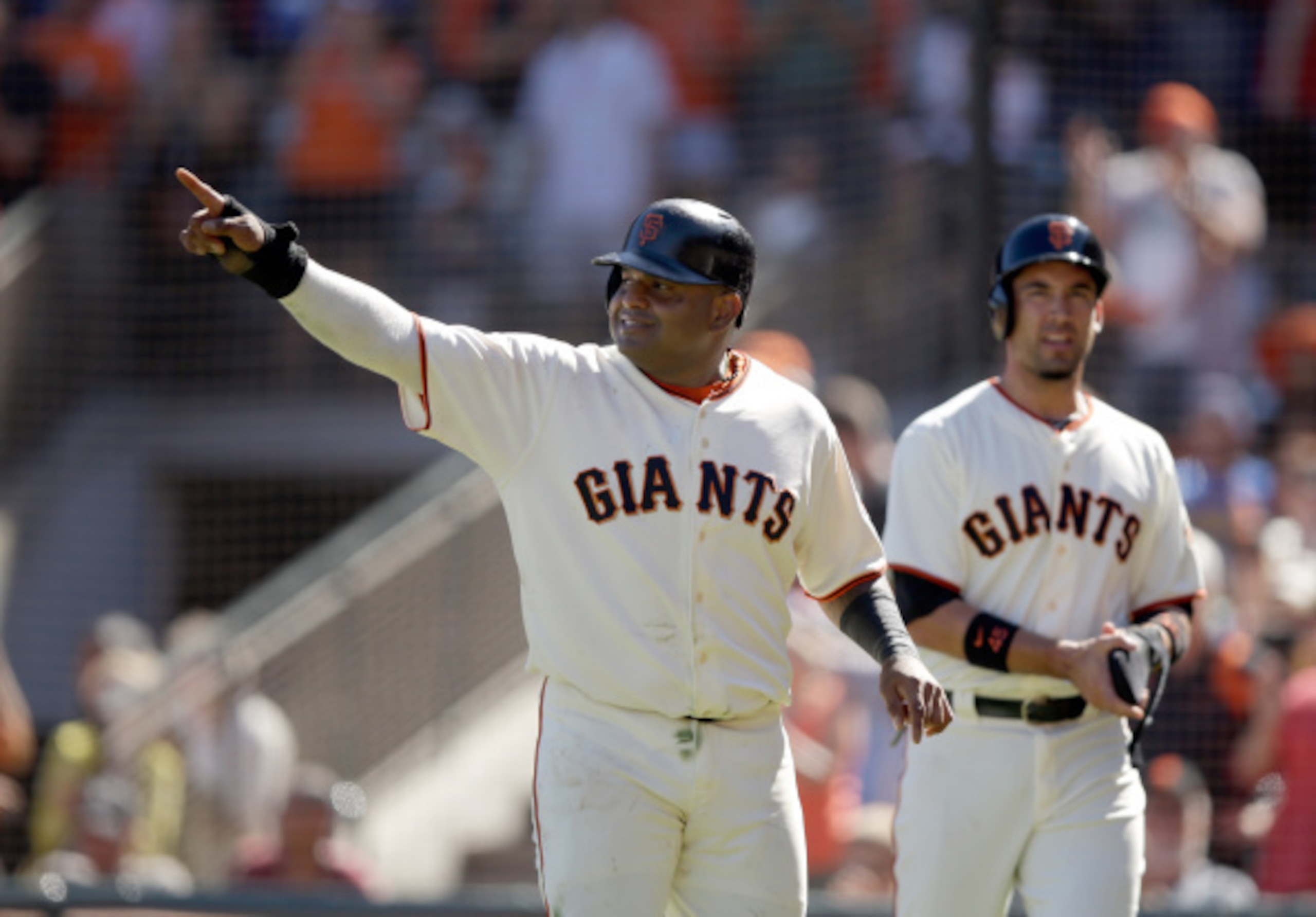
Hitting
Sandoval being at the top of the swing and chase rate leaderboards is no surprise. It works because he’s fine at making contact, and he’s hit more line drives on pitches out of the zone than anyone. That’s a reason why his line-drive and ground-ball rates are so consistent, and those help him keep his average on balls in play above .300. It can be frustrating to watch. But on a long enough timeline, his approach works.
Power
Sandoval’s power tends to come and go, but he’s not a bad fly-ball hitter and there is something to be said about how he can show 15-20 home run power despite playing in San Francisco half the time. If there’s a worry, it’s in how his power from the left side of the plate hasn’t been as explosive as it was in 2013. He shouldn’t be losing power yet given that he just turned 28, but it’s not the most positive sign.
Baserunning
Sandoval runs the bases about as well as you’d expect. He last attempted a steal back in 2012. And after a 23 XBT% in 2013, he’s sticking right there at 22 percent this year. The one good thing that can be said in his defense is that he hasn’t run into outs as frequently as he did in 2013. At least there's that.
Defense
For a guy listed at 5’11” and 245 pounds, Sandoval can play a mean third base. That’s the opinion of both the defensive metrics and the eye test. He’s quicker and more nimble on his feet than he looks, and he has arm strength aplenty. The caveat here is that Sandoval’s defense is at its best when his physical condition is at its best. That’s the case this year, but…well, let’s just say maybe not next year.
Total
After two up-and-down seasons, Sandoval has been his good self again in 2014. That means a good mix of lots of base hits, solid power and really good (underrated, even) defense at the hot corner. If only his track record said it was OK to ignore the slightest warning signs.
11. David Wright, New York Mets
26 of 36
Hitting
It’s not all bad. Wright’s average on balls in play was down before his season ended early, but his line-drive and ground-ball rates were fine and he hadn’t lost his ability to use the whole field. Still, you do wonder if his bad left shoulder was causing his whiffs on breaking balls and his struggles with pitches down and away. Good health could clear that up, but that’s best not taken for granted with players on the wrong side of 30.
Power
Wright’s power was hurt even more than his hitting, with a primary symptom being a total loss of opposite-field power. That’s no mirage, as well-hit balls beyond left field weren't as common as they were in 2013 despite a career-high number of line drives and fly balls to center and right. It’s once again easy to blame the shoulder. Unfortunately, it’s also easy to not take a return to form for granted.
Baserunning
Wright fell short of double-digit steals for the first time since he broke into the league in 2004. He also watched his XBT% fall from over 40 in 2012 and 2013 to just 33 percent, all while making more outs on the basepaths than he had since 2010. This was either Wright having a down year, or him slowing down with his 32nd birthday in sight.
Defense
This, finally, is one area where Wright was still himself. The defensive metrics had him down as a good fielder, with one putting him at elite. That’s largely owed to how he still had a knack for the outstanding play thanks to his good reaction time and oftentimes slick footwork. It’s when he’s not making tough plays when he’s vulnerable, as neither his hands nor arm are entirely error-proof.
Total
Wright’s 2014 season is largely one for the “Not As Bad As It Looks” file, as his approach and his defense both remained areas of strength even if the results were questionable. But that bad shoulder clearly had some sort of effect, particularly on his power. If he doesn't get it back, things will be rough.
10. Evan Longoria, Tampa Bay Rays
27 of 36
Hitting
Longoria has been swinging more aggressively and racking up whiffs much more than he usually does. Especially on slow pitches, which he’s also been likely to pound into the ground. It’s habits like these that suggest he’s either cheating on pitches or is simply trying too hard. But hey, at least he’s never squared up fastballs better. And though wild by his standards, his approach is still solid by other hitters’ standards.
Power
Though not as many as in 2013, Longoria’s uppercut swing is still producing fly balls. He’s also still hitting plenty of line drives and fly balls to his pull side, which are keeping his home run power alive. What’s missing is the opposite-field power he showed in 2013, as well-hit balls to right have been relatively uncommon. Given his track record with oppo power, apparently that was too good to be true.
Baserunning
This is the first time in a while that Longoria’s legs have been healthy, and he’s taking advantage. He’s stolen more bases than he has since 2010, and gone from sub-30 XBT% rates in 2012 and 2013 to 43 percent. It’s good stuff, but you do wonder about how sustainable this is. He’s only on the verge of his age-29 season, but he might as well be on the wrong side of 30 with his medical track record.
Defense
Longoria’s not blowing away the defensive metrics like he usually does. The general indication is that a loss of range is to blame there, and you can watch him play the field and think that could be true. The burst at the crack of the bat hasn’t been there as much, making him rely on his footwork and arm to make tough plays. But hey, those two things alone make him better than a lot of third basemen.
Total
Coming on the heels of a vintage Longoria season in 2013, this year has been a disappointment. And not accidentally so, as his bat, power and defense look older than they should be. The bright side, such as it is, is that all three of these things are still very much useful.
9. Matt Carpenter, St. Louis Cardinals
28 of 36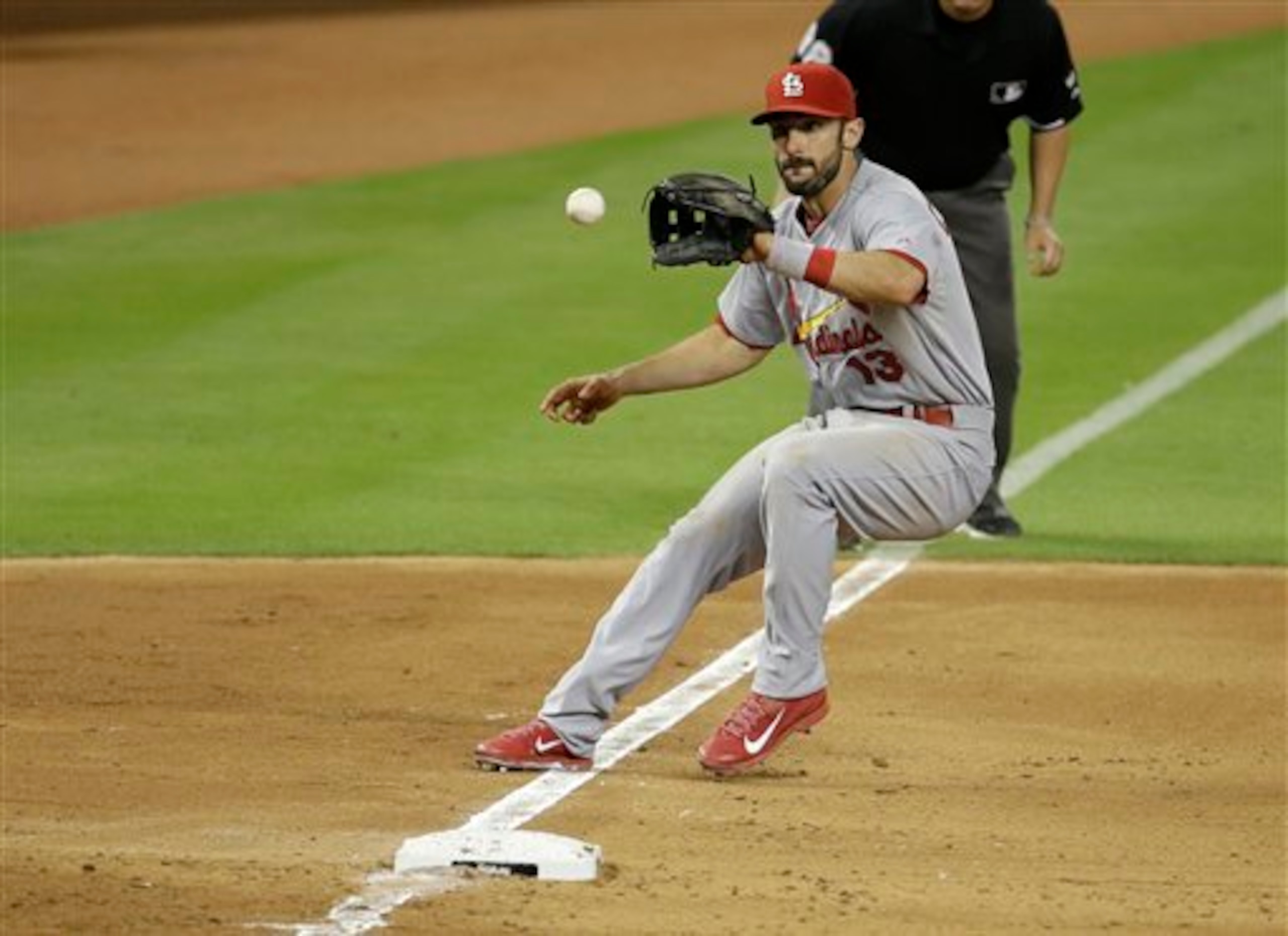
Hitting
For the moment, anyway, Carpenter is not a .320 hitter. But he still operates like one. He’s both the most patient and most disciplined hitter in the league, and he’s among the elites at making contact. He’s also still mainly a line-drive hitter, in part because he’s punished the fastballs his patience has made pitchers throw. The one gripe: Pitchers haven’t had trouble beating him with breaking balls.
Power
In retrospect, Carpenter’s 2013 doubles explosion was too good to be true. The majority of his doubles went strictly to right field, and he’s had a tough time repeating that. That his line-drive rate is down also isn't helping, and certainly his lack of opposite-field power is being exposed. And without so many doubles to complement his modest home run power, Carpenter’s just not a good power source for a third baseman.
Baserunning
Carpenter didn’t have base-stealing speed in 2013, and he hasn’t developed any for the 2014 season. But the bigger shame is how much his aggressiveness has fallen off. He was quietly an excellent baserunner last year, posting a 51 XBT% and taking a ton of extra bases on other plays. He’s been far less active doing both, with his XBT% falling all the way to 34 percent.
Defense
The defensive metrics rate Carpenter’s as roughly average at third base. This is partially because of trouble with fielding errors, which does reflect how his hands are probably his weakest asset. He is better than the metrics and the errors indicate, though. His reactions are more than good enough, and he’s quicker on his feet than he looks. Iffy hands or no, he at least has good range.
Total
Carpenter’s biggest strength is his approach, which is more measured than any you’re going to find elsewhere. And despite the metrics’ iffy opinion of him, he’s a good defender too. It’s too bad that his power and baserunning have taken a turn for the worse, as those two things were terrific sources of value in 2013.
8. Manny Machado, Baltimore Orioles
29 of 36
Hitting
Machado’s season ended early with him hitting .278 with a .324 OBP, numbers pretty close to what he posted in 2013. And that’s appropriate. He was still using a free-swinging approach with a swing-and-miss tendency on slow stuff. He’s also still heavily reliant on average on balls in play, and he was still too ground-ball-heavy to really excel at that. He’s a good hitter, but too imperfect to be a consistent hitter.
Power
While Machado didn’t change his hitting approach much, he did show off some more home run power. And it was simple, as balls that only made it to the warning track for doubles in 2013 suddenly started going over the fence. And not just to left field, either. How much of a home run hitter he can be is a good question in light of his ground-ball habit, but his performance warrants some optimism anyway.
Baserunning
Machado wasn’t much of a baserunner before his knee trouble arrived, stealing only six bags in 13 tries in 2013. It’s no wonder he was less aggressive in his return to action. Beyond attempting only two steals (he was successful both times), he also dropped his XBT% from 38 to 31. Now that he’s had surgery on both knees, it’s hard to imagine him getting any more active on the bases.
Defense
You need only ask Albert Pujols if Machado was the same talent defensively that he was in 2013. Or you could ask the defensive metrics. Or the eye test, which showed that he still had good hands, good range and an absolute cannon for an arm. All the same, you do worry about those knees. If they don’t restrict Machado’s range, they could make him overly conscious of how he plants his feet before throwing, or even hesitant to do so. In the process, a magnificent defender could be rendered merely great.
Total
The silver linings are plentiful. Machado’s still only 22. Despite his shortcomings as a hitter, he’s hardly a bad hitter. It’s good that he also showed more power, and that he was still a special talent at third base. As such, you just hope that having two surgically repaired knees instead of one won’t impact him too greatly.
7. Adrian Beltre, Texas Rangers
30 of 36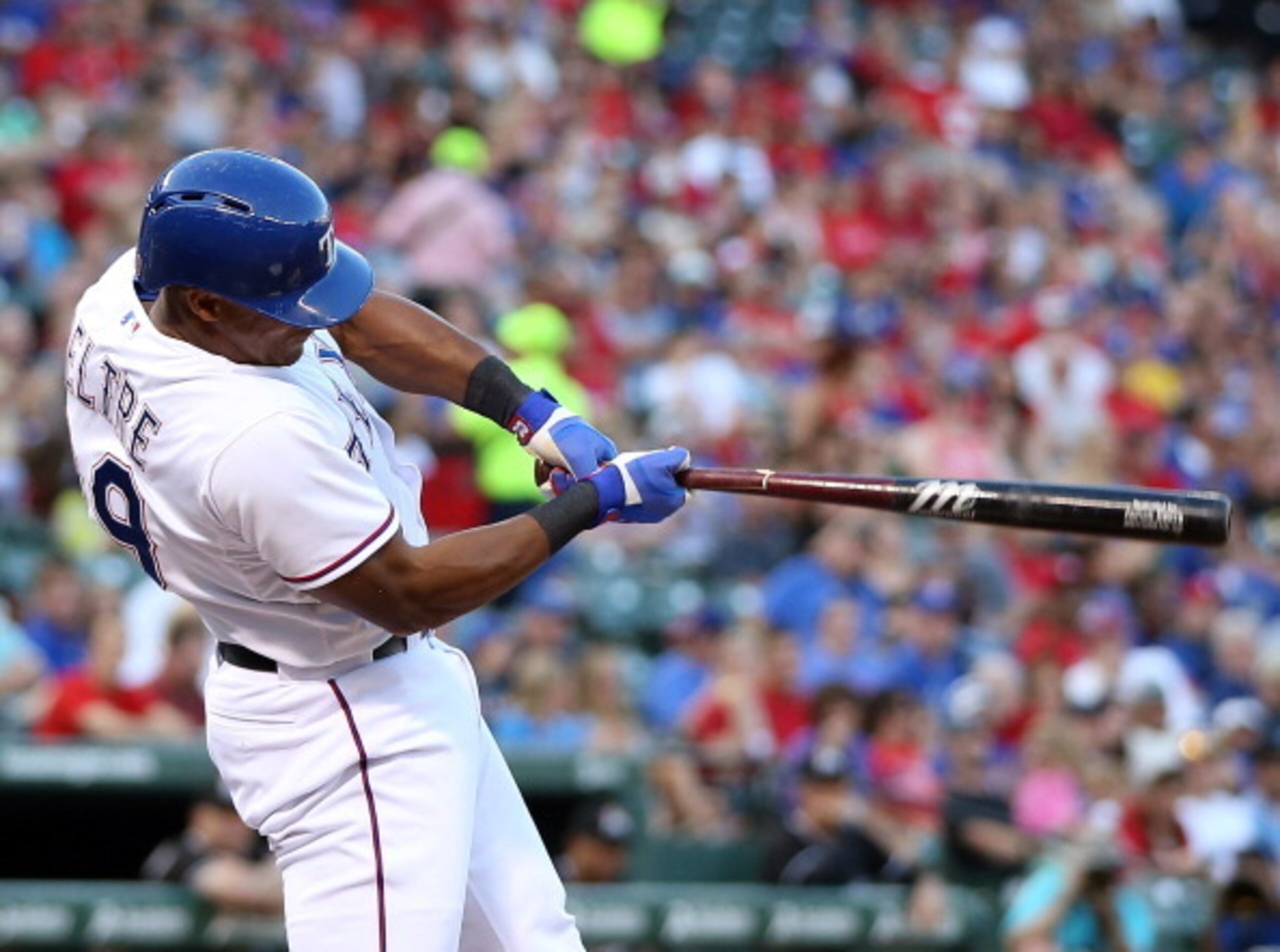
Hitting
By his standards, Beltre’s actually toning things down a little bit. This has allowed him to draw more walks without costing him any contact. He’s getting to be especially good at making that against hard stuff, and it’s only becoming better contact. Factor in good zone coverage, an ability to use the whole field and solid production against slow stuff, and you get Adrian Beltre at his most Adrian Beltre-y.
Power
After hitting a peak in 2011, Beltre’s power has steadily been going downhill, partly because he's hitting fewer fly balls. Beltre can still pick up extra-base hits in any direction, however, and can still boost his home run power with gap line drives. This doesn’t mean a power spike is happening—especially knowing that he’ll be turning 36 next season—but he should keep the easily above-average power coming.
Baserunning
This is one thing that Beltre’s not doing so well anymore. He hasn’t been a stolen-base threat since 2009, and his 30 XBT% this year is low by his standards. Notably, he’s gone first to third just three times in 38 chances. That he’s had occasional problems with his legs over the last two seasons isn’t helping, to be sure. But at his age, those probably aren’t going away.
Defense
The defensive metrics are back on Beltre’s side after rating him as below average in 2013. The eye test largely agrees, as he hasn’t lost his good hands and he still has that strong, accurate arm that makes tough throws look too easy. But that arm is what’s allowing him to make tough plays more so than his legs, which don’t have the same spring they used to. That’s another thing that age won’t help.
Total
Beltre’s power may be coming down a bit and his aging legs aren’t helping either his baserunning or defense, but no matter. He can flat-out hit with the best of ‘em, and age has hardly made him a liability when it comes to power and defense.
6. Todd Frazier, Cincinnati Reds
31 of 36
Hitting
Frazier is still swinging the bat, chasing and making contact roughly like he did in 2013, and he’s still susceptible to whiff on anything slow. But he’s also more likely to square up slow pitches, with the big change being improvement covering slow stuff away compared to 2013. He’s bought himself a much-improved line-drive rate and doing that, and it’s an evolution that bodes well for his future.
Power
Frazier has already set a career high for home runs, and one look at his batted ball map is all you need to appreciate his raw power. That leaves only the nagging suspicion that things aren’t as good as they look. Beyond his power dropping off severely in the second half, he’s also worked with a lesser fly-ball rate and hit fewer balls in the air to left field. It could be that 25 homers is still his ceiling rather than his new floor.
Baserunning
While Frazier’s power may not have the brightest future, his baserunning has definitely taken a turn for the better. Albeit with less-than-awesome efficiency, he’s put himself in the 20-steal discussion, which is rare territory for a true third baseman. Not content to stop there, his 50 XBT% is a welcome throwback to the 49 percent he posted as a rookie back in 2012. By third base standards, this is some legit baserunning.
Defense
The defensive metrics are once again viewing Frazier as a strong defender at third base, and it’s no wonder. He plays a pretty mistake-free third base, with one component being how he makes up for non-elite arm strength with good accuracy. His range is probably best described as solid rather than good, though, as it can look like his first step isn’t as quick as the rest of his body wants it to be.
Total
Exactly what’s going to become of Frazier’s power is a good question. But it’s hard to imagine it being anything less than good power, and he’s also a good hitter, baserunner and fielder. Put it all together, and you get a guy who’s quietly one of the better all-around third basemen in the league.
5. Nolan Arenado, Colorado Rockies
32 of 36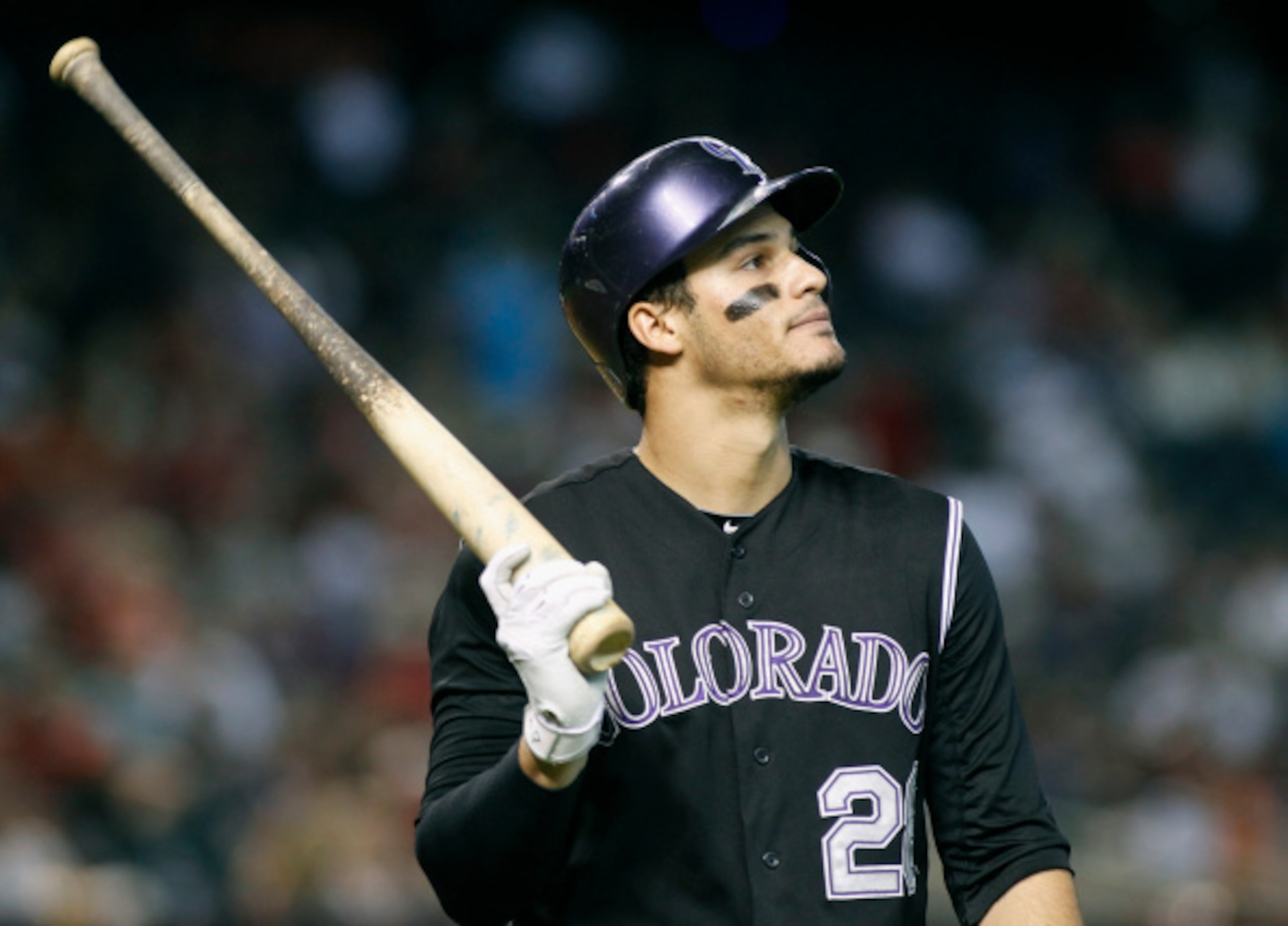
Hitting
That Arenado is a better hitter at Coors Field, that he’s struggled to hit pitches above the belt and that he’s regressed as a line-drive hitter must all be noted. However, he’s also toned his approach down while also making more contact. He’s gotten much better at hitting slow stuff, and at hitting fastballs away. Though he’s not as good as his average says he is, Arenado is getting better.
Power
Arenado’s power has also improved, and not just because of Coors Field. He’s been hitting the ball in the air more often, and has also hit fly balls and line drives to left field more regularly. Rightfully so, as pretty much everything he’s hit in that direction has gone for extra bases. So while it’s true Arenado can be a power threat just by showing up to work at Coors Field, he’s made himself into an even better power threat.
Baserunning
It doesn’t look like Arenado is in any hurry to be a stolen-base threat, as he’s once again put himself in the 0-5 steal range. There is progress afoot with his aggressiveness, however. It’s a modest gain, but his XBT% has gone from 29 percent to 36 percent, with the most notable thing being more activity going first to third. He's into a solid baserunner.
Defense
Arenado was the NL’s answer to Manny Machado in 2013, and one of the defensive metrics still sees him as being elite at the hot corner. He combines quick reactions with smooth movements to cover ground, and he has the combination of a quick release and a rocket arm. His hands probably aren’t as good as Machado’s, but that’s not enough of a concern to consider him anything less than superb.
Total
There are gripes about how Arenado’s offensive numbers have been inflated by Coors Field, but there’s also credit to be dished out. He’s a better hitter than the one he was a year ago. That combined with his excellent defense at the hot corner make Arenado one of the game’s more under-the-radar great players.
4. Kyle Seager, Seattle Mariners
33 of 36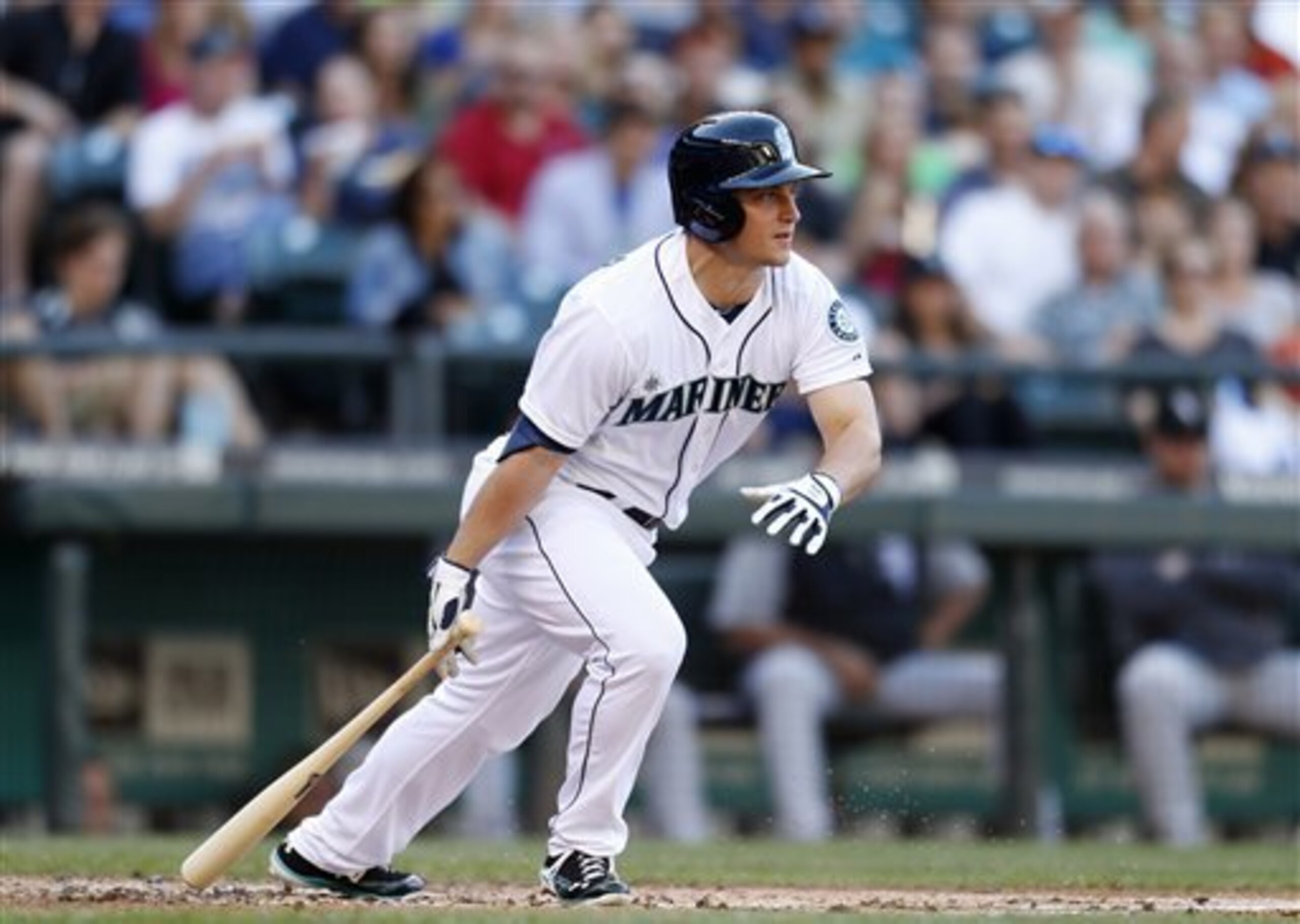
Hitting
Pitchers aren’t making it easy, giving Seager fewer fastballs to hit every year. They won’t stop doing that until he starts hitting slow stuff as consistently as he hits hard stuff. It’s therefore good that his line-drive rates against slow stuff are up, and his overall discipline is now fueled by how good he is at picking his spots with slow stuff to boot. That makes him a good hitter with room to get better.
Power
Seager’s power keeps going up, and understandably so in light of the balance he strikes between hitting line drives and fly balls. Anything in the air to his pull side is especially likely to go, and he goes in that direction plenty. The catch? That’s that Seager has no home run power the other way, and modest opposite-field power in general. Until he fixes that, his power escalating any further will be tricky.
Baserunning
Seager’s a good athlete, but his baserunning this season has been…well, not good. A second straight year of inefficiency stealing bases could be what convinces him to tone down that act for good. And though his 42 XBT% will do for solid, it’s canceled out by double-digit outs on the basepaths. He’s better than he’s shown, but he’s definitely taken a step backward in the baserunning department.
Defense
A year after they rated him as below average defensively, the defensive metrics are now viewing Seager as a plus defender. That he’s even more sure-handed than usual is helping, and those hands and his quick release help make him one of the better third basemen at coming in on the ball. His range to his left and right isn’t as good, but he has more than enough talent otherwise to be an asset defensively.
Total
Seager’s not making it any easier on himself to continue flying under the radar like he did in 2012 and 2013. Beyond his 20-25 home run power, he’s making improvements to his hitting every year and is a very strong defensive third baseman to boot.
3. Josh Harrison, Pittsburgh Pirates
34 of 36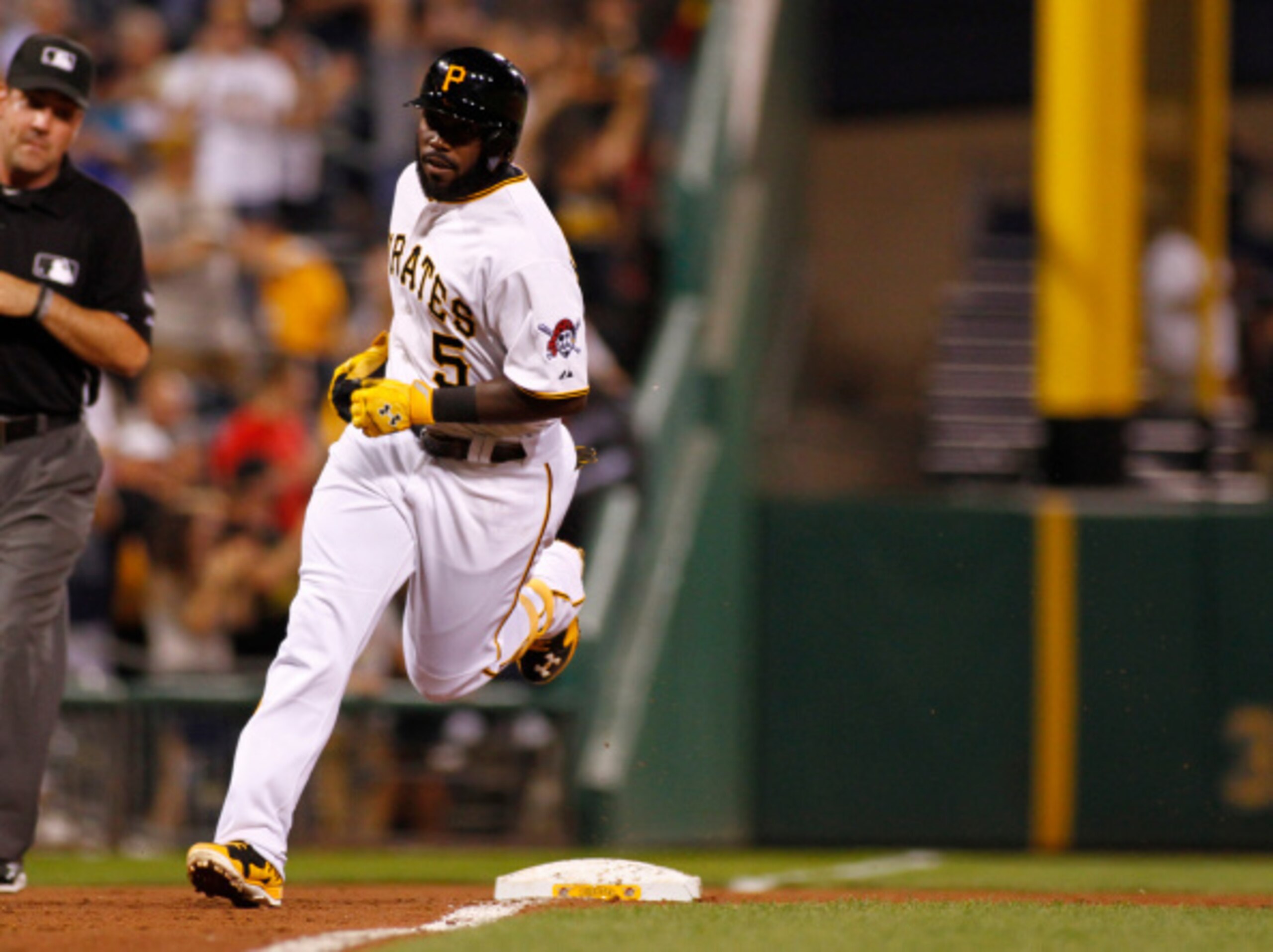
Hitting
Harrison is still an aggressive and undisciplined hitter with a whiff habit. To that last point, he’s notably gotten worse at making contact with slow stuff. But when you look at how he’s gotten better at hitting everything hard, using the opposite field and covering the strike zone, you do come away believing in his breakout at least a little bit. He’s been lucky, but that can happen when you make your own luck.
Power
After never hitting more than three homers in a season, Harrison is now a legit power threat. How he’s done it traces back to the point that he’s simply hitting the ball well, and doing it all over the yard to boot. His power in the right-center gap has been especially impressive. But while he’s clearly improved, his numbers have been padded by doubles down the left field line that have been a little too frequent.
Baserunning
Harrison could steal a base in a pinch before, but he’s done so in more than just a pinch in 2014. Though he hasn’t done it with the greatest efficiency, he’s put himself within range of 20 stolen bases even despite relatively limited playing time for a good portion of the year. Add in a 48 XBT%, and you get a guy who could be a darn good baserunner over the course of a full season.
Defense
With Pedro Alvarez banished, the hot corner is Harrison’s home. The defensive metrics like what they’ve seen from him, and they should knowing that he’s played third with good hands and good range stemming from quick reactions. These things help make up for the fringy arm he has for the position. And though he has a home at third, here’s thinking the Pirates aren’t about to stop taking advantage of his outstanding versatility.
Total
It’s hard to ignore the feeling that Harrison’s 2014 season is just a big tease. At least until you notice how regularly he’s been clobbering the ball and how he’s also been running the bases and playing good defense all over the diamond, including at his new third base home. He looks like a Ben Zobrist clone, which is very high praise.
2. Anthony Rendon, Washington Nationals
35 of 36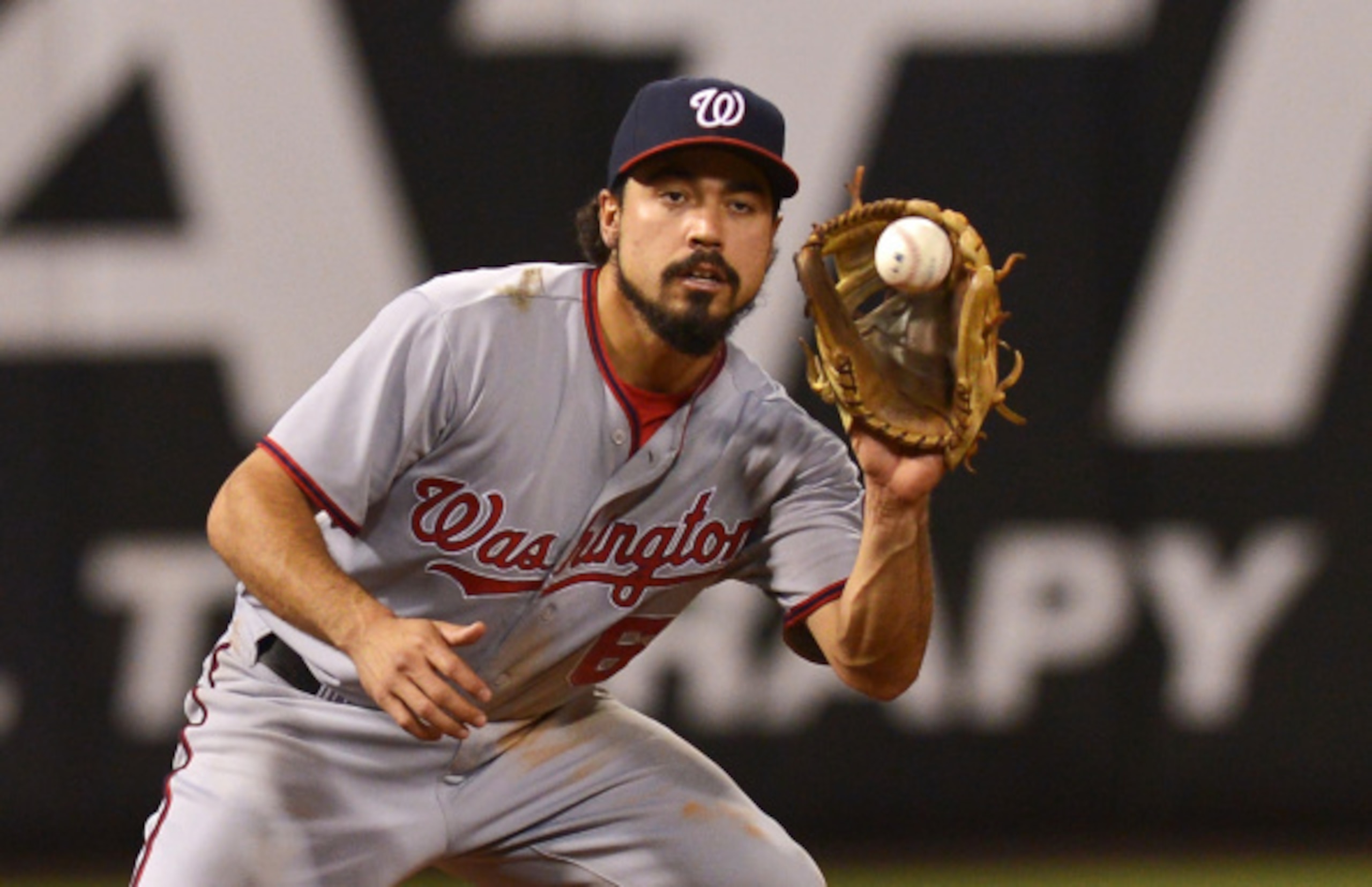
Hitting
Rendon has pulled off the tough trick of being more aggressive while staying disciplined and without sacrificing much contact, and there’s not an area of the field that’s safe when he’s hitting. And though it’s a shame his line-drive rate has decreased, he’s made more solid contact on pitches away from him. Though he’s been prone to ups and downs, Rendon has the makings of a dangerous hitter.
Power
Rendon has made good on last year’s power tease. Simply hitting more fly balls has given him a chance to hit for more power, but he also has the pop to pick up extra-base hits in any direction. It’s not all home run power either, as he can split either gap with a hard line drive. As such, what’s 20-homer power with doubles now stands a pretty solid chance of becoming 25-homer power with doubles.
Baserunning
It’s not just power Rendon has. He has speed too. He's stolen 15 bases with very good efficiency, which is very strong stuff for a third baseman. Not content to stop there, he’s also working on a 55 XBT% that’s a big upgrade over last year’s 41 percent. And all around, there’s a pretty strong case to be made for him as one of baseball’s top baserunners.
Defense
The defensive metrics are split on Rendon, but he’s probably closer to average than above average defensively. While he has good reactions and good range, his throwing errors aren’t the biggest surprise knowing that he has a funky sort of throwing motion. But hey, when you can play at least a solid third base and a good second base, you’re a good guy to have on defense.
Total
It’s by no means a stretch to call Rendon one of the best players in baseball right now. But what’s really scary is that we more than likely haven’t seen his best yet. Already a quality baserunner and defender, his hitting and power both have room to grow.
1. Josh Donaldson, Oakland A's
36 of 36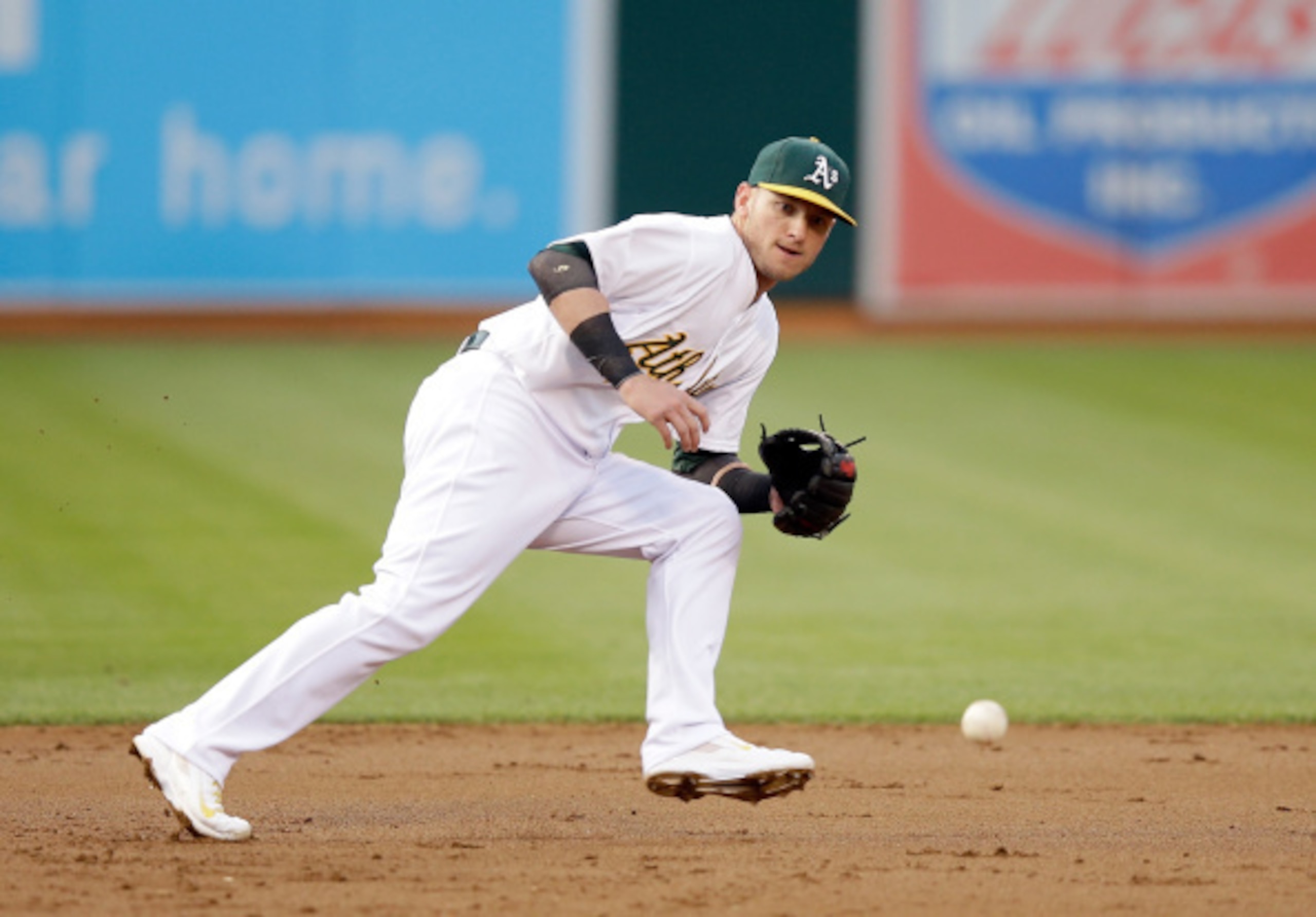
Hitting
Donaldson’s made what was already a patient and disciplined approach even more so. He’s also retained his quiet ability to get hits on ground balls while buying himself more consistency in the second half by upping his line-drive rate. He hasn’t had the best response to seeing fewer fastballs, though. His timing has been more easily disrupted, and he’s found himself swinging over junk below his knees more often. Pitchers haven’t solved the Donaldson puzzle yet, but they’ve at least found some corner pieces.
Power
One thing pitchers haven’t been able to avoid so well is Donaldson’s power. He’s given himself even more chances to tap into it by hitting more fly balls, and he’s continued to demonstrate that he can drive those to all parts of the yard. When you can do that, you can make a run at 30 dingers. The only bummer is that his inconsistent line-drive habit has made it tough to tack on doubles.
Baserunning
Donaldson moves better than you’d expect of a converted catcher. He has a real shot at double-digit steals without being caught even once, and he’s tacking on a solid 39 XBT% to go with it without making as many foolish outs as he did in 2013. For all he gets credit for, baserunning is one area where he's underrated.
Defense
The defensive metrics are even bigger fans of Donaldson’s than they were in 2013. This is even despite all his errors, and that most of those are throwing errors does highlight his inconsistency with his accuracy. But thanks to quick reactions, good footwork and simple athleticism, he covers ground about as well as any third baseman, and can make some really tough plays because of it.
Total
Though it’s not a great look that there are legit reasons Donaldson’s bat has been so inconsistent in 2014, it’s a minor complaint in the grand scheme of things. He at least has a terrific eye at the plate, and he combines it with excellent power and defense and good baserunning to make himself the total package.
.jpg?w=2560)
.png?w=2560)

.jpg?w=2560 "Reported Details of Seahawks-K9 Split ⛓️💥")
.jpg?w=2560 "Buzz: Bears TE Likely Out for Season")