Is a 16-Driver Chase for the Sprint Cup Championship Overkill?
2014 marks the 10th anniversary of NASCAR's Chase for the Cup, the annual playoff system that pits the best of the best after 26 races in a winner-take-all playoff chase for the championship over the course of the final 10 races.
Despite being met with much criticism in 2004, the inaugural Chase for the Cup met much success, as Kurt Busch defeated Jimmie Johnson by eight points to win his first (and to date only) Cup championship driving the No. 97 Ford for Jack Roush.
One thing that made it so great was the size of the Chase field that Busch had to best. Ten of NASCAR's best were going to fight for the Cup championship. A very small, very elite group out of many would be the focal point of NASCAR for 10 weeks. That was enough to give the rest of the garage incentive to work harder for a position in the playoff field.
TOP NEWS

New NFL Power Rankings 📊
.jpg?w=2560 "Texans-Mixon Released Football")
Injury-stricken Seahawks signing veteran RB
.jpg?w=2560 "Commanders Eagles Football")
2 NFL Officials Suspended
In 2007, the Chase field was expanded to 12. Two extra drivers had a shot at NASCAR greatness after 26 races. Regardless, 12 drivers out of the many teams that make up the NASCAR garage week after week was still something to be proud of. Even with the inclusion of the wild-card spots in 2011, the Chase for the Sprint Cup served a purpose for the fans and the drivers in the garage.
So why the need to expand the field to 16 drivers, some of whom happened upon their position by the luckiest of breaks?
Last year's Richmond controversy, in which Clint Bowyer and Michael Waltrip Racing faced accusations of manipulating the Chase outlook, can take some of the credit for the change. Due to Bowyer's actions on the track, Ryan Newman and Jeff Gordon were originally eliminated from Chase contention, while Bowyer's then-teammate, Martin Truex Jr., made the Chase for the second consecutive season.
However, Newman and Gordon ended up being added to the Chase field, while Truex found himself out of the Chase (and out of a ride) once penalties were handed to MWR. As a result, 2013 saw a 13-driver Chase field.
In the spirit of making an exception to the rules, Gordon's inclusion in the Chase field was seen as a reasonable move, as the No. 24 group was nothing more than an innocent bystander in the mess. But it doesn't justify expanding the Chase field for the foreseeable future.
Look at Aric Almirola, for example. Despite a few strong showings in the No. 43 Ford, he's nothing more than a B-plus player who happened to luck (yes, the party line here is "luck") into a win when the Coke Zero 400 at Daytona was rained out. Yet he now has a Chase spot over several formidable drivers.
Once the Chase begins, though, he'll be little more than an afterthought—one who's occupying a Chase spot that could have gone to a driver with a little more success under his belt or a little more momentum. It's a joke, one that isn't funny and that wastes a lot of time.
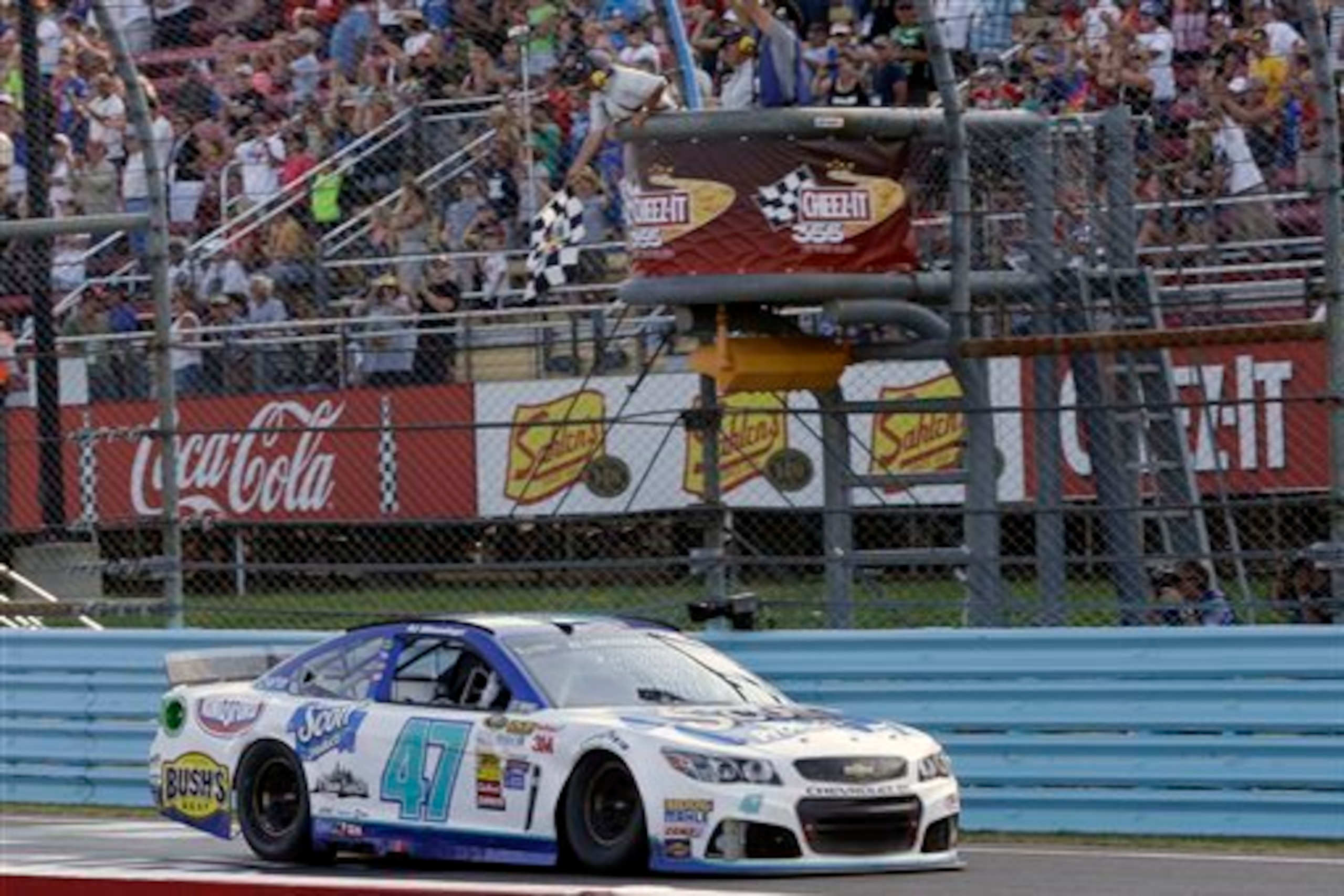
AJ Allmendinger is a step up, but not by much. He didn't luck into his win at Watkins Glen. Rather, he beat Marcos Ambrose, led the most laps and won the race on pure strength. Still, he holds a pair of top-fives and four top-10s (one short of Almirola) after 25 events. That doesn't translate into enough momentum to make a splash in the Chase.
Granted, if Newman were to miss out on the Chase after Richmond, Allmendinger would be the sole Richard Childress-powered entry in the Chase, so he would get a lot of support in the final 10 races. Still, given RCR's struggles on the Sprint Cup side this season, it wouldn't be doing him too great of a favor.
Other names can be taken into consideration here, including the Stewart-Haas duo of Busch and Kevin Harvick. Both have tasted victory this season, and in recent weeks, both have been posting strong results and showing the consistency needed to make a splash in the next 10 weeks.
Meanwhile, the entire Gibbs, Penske and Hendrick organizations are all in the Chase. On the Gibbs end, the shining light seems to be winless Matt Kenseth, while three of the four Hendrick drivers look to be legitimate title threats. Penske is the only organization that has been almost flawless this season.
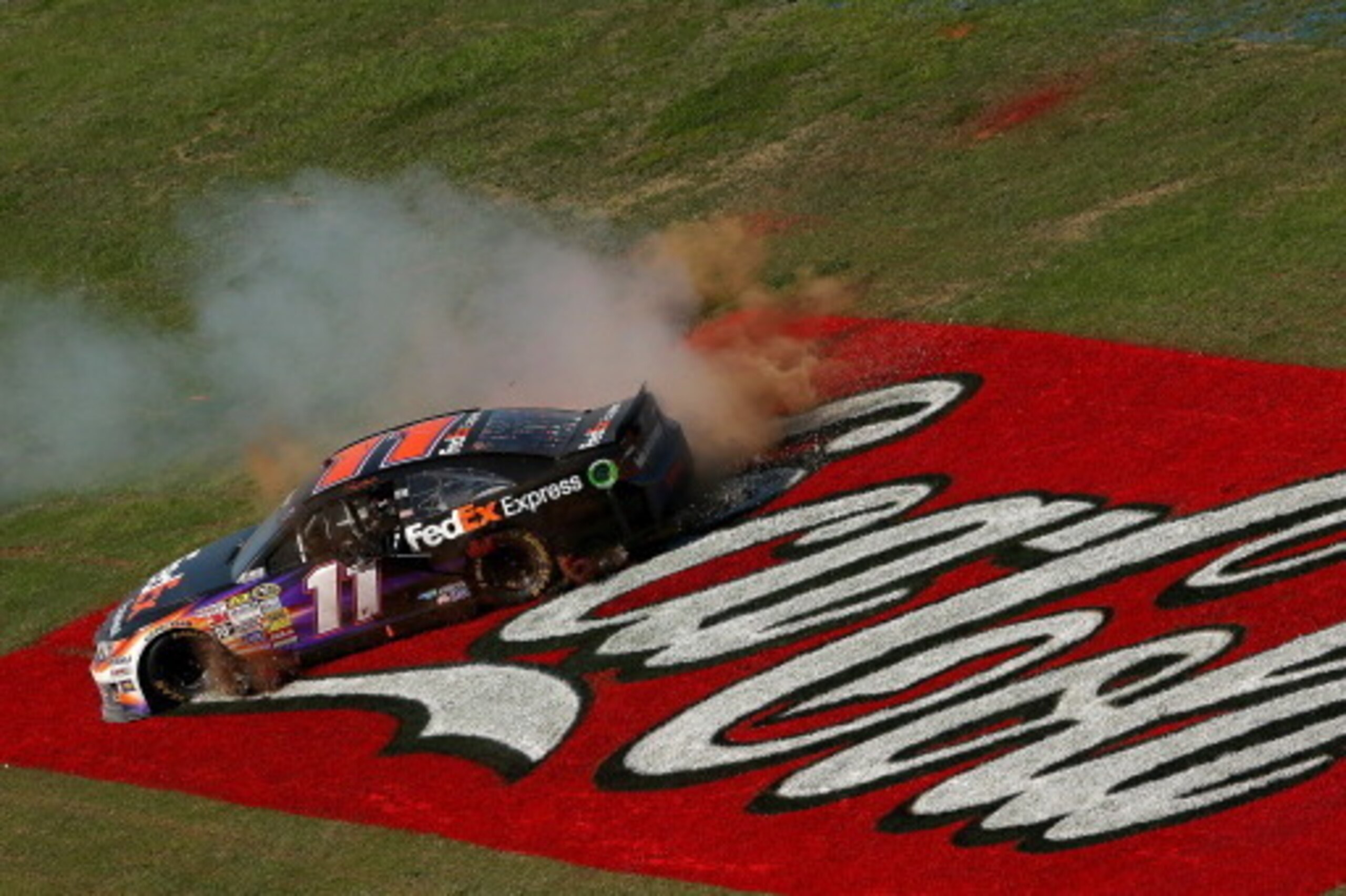
Basically, the picture going into Richmond Saturday night is a convoluted, complicated mess of storylines and strategies that read worse than a Stephenie Meyer novel.
Somehow, Brian France finds this entertaining?
True, everyone loves a good Cinderella story. We've got a few legitimate underdogs in the 2014 Chase, and anything can happen. However, look at this from a realistic standpoint. There are going to be four, maybe five drivers out there who will be championship material throughout the 10 weeks. That leaves 11 or 12 drivers who are doing nothing more than taking up space.
Some may argue that this is great for the sponsors and team public relations. Right, because entering the Chase only to finish 30th or lower in seven of the 10 races means a lot for a sponsor's morale. Besides, in the world of motorsports, what is more important? Air time for a sponsor or results?
That should be a simple answer, but somehow it isn't.
Bluntly speaking, there are too many spots in the 2014 Chase for the Sprint Cup. What's the point in having so many entries in the Chase if only a small amount of drivers are going to make a run for the title in the next 10 weeks?
Follow Joseph on Twitter: @Shelton500.

.jpg?w=2560 "Rams Eagles Football")


.jpg?w=2560 "Mahomes' Wife Trolls Kubiak 💀")