
Why NASCAR Needs The Camping World Truck Series Alive and Kicking, Pt. 1
Writer's Note: This will be the first of a four part series chronicling why NASCAR needs its two racing divisions in the Nationwide Series and the Camping World Truck Series around for the drivers, fans, and the sport itself. Parts I and II will look at the Truck Series, where as Part III and IV will focus on the history and state of the future for the Nationwide Series.
What separates NASCAR from most motorsports series, as well as most sports in general, is that it has three majoring championship divisions. The most famous of the three is the Sprint Cup, which was previously known as the Grand National Series, the Winston Grand National Series, the Winston Cup Series, and the NEXTEL Cup Series.
TOP NEWS
.jpg?w=2560 "Saints Lions Football")
Rap: Lions, LaPorta End Contract Talks
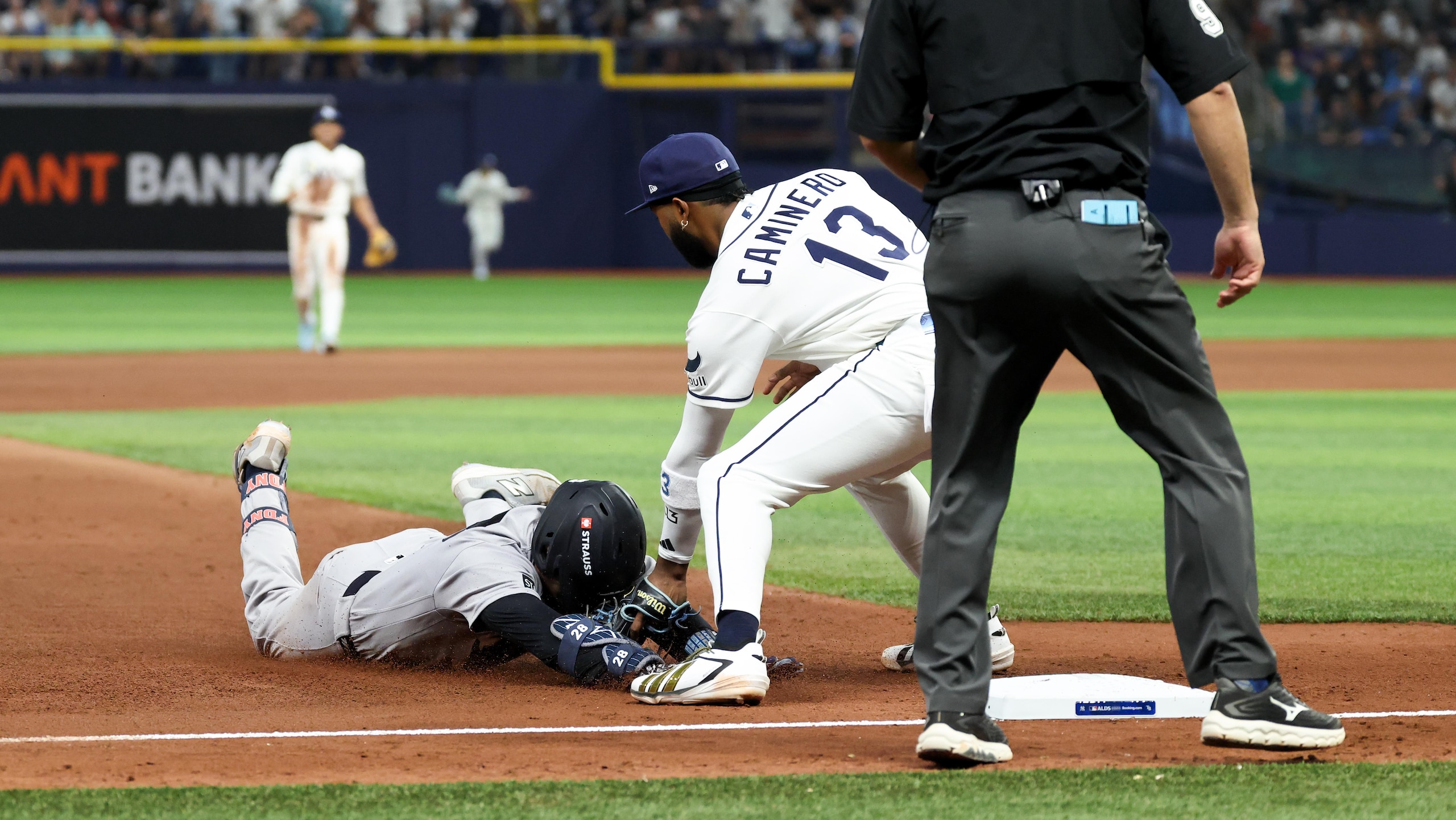
Aaron Boone Calls Out Yankees Catcher 🗣️
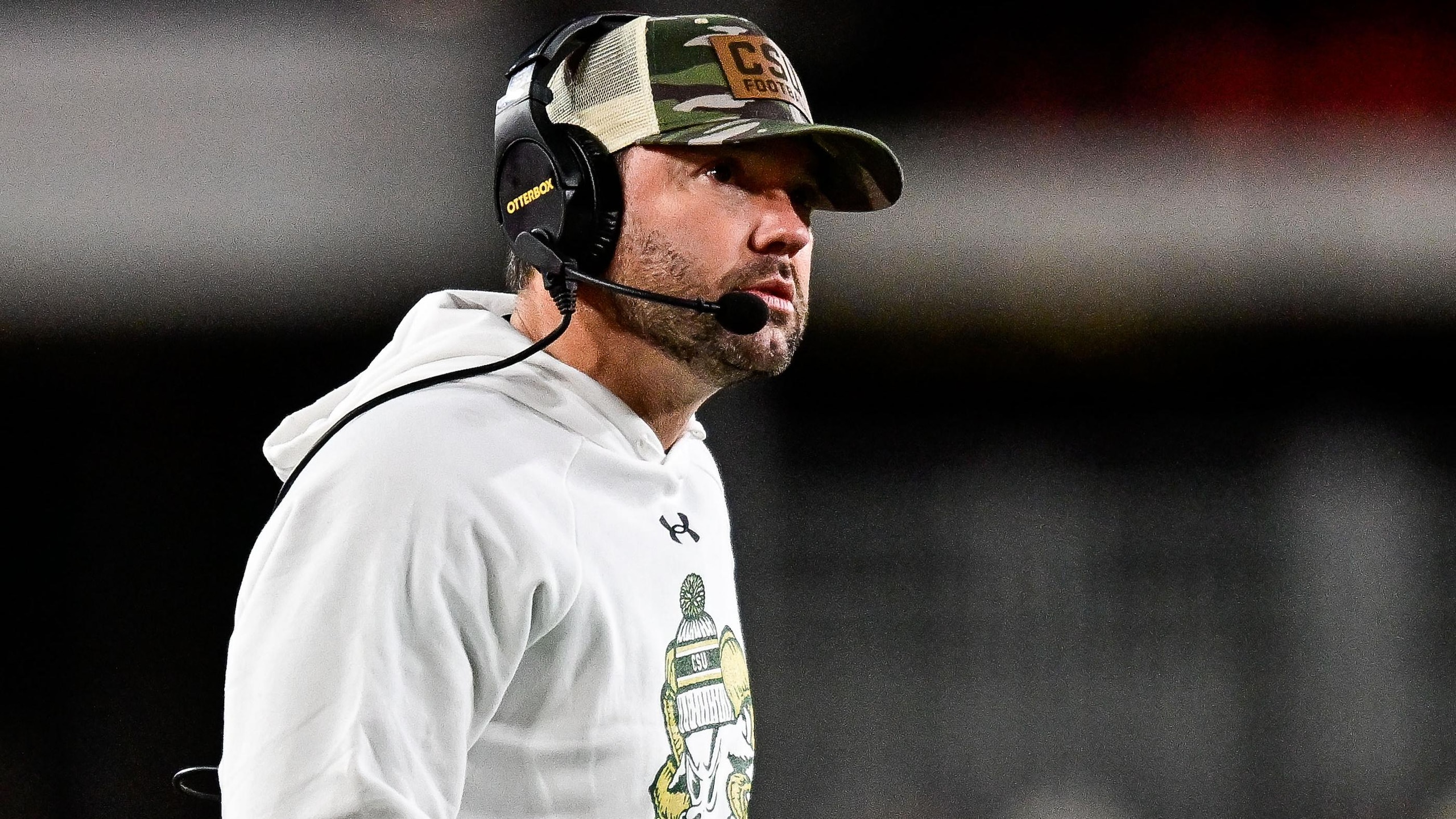
Colorado State DC gets fired mid-game during blowout loss
This particular article will detail the origins of NASCAR's "third" championship series in the form of the Truck Series. As you'll see, the creation of this particular racing division is very similar to its Cup counterpart. Sometimes, the best of ideas do get heard, especially for a group of four former racers and some future NASCAR faces.
Flashback to the year 1993, a time when tragedy would strike the world of sports, from the untimely passing of Boston Celtics star Reggie Lewis to the aviation tragedies of the defending NASCAR Winston Cup champion in Alan Kulwicki and popular second-generation driver Davey Allison.
Racing fans had been accustomed to the top tour in the Winston Cup Series, which served as stock car racing's melting bot with a potpourri of the stars of the time like Dale Earnhardt, Dale Jarrett, Ernie Irvan, and Rusty Wallace, as well as new faces like Jeff Gordon, Bobby Labonte, Ted Musgrave, and Kyle Petty.
There were only two racing levels for NASCAR with the Cup ranks and the "minor leagues" in what was then called the Busch Grand National Series (now known as the Nationwide Series), which were physically identical to the Cup cars but utilized V-6 engines instead of the V-8 powerplants.
More often than not, the best of the BGN level would get the "call up" or promotion to a Cup ride, which ranged from a second or third string team for a cooky car owner to a multi-car operation.
If you were not successful in the Cup Series, you either flocked to the feeder series like the American Speed Association, the Automobile Racing Club of America, or to the BGN division.
It was a proven formula that often served as a cycle of second chances or new opportunities for the young guns and aging stars of stock car racing, although a revolution would happen in the Winston Cup Series that greatly changed this "ladder of succession."
Four SCORE off-road racers, namely Dick Landfield, Jimmy Smith, Jim Venable, and Frank "Scoop" Vessels, decided to shake things up with the NASCAR racing scene.
Having competed for several years in off-road racing trucks, these four men conceived and pitched the idea of having stock trucks competing under the sanctioning powers of NASCAR.
Wanting to give trucks a bigger stage, so to speak, to perform in front of hundreds of thousands of racing enthusiasts, the group built a prototype truck to present to the racing sanction.
These trucks would use stock car chassis that could adapt to a truck body frame while using V-8 engines. It would be an affordable option for developing racers and motorsports legends to compete around the short tracks of America.
On paper, it sounded like a wonderful idea to Landfield, Smith, Venable, and Vessels. But around the time, the idea of pick-up truck racing was laughable to fans and media critics, who felt the series would just be a novelty act for the powers that be in Daytona Beach, Florida.
Some fans and media joked that the truck racing gimmick would bring on the advent of such off-shoot series like a station-wagon or minivan division. Funny now, but back then, not so much to these four men and NASCAR.
NASCAR President Bill France Jr. did not take the idea lightly from the four racers. Instead, the benevolent dictator of stock car racing approved of the atypical racing series, calling for four, 20-lap demonstration races to be held in 1994.
Racing fans would get their first look at the trucks when they were on display at Daytona International Speedway during Speedweeks '94 held that February. Slowly but surely, the series would gain some acceptance among the traditionalists of the sport.
On July 30th, the NASCAR world forever changed with the first demonstration race of these racing trucks, known at the time as "Supertrucks."
Competing at the half-mile paved oval at Mesa Marin Raceway in Bakersfield, Calif., there were only a measley number of trucks on the track, with P.J. Jones driving his No. 1 Vessels Stallion Ford F-150 to victory in front of a six-truck field.
These races generally had entries fieled by the founders of the Truck Series, thus translating to low entry turnouts.
Deeming the trial runs successful, NASCAR would have the Supertrucks compete in three Winter Heat events at the .375-mile Tucson Raceway Park.
From Nov. 20, 1994 to Jan. 8, 1995, three 200-lap contests were raced at the famed Southwestern facility to the tune of larger fields and fan turnouts.
Instead of the sparse, six truck races seen during the '94 racing season, Tucson hosted 18 truck fields. Cup and BGN team owners were beginning to take this "novelty" act more seriously, pondering the benefits of having a Truck team to lure more sponsors into their operations.
This time, there were drivers with diverse driving backgrounds competing in these events. After all, where else would you see Winston West racing stars like Rick Carrelli and Ron Hornaday Jr. driving against an IndyCar faces like Robby Gordon and P.J. Jones?
Or how about BGN talent Johnny Benson Jr. going door-to-door against Cup veteran Ken Schrader?
Arizona fans were delighted to these three events held during NASCAR's Winter Heat shows, and were they ever action-packed!
Carelli stunk up the Nov. 20 show by leading 107 of the 200 laps for Winter Heat race No. 1, driving his No. 6 Total Petroleum Chevy truck to a 1.2 second victory over Jones and Hornaday.
It would not be the last time that Carelli would mix it up with Jones and Hornaday, as these three drivers would become full-time competitors in the Truck ranks in '95.
Winter Heat Race No. 2, held on Dec. 11, saw the unofficial Truck debut of a future series legend in Mike Skinner from Susanville, Calif.
A Golden State racer looking for his big break in NASCAR after years working odd-end jobs, from working the pits for Rusty Wallace in the mid 1980s to sweeping the floors of Petty Enterprises, Skinner caught the eye of Cup team owner Richard Childress.
Childress, who was celebrating his sixth Winston Cup title courtesy of Dale Earnhardt (who earned his seventh driver's title overall), kept an eye on Skinner, who also raced out in the West Coast.
Years later during the 1999 Daytona 500, which was broad-casted by CBS Sports, play-by-play announcer Mike Joy quoted Childress' encounter with Skinner in the following:
"I just saw what I liked, and never forgot it."
There's the story of how Childress lent an engine to Skinner, who gave an everlasting impression on the car owner of his potential if given the chance to drive for a reputable team.
Well, Childress gave his racing prospect that breakthrough chance, fielding a black No. 3 Goodwrench Service Chevrolet pick-up in Race No. 2 and 3 at TRP.
The results did not disappoint car owner and driver, as Skinner would lead 106 laps en-route to place third in the second race.
One month later, the No. 3 Chevrolet led only for 55 circuits, but they were important ones, propelling the Californian to his "first" win in a Supertruck.
Declared a total success by NASCAR and fans, the inaugural season was just a month away, waiting for the SuperTruck division to showcase themselves in the 1995 World Copper Classic at Phoenix International Raceway.
Would the success from the demonstration races of '94 and early '95 prove fruitful for the fans and sport?
Where would the series compete in '95 and would it actually last a season?
Find out the answers to those questions and more, with Part II of this series, which will look into the '95 season, as well as notable events and races from 1996-present.
.jpg?w=2560 "Vikings Buccaneers Football")
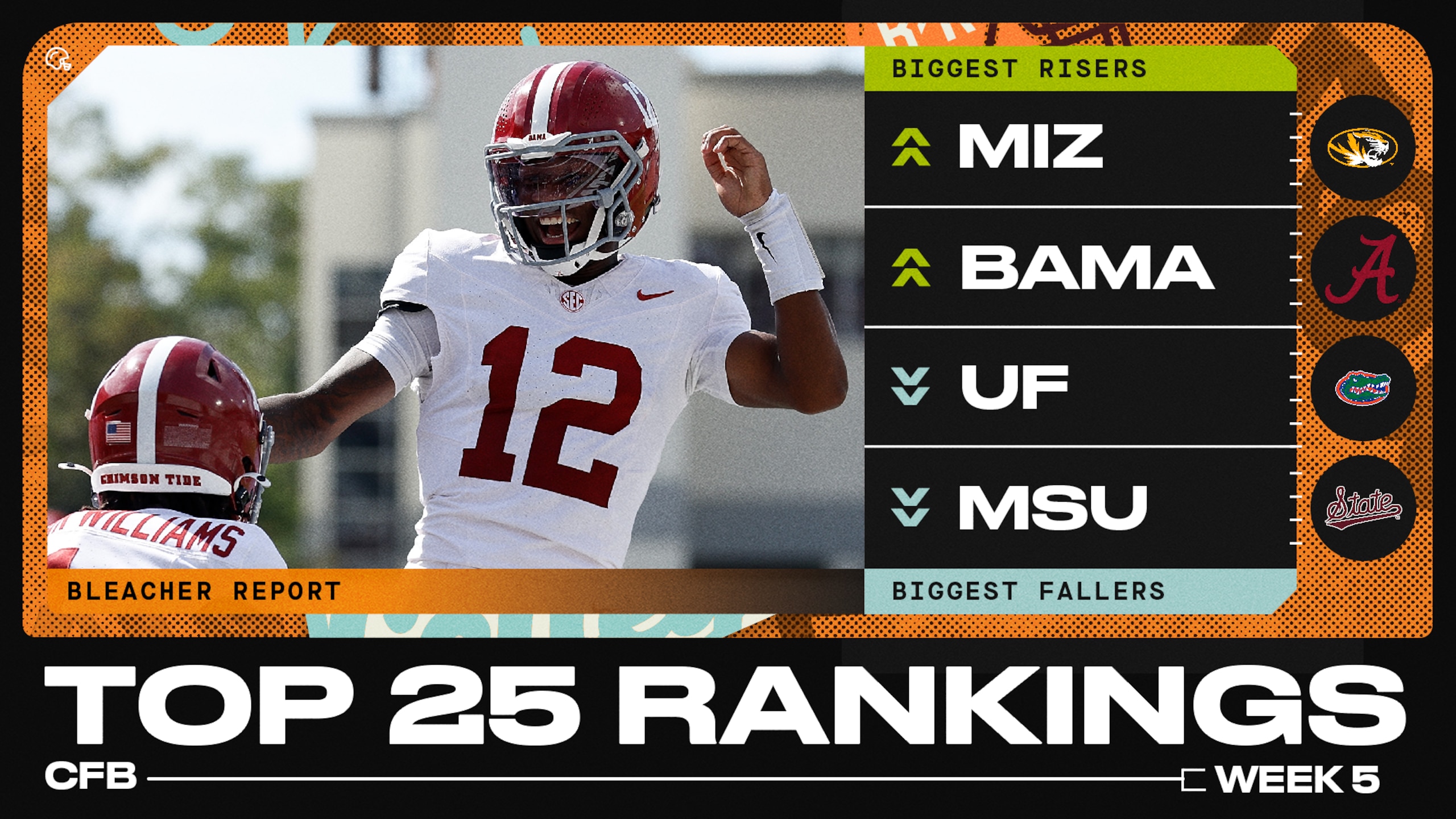
.jpg?w=2560 "EVERY Fantasy Football Update")
_0.png?w=2560 "Week 5 Winners & Losers 📊")

