

Chelsea 6-0 Arsenal: 4 Things Arsene Wenger Got Wrong This Weekend
Chelsea 6-0 Arsenal: not the result Arsene Wenger had envisaged on his 1,000th game in charge of the Gunners.
In fact, I’m not sure many people saw this one coming. Arsenal were truly overwhelmed by their spirited opponents and found themselves three goals and a man down within 17 minutes.
Now, far be it from me to criticise Wenger—I think that without his guidance the club would be in far worse health than it finds itself at present. But against Chelsea on Saturday there were a number of decisions that, had they been made, could have made for a more favourable result.
Granted I have the benefit of hindsight, and as a result this is not a criticism of the Frenchman—rather an indication of what went wrong.
This article rounds up four key decisions that Arsene Wenger got wrong this weekend, starting with the system itself.
Formation
1 of 5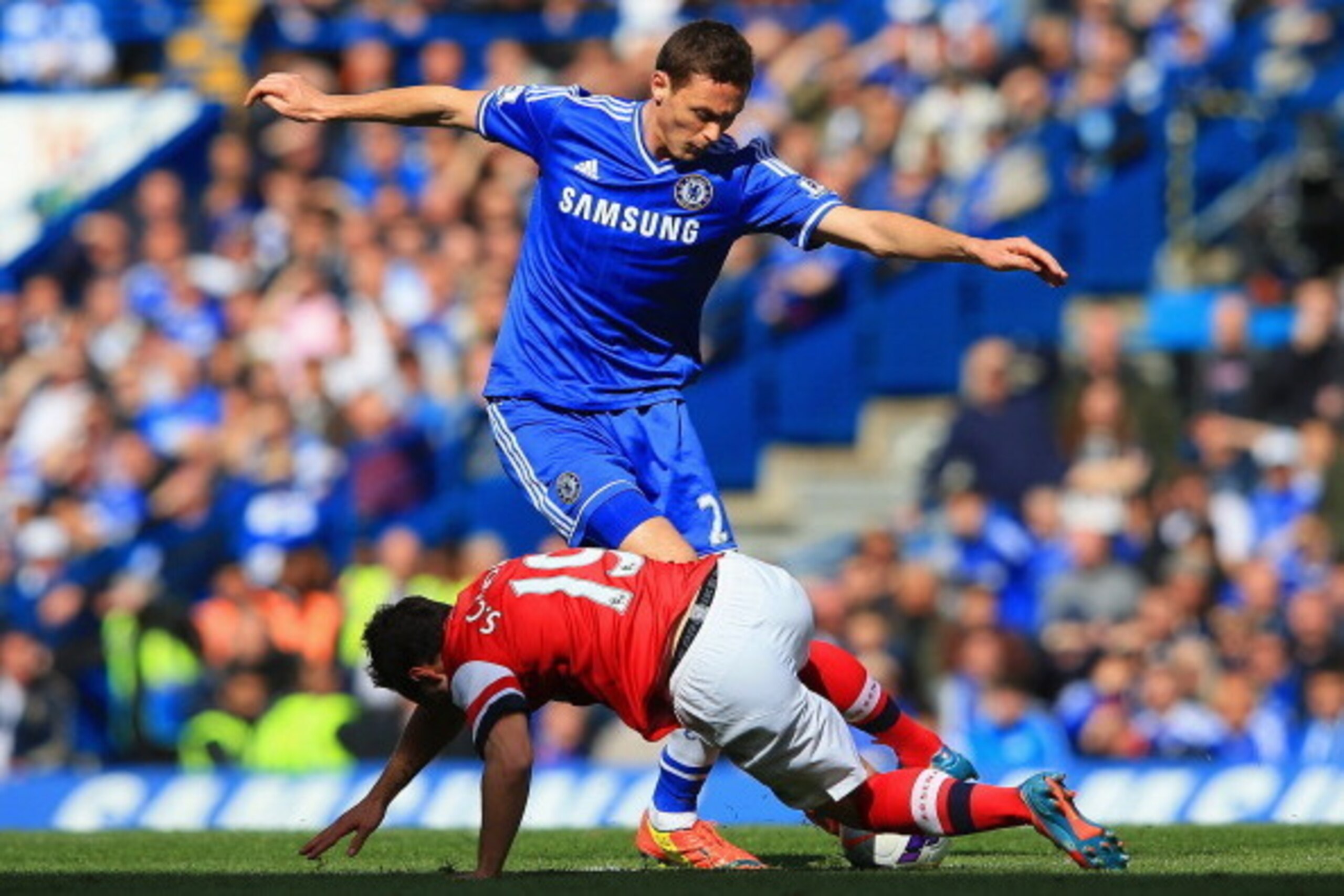
Arsenal lined up in something of a 4-5-1 with an arc in midfield, much like they did against Tottenham last week.
Before we even consider the personnel involved, this was always going to be an issue against the robustness of Chelsea’s two holding midfielders in their 4-2-3-1 formation.
The two more advanced central midfielders, in this case Santi Cazorla and Alex Oxlade-Chamberlain, would be kept in check by Chelsea’s opposite pair of David Luiz and Nemanja Matic. This would nullify the Gunners’ creative threat in that central area, placing an even greater onus on Lukas Podolski and Tomas Rosicky in the wider regions.
The result was that Chelsea could easily marshall the Gunners attack, as the offensive trio of Podolski, Rosicky and Olivier Giroud were outnumbered by the hosts’ back four of Branislav Ivanovic, Gary Cahill, John Terry and Cesar Azpillicueta.
Long story short: Lining up against this Chelsea side with a 4-5-1 formation meant that Arsenal’s offense was largely negated.
Use of Cazorla and Oxlade-Chamberlain
2 of 5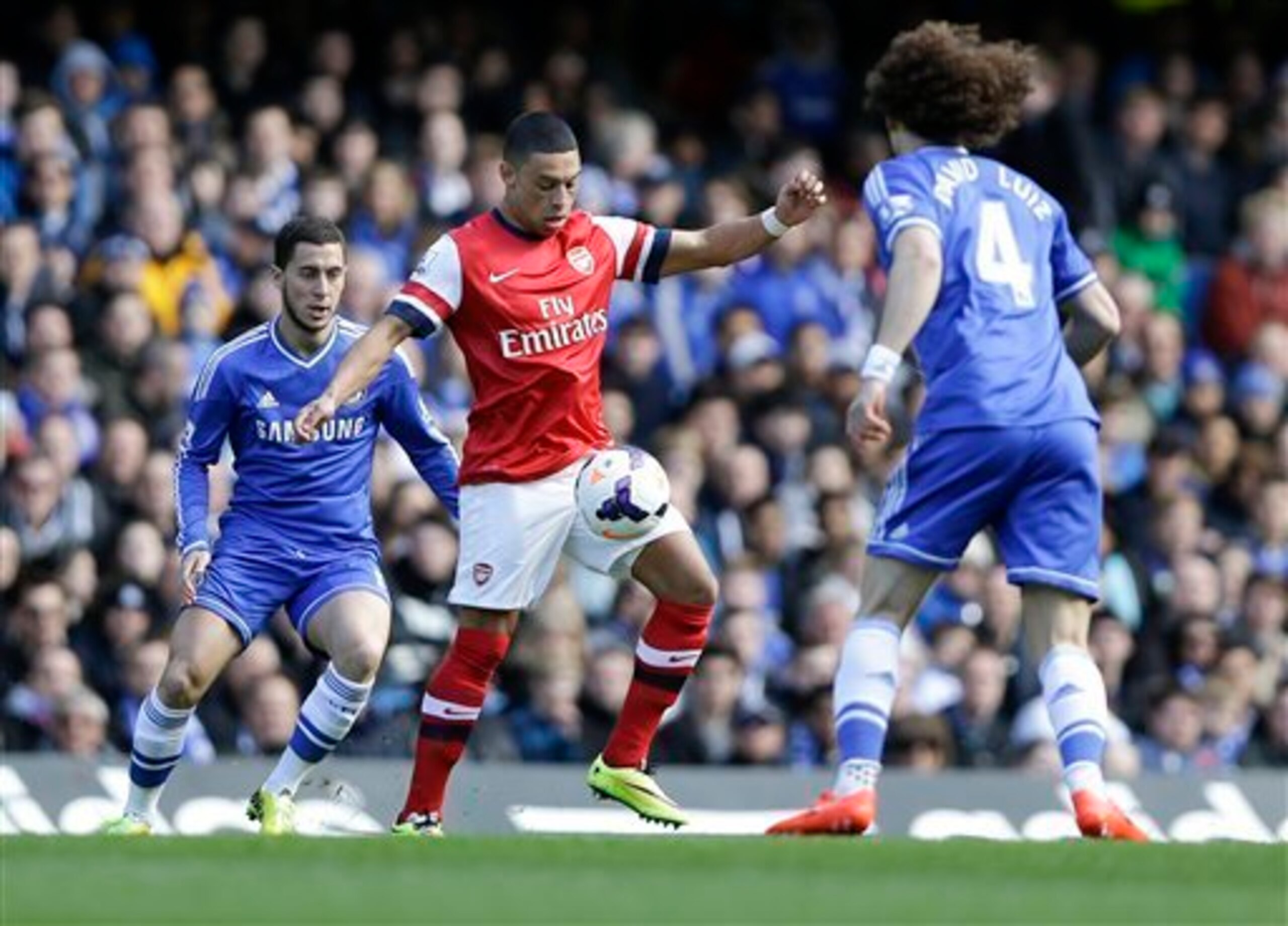
As was previously mentioned, Wenger utilised Cazorla and Oxlade-Chamberlain in the heart of Arsenal’s midfield just ahead of Mikel Arteta.
And although they were the more advanced of the central players, they were still in deeper territory than usual.
One can see why Wenger made this selection. Cazorla’s creative instincts would, in theory, enable him to link up the play, while Oxlade-Chamberlain’s drive and energy would serve well on the counterattack and when bursting from midfield.
But in order to implement these assets, Arsenal would need to get in behind Chelsea. But they didn’t do that—or rather, they couldn’t—as Luiz and Matic were so effective in their shielding roles. This meant that not only was Wenger's side offering very little in a key area of the pitch, it was also failing to get the most out of two of its star players.
Perhaps Tomas Rosicky would have been more suitable here, as he’s often fulfilled this role when captaining the Czech Republic.
Not Starting Mathieu Flamini
3 of 5
Or better still, Wenger could have turned to Mathieu Flamini to bolster the midfield.
Though he lacks the creativity and drive of Cazorla and the Ox, he would have added some much-needed steel and determination to the Gunners midfield.
Ideally, the Frenchman could have lined up alongside Mikel Arteta, with Wenger choosing to match Chelsea’s shape with the two holding players. This may have made the midfield battle more even and, with the additional freedom he would have been afforded, Cazorla could have had more of an impact on the match.
In the modern game, players like Flamini are truly invaluable. During his time in Milan he evidently developed his tactical awareness to the point that he can now be considered amongst the new breed of holding midfielders who place an importance on reading and anticipating play, rather than simply impose themselves on it physically.
For me this was the biggest mistake, and the inclusion of Flamini from the start may well have changed the result.


Not Changing the Approach at 3-0
4 of 5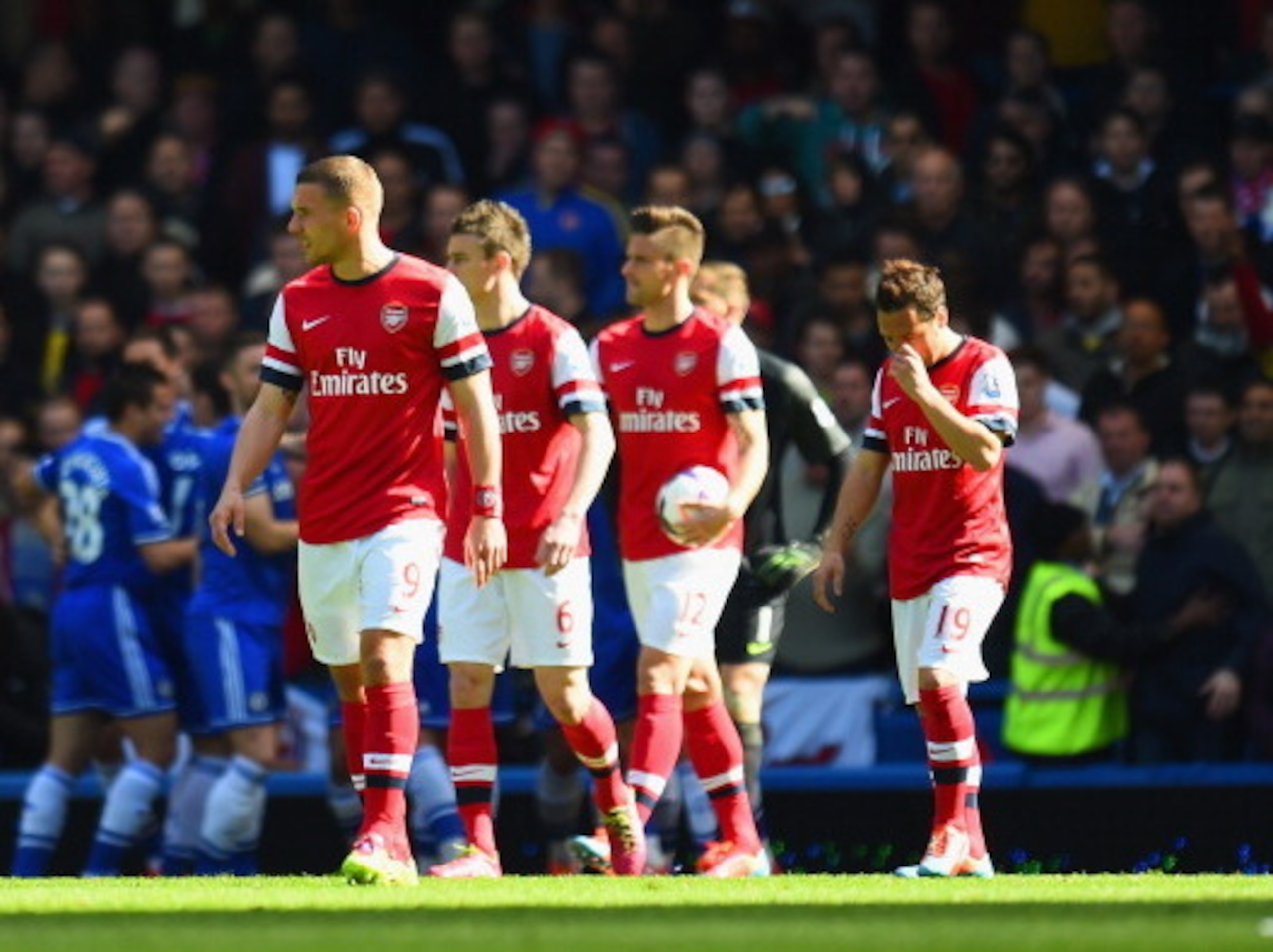
Once the Gunners went 3-0 down, Arsene Wenger should have made a change.
Sure, he eventually introduced Thomas Vermaelen in the 24th minute—but that was to atone for the loss of Kieran Gibbs after his earlier dismissal. As well as this move, he should have done something about the situation elsewhere on the pitch.
Flamini should have been brought into the fray well before the interval for reasons discussed on the previous slide. Arsenal needed to harry Chelsea, to pressurise their midfield and stop backing off as they did in Andre Schurrle’s goal.
Flamini’s presence could have achieved this and at least caused some damage limitation. It might even have been enough to claw his side back into the game.
Again though, it’s understandable why Wenger refrained from doing this. A substitution out of choice before the half-time whistle is the ultimate vote of no confidence for whomever is the unfortunate sacrificial lamb.
But desperate times call for desperate measures. Falling three goals behind and having a defender sent off, all within the first 17 minutes, certainly constitutes desperate times in my book.
Conclusion
5 of 5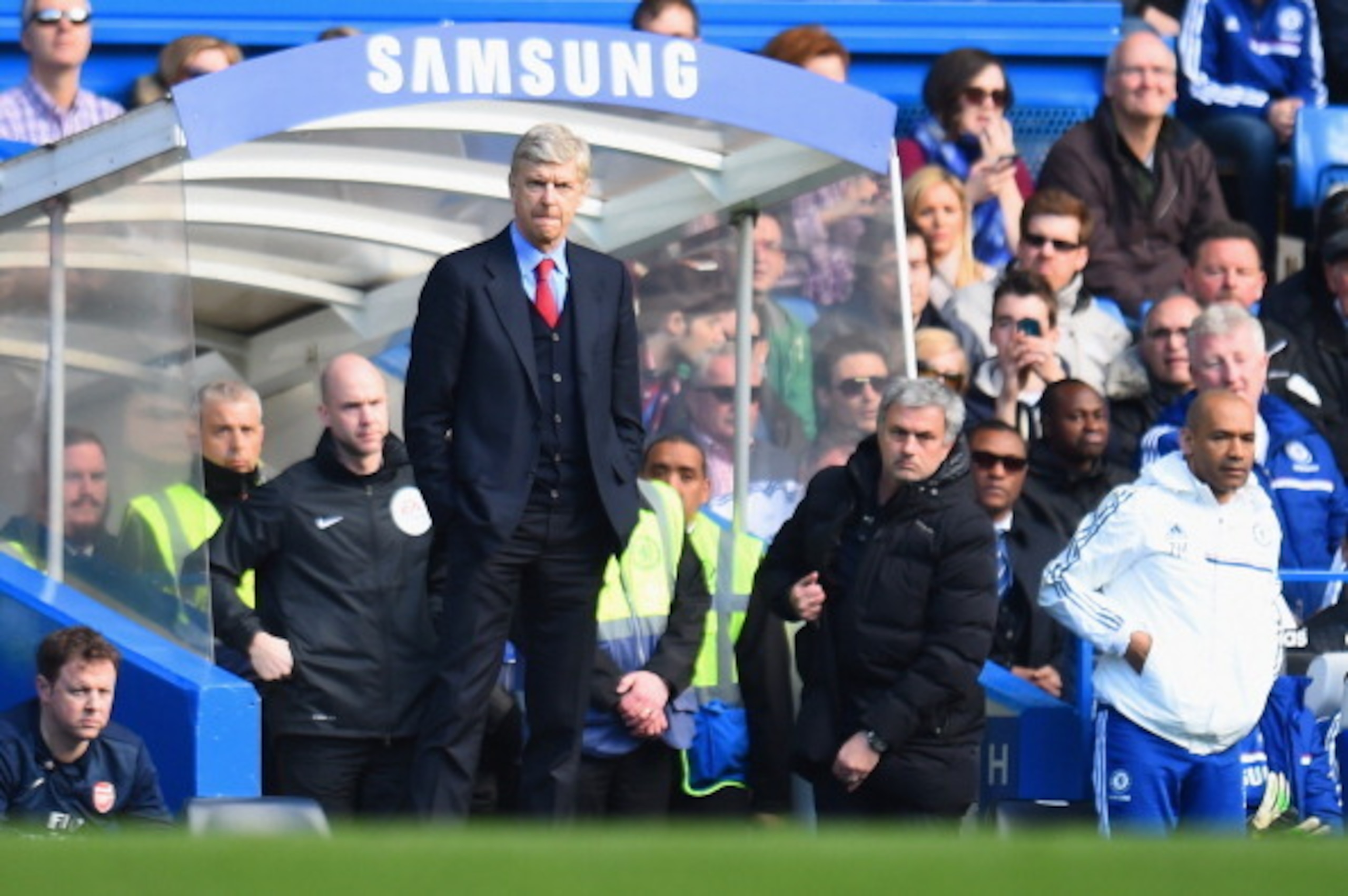
Of course, as I mentioned in the opening slide, it’s easy for me—or anyone for that matter—to make these claims with the benefit of hindsight on my side.
Wenger has since come out though and taken “full responsibility” for the rout at Stamford Bridge in his comments to BBC Sport. The positive here is that he is in optimistic mood and is already looking to Tuesday’s game with Swansea, against whom his side will be eager to revive their fading title hopes.
But could it be too little, too late?
Please feel free to comment below with your thoughts on the Chelsea game and its implications, as well as any of the points that were discussed in the article. And as always, thanks for reading.
.jpg?w=2560)
.png?w=2560)

.jpg?w=2560 "Monday Night Raw Blog 🔴")
.jpg?w=2560 "Aaron Donald Fights Bills OL😳")