

What UEFA's Financial Fair Play Schedule Means for City, PSG and Other Big Clubs
Last Friday, when UEFA announced it had begun investigations into possible breaches of its Financial Fair Play (FFP) regulations, Manchester City and Paris Saint-Germain were immediately suspected of being among the 76 clubs required to submit additional information to European football’s governing body.
City’s loss of £52 million during the 2012-13 season, as revealed by The Guardian, had no doubt caught the attention of the UEFA accountants, as had a mystery payment of €125 million made to PSG in 2012 and suspected by some, including the reputable number-crunchers at FinancialFairPlay.co.uk, to have come from the Qatar Tourist Authority (QTI).


.jpg?w=2560)
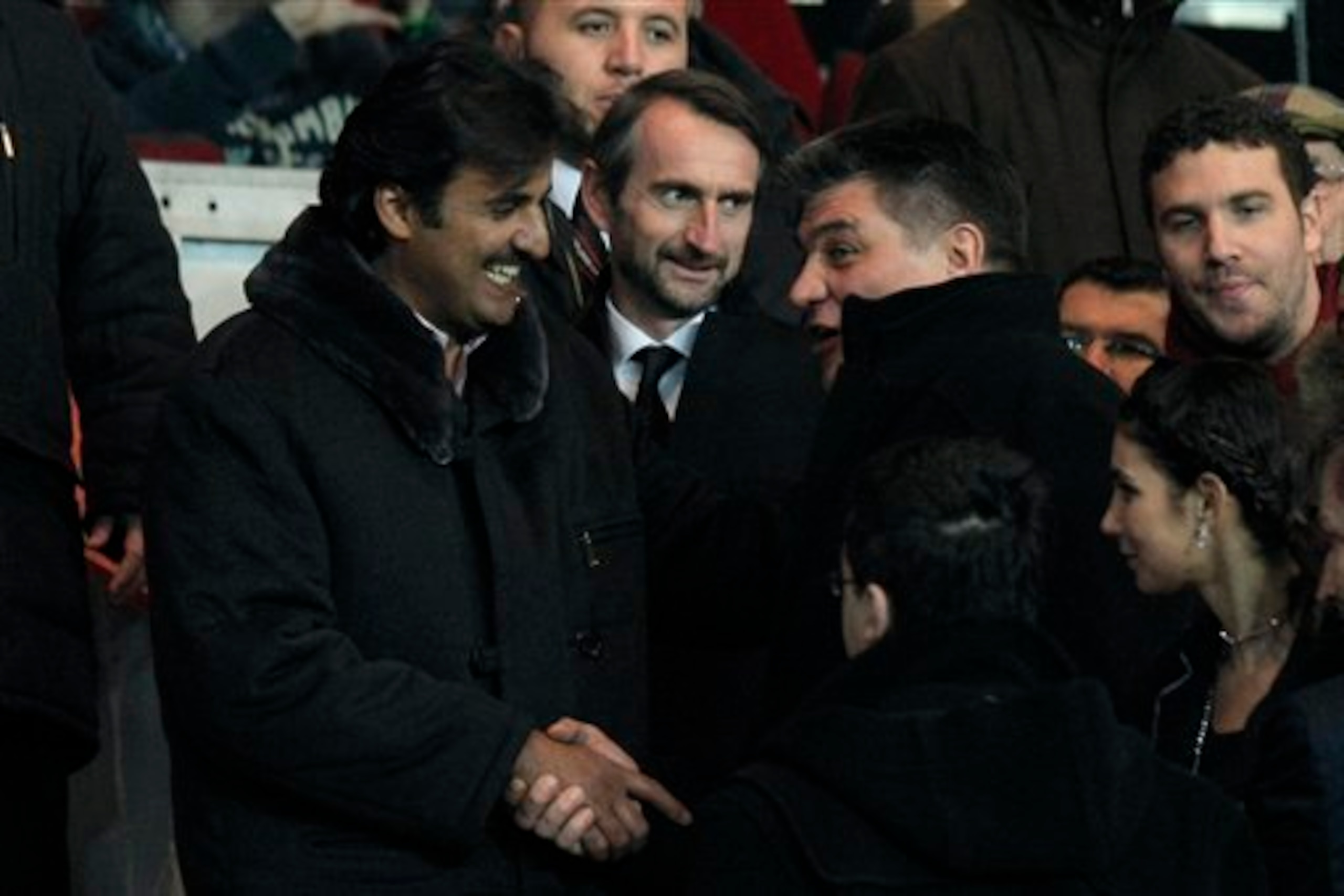
(PSG are owned by the Qatar Investment Authority group, headed by the Qatari prime minister.)
So on Monday, when UEFA publicized the compliance timetable intended to see its member clubs reach a break-even point on their balance sheets, both clubs were quite rightfully caught in the crosshairs.
But will either, and indeed the other 74 culprits, be facing penalties ahead of the 2014-15 campaign?
Not necessarily.
Although UEFA’s FFP Guide outlines the losses a club can report and still be eligible for Champions League or Europa League licensing—the amount is pegged at €45 million for this season and next—buried within its own regulations document is an out-clause, known as Annex XI, that violators could use to escape punishment.
Titled “Other factors to be considered in respect of the break-even requirement,” the clause discloses that “an improving trend in the annual break-even results will be viewed more favourably than a worsening trend.”
In other words, a club can conceivably achieve UEFA licensing despite a considerable deficit, so long as that deficit has been trending downward—and considerably so—in successive reporting periods.
This all but ensures City will escape sanction.
As divulged in that Guardian report, the Premier League outfit saw its losses trimmed nearly in half over a 12-month period while raking in record revenues.
Should City fall afoul of UEFA it will likely be because of its lucrative stadium deal with Etihad—a company tied closely to the club’s ownership group. The governing body terms such arrangements “Related Party Transactions” (RTPs) and does not look kindly on them, as they can be used to bloat accounts.
PSG’s purported payment from QTI would fall under this category, and it’s likely that this was the additional information requested by UEFA on Friday.
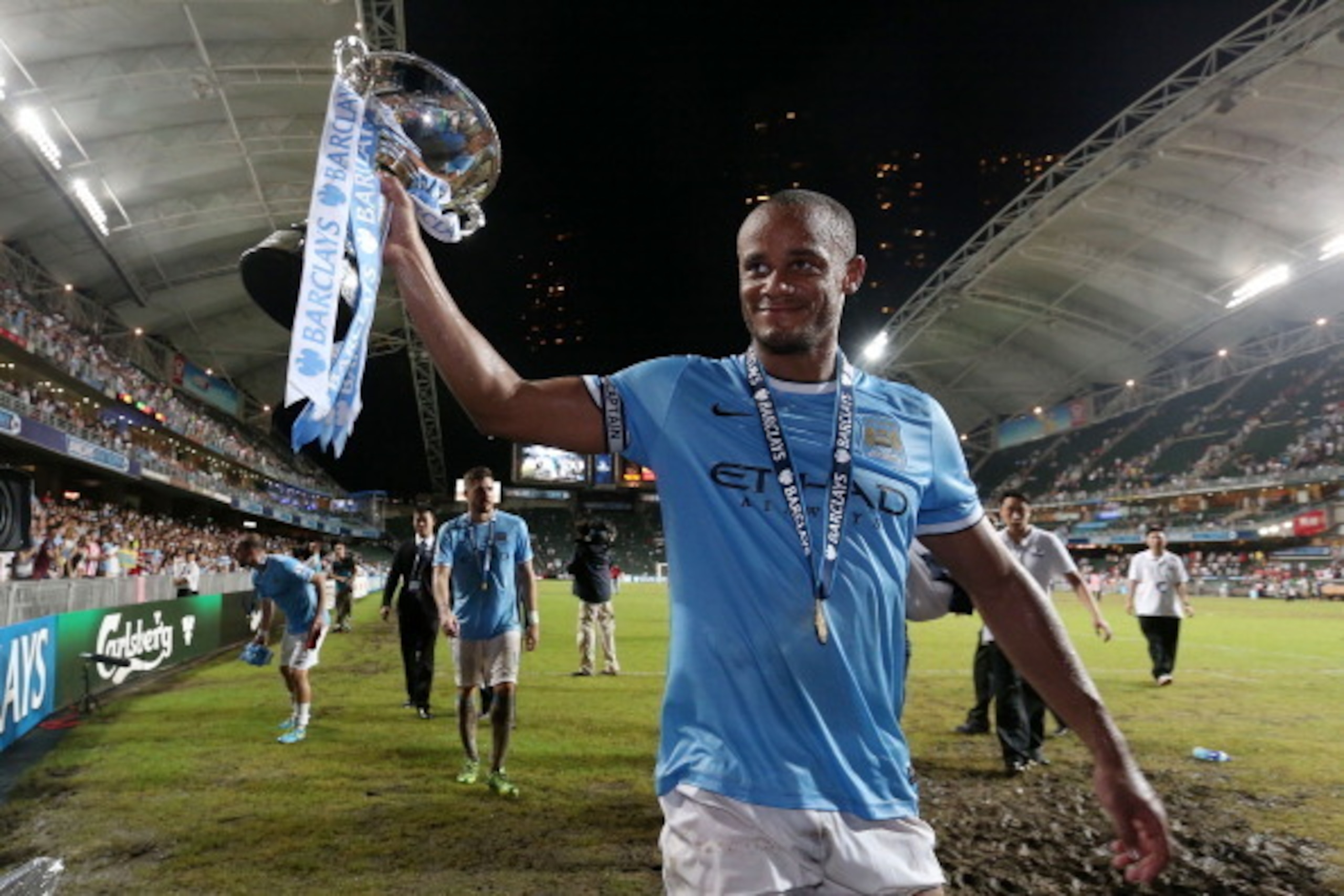
City, for their part, will claim to have done due diligence on the Etihad deal when it was agreed in 2009, as they consulted UEFA from the start of the process, according to The Guardian.
But PSG could find themselves in rather more trouble, as FinancialFairPlay.co.uk found their QTI payment to be little more than “financial doping.”
If City, PSG or any other club be found guilty of breaking the FFP laws, they could be issued anything from a UEFA warning to disqualification from continental competition.
That said, fines or point deductions would be the most likely penalties at this point, as in his Friday remarks UEFA general secretary Gianni Infantino was adamant his organization was not out to “isolate clubs” but rather to “help the clubs and European football,” as per UEFA.org.
So while some of Europe’s biggest clubs may find themselves in contravention of Financial Fair Play, the spectre of UEFA banishment remains a highly unlikely outcome.

.png?w=2560)




.jpg?w=2560 "Aaron Donald Fights Bills OL😳")