Analysing Where Things Went Wrong for Lewis Hamilton in the 2nd Half of 2013
Rewind back three months to the day exactly and Lewis Hamilton was in a good place.
The Mercedes driver had just produced one of the performances of his career in Hungary to win his first Grand Prix for Mercedes.
The ease of his victory, a comfortable 11 seconds from second-placed Kimi Raikkonen, suggested that Mercedes had indeed turned the corner and found a solution to the tyre problems that dogged the early part of the year.
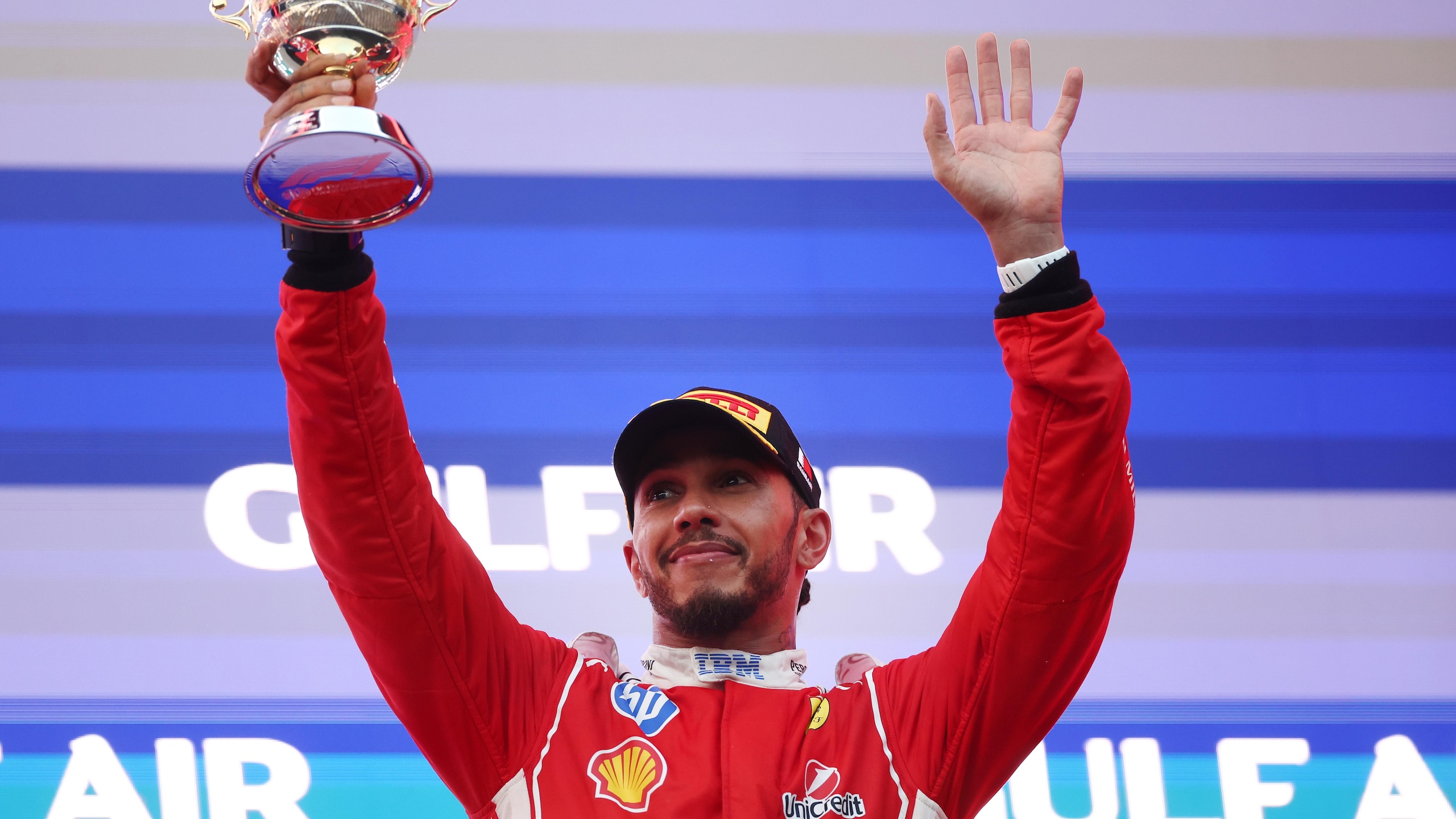


But Hamilton could muster only one more podium at the following Belgian Grand Prix and would score only 50 more points in the final eight races.
So where did it all go wrong for Lewis in the second half of the season? Firstly we have to factor in the element of bad luck, which Hamilton has had his fair share of. A slow puncture hampered his chances in Italy and forced him into a two-stop strategy and an unscheduled Nico Rosberg stop for a new front wing assembly destroyed his tyre strategy.
His Japanese Grand Prix was effectively ended on the opening lap when his right-rear tyre made contact with Sebastian Vettel’s front wing and he suffered a puncture that led to his retirement with a damaged floor.
In India and Abu Dhabi, Mercedes proved that its car was still a force to be reckoned with as Rosberg grabbed a second and third. Hamilton complained in India during his post-race quotes on Autosport that he destroyed his tyres in trying to get past Felipe Massa and he again complained at a lack of grip in Abu Dhabi but was otherwise at a loss to explain his lack of performance en route to a seventh place finish.
Hamilton’s pent-up frustrations boiled over in Austin, Texas when he first told his team to leave him alone to concentrate on racing when provided with tyre feedback early in the race only to bark later, "you need to give me some feedback, man, tyres, temperatures." As reported on Sky Sports.
Hamilton was still delivering consistently strong qualifying performances so one possible explanation about his lack of race pace may be that Hamilton’s aggressive driving style and heavier braking on certain circuits takes more out of his front tyres than does Nico Rosberg’s.
Sky Sports’ Mark Hughes identified this particular problem earlier in the season after Rosberg had taken victory in Monaco and this may have played a part throughout the season at circuits with a high demand on braking with rapid deceleration zones. Horses for courses?
There is no question that Rosberg was the stronger driver in the second half of the season, taking 75 points to Hamilton’s 50 over the final eight races.
If Hamilton himself finds it hard to isolate what exactly has gone wrong, we can only speculate as to the reasons why although a combination of Mercedes' tyre wear problems, contrasting driving styles on certain circuits and the old lady luck factor must surely have played a part.
.jpg?w=2560 "Eagles Titans Football")