NASCAR Is Just the "Pits"
While NASCAR racing is fierce and competitive on the track, it can get downright brutal in the pits.
In fact, races are often won or lost based on the performance of a team's pit crew.
Pit stops are a critical element of every NASCAR race, at any track and in every level of racing.
TOP NEWS
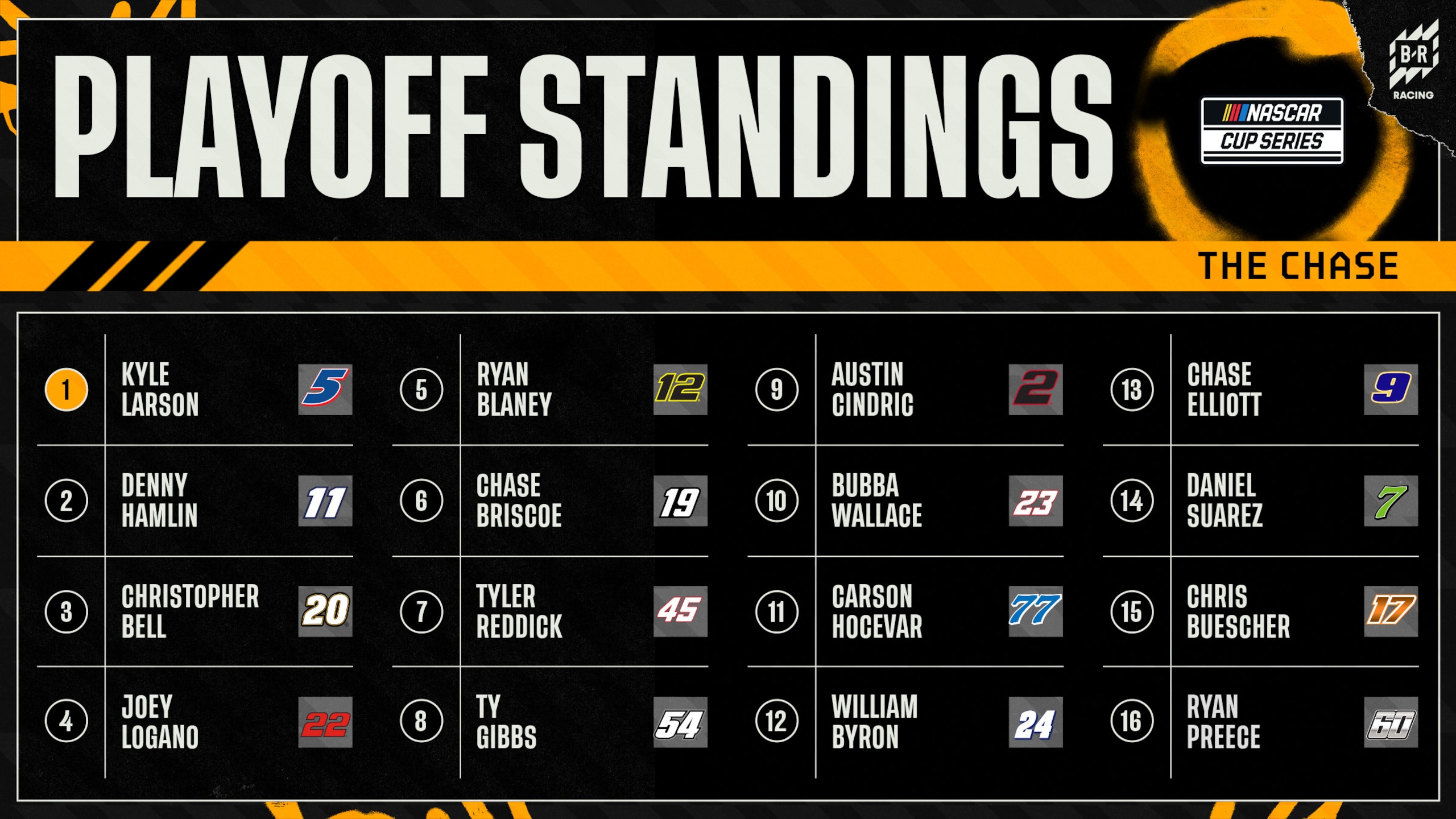
NASCAR Cup Playoffs Standings

New NFL contenders starting to emerge after Week 4
.jpg?w=2560 "Cardinals Giants Football")
NFL investigating 2 referees for separate viral exchanges
Race cars or trucks head onto pit road to get fuel, take on new tires, and receive adjustments that hopefully make the car perform better once back on the race track.
During a typical pit stop, the jack man will raise the side of the car so that that the old tires can be pulled off and the new tires put on. The tire changers remove the lug nuts from the old tires, pull them off and secure the new tires with the five lug nights, ensuring that they are tight before the car proceeds back out on the track.
While the jack man and tire changers are performing their wonders, the gas man is filling the car with fuel. The catch can man catches any of the overflows fuel and also often makes adjustments to the car, such as wedge or track bar adjustments.
The tire carriers bring the new tires over the pit wall and catch the old tires as they are rolled back to the wall. They also have to pull out the fenders if there is a tire rub and clean or add/remove tape from the grill of the car.
Periodically, there is an eighth man involved in a pit stop. This is only permitted in the second half of the race to pull off a windshield tear off or provide the driver a drink.
Pit stops are like heavily choreographed ballets, with much movement all in incredibly precise formations. Everyone must assume their positions perfectly and in complete tandem or chaos ensues.
Pit stops are not only an art, but a science: they must occur as quickly as possible so that the driver can at least maintain and at best pick up positions in the pits that could not be secured on the race track.
Pit strategy plays a critical role in all NASCAR racing levels. Race teams, led by the crew chief, have to decide when to pit and then what to do at each and every pit stop.
There is another important element of the pit stop: speed.
Drivers must slam their breaks on coming off the track to get down to the specific pit road speed for that track and then, after the car has been serviced, must wildly pull out of their pit stalls, hoping not to hit another car on their way back onto the track, all the while obeying pit road speed yet again.
There are additional challenges for the drivers and teams during a typical pit stop.
The drivers must find their particular pit box and must angle their car into the box perfectly, so the pit crew can go to work.
Although the 2009 racing season is newly underway, pit stops have played a crucial role in the outcomes of several races, as well as the race teams.
A case in point is NASCAR's most popular driver, Dale Earnhardt, Jr.
At the Daytona 500, Junior totally missed his pit box during a stop, driving right by and back onto the track.
During another pit stop, Dale Jr. made another critical mistake: he pitted his car over the line of the box, ever so slightly and was penalized, going a lap down in the race.
Many have speculated that these two pit stop errors on the part of Earnhardt, Jr. then caused him to have to drive more aggressively to attempt to regain his lap.
During that process, Junior and Brian Vickers tangled, taking both cars out of race contention.
The criticality of effective pit stops was also demonstrated at the Fontana race. Because of the efficiency of Matt Kenseth's "killer bees" pit crew, he was able to gain spots in the pits, which led to his race win over Jeff Gordon.
Are pit stops challenging?
Just ask Michael Waltrip.
In a recent Nationwide series race, Waltrip was clipped by Brandon Whitt, spun around, and landing backwards in his pit box.
His pit crew was momentarily stunned, but with some urging from Michael, figured out how to pit his car doing all of their routine service basically backwards.
The biggest concern so far in the young 2009 season, however, has been the new pit stop rules for the Camping World Truck Series.
In an effort to save money, NASCAR dictated a five-man-over-the-wall pit crew limit.
NASCAR, also mandated that tire changes and refueling could not occur on the same pit stop. This in effect ensures that each race truck would have to come down pit road twice in order to get a full pit stop servicing.
While the rule did not have that much affect on the truck race in Daytona, there were huge issues because of the pit stop change in Fontana.
Towards the end of the race, many trucks opted for fuel only, leaving well-worn tires on trucks that could have truly endangered the drivers.
Rick Ren, Ron Hornaday, Jr.'s crew chief said that his truck's right front tire "had the cords hanging out of it when the race was over." Ren advised that his truck was not the only one in this very dangerous position.
Other issues also occurred during these pit stops, because the trucks had to come down pit road twice: there were more frequent collisions as trucks attempting to get into their pit stalls tangled with those making their way back out on the track.
So, while most race fans of course go to the track to see that wonderful side-by-side racing and those great neck-and-neck races to the checkered flag, more often than not, the race truly is won on and off pit road.
Yes, NASCAR truly is just the pits nowadays.
Just ask Jeff Gordon or Michael Waltrip or even Dale Earnhardt, Jr. They will surely tell you it is so.
.jpg?w=2560 "Hill Injury Update Football")
.jpg?w=2560 "OBJ Calls Out Giants 😳")
.jpg?w=2560 "Tyreek makes another cryptic post amid Chiefs rumors")