Are Statistics Becoming Too Important in Sports?
Ever since I was a little kid, I had a fascination with numbers and statistics – especially in sports. Stats in sports have always been important when it comes to rating or ranking a player.
And the less you see an athlete perform, the more you have to rely on his or her stats to evaluate their performance.
Like them or not, stats gives you some guidance to a players consistency that a SportsCenter highlight or a single performance that you witnessed will not. You can interpret stats in different ways, but there is no ignoring them. And in today’s sports world—for various reasons—stats have become more important than ever.
The most important reason that stats are more important is the existence of free agency. Now, when a player’s contract is about to be renewed, or when they are a restricted or an unrestricted free agent, everyone (the player, his agent, the owner, and the general manager) points to the player’s stats in the negotiation process.
Also, sports contacts today are filled with incentives clauses that are based on the player’s stats. Now, the question is: Is the increased attention on players’ stats sometimes detrimental to the teams? Or, have stats become too important in sports?
(Fantasy Leagues are solely dependent on stats and have also increased the importance of stats in sports, but since only the fans (of course, if a coach, manager, or player was playing this could have an effect) use them—I cannot see how this affects our question at hand. Maybe I am missing something and I am sure someone will point it out if I did lol.)
In baseball, more than any other team sport, stats give you an accurate picture of a player’s performance because of the limited interaction between its players. In other words, teamwork is less important, hence, there are fewer intangibles to take into consideration when evaluating a player’s abilities.
Hence as a result, the stats are of the up most importance in contract negotiations. Does this affect how a player performs on the field? Does it ever affect a manager’s (or coach’s) decision to the point were it is not always best for the team?
I can think of some obvious examples in response to the former question, such as trying to shoot and score too much in basketball and hockey. However, I cannot think of more subtle examples off the top of my head (perhaps you can).
TOP NEWS

New NFL contenders starting to emerge after Week 4

Deion Playbook Found at Hotel
.jpg?w=2560 "Cardinals Giants Football")
NFL investigating 2 referees for separate viral exchanges
But, an astute friend of mine and a sometime writer for my site, Rich Rothwarf, did come up with a subtler example to the latter question.
I will let him explain:
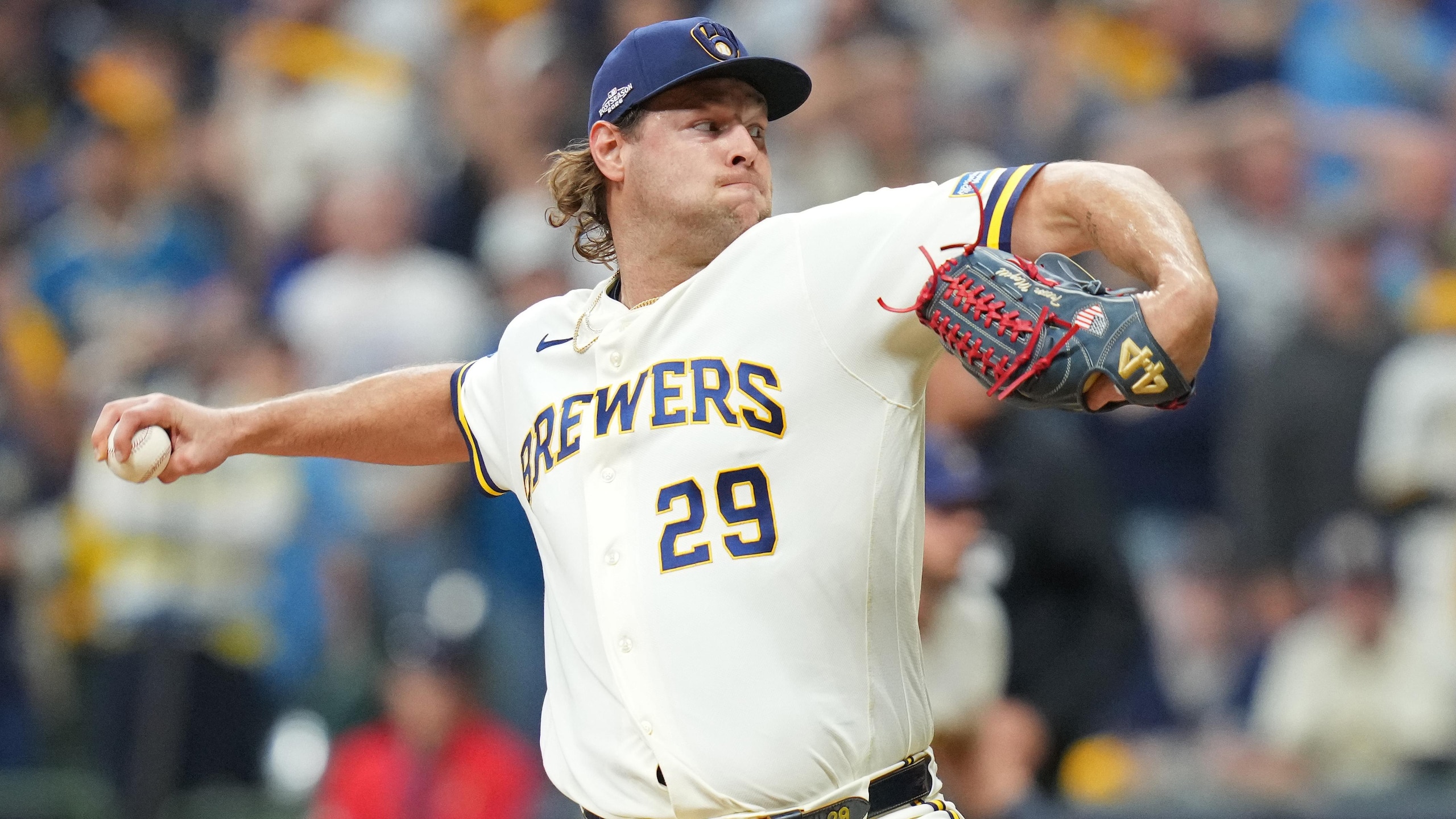
“In baseball, relief pitchers' value is usually determined by saves. In earlier times, managers brought in their best relievers in the most crucial situations. Nowadays, the closer pitches just the ninth inning in games in which his team is leading by 1-3 runs. The manager wouldn't think of putting in a lesser pitcher with a three-run lead in the ninth, nor would he bring in the closer in a tight spot in the sixth or seventh inning."
Can you think of any other examples in either of these two areas (players, coaches/managers)? (Why should I do all the work?)
.jpg?w=2560 "Hill Injury Update Football")
.jpg?w=2560 "Titans Giants Football")

.jpg?w=2560 "Tyreek makes another cryptic post amid Chiefs rumors")