Dana White: Friend or Foe to the UFC? A Closer Look
Although Dana White’s self-proclaimed title as a street-wise tough guy is questionable, you can‘t deny that he is the driving force behind the success of UFC and MMA itself.
With the backing of investors, White purchased the company in 2001 for $2 million.
Today, the UFC sells out venues across North America and Europe with an estimated value over $1 billion.
TOP NEWS
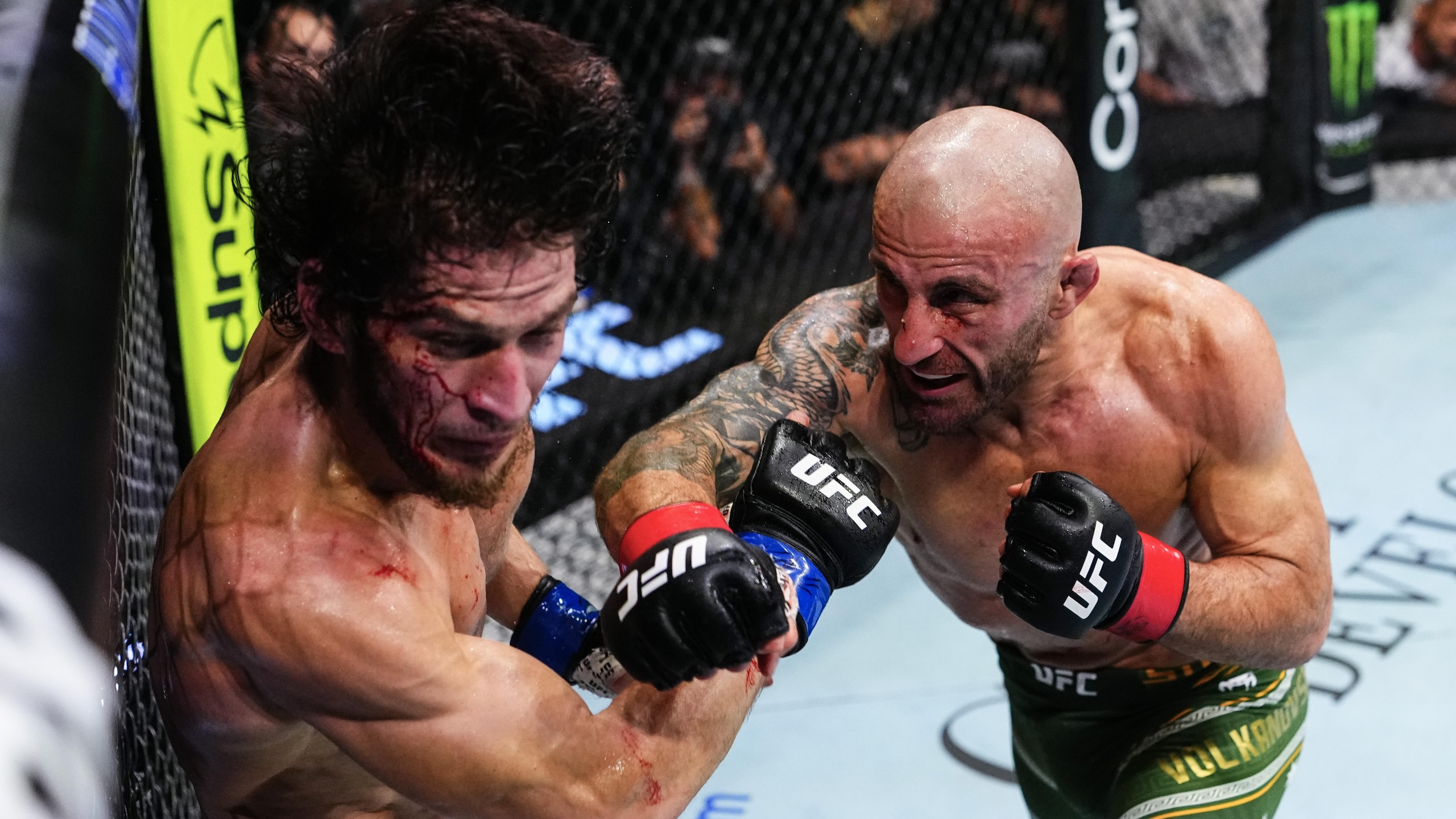
Volkanovski Retains UFC Title 🏆
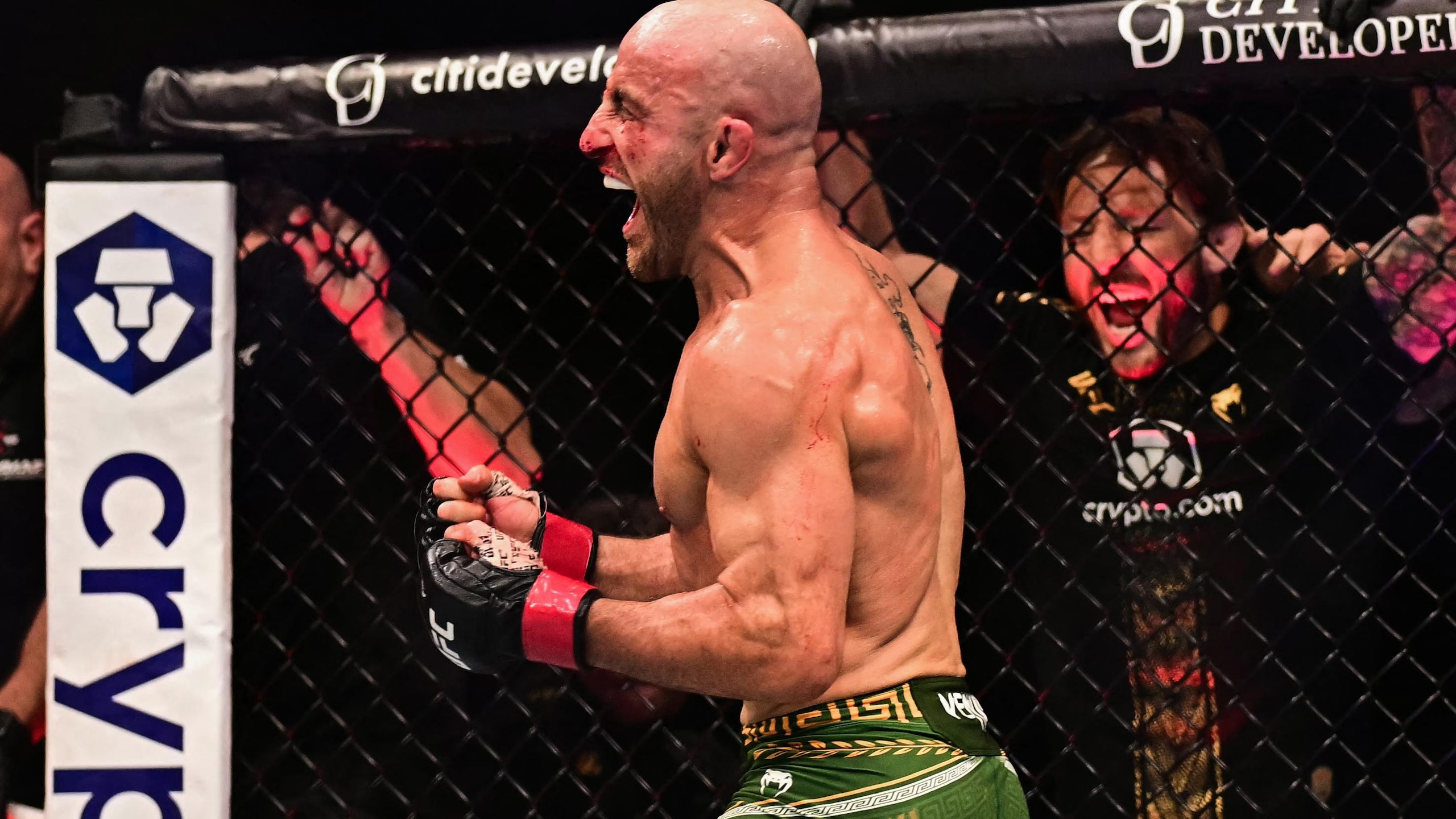
Volkanovski breaks record after title win at UFC 333
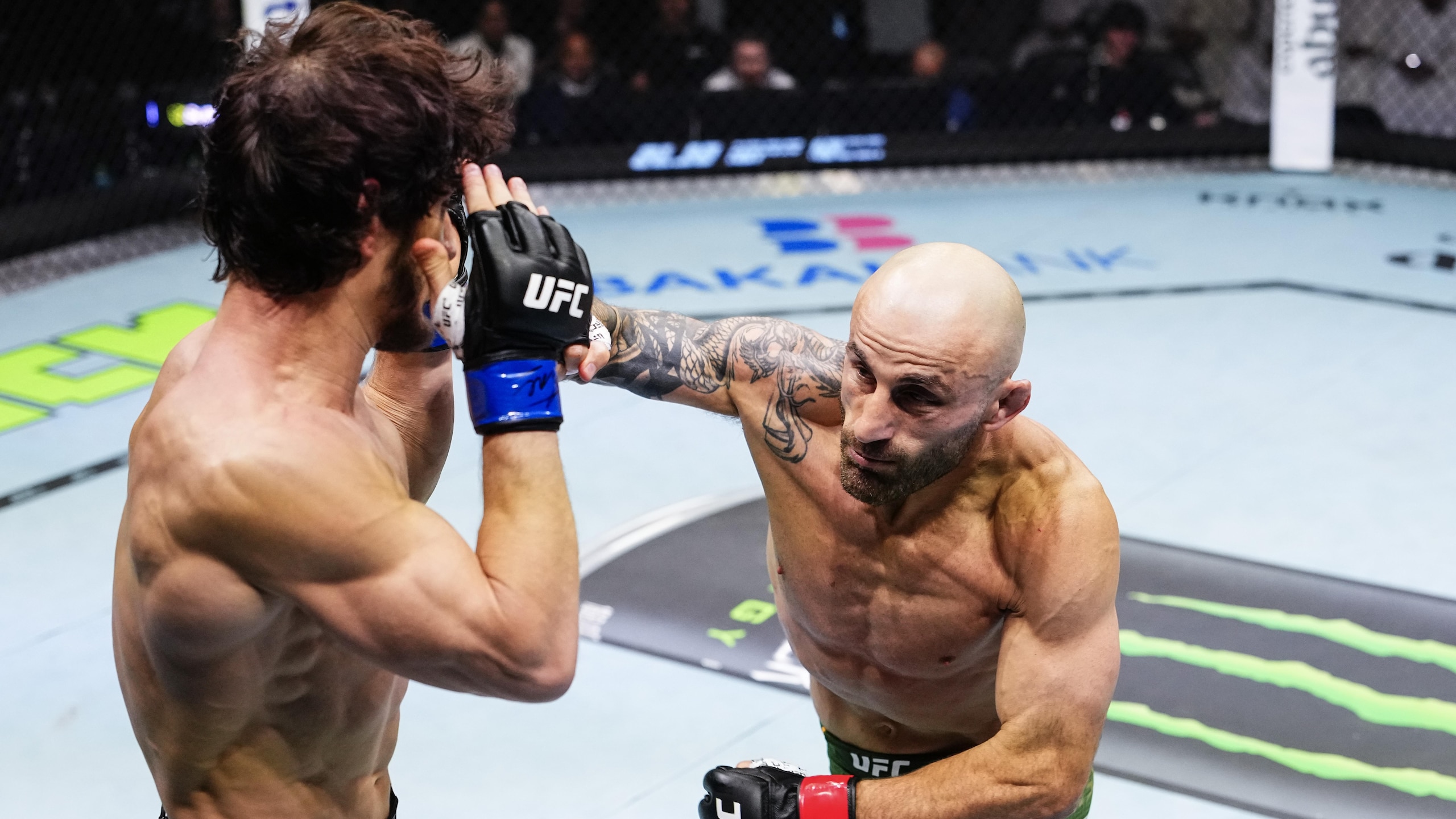
Fights to Make After UFC 333 ➡️
The Dawn of a Legend
The story of Dana White goes back to his working class days in the southern area of Boston. An amateur boxer at 18, White was not above proving himself on a regular basis in bar brawls and street fights.
In addition to enhancing his street credibility, White also worked as a bouncer and bellman at a Boston Hotel. Although these petty jobs paid the bills, they really did nothing but stand in the way of Dana’s true passion—boxing.
White ran a local boxing gym and started up a box-aerobics enterprise, similar to what Tae Bo became in the 1990s. As the story goes, this entrepreneurial move garnered the attention of the Irish mob, who purportedly put on the clamps to get a piece of the action.
Instead of making dangerous enemies, White headed to Las Vegas, a city where he attended high school before moving to Boston. In Vegas, he opened up several boxing gyms, where he assumed the role of manager for a small group of fighters.
Apparently this was the right move, as White became reacquainted with an old classmate and millionaire: Lorenzo Fertitta. As a member of the Nevada state boxing commission, Lorenzo had major pull, leading to discussions with his brother Frank and White about establishing their own boxing promotion company.
The Birth of White’s UFC
Dana was introduced to MMA by former UFC fighter John Lewis, who agreed to teach White and the Fertitta brothers the art of Brazilian jiu-jitsu. Fascinated by the training and intensity of mixed-martial arts, the trio began thinking of ways to promote the sport.
Shortly thereafter, White signed relatively unknown UFC fighters Chuck Liddell and Tito Ortiz, both of whom were impressed with his success at managing other boxers.
Although White was elated by UFC athletes, government officials and television executives didn’t share his passion for the sport. Deemed as too controversial and violent, the UFC was banned by most cable stations airing the pay-per-views, limiting the sport’s exposure to overseas and small regional areas.
With the UFC on the brink of extinction, Semaphore Entertainment, the original owners, put the organization up for sale. After convincing the Fertitta brothers to purchase the company, White became the new UFC president with a 10 percent stake in the organization.
The UFC was reborn, and the rest you can say is history.
The Controversy that is Dana White
You can’t deny that Dana White has played a major role in saving the UFC and making it the most successful organization in MMA. At the same time, he has taken tremendous heat over the years and rightfully so.
Although Dana White has an undeniable passion for the sport, White is a shrewd businessman. He comes off as brash, cocky and downright arrogant. White has no problem letting you know that he is the reason for the success of MMA—not the fighters.
With such a smugness and “me” persona, one has to wonder if this attitude will ultimately tarnish the legacy of the MMA mogul.
Dana White has been criticized for many things, but most recently for his outlook on acquiring Fedor Emelianenko, arguably the best fighter in the world pound-for-pound. You would think after knocking out two former UFC heavyweight champions, Emelianenko would be a prime target of the UFC president.
On the contrary, White has gone on the record to say that he will not chase Fedor. Furthermore, White claims that he didn’t even see the Emelianenko-Arlovski fight, despite paying almost $9,000 to get into the Honda Center.
White’s take on the situation is simple—if Fedor isn’t interested in UFC, UFC isn’t interested in Fedor. Considering the success, it is safe to say that the UFC doesn’t need Fedor, but White’s view on the situation leaves a lot to be desired.
In keeping with the attitude of non gratitude, White has been very negative about Affliction MMA, hinting that the organization will eventually fold, throwing dirt on the fact that the last card brought in more than $1.5 million.
On a similar note, the UFC president recently expressed disinterest in acquiring new MMA fighter and former WWE wrestler Bobby Lashley. White’s outright disapproval of Lashley is surprising when you consider the impressive boost that new UFC heavyweight champ and former pro wrestler Brock Lesnar gave to ratings.
Although the UFC is the king of MMA, acquiring the likes of Fedor and Lashley would undoubtedly take its popularity to new heights.
Is the UFC in danger? Not at the moment. On the other hand, having frequent contract disputes with signed fighters, the reluctance to acquire new promising talent, and a tremendous amount of arrogance, organizations like Affliction MMA could end up giving the UFC a run for its money.
If these organizations produce more fighters like Emelianenko, they could indeed knock the president off his pedestal.
(BetVega.com covers a wide range of sports betting news along with UFC Betting Odds and UFC Fight Previews.)




.jpg?w=2560 "Jonathan Taylor Landing Spots 📍")




