Is NASCAR Safer Or An Accident Waiting To Happen?
As the Daytona 500 approaches, NASCAR fans worldwide get set for one of the greatest days in stock car racing, signaling the start to the 2009 race season.
While the anticipation of another great season builds, fans' thoughts cannot help but also turn to that fateful race in 2001 when the sport lost seven-time champion Dale Earnhardt in a last lap crash at the Daytona International Speedway.
The year before the loss of the "Intimidator" was also a tragic one for the sport. In May 2000, 19-year-old NASCAR driver and heir to the Petty racing dynasty, Adam Petty, was killed at New Hampshire International Speedway during a practice lap.
TOP NEWS
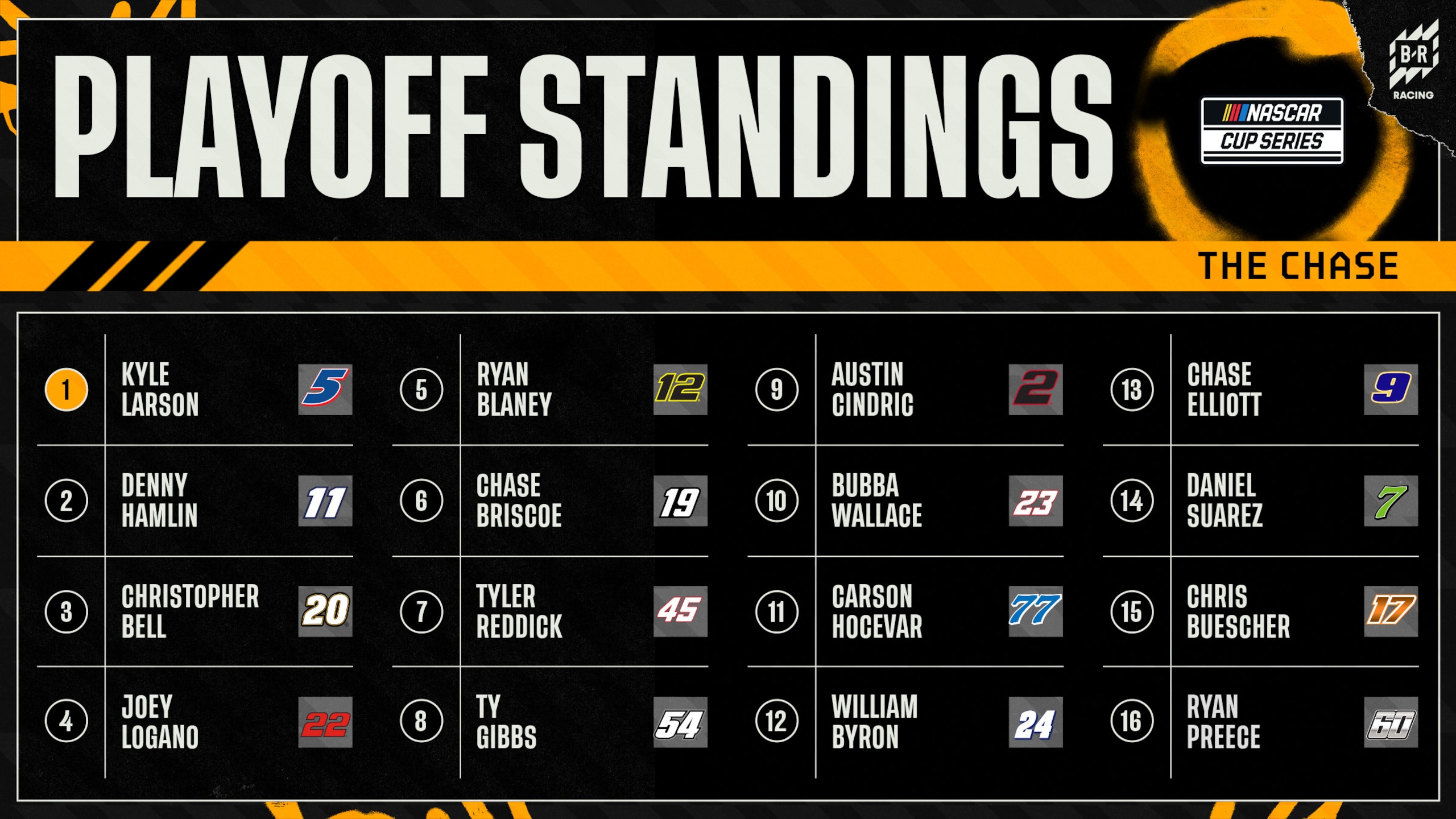
NASCAR Cup Playoffs Standings

New NFL contenders starting to emerge after Week 4

Deion Playbook Found at Hotel
That same year and eight weeks to the day after the loss of Adam, Kenny Irwin was killed on that exact same turn at New Hampshire. His car hit the concrete wall, flipping on its roof.
Later in the fall of that same year, Tony Roper, a Truck series driver, lost his life at the Texas Motor Speedway. His truck brushed against another race truck, slamming him head first into the wall. The truck then spun out of control and burst into flames.
These deaths, primarily the loss of Dale Earnhardt, became the safety "wake up call" that resounded throughout the sport. NASCAR leadership went to work and made safety for all one of their major goals and priorities.
Since that time, NASCAR has focused on the following new safety features:
HANS device
One of the most important lessons learned from Earnhardt's crash was that his head and neck were not supported, leading to the head trauma that caused his death.
NASCAR then developed the Head and Neck Support (HANS) system that all drivers are now required to wear. This device keeps the head and neck in place, reducing any chance of fracture or severe trauma.
Roof Flaps
Another very important feature that was instituted by the sport was the installation of roof flaps on the roofs of the race cars. These flaps are designed to deploy in a crash to prevent the car from going airborne.
Roof flaps are particularly important at the super speedways due to the high speeds and the propensity for cars to sail and flip.
Car of Tomorrow
Although NASCAR not only sought to build a car that would reduce expenses, but they also wanted to ensure it was the safest car ever. The Car of Tomorrow (COT) has been totally designed around safety features.
The actual placement of the driver in the car has been moved from the left side to more towards the middle of the car. This serves to protect the driver more fully in case of a crash.
The COT also features an enhanced roll cage, as well as more "padding" against driver's side door.
Driver's Seat
There are now newly designed seats that contour to the driver's individual bodies. The seats, many of whom have been designed by Randy LaJoie—a former driver himself—are designed for comfort as well as safety.
The seats now also wrap around the driver's rib cage and neck, again providing more support during a crash.
SAFER Barriers
The Steel and Foam Energy Reduction (SAFER) barriers have now been instituted at almost all NASCAR tracks on the circuit. This technology, featuring steel tubes welded together with foam in between the barrier and the wall, is designed to absorb the energy released when a race car crashes into the wall.
All of these safety features have ensured that no drivers have been killed in crashes since that fateful day in 2001 at the Daytona 500.
But the question remains, is NASCAR the safest it could be? Or is there an accident around the turn just waiting to happen?
There are several issues, however, that could contribute to that potential accident waiting to happen in this upcoming 2009 season:
Rookies
There are rookies in every new season and somehow they find their way. But with the pressure now to move these very young drivers up quickly through the ranks, often skipping over levels, the risk to safety is definitely there.
Joey Logano, NASCAR's youngest phenomenon at the tender age of 18 years, has done just that, jumping from the East/West series right up to a full-time Cup ride. His lack of experience has been painfully evident as he tried desperately to compete with the big boys during the Budweiser Shoot Out.
Like it or not, rookies simply do not have the driving abilities or experience to avoid the "big one", especially at the super speedways like Daytona and Talladega.
Start and Parks
With the struggling economy, one of the byproducts this year is an increasing number of cars that will start the race and then park, collecting the prize money and moving on to the next race.
While these cars don't typically stay out too long during the race, they can still cause mayhem while during their time on the track.
Start and parks may also not have the horsepower needed to keep up to speed, again getting in the way and potentially clogging up the track.
Complacency
Drivers and fans alike have seen drivers in these past few years endure horrific hits, get out of the car, look over the damage, and walk away. Even drivers like Jeff Gordon, who endured a terrible crash last year at Las Vegas hitting a non-SAFER barrier wall, was able to get out of the car, sore but in one piece.
The danger is that drivers take all of the safety features for granted and push themselves and their cars past the limits of endurance.
One of the best examples of this was Carl Edwards at Kansas, throwing his car against the wall in hopes of ricocheting around Jimmie Johnson to win the race and have a chance at the championship.
Unless drivers stay alert and respect the danger that still remains, in spite of all of the enhanced safety features, driving a race car may feel more like participating in a video game than a life and death sport.
The danger was never more evident than at the ARCA race at the Daytona International Speedway this past weekend. In spite of all the safety features, three drivers were hurt in violent crashes and had to be hospitalized.
No matter how safe NASCAR makes it, there is a clear and present danger every time a driver straps himself or herself into the car and straps the belts tight.
Everyone associated with the sport must never let the safety guard down and must continually strive to increase the safety features necessary to protect both the drivers and the fans.
The NASCAR family deserves no less. We truly cannot afford to ever again experience the loss of another most precious life at any level in the sport.
.jpg?w=2560 "Cardinals Giants Football")
.jpg?w=2560 "Hill Injury Update Football")
.jpg?w=2560 "OBJ Calls Out Giants 😳")

.jpg?w=2560 "Tyreek makes another cryptic post amid Chiefs rumors")