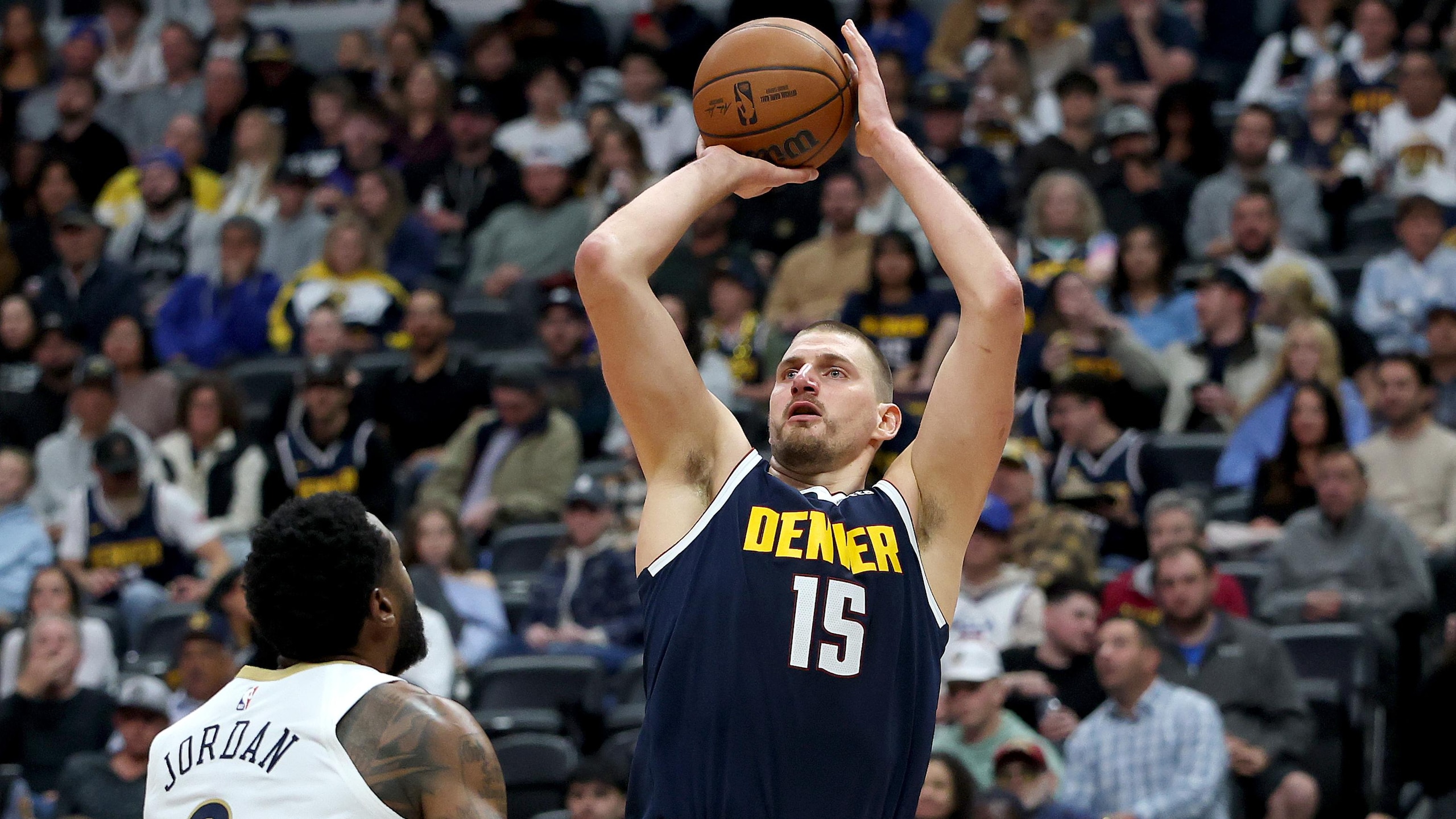
In the aftermath of the entire starting lineup for Kentucky declaring for the 2012 NBA Draft, the phrase "one-and-done" has been put out on a silver platter and beaten to a pulp.
Let's continue this trend.
If you are unsure about the evolution of the term "one-and-done", here is a brief yet essential history lesson:
.jpg?w=2560 "Chiefs Giants Football")
.jpg?w=2560 "AP Poll Top Five Week 9")
It was not too long ago that high school basketball players could go straight to the NBA draft. Players such as Kobe Bryant, Kevin Garnett, Dwight Howard, and LeBron James all utilized this strategy and are now at the top of the NBA.
However, amid concerns about the occasional players who "fizzled out" or did not live up to their potential, thus sending them to the streets with virtually nothing in place for a stable future, the NBA decided to adopt a new policy in 2005 that can be found under Article X of the Collective Bargaining Agreement.
A passage in this section reads:
A player shall be eligible for selection in the first NBA Draft with respect to which he has satisfied all applicable requirements of Section 1(b)(i) below and one of the requirements of Section 1(b)(ii) below:
(i) The player (A) is or will be at least 19 years of age during the calendar year in which the Draft is held, and (B) ... at least one (1) NBA Season has elapsed since the player’s graduation from high school.
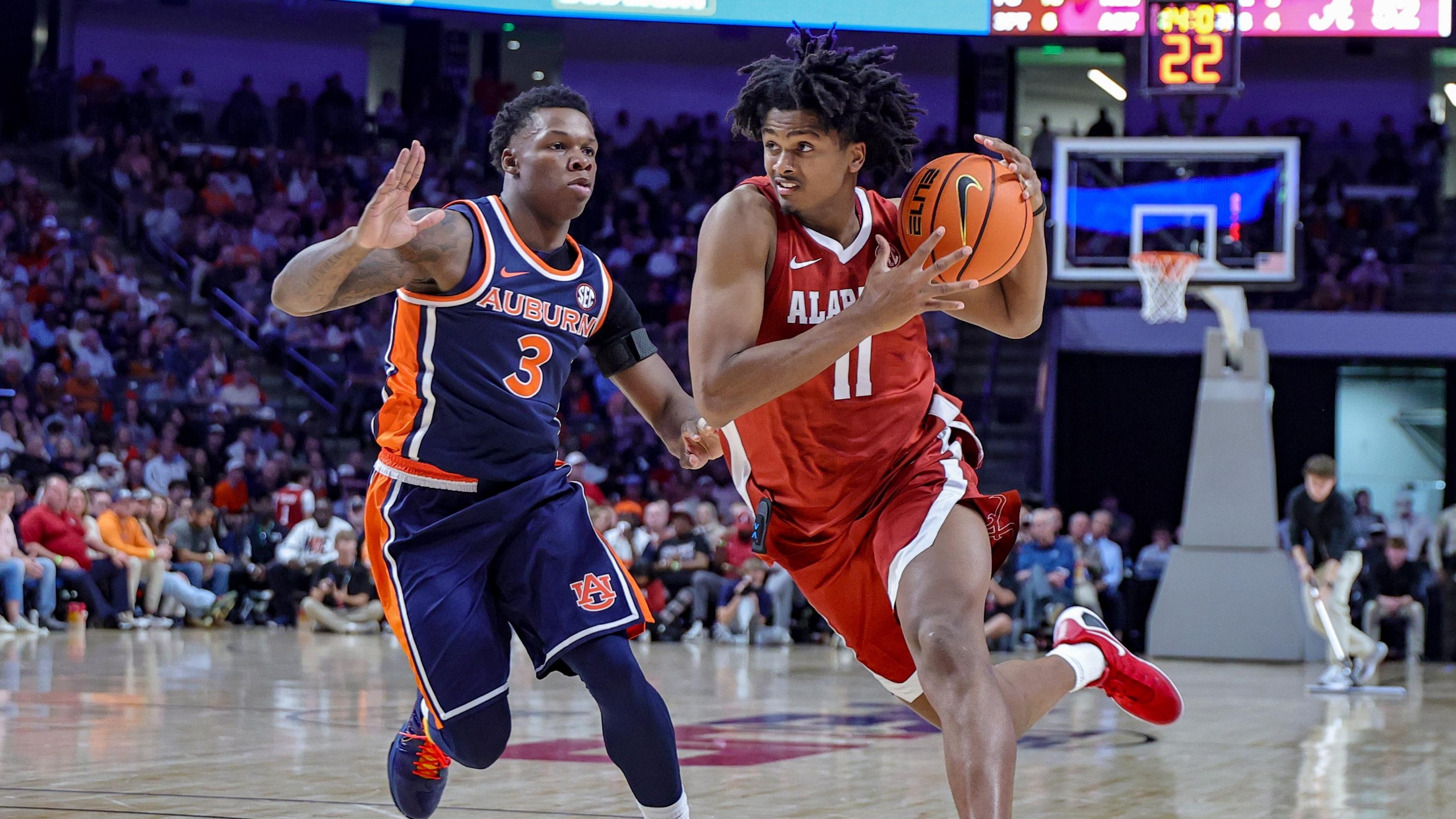
This brief passage is essentially where we get the slang term one-and-done. Since the passage of this section, players have gone to college for a year, (generally) dominated the collegiate level, and subsequently declared for the NBA draft the following season.
But amid recent statistics and controversy, is the one-and-done system the best for the NBA as well as these young athletes?
This writer surely thinks not.
Like many others have said before me (such as Dick Vitale, Bob Knight, and Jay Bilas), the current system makes a mockery of both the age limit as well as the college process.
From a student-athlete's perspective, there is absolutely no benefit for attending one year of college. Sure, you may be recruited by a prestigious program and may be able to showcase your talents for a year, but you are getting nothing out of your education. While many like to believe that these players attend classes, work diligently, and get high marks (though I am sure some do), the reality is that one-and-done athletes aren't exactly known for their academic prowess.
These athletes may learn a cool fact or two if and when they attend class, but most of their efforts will be dedicated to improving their draft stock for the next year.
From a university perspective, this is a complete hypocrisy of what a university is supposed to stand for. Though athletics are surely a huge industry in the college atmosphere, a university's main goal is to ensure the education and advancement of its own students. These athletes who come in for a year, take minimal credits, and leave the next are making a complete mockery of the system and taking away scholarship money from much more deserving students as well as student-athletes.
In order to accommodate and entice these high-level recruits, universities consistently offer full-ride scholarships to them, thus taking valuable money away from individuals who actually want to draw something from their education.
From a revision standpoint, this does absolutely nothing in terms of helping out the players who will "fizzle out" in the future/not live up to their expectations (*cough*Greg Oden *cough*). The only thing this age-limit did was to delay the amount of time for players entering the draft, it did not provide them with any other incentives/benefits for doing so. Nothing can be achieved in just one year in college; not even an associate's degree, the most basic degree handed out at a university level.
If players were actually able to obtain some form of learning/degree while in college, that would be a completely different story. All too often do we hear of those athletes who did not obtain a degree, went straight to the pros and now find themselves filing for bankruptcy. Though this may be an extreme example, it highlights a general trend of athletes not having an option after their athletic careers are over.
Sure, some may find themselves a broadcasting position or another job in the athletic industry, but most athletes who did not obtain a degree will find themselves relying on the money they earned during their comparatively short stint in the NBA.
Taking a statistical approach to this problem, the average NBA career is currently sitting right around six years, while the average salary is right around $5 million. While this does work out to be $30 million over a decent NBA career, things such as taxes, housing, living expenses, cars, technology, etc. draw from that big pool of money at an extremely fast rate; especially with the "average lifestyle" of an NBA player.
Though these one-and-done athletes will tend to command the upper spectrum of averages, we consistently see overambitious players declaring for the draft too early, thus resulting in their ultimate downfall.
To play devil's advocate against my own reasoning would be to say that it is the choice of these athletes and they should be held accountable for their actions, no matter where they end up. While I do believe that people should be held accountable for the decisions they make, when you are dealing with a university system and a huge amount of money in scholarships being doled out to these athletes, this system becomes unacceptable.
In fact, I would rather have the requirement of at least a freshmen year in college be waived than have these players enter a university setting for one year.
There is also the counterfactual that players do not have to actually attend college for a year, they only have to wait until they are 19 years of age to declare for the draft; and we do see this trend starting to occur as more and more younger players are going to Europe for a year before entering the NBA.
Unfortunately for these athletes, there is a strong incentive for them to go play college ball for a year because it casts them in the national spotlight. Instead of getting the occasional update from overseas, these athletes who attend college for a year are generally the subject matter week-in and week-out.
And so, after exposing the harms of the one-and-done system, what is the best method of reform?
Though there are variants of the method (e.g. The Bilas Method), I believe that the NBA should adopt a policy that mirrors the MLB structure for players entering the league and declaring for the draft. The MLB deal, in short, goes like this:
Players can enter the draft right out of high school, but if they choose to go to college, they are required to complete three years of schooling before becoming eligible for the draft.
While I would probably be a little more lenient and require the players to only obtain an associate's degree at the college level, variations of the MLB method seem to work out best.
Not only does this ensure accountability in the athlete's decisions, but if they choose to go to college, they know that they are also expected to be a student as well as an athlete. Multiple years in college will ensure attainment of valuable knowledge that will be applicable far beyond their NBA career and create better incentives for universities offering big scholarships to these athletes.
By obtaining a degree at a collegiate level, players will be assured of a fallback in case the worse happens and they find themselves taking an early exit out of the NBA.
Though there are many other tenets that must be put in place for this method to work, I fully endorse this method and believe the one-and-done system makes a complete mockery of the current system, and takes away valuable money from both the athletes as well as the universities.
What are your thoughts?
Follow me on twitter @anderso3

.jpg?w=2560 "Steelers Buccaneers Football")

.jpg?w=2560 "NFL investigating Eagles")
.jpg?w=2560 "Updates from EVERY NFL Game 🏈")
.jpg?w=2560 "CFP Bracket After Week 8 🏆")