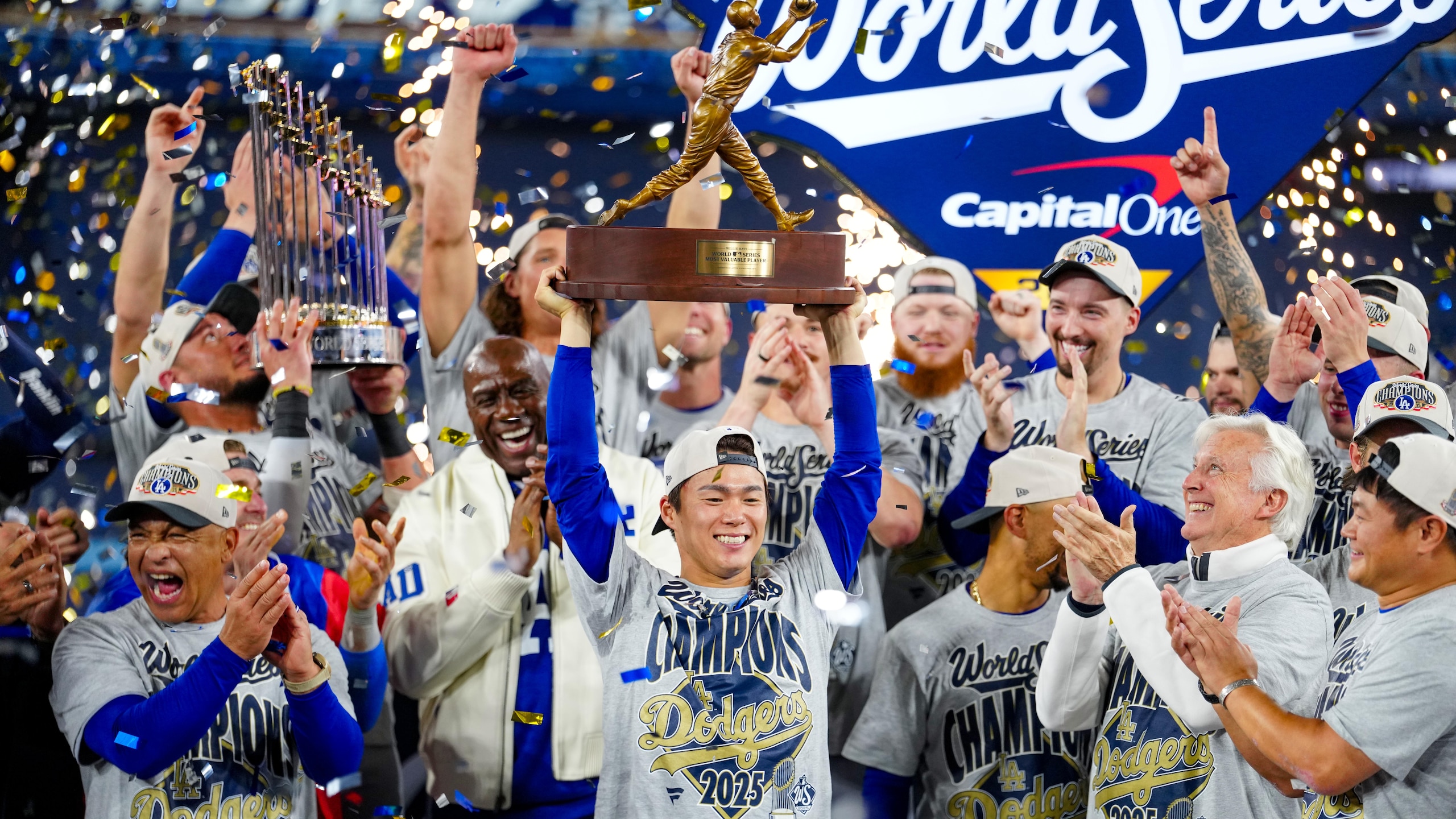


Congratulations are in order for the Los Angeles Dodgers, who have just become MLB's first repeat World Series champions in a quarter-century.
Whereas the Dodgers' long-awaited Fall Classic rematch with the New York Yankees in 2024 was a one-sided affair, they needed everything they had to outlast the Toronto Blue Jays in this year's World Series. It went seven games and featured not one, but two extra innings classics.
Now that the deed is done, it's time for an obligatory question: Where do the 2025 Dodgers rank among World Series winners of recent vintage?
Let's answer this by sizing up the winners of the last 20 World Series on their merits, but also on the legacies that they either already have or figure to leave behind. The more epic, the better.
We'll run through the bottom 10 quickly before taking our time with the top 10.
The Bottom 10
1 of 11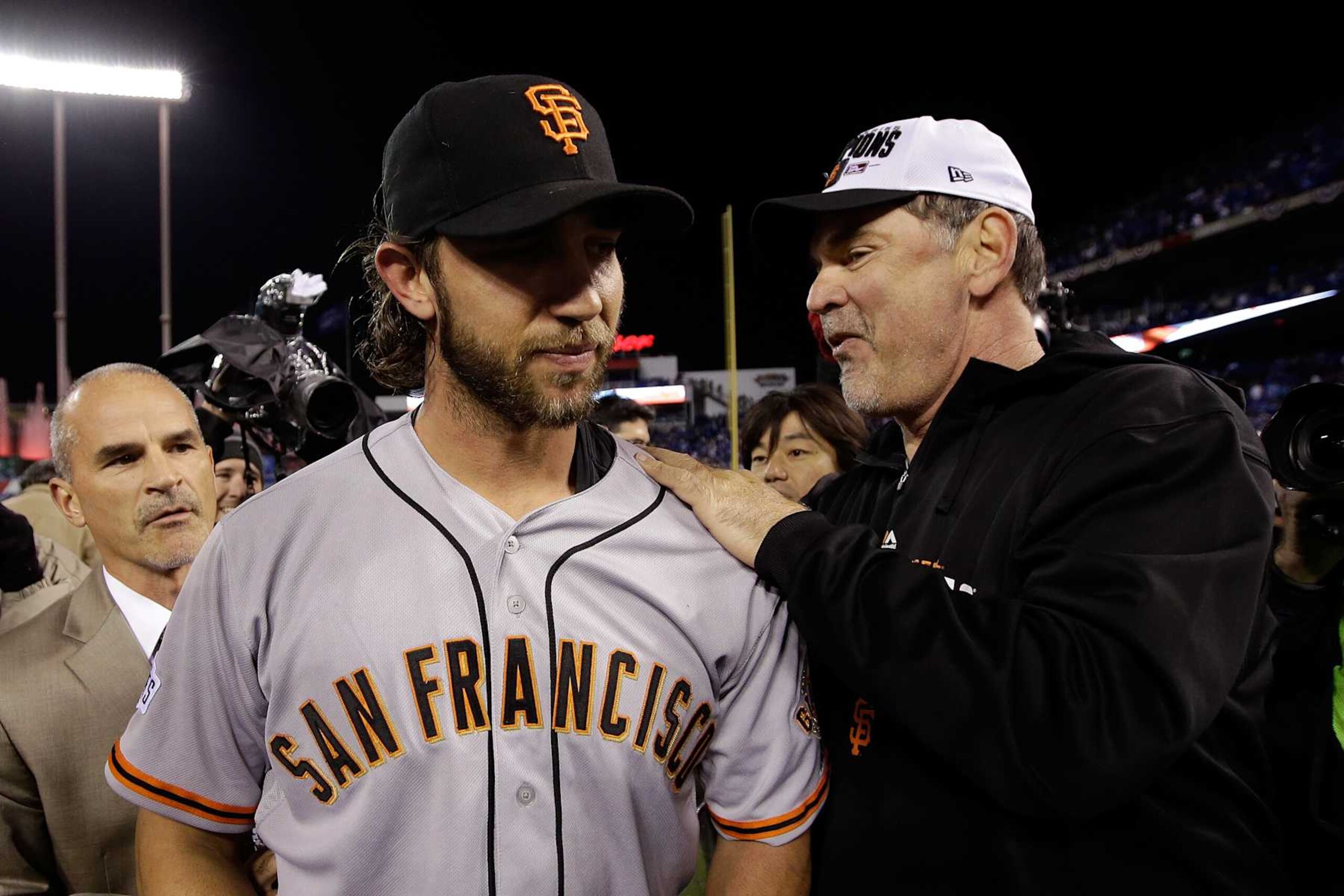
20. 2017 Houston Astros
Regular Season: 101-61, +196 Run Differential
Postseason: 11-7, +4 Run Differential
World Series: Defeated LAD, 4-3
Sorry, but we don't honor cheaters in this house. And as stacked as they were, the case of the 2017 Astros would have been marred by those slim postseason margins anyway.
19. 2020 Los Angeles Dodgers
Regular Season: 43-17, +136 Run Differential
Postseason: 13-5, +35 Run Differential
World Series: Defeated TBR, 4-2
Between the regular season and the postseason, only the 1927 Yankees (.722) won the World Series with a better overall winning percentage than the 2020 Dodgers. Of course, there's a big difference between a 158-game sample and a 78-game sample. And besides, who wants to remember anything from 2020?
18. 2006 St. Louis Cardinals
Regular Season: 83-78, +19 Run Differential
Postseason: 11-5, +20 Run Differential
World Series: Defeated DET, 4-1
The Cardinals finished 2006 with a .531 overall winning percentage, the lowest ever for a World Series winner. This is the ultimate case of an otherwise completely forgettable team picking the perfect time to get hot.
17. 2014 San Francisco Giants
Regular Season: 88-74, +51 Run Differential
Postseason: 12-5, +19 Run Differential
World Series: Defeated KCR, 4-3
The 2014 World Series was not won by the Giants, who were frankly a mediocre team the whole way through. It was won by Madison Bumgarner, who stands alone as the most impressive postseason hero of at least the last 10 years.
16. 2012 San Francisco Giants
Regular Season: 94-68, +69 Run Differential
Postseason: 11-5, +22 Run Differential
World Series: Defeated DET, 4-0
Now, this. This was a proper team effort. And it took some guts, as the Giants erased series deficits in both the NLDS and the NLCS. Marco Scutaro went 16-for-32 at one point, and nobody will soon forget Pablo Sandoval's three home runs in Game 1 of the World Series.
15. 2011 St. Louis Cardinals
Regular Season: 90-72, +70 Run Differential
Postseason: 11-7, +23 Run Differential
World Series: Defeated TEX, 4-3
This was another case of an otherwise unremarkable Cardinals team getting hot at the right time, but this time they did it with substantial gusto. Albert Pujols hit three home runs in Game 3 of the World Series, and Game 6 alone made David Freese a household name.
14. 2021 Atlanta Braves
Regular Season: 88-73, +134 Run Differential
Postseason: 11-5, +12 Run Differential
World Series: Defeated HOU, 4-2
The lesson from the 2021 Braves is not to give up when your superstar right fielder goes down. They would not have won the World Series without NLCS MVP Eddie Rosario and World Series MVP Jorge Soler, who came aboard at the trade deadline.
13. 2015 Kansas City Royals
Regular Season: 95-67, +83 Run Differential
Postseason: 11-5, +24 Run Differential
World Series: Defeated NYM, 4-1
The Royals refused to be denied in 2015, pretty much going wire-to-wire in the AL Central and making quick work of the Mets in the World Series. Everyone got a moment, though none was as big as Alex Gordon's game-tying homer from Game 1 of the World Series.
12. 2010 San Francisco Giants
Regular Season: 92-70, +114 Run Differential
Postseason: 11-4, +18 Run Differential
World Series: Defeated TEX, 4-1
The first of the three titles the Giants won in the 2010s still feels like the most impressive of the bunch. They allowed three runs or fewer in nine of the 15 games they played. And Tim Lincecum's 14-strikeout performance in Game 1 of the NLDS? Sublime.
11. 2008 Philadelphia Phillies
Regular Season: 92-70, +119 Run Differential
Postseason: 11-3, +20 Run Differential
World Series: Defeated TBR, 4-2
The Phillies teams from this era were tons of fun. This one got multiple home runs from six different players during the postseason and also got to watch Cole Hamels go all the way off. He was the MVP of the NLCS and World Series as he gathered a 1.80 ERA in five starts.
10. 2023 Texas Rangers
2 of 11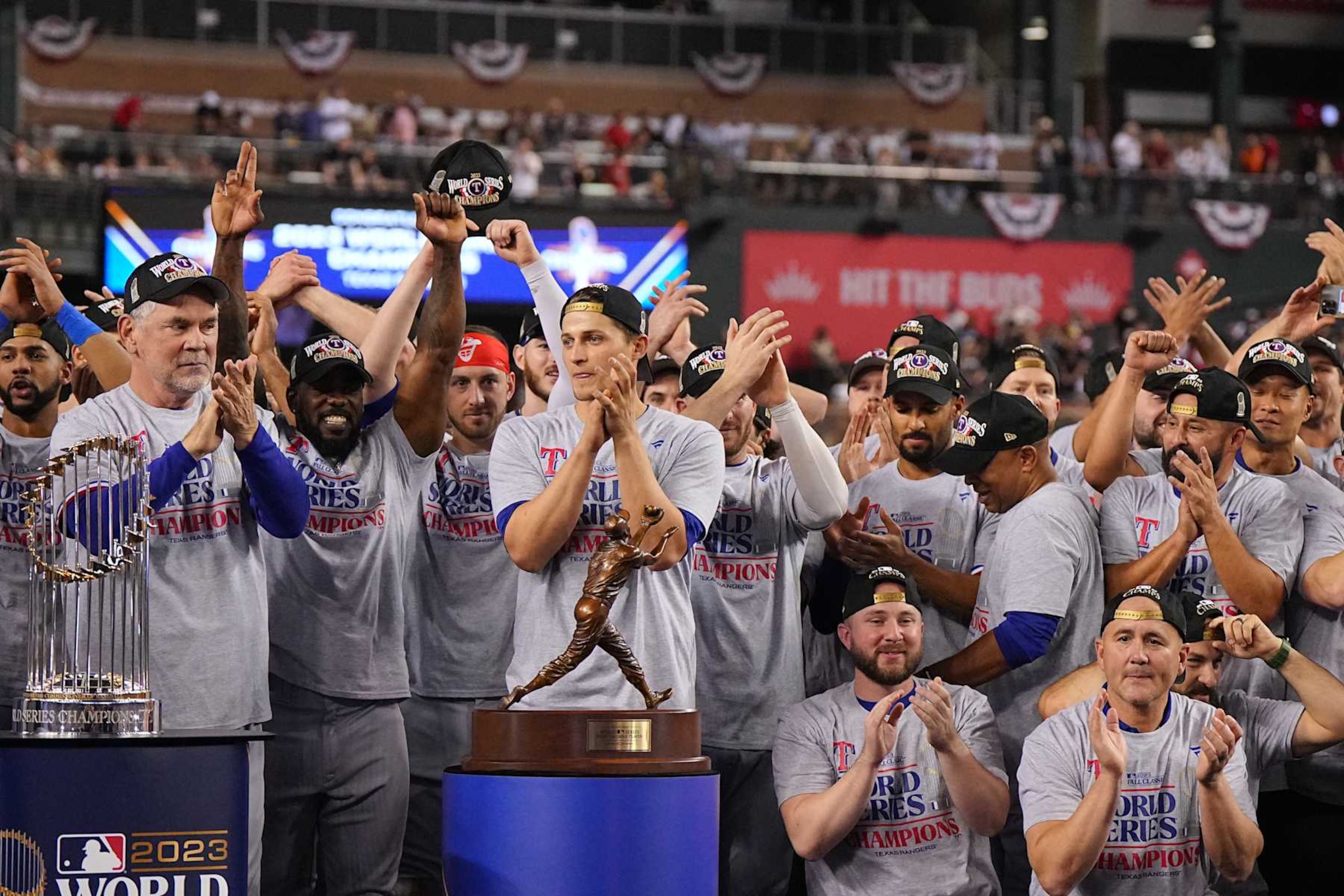
Regular Season: 90-72, 165 Run Differential
Postseason: 13-4, 30 Run Differential
World Series: Defeated ARI, 4-1
How They Did It
The 2023 Rangers may have only won 90 games during the regular season, but the postseason made it clear they were always terrifying.
They had co-led the AL with 233 home runs in the regular season and then set a "normal" playoff record with 30 more in October. Adolis García (8) and Corey Seager (6) combined for 14 of those, with their best work as a tandem coming in Game 1 of the World Series.
The 2023 Rangers also offered a throwback approach to winning games in the playoffs, namely by leaning on their star-studded rotation to eat innings. And it wasn't even future Hall of Famer Max Scherzer who carried them.
Between them, Nathan Eovaldi and Jordan Montgomery pitched 67.2 innings and went 8-1 with a 2.93 ERA. Eovaldi, specifically, is one of two pitchers ever to go 5-0 in a postseason.
The Team's Legacy
In a vacuum, the 2023 Rangers probably aren't better than every one of the teams that occupy the bottom 10 spots of this list. And yes, they did face a weak opponent in the Fall Classic.
But when a team is responsible for the first World Series title in the franchise's history, that should matter. And here, it obviously does.
9. 2019 Washington Nationals
3 of 11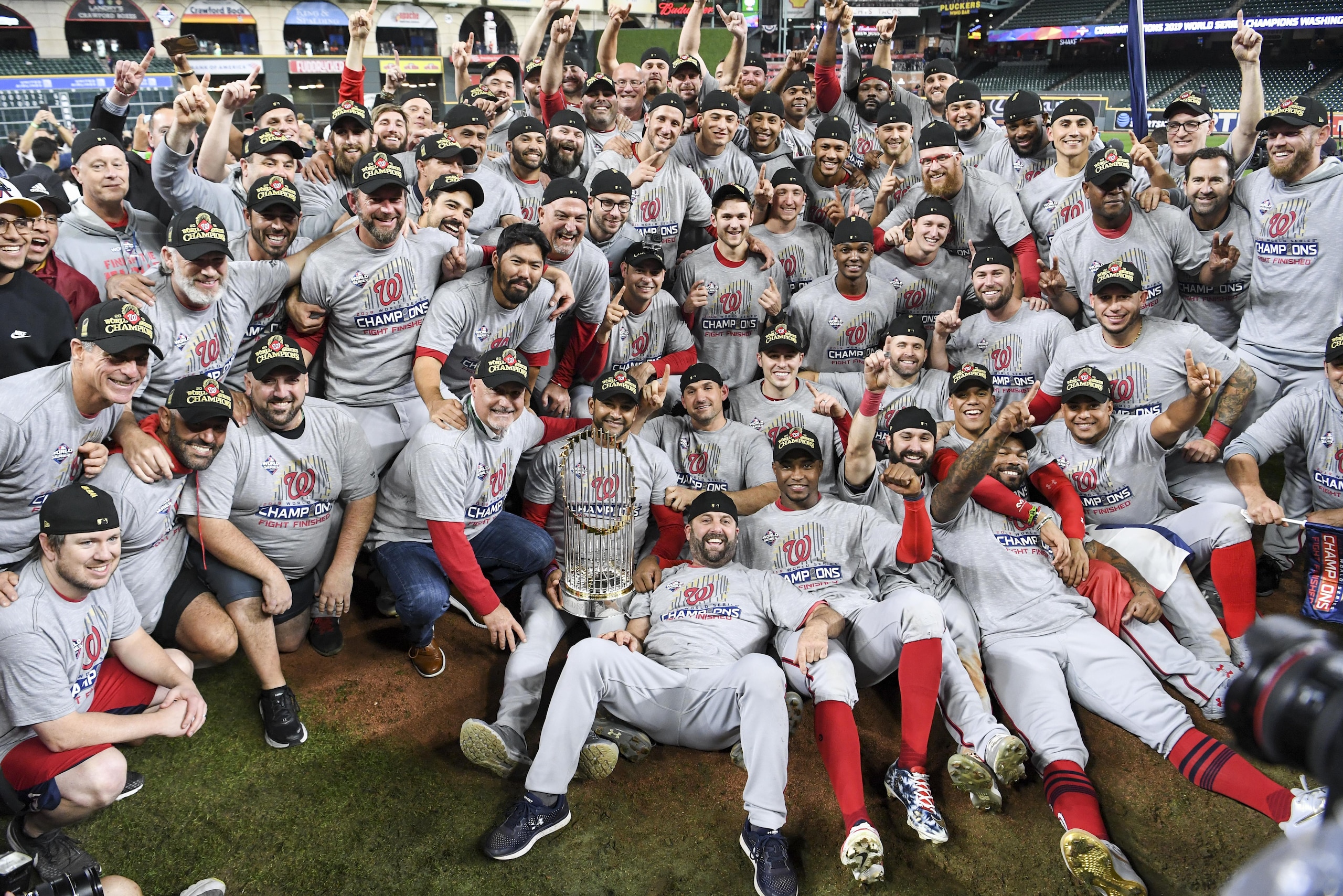
Regular Season: 93-69, 149 Run Differential
Postseason: 12-5, 17 Run Differential
World Series: Defeated HOU, 4-3
How They Did It
At their lowest point in 2019, the Nationals were 12 games under .500, around the time that there was rampant speculation Max Scherzer could be traded.
Here's what happened instead: The Nationals went 74-38 to finish the regular season and punched expectations in the face every step of their way through the playoffs.
They seemed to have a never-ending supply of clutch hits, though it was notably bookended by Juan Soto in the Wild Card Game and Anthony Rendon and Howie Kendrick in Game 7 of the World Series.
The 2019 Nationals otherwise got a 2.99 ERA from their starters, though it was mostly The Stephen Strasburg Show. He was sensational in six appearances, going 5-0 with 47 strikeouts, four walks and a 1.98 ERA.
The Team's Legacy
Like with the 2023 Rangers, that this was the Nationals' first World Series championship should count for something.
Yet even five years later, what still makes this run feel special is the sheer underdog aspect of it all. In taking down the Dodgers in the NLDS and the Astros in the World Series, the Nationals had to get through two teams that combined for 213 regular-season wins.

8. 2007 Boston Red Sox
4 of 11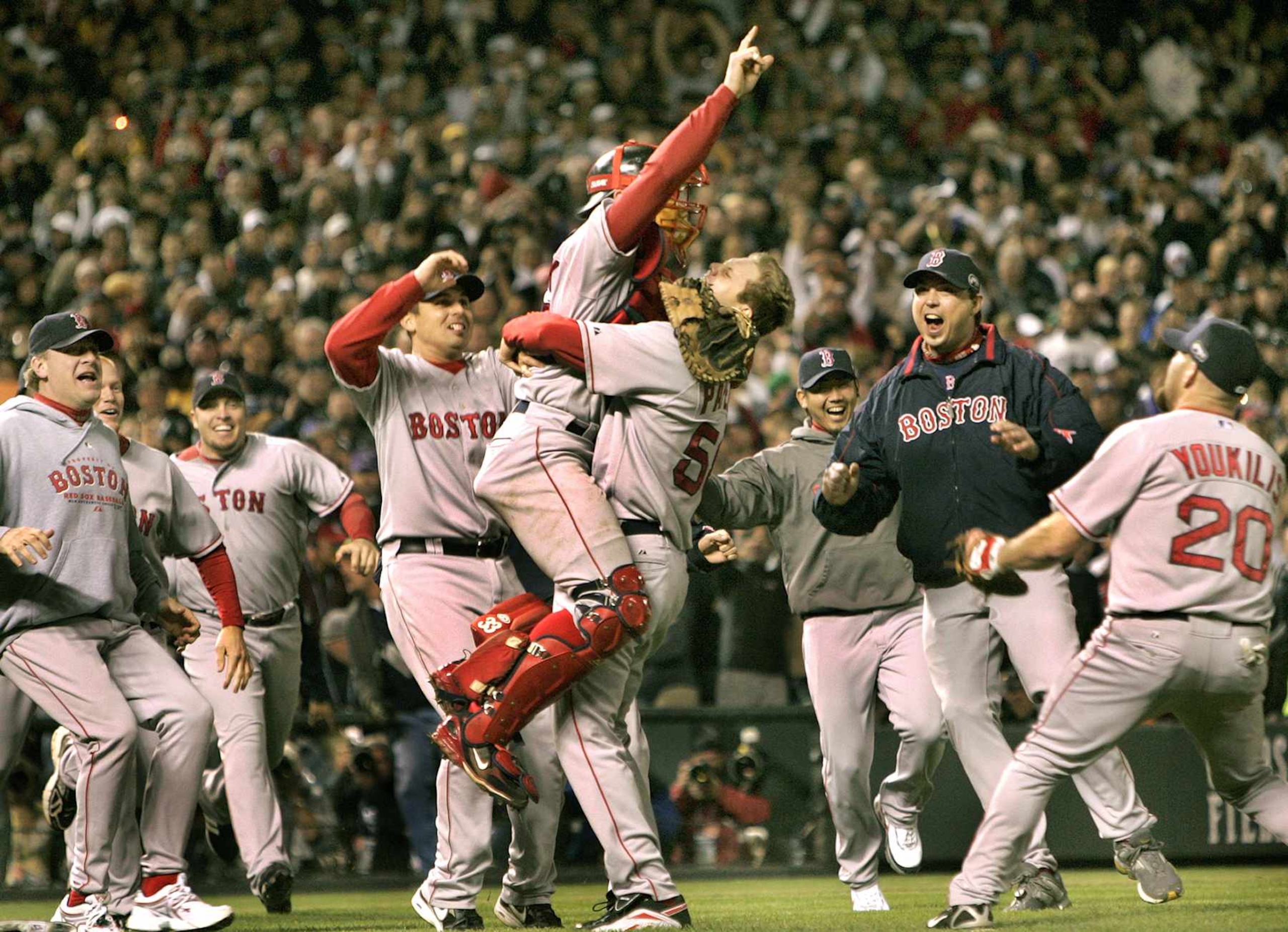
Regular Season: 96-66, +210 Run Differential
Postseason: 11-3, +53 Run Differential
World Series: Defeated COL, 4-0
How They Did It
The 2007 Red Sox didn't have an all-time great regular season, but they arguably had the most dominant playoff run any team has had.
It's all there in that run differential. At plus-53, it's the best ever for a World Series winner by a wide margin over the Dodgers' plus-35 mark from the 2020 playoffs.
The only time the 2007 Red Sox were in trouble was when Cleveland put them in a 3-1 hole in the ALCS, but all that did was tick them off. Boston outscored them 30-5 in the last three games of the series, with J.D. Drew's grand slam in Game 6 effectively sealing the deal.
Otherwise, David Ortiz and Manny Ramirez got on base at a .508 clip during the 2007 playoffs. Josh Beckett upstaged even his 2003 postseason, making four starts that covered 30 innings and produced a 1.20 ERA.
The Team's Legacy
Basically, the only thing to hold against the 2007 Red Sox is that they're the middle child of the club's four World Series winners since 2004.
Netflix can tell you all about what made the 2004 team so special. And as for the 2013 and 2018 Red Sox...well, stay tuned.
7. 2025 Los Angeles Dodgers
5 of 11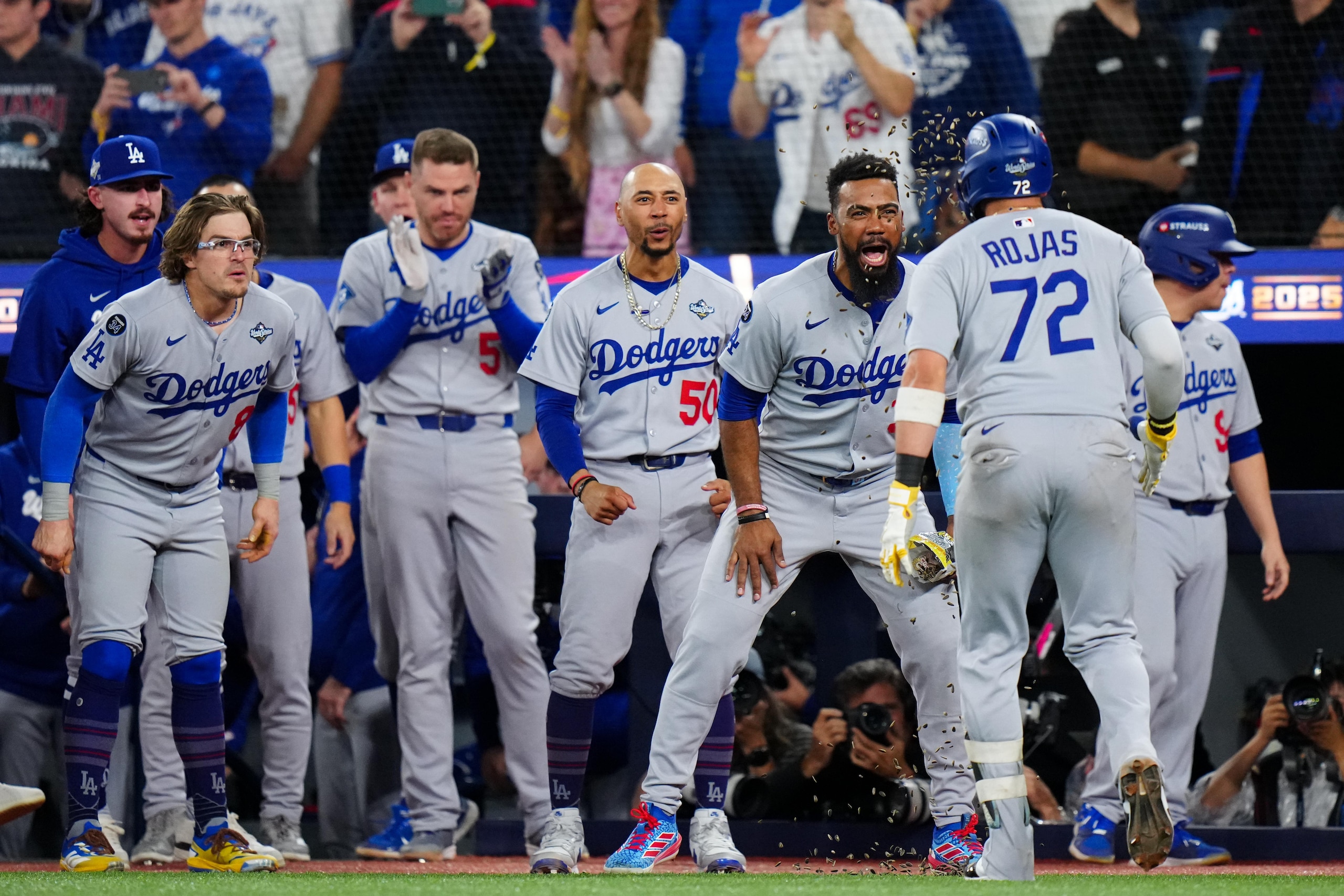
Regular Season: 93-69, 142 Run Differential
Postseason: 13-4, 10 Run Differential
World Series: Defeated TOR, 4-3
How They Did It
On paper, the Dodgers entered 2025 with the most expensive and arguably the most talented roster ever constructed. A 117-win season didn't seem to be a dream so much as a goal.
It didn't pan out that way, of course, and the Dodgers ultimately came just two outs short of a loss in Game 7 of the World Series. If Jeff Hoffman hadn't hung that slider to Miguel Rojas, it would be the Blue Jays on this list, and possibly even higher.
Having Rojas play the hero in Game 7 is not exactly how the Dodgers drew it up, but their triumph was ultimately a case of money well spent.
Of the seven players the Dodgers have signed to nine-figure deals, five came to their rescue in the World Series. Yoshinobu Yamamoto won Games 2, 6 and 7, while Freddie Freeman, Mookie Betts and Will Smith all produced game-winning hits. Shohei Ohtani had a 1.278 OPS in the series, as well a historic Game 3.
The Team's Legacy
We'll probably look back on this team as a World Series champion that was supposed to be a World Series champion. After all, you don't go spending $500 million on a roster expecting anything less.
However, we'll probably also remember that these Dodgers had just as much grit as talent. They actually got outscored by eight runs in the World Series, but they owned the moments that really mattered, and never more so than in the 18-inning and 11-inning marathons of Games 3 and 7.
6. 2024 Los Angeles Dodgers
6 of 11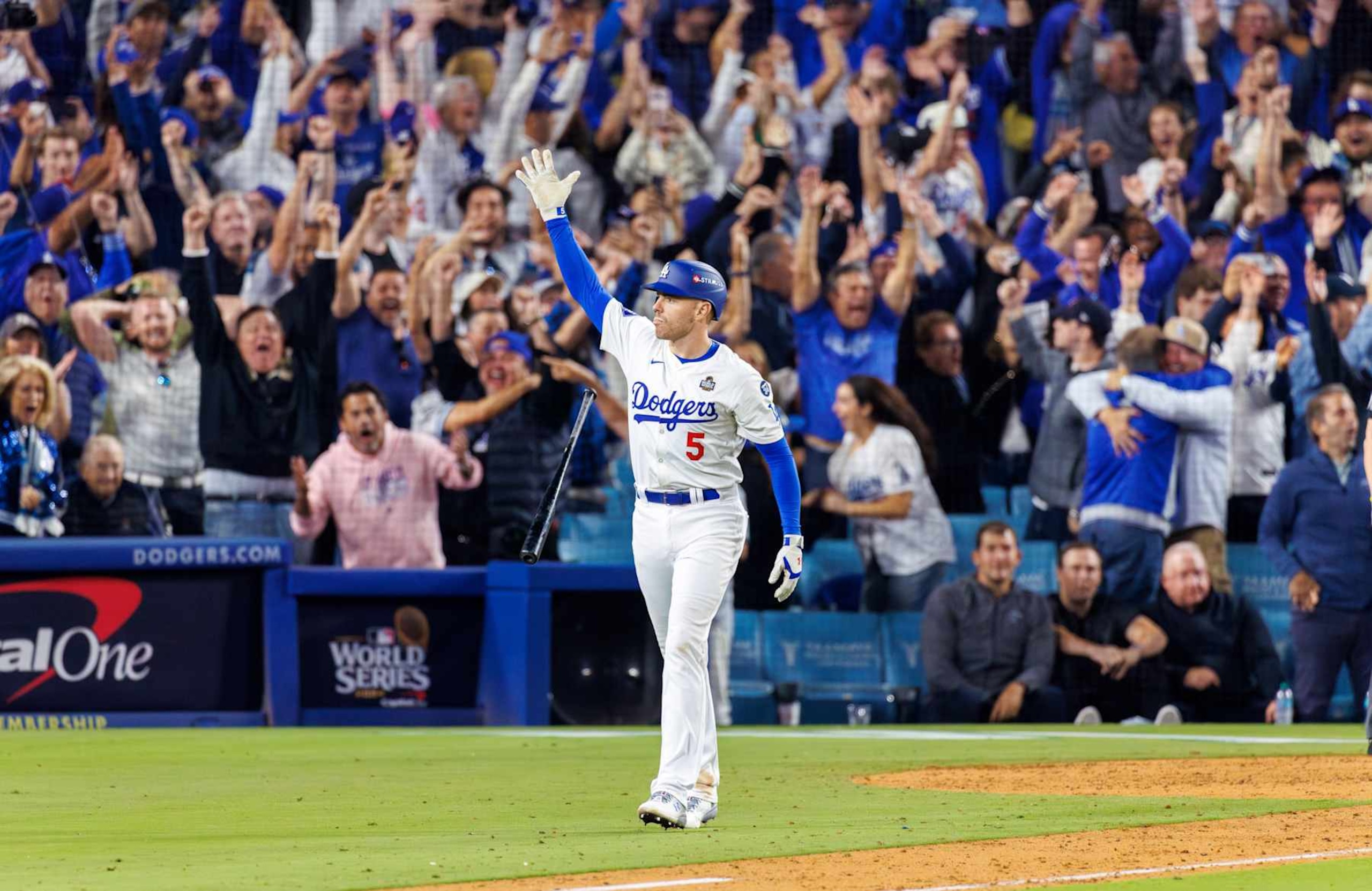
Regular Season: 98-64, 156 Run Differential
Postseason: 11-5, 24 Run Differential
World Series: Defeated NYY, 4-1
How They Did It
There's a certain irony in the 2024 Dodgers being the team to finally win the franchise's first full-season World Series championship since 1988.
By the numbers, this was the weakest team they had fielded since 2016. They didn't look unbeatable going into the World Series, particularly concerning the red flags looming over their starting pitching depth and Freddie Freeman's ankle.
Well, go figure that these things were the exact reasons the Dodgers were able to overcome the Yankees.
Freeman (4 HR, World Series record-tying 12 RBI) was a shoo-in for the World Series MVP, while Jack Flaherty, Yoshinobu Yamamoto and Walker Buehler shoved much harder than expected in Games 1, 2 and 3. They pitched 16.2 innings and allowed only three runs.
The Team's Legacy
Now that we're able to compare them to the 2025 Dodgers, it's that much easier to respect how smoothly a World Series title came to the 2024 Dodgers. They were better in the regular season, and at no point in the playoffs were they fighting for their lives.
Whereas the 2025 Dodgers outlasted the Blue Jays in the World Series, the 2024 Dodgers truly were the better team. Even if they only outscored the Yankees by one run, they hit and pitched their best when it mattered, and certainly didn't melt down on defense at any point.
5. 2022 Houston Astros
7 of 11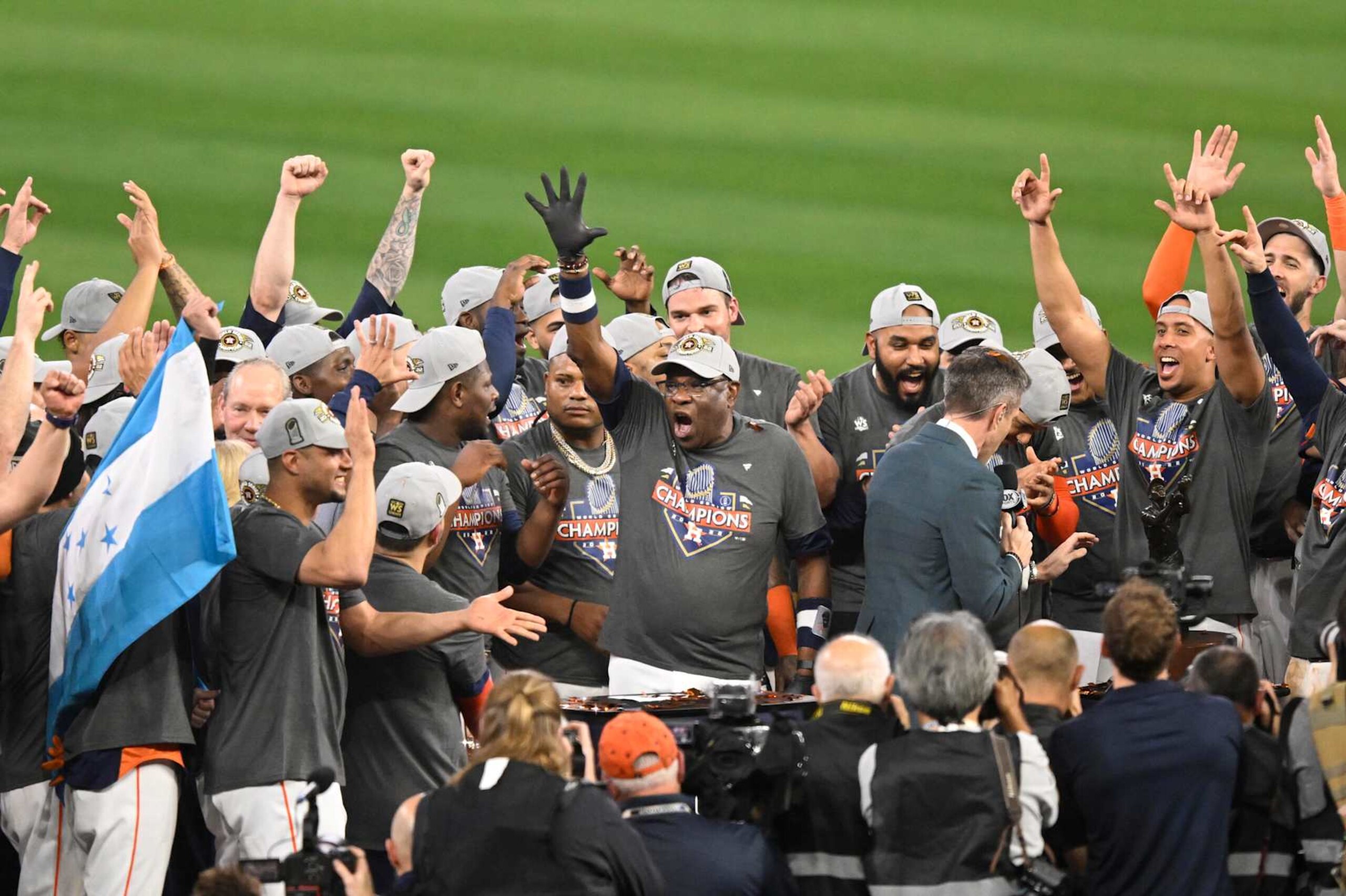
Regular Season: 106-56, 219 Run Differential
Postseason: 11-2, 17 Run Differential
World Series: Defeated PHI, 4-2
How They Did It
The 2022 Astros somehow weren't the best team (sideways glance at a 111-win Dodgers team) in MLB during the regular season, but that quickly went out the window in October.
They pretty much bowled over the competition, mostly courtesy of a pitching staff that finished the postseason with a 2.29 ERA.
The Astros' combined no-hitter in Game 4 of the World Series might as well have been what crowned them as champions. Between then and Game 6 of the World Series, they permitted the Phillies just three runs.
This was also the postseason of Jeremy Peña, the MVP of the ALCS and the World Series, and Yordan Alvarez. He only hit three home runs, but each was eminently clutch.
The Team's Legacy
Because of what happened in 2017, only Astros fans were rooting for the Astros to win the 2022 World Series.
However, many people were rooting for Dusty Baker, which was as noble as causes come. It was unequivocally a good day when he won his first World Series in his 25th season as a big league manager.
4. 2013 Boston Red Sox
8 of 11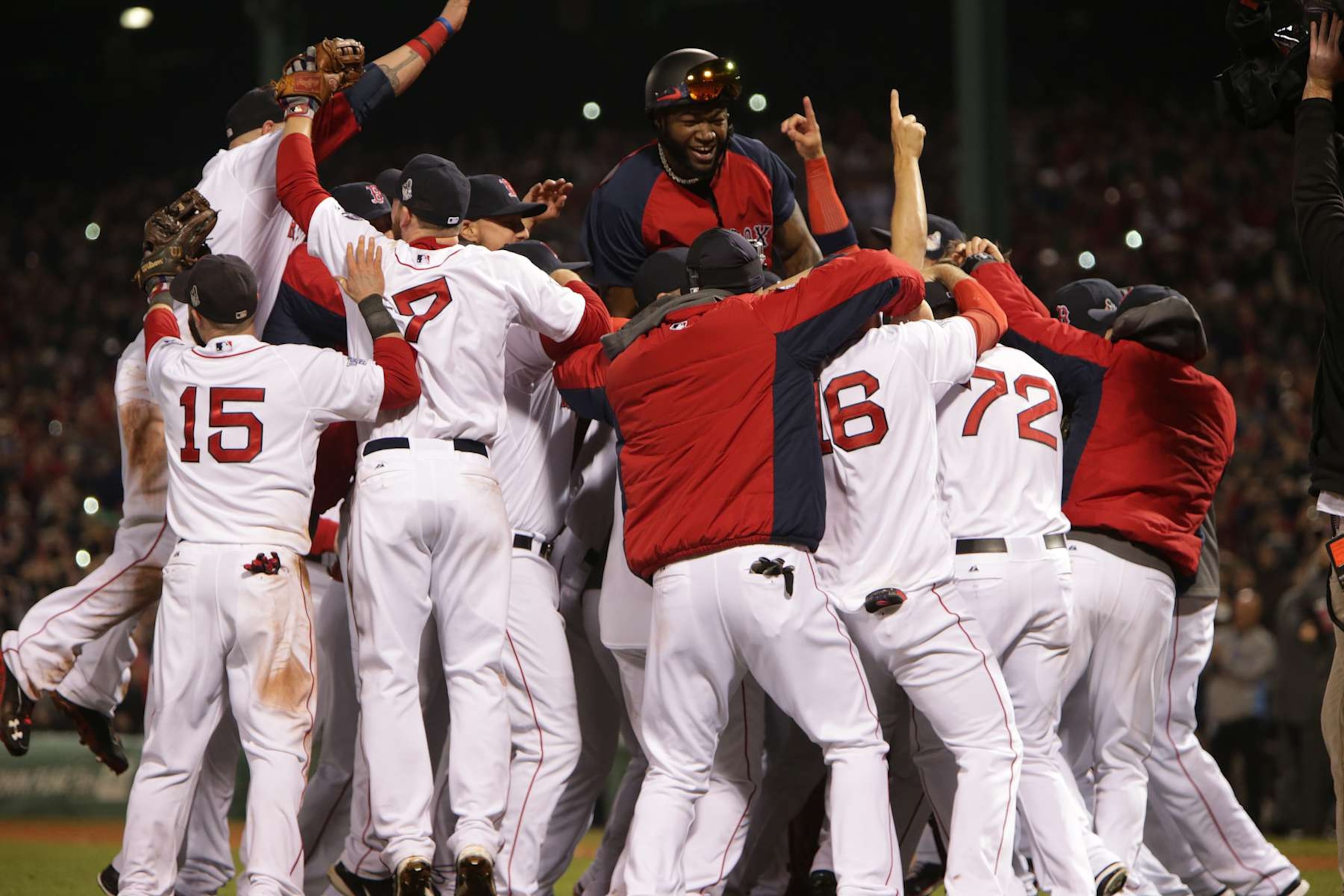
Regular Season: 97-65, 197 Run Differential
Postseason: 11-5, 28 Run Differential
World Series: Defeated STL, 4-2
How They Did It
Even sans context, the 2013 Red Sox were a miracle team. To go from 69 wins one year to 97 and a World Series title the next is an all-time turnaround.
And if we really want to dive into the whole miracle thing, we can see how they had a clutch hit for every occasion in the playoffs.
David Ortiz's game-tying, series-altering grand slam in Game 2 of the ALCS was but one of two clutch grand slams the Red Sox got just in that series. It didn't loom as large in the end, but Jonny Gomes' homer in Game 4 of the World Series was also a game-changer.
Pitching otherwise carried Boston. Jon Lester and John Lackey had a combined 2.08 ERA for the playoffs, while Koji Uehara finished off arguably the best season ever by a reliever with 12 scoreless appearances in 13 tries in the playoffs.
The Team's Legacy
The context in this case, of course, concerns how the Red Sox's 2013 season unfolded after the Boston Marathon bombings. Never let anyone say they weren't a healing force.
This was also the last of the three World Series that Ortiz won with Boston, and it was his finest work. In the Fall Classic alone, he went 11-for-16 with two homers and eight walks to win MVP honors.
3. 2009 New York Yankees
9 of 11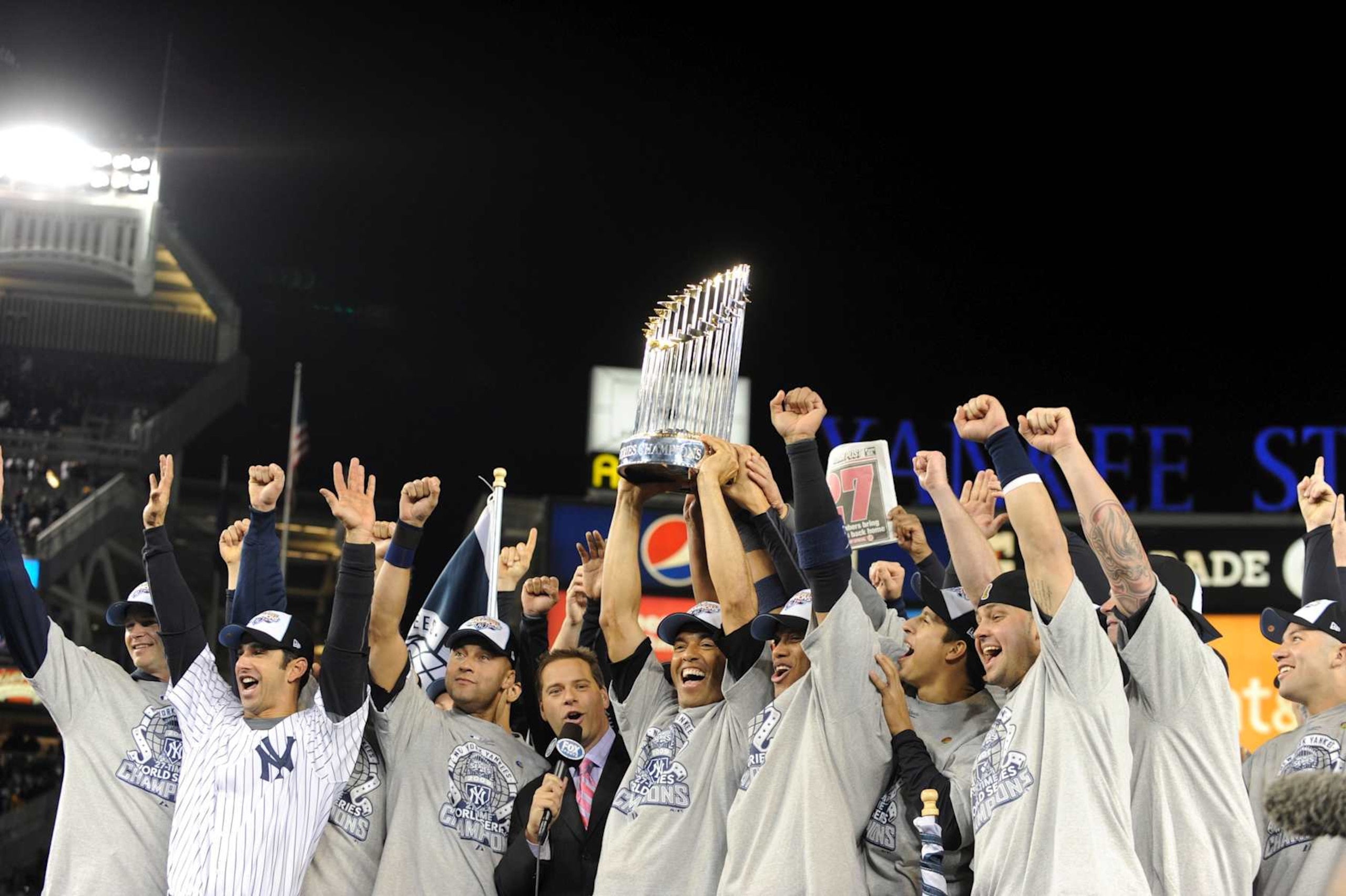
Regular Season: 103-59, +162 Run Differential
Postseason: 11-4, +28 Run Differential
World Series: Defeated PHI, 4-2
How They Did It
The Yankees have had better teams than the one in 2009, but we can have a good-faith debate about how many have been more fun than this squad.
It set what was then a club record with 244 home runs in the regular season, with seven hitters contributing 20 or more. The 2009 Yankees also had CC Sabathia in his prime and Mariano Rivera, whose prime encapsulated all 19 of his major league seasons.
The postseason was, among other things, the Alex Rodriguez redemption tour. He was sitting on a 1.516 OPS by the time the Yankees got to the World Series, with five huge homers.
For their parts, Derek Jeter had 22 hits, Sabathia had a 1.98 ERA in five starts and Rivera allowed one run in 12 appearances. And in the end, Hideki Matsui went 8-for-13 with eight RBI to win World Series MVP.
The Team's Legacy
Even if the A-Rod aspect of the 2009 Yankees is complicated, that he shared a championship lineup with Jeter, Matsui, Jorge Posada, Robinson Canó, Mark Teixeira, Johnny Damon and Nick Swisher and a roster with Sabathia, Rivera and Andy Pettitte is mind-boggling stuff.
This was a team of legends, alright. And as the club's only championship team of the last 24 years, it certainly occupies a special place in Yankees lore right now.
2. 2018 Boston Red Sox
10 of 11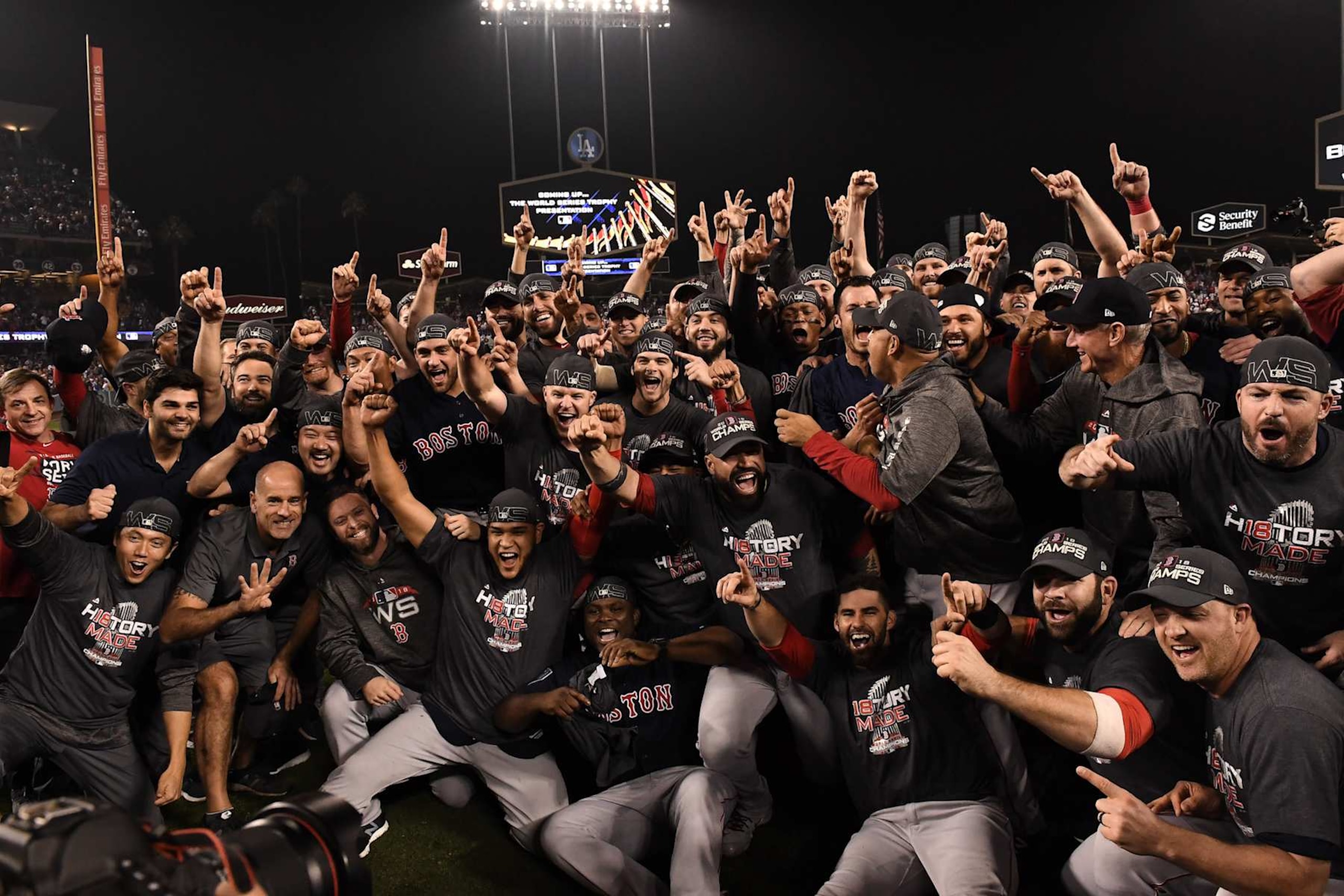
Regular Season: 108-54, +229 Run Differential
Postseason: 11-3, +33 Run Differential
World Series: Defeated LAD, 4-1
How They Did It
The 2018 Red Sox aren't merely the most dominant team the organization has ever fielded. It's also one of only two World Series winners to celebrate 119 total victories in a season.
They really were that good in the regular season, in which they got a 10.7-rWAR effort from AL MVP winner Mookie Betts and 43 home runs from J.D. Martinez. And in the playoffs, they knocked off two 100-win teams plus another that should have been a 100-game winner.
There wasn't really a single player who carried them in October. It was seemingly a different guy every night, and the title ultimately belonged to manager Alex Cora as much as anyone.
Cora conjured not one, but two pinch-hit three-run homers just in the World Series. He also had great success using starters in relief throughout the playoffs, ultimately getting 13.2 innings and one earned run out of Chris Sale, Nathan Eovaldi, David Price and Rick Porcello.
The Team's Legacy
The 2018 Red Sox found themselves at the center of their own sign-stealing scandal in 2020, but it concerned much tamer crimes than the ones committed by the 2017 Astros.
As recent Red Sox champions go, the only thing to fault the 2018 team for is that it doesn't carry the same nostalgic heft as the 2004 and 2013 clubs. Those were teams of destiny, whereas the 2018 Red Sox were an unstoppable force that never met an immovable object.
1. 2016 Chicago Cubs
11 of 11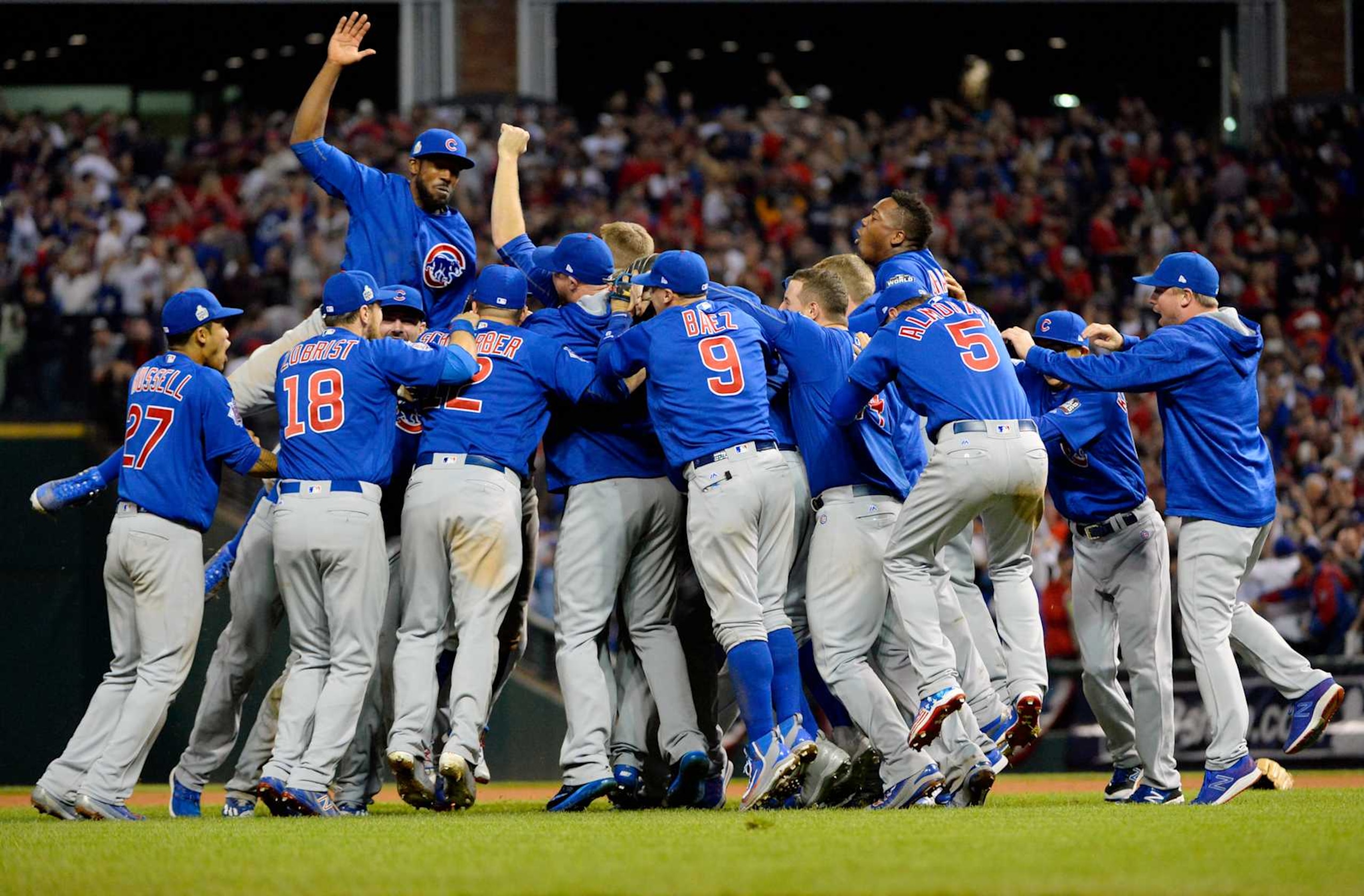
Regular Season: 103-58, +252 Run Differential
Postseason: 11-6, +18 Run Differential
World Series: Defeated CLE, 4-3
How They Did It
Even before the playoffs began, the 2016 Cubs were the organization's best regular-season team in over 100 years. Per their run differential, they were also the best team MLB had seen since the 2001 Seattle Mariners.
Thus, the "Team of Destiny" vibes were strong with the 2016 Cubs, but they still had to earn it.
They had to come back twice in the postseason, first from 2-1 in the NLCS and then from 3-1 in the World Series. They even survived one of the biggest home runs in baseball history, for which Jason Heyward and Ben Zobrist can claim the bulk of the credit.
Kris Bryant and Anthony Rizzo finished the playoffs with a combined .894 OPS and six homers, and it still feels impossible that Kyle Schwarber came back from a torn ACL to post a .500 OBP in the World Series.
Also not to be overlooked are Jon Lester and Kyle Hendricks, who had a 1.77 ERA over 61.0 total innings. Though he seemed tired at times, 2015 NL Cy Young Award winner Jake Arrieta was there when he needed to be with two wins in the World Series.
The Team's Legacy
Even if this isn't the most talented team the Cubs have ever had—surely someone out there will stan for the 1906 team—it will always be the one that finally put an end to the club's championship drought.
At 108 years, it had already gone on long enough. And from where we are now in 2024, we can deduce that it would be 116 years if the 2016 Cubs hadn't gotten it done.
Stats courtesy of Baseball Reference, FanGraphs and Baseball Savant.



.jpg?w=2560 "Malik Beasley Negotiating Plea Deal (AP)")
.jpg?w=2560 "Aikman Blasts Cowboys WR 🫣")

.jpg?w=2560 "Jonathan Taylor Landing Spots")