

Fantasy Football Draft Strategy 2024: Blueprint to Forming a Winning Squad

With the NFL preseason nearly at its and the 2024 regular season less than two weeks away, it's an exciting time to be a fantasy football enthusiast.
Real, meaningful games are almost here, which means that quest for fantasy glory is about to begin. Managers will look to begin their journey by winning their draft.
Many factors go into a successful fantasy season, of course, including smart lineup management, savvy waiver-wire utilization and a little luck—sometimes the key to winning is simply having the healthiest roster.
However, building a strong foundation through the draft can help give managers an early edge. With this in mind, let's rough through some tried-and-true strategies to consider ahead of the 2024 season.
Preparation Is Key
1 of 4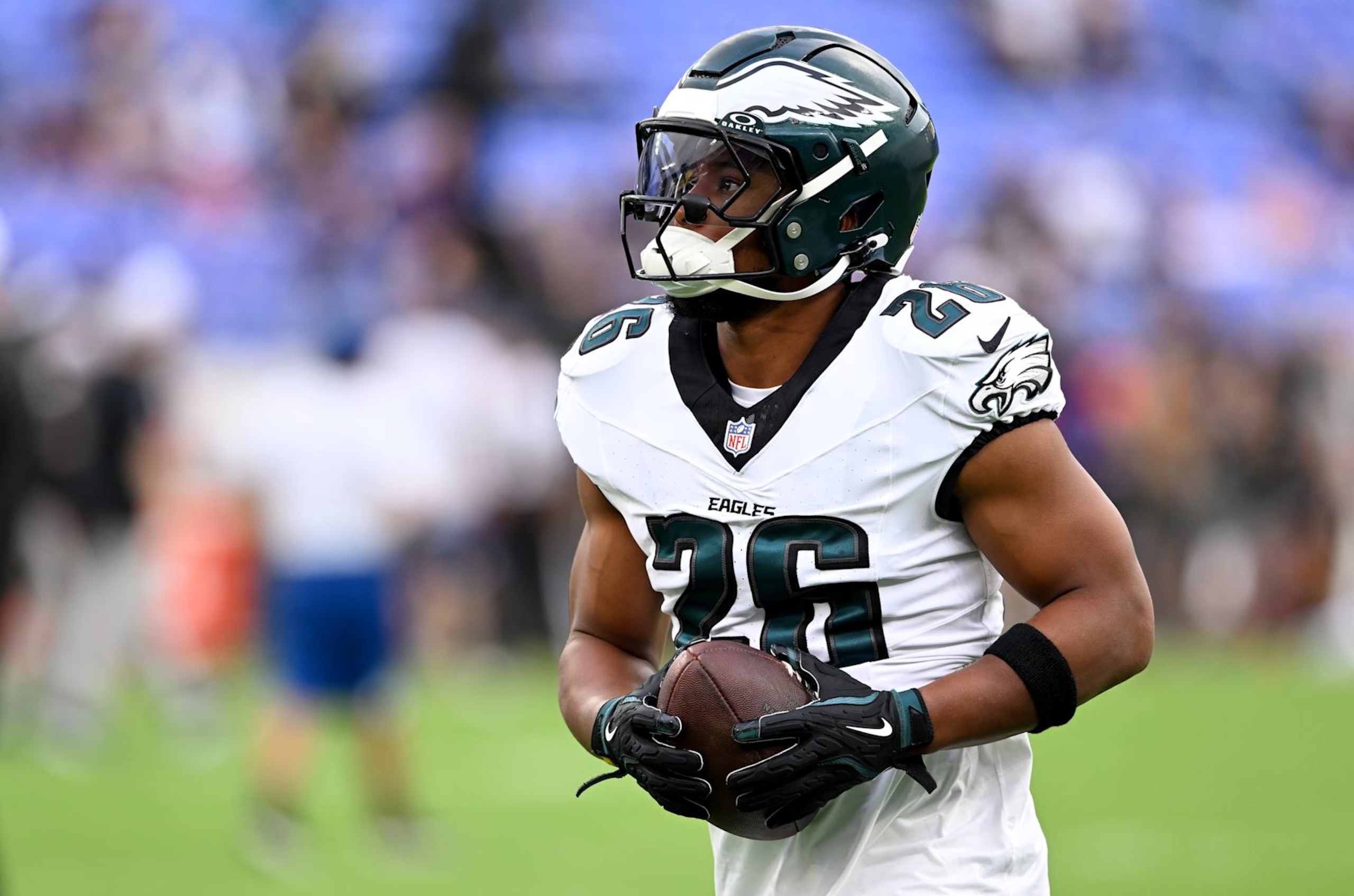
A little prep work can go a long way. The first piece of advice we'll offer is to have a draft plan. Knowing which big-name players you find risky, which sleepers you want to target and where you're comfortable taking specific positions can help ensure exit the draft with a sense of regret.
To figure out a plan, we recommend dividing players into positional tiers. Managers should strive to exit the first three rounds with at least two first-tier players and one second-tier player, at a minimum.
A tier system is valuable because there's no guarantee that your favorite fantasy player won't get sniped right before you're on the clock. If, for example, you value Justin Jefferson, CeeDee Lamb, Ja'Marr Chase, Tyreek Hill and Amon-Ra St. Brown as top-tier receivers, you should feel content to land one of the group in the first round.
If all of your Tier 1 receivers are off the board before you make your first selection, then it's probably wise to pivot to a Tier 1 running back like Christian McCaffrey or Bijan Robinson instead.
Mock drafts can help with the tier-building process, as they can provide an idea of where players at the same position are likely to be drafted.
Of course, it's important to know your league's scoring format before running a mock. A 10-team standard-scoring superflex mock draft won't be all that helpful if you're prepping for a 12-team point-per-reception (PPR) league.
It's also important for managers to stay on top of offseason player movement and developing roster situations. Valuing a player based on past performance alone doesn't usually yield the desired results.
It's valuable to know that Saquon Barkley will be playing behind a Philadelphia Eagles line that is better than any line he experienced with the New York Giants, or that D.J. Moore is no longer the only quality receiving option on the Chicago Bears' roster.
Managers still need to be ready to pivot on draft day, but having a proper plan can help prevent a surprise from turning into a disaster.
Know How to Navigate Positional Runs, Especially at Quarterback
2 of 4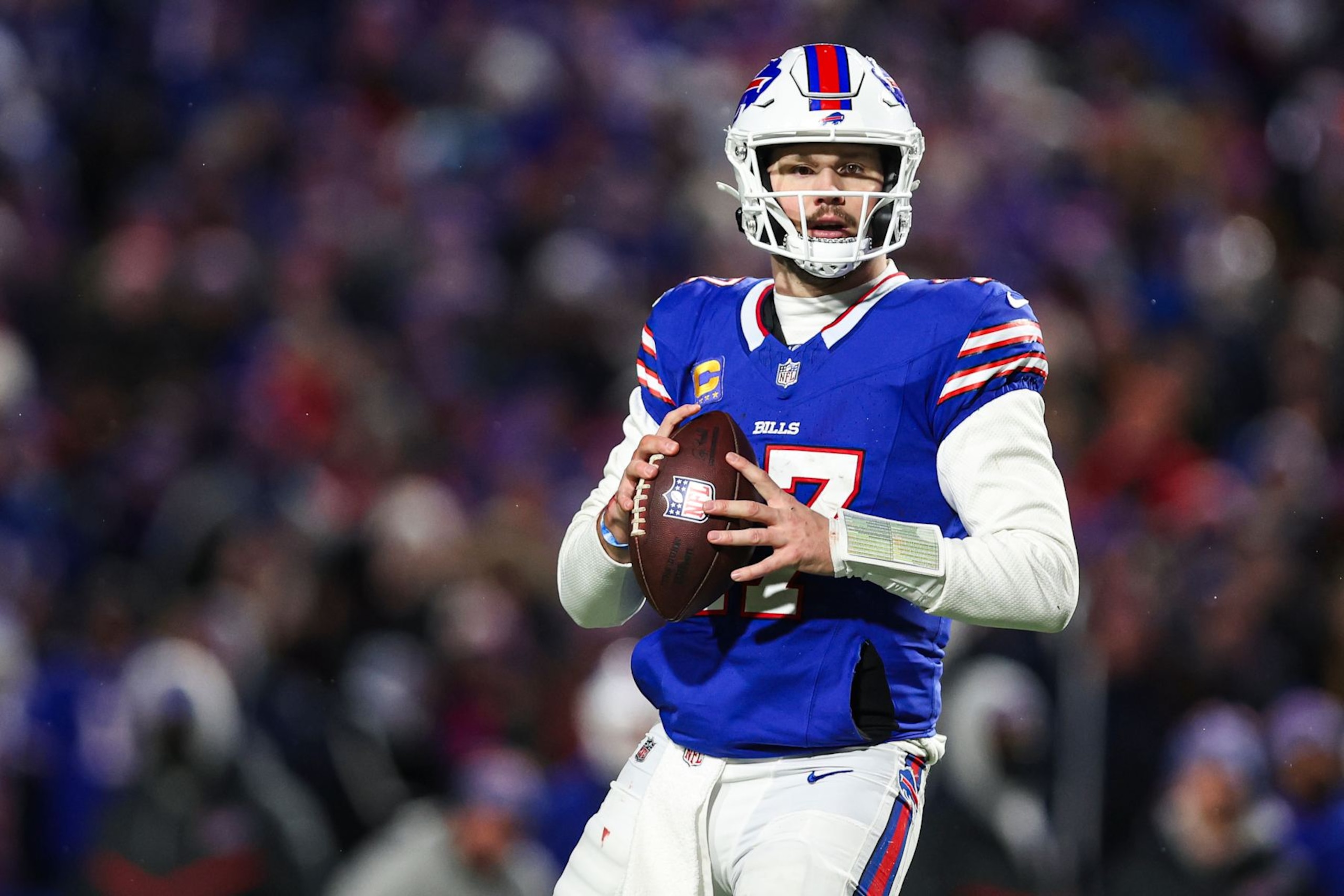
Probably the best piece of advice we can offer is to avoid getting sucked into positional runs. Once you have a personalized tier system set, stick to it, even if players at one position start flying off the board.
It's easy to panic when you start a draft with two running backs and there's a receiver run before you're on the clock in Round 3. However, you shouldn't be baited into drafting a third- or fourth-tier receiver just to fill your starting lineup.
When a positional run goes long enough, it typically means players of a similar value at the same position will be available several rounds later. This is especially true at quarterback, a position we recommend waiting on anyway.
You're likely to see high-end dual-threat quarterbacks like Josh Allen, Jalen Hurts and Lamar Jackson coming off the board in Round 4 or higher—quite possibly as high as Round 2. Instead of panic-picking a quarterback to follow suit, it can be much more valuable to grab a Tier 2 running back or a Tier 1 tight end instead.
Managers can typically find a starting-caliber quarterback in the middle or even late rounds. Miami Dolphin signal-caller Tua Tagovailoa, for example, is trending as QB14 based on average draft position (ADP). This means he should be available long after the rest of your league has filled starting QB slots.
Tagovailoa, for what it's worth, threw for a league-high 4,624 yards and 29 touchdowns last season. Tagovailoa might not provide rushing upside, but with a strong enough collection of skill players, you can easily win a league with him under center.
Perhaps the only position where it can be worth following a run is the defense/special teams. There usually aren't 12 quality D/ST units in the NFL in a given season, and the gap between top defenses and middling ones is fairly substantial.
Of course, it's still not wise to catch the tail end of a D/ST run. Managers who miss out on the top 6-8 defenses should instead consider streaming the position and playing the matchups.
Don't Reach for Running Backs in the Middle Rounds
3 of 4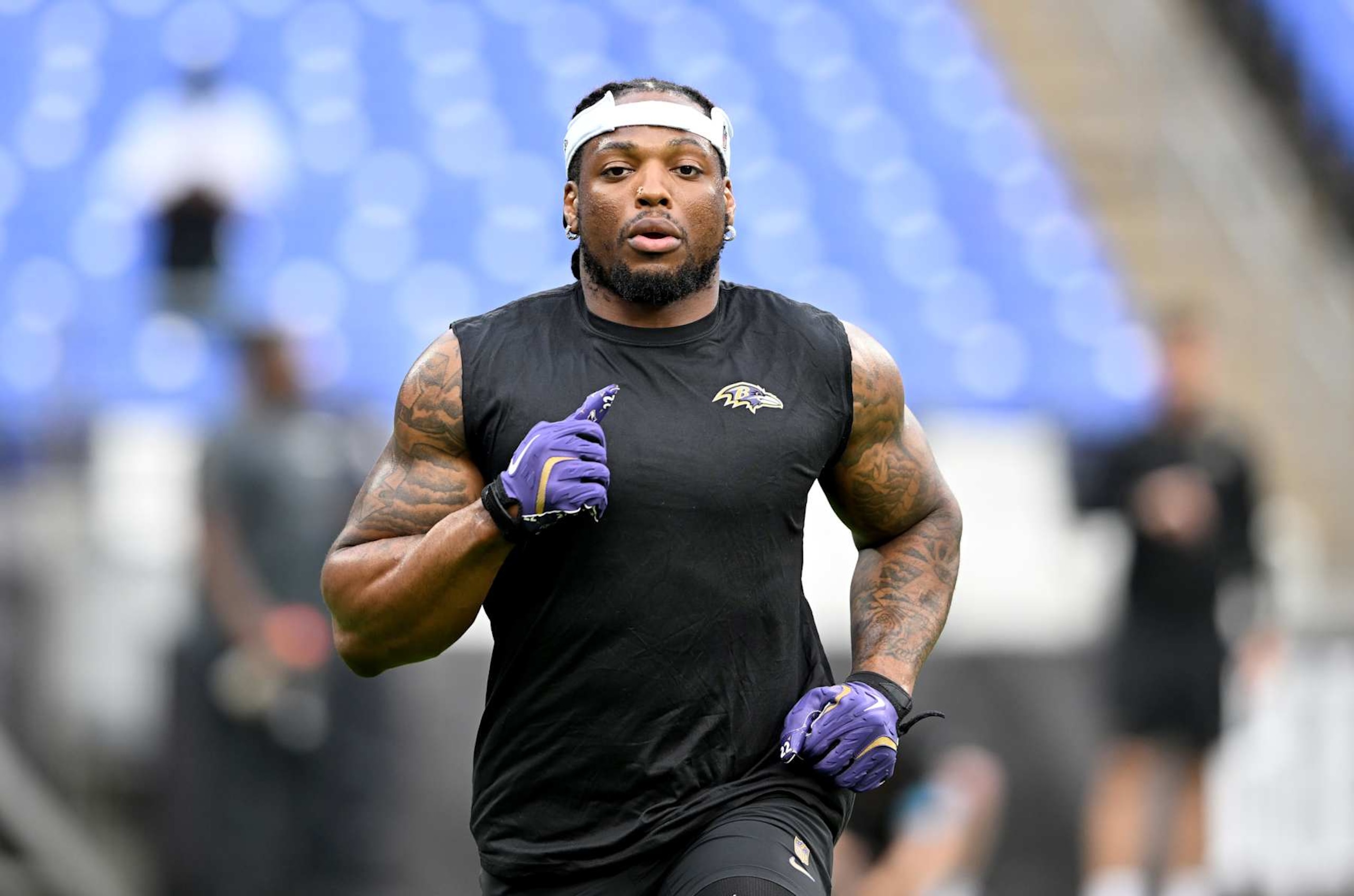
While it's never wise to reach for a player, managers should look to avoid it at all costs when it comes to middle-round running backs.
The reality is that the NFL isn't filled with high-end, dual-threat every-down running backs anymore. Players like McCaffrey, Barkley and Jahmyr Gibbs are going to be off the board in the first couple of rounds, and run-heavy backs like Derrick Henry will soon follow.
The chances of landing a true every-down back after Round 3 are slim, and the third-tier of running backs is wide. For example, Seattle Seahawks back Kenneth Walker III is trending as RB16 based on ADP. The production gap between Walker and new Giants starter Devin Singletary (RB31) probably won't be that substantial.
Walker had five more touchdowns than Singletary last season but only 73 more scrimmage yards. That's noteworthy, but it doesn't justify drafting Walker three or four rounds earlier than Singletary
Managers are likely to find much better middle-round value by targeting a top-tier tight end or a third-tier receiver. There are 32 No. 1 receiving targets in the NFL, and even those on bad teams can be worth starting in fantasy.
Cleveland Browns wideout Amari Cooper, for example, had 72 catches, 1,250 receiving yards and five touchdowns last season and holds an ADP 10 spots lower than Walker's.
If a Tier 2 running back happens to be available in Round 4 or 5, draft him. Just don't go reaching for a second or third running back when quality receivers are probably still available.
Waiting on a third running back can be a smart strategy anyway, since many managers prefer to play a third receiver in the flex—especially in PPR formats.
.jpg?w=2560 "Chiefs Giants Football")
.jpg?w=2560 "Titans Colts Football")
.jpg?w=2560 "Steelers Buccaneers Football")
Positional Top-10 Rankings
4 of 4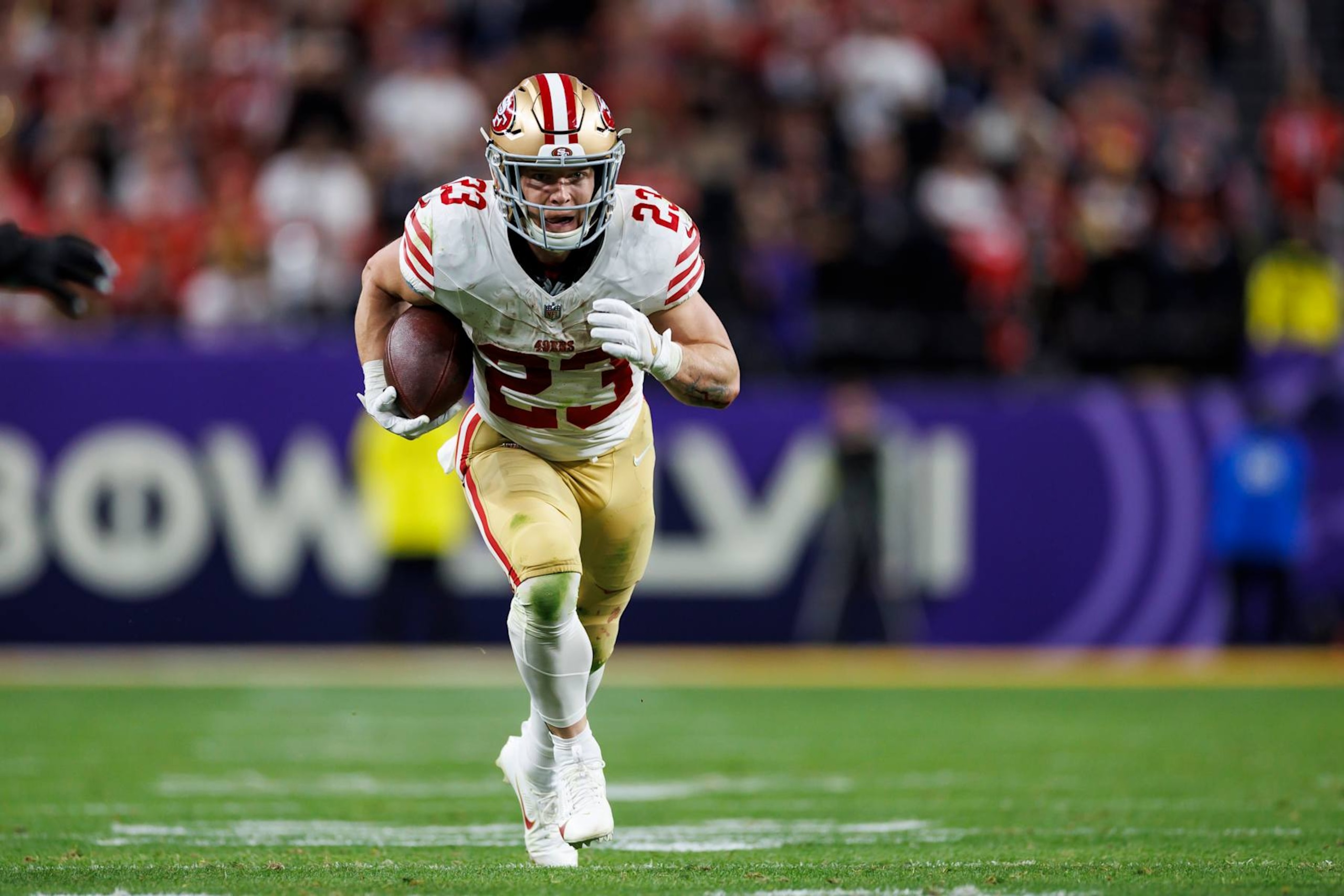
Quarterback
1. Josh Allen, Buffalo Bills
2. Jalen Hurts, Philadelphia Eagles
3. Patrick Mahomes, Kansas City Chiefs
4. Lamar Jackson, Baltimore Ravens
5. C.J. Stroud, Houston Texans
6. Anthony Richardson, Indianapolis Colts
7. Joe Burrow, Cincinnati Bengals
8. Jordan Love, Green Bay Packers
9. Dak Prescott, Dallas Cowboys
10. Kyler Murray, Arizona Cardinals
Running Back
1. Christian McCaffrey, San Francisco 49ers
2. Bijan Robinson, Atlanta Falcons
3. Saquon Barkley, Philadelphia Eagles
4. Jonathan Taylor, Indianapolis Colts
5. Breece Hall, New York Jets
6. Jahmyr Gibbs, Detroit Lions
7. Travis Etienne Jr., Jacksonville Jaguars
8. Kyren Williams, Los Angeles Rams
9. Derrick Henry, Baltimore Ravens
10. Isiah Pacheco, Kansas City Chiefs
Wide Receiver
1. Tyreek Hill, Miami Dolphins
2. CeeDee Lamb, Dallas Cowboys
3. Ja'Marr Chase, Cincinnati Bengals
4. Justin Jefferson, Minnesota Vikings
5. Amon-Ra St. Brown, Detroit Lions
6. A.J. Brown, Philadelphia Eagles
7. Puka Nacua, Los Angeles Rams
8. Garrett Wilson, New York Jets
9. Davante Adams, Las Vegas Raiders
10. Marvin Harrison Jr., Arizona Cardinals
Tight End
1. Sam LaPorta, Detroit Lions
2. Trey McBride, Arizona Cardinals
3. Travis Kelce, Kansas City Chiefs
4. Mark Andrews, Baltimore Ravens
5. Kyle Pitts, Atlanta Falcons
6. Dalton Kincaid, Buffalo Bills
7. Jake Ferguson, Dallas Cowboys
8. Evan Engram, Jacksonville Jaguars
9. David Njoku, Cleveland Browns
10. Brock Bowers, Las Vegas Raiders
*ADP from FantasyPros and based on PPR scoring.
.jpg?w=2560 "Eagles Jaguars Football")
.jpg?w=2560 "Steelers Saints Football")


.jpg?w=2560 "🚨 Week 8 AP Top 25 Poll")
.jpg?w=2560 "Jonathan Taylor Landing Spots 📍")