
Ranking Every NBA Franchise from Cheapest to YOLO
All fans want is their favorite NBA franchise to win the championship yearly. Failing that, those wealthy enough to own the team should spend every dollar to reach that goal as stewards of the team.
Naturally, the reality is quite different. Notably, the league has increasingly complex rules to discourage the most affluent owners from buying titles. No one can if Steve Ballmer of the LA Clippers can't do it. But is every franchise putting in the necessary resources to compete at the highest level?
In other words, is your favorite NBA team cheap? We ranked them from cheapest to spendiest.
How to Think About This
1 of 32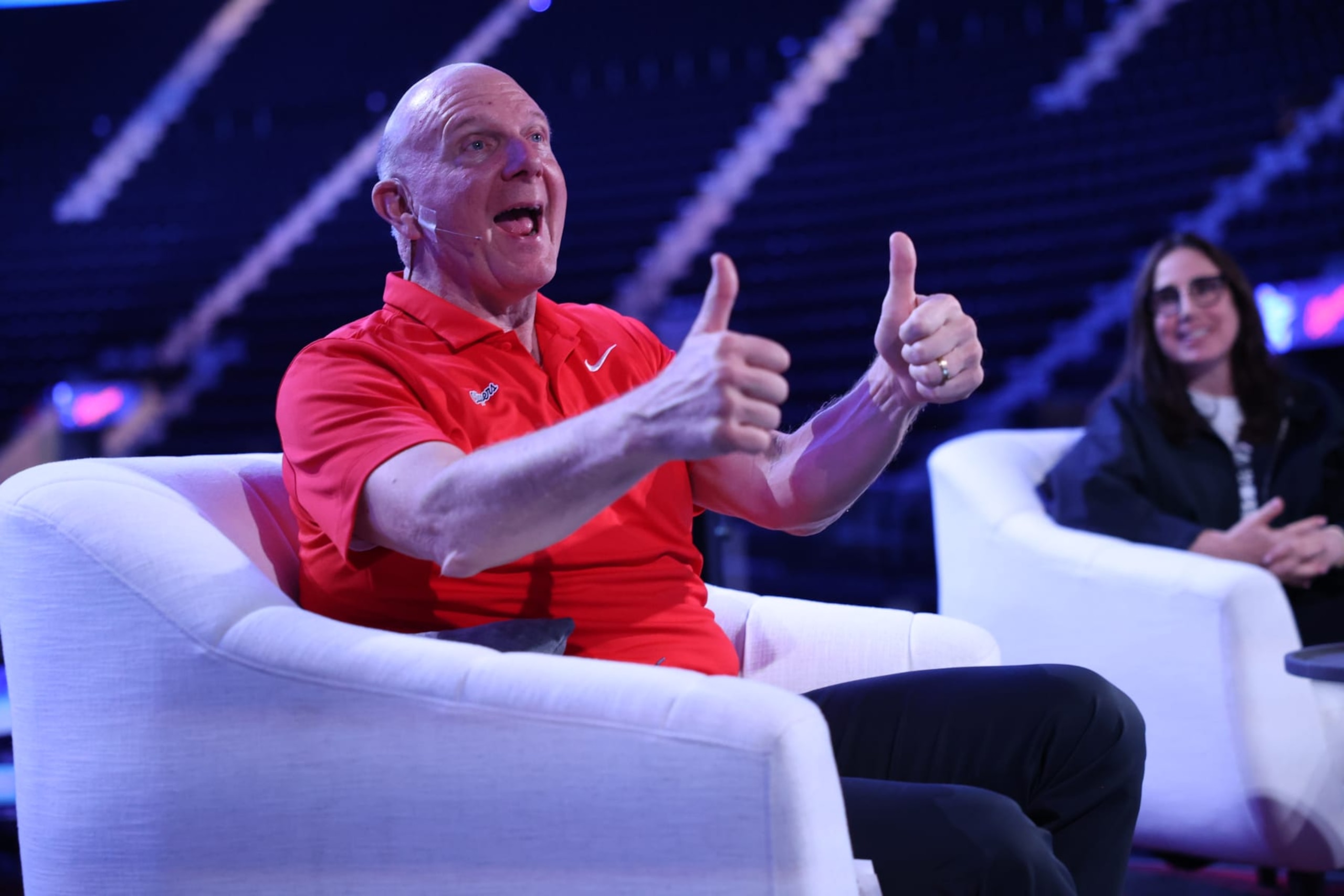
To curtail spending, the NBA has a luxury tax threshold each season (currently $170.8 million). Teams over that line pay a fine. The league uses half the money for revenue sharing, and the remainder is distributed to the non-tax teams.
For example, eight were above the threshold in 2023-24, paying a total of $526.6 million in taxes. Half that amount ($263.3 million) went back to the 22 teams below the line at almost $12 million each.
If a franchise didn't go into the tax even once, dating back to the start of the 2017 collective bargaining agreement (CBA) through the first year of the current 2024 CBA, the total tax kickback was $46.5 million.
Rule of thumb: if your team has a net tax of -$46.5 million, they've been cheap.
Context is essential, like how the New York Knicks have gradually rebuilt into a potent playoff contender and will finally start paying taxes for a team they believe can win.
Similarly, the Minnesota Timberwolves barely dipped into the tax but have one of the league's heaviest payrolls in 2024-25. Also, some teams fared well without massive spending, like the Indiana Pacers, who recently advanced to the Eastern Conference Finals with one of the lowest payrolls in the league.
The following list details each of the 30 NBA franchises, their net tax bill from 2017-2024, their postseason track record and their projected tax bill for the upcoming season:
No. 30: Charlotte Hornets
2 of 32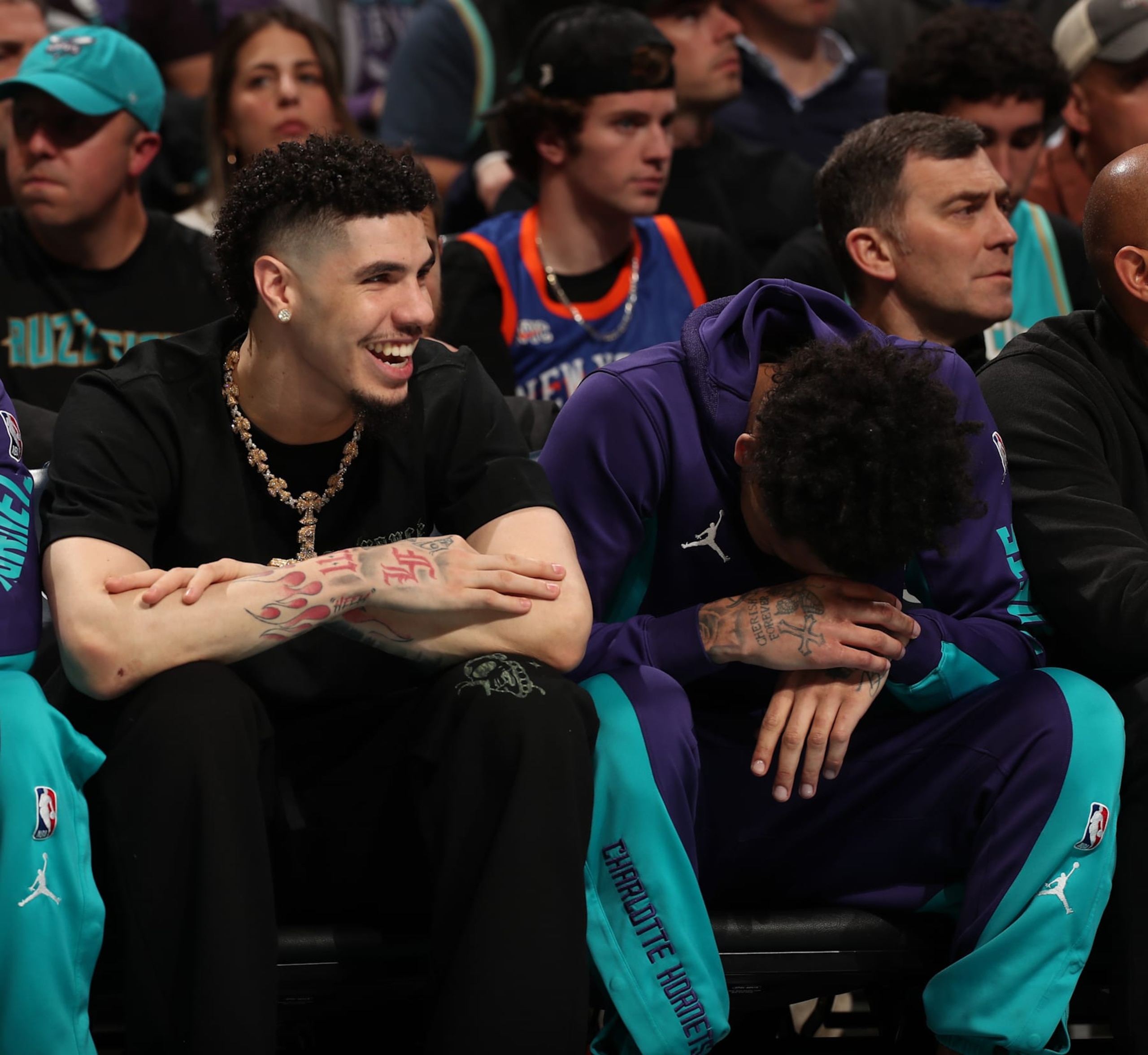
Tax paid since 2017: $0
Kickback $ since 2017: $46.5 million
Net since 2017: -$46.5 million
Titles since 2017: Zero
NBA Finals since 2017: Zero
Playoffs since 2017: Zero
Lottery since 2017: Six
2024-25 Projected Tax: Zero
Michael Jordan sold the Hornets last August, and Rick Schnall became the team's governor. The report card on Schnall is incomplete, but Jordan?
Arguably the greatest player of all time, Jordan didn't have the same reputation in owning a franchise. He didn't build a competitive infrastructure, didn't spend significantly on players, and Charlotte is the only team to miss the playoffs in each of the last seven years.
Jordan and the Hornets did not invest in a viable, winning product.
Cheap or No? No. 30 for a reason, but will new ownership follow the same path?
No. 29: Detroit Pistons
3 of 32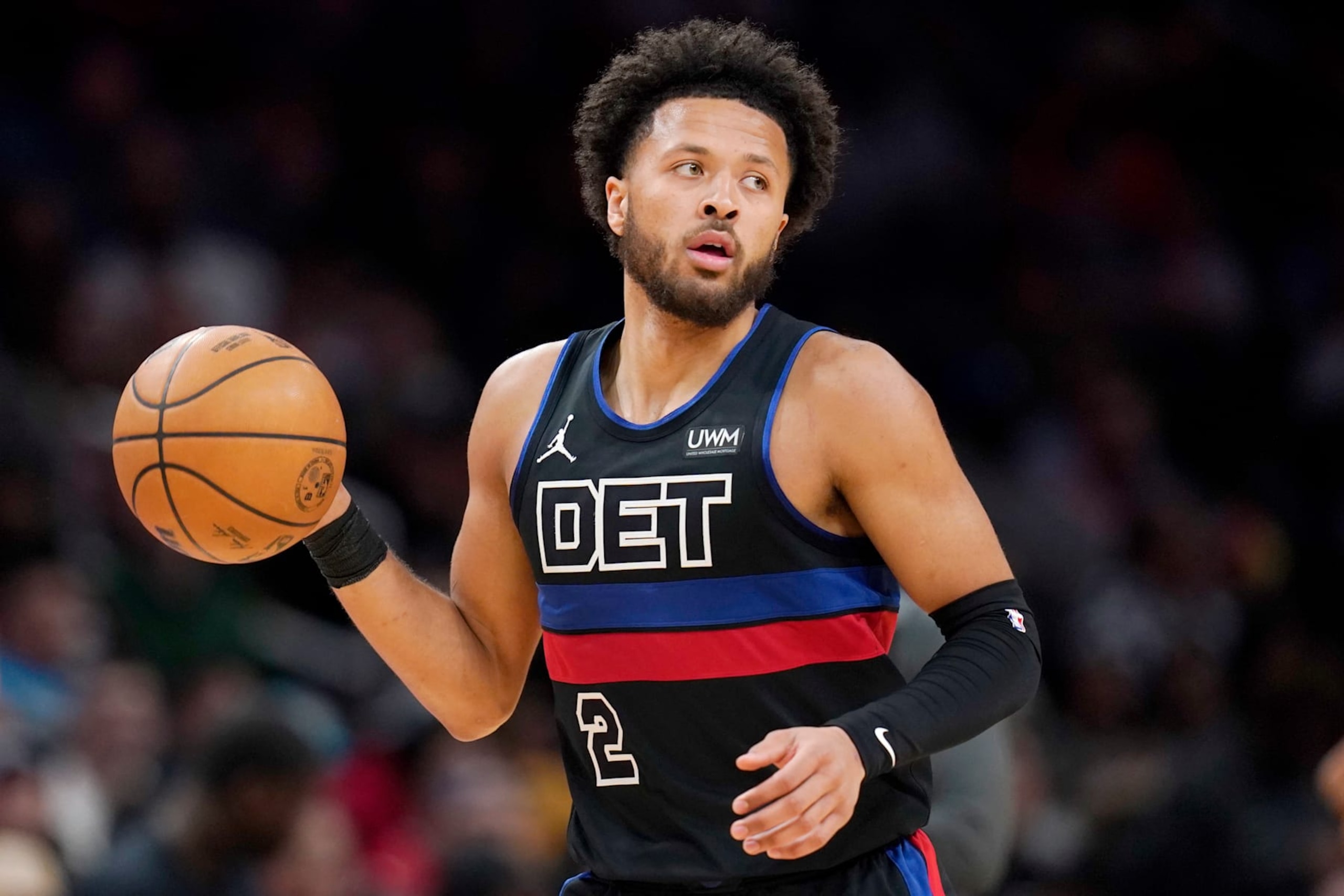
Tax paid since 2017: $0
Kickback $ since 2017: $46.5 million
Net since 2017: -$46.5 million
Titles since 2017: Zero
NBA Finals since 2017: Zero
Playoffs since 2017: Once
Lottery since 2017: Six
2024-25 Projected Tax: Zero
The Pistons have been aggressively bad for several years. While they did make the playoffs in 2018-19, they were swept by the Milwaukee Bucks. The last time Detroit won a playoff game was in 2008.
The team hasn't spent to win or drafted well enough, and the free-agent signings and trades have been confusing.
Cheap or No? Cheap, though there's hope that the recent hiring of Trajan Langdon to run basketball operations will lead to a better result.
.jpg?w=2560)
No. 28: Chicago Bulls
4 of 32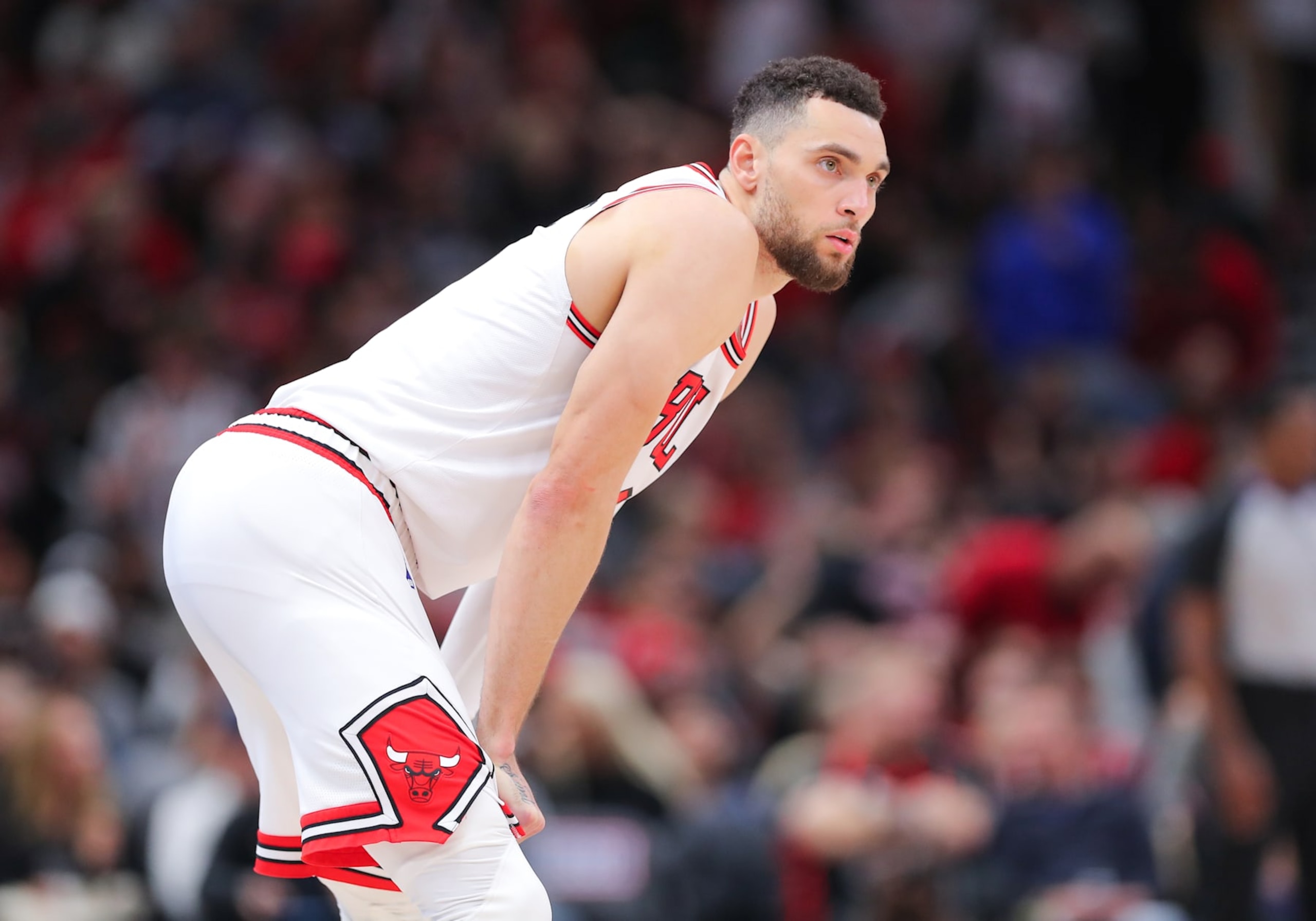
Tax paid since 2017: $0
Kickback $ since 2017: $46.5 million
Net since 2017: -$46.5 million
Titles since 2017: Zero
NBA Finals since 2017: Zero
Playoffs since 2017: Once
Lottery since 2017: Six
2024-25 Projected Tax: Zero
Several competing executives and agents view the Bulls as having a threadbare front office, unwilling to invest heavily in the product. Whether that's accurate or not, the tax bill doesn't lie.
Of course, when Chicago did reward a player with a sizable contract (Zach LaVine), he ended up having questionable knees.
Cheap or No? The results speak volumes.
No. 27: Sacramento Kings
5 of 32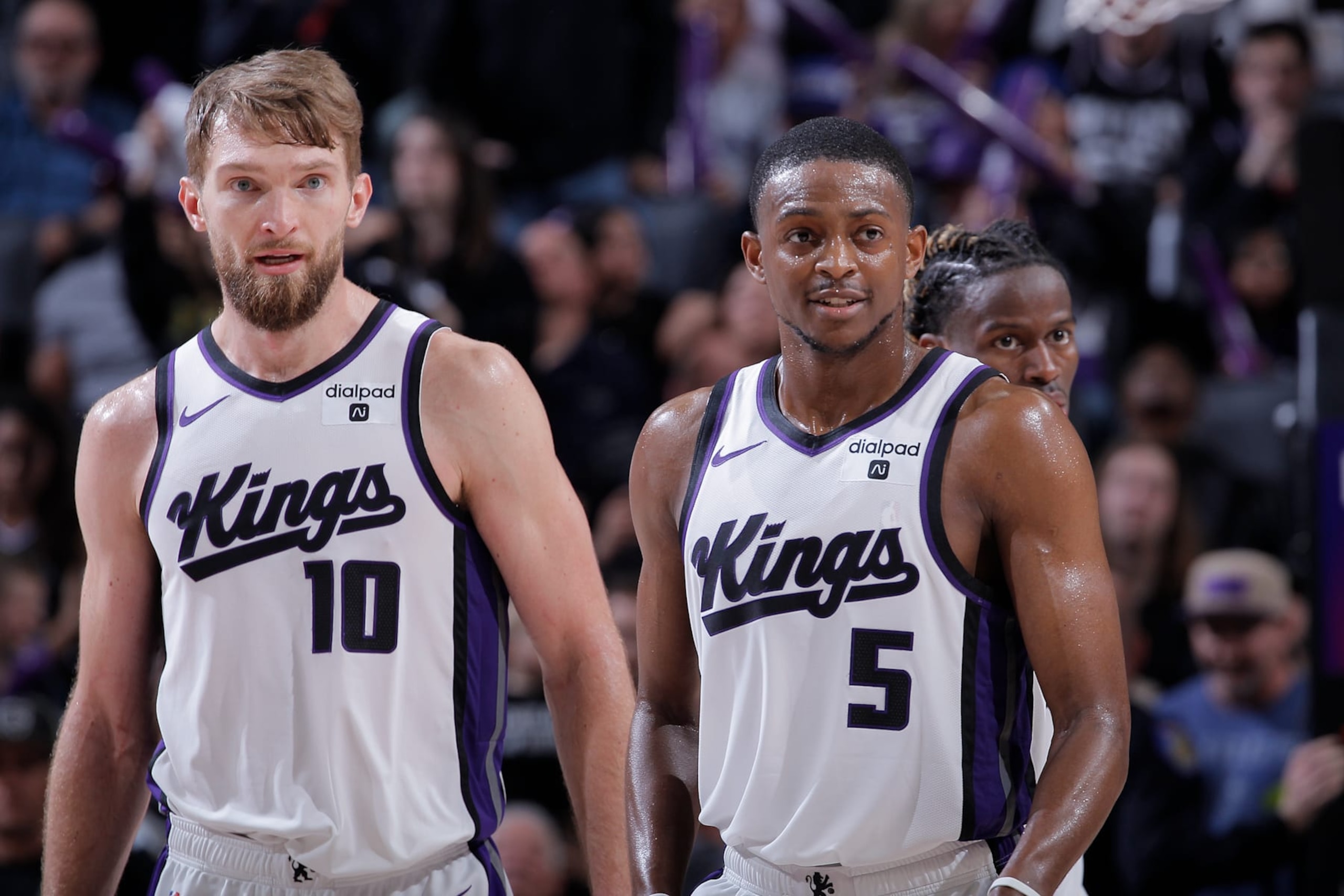
Tax paid since 2017: $0
Kickback $ since 2017: $46.5 million
Net since 2017: -$46.5 million
Titles since 2017: Zero
NBA Finals since 2017: Zero
Playoffs since 2017: Once
Lottery since 2017: Six
2024-25 Projected Tax: Zero
The Kings floundered for a long, long, long time. Whether it was poor leadership, bad luck or an unwillingness to pay at a high level, the playoff drought started with the 2006-7 season and finally ended in 2022-23.
Last year's squad barely missed out, but not because the team was cheap. The team has a healthy investment in De'Aaron Fox, Domantas Sabonis and Malik Monk. If healthy, Sacramento should be among the top 8 teams in the West.
Cheap or No? The Kings have turned a corner, but only recently.
No. 26: San Antonio Spurs
6 of 32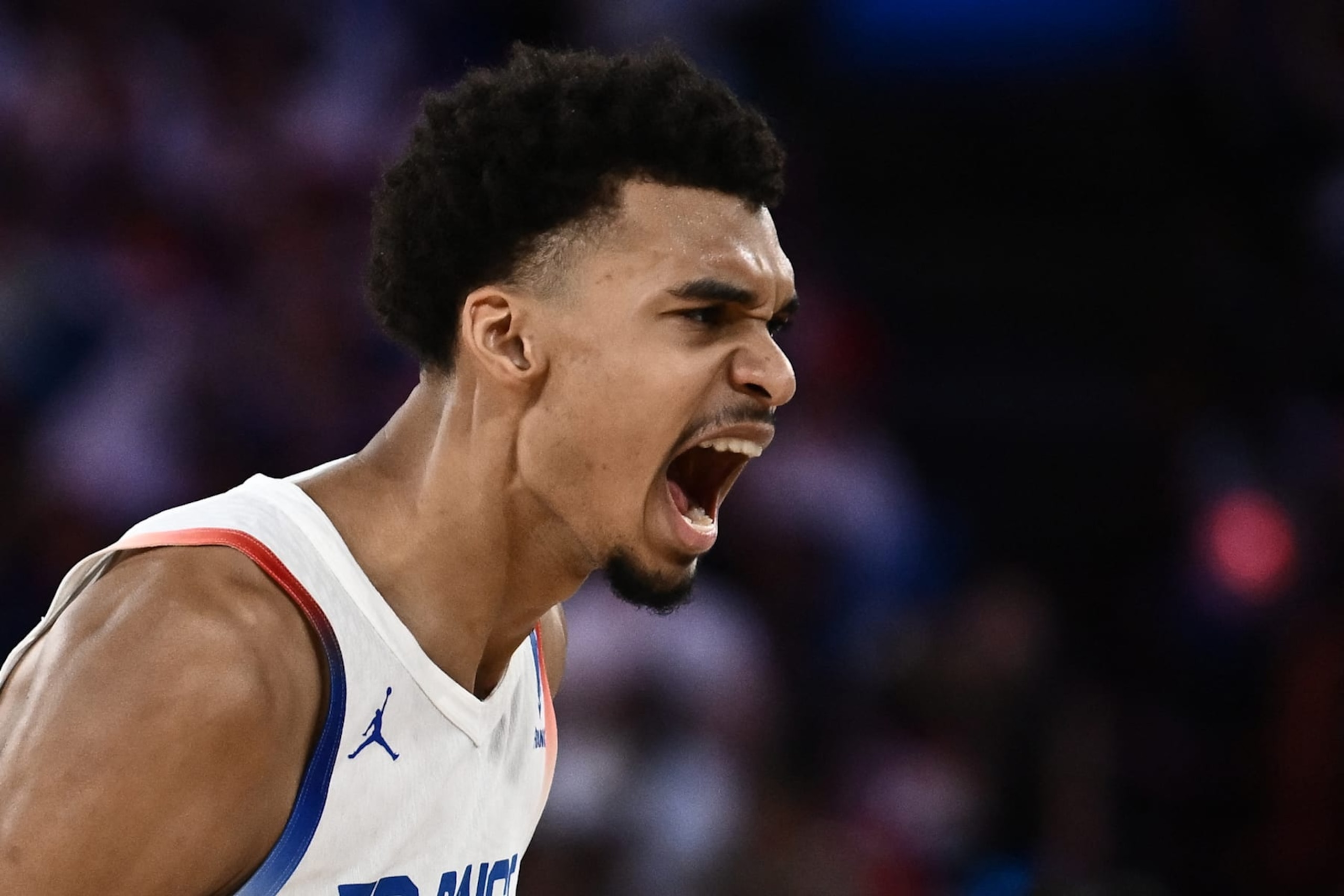
Tax paid since 2017: $0
Kickback $ since 2017: $46.5 million
Net since 2017: -$46.5 million
Titles since 2017: Zero
NBA Finals since 2017: Zero
Playoffs since 2017: Twice
Lottery since 2017: Five
2024-25 Projected Tax: Zero
The Spurs were arguably the best overall NBA franchise from 1997 to 2014 (still competitive through 2019). But when the wheels finally fell off (from the Tim Duncan/Kawhi Leonard eras), it fell off hard.
The rebuild hasn't been pretty, but it yielded Victor Wembanyama. It may take some time for San Antonio to flesh out an expensive roster around him capable of winning at the highest level.
Cheap or No? Maybe the best argument for context on the list, as the Spurs haven't had a reason to spend lavishly in recent years. San Antonio paid tax twice during the 2011 CBA, but that's outside of the current scope (spoiler: many current non-payers were also non-payers for those six additional years).
No. 25: Houston Rockets
7 of 32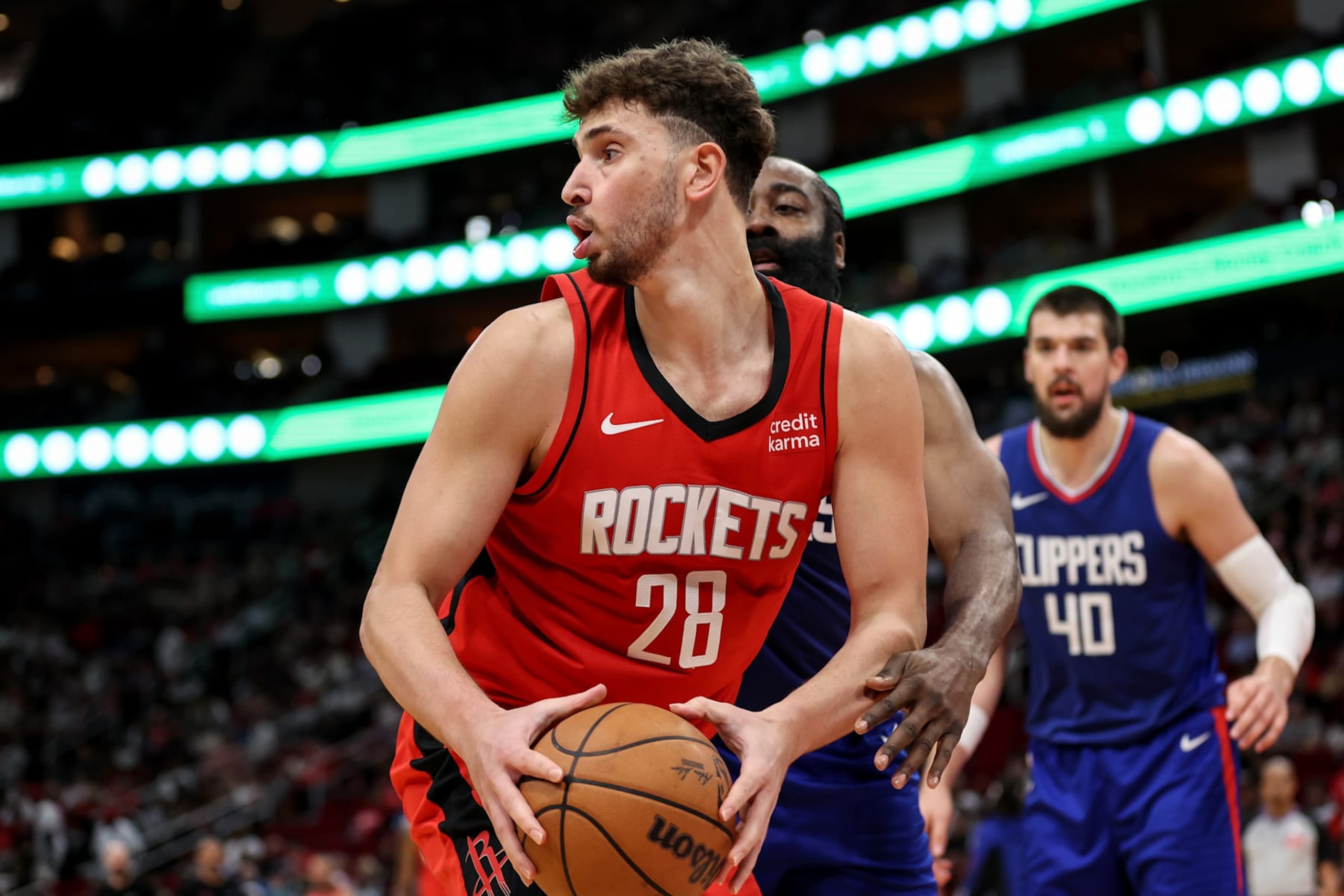
Tax paid since 2017: $0
Kickback $ since 2017: $46.5 million
Net since 2017: -$46.5 million
Titles since 2017: Zero
NBA Finals since 2017: Zero
Playoffs since 2017: Three
Lottery since 2017: Four
2024-25 Projected Tax: Zero
The Rockets probably deserve some context. The team was a playoff regular from 2017 to 2020 before falling out of contention the last four years. That happens to time with the divorce from James Harden and the start of the rebuild—but from Harden's point of view, per those close to him, the team had financially deprioritized winning.
Such matters are subjective, but Houston hasn't paid the tax over the last seven years and a team that had two Western Conference Finals appearances (2015 and 2018) hasn't made the postseason the past four years.
Cheap or No? Signs pointing to cheap, though Houston pivoted from rebuilding last year and began to focus more on adding veterans to help the team win.
No. 24: Orlando Magic
8 of 32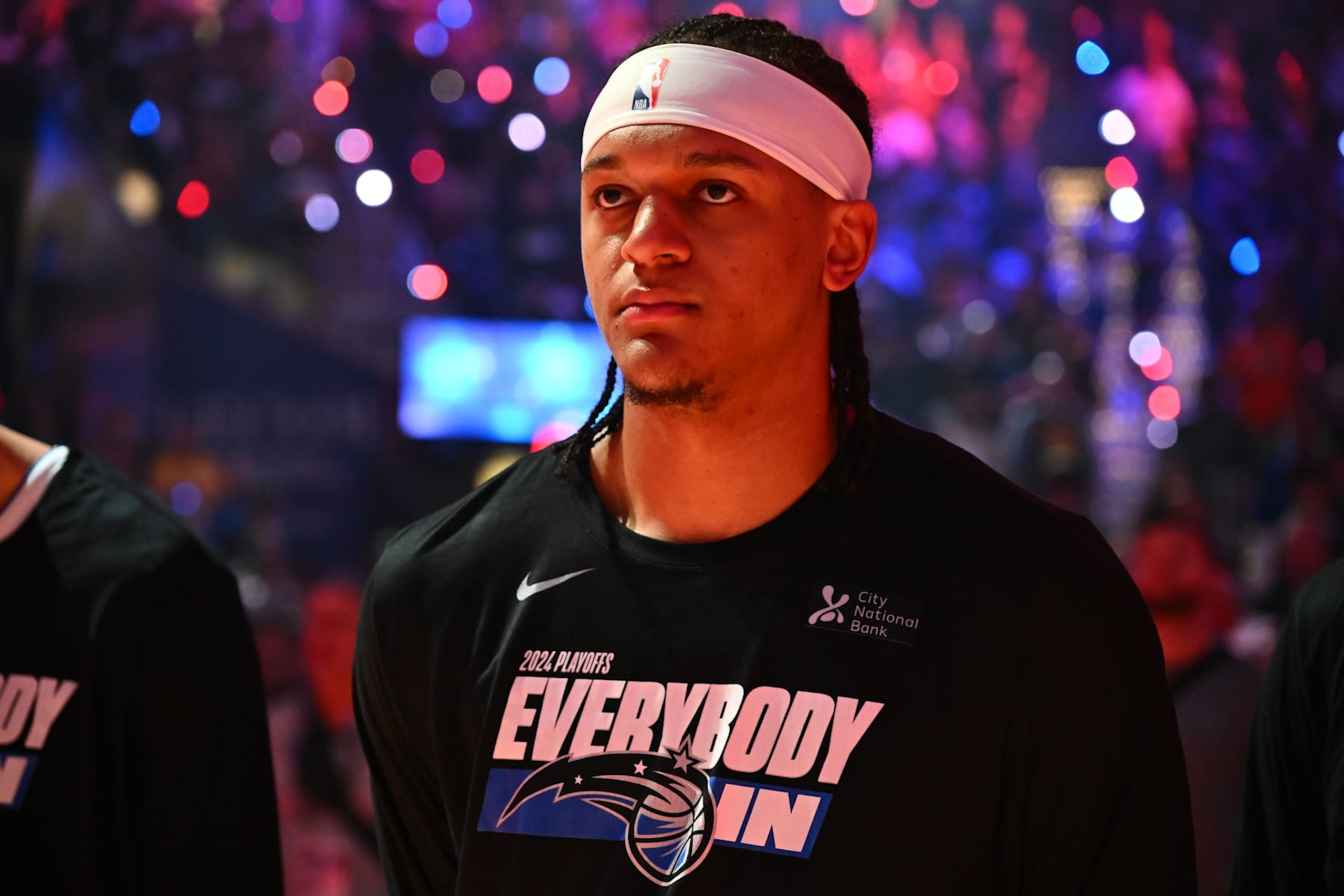
Tax paid since 2017: $0
Kickback $ since 2017: $46.5 million
Net since 2017: -$46.5 million
Titles since 2017: Zero
NBA Finals since 2017: Zero
Playoffs since 2017: Three
Lottery since 2017: Four
2024-25 Projected Tax: Zero
The Magic took a significant leap forward this past season despite one of the league's lower payrolls. Franz Wagner signed a massive extension, and Jalen Suggs is still eligible this summer; Paolo Banchero will be eligible next July.
If Orlando has been cheap and wants to be cheap, those days are probably over if the franchise intends to build upon what it's put together in recent years.
Cheap or No? The Magic haven't spent significantly, likely contributing to no more than first-round exits since the Eastern Conference Finals in 2009-10.
No. 23: Memphis Grizzlies
9 of 32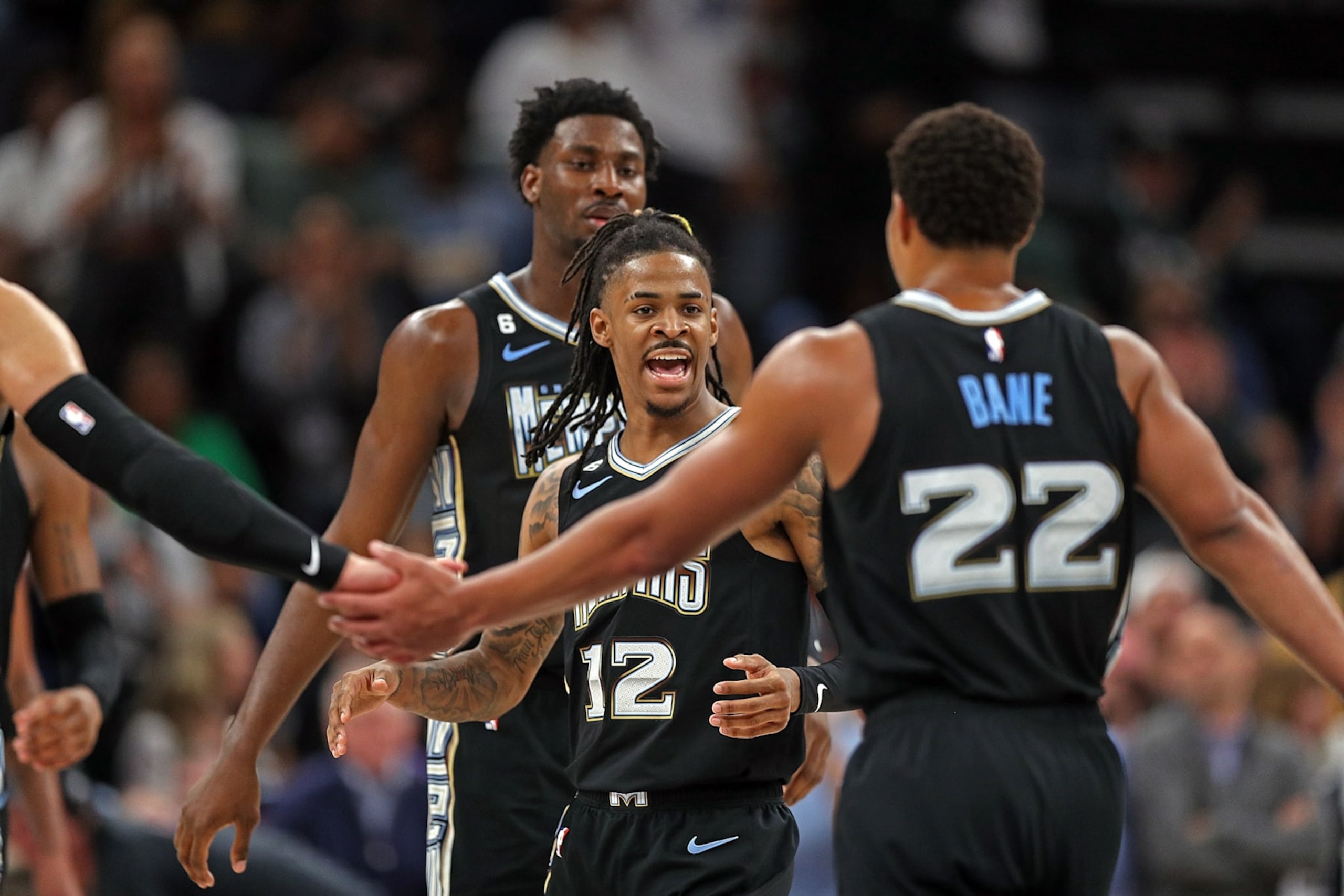
Tax paid since 2017: $0
Kickback $ since 2017: $46.5 million
Net since 2017: -$46.5 million
Titles since 2017: Zero
NBA Finals since 2017: Zero
Playoffs since 2017: Three
Lottery since 2017: Four
2024-25 Projected Tax: Zero
The Grizzlies have been competitive for three of the last four years (with injury and off-court issues making 2023-24 the exception). Memphis isn't a taxpaying team, but they traded for Marcus Smart and paid Ja Morant, Desmond Bane and Jaren Jackson Jr.
To stay out of the tax, the team traded Steven Adams and Ziaire Smith, spending right up to the tax line.
Cheap or No? Memphis historically just doesn't pay the tax. Keep that in mind when fake-GM'ing their roster.
No. 22: Atlanta Hawks
10 of 32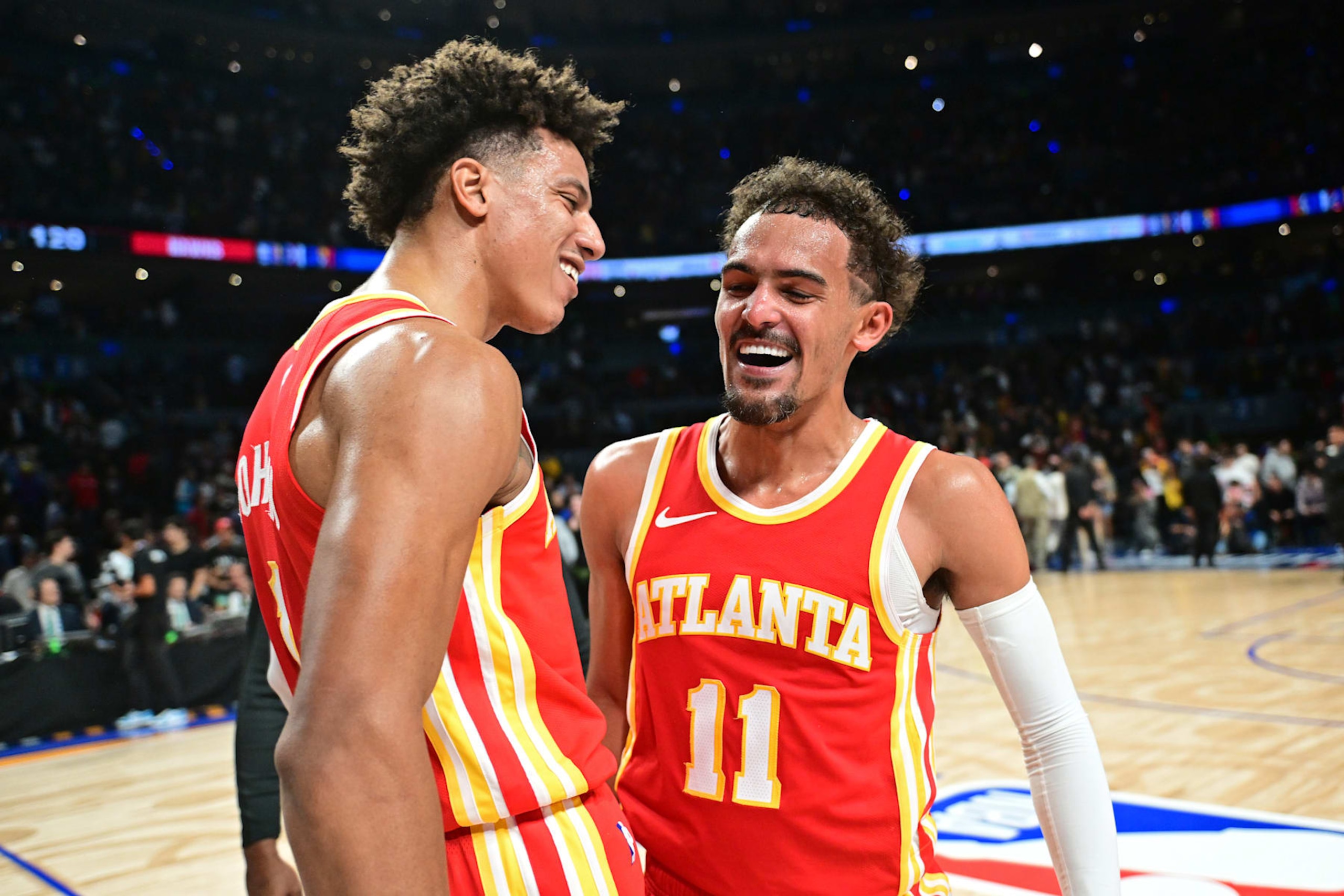
Tax paid since 2017: $0
Kickback $ since 2017: $46.5 million
Net since 2017: -$46.5 million
Titles since 2017: Zero
NBA Finals since 2017: Zero
Playoffs since 2017: Three
Lottery since 2017: Four
2024-25 Projected Tax: Zero
The Hawks went for it with the squad that went from the lottery in 2019-20 to the Eastern Conference Finals one year later. Unfortunately, the team couldn't get out of the first round the next two seasons.
Atlanta missed the playoffs this past season, but that may be because they spent too much, too quickly, on a team that spiked in 2020-21 but wasn't ready for sustained success.
Cheap or No? The luxury tax may not be the only measure, as Atlanta gave up significant draft compensation to get Dejounte Murray. However, the team continues to find ways out of the tax via trade (John Collins in 2023; Murray in 2024), so don't jump too quickly to "not cheap."
No. 21: Indiana Pacers
11 of 32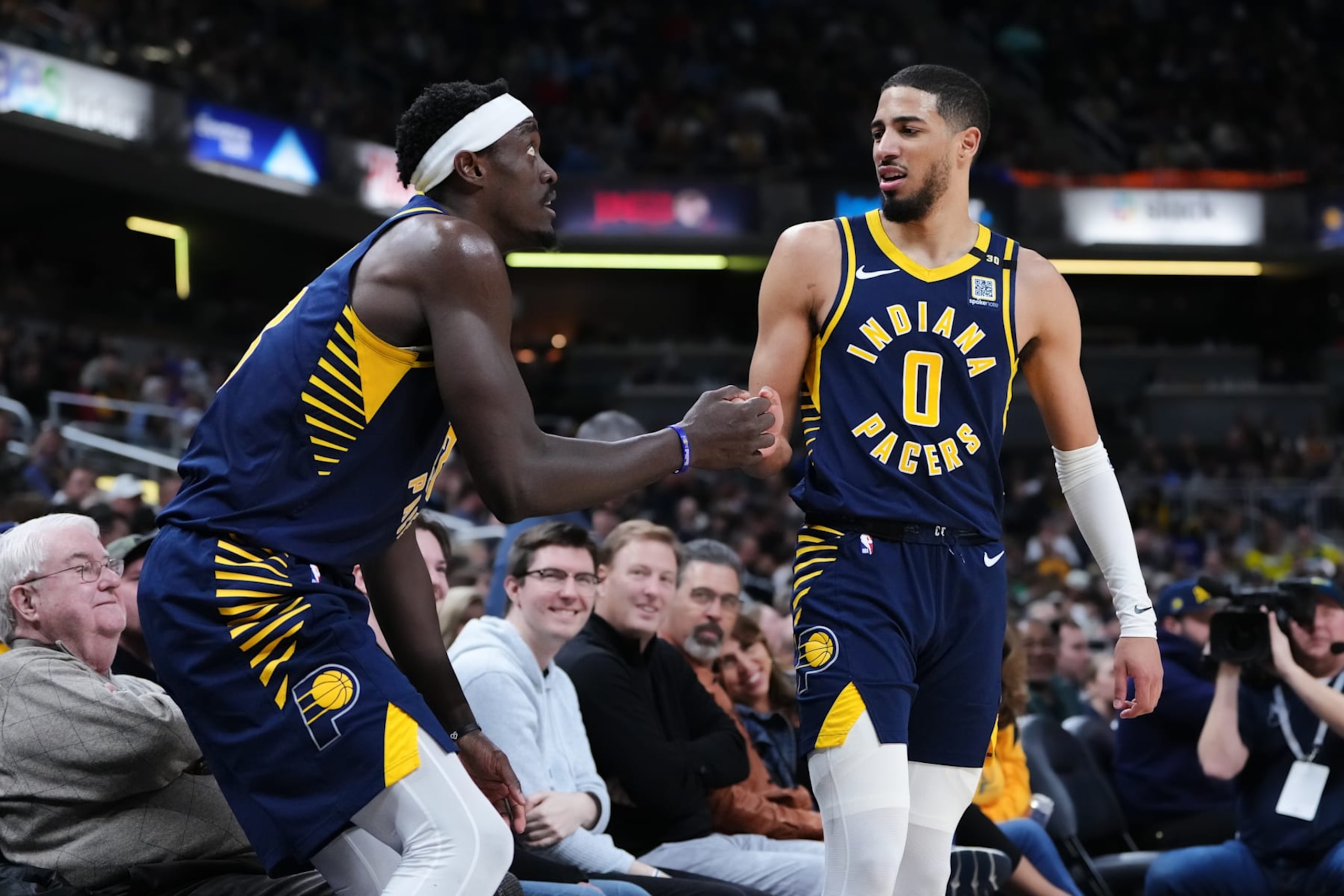
Tax paid since 2017: $0
Kickback $ since 2017: $46.5 million
Net since 2017: -$46.5 million
Titles since 2017: Zero
NBA Finals since 2017: Zero
Playoffs since 2017: Four
Lottery since 2017: Three
2024-25 Projected Tax: Zero
The Pacers' front office has been relatively open about their mandate to win without tanking or paying taxes. To that end, Indiana is the shining example of staying competitive in the NBA while being financially conservative.
How will Tyrese Haliburton and Pascal Siakam's max contracts impact the Pacers long-term? That's next year's question, as the team is just under the 2024-25 tax with an Eastern Conference Finals contender.
Cheap or No? Yes, but it's good?
No. 20: New Orleans Pelicans
12 of 32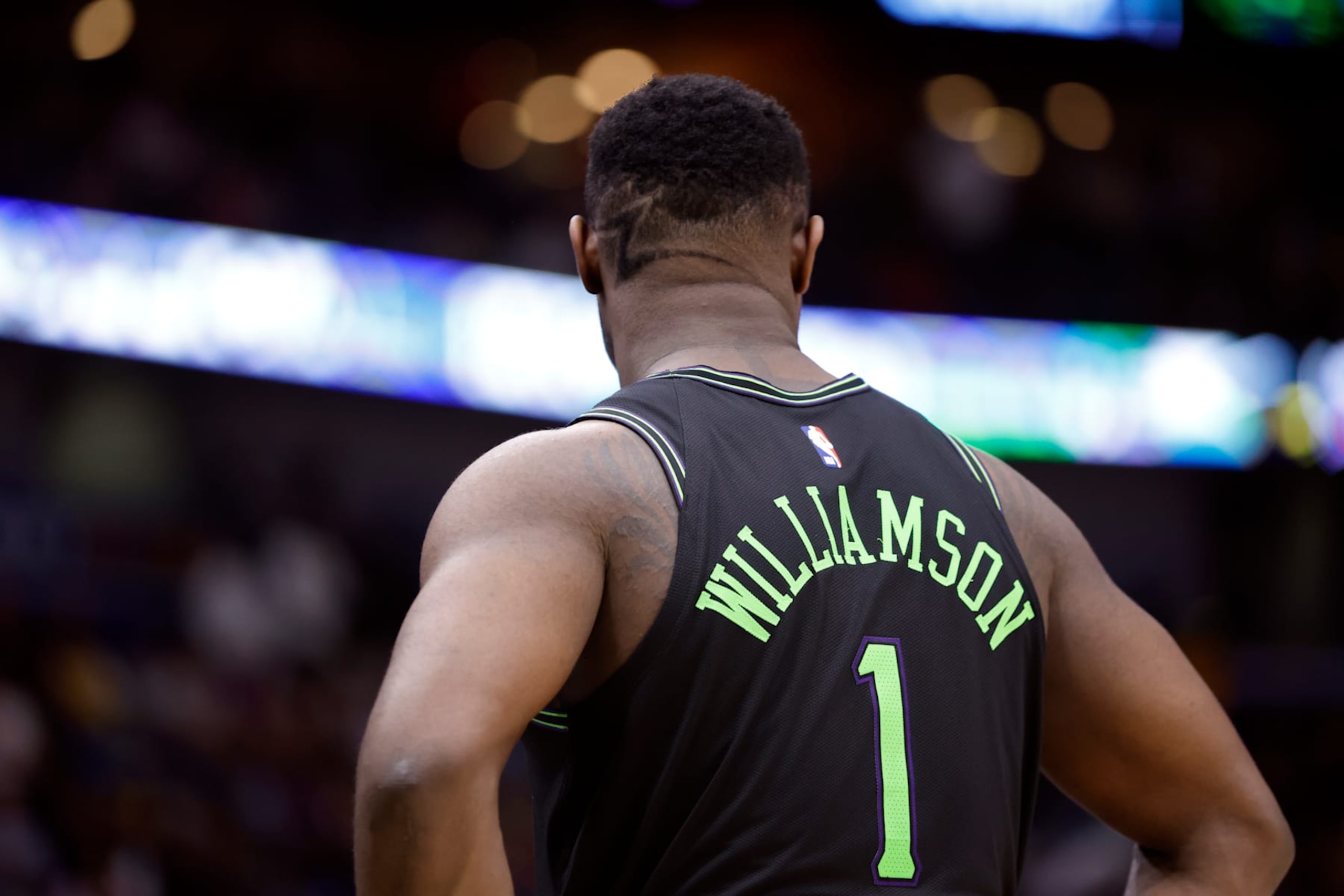
Tax paid since 2017: $0
Kickback $ since 2017: $46.5 million
Net since 2017: -$46.5 million
Titles since 2017: Zero
NBA Finals since 2017: Zero
Playoffs since 2017: Three
Lottery since 2017: Four
2024-25 Projected Tax: $2.5 million
The Pelicans avoid luxury taxes like clockwork. The Kira Lewis Jr. trade last season (to avoid the tax) was the most obvious transaction of the year. The franchise has remained competitive throughout recent regular seasons but hasn't gotten out of the first round since 2017-18.
Currently, New Orleans projects to be a slight taxpayer. With Trey Murphy III and Brandon Ingram extension-eligible, something will probably give before the trade deadline (and that may be Ingram).
Cheap or No? The Pelicans are cheap until proven otherwise. Will this be the year?
No. 19: New York Knicks
13 of 32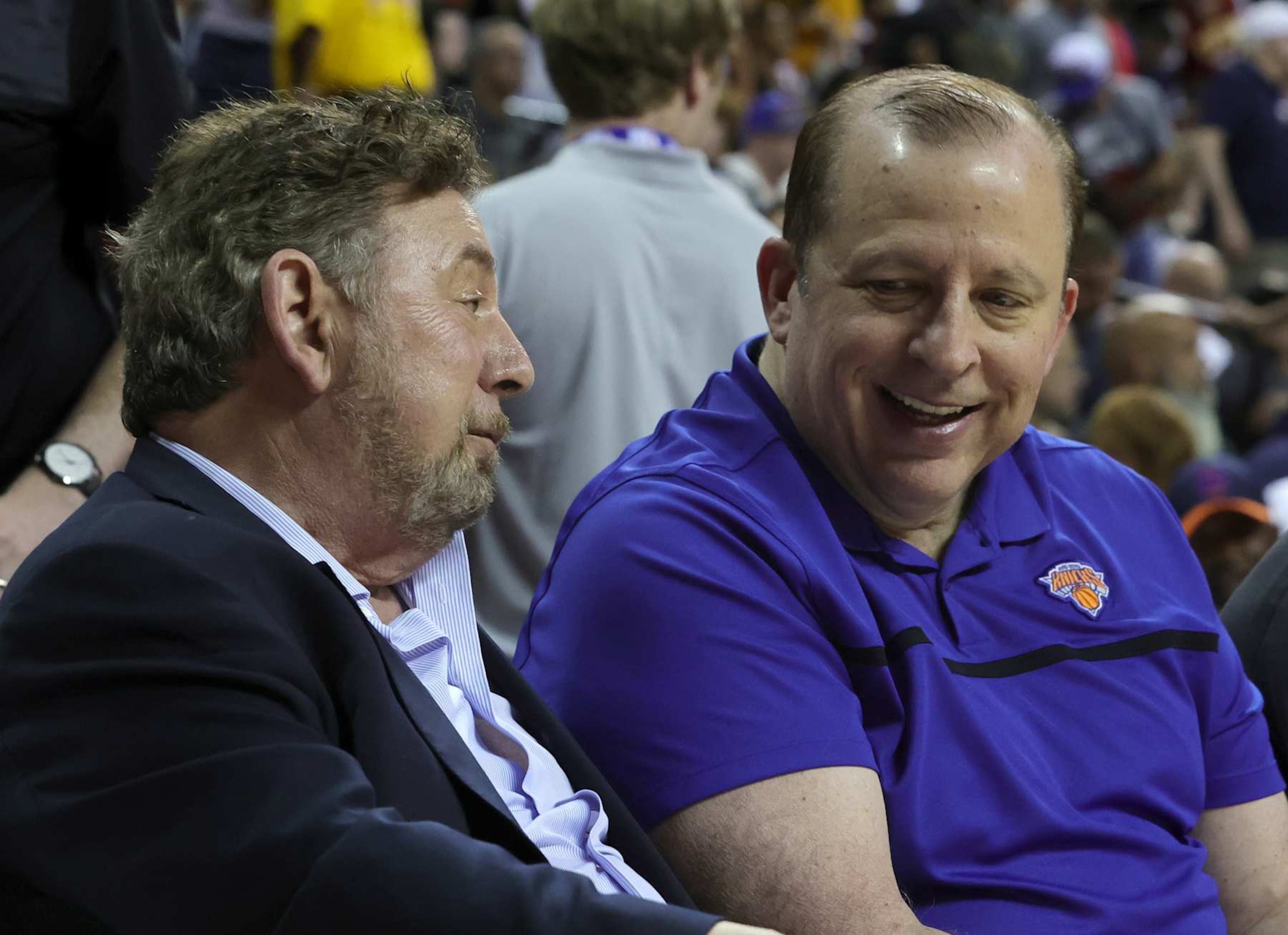
Tax paid since 2017: $0
Kickback $ since 2017: $46.5 million
Net since 2017: -$46.5 million
Titles since 2017: Zero
NBA Finals since 2017: Zero
Playoffs since 2017: Three
Lottery since 2017: Four
2024-25 Projected Tax: $13.4 million
The Knicks were poorly run for several years, with questionable personnel decisions that led to a long break without playoff appearances (2013-2020). That's changed in recent years, and while New York hasn't needed to invest heavily via tax, the franchise has been something that feels sustainable in the East.
Adding Mikal Bridges in trade cost the Knicks Isaiah Hartenstein, not for the sake of saving money, but because of the complex rules of the CBA.
Cheap or No? Yes, they were cheap. But they are now projecting to pay taxes and are investing in a winning product. So, sort of.
No. 18: Minnesota Timberwolves
14 of 32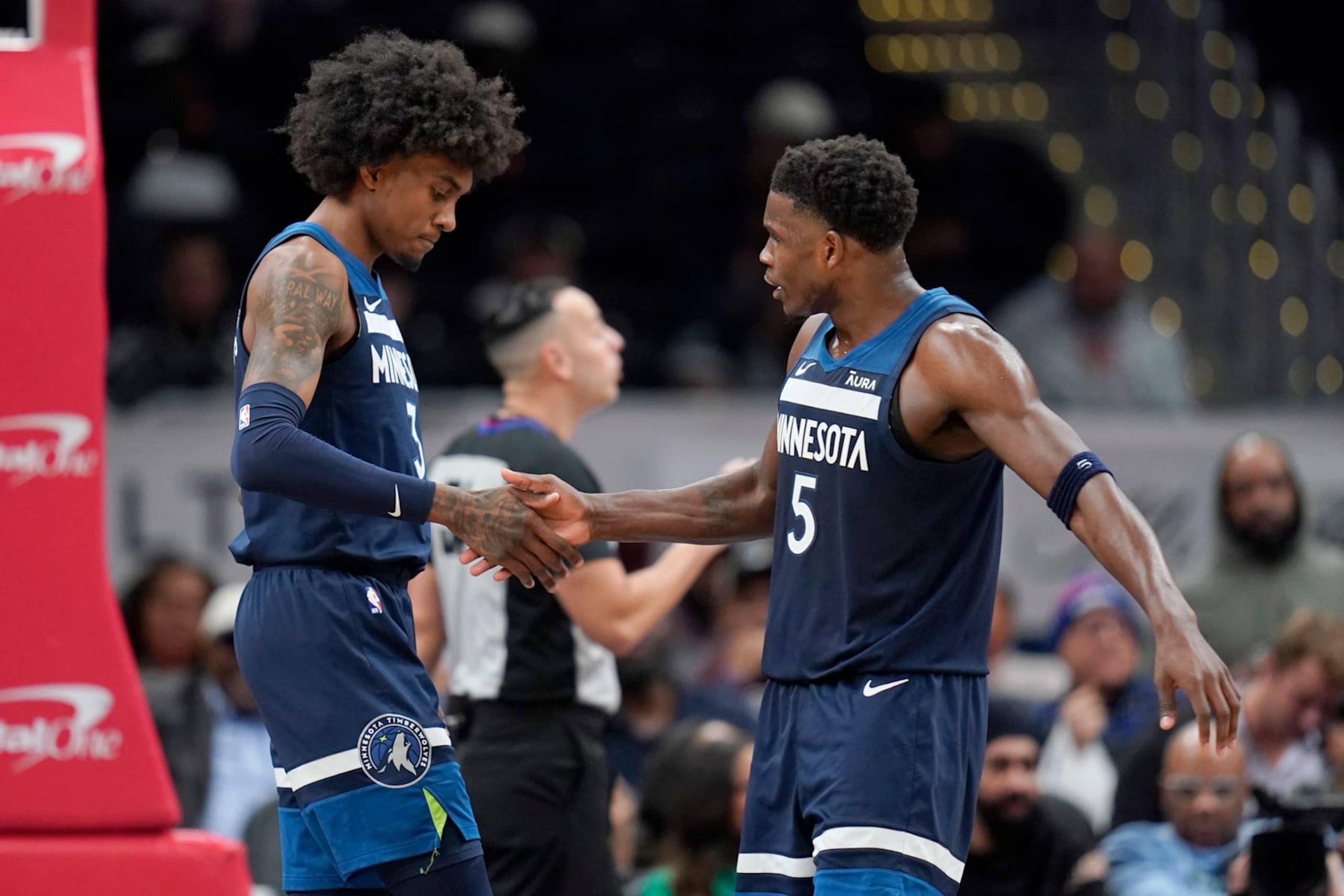
Tax paid since 2017: $497,502
Kickback $ since 2017: $46.3 million
Net since 2017: -$45.8 million
Titles since 2017: Zero
NBA Finals since 2017: Zero
Playoffs since 2017: Four
Lottery since 2017: Three
2024-25 Projected Tax: $105.6 million
Finally, an NBA franchise that paid SOME tax over the last seven years. It was just a tiny bit in 2019-20, and the team could have easily made a minor trade to avoid the penalty, but the kickback that year was abnormally low ($195,060). It wasn't some grand gesture of luxury but something the prior 12 teams avoided completely.
Now, the Timberwolves are as heavily invested as anyone in the league, with significant extensions kicking in for Anthony Edwards and Jaden McDaniels, along with the expensive pair of big men (Rudy Gobert and Karl-Anthony Towns).
Cheap or No? With ownership in flux, the future is unclear, but Minnesota is no longer running a cheap operation.
No. 17: Washington Wizards
15 of 32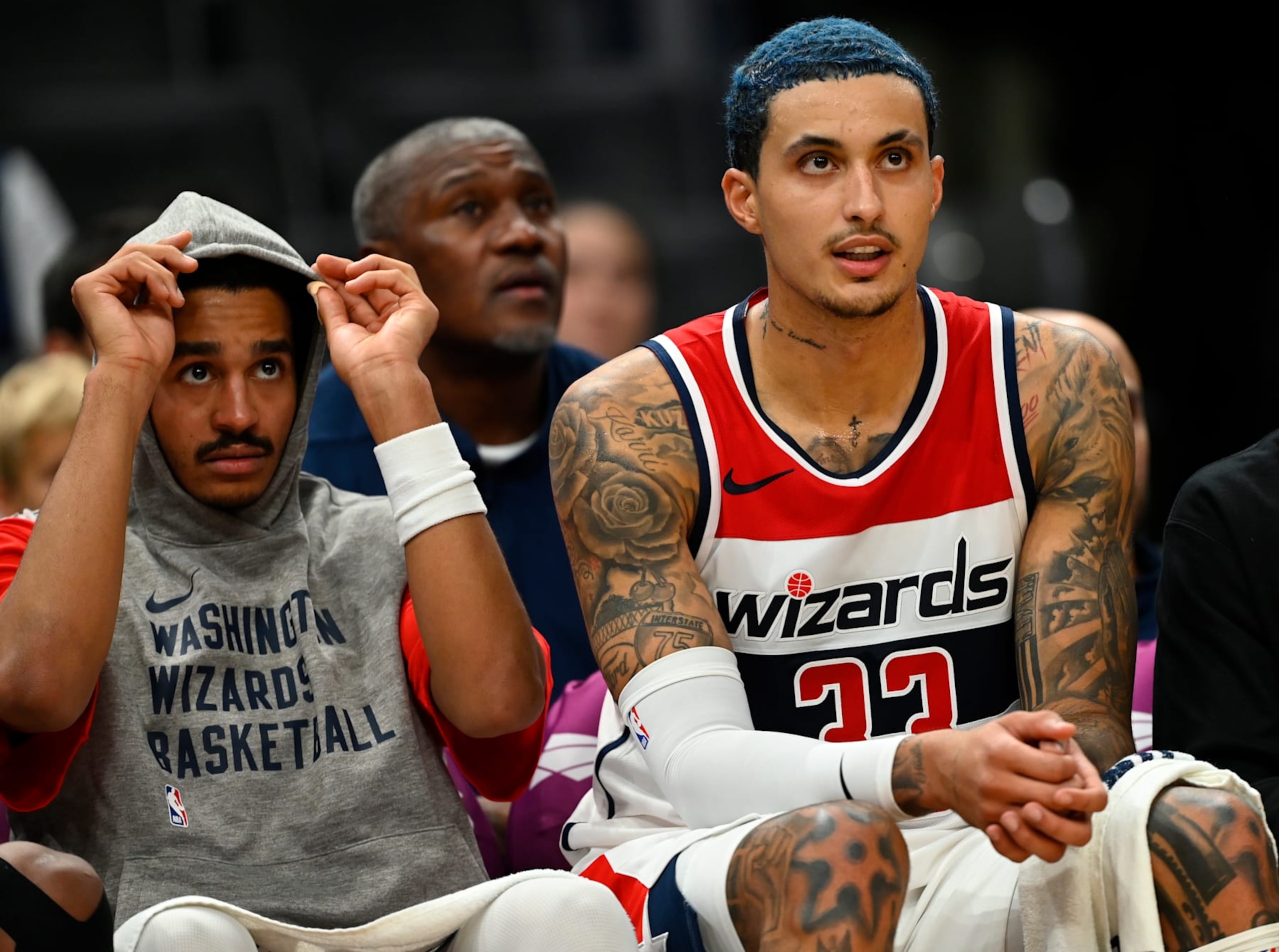
Tax paid since 2017: $7.0 million
Kickback $ since 2017: $44.3 million
Net since 2017: -$37.3 million
Titles since 2017: Zero
NBA Finals since 2017: Zero
Playoffs since 2017: Two
Lottery since 2017: Five
2024-25 Projected Tax: $0
The Wizards were a taxpayer, but that was long ago, as the Bradley Beal/John Wall era was near the end. The team has been rebuilding since, though it may not have known that initially. With new leadership, it may be some time before the franchise is back on course.
Cheap or No? The Wizards don't have the reputation of being not cheap.
No. 16: Portland Trail Blazers
16 of 32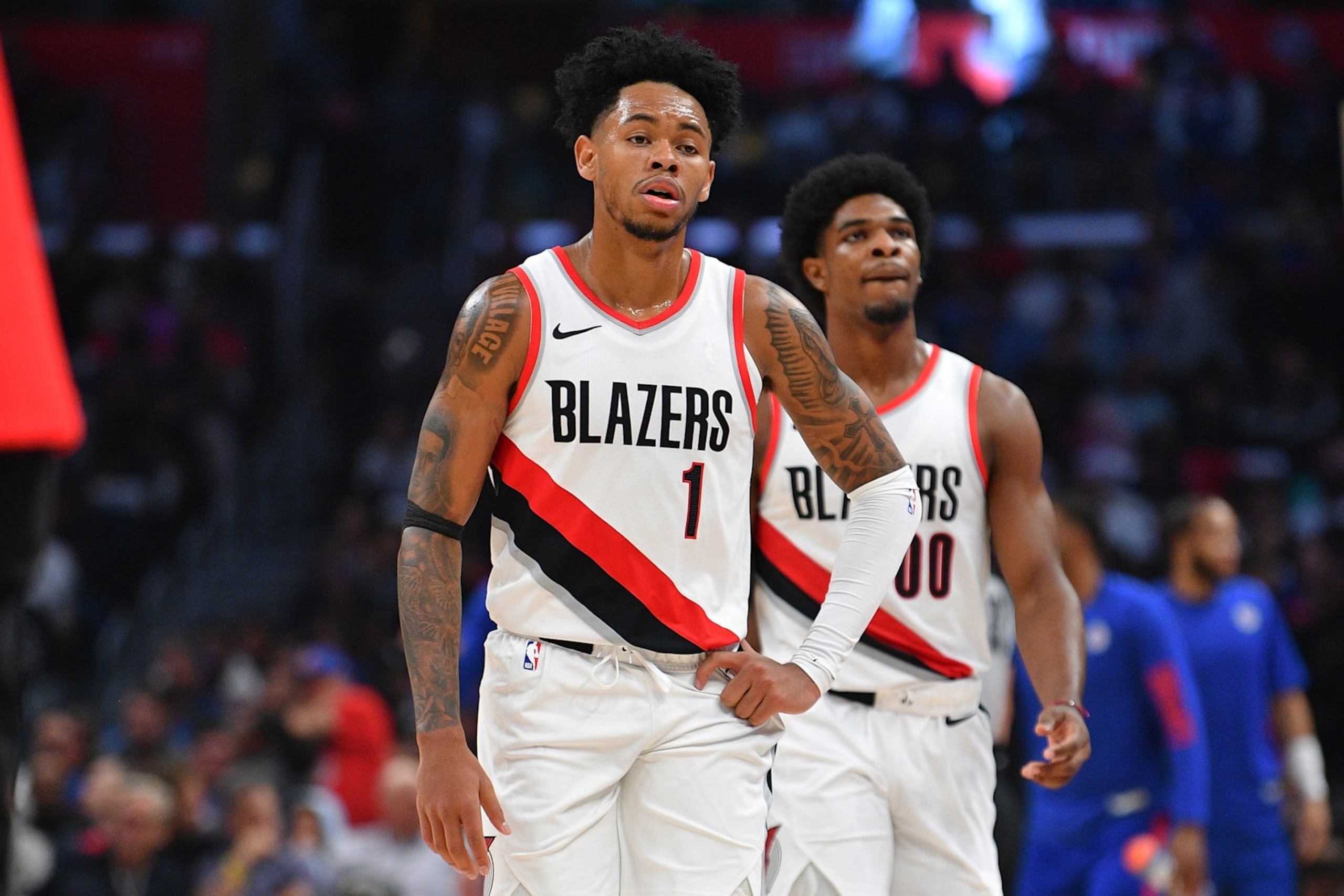
Tax paid since 2017: $20.1 million
Kickback $ since 2017: $43.2 million
Net since 2017: -$23.1 million
Titles since 2017: Zero
NBA Finals since 2017: Zero
Playoffs since 2017: Four
Lottery since 2017: Three
2024-25 Projected Tax: Zero
The Blazers were willing spenders under late owner Paul Allen, competing at a high level for many years (making the postseason in all but two years from 2008 to 2021). The franchise first traded CJ McCollum and then Damian Lillard, properly starting the rebuild.
Cheap or No? The team is eventually supposed to be sold, so it's unclear if the franchise is working under the same operating budget, but there's no reason (yet) to actively label it as cheap.
No. 15: Toronto Raptors
17 of 32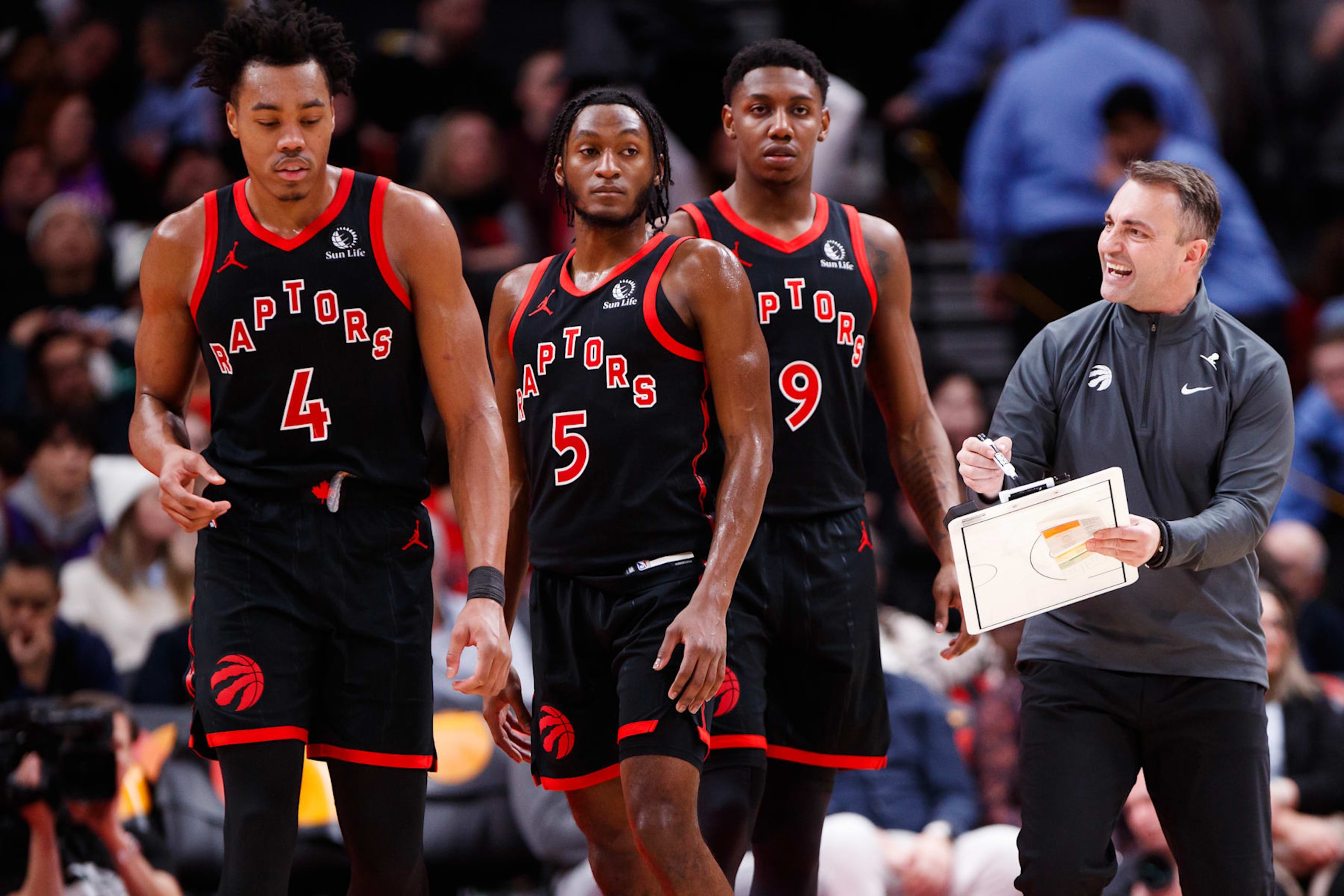
Tax paid since 2017: $25.2 million
Kickback $ since 2017: $43.4 million
Net since 2017: -$18.2 million
Titles since 2017: One
NBA Finals since 2017: One
Playoffs since 2017: Four
Lottery since 2017: Three
2024-25 Projected Tax: Zero
The Raptors are arguably the best example of paying to win when the opportunity presents itself. Toronto spent a hefty $25.2 million for the 2018-19 championship team with Kawhi Leonard. He chose to move on to the LA Clippers for reasons beyond the Raptors' willingness to max him out.
The franchise tried to compete at a similar level for a few seasons but gradually shifted to a younger core. Now paying the trio of Scottie Barnes, R.J. Barrett and Immanuel Quickley, the Raptors do not project to be a taxpayer any time soon.
Cheap or No? Mindful but not cheap.
No. 14: Miami Heat
18 of 32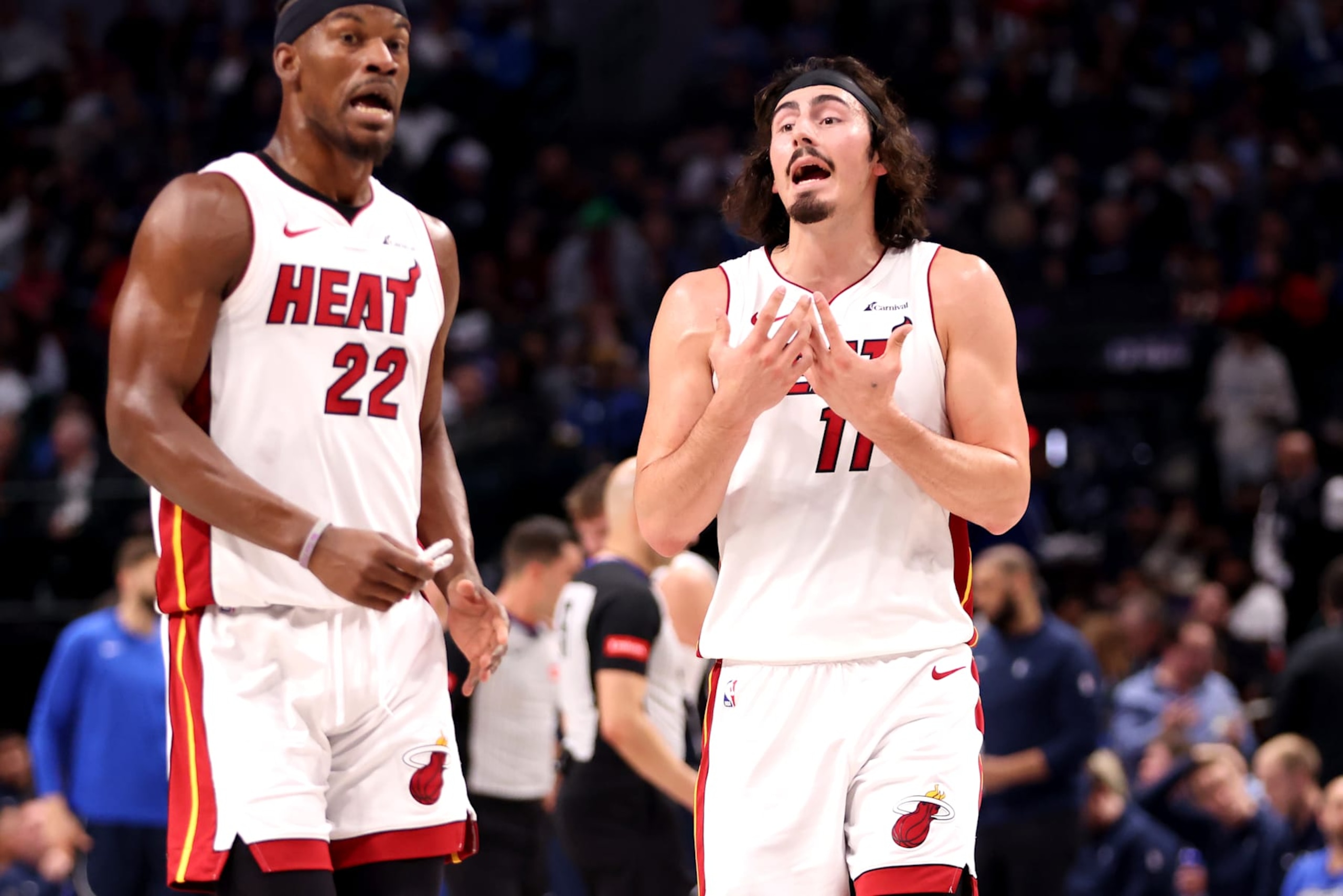
Tax paid since 2017: $18.1 million
Kickback $ since 2017: $34.4 million
Net since 2017: -$16.2 million
Titles since 2017: Zero
NBA Finals since 2017: Two
Playoffs since 2017: Six
Lottery since 2017: Once
2024-25 Projected Tax: $25.9 million
Miami has mostly been able to avoid paying taxes. The team paid a small amount ($2.5 million) in its run to the 2019-20 NBA Finals, then returned in 2023 as a non-taxpayer. The Heat always seem to be highly competitive, regardless of budget.
More recently, the roster has grown most expensive, including last year's $15.7 million bill. The team projects to pay even more this season, but a bigger test may be Miami's appetite to extend Jimmy Butler (almost 35).
Cheap or No? Strategic but not cheap.
No. 13: Utah Jazz
19 of 32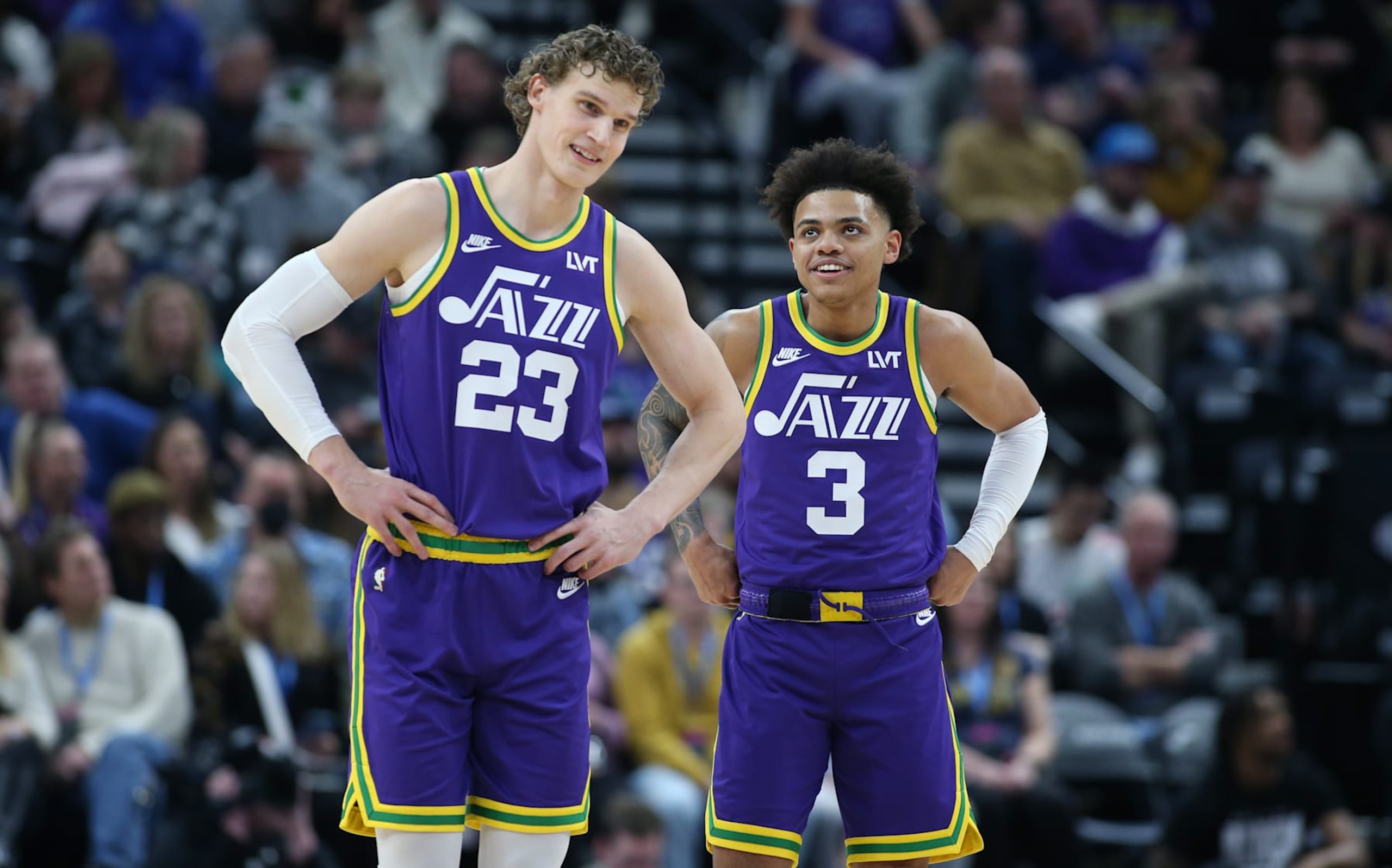
Tax paid since 2017: $22.7 million
Kickback $ since 2017: $32.6 million
Net since 2017: -$9.8 million
Titles since 2017: Zero
NBA Finals since 2017: Zero
Playoffs since 2017: Five
Lottery since 2017: Two
2024-25 Projected Tax: Zero
The Jazz have a smaller media market, yet showed the willingness to pay luxury taxes from 2020 to 2022. While still taking in more than sending out, the franchise's playoff success suggests they're doing something right.
Cheap or No? Utah is rebuilding, but their recent dip is more cyclical than spendthrift.
No. 12: Philadelphia 76ers
20 of 32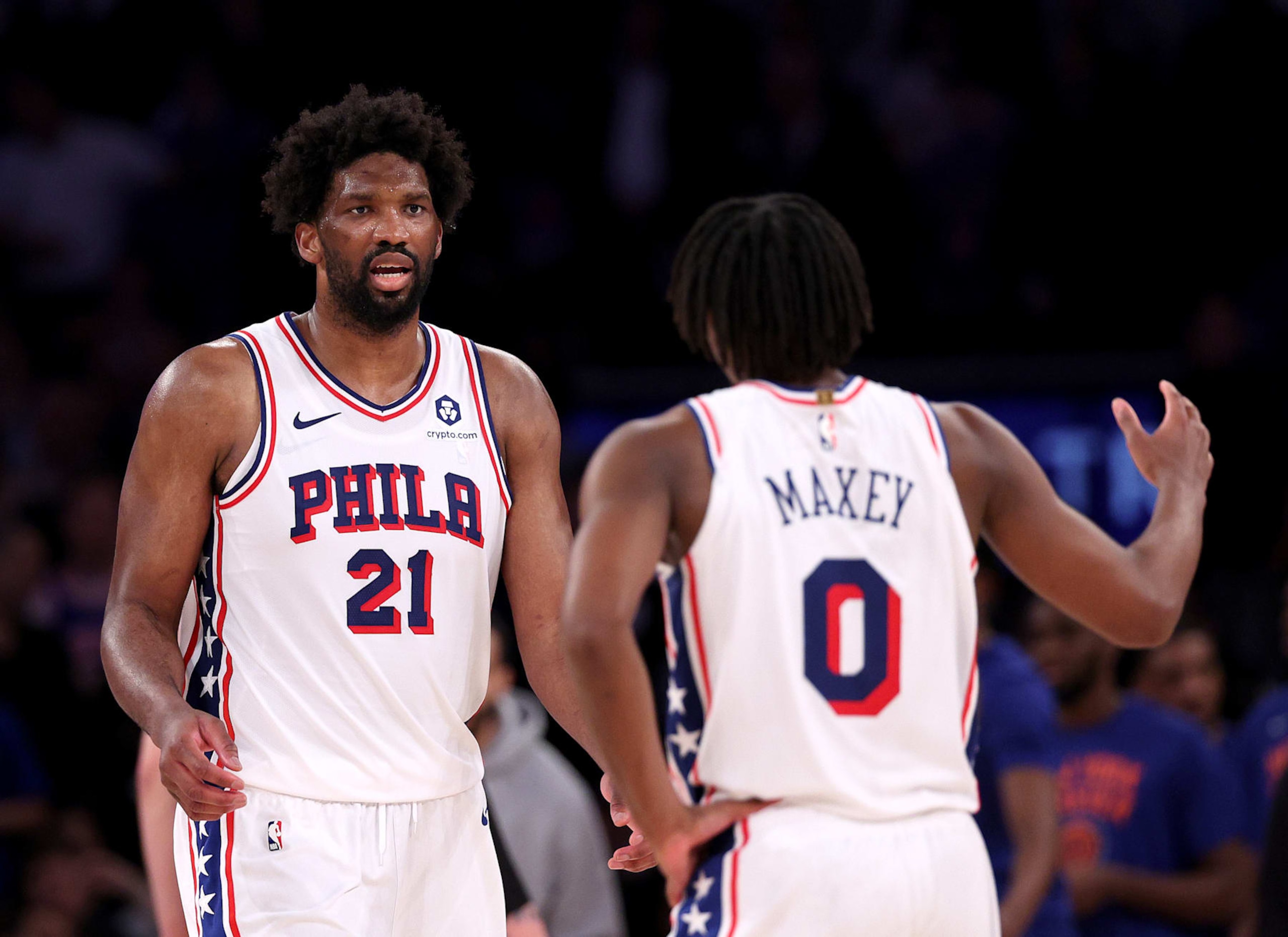
Tax paid since 2017: $29.5 million
Kickback $ since 2017: $32.6 million
Net since 2017: -$3.1 million
Titles since 2017: Zero
NBA Finals since 2017: Zero
Playoffs since 2017: Seven
Lottery since 2017: Zero
2024-25 Projected Tax: $17.7 million
Over the entire seven-year span, the Sixers have mostly avoided paying luxury taxes without missing the playoffs. That they've never gotten further than the second round doesn't appear to be an issue in total investment, but perhaps how the money was spent.
This year, the team did the rare feat of falling well below the salary cap to add players with room yet finishing above the tax.
Cheap or No? Almost even money (just barely a net earner), but not cheap.
No. 11: Cleveland Cavaliers
21 of 32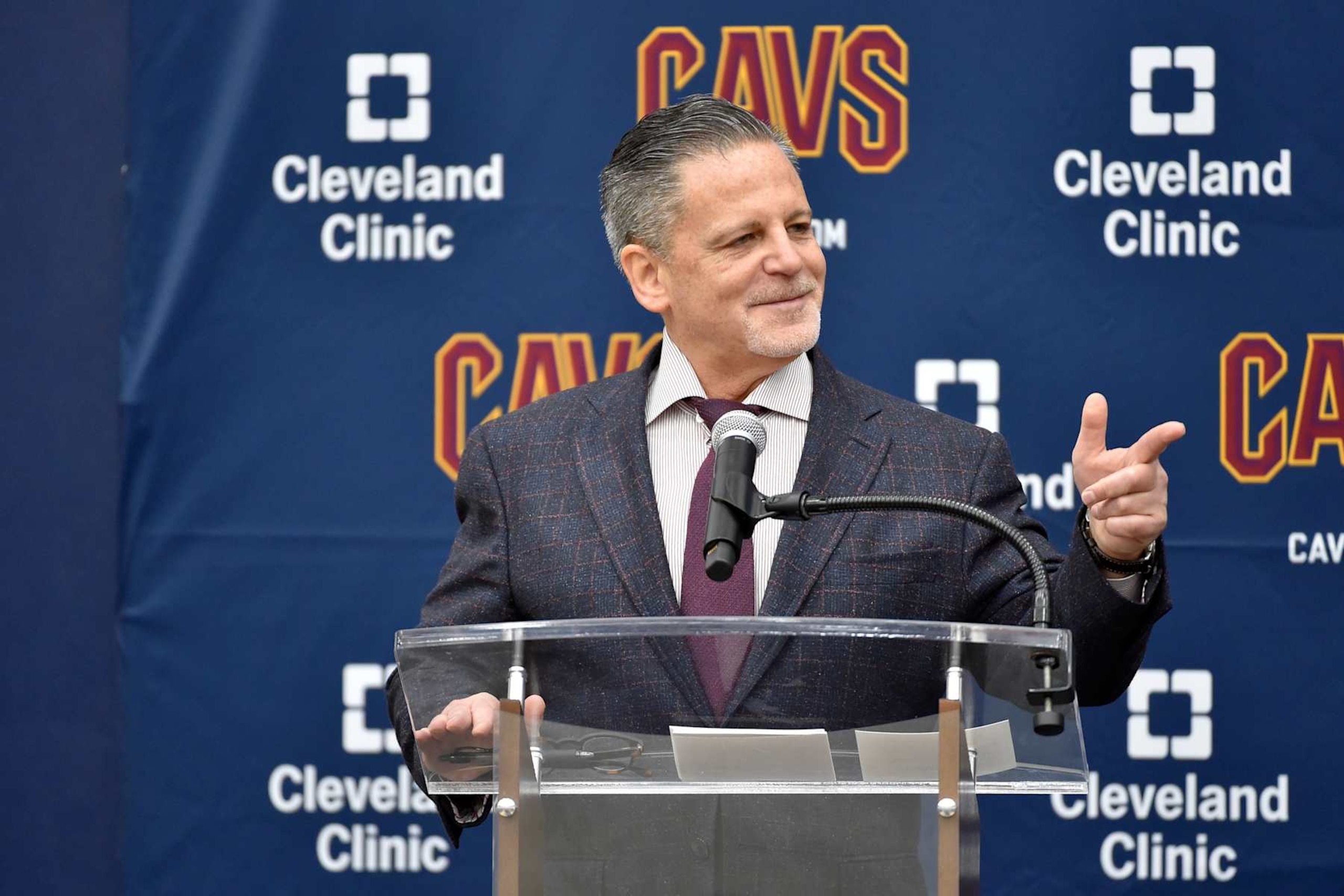
Tax paid since 2017: $50.7 million
Kickback $ since 2017: $44.3 million
Net since 2017: +$6.4 million
Titles since 2017: Zero
NBA Finals since 2017: One
Playoffs since 2017: Three
Lottery since 2017: Four
2024-25 Projected Tax: Zero
After 20 teams, the Cavaliers are the first net spender on the list. The franchise was only in the tax for a single season, the final year of the Cleveland LeBron James vs. the Warriors, but the $50.7 million bill was enough to offset the years since James left for Los Angeles and the Lakers.
The Cavaliers have since rebuilt and were generous in trade (with the Jazz) for Donovan Mitchell. They gave extensions to Darius Garland, Evan Mobley, Jarrett Allen and Mitchell.
Cheap or No? Cleveland may end up back in the tax this season to keep restricted free agent Isaac Okoro. No, the Cavs are not cheap.
No. 10: Denver Nuggets
22 of 32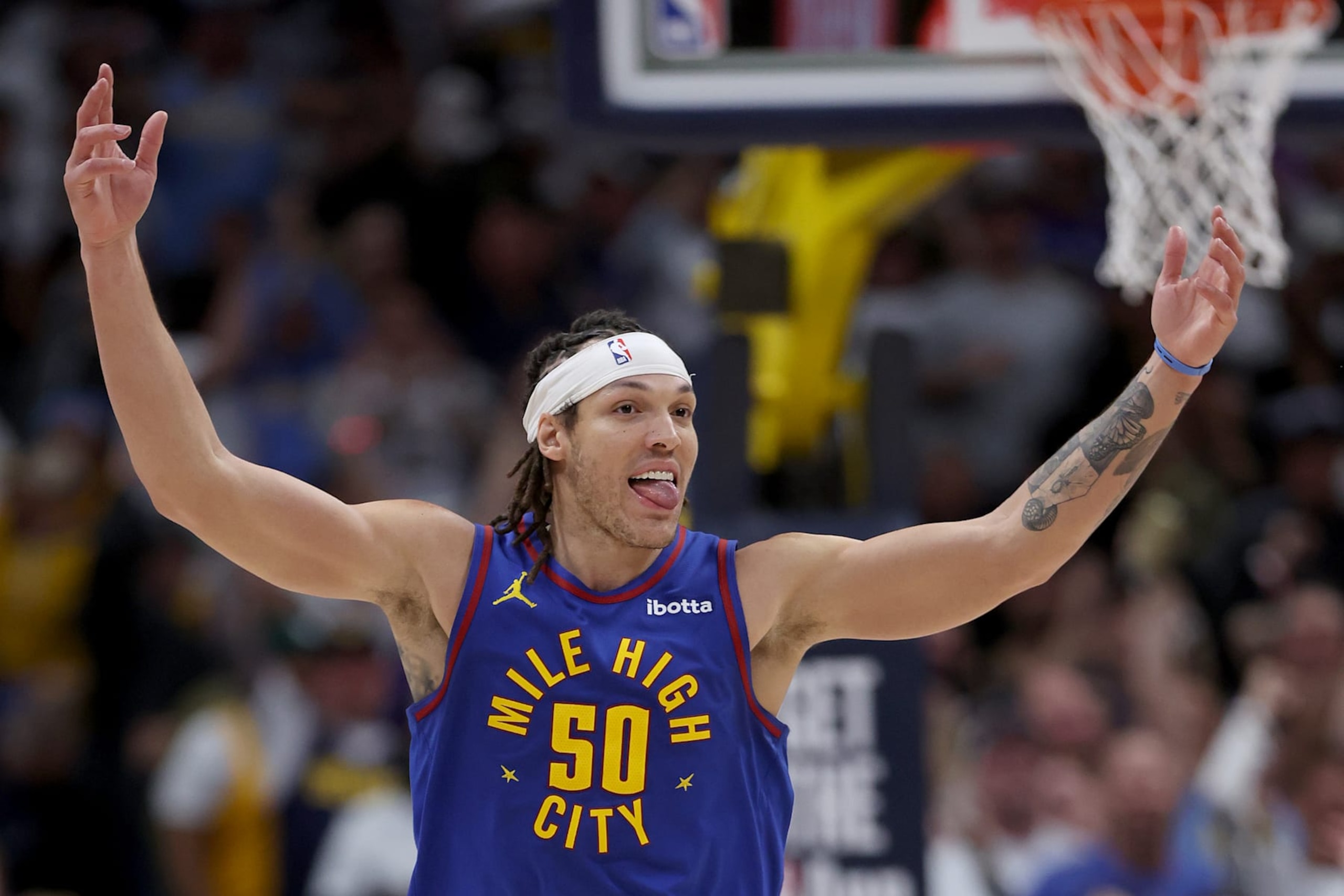
Tax paid since 2017: $37.5 million
Kickback $ since 2017: $19.5 million
Net since 2017: +$18.1 million
Titles since 2017: One
NBA Finals since 2017: One
Playoffs since 2017: Six
Lottery since 2017: One
2024-25 Projected Tax: $20.4 million
Denver's roster gradually became more expensive as it invested in its championship core. The team paid $17.3 million in its title year (2022-23) and $20.2 million in the follow-up that fell short.
While the Nuggets made the difficult decision not to pay Kentavious Caldwell-Pope (who left for the Magic), the team will still pay about $20 million in tax for this coming season.
Cheap or No? The Nuggets are making the difficult decisions that the NBA wants teams at the upper end of the budget spectrum to make.
No. 9: Dallas Mavericks
23 of 32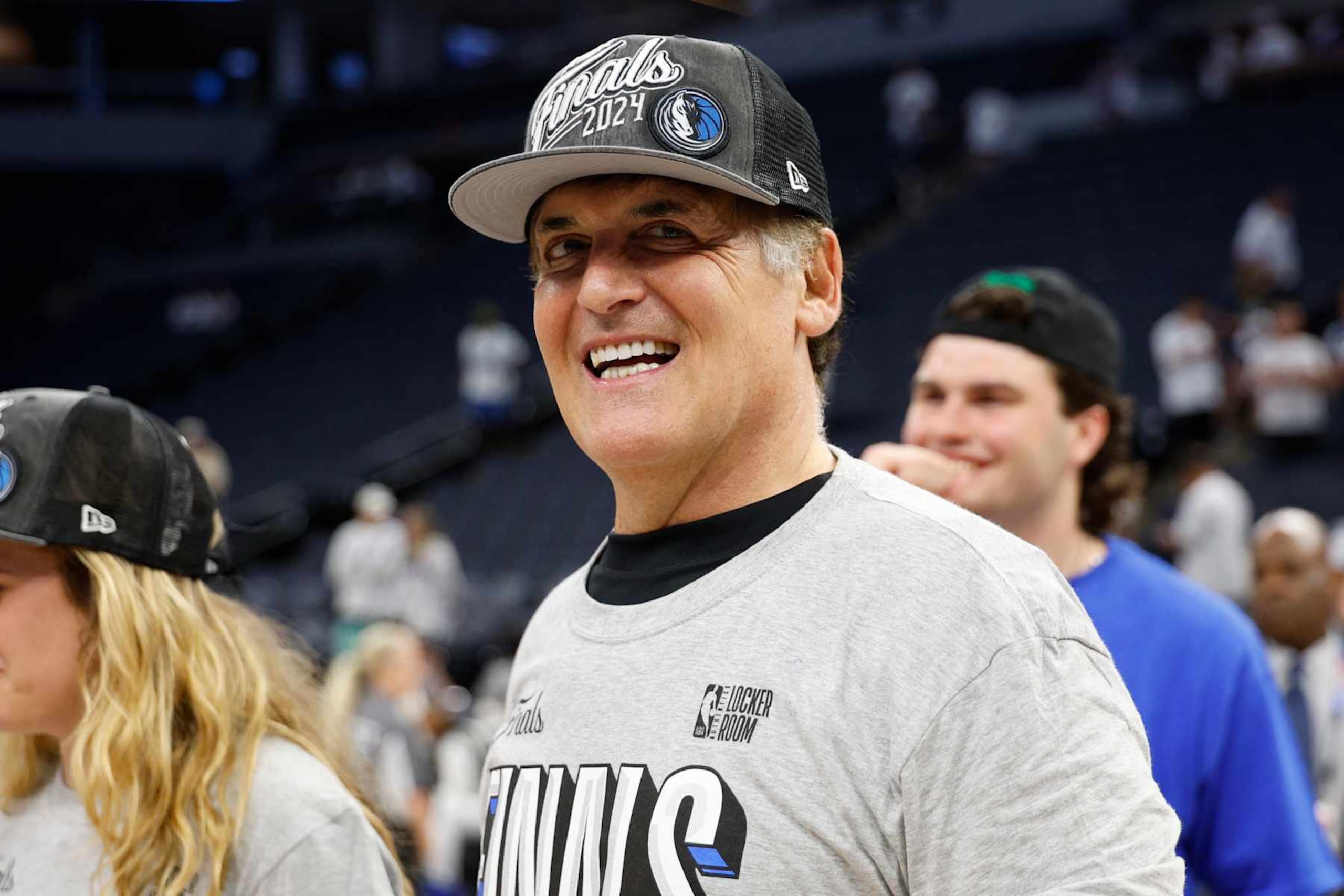
Tax paid since 2017: $56.7 million
Kickback $ since 2017: $31.5 million
Net since 2017: +$25.2 million
Titles since 2017: Zero
NBA Finals since 2017: One
Playoffs since 2017: Four
Lottery since 2017: Three
2024-25 Projected Tax: $4.8 million
There was a time when the Mavericks didn't pay tax for a full decade, pre-dating this accounting. The emergence of Luka Dončić as one of the league's best players has shifted the team into a more win-now stance. After a hefty $57 million tax bill for 2022-23 (while missing the playoffs), Dallas dropped under the tax last season and advanced to the NBA Finals.
Tax and competitiveness are not always directly connected.
Cheap or No? Dallas will probably pay light taxes again this season. The team had been cheap for a long time but less so in recent years.
No. 8: Oklahoma City Thunder
24 of 32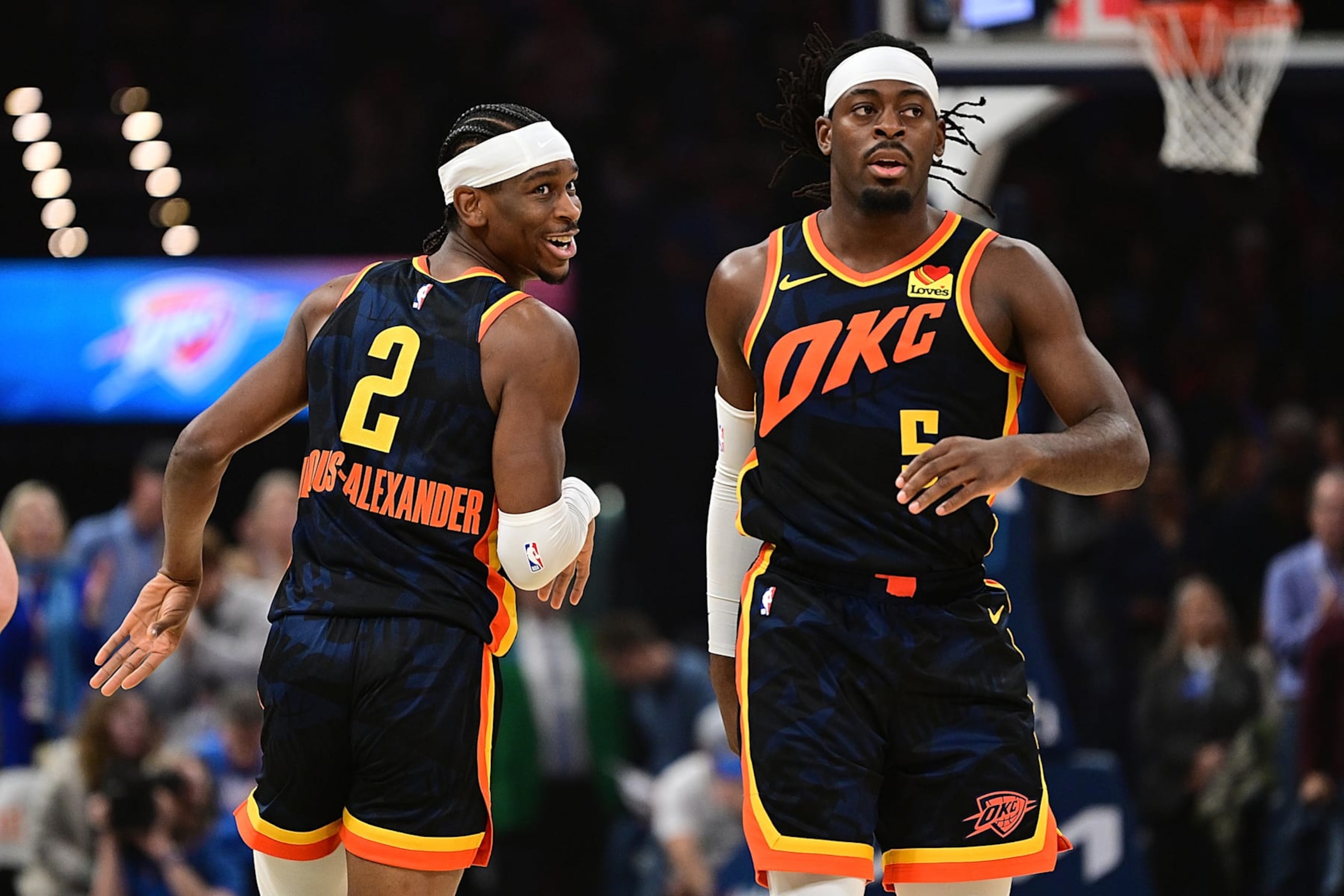
Tax paid since 2017: $89.1 million
Kickback $ since 2017: $41.0 million
Net since 2017: +$48.1 million
Titles since 2017: Zero
NBA Finals since 2017: Zero
Playoffs since 2017: Four
Lottery since 2017: Three
2024-25 Projected Tax: Zero
The Thunder are another smaller market team willing to spend when appropriate. The team cycled through several stars to try and stay competitive (Paul George, Chris Paul, etc.), paying taxes from 2017 to 2020. As the franchise started over, payroll appropriately dipped.
Oklahoma City is the model of how to quickly rebuild in the NBA, amassing unprecedented draft capital and talent. To maximize future flexibility, the franchise used its cap room to front-load contracts this offseason.
Cheap or No? Just smart and good at what they do.
No. 7: Los Angeles Lakers
25 of 32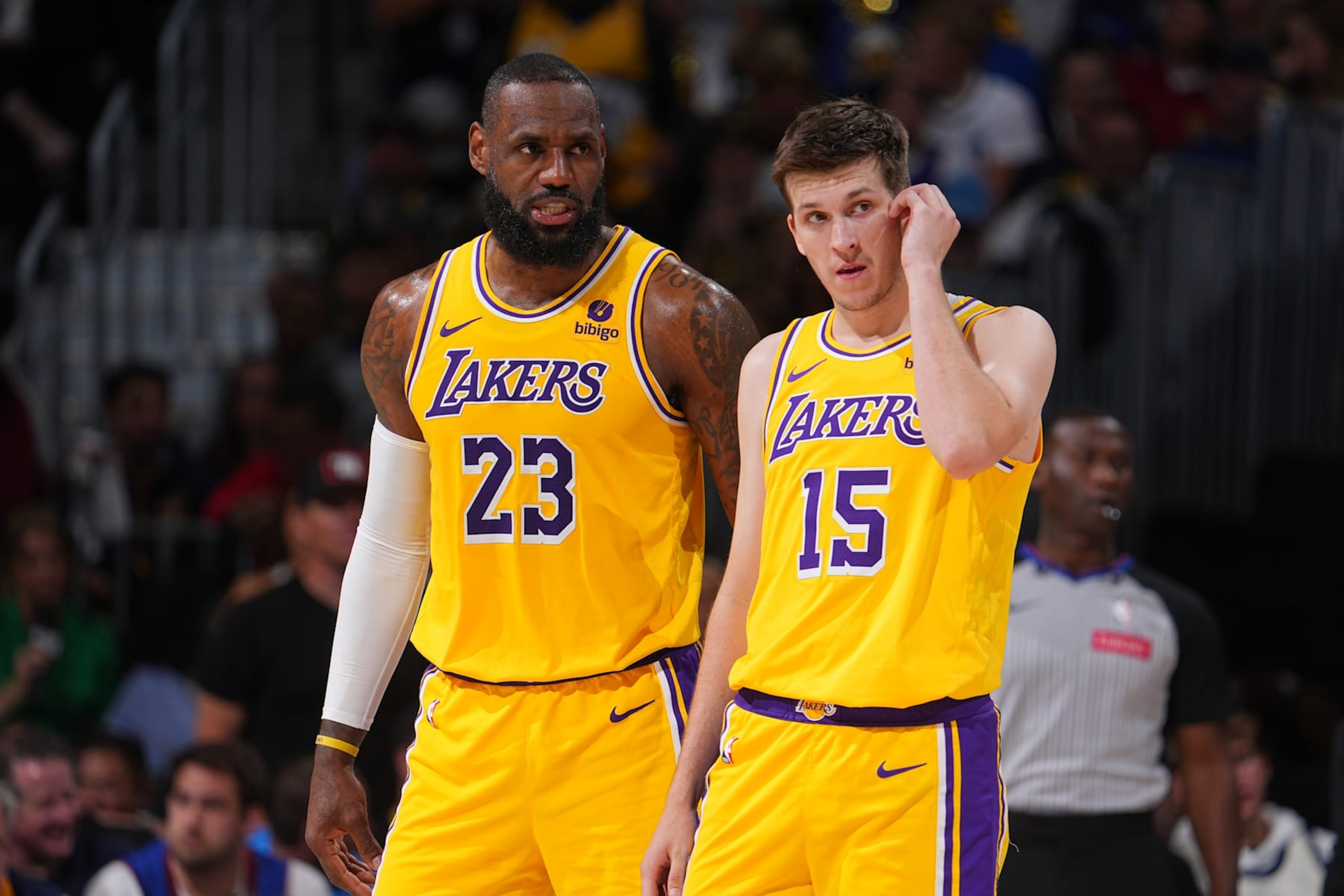
Tax paid since 2017: $92.0 million
Kickback $ since 2017: $5.5 million
Net since 2017: +$86.5 million
Titles since 2017: One
NBA Finals since 2017: One
Playoffs since 2017: Four
Lottery since 2017: Three
2024-25 Projected Tax: $53.2 million
The Lakers are often labeled cheap, perhaps because the Buss Family (the team's primary owners) doesn't have the deep pockets of Ballmer and the Clippers. But the Lakers are consistently a tax-paying team.
While they haven't cracked the top six in overall expenditure, they have as many titles over the last seven years as the Boston Celtics and Milwaukee Bucks (and one fewer than the Warriors).
Cheap or No? Nope.
No. 6: Boston Celtics
26 of 32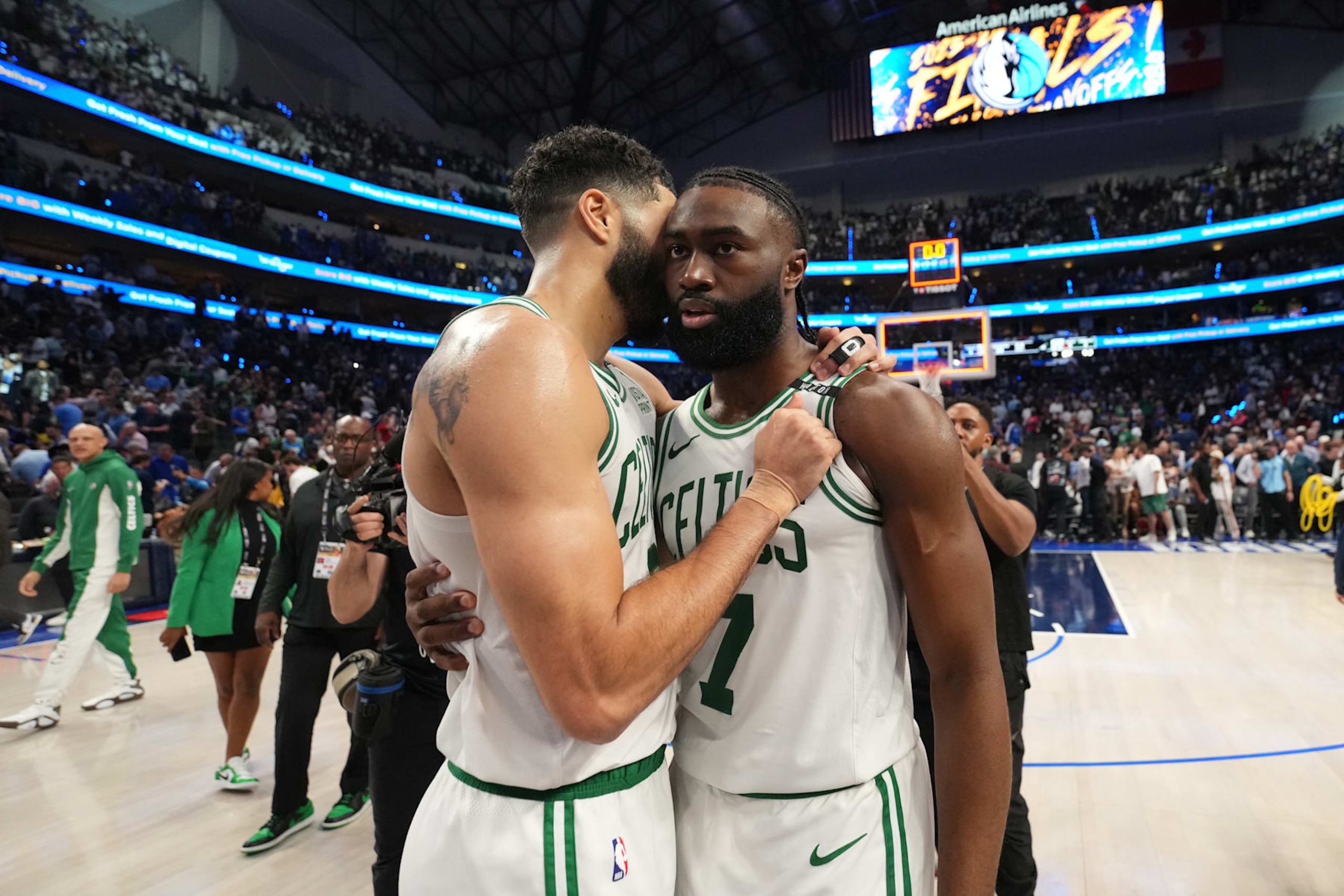
Tax paid since 2017: $117.2 million
Kickback $ since 2017: $16.3 million
Net since 2017: +$100.8 million
Titles since 2017: One
NBA Finals since 2017: Two
Playoffs since 2017: Seven
Lottery since 2017: Zero
2024-25 Projected Tax: $65.6 million
The Celtics were not a taxpayer when the team advanced to the NBA Finals in 2022. The roster became much more expensive the following year ($70 million in tax) and then dipped slightly in the recent championship run ($43.8 million). That number will climb to about $66 million this year.
Cheap or No? The Celtics gave out extensions out like candy (Jaylen Brown, Jayson Tatum, Jrue Holiday, Derrick White, Kristaps Porziņģis and Sam Hauser) the past year-plus. The team may be for sale, which could shift priorities, but any buyer will be taking on a hefty payroll.
No. 5: Phoenix Suns
27 of 32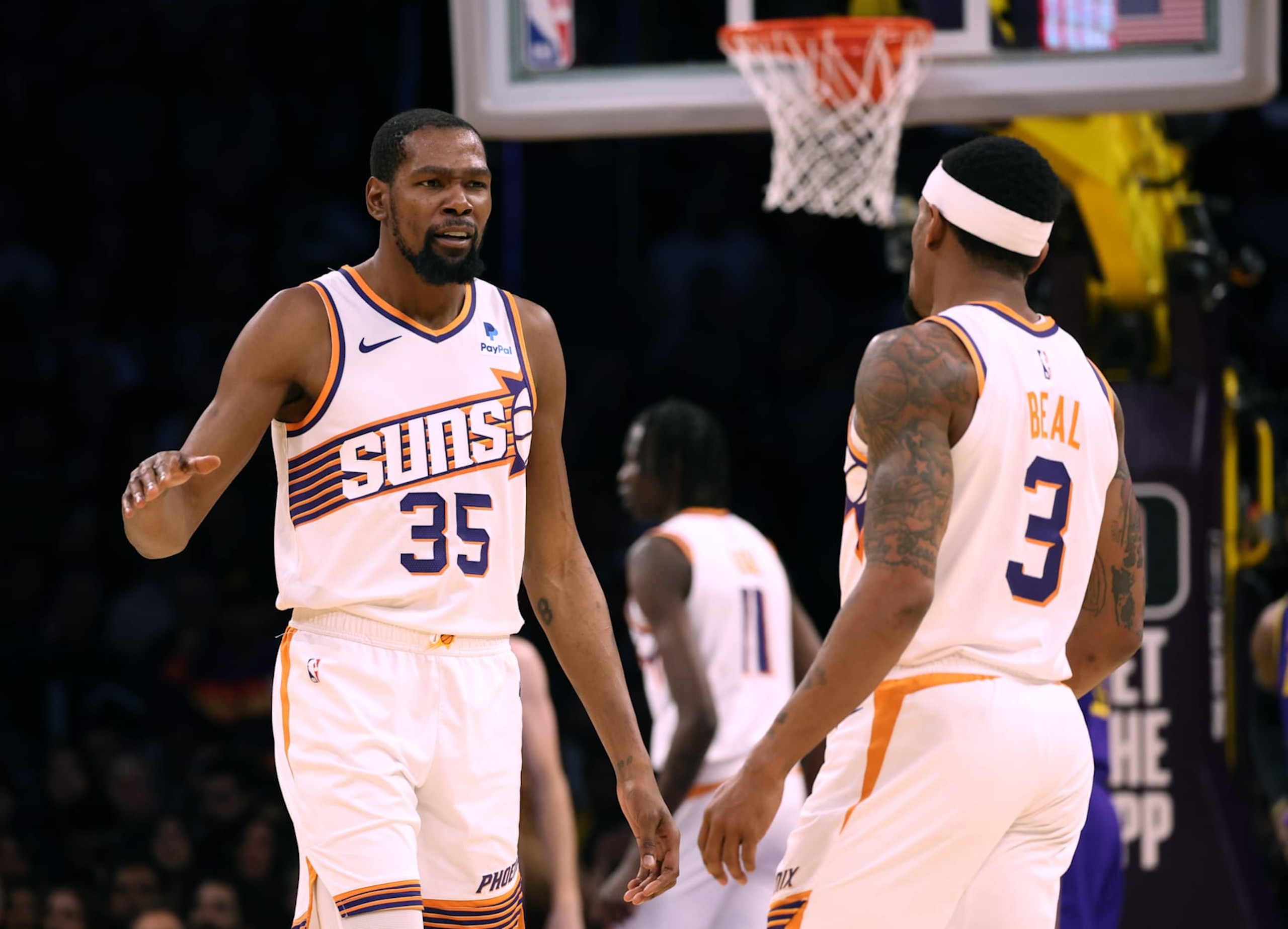
Tax paid since 2017: $121.6 million
Kickback $ since 2017: $19.5 million
Net since 2017: +$102.1 million
Titles since 2017: Zero
NBA Finals since 2017: One
Playoffs since 2017: Four
Lottery since 2017: Three
2024-25 Projected Tax: $218.2 million
As the new CBA came out in 2023, the Suns doubled their efforts to add payroll before the initial transition rules expired. Should the team have traded for Bradley Beal is not the answer to the question, "Are they cheap?"
Cheap or No? No.
No. 4: Brooklyn Nets
28 of 32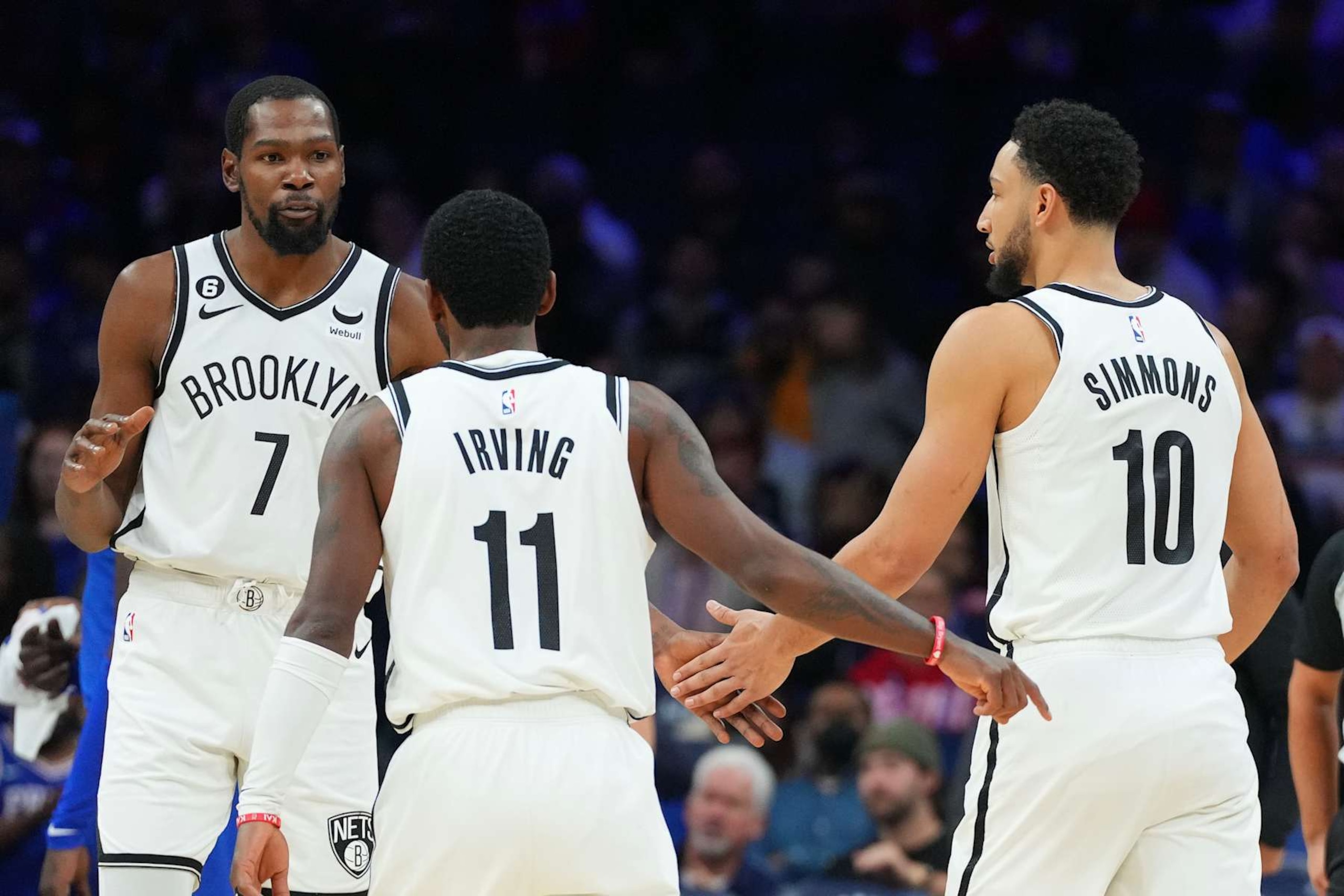
Tax paid since 2017: $171.7 million
Kickback $ since 2017: $17.5 million
Net since 2017: +$154.2 million
Titles since 2017: Zero
NBA Finals since 2017: Zero
Playoffs since 2017: Five
Lottery since 2017: Two
2024-25 Projected Tax: Zero
Recently, the Nets have gone of their way to shed salary, get out of the tax and even trade their best player to the Knicks (Bridges). Credit to the team for recognizing it was time to rebuild.
Brooklyn tried to win with Kevin Durant, Harden and Irving and paid taxes for three years, but it ran its course (as did the brief Bridges-led squad). The Nets project to have more financial flexibility next offseason than any other franchise. What they do with that spending power remains to be seen.
Cheap or No? No, and respect for quickly accepting the inevitable.
No. 3: Milwaukee Bucks
29 of 32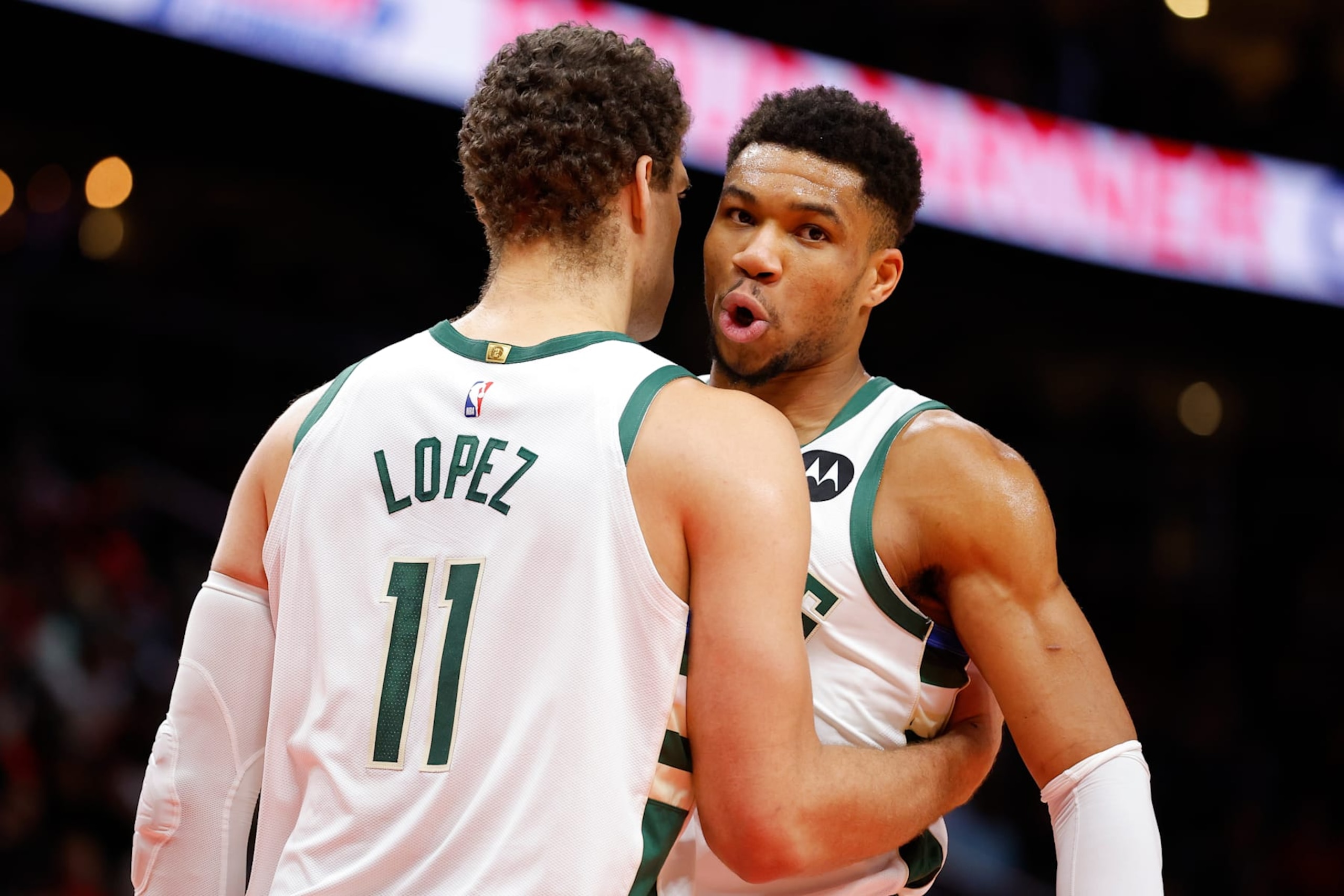
Tax paid since 2017: $189.2 million
Kickback $ since 2017: $5.5 million
Net since 2017: +$183.6 million
Titles since 2017: One
NBA Finals since 2017: One
Playoffs since 2017: Seven
Lottery since 2017: Zero
2024-25 Projected Tax: $74.8 million
The Bucks' record speaks for itself. The team hasn't missed the playoffs over the last seven years and won its first title since 1971. While some top-spending teams have started adjusting to the new rules, Milwaukee is still a heavy taxpayer.
Choosing Damian Lillard over Jrue Holiday (the bigger star vs. the best role-playing guard in the league) can be debated, but that decision was the opposite of cheap for Milwaukee.
Cheap or No? Based on market size relative to the top two spenders, the Bucks may be the least cheap of the 30.
No. 2: LA Clippers
30 of 32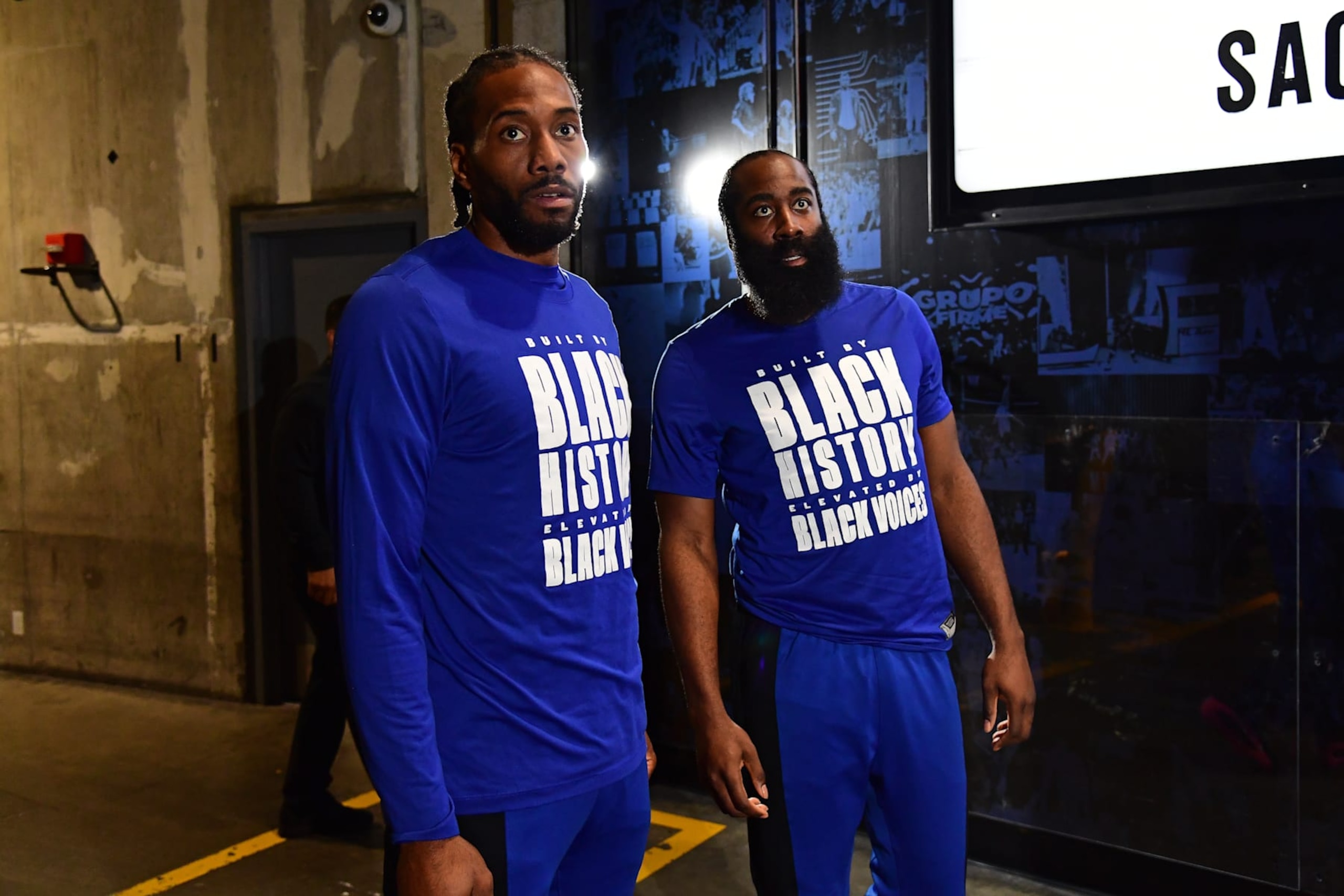
Tax paid since 2017: $371 million
Kickback $ since 2017: $5.5 million
Net since 2017: +$365.4 million
Titles since 2017: Zero
NBA Finals since 2017: Zero
Playoffs since 2017: Five
Lottery since 2017: Two
2024-25 Projected Tax: $6.2 million
The Clippers amassed a giant payroll, primarily through trade. From Norman Powell to James Harden, LA found ways to keep adding—enough that the NBA decided to make that all but impossible for the highest-spending teams.
Paul George, no longer a Clipper, may say a lot about the team's new direction.
Cheap or No? The Clippers have the wealthiest owner in the league in Steve Ballmer and have been second to just one team in payroll and taxes, but with the new rules, those days may be coming to an end.
No. 1: Golden State Warriors
31 of 32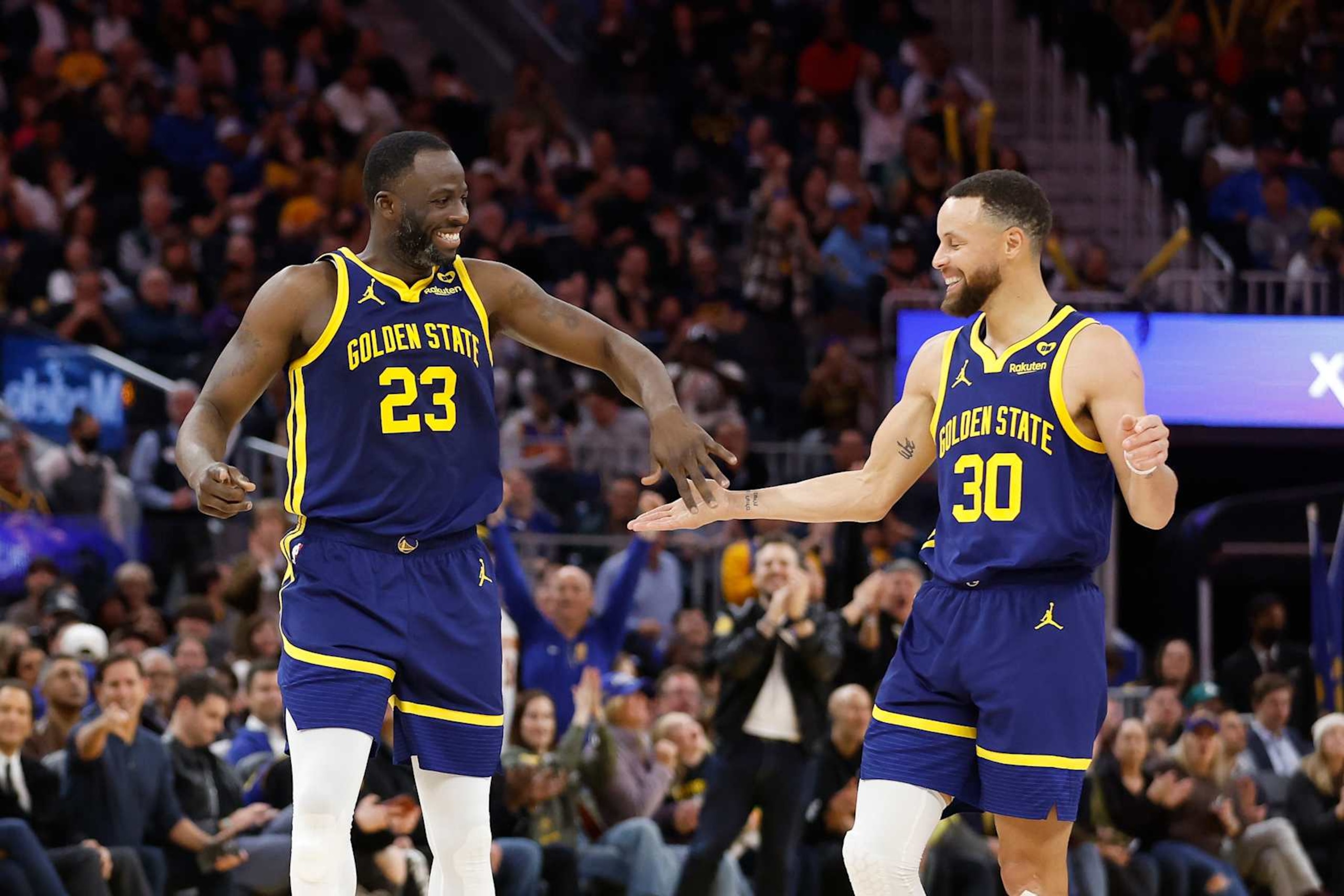
Tax paid since 2017: $663.1 million
Kickback $ since 2017: $195,050
Net since 2017: +$662.9 million
Titles since 2017: Two
NBA Finals since 2017: Three
Playoffs since 2017: Four
Lottery since 2017: Three
2024-25 Projected Tax: $14.6 million
The Warriors have almost lapped the field, willing to pay exorbitant taxes for the opportunity to compete consistently at the highest level. The new rules certainly targeted the franchise, and the team pivoted this summer, choosing not to offer Klay Thompson enough to stay. Arguably, the roster is better with the added depth of De'Anthony Melton, Buddy Hield and Kyle Anderson—but that's for the coming season to decide.
But the days of the Warriors paying out taxes like they did last season ($176.7 million) appear to be over.
Cheap or No? The Warriors may have minded their end-of-the-bench investment dollars, but calling them cheap would be crazy. Keep an eye on the future; unlike some of the other teams, the Warriors have clearly changed course.
Final Word
32 of 32
With 16 franchises qualifying for the playoffs each year over seven seasons (112 total), collectively, each team made the playoffs an average of 3.73 times. How did the spenders and non-spenders fare?
The 12 teams that chose not to pay taxes made the playoffs an average of 2.25 times over seven years. Those that paid the tax, even once, reached 4.7—a sizable jump over the non-spenders.
But is that causation or correlation? Are the teams less likely to win spending less? The Pacers almost always do their best to compete successfully without a heavy payroll. Teams like the Hornets, Bulls, Pistons, Kings and Spurs brought down the average with consistently subpar seasons (Sacramento has only been competitive over the last couple of years).
The Raptors are the one net receiver of tax kickbacks with a championship. The Nuggets haven't lavishly spent over the seven years but haven't shied away from paying to win when they had the chance. The Warriors threw more money into the system than anyone, yielding two rings—was it the cash or Steph Curry?
The NBA's design is to prevent teams from buying championships, but the numbers suggest that when the time comes, it pays to spend.
Email Eric Pincus at eric.pincus@gmail.com and follow him on X/Twitter @EricPincus.
.png?w=2560 "B/R CFB Top 25 After Week 7 🔢")

.jpg?w=2560 "Ref Slips on Wet Turf in London 🎥")

.jpg?w=2560 "Skattebo Role Reduced")