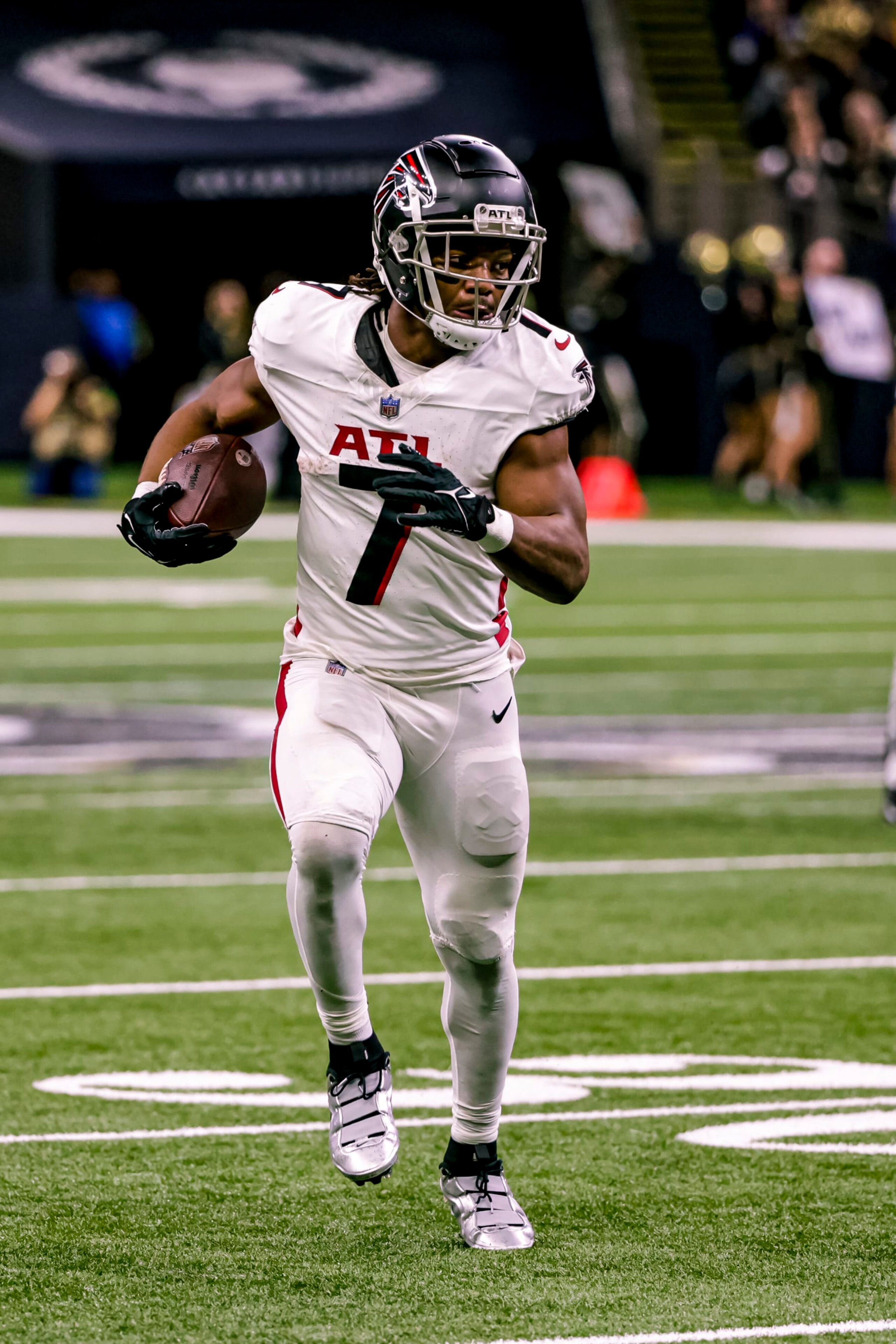


Training camp is rolling, the pads are cracking and preseason games are underway. It's beginning to look a lot like fantasy football draft season.
That is music to the ears of every fantasy manager. Whether you're playing for bragging rights, a trophy or simply trying to avoid that embarrassing last-place punishment your league has cooked up, dominating the draft is the first step to fantasy football glory.
With the ever-growing flow of fantasy football content and analysis out there, it's well-documented that there are several strategies you can employ when it comes to the draft. Whether it's quarterback, running back, wide receiver or tight end, there are differing schools of thought surrounding who to target and when.
The truth is that it's possible to draft a championship team in a lot of different ways, but it's important to have a blueprint going in.
Here, we'll take a look at each position, discuss the strategic approaches and identify who to draft or avoid at the position.
Unless otherwise noted, ADP data courtesy of Fantasy Football Calculator and fantasy scoring and target data courtesy of FantasyPros.
Quarterback Strategy: Spring for an Early Pick or Wait it Out?
1 of 9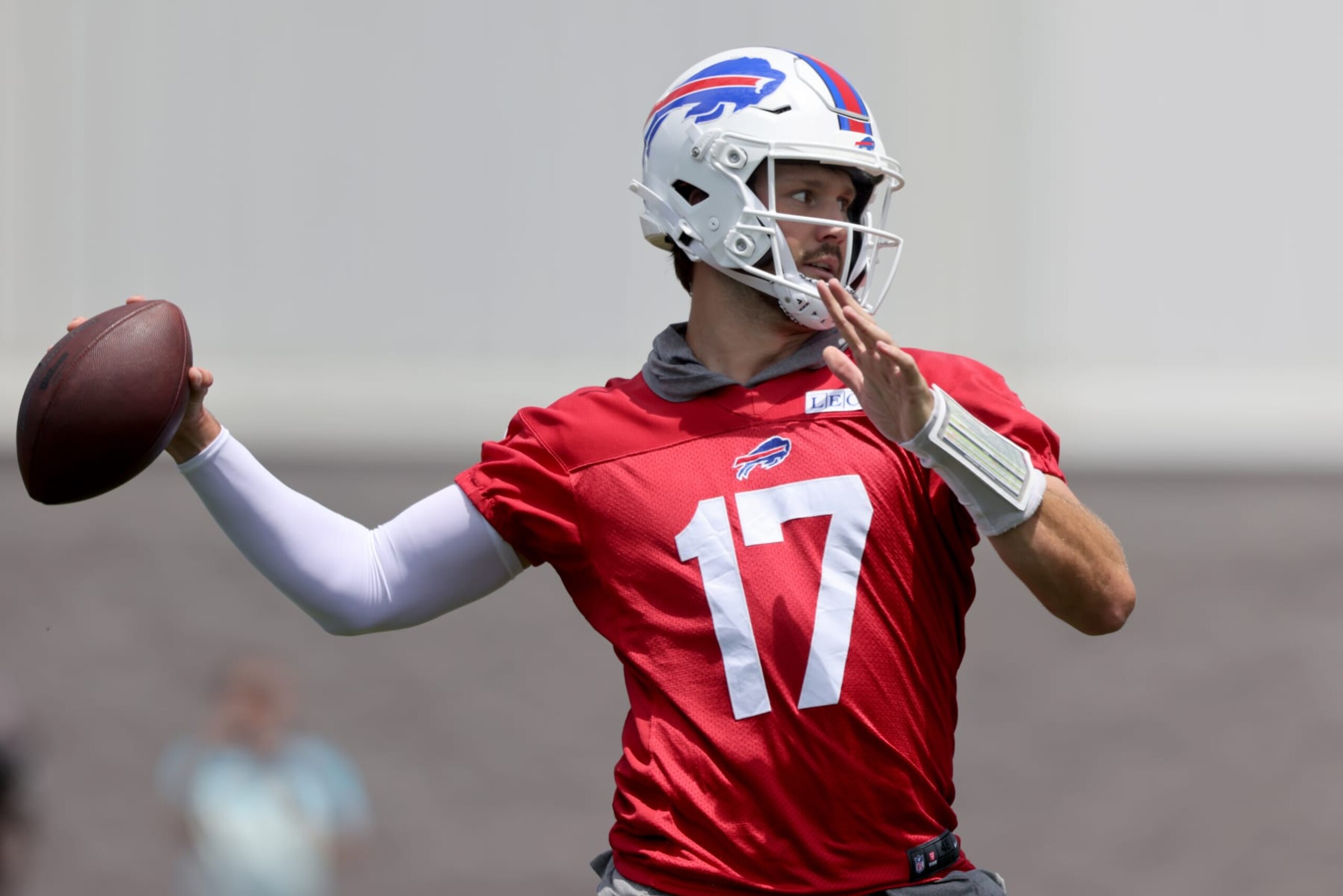
Quarterback might be the most important position in real-life football, but whether it should be treated like one in fantasy depends on your league's format.
For the purposes of this blueprint, we are going to be looking at things through the lens of a traditional one-quarterback format.
If you are playing in a superflex league or another two-quarterback variation, picking one early makes a lot of sense. In most other leagues, taking a signal-caller in the first three rounds is a riskier proposition.
Josh Allen was about the only quarterback who made it a worthwhile move for fantasy managers last season. He averaged 24.2 points per game, which was about six points higher than C.J. Stroud, who finished 10th in scoring among QBs.
That's a pretty good weekly edge to have, but the distance between No. 2 quarterback Jalen Hurts and No. 10 was just three points per game. Taking a signal-caller in the first three rounds sacrifices an opportunity to build early depth at running back and wide receiver.
Allen ended up making it work for his drafters last season, but even he might have a harder time putting up the same numbers without Stefon Diggs.
This might be another year when it's better to wait and target a high-floor veteran or a high-upside young quarterback after the perceived elite have been taken in the first five rounds.
Quarterbacks to Target (and Avoid)
2 of 9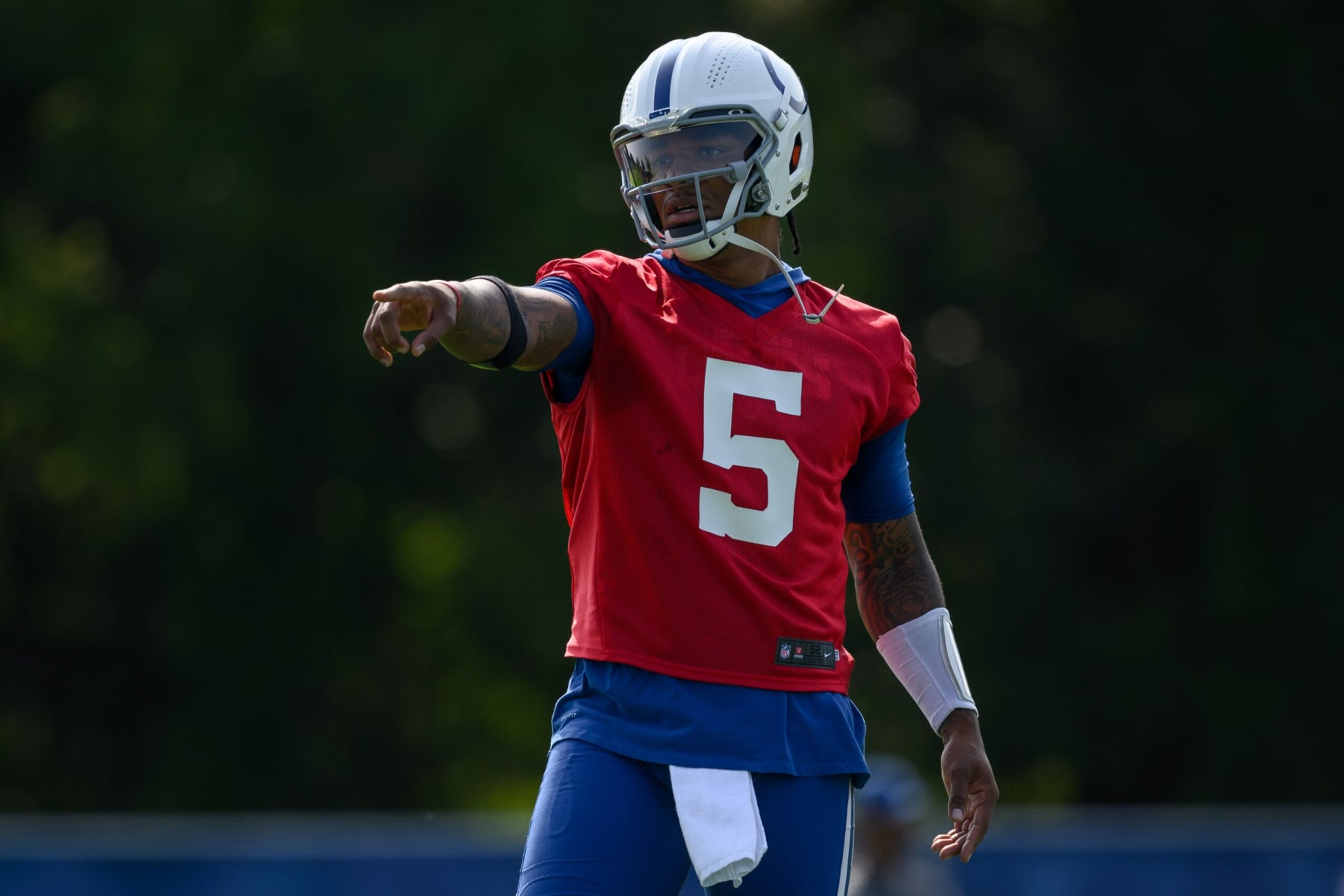
Target
Anthony Richardson, Indianapolis Colts (ADP: 74)
To be clear, drafting Anthony Richardson is not going to be for risk-averse fantasy managers.
He missed most of his rookie season with a shoulder injury and was banged up in just about every game last year. There's no denying the upside, though. He played in four games last season and had a top-five fantasy finish in two of them.
His combination of athleticism and Shane Steichen's play-calling are going to ensure he has enough rushing production to be a reliable fantasy starter.
Jordan Love, Green Bay Packers (ADP: 88)
There's no rushing upside with Jordan Love, but fantasy drafters seem to forget how great he was down the stretch last year.
He finished ninth or better among quarterbacks in five of his final eight games of the season. Given a full offseason to build chemistry with a young, emerging group of receivers, it's hard not to see him put together a full season of being a fantasy-relevant starter.
Right now, Love is only being drafted as QB11.
Kyler Murray, Arizona Cardinals (ADP: 107)
The Cardinals might not be the most exciting team in the league, and Kyler Murray has had his own fair share of injuries. But the discount at his current price is too good to care.
The Arizona quarterback missed the first nine weeks of last season recovering from an ACL, but he was ninth in points per game once he returned to the lineup.
Now, he has a legit No. 1 wide receiver in Marvin Harrison Jr.
Avoid
Patrick Mahomes, Kansas City Chiefs (ADP: 27)
Patrick Mahomes is the best quarterback in the game today. He might be the best ever when he's done playing. But having him on your team is a key to winning a Lombardi Trophy, not fantasy football championships.
His ADP lands him in the late second round or early third round, and his recent scoring just hasn't justified that kind of draft stock.
He finished 12th in fantasy football scoring on a per-game basis last season.
The Chiefs will again have some new faces to break in in the passing game. Mahomes is going to have a hard time living up to fantasy expectations.
Tua Tagovailoa, Miami Dolphins (ADP: 97)
Tua Tagovailoa's new contract says he's elite. That hasn't been true from a fantasy football perspective, though.
He led the league in passing yards and still finished as QB19 in points per game.
Tagovailoa is good enough to make both Tyreek Hill and Jaylen Waddle draftable, but he doesn't have the rushing or consistent passing touchdown production to wind up as a week-in-week-out starter.
Running Back Strategy: Beware of Different Builds, but Play The Board
3 of 9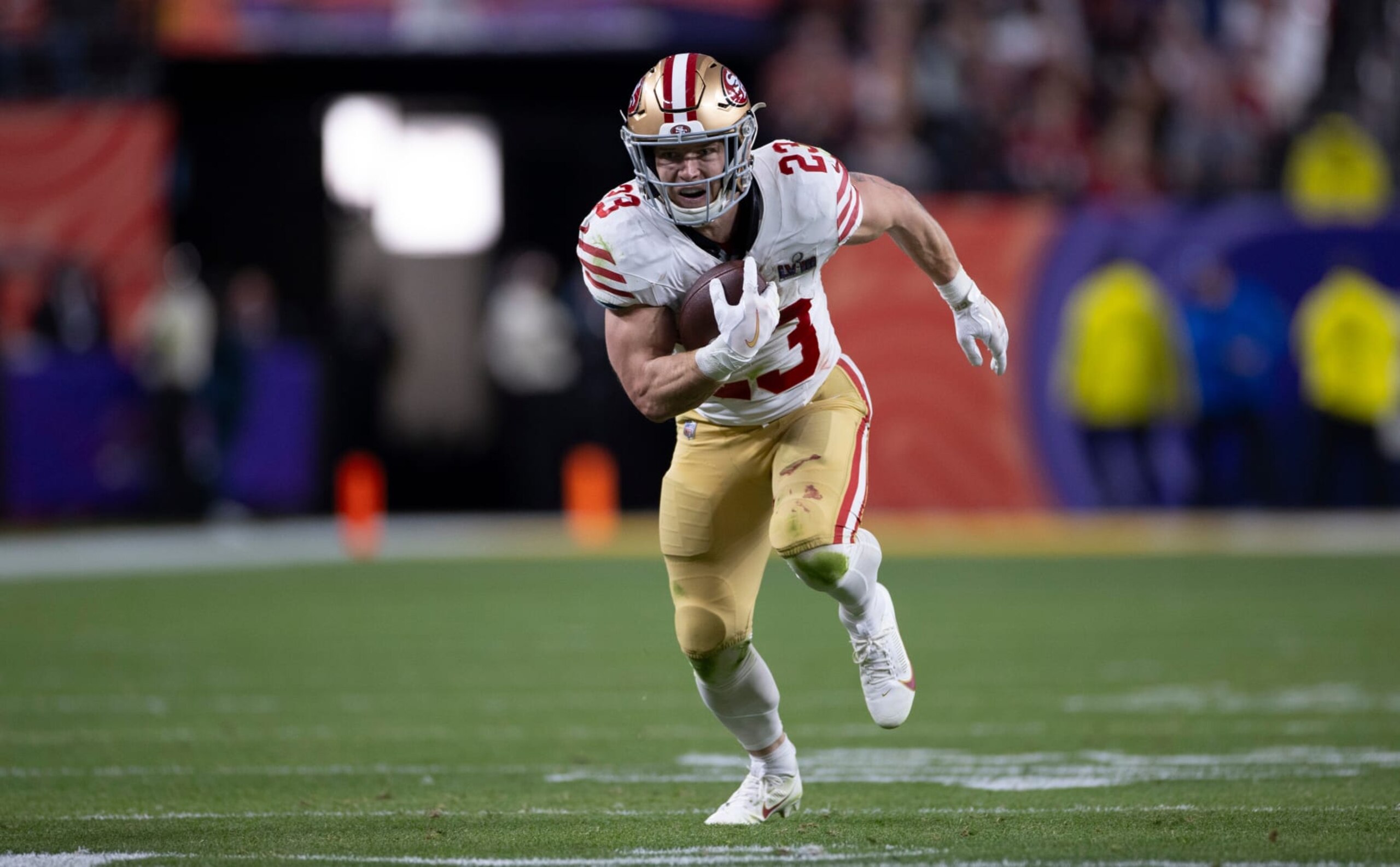
There are a lot of catchy names and terminology when it comes to different drafting approaches. One way or another, they mostly revolve around how you address the running back position.
Let's break them down quickly.
- Robust RB: This is the old-school approach to drafting. Back in the day, starting a draft by taking two running backs in the first two to three rounds was a sure-fire bet to fantasy relevancy. Landing two elite ball-carriers could easily provide the foundation for a championship team. Today, split backfields and the rise of dominant receivers has made this approach a little riskier. One injury or running back who loses touches can leave your team on shaky ground.
- Zero RB: As one might guess, Zero RB is the antithesis to the robust approach. The idea is to avoid the running back position entirely for the first five rounds of the draft. It leads to the opportunity to load up on elite receiving options and potentially even getting an elite tight end or quarterback. Then drafters will look to target pass-catching third-down backs and high-upside late-round picks to fill the void at running back.
- Hero RB: If there's going to be a zero, there might as well be a hero. The Hero RB approach is a middle ground between the other two approaches. Drafters will take an elite running back early in the draft who then becomes their "hero" back. From there, they'll ignore the running back "dead zone" (usually defined as approximately Rounds 4-8), load up on elite receivers and attempt to find running back value late in the draft.
There's merit to all three of these approaches. Just like building a real-life roster, there are always running backs who emerge as late-round picks to become difference-makers. However, staking your entire fantasy season on finding those players can be risky. At the same time, the "hero" approach is putting a lot of eggs into the basket of one player at an injury-prone position.
The best route is to have an idea in mind but play your board. If you draw the No. 1 pick and snag Christian McCaffrey, then it's probably safe to play around with a Hero approach. If you get to the turn with the 12th pick and an early running back run leaves CeeDee Lamb and Justin Jefferson on the board, take them and don't look back.
Don't be rigid with a specific approach, target backs you believe in and mold the approach based on who is available.
.jpg?w=2560 "Saints Giants Football")
.jpg?w=2560 "Titans Elliott Football")
Running Backs to Target (and Avoid)
4 of 9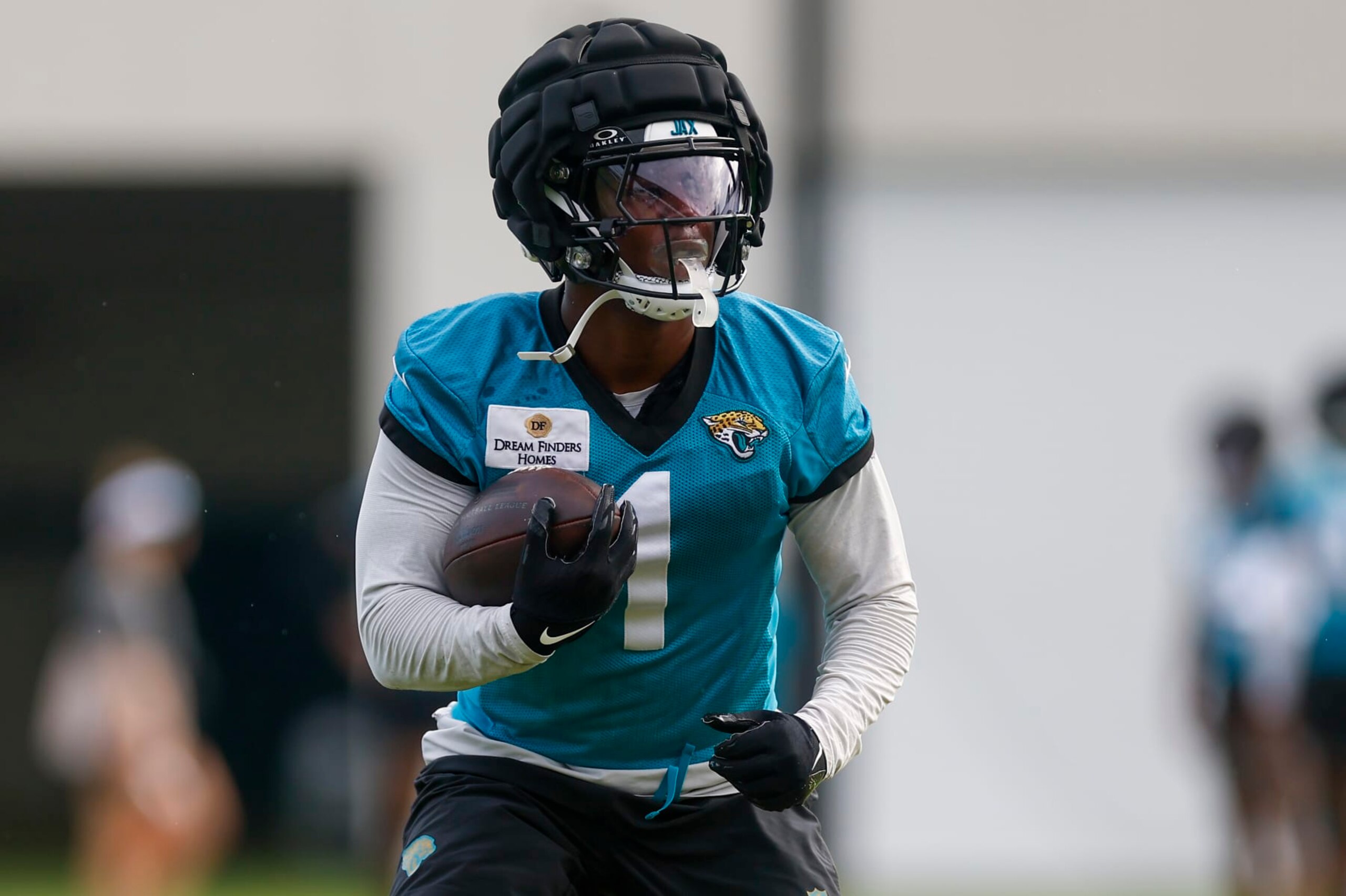
Target
Travis Etienne Jr., Jacksonville Jaguars (ADP: 16)
Travis Etienne Jr. appears to be going in the early-to-mid second round in early drafts based on his ADP. That's a bit surprising for someone who is 25 years old and finished third among all running backs in PPR formats last season. There could be some fear that Tank Bigbsy will take over some of the work in his second season. However, he was a non-factor last season, and John Shipley of Sports Illustrated reported in June that Bigsby "didn't have the standout offseason program that he had last year."
Devin Singletary, New York Giants (ADP: 70)
The Giants let Saquon Barkley walk, in part, because they were hesitant to offer him the kind of contract it would take to keep him on the roster. That decision becomes easier for a team when you can bring in someone like Singletary for a fraction of the price. He has had over 1,000 yards from scrimmage in each of the last three seasons. Daniel Jones' most successful season came in 2022 when Barkley led the team in targets with 76.
Chase Brown, Cincinnati Bengals (ADP: 100)
If you're going with a light running back approach early in the draft, it's imperative to find some high-upside players in the later rounds of the draft. Chase Brown is a great example. With an ADP that puts him toward the end of the eighth round in 12-team leagues, he is an affordable swing on upside. He is an explosive athlete who flashed big-play potential while backing up Joe Mixon last season.
Mixon is now a Houston Texan and the Bengals' only corresponding move was to bring in Zack Moss. The veteran back has never had 1,000 scrimmage yards in a season and could cede his role to Brown in his second season. If that happens, he'll be a steal.
Avoid
Rachaad White, Tampa Bay Buccaneers (ADP: 26)
Rachaad White is going in the second round in most fantasy drafts right now after finishing fourth in total points among running backs last season. The problem is that so much of his value relied on volume.
According to Player Profiler, he was second in carries (272 on the season and ninth in running back targets, 70). The problem is that he was just 47th in breakaway run rate and 23rd in yards created per touch.
The Bucs used a fourth-round pick on Bucky Irving. The rookie at least has enough juice in the passing game to threaten to take a spot.
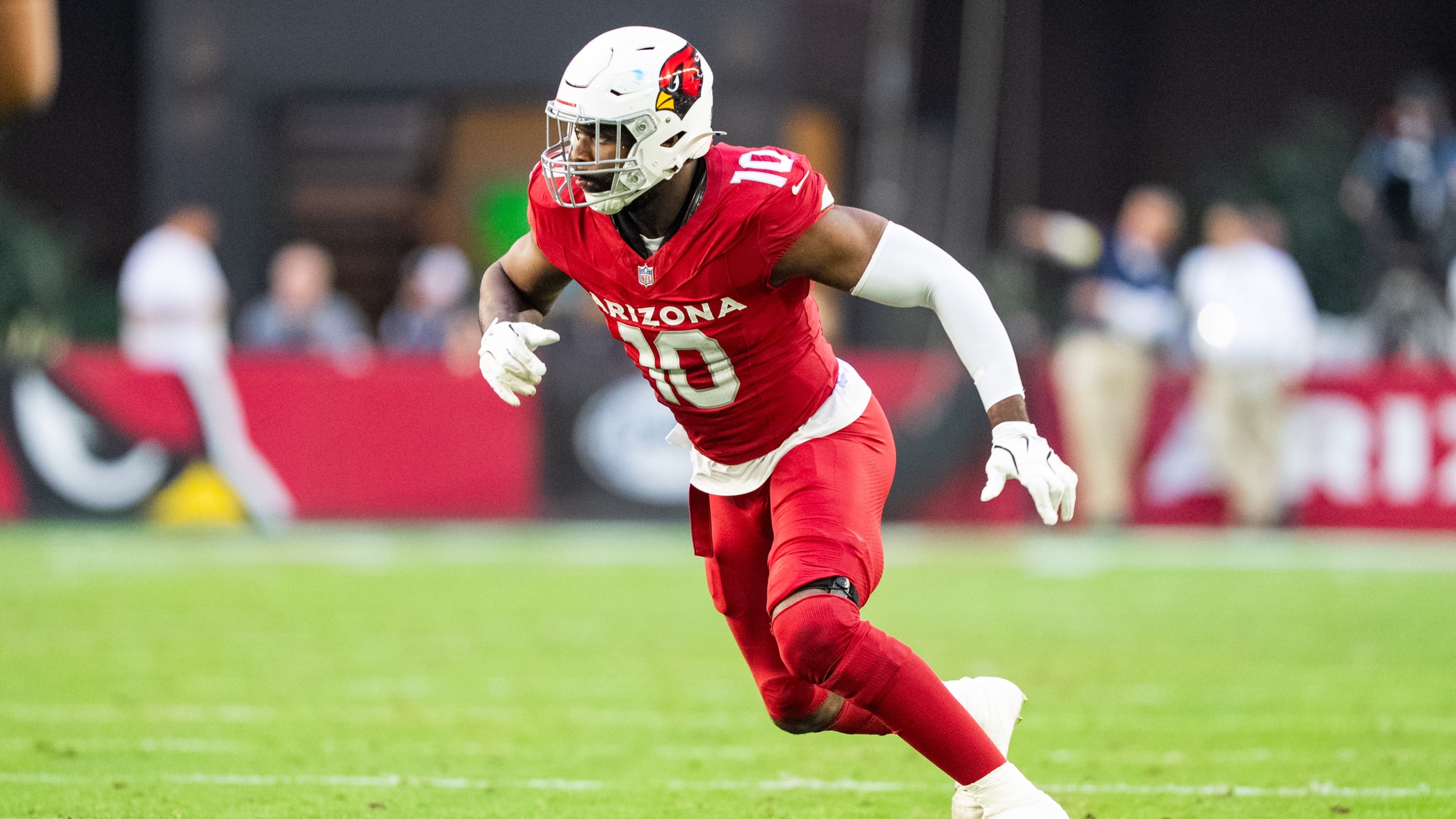
James Conner, Arizona Cardinals (ADP: 57)
James Conner can be found right at the beginning of the dead zone with an ADP that puts him right in the fifth-round range.
He's the perfect example of why running backs in the range carry a bad reputation. At 29 years old, he's an elder statesman by RB standards. The fact that he's played in no more than 13 games in every year of his career except 2021 shouldn't make drafters feel any better.
The fact that the Cardinals drafted Trey Benson—the No. 2 back on our final big board—with an early third-round pick should be cause for some concern at his current price.
Wide Receiver Strategy: Be Flexible
5 of 9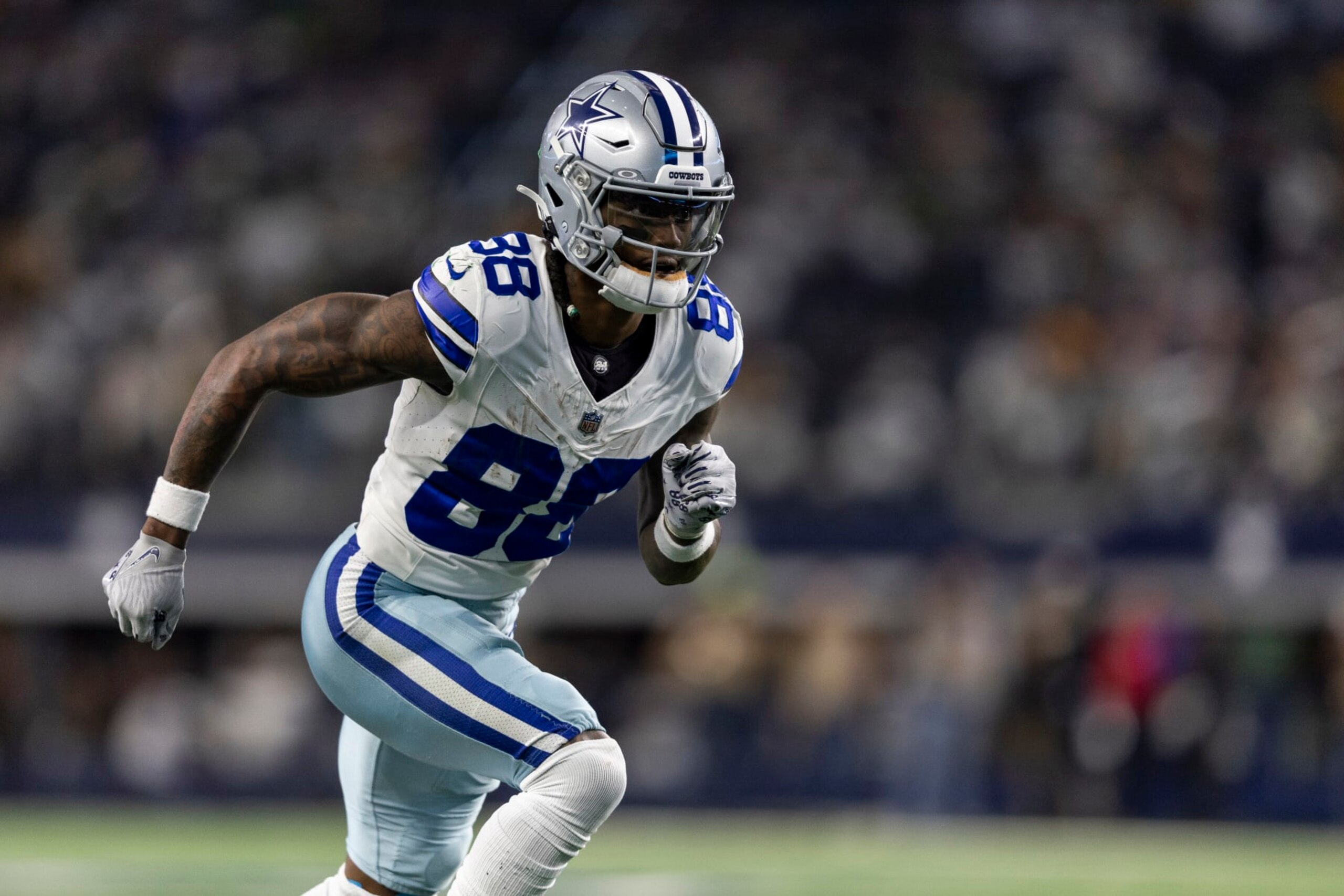
The wide receiver revolution is taking place both in fantasy football and actual NFL roster management. Whether you're drafting a fantasy team or constructing an NFL roster, the cost of an elite wideout has gone up.
The days of running backs dominating the first round of a fantasy draft are over. That's especially true in PPR leagues where a full point-per-reception is going to ensure that elite receivers end up scoring more than their running back counterparts.
On the flip side, it's also easier to find some value at the position long after the good options dry up at running back.
Therefore it's best to bring a flexible approach to the wide receiver position. Hitting on an elite target magnet within the first two rounds is a good objective. But if the opportunity to go running back-running back presents itself, it's possible to build a group of receivers after the first two rounds.
Conversely, the opportunity to grab two elite targets could kick you into a Zero RB build. It's all about keeping the option to pivot your draft strategy and following value.
Wide Receivers to Target (And Avoid)
6 of 9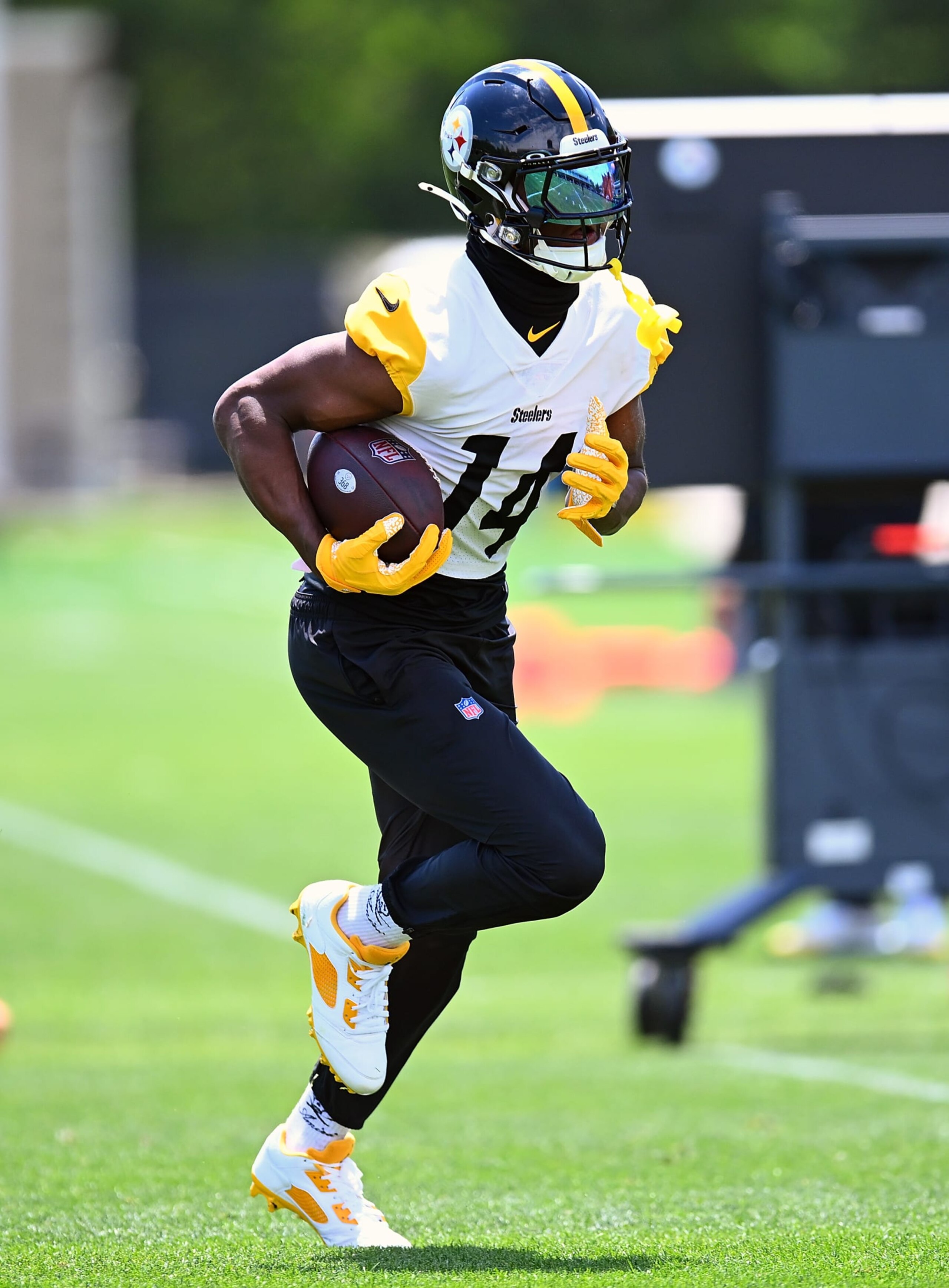
Target
CeeDee Lamb, Dallas Cowboys (ADP: 4)
Christian McCaffrey still makes the most sense as the No. 1 pick in the draft, but CeeDee Lamb is just as logical to take second overall as anyone. He led the league in targets with 181 and red zone targets with 31.
Tyreek Hill is going to get some attention as the alternative WR1 in drafts, but he also has Jaylen Waddle to compete with for targets on a weekly basis. Lamb has Brandin Cooks.
The Cowboys' biggest offseason addition in free agency this year was Ezekiel Elliott. In other words, they are still going to be looking to run the offense through Lamb, which means he has a good chance to be WR1 at the end of the season.
George Pickens, Pittsburgh Steelers (ADP: 62)
According to Player Profiler, George Pickens was first in yards per receptions (18.1), fifth in yards per target and 10th in deep targets.
The Steelers coaching staff had a tremendous amount of faith in Pickens to make plays down field. His numbers last year were with a combination of Kenny Pickett, Mitchell Trubisky and Mason Rudolph playing at quarterback.
Russell Wilson and/or Justin Fields should be an upgrade at quarterback, so Pickens' market share should also see an uptick. Pittsburgh traded away Diontae Johnson and is currently set up to have Van Jefferson as its second receiver. That's a lot of additional targets up for grabs.
Khalil Shakir, Buffalo Bills (ADP: 117)
It's never a bad idea to take a swing on a player who could be the No. 1 option within a good offense.
Thus far, fantasy drafters haven't shown too much confidence in any of the Bills options. Rookie Keon Coleman is going about a half-round ahead of Shakir while Curtis Samuel is nearly a full round behind Shakir.
Neither Coleman nor Samuel have the added advantage of having worked with Josh Allen previous to this season. Shakir was a reliable target for the QB and led the league in yards per target while finishing 19th in target separation. His ability to get open and work different zones will be huge and help him to outperform his current draft stock.
Avoid
Cooper Kupp, Los Angeles Rams (ADP: 17)
There's a chance Cooper Kupp is able to shake off the injuries that bogged him down last season, return to form and become a no-brainer WR1 every week.
Sean McVay can be trusted to get him the ball even with Puka Nacua on the field. The problem is there's still a good bit of risk in making that bet on the 31-year-old receiver, and it doesn't seem to be baked into the price.
Kupp is going as a mid-second round pick right now. That's behind guys like Drake London, Chris Olave and Brandon Aiyuk, who are younger and will be the top receivers on their teams.
Stefon Diggs, Houston Texans (ADP: 40)
There was a time when Stefon Diggs was a consistent fantasy football asset. Those days might just be over, though.
He pulled a disappearing act for players down the most important stretch last season. From Week 10 on, he scored less than five points in six games. He had one touchdown in that span.
Getting traded to the Texans seems to have been enough for drafters to still hold Diggs in high esteem. However, he's headed to a Houston offense that also has Nico Collins and Tank Dell. Targets could be scarcer than you'd think for the 30-year-old.
Tight End Strategy: Check in Every Round (Starting in Round 3)
7 of 9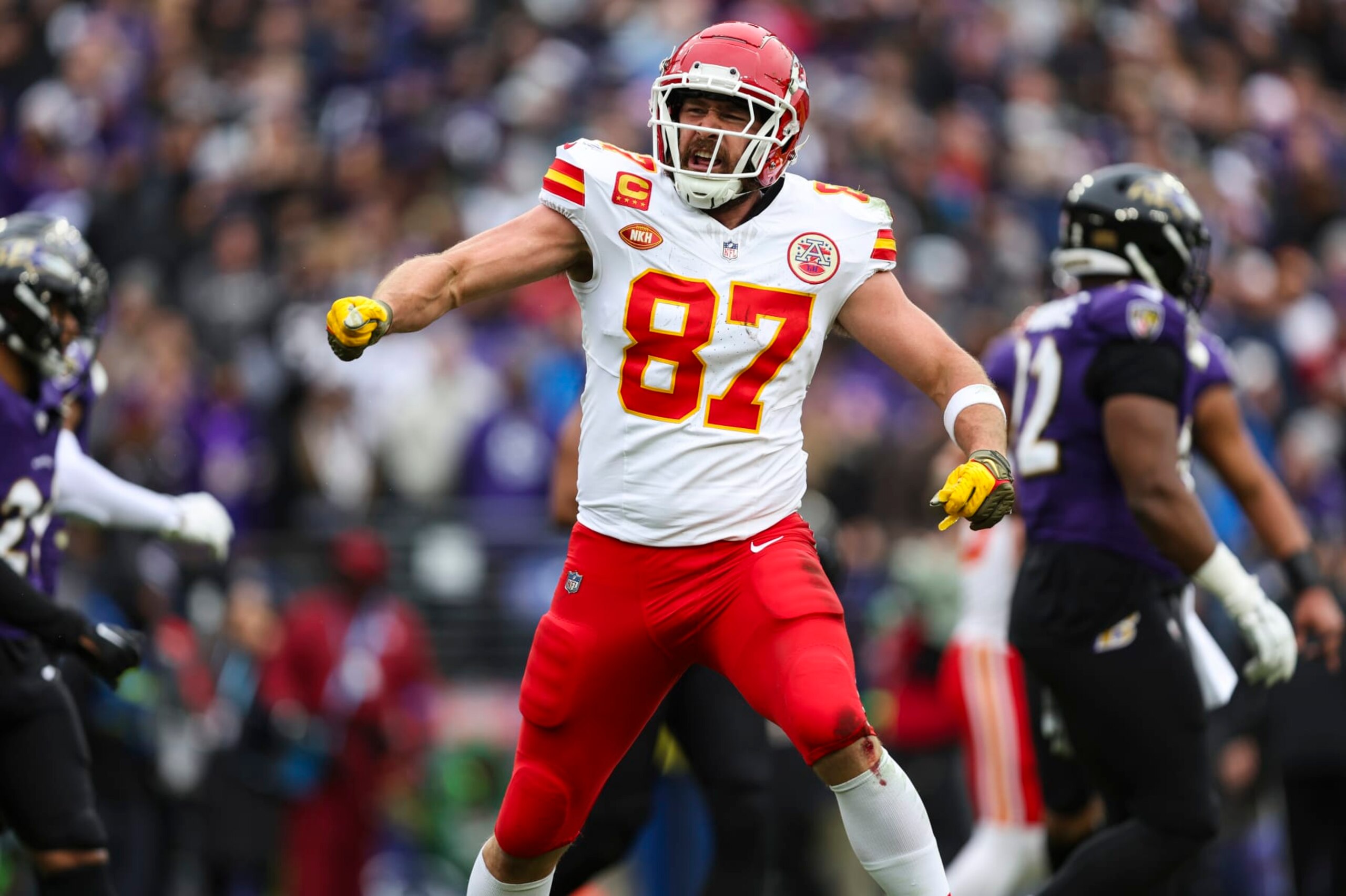
Tight end is a position that's mostly worth waiting on this year. Last year, it became trendy to take Travis Kelce with a first-round pick as the de facto No. 1 receiver in one of the league's best offenses.
That strategy did not have a great payoff as Kelce averaged 14.6 points per game. That was good enough to tie with T.J. Hockenson for the most points. It wasn't enough to create that much of an advantage at the position, though. Jake Ferguson, who finished 10th in points per game, averaged 10.4.
The four-point advantage could easily be erased by a first-round wide receiver or running back.
Kelce's price is much more reasonable this season. He's being taken toward the end of the second round at No. 21 overall.
The best approach at the position this year is to check in every round after the second round to see if there's some value. The second and third tiers include 13 players, based on FantasyPros' Expert Consensus Rankings.
There's something to be said for grabbing a consistent TE at a reasonable price. It's unexciting but useful, like eating vegetables. Having a general idea of where they stack up and what's a good ADP value should serve as a guide on when to make your move.
If there's a logical target when you get on the clock and you're less excited about the running back and wide receivers available, that's the time to grab one.
Tight Ends to Target (and Avoid)
8 of 9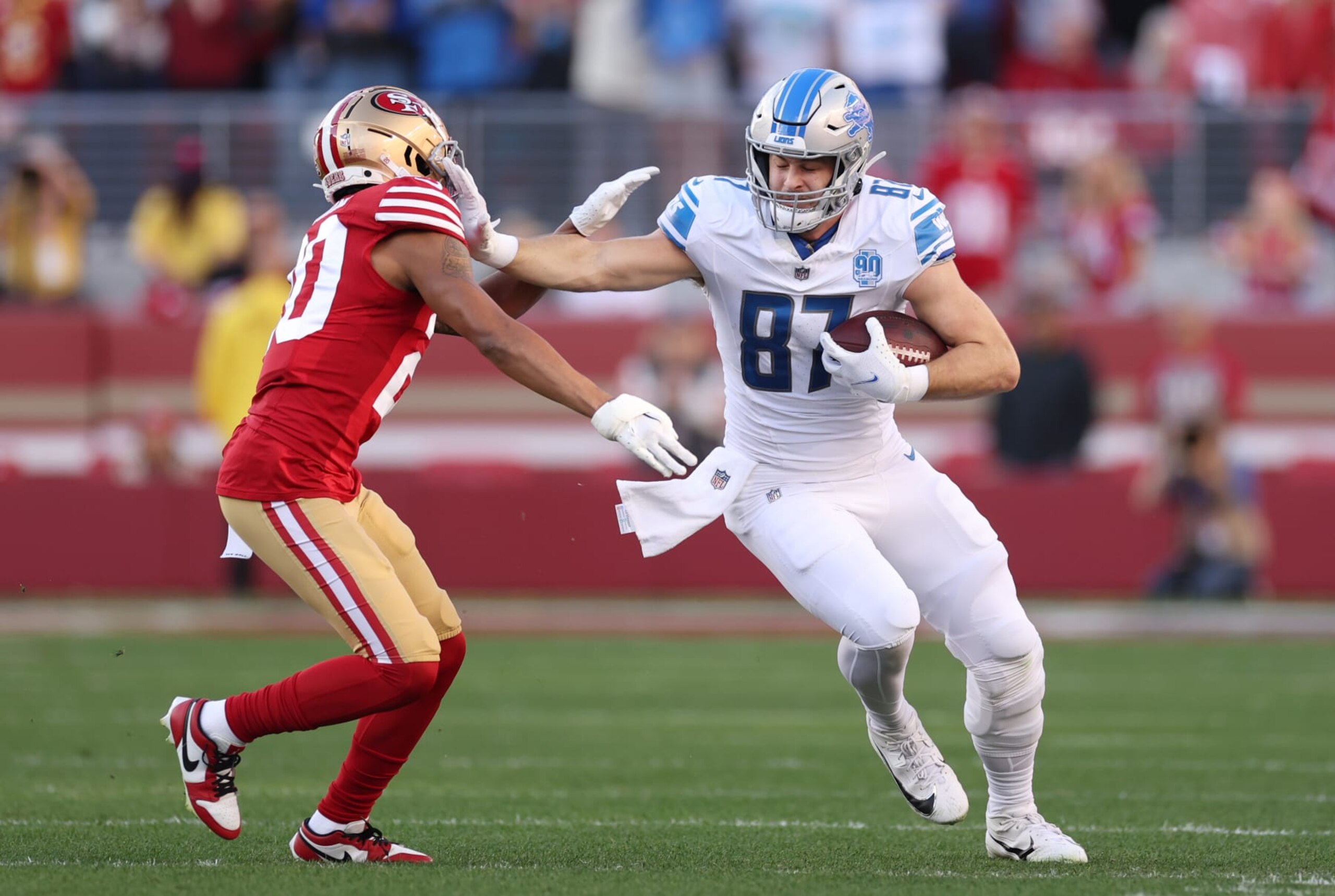
Target
Sam LaPorta, Detroit Lions (ADP: 29)
If you're going to target a tight end early in the draft, it should be Sam LaPorta. The other top options all have some questions regarding their health or situation.
LaPorta is a young (23), emerging star at the position. He's attached to a good quarterback in Jared Goff as part of an offense that has been consistently productive.
He's also the de facto No. 2 receiver and top vertical threat until Jameson Williams can prove he can take over that role in Detroit.
Trey McBride, Arizona Cardinals (ADP: 68)
It's kind of wild that Trey McBride isn't getting more love from drafters right now. From Week 8 on, he was TE3 last season. That happens to coincide with when Kyler Murray came back to the lineup.
Marvin Harrison Jr. could eat into McBride's targets, but Murray is capable of carrying two viable fantasy starters in the passing game. Getting him four rounds after the first tight end is off the board is a strong value.
Evan Engram, Jacksonville Jaguars (ADP: 95)
Evan Engram is entering his age-30 season, but he's coming off his most productive season yet. He saw 143 targets in the Jaguars offense and caught 114 passes. He was a no-brainer starter in PPR formats and there's little reason to believe that's going to change.
The Jags signed Gabe Davis and drafted Brian Thomas Jr. to replace Calvin Ridley. Neither is going to be as good as Ridley this year. If anything, the two new additions will be fighting over the same targets.
Engram is still going to draw a lot of opportunities and make fantasy managers happy.
Avoid
Travis Kelce, Kansas City Chiefs (ADP: 23)
Age can be an overblown concern in fantasy football, but it's still better to be one year ahead on guessing a player's age cliff than a year behind.
Travis Kelce is no longer going in the first round, but players are still giving up a second to get the tight end. The problem is that he will turn 35 this season and is coming off his first sub-1,000-yard season since 2015.
A second-round bet on Kelce staying healthy and delivering elite production is too rich.
Mark Andrews, Baltimore Ravens (ADP: 55)
Mark Andrews is the first tight end in a short run on the posiiton that's happening around the fifth round in drafts right now. Kelce's ADP is in the second, Sam LaPorta's is in the third, then it's Mark Andrews, Dalton Kincaid, George Kittle and Trey McBride.
Andrews is going first among the group, but the upside could be limited. Even before the 28-year-old got hurt last season he was seeing the fewest targets per game (6.1) he'd seen since his rookie season.
With Todd Monken taking over the offense, the tight end position played a different role and Andrews saw fewer manufactured touches than he did when Greg Roman was calling plays.
Team Defense and Kickers Strategy: Just Wait
9 of 9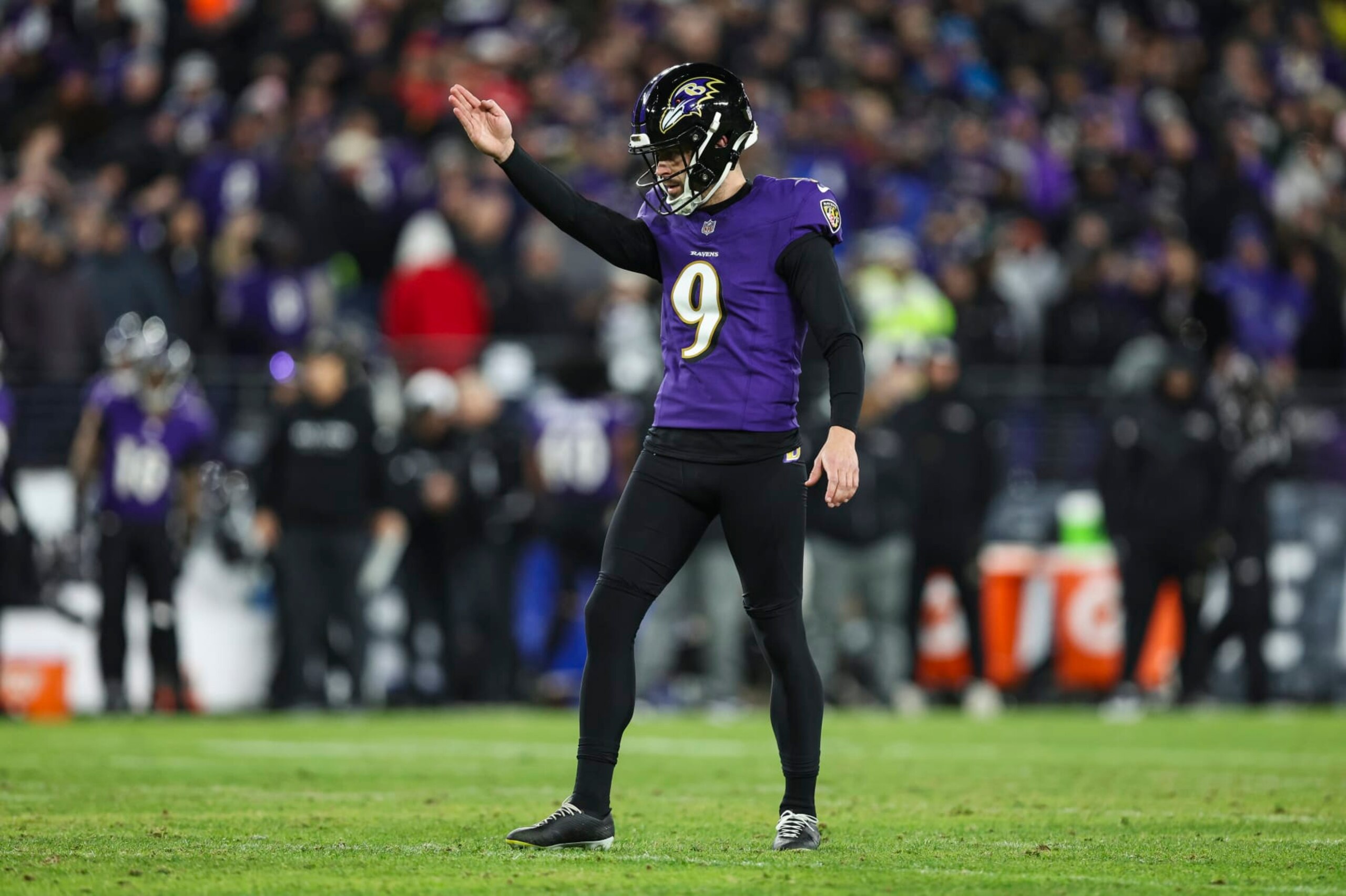
We aren't going to spend a lot of time on team defense and kickers here and neither should you. Let someone else worry about the two positions earlier in the draft while you take higher-quality dart throws on your depth at the key positions.
The biggest scoring opportunities for team defenses (sacks and turnovers) tend to vary from week to week and can be difficult to predict. The best approach to defense is to simply stream from the waiver wire every week.
Identifying who has the best matchup on the waiver wire can give you a strong starting option at bargain-bin prices.
Kicker is an even harder position to predict. Brandon Aubrey was the top-scoring kicker in fantasy last season, and he was 25th in kicker ADP last season.
Justin Tucker is the closest thing to a sure thing, and he's going in the 12th round. Let someone else use a 12th-round pick on a kicker while you could be identifying a potential league-winner at a more important position.
When it comes to kicker and team defenses, there are no priority targets or even players to avoid. Just fill out your roster and work the waiver wire.
.jpg?w=2560 "Jets Patriots Football")