
Biggest Winners and Losers of the Entire 2024 NBA Offseason
With only a few big-business items unfinished—looking at you, Lauri Markkanen and the Utah Jazz—it's time to take a zoomed-out look at the biggest successes and failures of the 2024 NBA offseason.
Bleacher Report's and Dan Favale and Grant Hughes are here to go through a familiar exercise—designating winners and losers—that suddenly feels different. We'll get into more detail momentarily, but understand that the new second-apron era is upon us.
For better or worse, virtually every decision of consequence (we're talking action and inaction) had ties to the roster-building rules imposed by the new collective bargaining agreement. It's a whole new world out there, and many teams don't seem sure how they're supposed to live in it yet.
Other than that, you know the drill. We'll assess winners and losers based on how well they made out this summer. Let's get to it.
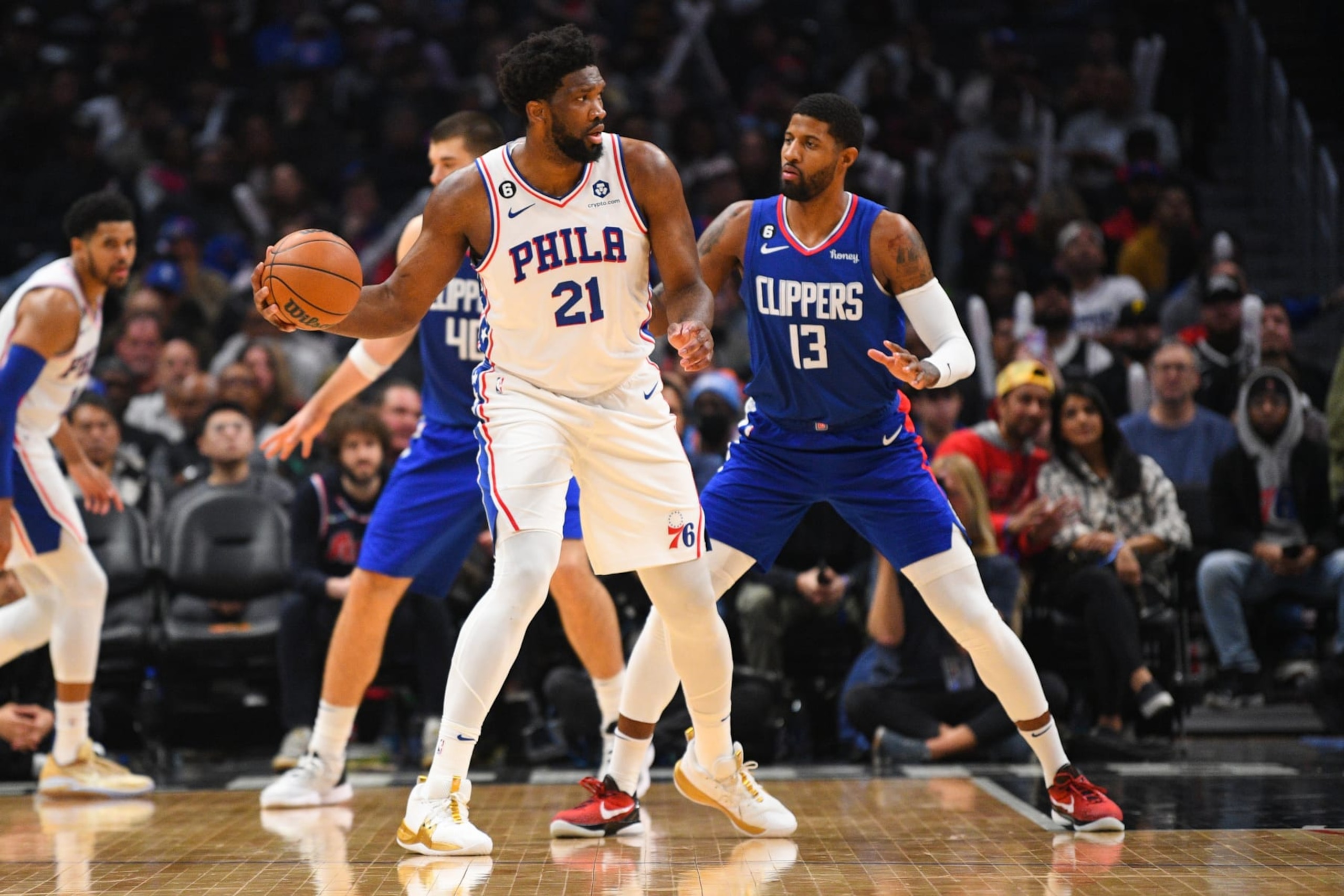
Winner: Philadelphia 76ers
1 of 12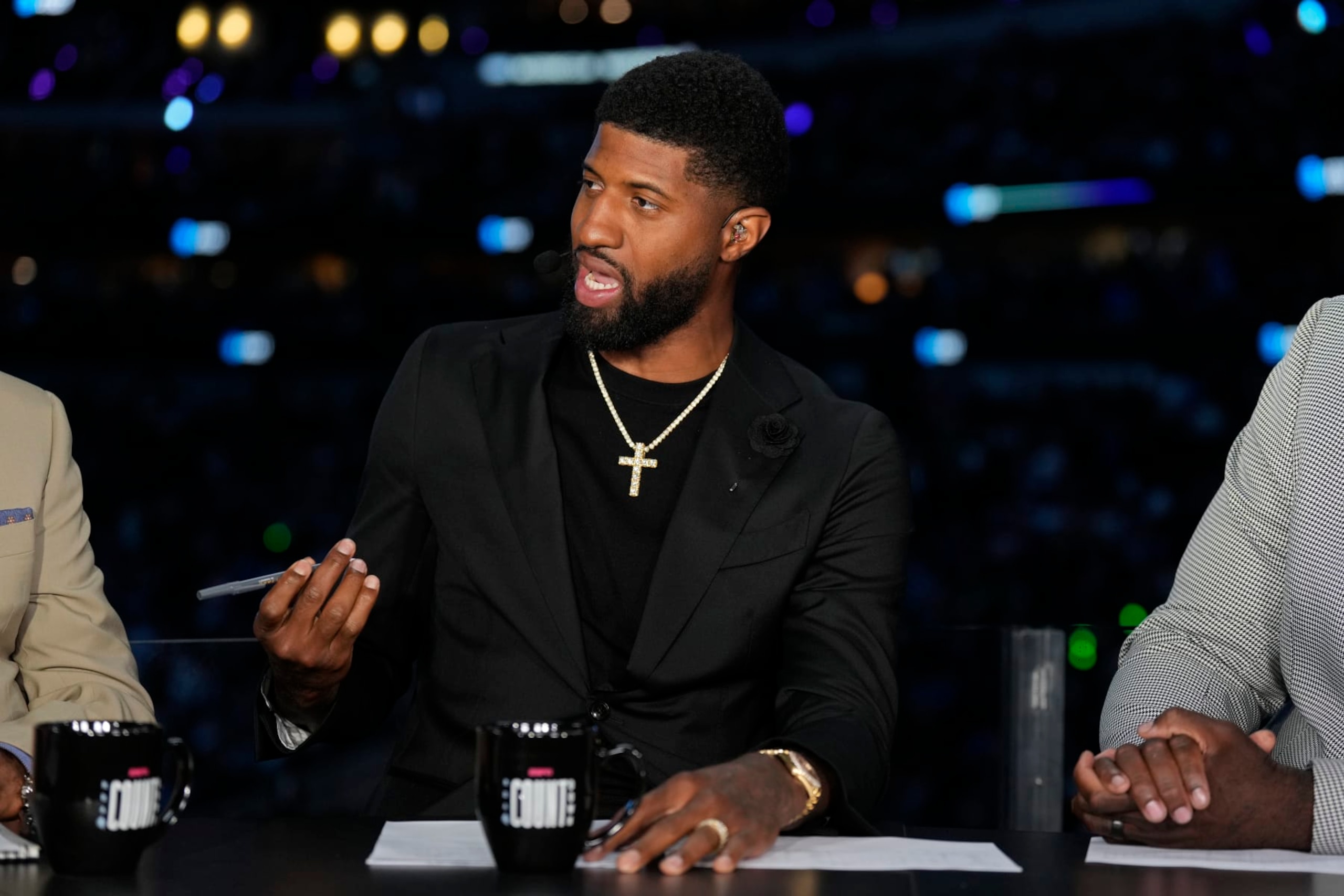
Prioritizing cap space at a time when All-Stars don't tend to walk in free agency was a massive gamble by the Philadelphia 76ers. Spending power can be used to acquire players via trade, but team president Daryl Morey needed to basically clear the decks to carve out choose-your-own-adventure flexibility. Sweetening trade packages gets tougher when you don't have actual players to include.
That massive gamble paid off in pretty much every way possible.
Philadelphia didn't just land Paul George, the best available free agent, on a four-year, $212 million deal. It delivered a masterclass in patience, process and, above all, bookkeeping.
Through the magic of low cap holds on their own free agents (Tyrese Maxey and KJ Martin), the Sixers were able to remake both the top and middle of their roster. Adding George on the max left them with enough wiggle room to afford Andre Drummond (two years, $10 million) and capitalize on a market that wasn't as hot as expected for Caleb Martin, who signed a four-year, $35.1 million deal with unlikely-to-be-earned incentives that could take it over $40 million. (He's fairly likely to hit those incentives, too.)
Kelly Oubre Jr. stuck around for the room exception (two years, $16.4 million; 2025-26 player option). Kyle Lowry returned for the minimum. Eric Gordon bolted Phoenix to join Philly at the minimum as well. Reggie Jackson is coming aboard on a minimum deal, too.
The Sixers then took care of their own. Maxey received a five year, $203.9 million max that does not include a player option. Those escape clauses aren't necessarily standard for post-rookie deals, but Philly also punted on offering him an extension last fall to maximize its cap space. Yours truly wondered if getting a player option in Year 5 might have been dangled to compensate him for waiting.
Finally, the Sixers signed Martin to a two-year, $16 million deal that's fully non-guaranteed for 2025-26. It is an overpay in the short term, but functionally speaking, he's an expiring contract and human trade exception. Martin's money combined with the Sixers' available draft equity renders them a team to watch once his trade restriction lifts in mid-January.
There's a reason why we play the games. The Sixers remain a theoretical team. But their Big Three of George, Maxey and Joel Embiid is among the most balanced star formations in the league, and they're surrounded by actual depth. Plus, Philly still has other cards to play. This is what an 11-of-out-10 offseason looks like.
—Favale
Loser: Gary Trent Jr.
2 of 12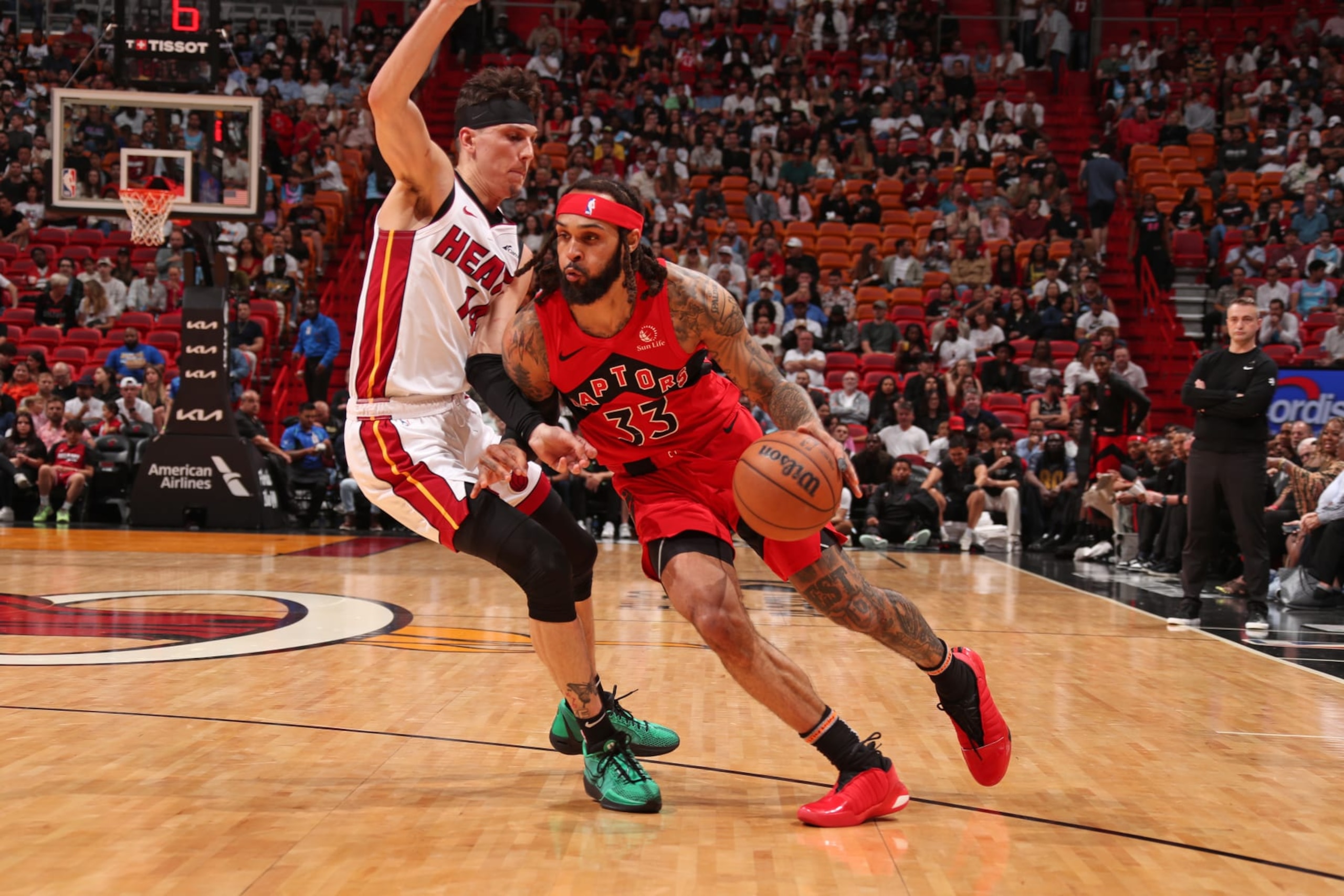
Gary Trent Jr., who couldn't find common ground on an extension with the Toronto Raptors last year, and who also couldn't land a new deal from them in free agency, wound up signing a one-year, minimum-salary deal with the Milwaukee Bucks.
Trent is still just 25 years old, has started the majority of the 341 games he's played since entering the league in 2018-19 and is a career 38.6 percent three-point shooter. Though he isn't quite a stopper on the wing, Trent brings two-way value with his ball-hawking ways. Only 11 other players match or beat his totals of 835 made triples and 408 steals across the last six seasons, and most of them have multiple All-NBA nods.
Trent's loss is the Bucks' gain. They had no business landing someone as accomplished as him for a minimum salary, and they desperately need the shooting and disruption he'll provide in a prove-it season.
But that's just it. Trent had already proved plenty by scoring in double figures and canning tons of threes since becoming a regular starter four years ago. Odds are, if the entire league weren't terrified of spending deeper into the tax, he would have fielded multiple offers worth five or six times the annual salary for which he ultimately settled.
Glass half-full: Trent now has a golden opportunity to validate his numbers in a big role on a team that plans to contend for another championship. Malik Beasley was essentially in the same spot a year ago, and he put up a career season.
Glass half-empty: All that earned Beasley was a one-year deal with the Detroit Pistons for $6 million. If Trent's relegation to minimum-salary status sticks with him no matter how well he plays, he might keep losing out on cash for years to come.
-Hughes
Winner: Parity
3 of 12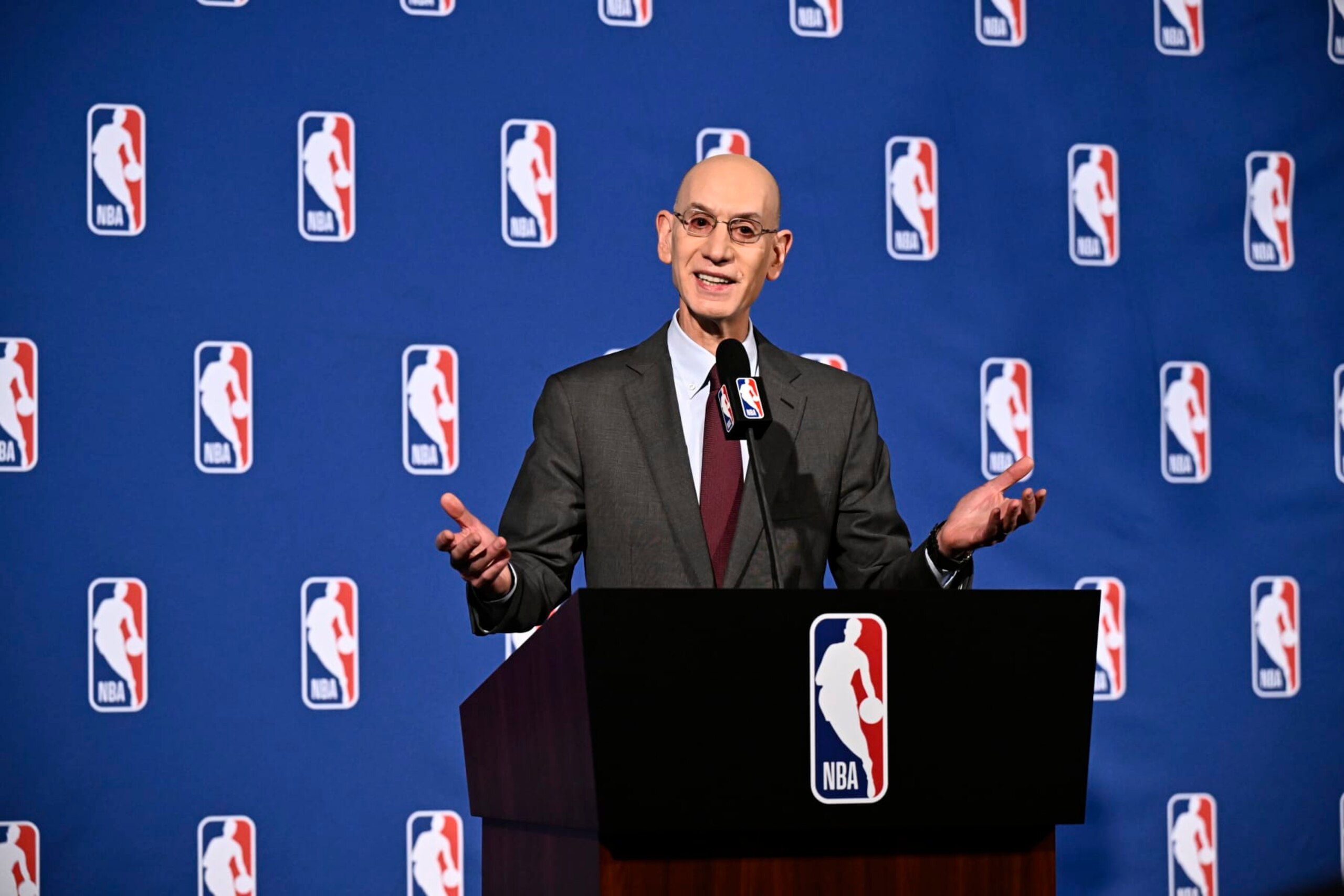
It's taken many years and several significant tweaks to the league's collective bargaining agreement, but the NBA finally seems to have found the level playing field it's been seeking.
The financial penalties for spending beyond the first and second aprons aren't new ideas, but the roster-building constraints are. And they have everyone's attention.
The Denver Nuggets let two-time champion and starting shooting guard Kentavious Caldwell-Pope walk in free agency because of money. The deep-pocketed Los Angeles Clippers watched Paul George walk away despite their ability to pay him more than anyone else. Across the league, good teams—even contenders and former champs—operated with what felt like genuine fear of overspending.
This is what NBA Commissioner Adam Silver, who works for and represents the interests of the league's 30 ownership groups, wanted.
"What I'm hearing from teams, even as the second apron is moving to kick in, the teams are realizing there are real teeth in those provisions," Silver told reporters. "I think this new system, while I don't want it to be boring, I want to put teams in a position, 30 teams, to better compete. I think we're on our way to doing that."
Combined with recent reforms to the lottery system that disincentivize tanking, the new teeth Silver mentioned are weakening the best teams, shrinking the number of the absolute worst and significantly expanding what might be referred to as the middle class.
If you want to build a dynasty now, you have to execute on all three talent-acquisition fronts: the draft, free agency and trades. And you have to do it on a budget. With a few exceptions, the days of the best teams "buying success" by spending hundreds of millions of dollars more than the worst could be over.
We'll see how this era of unparalleled parity appeals to fans, but it's pretty clearly what team governors and the league office prefer.
-Hughes



Loser: The NBA's Middle Class
4 of 12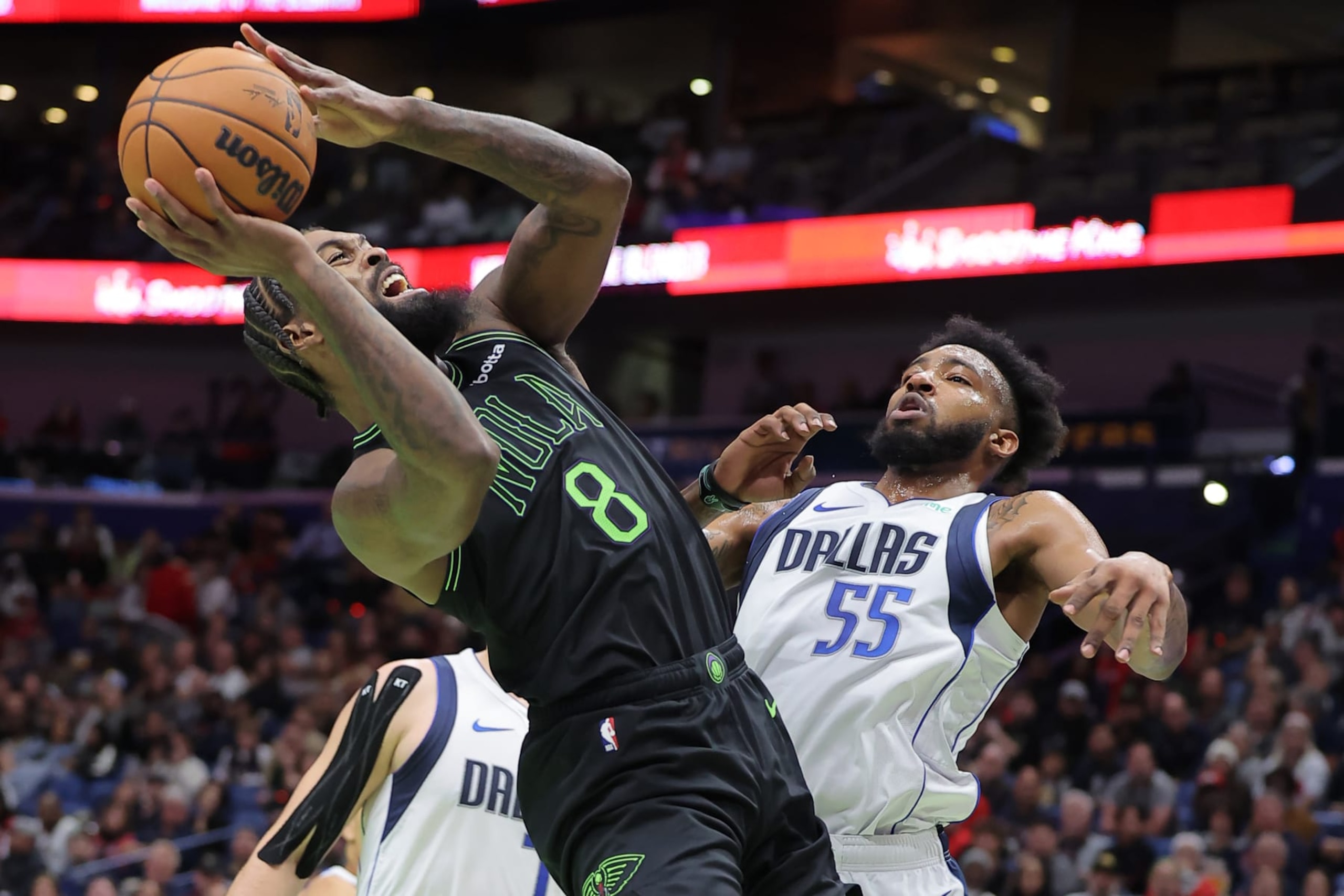
Fear of compromising future flexibility coupled with the ability to use mid-level exceptions as in-season trade exceptions appears to have repressed the market for many non-stars.
Some still managed to get paid. Kentavious Caldwell-Pope, Klay Thompson, Tobias Harris and Nicolas Claxton, just to name a few. Anecdotally speaking, though, it seems like a bad time to be a middle-class free agent who intends to explore the open market.
De'Anthony Melton is currently the only player who received the full non-taxpayer mid-level exception this offseason. And the Golden State Warriors signed him for only one year. Naji Marshall (Dallas Mavericks) and Derrick Jones Jr. (Los Angeles Clippers) each banked three-year deals, but neither secured the full-MLE treatment as many expected.
Buddy Hield's market fell off a cliff. He ended up with a four-year deal, only two of which are fully guaranteed. Caleb Martin could have opted in and extended with the Miami Heat and guaranteed himself more than $60 million over the next five years. He's now with the Philadelphia 76ers on a four-year deal that might barely climb past $40 million.
Haywood Highsmith took basically mini-MLE money to stick with the Heat. Malik Beasley played well on a minimum with the Milwaukee Bucks. That earned him...a one-year, $6 million deal from the Detroit Pistons. Gary Trent Jr. has since agreed to become Milwaukee's next minimum-contract flier. Yes, that Gary Trent Jr.—the one who's just 25.
Simone Fontecchio, meanwhile, basically got room-exception money from the Pistons for the next two years. And speaking of the room exception: Of the seven teams who have it available to them, only the Sixers used it. Though taxpayer-MLE signings are over-romanticized and not exactly common, the Denver Nuggets are the only ones to spend it so far.
Is this all a referendum on the ebbing view of motion shooters? Or the value of re-signing with your own team, a la Obi Toppin (four years, $60 million) and Royce O'Neale (four years, $42 million)? Is it purely a coincidence? Or a blip as teams navigate the new transactional guidelines and limitations?
At the very least, this summer seems to suggest the market for non-stars will be more unpredictable and subject to more wild swings than ever before.
—Favale
Winner: Brooklyn Nets
5 of 12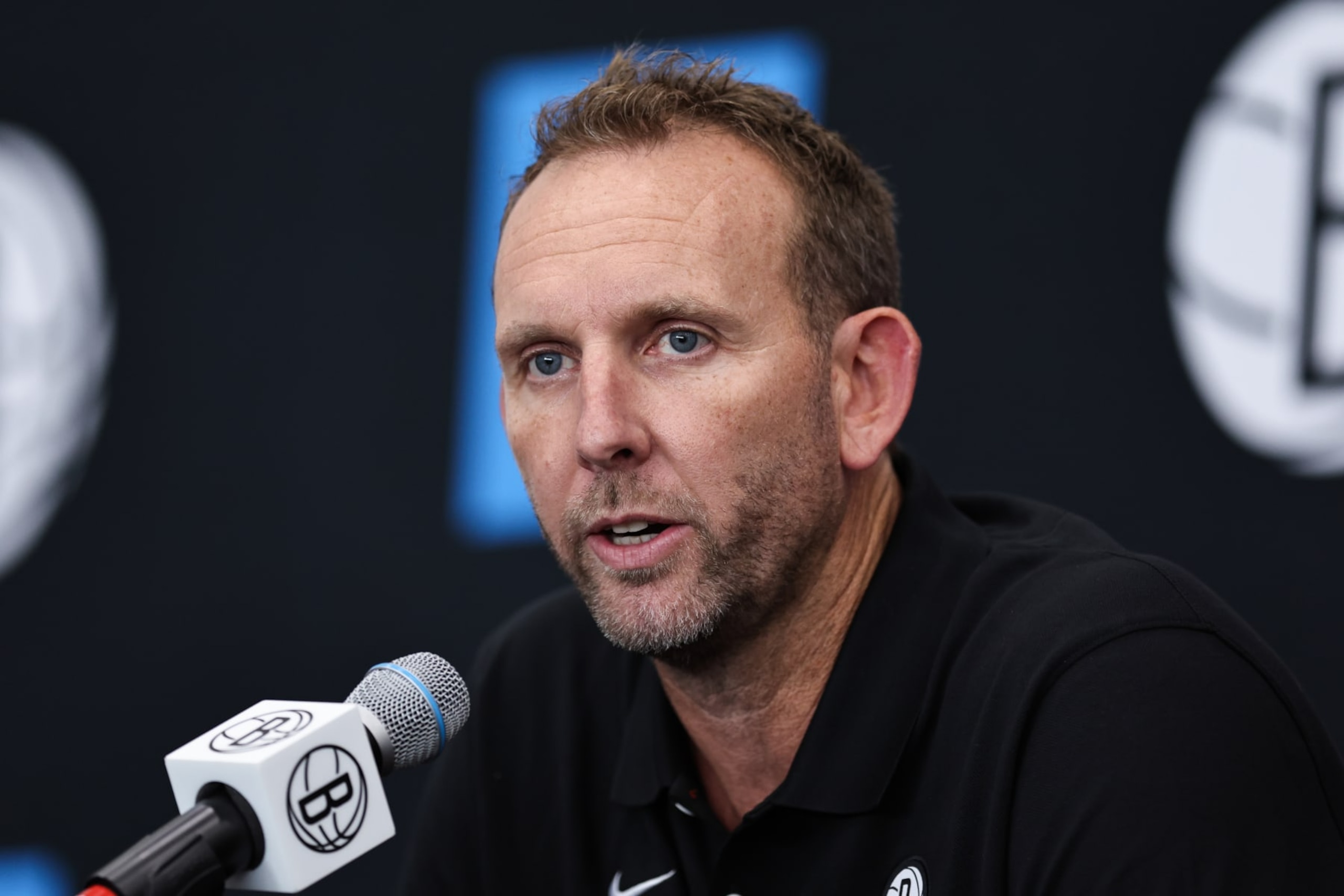
By shipping out Mikal Bridges for an unfathomably huge return of first-round picks and then getting control of their own immediate draft future back from the Houston Rockets, the Brooklyn Nets clearly established their intent to rebuild.
The Bridges deal brought back five future first-round picks (four of which were unprotected) from the New York Knicks, while the related transaction with the Rockets saw the Nets give up a lot of stake in the Phoenix Suns' future picks for the 2025 and 2026 first-rounders they initially sent over in the 2021 James Harden trade.
Dan and I are on the record as avowed haters of directionless franchise management. We've focused our ire on the Bradley Beal-era Washington Wizards, the Project 6'9" Toronto Raptors and the eighth-seed-obsessed Chicago Bulls in recent years.
The Nets' offseason work saved them from joining that much-derided crew. Basically, they're winners here because they're going to lose on the court by design and reap the draft benefits.
Sure, tanking doesn't pay off as reliably as it used to. Flattened lottery odds mean the worst team isn't guaranteed the top overall pick. But the upcoming 2025 draft in which the Nets now get to participate has multiple franchise-altering prospects.
Brooklyn chose the exact right time to bottom out, and it deserves a ton of credit for accepting that, sometimes, the way up is down.
-Hughes
Loser: Los Angeles Lakers
6 of 12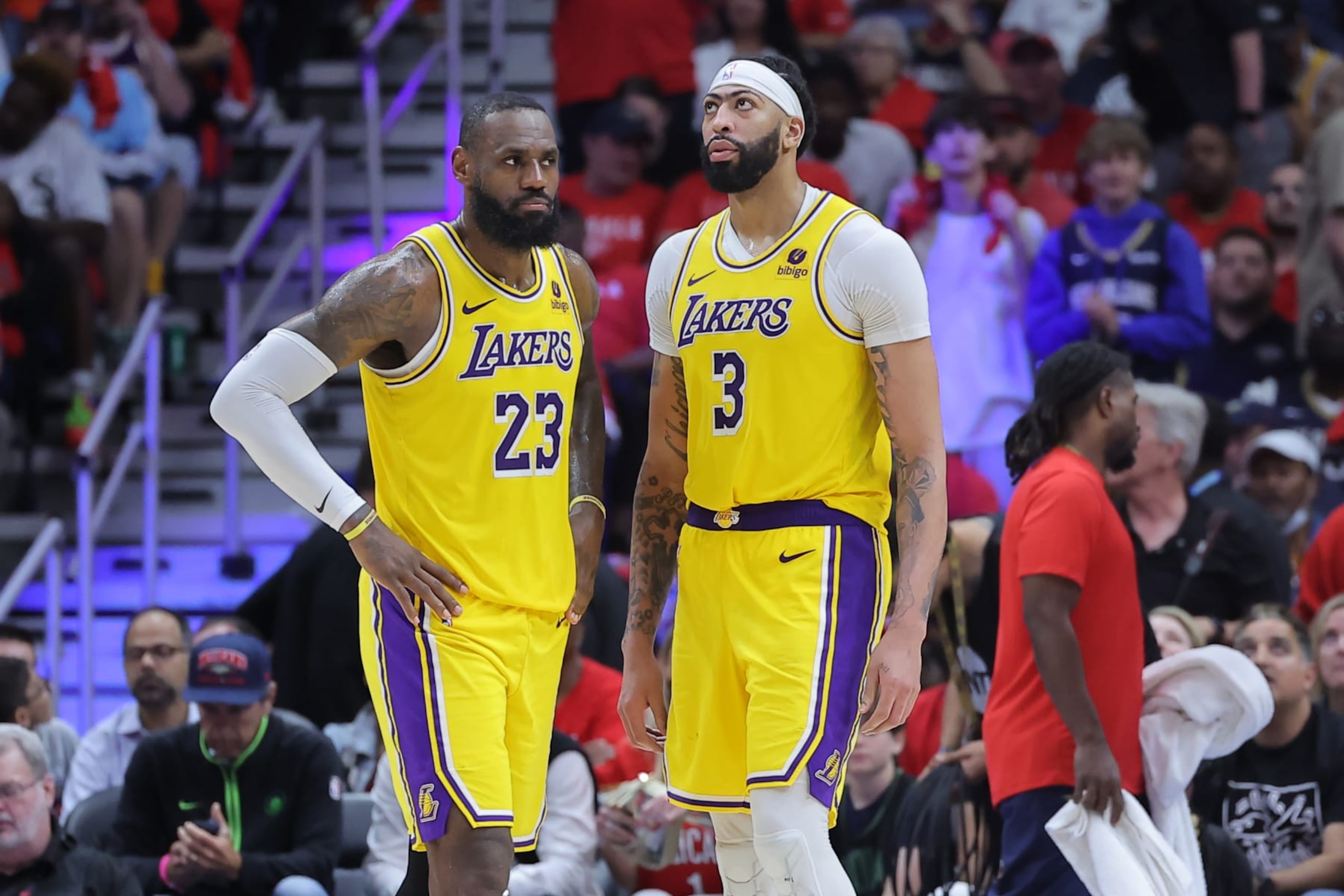
Dalton Knecht might need to make an All-Rookie team for the Los Angeles Lakers' offseason to rate as anything but a disappointment.
Yes, LeBron James opted out and signed a two-year deal (player option on the second) for just slightly less than his max. And sure, Max Christie re-upped on a four-year, $32 million contract that could age well if the 21-year-old with a career scoring average of 3.8 points per game becomes a regular rotation player at some point.
Maybe you've heard: Bronny James, the most discussed No. 55 pick in NBA history, is here, too.
Unfortunately for the Lakers, you're now caught up on their offseason.
No third stars acquired via trade. No veterans accepting discounts to chase a ring in Los Angeles. No pseudo homecoming for Klay Thompson, who took less to join the Dallas Mavericks. Nothing. Just James' return, Christie's new deal and a couple of rookies who'll be hard pressed to help a Lakers team do better than a play-in berth.
Add to all that the wild improbability of L.A. getting anything close to last year's 147 combined games from LeBron and Anthony Davis, and it's hard to shake the feeling that the lottery is more likely than the playoffs.
The Lakers have time to suss out a consolidation trade. They still have two future first-rounders and three swaps to attach to a handful of middling salaries if any stars become available. But as it stands now, Los Angeles is a pretty clear offseason loser.
-Hughes
Winner: Oklahoma City Thunder
7 of 12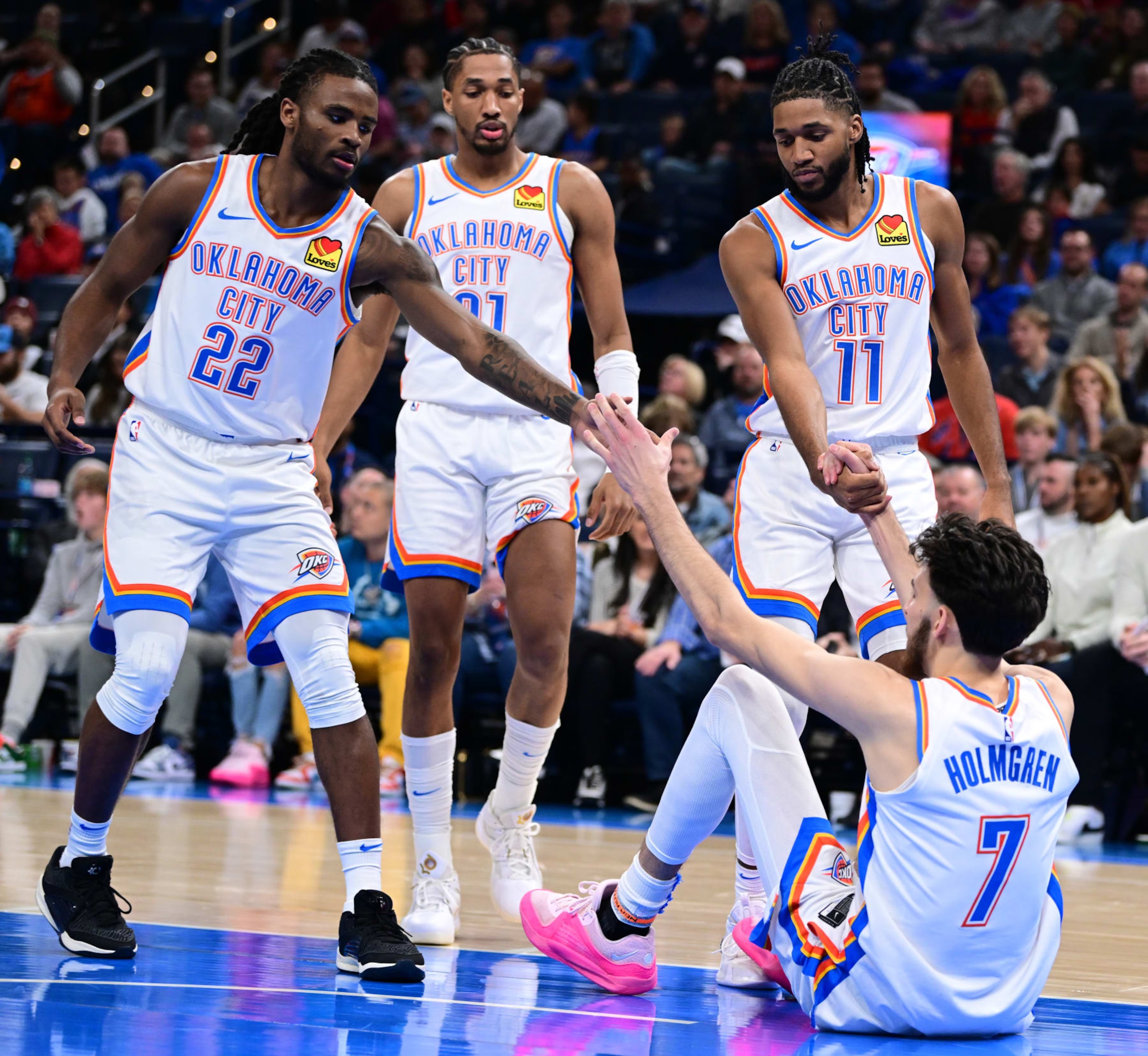
Some will invariably be disappointed that the Oklahoma City Thunder didn't turn their $30-plus million of cap space into a star initiator. For as good as this team is under the stewardship of Shai Gilgeous-Alexander and Jalen Williams, its offense could still use someone else to break down defenses in the half-court.
Actively holding that against them misses the mark by a lightyear or two, though. Nobody on the open market fit the bill aside from Paul George, and Oklahoma City would have needed to lop off salary if it intended to max him. Traveling to those lengths for a 34-year-old is worth it for certain organizations. The Thunder aren't one of them.
Nitpicking over Oklahoma City's offseason ends here.
Flipping Josh Giddey for Alex Caruso is, objectively, a home run. Giddey has the higher offensive ceiling, but Caruso is an all-world defender, easier to fit into the Thunder offense and will likely cost less on an annual basis entering his next deal.
Giving a three-year, $87 million deal to Isaiah Hartenstein is probably an overpay, especially relative to how many minutes he'll log on this team. But this is effectively a two-season commitment. The Thunder have a team option for him in 2026-27—right as new deals for J-Dub and Chet Holmgren should take effect.
In the interim, Hartenstein adds size and physicality to Oklahoma City's frontline. His presence on the glass will go a long way, particularly on the offensive end, and he can play alongside or independent of Holmgren. Don't be surprised if he starts jacking threes, either. He flashed more range in his offensive armory prior to arriving in New York.
Declining team options on Isaiah Joe and Aaron Wiggins and then re-signing them was a caps-lock MASTERSTROKE. Giving them an immediate raise allowed the Thunder to lock up both on reasonable contracts that decline in value. Joe's four-year, $48 million contract will pay him around 6 percent of the salary cap ($11.3 million) in its final season (2027-28). Wiggins' five-year, $45 million agreement will pay him under 4 percent of the salary cap ($8 million) in its last season (2028-29).
This is cap dorkery to the umpteenth power. It will also matter a ton as Oklahoma City gets set to bankroll raises for SGA, J-Dub and Holmgren. Both Joe and Wiggins are now more useful as outgoing money should Oklahoma City ever decide to make a consolidation swing, too.
Oh, and the Thunder did all of this without forking over a first-round pick. They don't have to be your favorite to come out of the West next season, but they probably should be.
—Favale
Loser: Los Angeles Clippers
8 of 12
Losing Paul George for absolutely nothing is a terrible look by the Los Angeles Clippers. Kudos to them for making it worse with their official statement on his departure. Repeatedly citing the second apron as the impetus behind not giving him the fourth year that he received from Philly is...a choice.
Make no mistake, the limitations of blowing past that threshold are real. Never mind the luxury-tax payments. It becomes absurdly tough to improve your team through transactions. You can't aggregate salaries in trades, take back more money than you send out in them, access the mid-level exception—the list goes on.
To some extent, the Clippers' fears were legitimate. And they're hardly unique. But we know they offered George a contract that would have put them inside the second apron if he signed it. Which raises the question: WTF?
Reading between the lines, and after digging into George's own version of events, it seems as if the Clippers viewed the fourth year as a sticking point. That's bizarre.
Yes, it would have put George on the books for one more year than Kawhi Leonard. So what? They could have always looked at moving him or shedding additional salary later. (George did say he requested a no-trade clause, but that was as an alternative to getting the fourth year.)
This logic would be easier to rationalize if the Clippers entered the summer always intending to duck the second apron. They didn't. Again: They offered George a contract that would have vaulted them past it. And if they always viewed the second apron as a no-go, why ride out last season instead of shaking things up at the deadline?
Los Angeles has since picked up the pieces of this truly odd negotiation by re-signing James Harden to a two-year, $70 million deal (2025-26 player option) and adding Mo Bamba, Nicolas Batum, Kris Dunn and Kevin Porter Jr. That puts this team on track to play some interesting defense but is underwhelming when weighed against its supposed fear of compromising transactional flexibility by going into second-apron territory.
Perhaps the Clippers have another move or angle up their sleeve. Frankly, they better. As much as George failed to deliver this past postseason, letting him walk without utilizing this so-called mission-critical optionality to do something splashier than reunite with Batum and land Dunn is a gargantuan L.
—Favale
Winner: Franz Wagner
9 of 12
Franz Wagner improved in almost every area during his third season. He got to the rim more often than ever, converted his two-point attempts at a career-high clip, cut his turnover rate and juiced his assist rate. The hard-driving combo forward matched or beat his previous personal bests in all five major stat categories by averaging 19.7 points, 5.3 rebounds, 3.7 assists, 1.1 steals and 0.4 blocks—all for an Orlando Magic team that won 47 games.
But, oh boy, did he struggle to shoot the ball from deep.
Wagner's hit rate of 28.1 percent ranked dead last among the 108 players who got up at least 300 triples last year. Apparently, the Magic weren't concerned. This offseason, they gave Wagner a full five-year maximum extension that could be worth nearly $270 million.
That's a lot of cash for a perimeter player whose most recent season suggested he lacks the most important perimeter skill: long-range shooting.
Orlando didn't have to do this. It could have let Wagner play out the 2024-25 season before addressing his next deal in restricted free agency, where it'd retain the immense leverage afforded by matching rights.
The Magic are running a huge risk by inking Wagner to a deal this big, this soon. The presence of Paolo Banchero means Wagner will likely never be his team's best player, and comparable deals handed to Cade Cunningham and Scottie Barnes reflect their status as unquestioned cornerstones. Wagner isn't one of those yet, and it's possible he never will be.
That's what makes this such a huge win for him. Wagner got maxed out as if he were a surefire superstar—not a quality starter with serious questions about his shooting.
-Hughes
Loser: Denver Nuggets
10 of 12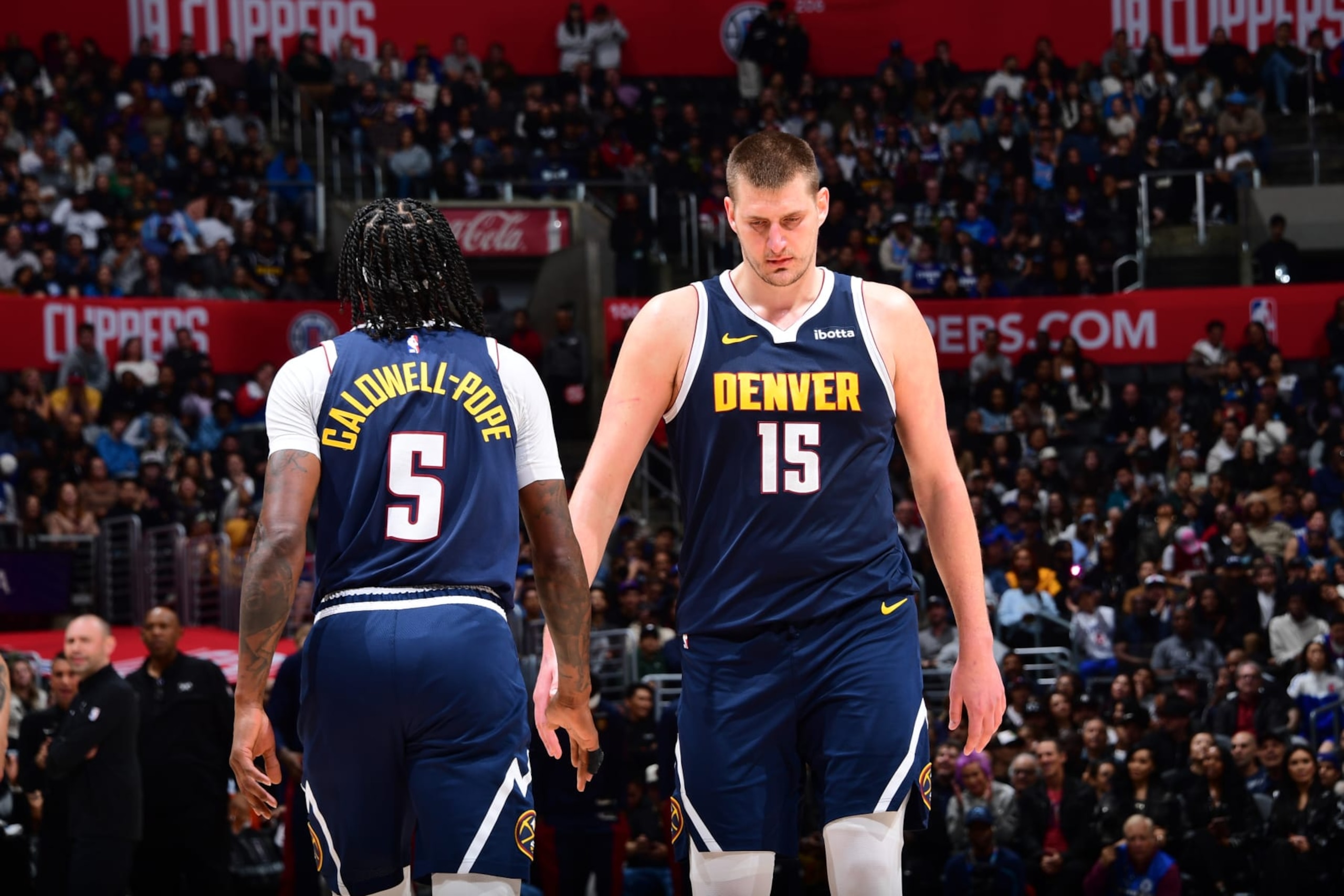
Even if Nikola Jokić's stamp of approval makes you more open to believing that Russell Westbrook can be a positive addition to the Denver Nuggets' rotation, the 2023 champs still got worse this summer.
Denver let Kentavious Caldwell-Pope leave in free agency, breaking up the league's most effective five-man unit of the last few years. And they did it because of money.
Denver had KCP's Bird rights and could have paid him anything up to his maximum salary once he declined his $15.4 million player option. All he got from the Orlando Magic was a three-year, $66 million deal, which meant the Nuggets didn't need to break the bank to retain a two-time champion and critical piece of their core.
As a seeming fallback plan, the Nuggets stockpiled several young, cost-controlled replacement options. One of those, Christian Braun, is the favorite to take over KCP's starting spot. It's hard to argue that even the best version of Braun will produce at Caldwell-Pope's level next season.
The Nuggets could have matched or beaten Orlando's offer for Caldwell-Pope and waited to see if one of their young alternatives would develop enough to deservedly take over for the veteran guard. At that point, Denver could have shopped KCP to suitors looking for a relatively cheap, highly experienced two-way starter with a pair of rings.
That makes the Nuggets' decision even worse from an asset-preservation standpoint.
In the end, the Nuggets got scared of the second apron and let Caldwell-Pope walk without assurance their Plan B will work. A recent champ with a three-time MVP made itself worse to save money—an inarguable loser move.
-Hughes
Winner: New York Knicks
11 of 12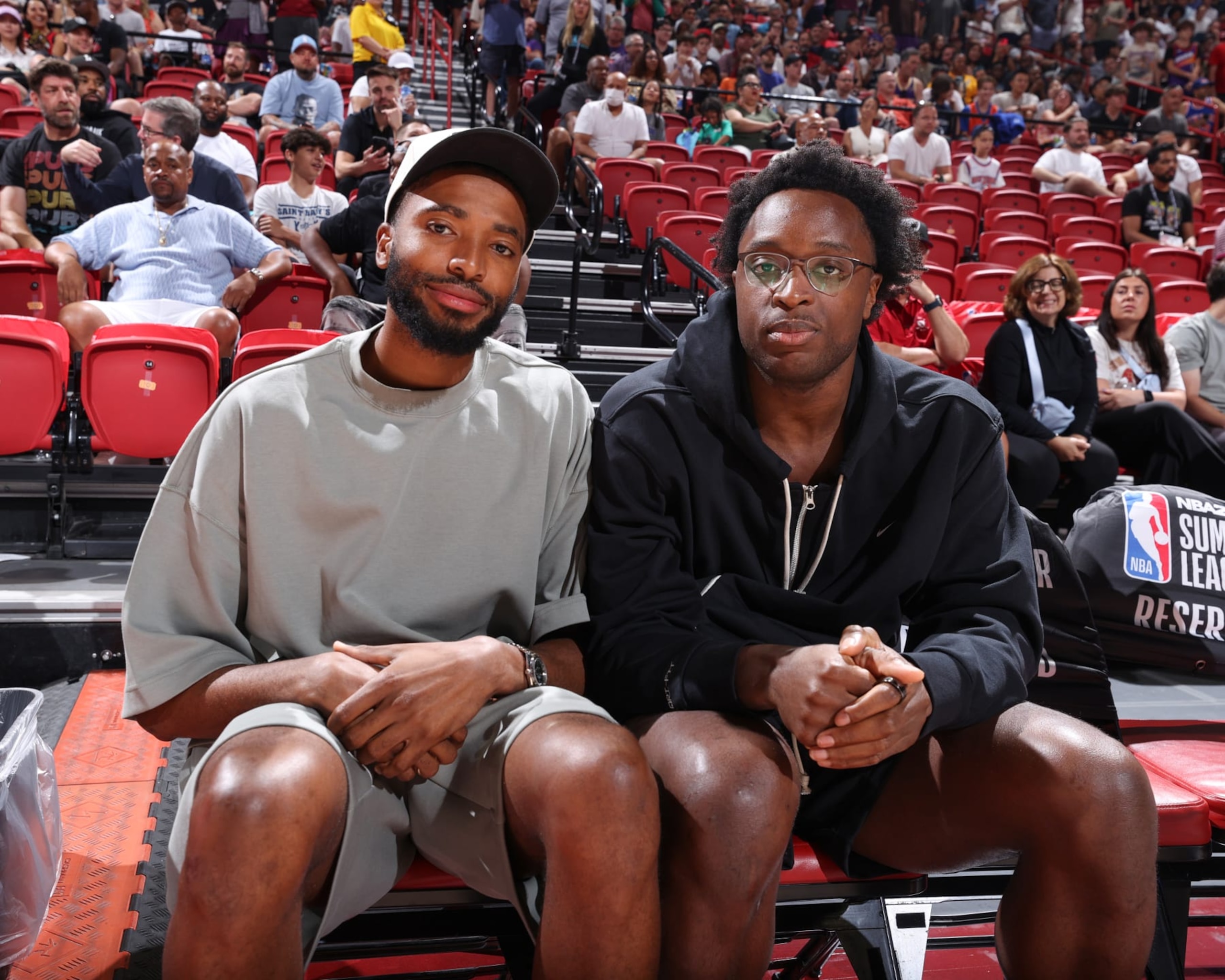
Offseason winners are typically associated with teams that completed multiple transactions without surrendering a ton of assets or having to pay market value. The New York Knicks don't fit that bill in a vacuum.
Ponying up five first-round picks and one first-round swap for Mikal Bridges amounts to a steep opportunity cost no matter how you frame it. He has never made an All-Star game and will not rate as even their second-best shot creator.
Still, Bridges is on a team-friendly contract for another two years, which affords the Knicks optionality as they look to keep their core intact, and New York managed to avoid hard-capping itself at the first apron as part of the transaction. There is also finite risk attached to many of the picks they gave up.
Neither the Knicks' 2025 first-rounder nor the Milwaukee Bucks' top-four-protected 2025 first-rounder should become a gold-plated asset. Doling out a 2027 unprotected first-rounder isn't all that uncomfortable when you look at the age of New York's core. The potential downside kicks in later, with their 2028 (swap), 2029 and 2031 firsts.
This is still dicey framing. It's also easier to justify. Especially when the Knicks are now almost universally considered one of the two biggest threats in the Eastern Conference to unseat the Boston Celtics.
Shelling out five years and $212.5 million for OG Anunoby is risky even when judging his pay rate against the rising salary cap. His injury history is spotty, and he's yet another non-star.
Unlike others, though, Anunoby had options. Another team would have given him a four-year, $181.6 million max. The Knicks at least managed to trim his annual salary by including a fifth season.
Then there's the Jalen Brunson extension. That needs no reframing. He took a four-year, $156.5 million deal when he would have been eligible to sign for five years and $269 million next summer.
Even if you view this as a three-season concession when factoring in his player option, Brunson took around $37 million less in total. That's like one Donte DiVincenzo per year, and it positions the Knicks to skirt second-apron territory for another two to three years.
Brunson's deal also potentially sets a precedent for Bridges and Julius Randle as they ponder their next contracts. Are they required to take less? Not at all. But Brunson did. And he's better than both. That matters. (Related: Spare us the "Brunson will make it all back in 2028, when he can put pen to paper on a five-year, $417.8 million pact." He's not getting a deal of that size.)
Losing Isaiah Hartenstein stings. It will hurt even more if Mitchell Robinson gets injured, or if head coach Tom Thibodeau isn't prepared to trot out the Anunoby-Randle frontline. But the Knicks are still materially better than they were at the end of last season.
Getting here mandated going all-in. That has its merits when you enter the inner circle of contenders. New York is there. And it's tough to bemoan a lack of patience when they've already waited for so long, and when there's no clear-cut, flawlessly-fitting superstar you can identify as the next man up.
—Favale
Loser: Chicago Bulls
12 of 12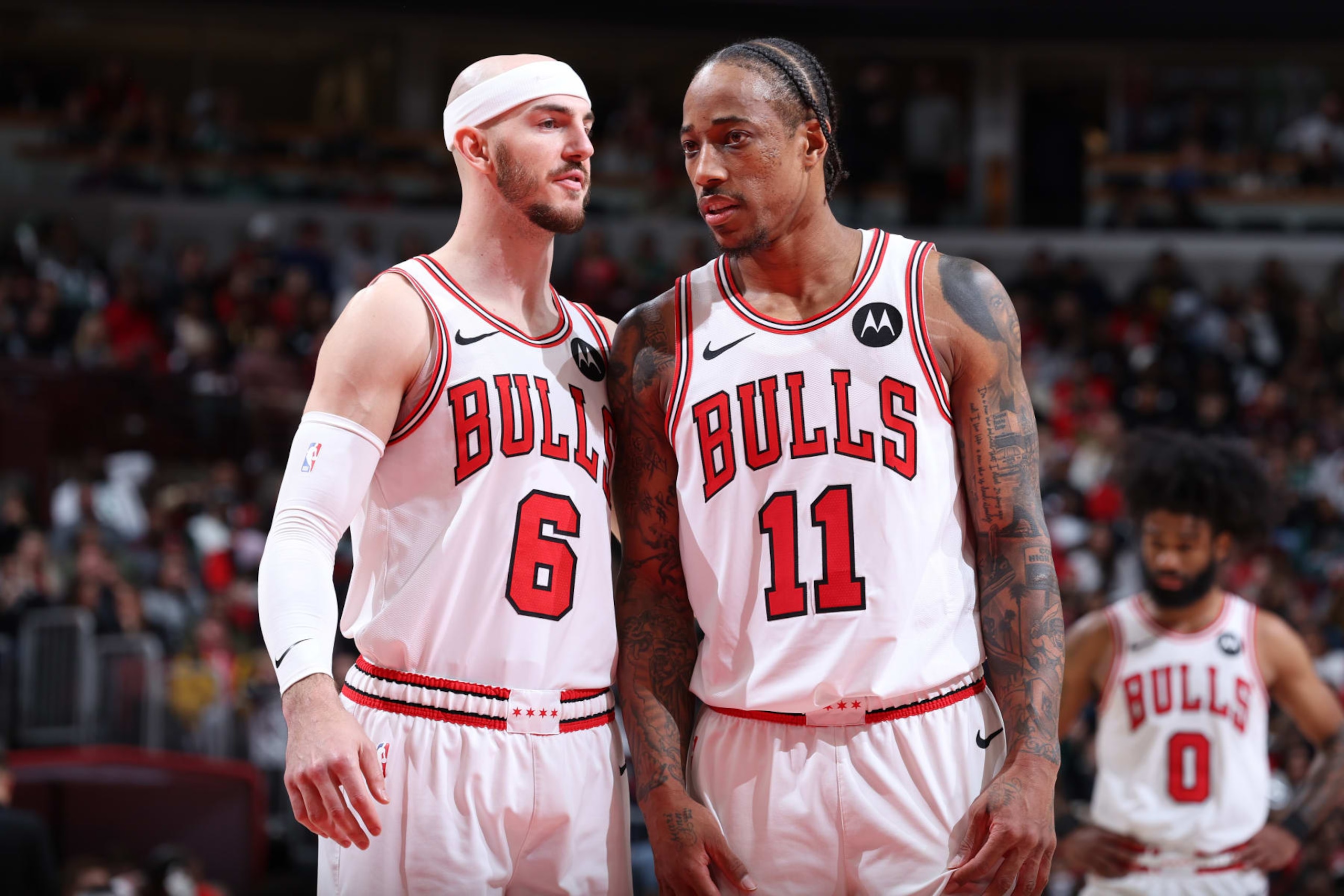
There is the slightest temptation to let the Chicago Bulls skate by without a mention. Sure, their offseason is a putrid meld of past mistakes coming back to bite them. But they appear to be charting a more gradual course—a long-overdue yet welcomed divergence after years of seemingly angling to finish in the bottom of the middle.
Chicago cannot be spared from the "loser" bucket in the end, though. We can't technically guarantee they're taking a step back with the bigger picture in mind. Too much remains left undone. More than that, making the right decision doesn't excuse a fatally flawed process.
Treating Josh Giddey as a viable long-term floor-general prospect in the Alex Caruso trade is perfectly defensible. Accepting him as the only form of compensation is not. Giddey is an imperfect player—an iffy shooter who needs the ball and doesn't offer mountains of defense—and he's speeding toward what could be a pricey new contract. Failing to get at least one first-round pick out of Oklahoma City, which has approximately one trillion of them, verges on malpractice.
Facilitating DeMar DeRozan's departure is fine. Exiting his sign-and-trade without receiving the best asset involved (Sacramento's unprotected 2031 first-round swap) is brain-bendingly bonkers. Chicago should have managed its position beneath the tax competently enough to be the party taking on Harrison Barnes' deal. Failing that, it should have traded DeRozan at the deadline. Or last summer.
Bringing in Jalen Smith on a three-year, $27 million deal is mostly harmless. He adds stretch to a frontcourt that'll need it with Giddey monopolizing so many touches. The five-year, $90 million contract for Patrick Williams is liable to give some sticker shock, but it's not a barn-burner, either.
Now, did they need to pay both that much? And were either of them worth making it difficult, if not impossible, to take on Barnes? Debatable...at best.
Meanwhile, Zach LaVine and Nikola Vučević are still on the roster. On the bright side, the Matas Buzelis pick looks pretty good post-summer league.
All in all, the Bulls' offseason amounts to finally choosing a direction without fully or coherently committing to it. That's incredibly on-brand—and therefore unsettling.
—Favale
Stats courtesy of NBA.com, Basketball Reference and Cleaning the Glass. Salary info via Spotrac.
Subscribe to Dan and Grant's NBA podcast, Hardwood Knocks.

.jpg?w=2560 "Rodgers Iced Out on Plane 💎")

.jpg?w=2560 "Raiders Could Start Mendoza")
.jpg?w=2560 "Packers Safety Slams Refs 🤬")
.jpg?w=2560 "🚨 Week 8 AP Top 25 Poll")