
Men's NCAA Tournament 2024: Breaking Down Every Team's Chance to Win the Title
While 68 programs will enter the 2024 men's NCAA tournament, only one will leave as the national champion.
Literally speaking, every team has a fair opportunity. Eight schools in a First Four game are looking at a seven-win path to a title, and the other 60 programs need six victories to cut down the nets in Phoenix this year.
History can help us find the most likely champion, too.
Early upsets are an integral part of March Madness excitement, but a double-digit seed has never hoisted the trophy. Cinderella stories can happen—just look at UCLA, North Carolina and Florida Atlantic in the last three NCAA tourneys—yet only three champions have been seeded below No. 4 since the 1985 expansion to 64 teams.
The tiers are subjective but largely based on 38 years of tournament results, along with KenPom trends and a little of my own opinion.
Sign up to Play the NCAA March Madness Men's Bracket Challenge and Tournament Run.
Tier 6: Fire Up the Video Game
1 of 6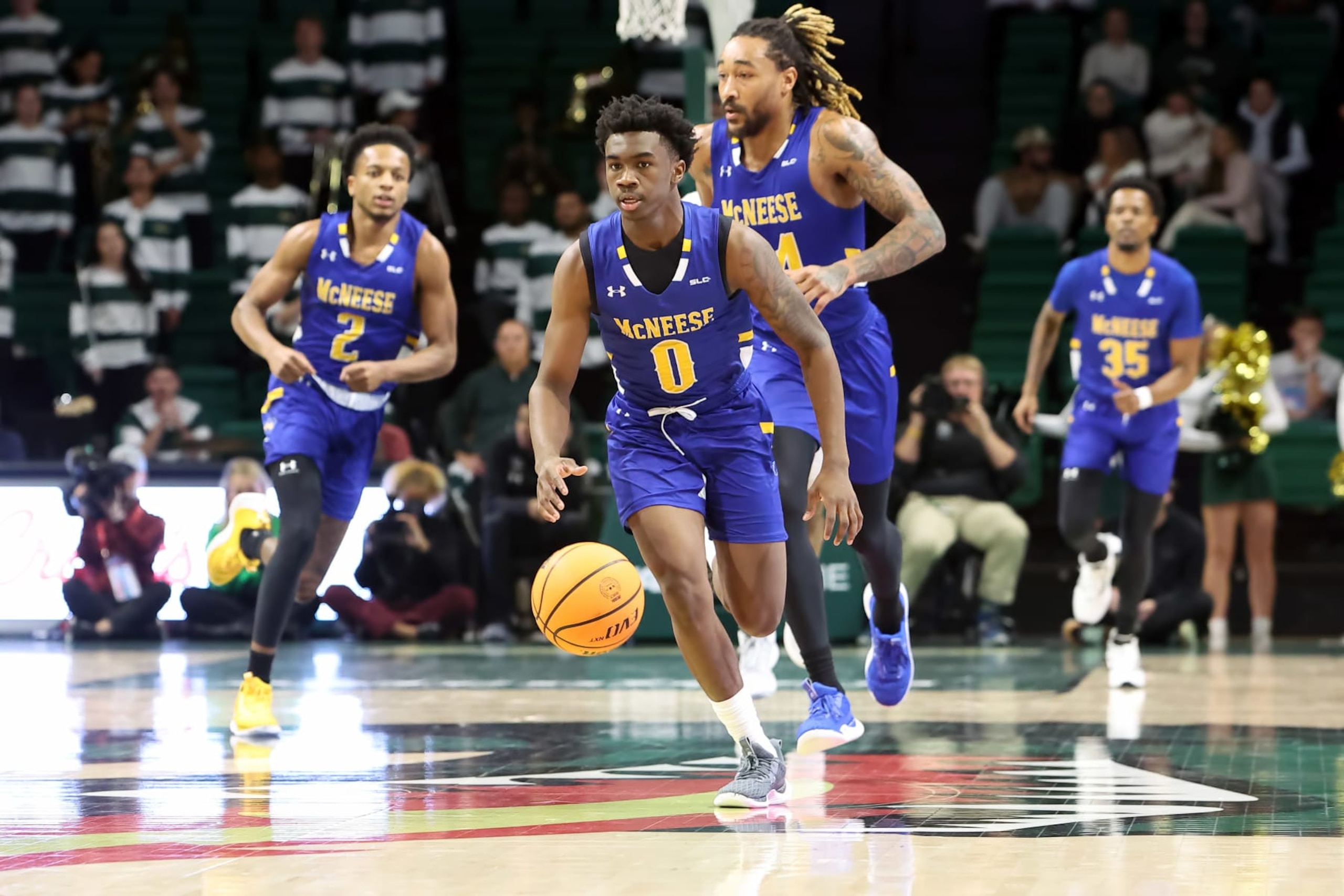
No. 16 Seeds: Grambling, Howard, Longwood, Montana State, Stetson, Wagner
UMBC made history with its upset of Virginia in 2018, and Fairleigh Dickinson joined the exclusive club after derailing Purdue in 2023. But we're now officially waiting for a No. 16 to win a second-round game.
No. 15 Seeds: Long Beach State, Saint Peter's, South Dakota State, Western Kentucky
In three straight men's tournaments, a No. 15 has celebrated a first-round triumph over a second-seeded team. At this point, this brand of surprising result—one that has happened 11 times since 1985—is no longer shocking. Nevertheless, 2022 Saint Peter's is the lone 15 to advance past the Sweet 16 and lost a lopsided game in the Elite Eight.
No. 14 Seeds: Akron, Colgate, Morehead State, Oakland
When the Big Dance expanded to 68 teams in 1985, this quickly became a popular upset. The first 15 tourneys featured 11 of these results. Even as that pace has slowed since 2000, only two 14th-seeded programs have ever reached the Sweet 16 anyway. Both lost there.
No. 13 Seeds: Charleston, Samford, Vermont, Yale
Furman provided this upset in 2023, hitting a last-second shot to knock out Virginia. Statistically, a No. 13 seed has advanced about 21 percent of the time—just shy of once per NCAA tournament—so expecting one is perfectly sensible. Nevertheless, just six have continued to the second weekend, and none of them played in the Elite Eight.
No. 12 Seeds: Grand Canyon, James Madison, McNeese, UAB
The likelihood of a 12th-seed victory is much higher, given that it's happened in nearly 35 percent of first-round matchups since 1985. The reason is simple: High-major bubble teams or the best non-major champions tend to land in this position. Only twice, however, has a 12 appeared in the Elite Eight. And, again, both programs lost.
Tier 5: Well, Maybe?
2 of 6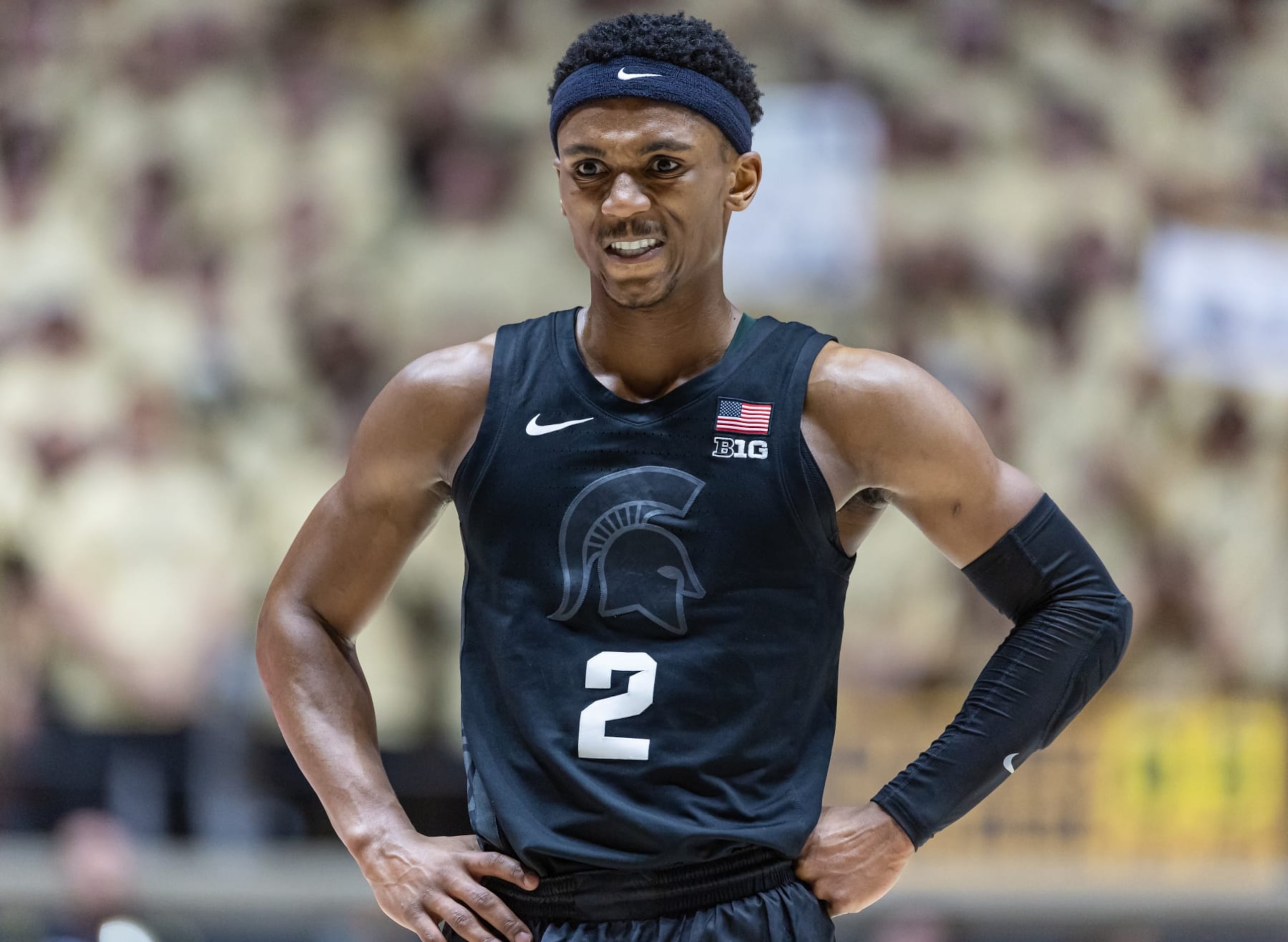
No. 11 Seeds: Duquesne, New Mexico, North Carolina State, Oregon
An unsurprising streak continued in 2023 as Pitt bounced Iowa State. The victory marked the 18th straight men's tourney in which an 11th-seeded team won in the opening round. Since 1985, five 11s have earned a trip to the Final Four. This possibility must be taken seriously. At the same time, that quintet all stopped short of playing for a championship.
No. 10 Seeds: Boise State, Colorado, Colorado State, Drake, Nevada, Virginia
Interestingly enough, No. 10 seeds are slightly less likely to advance as far as 11s. Nine schools have reached the Elite Eight, but only 2016 Syracuse made the Final Four—and lost in the national semifinals.
No. 9 Seeds: Michigan State, Northwestern, TCU, Texas A&M
Florida Atlantic enjoyed its Cinderella run from a No. 9 position last year. Wichita State did the same in 2013, and both Florida State and Kansas State reached the Sweet 16 in 2018. It's not impossible here. Still, a second-round matchup with a No. 1 seed is a tough mountain to climb.
Tier 4: Suspect
3 of 6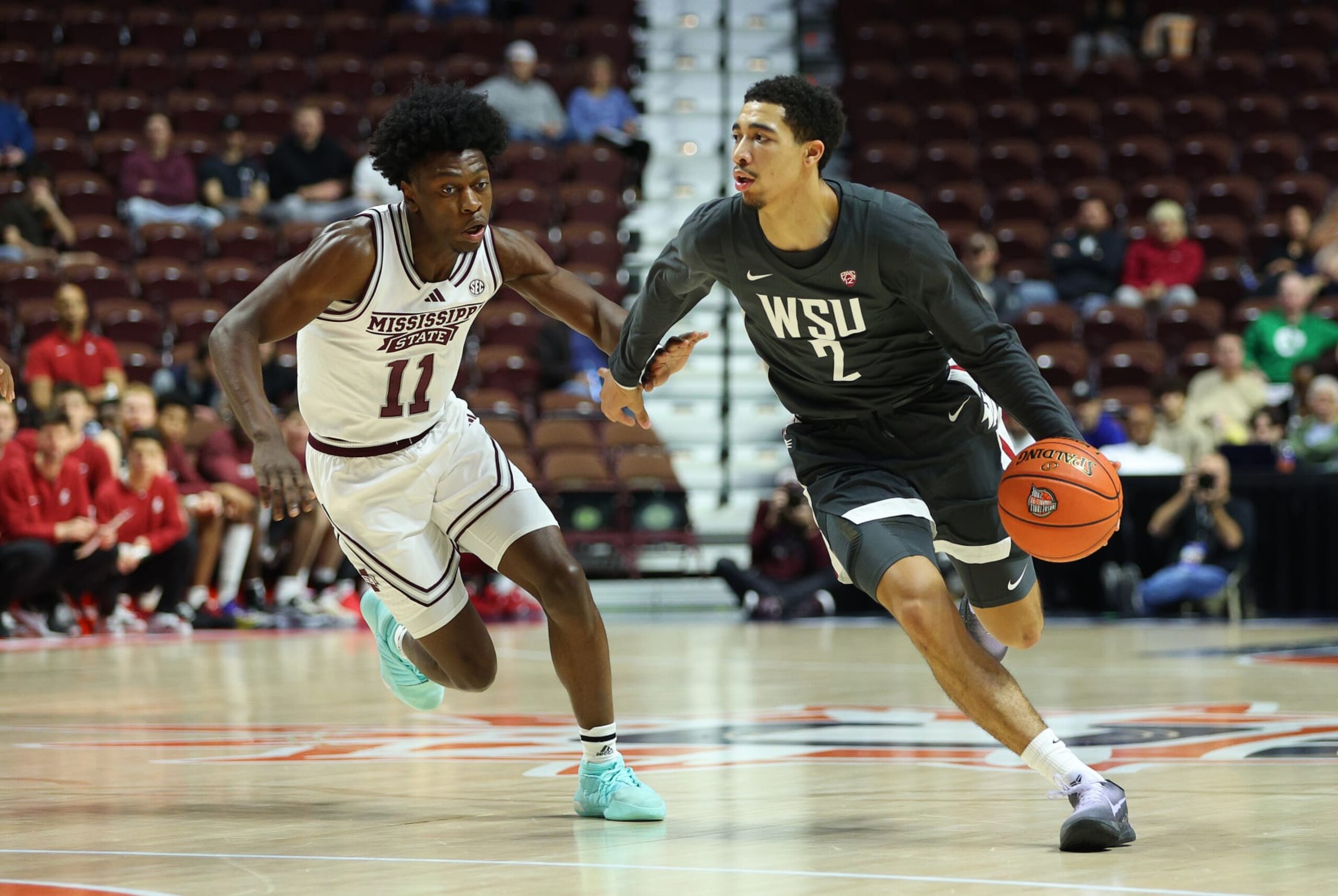
No. 4 Kansas Jayhawks
No. 6 South Carolina Gamecocks
No. 6 Clemson Tigers
No. 7 Dayton Flyers
"Trending down" is putting it kindly for Kansas, which dropped six of its last 10 games and is dealing with injuries to Kevin McCullar Jr. and Hunter Dickinson. South Carolina lost to Auburn by 31 in the SEC tournament, and Clemson has fallen to mediocre Notre Dame and Boston College teams lately. Dayton capped a bit of a late-season collapse with an immediate exit from the A-10 tourney.
No. 7 Florida Gators
No. 7 Texas Longhorns
No. 8 Florida Atlantic Owls
The short version? It's tough to trust any of these defenses to navigate a six-game stretch. Florida's offense is extremely fun, Texas has appealing talent and FAU should not be lacking confidence after 2023's legendary run. By no means should a second-weekend run be surprising, but any of them reaching the Final Four is unexpected.
No. 7 Washington State Cougars
No. 8 Nebraska Cornhuskers
No. 8 Mississippi State Bulldogs
On the other hand, Washington State is a thorn defensively but suspect on the scoring side. The rotation is pretty thin, and Jaylen Wells is basically the lone high-volume shooter who is reliable beyond the arc. Mississippi State is seventh in three-point defense but 264th on the other end. Nebraska, meanwhile, has really struggled outside of Lincoln. The team posted an 18-1 record at home and went 5-9 in road or neutral games.
No. 6 Texas Tech Red Raiders
No. 8 Utah State Aggies
Texas Tech has a balanced roster, but a relative lack of height may eventually doom the wing-heavy Red Raiders. Utah State is 236th in three-point shooting and 302nd in two-point defense.

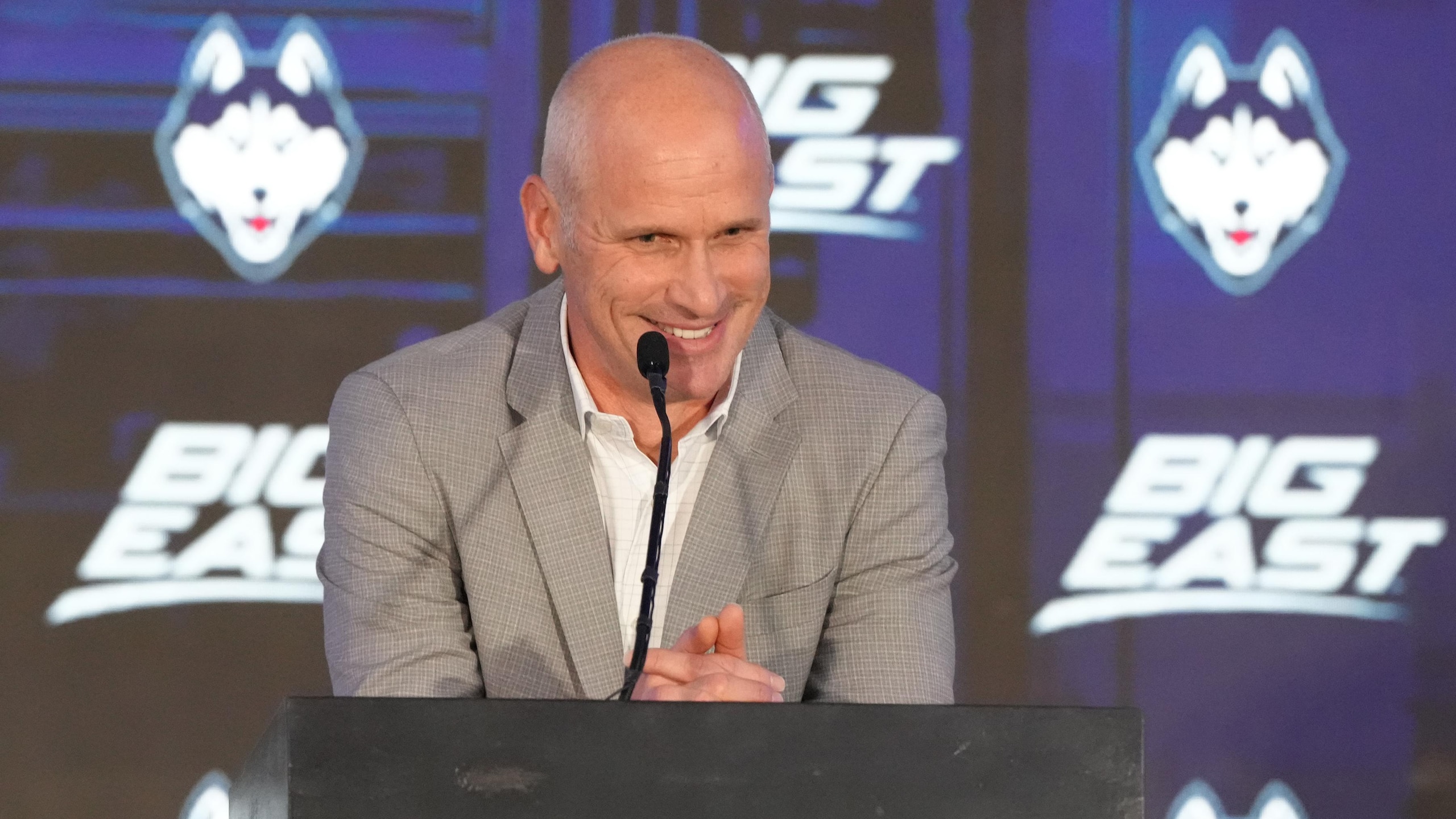

Tier 3: What's Up, KenPom?
4 of 6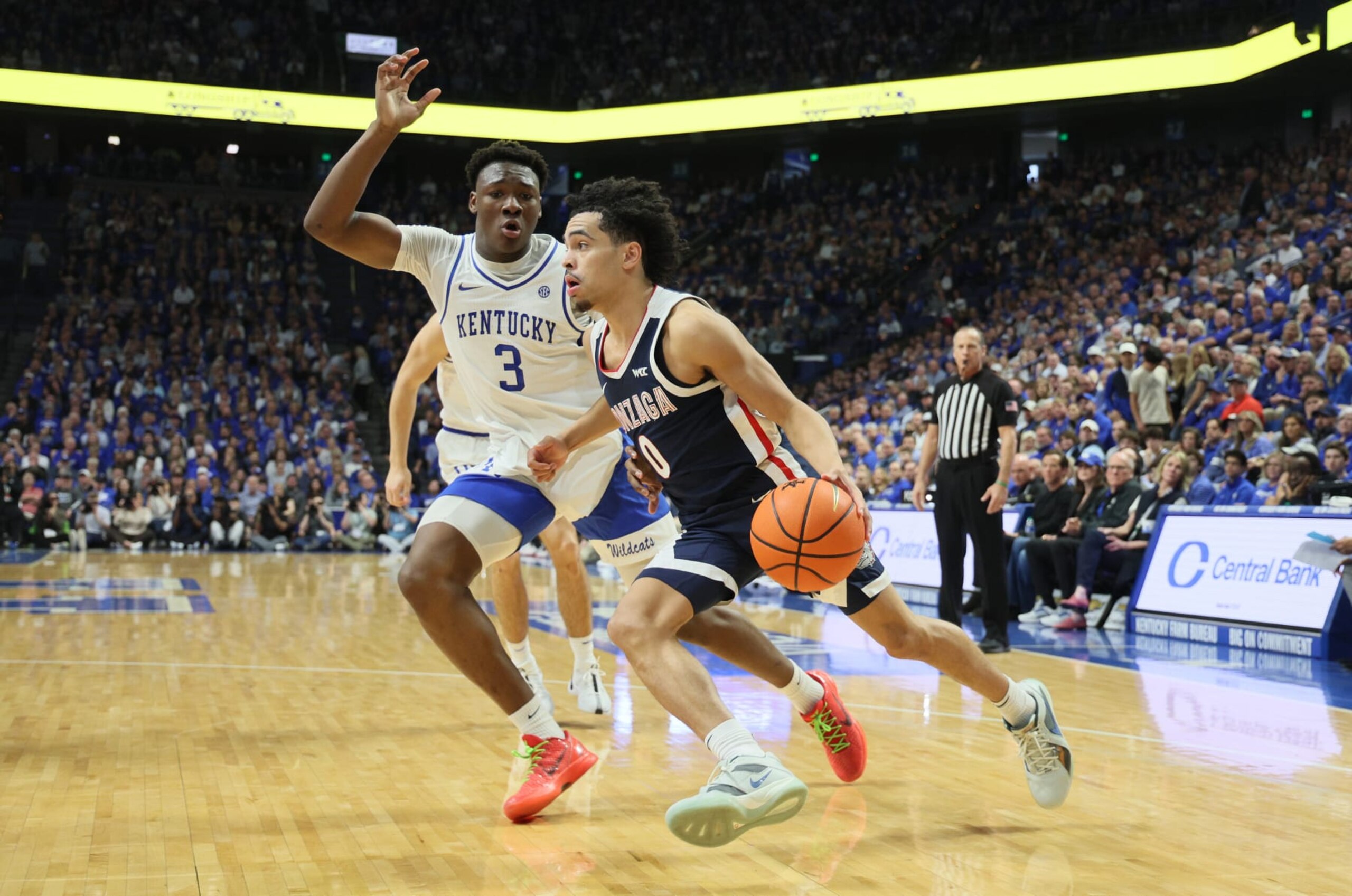
Ken Pomeroy has created a well-respected statistical archive with more than 20 years of data relative to the NCAA tournament. The national champion has ranked no worse than 39th in KenPom's adjusted offensive efficiency and 22nd in adjusted defensive efficiency.
Each game in March Madness will alter the rankings, but there are a few team profiles worth exploring.
No. 2 Marquette Golden Eagles
No. 3 Creighton Bluejays
No. 4 Auburn Tigers
No. 4 Duke Blue Devils
KenPom loves Auburn, which has top-10 rankings in both offensive and defensive efficiency. However, the Tigers are seeded well behind Big East programs Marquette and Creighton, which are both solidly within the offensive parameters. Marquette is 19th defensively and Creighton is 24th, so they're right on the edge alongside Duke at 26th.
No. 2 Iowa State Cyclones
No. 3 Kentucky Wildcats
No. 4 Alabama Crimson Tide
Iowa State is stellar on defense, while Alabama and Kentucky are first and second nationally in points per game. The strength of each program is truly electric, but the opposite unit a problem. Iowa State is 55th in KenPom's offensive efficiency, and both Bama and UK are below 100th on defense.
No. 3 Baylor Bears
No. 3 Illinois Fighting Illini
The efficiency splits aren't quite as drastic for Baylor and Illinois, a pair of offense-driven teams. Nevertheless, top-10 KenPom offenses are paired with defenses ranked 64th (Baylor) and 81st (Illinois).
No. 5 Gonzaga Bulldogs
No. 5 Wisconsin Badgers
No. 5 San Diego State Aztecs
No. 5 Saint Mary's Gaels
No. 6 BYU Cougars
Within the trio of Gonzaga, Wisconsin and BYU, all three have a top-15 offense but fall outside KenPom's defensive trend. Wisconsin is 39th, slightly ahead of Gonzaga (47th) and BYU (48th). Conversely, both San Diego State and Saint Mary's boast stellar defensive metrics, but their offenses are 62nd and 45th, respectively.
Tier 2: Top Contenders
5 of 6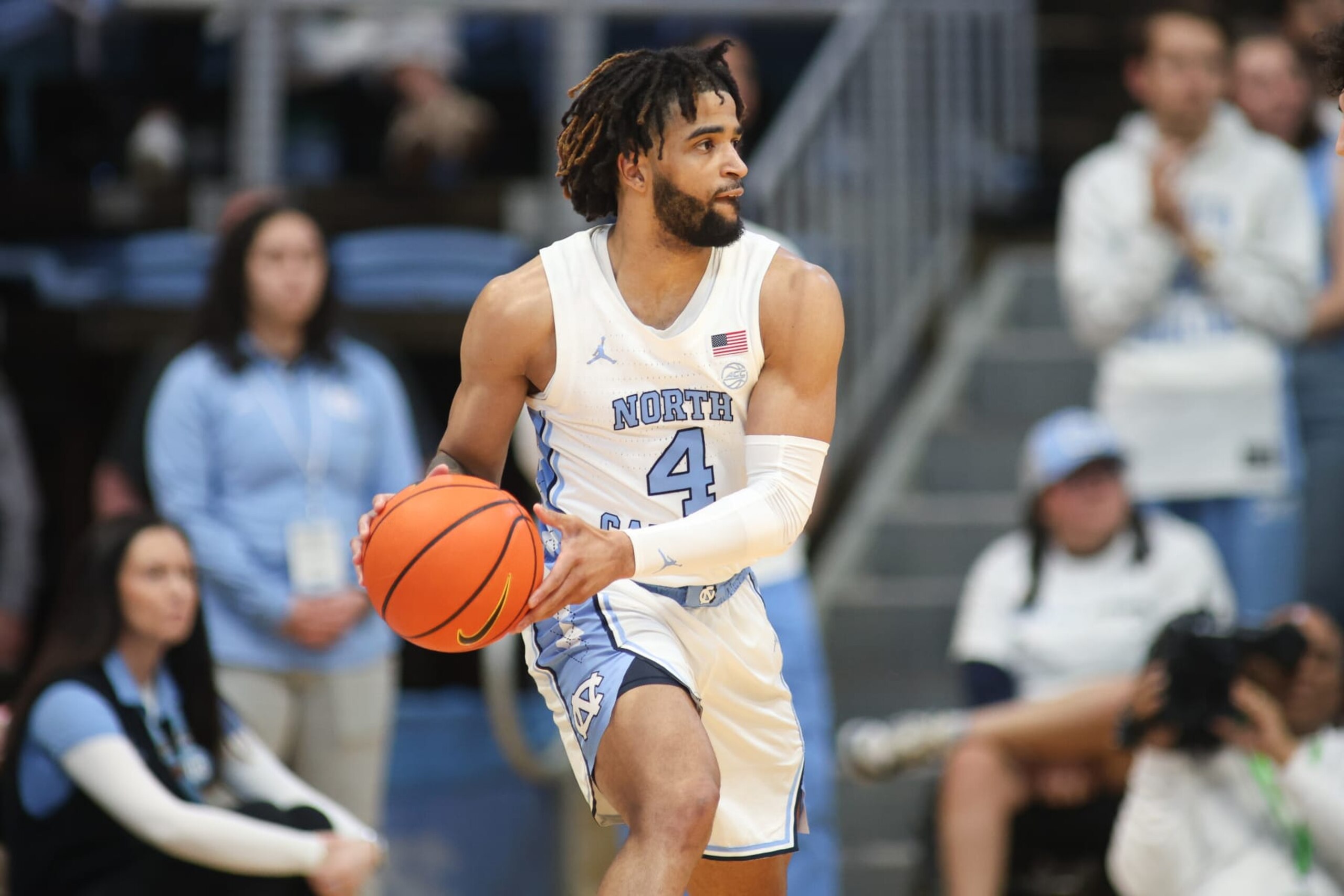
No. 1 North Carolina Tar Heels
Although the starting unit likely needs to shoulder a heavy scoring burden, North Carolina has championship upside. Aided by elite rebounding, the Tar Heels are among the best defenses in the country. The loss to NC State in the ACC tournament ended UNC's nine-game winning streak, so the Heels have otherwise been rolling.
No. 1 Purdue Boilermakers
Same perception as last year, really. I'd feel awfully foolish for dismissing the Zach Edey-led roster. Purdue isn't a high-volume perimeter team offensively but is excellent from beyond the arc. Improved depth is a positive, too. The level of trust, though—unsurprising after 2023's shocking loss to 16th-seeded Fairleigh Dickinson—is not particularly high.
No. 2 Tennessee Volunteers
In a similar way, Tennessee is a Tier 3 candidate because of its inconsistent offense behind Dalton Knecht. But if anyone is going to have a Stephen Curry-type or Kemba Walker-like run, Knecht is the most likely candidate. He alone makes the Vols a contender.
No. 2 Arizona Wildcats
For the third straight year, Arizona has a top-two seed. Will the 'Cats finally return to the Elite Eight? Not since 2015 has Arizona advanced that far, and a shaky perimeter defense is cause for concern again. But, hey, the Wildcats are third nationally with 87.9 points per game. The high-scoring offense disappeared in the first-round loss to Princeton last season, but Arizona clearly has the firepower again.
Tier 1: The Favorites
6 of 6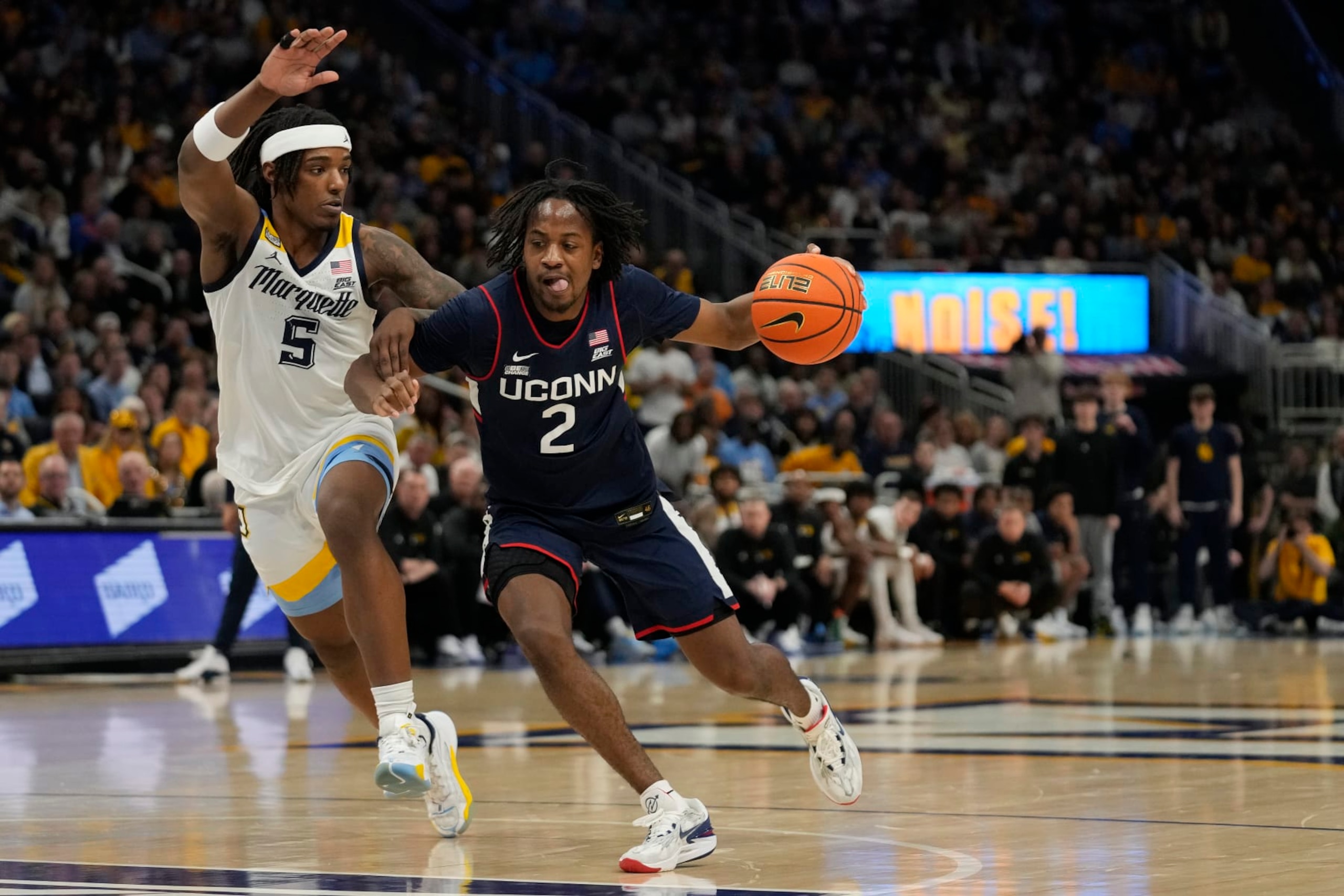
No. 1 Connecticut Huskies
The bad news is no team has repeated as men's NCAA tournament champions since Florida in the mid-2000s. The good news for UConn is this roster—I mean, it's awesome. Well-rounded offense, terrific defense, great coaching. One loss in this calendar year, by the way.
No. 1 Houston Cougars
While the offense is easily on the right side of the KenPom trend at 17th nationally, Houston's depth of scoring talent is a concern. What better evidence than the lopsided loss to Iowa State? Pace is absolutely a factor, but only four players average more than 6.3 points. What a ridiculous defense Kelvin Sampson has assembled, though. Houston has yielded a nation-low 37.9 percent clip overall.

.jpg?w=2560 "Cardinals Giants Football")
.jpg?w=2560 "Report: Chiefs Contact Hill's Agent")
.jpg?w=2560 "OBJ Calls Out Giants 😳")


.jpg?w=2560 "Tyreek makes another cryptic post amid Chiefs rumors")