
The NHL Breakup List: 7 Teams and Players That Couldn't Stay Together
Not every relationship is meant to last, and there have been some pretty incredible splits between NHL teams and players over the years.
Here, we take a look at some of the biggest and most dramatic, ranging from Patrick Roy and the Montreal Canadiens to the Vancouver Canucks' ugly Mark Messier era, along with some legendary players getting traded after winning championships.
Wayne Gretzky and the Edmonton Oilers
1 of 7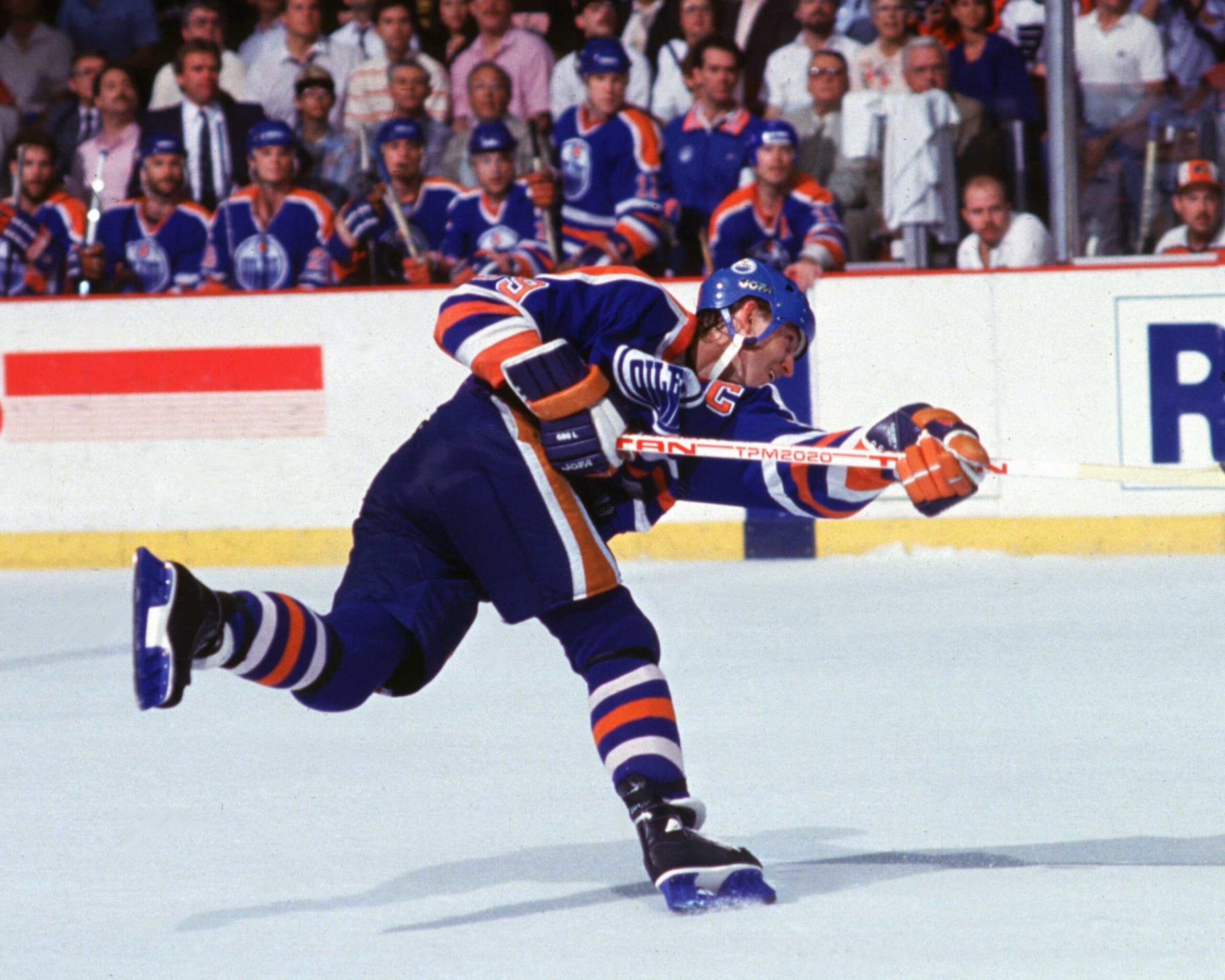
Throughout most of the 1980s, the idea of Wayne Gretzky playing for a team other than the Edmonton Oilers was unthinkable.
And then, just weeks after the Oilers won their fourth Stanley Cup of the decade in 1988, he was traded to the Los Angeles Kings in one of the most significant moves in NHL history.
Edmonton received three first-round draft picks, Jimmy Carson, Martin Gelinas and $15 million in cash in the deal.
The Oilers did win one more Cup after trading Gretzky, but it is worth wondering if they left one or two more on the table had they not traded him.
The driving force behind the deal depends on which story you believe. It was rumored that former Oilers owner Peter Pocklington was struggling financially at the time and needed money (which was supposedly why the Oilers received so much cash) and had been shopping Gretzky to multiple teams, including Los Angeles and Detroit.
However, Pocklington said Gretzky had orchestrated the trade to L.A. and even gave him an opportunity to back out of it just before the press conference announcing the deal.
In the end, Gretzky put the Kings on the map leaguewide, and there is a strong argument to be made that his presence there helped inspire the NHL's sun-belt expansion throughout the western and southern United States.
Patrick Roy and the Montreal Canadiens
2 of 7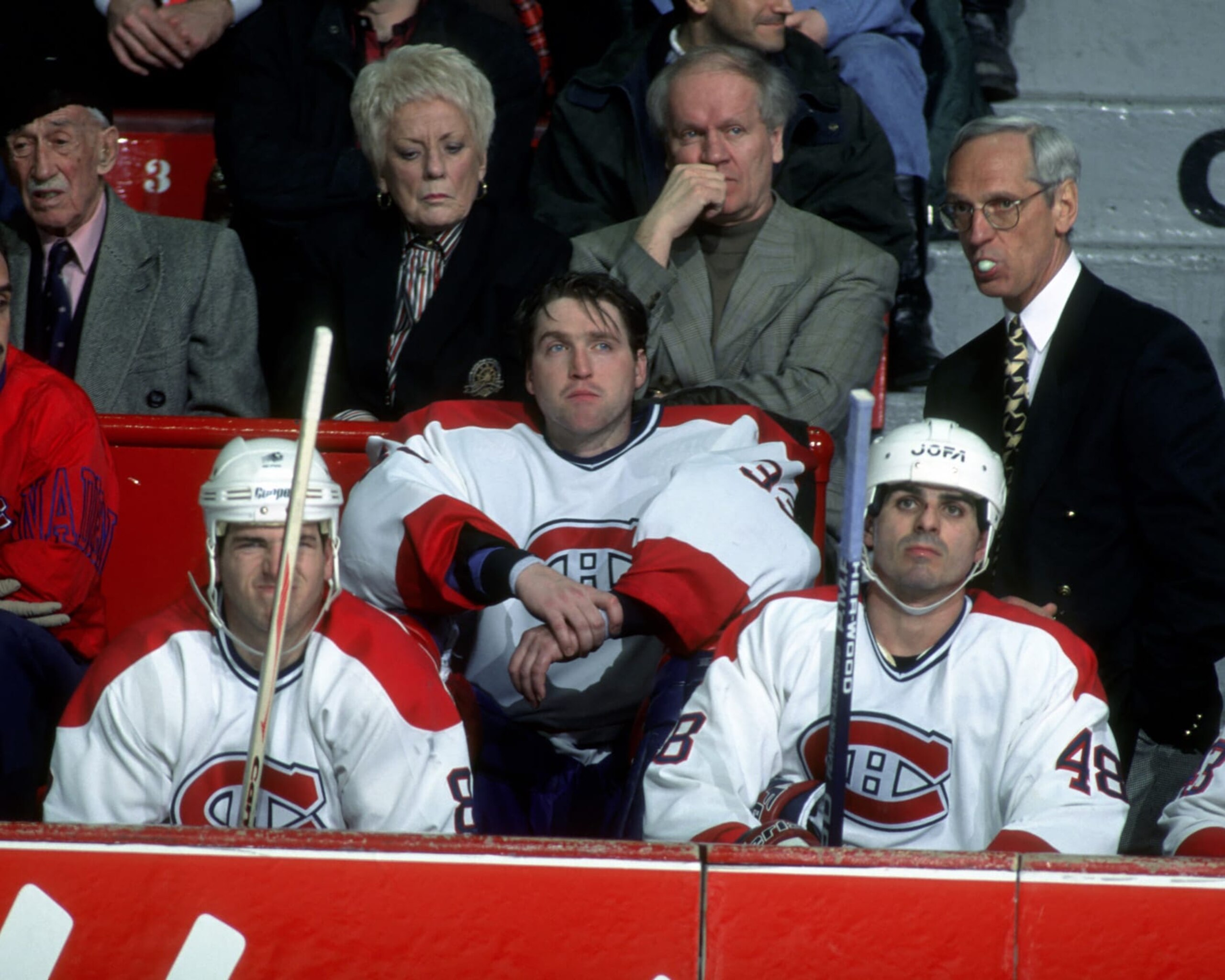
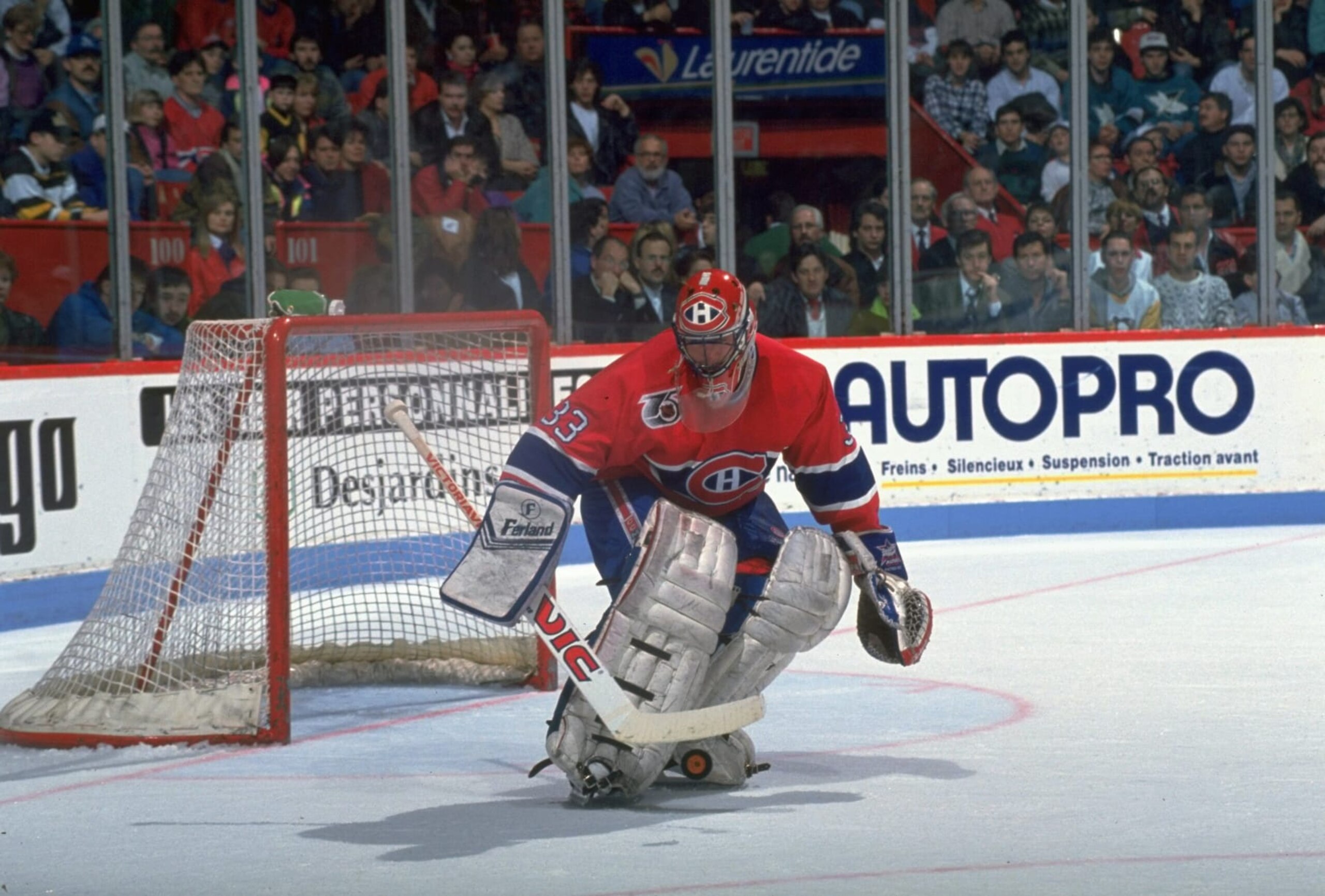
While there might be some debate as to who inspired Gretzky's trade out of Edmonton, there is zero argument over who pushed for Patrick Roy's move out of Montreal.
It was Roy. And the video of it happening exists for everybody to see.
Roy, a Montreal icon who backstopped the Canadiens to a pair of Stanley Cups, was already on track to becoming one of the NHL's best all-time goalies. But his time with the team came to an abrupt end following a meltdown against the Detroit Red Wings in December 1995.
During an 11-1 home loss to the Detroit Red Wings, Canadiens head coach Mario Tremblay left Roy in to allow nine goals on 26 shots before finally benching him in the second period.
During the Detroit offensive outburst Roy was mocked by Montreal fans with a sarcastic cheer after he made an easy save on a shot from center ice, resulting in him raising his arms with a sarcastic response of his own.
After he was benched, Roy made his way to Canadiens team president Ronald Corey, who was seated immediately behind the bench, and said it would be his final game in Montreal.
Roy was suspended by the team the next day, and he was traded to the Colorado Avalanche for Jocelyn Thibault, Martin Rucinsky and Andrei Kovalenko three days after that.
It's still regarded as one of the most lopsided trades in NHL history. Roy would become the final piece the Avalanche needed for their Stanley Cup puzzle and helped lead the team to two championships.
Roy and Tremblay had a rocky relationship for years dating back to the latter's playing days in Montreal. The Dec. 2 game against Detroit saw everything reach a franchise-changing boiling point.
Mark Messier and the Vancouver Canucks
3 of 7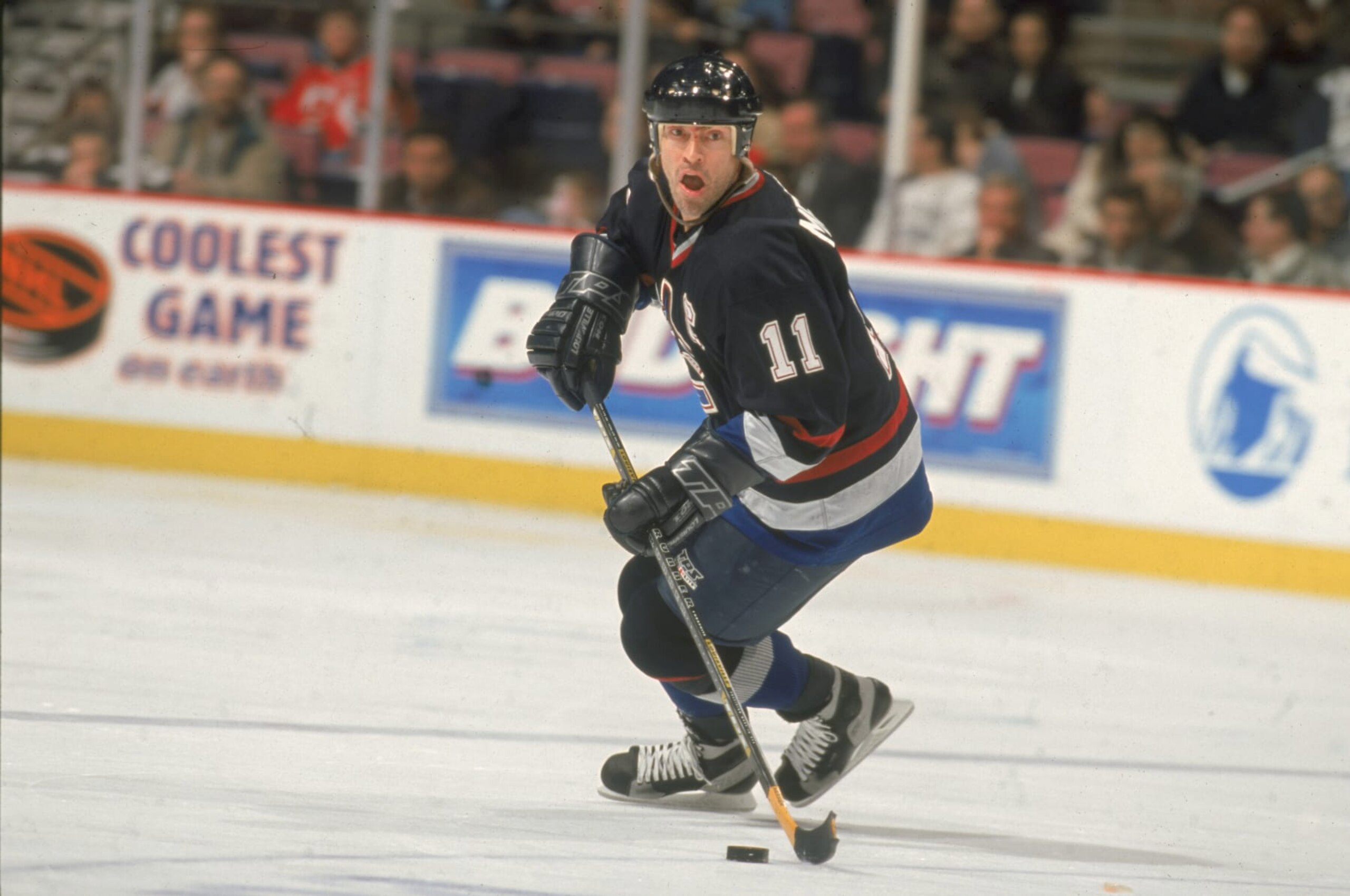
There might not be a worse free-agent signing in NHL history than Mark Messier with the Vancouver Canucks.
Everything about this was a mess from the moment pen was put to paper, and it helped make Messier the most hated player in Canucks history.
The team signed Messier to a huge contract prior to the 1997-98 season in the hopes that his production and leadership could help bring a championship to Vancouver. But all he did was bring chaos, ego and drama.
Longtime Canucks captain and fan favorite Trevor Linden gave up his armband to Messier before the 1997-98 season (a move that did not sit well with Canucks fans), while Messier insisted on wearing his standard No. 11 despite the fact that the team had retired the number following the death of Wayne Maki in 1974.
While all of that was a terrible first impression, things only got worse when the hockey began.
Messier looked a shell of his former self on the ice and offered none of the leadership he was renowned for. When the team struggled on the ice, the Canucks fired head coach Tom Renney, and acting general manager Mike Keenan traded Linden to the New York Islanders, kick-starting a rebuild that nobody in Vancouver anticipated following the signing of Messier.
The whole situation became a nightmare and mercifully came to an end after Messier's three-year contract ended. He then returned to the New York Rangers.

Joe Thornton and the Boston Bruins
4 of 7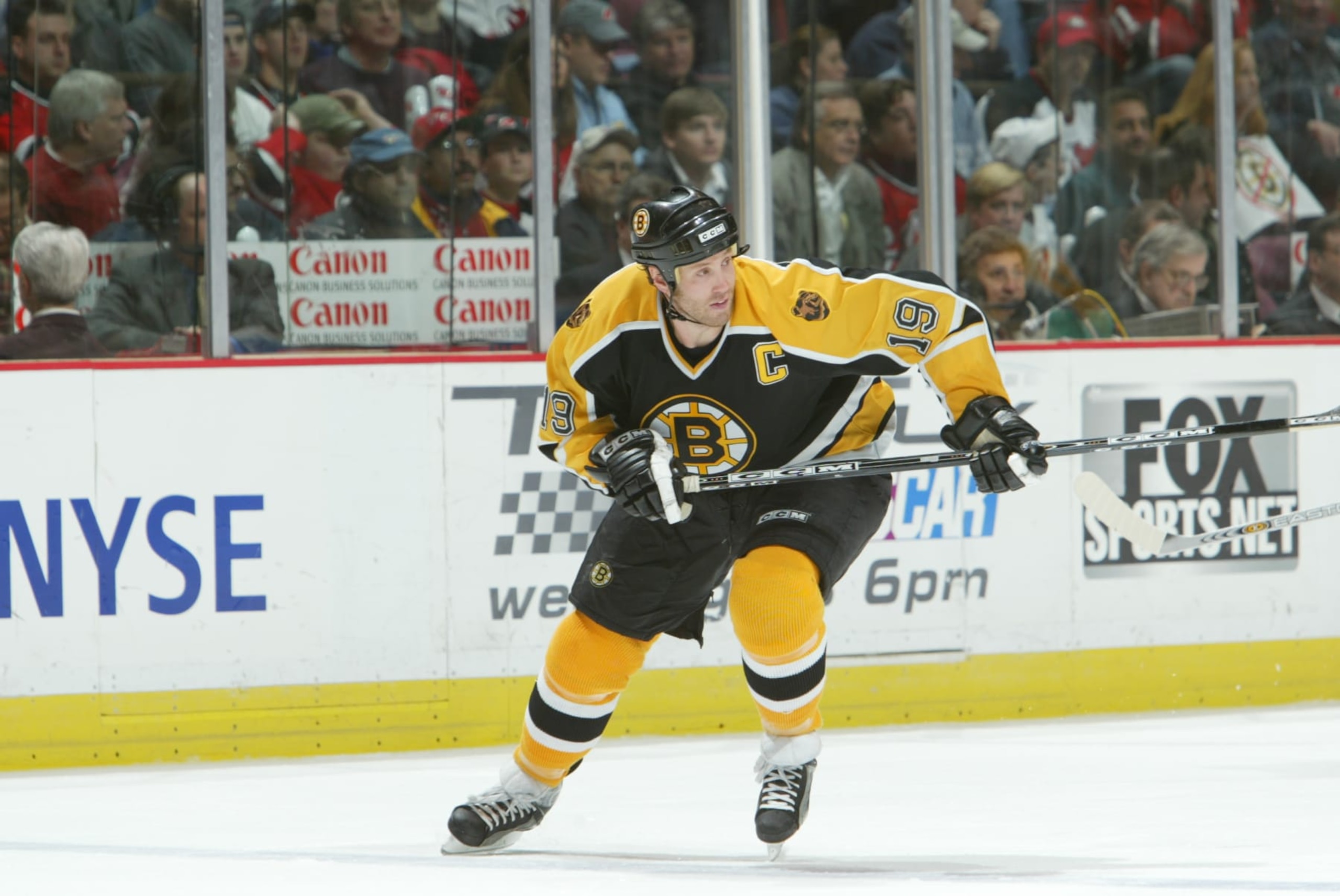
When the Boston Bruins selected Joe Thornton with the No. 1 overall pick in the 1997 NHL draft, they did so with hope that he would be a franchise-changing superstar.
He ended up being the superstar they hoped, but the franchise mostly remained stuck in neutral.
That lack of progress, along with a contentious restricted free-agency contract negotiation and Thornton being the scapegoat for the team's playoff struggles, helped set the stage for a blockbuster trade in the middle of the 2005-06 season.
The Bruins sent Thornton to the San Jose Sharks for Wayne Primeau, Marco Sturm and Brad Stuart. Thornton would go on to win the MVP that season with the Sharks and become one of the best playmakers in NHL history.
While the initial trade for Boston was unimpressive given Thornton's talent production—and what he did in San Jose individually—it was at least able to flip Stuart and Primeau to Calgary for Andrew Ference, who went on to play a big role in its 2010-11 Stanley Cup-winning team.
Does that make a good trade? No. It doesn't. But the Bruins were at least able to salvage something from it.
Thornton never won a Cup, but he did help make the Sharks a constant contender and helped them to the 2015-16 Stanley Cup Final.
Jaromir Jagr and the Pittsburgh Penguins
5 of 7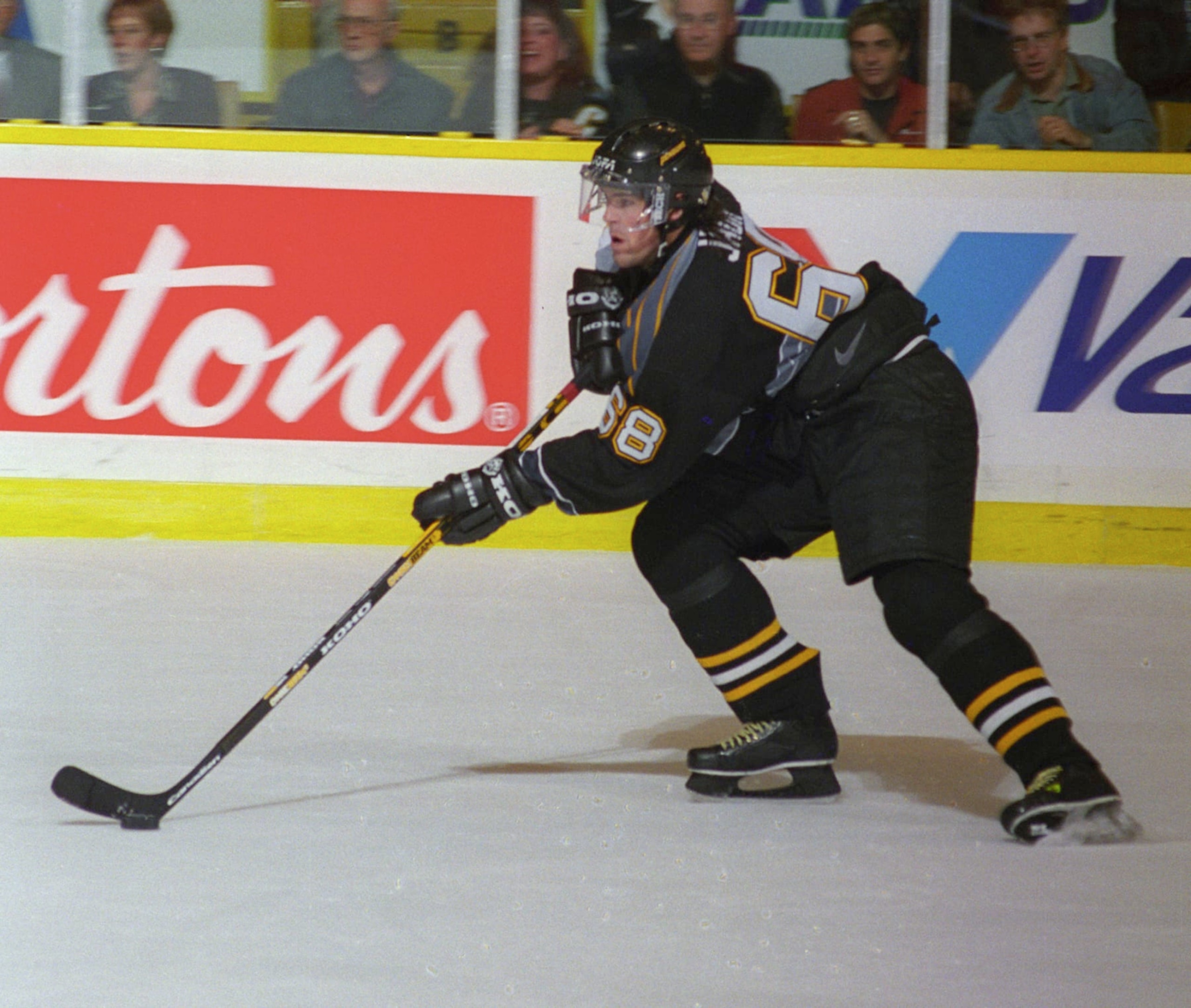
For 11 years Jaromir Jagr was a megastar in Pittsburgh and helped form one of the league's greatest forward duos ever with Mario Lemieux.
They won two Stanley Cups together, and when Lemieux retired in the late 1990s, Jagr helped keep the franchise as a constant playoff team. He was as electrifying and productive as any player, and he put up incredible offensive numbers during the NHL's "dead puck era."
However, the Penguins had financial issues in the late 1990s and early 2000s, and Jagr became frustrated in Pittsburgh, a trade following the 2000-01 season was inevitable.
He was not only traded, though. He also went to one of the team's fiercest rivals, the Washington Capitals, for prospects Kris Beech, Michal Sivek and Ross Lupaschuk. It was a terrible trade for the Penguins in terms of talent and helped kick-start a major rebuilding phase in Pittsburgh.
While Jagr's time in Washington was hugely disappointing given the expectations, the Penguins received almost no production from the three players they received. Beech, Sivek and Lupaschuk combined for just 28 goals in their NHL careers, with 25 of them belonging to Beech.
After leaving Washington, Jagr continued as a dominant offensive force and is still playing professionally at the age of 51 in the Czech Republic. He is third on the NHL's all-time goals list.
The Penguins and Jagr have since mended fences and the team will retire his number this weekend when the play the Los Angeles Kings.
John Tavares and the New York Islanders
6 of 7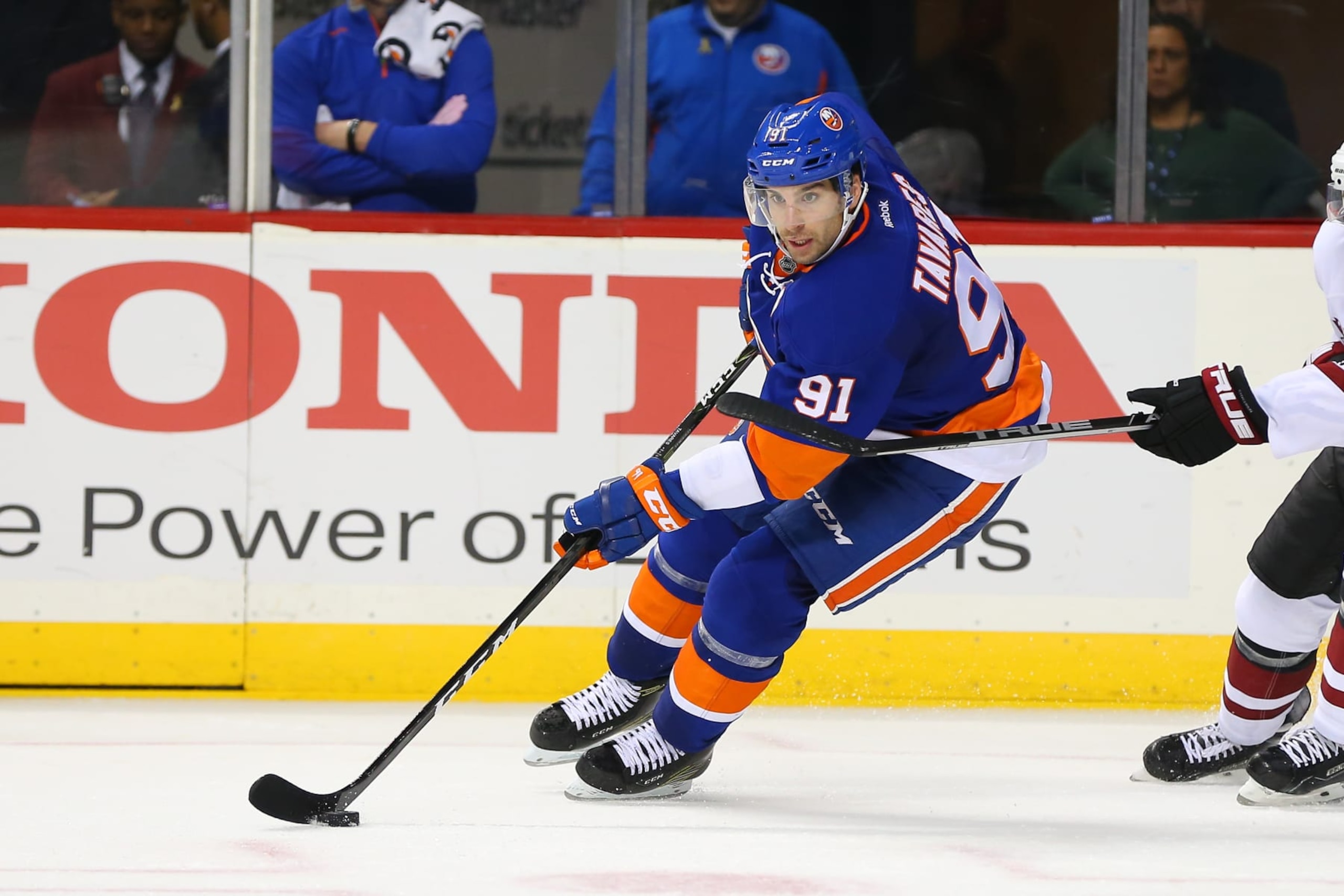
John Tavares arrived on Long Island to much fanfare prior to the 2009-10 season with the hopes he could help return the New York Islanders to the previous glory.
Despite Tavares becoming a top-line offensive star, the Islanders made the playoffs just three times in his nine seasons there and won just a single playoff series.
Despite the lack of playoff success, he was still the team's best and most popular player, and fans desperately wanted to see him re-sign when he was up for unrestricted free agency following the 2017-18 season...or prior to free agency.
Despite all of the hope and promise of that potential extension, it never came and he ended up spurning the Islanders after the season to sign with his hometown Toronto Maple Leafs.
It turned Tavares into public enemy No. 1 among Islanders fans and resulted in an incredibly hostile welcome in his first visit back to New York as a member of the Maple Leafs.
Islanders fans have long felt like their team is an afterthought in the NHL and not really a desirable destination for stars.
Tavares was supposed to be their guy, and they thought he was going to stick with them and try to build something. Then he didn't. It just brought all of that anger back to the surface for the fanbase with a huge gut punch in free agency.
Eric Lindros and the Philadelphia Flyers (and Quebec Nordiques)
7 of 7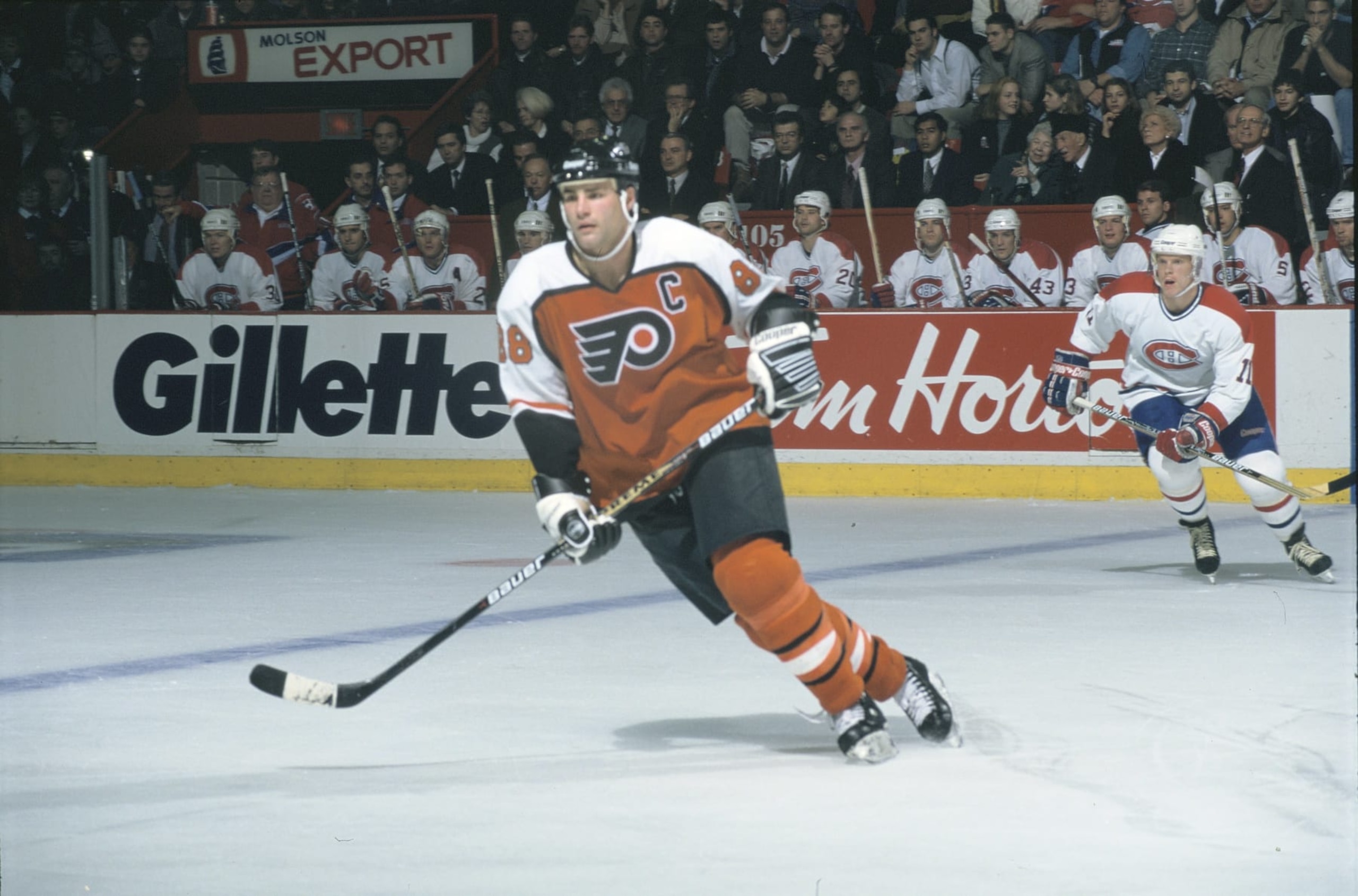
There has never been a player like Eric Lindros, combining sublime skill, incredible size, ridiculous strength and a tenacity that made him one of the most feared players in the NHL.
His career was ultimately cut short by concussions, creating one of the sports greatest "what if" moments.
That career also featured two of the NHL's most epic splits, including one that happened before his career even began.
Lindros was selected by the Quebec Nordiques in the 1991 NHL draft, despite making it known he would never play there.
The Nordiques eventually worked to trade him, agreeing to two separate deals with the Philadelphia Flyers and New York Rangers. The whole thing ended up going before an arbiter, who ruled that the Nordiques and Flyers had agreed to a trade roughly an hour-and-a-half before Quebec and the Rangers.
That sent Lindros to the Flyers for a haul of picks and players that included Steve Duchesne, Ron Hextall, Kerry Huffman, Mike Ricci and the rights to Peter Forsberg. The Nordiques also received Philadelphia's first-round picks in 1992 (seventh overall) and 1993 and $15 million.
That trade gave the Flyers a franchise cornerstone, but it also helped build the foundation of a Stanley Cup team in Colorado.
As dominant as Lindros was in Philadelphia, his time there came to an unhappy end when he was critical of the team for failing to diagnose his concussion symptoms. He was suspended by the team, eventually sat out the 2000-01 season and was traded to the New York Rangers for Pavel Brendl, Jan Hlaváč, Kim Johnsson and a third-round draft pick.
Lindros had one big year with the Rangers, but he was never quite the same after that.


.jpg?w=2560 "Viral Rams Coach Vid 🖕")
.jpg?w=2560 "Injury-stricken Seahawks signing veteran RB")
.jpg?w=2560 "2 NFL Officials Suspended")

.jpg?w=2560 "Grading WWE Raw 🔠")
.jpg?w=2560 "Mahomes' Wife Trolls Kubiak 💀")

