
A 3-Team Trade to Save the Lakers and Finish the Grizzlies
When news broke that Ja Morant was done for the season with a shoulder injury Monday, several competing front offices pulled up the Memphis Grizzlies' cap sheet and began running numbers.
This was supposed to be a crucial season for Memphis—the second-best team in the Western Conference last season with 51 wins—to evaluate if adding Marcus Smart to the core of Jaren Jackson Jr., Desmond Bane and Morant would elevate the franchise to a true contender.
Even during the horrid start during Morant's 25-game suspension, the Grizzlies were confident (per other team's executives) that they would still be a postseason factor, even if that meant getting in through the play-in tournament. But now, that dream appears to be over.
And with Bane's extension kicking in July 1 (starting at $34 million in 2024-25), the small-market Grizzlies are facing big-time financial hurdles. Will a team that has avoided paying luxury taxes jump full-on into the apron-level penalties?
Those competing executives don't think so; Memphis should expect some phone calls in the coming days and weeks ahead of the February 8 trade deadline. Specifically, the Los Angeles Lakers—who knocked the Grizzlies out of the playoffs last year but are also underperforming—may be very interested.
Rope in Brooklyn, who could be open to a reunion with a former All-Star, and perhaps a three-team trade can come together to fix the Lakers, get Memphis into better financial shape for 2024-25 and give the Nets badly needed help at guard.
Full Trade Details
1 of 4
Grizzlies get:
- Rui Hachimura (via Lakers)
- Gabe Vincent (via Lakers)
- Jaxson Hayes (via Lakers)
- Harry Giles III (via Nets)
- 2029 first-rounder (protections below)
- Trade exceptions ($8.3 million, $2.4 million and $1.9 million)
Lakers get:
- Marcus Smart (via Grizzlies)
- Luke Kennard (via Grizzlies)
- John Konchar (via Grizzlies)
- Xavier Tillman Sr. (via Grizzlies)
- Dorian Finney-Smith (via Nets)
- Trade exception ($10.5 million)
Nets get:
- D'Angelo Russell (via Lakers)
- Jalen Hood-Schifino (via Lakers)
- Trade exceptions ($14 million, $2 million)
Note: The Lakers' 2029 first-rounder has top-10 protection through 2030, or else it converts to a 2030 second-rounder. The teams are free to haggle over this important minutia.
More bad news for the Grizzlies, with news on Thursday that Smart will be out for at least six weeks with a finger injury. If the Lakers were open to making a deal on January 15 (once Hachimura's trade restriction lifts), that might push any transaction back to the deadline on February 8—provided L.A. has a sense that Smart won't have a protracted return timeline.
Why the Memphis Grizzlies Should Do It
2 of 4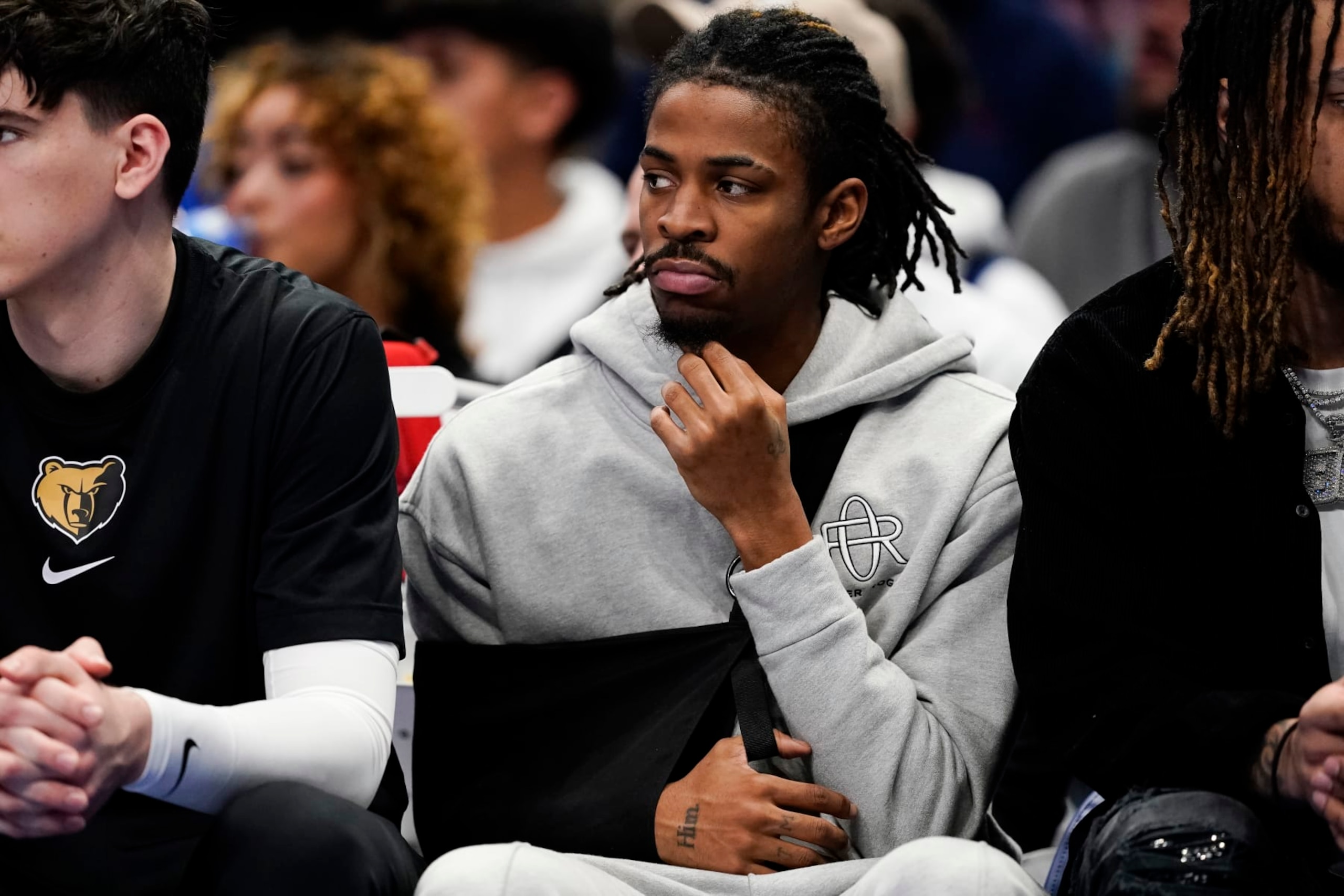
The Grizzlies gave up Tyus Jones, Marcus Sasser (No. 25 in 2023) and a Golden State Warriors first-rounder (top-four protected this June) to get Smart from the Boston Celtics. Would the franchise move on so quickly?
Smart, who will turn 30 in March, has provided the team with 14.5 points, 4.3 assists and 2.1 steals per game. He's shooting just 31.3 percent from three but is a tough, physical defensive presence who could fit alongside a healthy Morant, 24, next season.
But Smart is expensive ($20.2 million for 2024-25), and finances are the real issue for a team that didn't pay luxury taxes even once throughout the last two NBA collective bargaining agreements (2011 and 2017). With the new agreement (2023) inflicting more draconian penalties for high spenders, now is when Memphis decides to spend freely?
Pencil in the No. 6 pick for the team after this season, and Memphis projects to have a total payroll of $191.6 million, $19 million over the threshold with $41 million in taxes. That would also put the franchise just over the second apron (expected at $190.8 million), where the most significant penalties come into play.
Getting out of that level of commitment won't come in one trade. The Grizzlies will need to do more to get out of tax, and that may come from parting with players like Steven Adams ($12.6 million), Brandon Clarke ($12.5 million), Ziaire Williams ($6.1 million), Derrick Rose ($3.2 million), Jake LaRavia ($3.2 million) or David Roddy ($2.8 million)—but the first two are recovering from injuries, and the rest may not have much value in trade.
Even if Memphis opts out of Kennard's $14.8 million team option, that doesn't get the franchise under the luxury-tax line, and if he has a market, shouldn't the Grizzlies look instead to get value in return for the 27-year-old shooter?
Hachimura is a big forward who stood out against the Grizzlies in the playoffs (teams tend to chase the players who burn them). Vincent is similar to Smart (at half the price)—a defensive-minded guard with NBA Finals experience. Yes, he's recovering from knee surgery, but as Memphis focuses more on the lottery than winning, Vincent will get additional time to recover well before next season.
The Grizzlies invested heavily in their roster, but injuries have derailed one of the surprise success stories of a year ago. Financially, the team still has moves to make if avoiding the tax entirely is the priority. Still, the additions of Hachimura and Vincent (plus Hayes, who has a player option at $2.5 million for next season) give the team an interesting, less expensive look in 2024-25.
Memphis also gets out of Konchar's contract, which still has $18.5 million left over the next three years. Giles is in the deal from the Nets to make the trade legal.
Why the Los Angeles Lakers Should Do It
3 of 4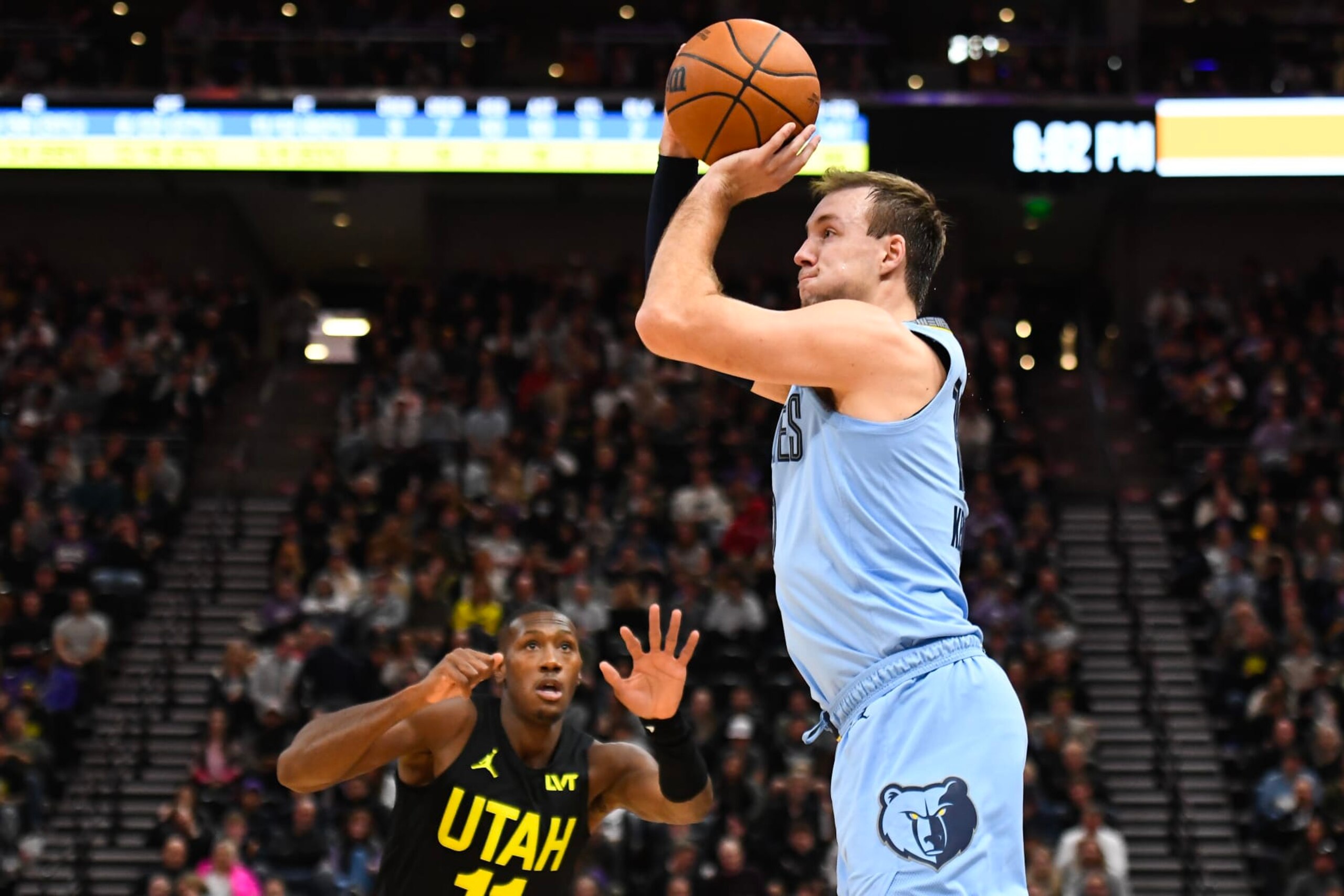
The Lakers have shown glimpses of being the team that advanced to the Western Conference Finals last year, but the squad has seriously slumped since the In-Season Tournament championship. Recent wins aside, the Lakers need to add shooting, defense, ball-handling and a sturdier backup center.
The trade is expensive, notably in Hachimura, who is a valuable (albeit underutilized) contributor but also the Lakers' most-attractive trade piece beyond the 2029 first-round pick. The team didn't draft Hood-Schifino (No. 17 in 2023) to be a rotation player this year. Vincent is hurt, and Hayes' contribution has been sporadic.
Russell is a capable starter and one of the team's best shooters, but coach Darvin Ham recently relegated him to the bench.
In return, the Lakers get one of the better defensive guards in the league in Smart, to complement Austin Reaves in the backcourt. The Lakers add two wings shooting roughly 41 percent each this season from three-point range. Finney-Smith gives the team a 6'7" defender to join holdovers Taurean Prince, Cam Reddish and Max Christie.
Tillman isn't tall (6'7") for the center position but is strong and physical at 245 pounds. He'd give the Lakers a different look at the position compared to Christian Wood (214 lbs) and the departing Hayes (220 lbs).
Konchar hasn't played well this year, but he's part of the price the Lakers pay to make the deal palatable for the Grizzlies.
The Lakers stay under the first apron ($172.3 million), which serves as their hard cap this season. For a franchise looking to win now, giving up on Hachimura and the first-rounder (even with some protection) isn't an easy price to pay, but the move gives them a better fit at guard and desperately needed shooting.

Why the Brooklyn Nets Should Do It
4 of 4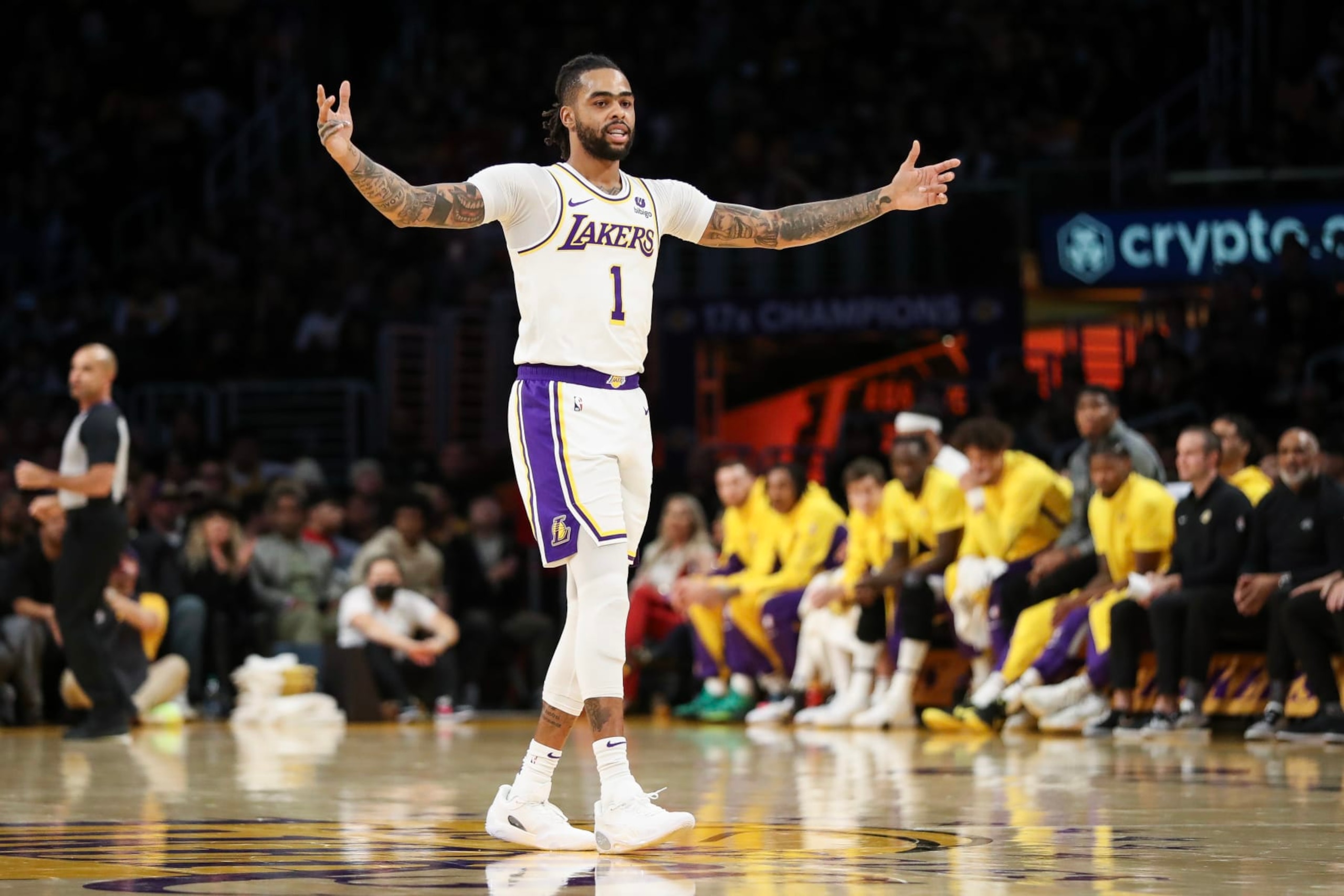
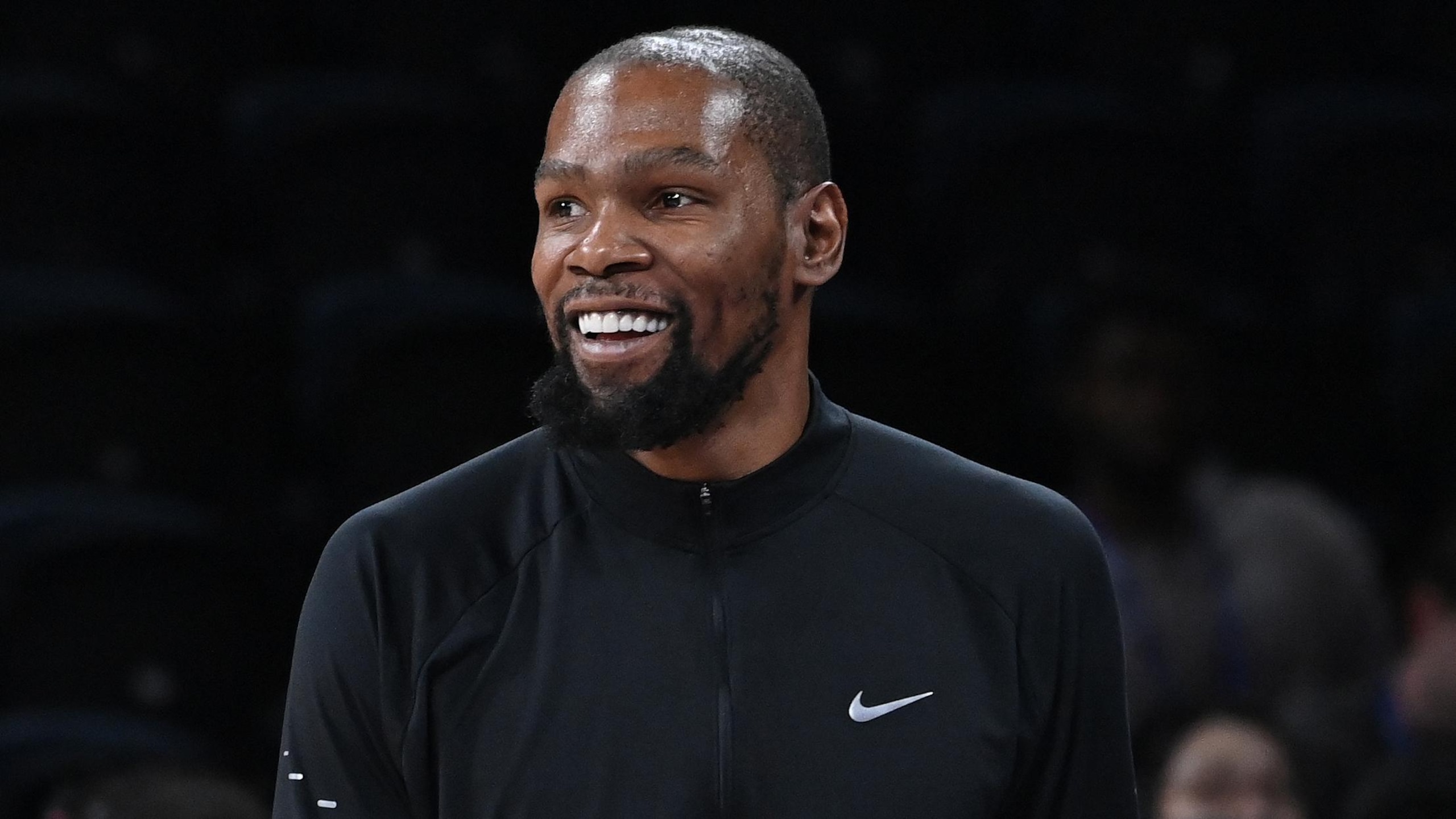
Brooklyn (16-21) is still developing an identity, but Russell helps where the team needs it most at guard. He was an All-Star for the Nets in 2018-19, but when the opportunity came to get Kevin Durant, Brooklyn sent Russell to the Golden State Warriors.
Now the team is loaded with wings but light at guard—and shooting. Veteran Spencer Dinwiddie, 30, who will be a free agent this summer, is averaging 13.8 points and 6.3 assists per game while shooting just 31.8 percent from three-point range. Russell is at 14.6 and 6.1 for the Lakers but on 38.3 percent from behind the arc.
The Nets improve at the point while parting with a reliable starter in Finney-Smith (31 in May). Russell is younger (almost 28) and has a player option next season for $18.7 million.
Brooklyn and Russell may need to get on the same page ahead of time on his future (which isn't technically legal but is common in the league) with an opt-in pre-negotiated or the framework of a new contract roughly mapped out.
The Nets also get a guard prospect in Hood-Schifino, who can grow alongside fellow 2023 classmates Noah Clowney (No. 21) and Dariq Whitehead (No. 22). Giles is playing a team-low 5.9 minutes per game this season and is included for roster space (among other trade legalities).