After the NHL preseason gave us a glimpse into how teams may (or may not) set their lines, pairs and goalies to begin the 2023-24 season, it's time to really get the grades in for the offseason.
Some teams attacked it with fervor, while others were distracted by the weather out at the cottage this summer. Hey, we get it. It's gorgeous out there and hockey's played in fall and winter.
Either way, we're handing out the final offseason grades for every team before the puck drops on the campaign Tuesday, and we're dishing out anything from A through F (except E, that's weird) based on what the team needs were, how they were addressed and where things look now as the puck is about to drop on the arduous seven-month grind toward the playoffs.
We're breaking it down by division, so let's roll.
Metropolitan Division
1 of 4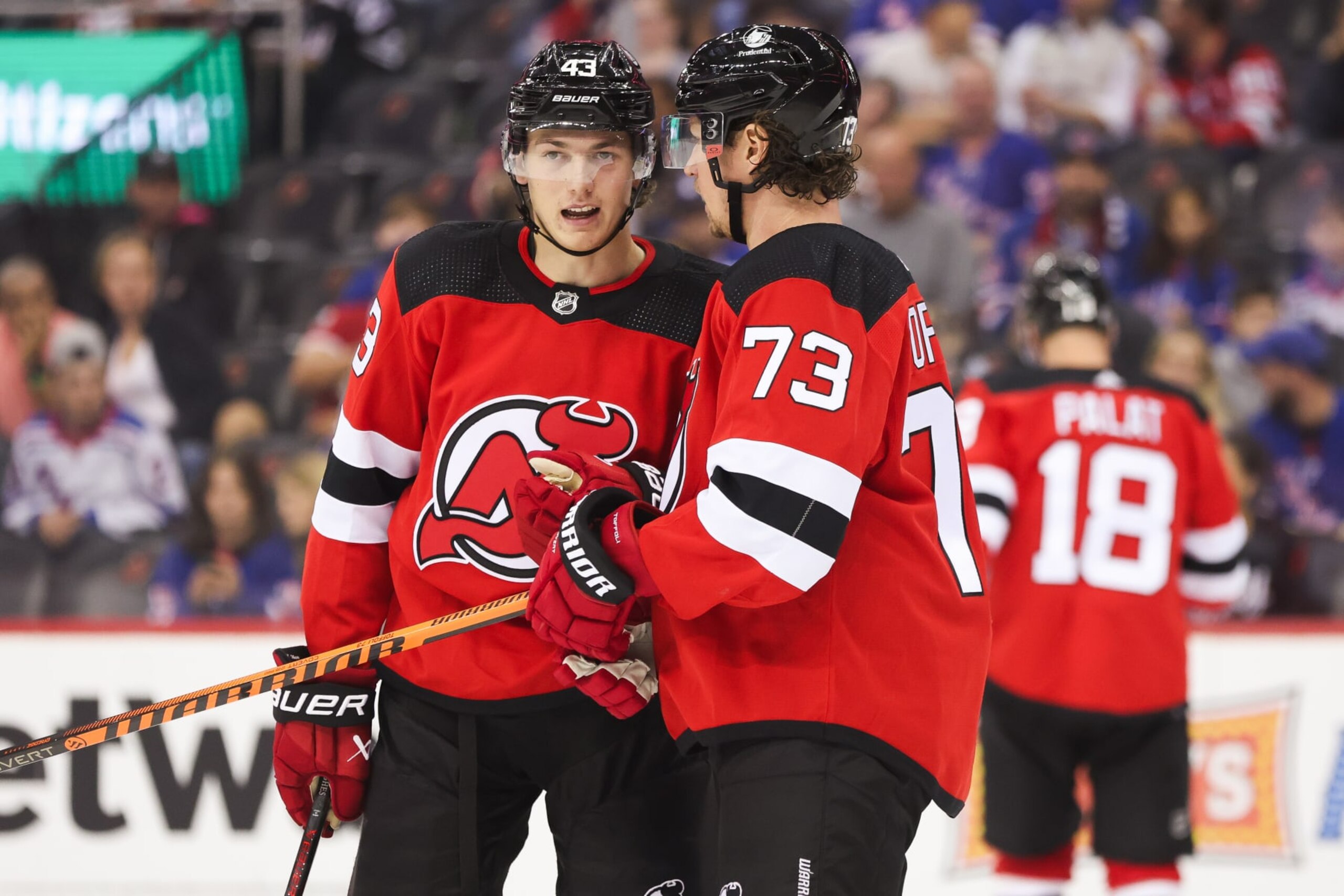
Carolina Hurricanes
What Went Right: The Hurricanes didn't have much in the way of roster holes, and arguably their biggest strength, defense, was the one area in which they made a huge splash when they signed Dmitry Orlov away from Boston.
Carolina was one of the NHL's best teams last season in part thanks to its overall depth, and teams like that don't have to really break their backs to improve. Adding Michael Bunting to the forward group gives them a sandpaper-y element they were lacking, and as long as he avoids suspension-worthy plays, he'll do a lot of good work there.
What Went Wrong: If you thought Pyotr Kochetkov was going to be handed the reins in goal, you're not alone. That they brought back both Frederik Andersen and Antti Raanta is a surprise. When healthy, they're superb goaltenders, but staying healthy has always been their biggest problem. You can't predict injuries, and at least they're well-insulated for future setbacks, but given how close they are to being a Cup winner, a weaker area like goaltender should've been the first position they addressed in free agency.
Grade: B+
Columbus Blue Jackets
What Went Right: The Blue Jackets stunk on defense last season, and it was the most important position they addressed. They traded for Ivan Provorov and pulled off a sign-and-trade with New Jersey to land Damon Severson. The trade cost of a third-rounder wasn't bad, but the $6.25 million AAV contract wasn't good. Hey, at least the salary cap will be going up soon. Adding those two and getting Zach Werenski back from injury will make Columbus much better along the blue line.
They drafted Adam Fantilli with the No. 3 pick and may have at last gotten the top center they've so desperately needed since...the team began play in the NHL? More importantly, he gives Johnny Gaudreau an elitely skilled player to work with. On top of that, they parted ways with coach Mike Babcock after their most controversial summertime move threatened to ruin all the good things they did.
What Went Wrong: Just think of what it would've been like if they tried to force their way through the entire season with the negativity boiling under the surface with Babcock in charge. It would've been a classic blunder of a hard-headed front office thinking they knew best when in reality they were blinded by their desperation to fix up the situation with a head coach who once had the reputation for turning things around. Perhaps they were saved from themselves when he stepped down.
Apart from that, they did improve the defense a bit and Fantilli was a great pick, but they're still not a team that'll be able to make hay in a rabidly competitive Eastern Conference.
Grade: C
New Jersey Devils
What Went Right: It was like a Cold War arms race this summer between the Devils and Hurricanes, and New Jersey kept up by making areas in which they were already strong that much stronger.
They added Tyler Toffoli in a trade with Calgary and got long-term extensions done with Jesper Bratt and Timo Meier. They freed up room in their defense for Luke Hughes by sending Damon Severson to Columbus and saved themselves money to re-sign Bratt and Meier in the process.
What Went Wrong: You could look at their lack of movement in goal as a negative, but Vitek Vanecek played well enough last season and rookie Akira Schmid showed enough brightness that he might take the No. 1 job this year. It does make goaltending a potential concern, but the Devils are going to be so good that if the position does take away from their possible success, they've got the assets to make a move.
Grade: A-
New York Islanders
What Went Right: The Isles got one of the league's best goaltenders, Ilya Sorokin, signed to an eight-year, $66 million extension. Even though long-term deals for goalies tend to age as well as milk, Sorokin has been one of the best in the NHL for a few years now, and he's the Islanders' best player. An $8.25 million cap hit is stiff, but he's not going anywhere anytime soon.
What Went Wrong: Hoo boy.
The Isles didn't add anyone of note, but they did get Scott Mayfield, Pierre Engvall and Semyon Varlamov signed to long-term extensions. While those deals didn't come with overly regrettable cap hits, the Isles needed a lot more to be able to keep up with just the top teams within their division.
We know the Isles aren't here to play the kind of hockey that gets everyone out of their seats with excitement, and they did take care of their best player, but they didn't do anything to stand out among New Jersey, Carolina, Pittsburgh and the Rangers. Can discipline in a system and physical hockey win more nights than not? Guess we'll find out.
Grade: C-
New York Rangers
What Went Right: The Rangers have the overall talent to be right there with the Hurricanes and Devils and opted to add veteran Blake Wheeler to solidify their scoring. Getting him on a cheap one-year, $800,000 deal was great for their budget. Erik Gustafsson gives them another puck-mover on the blue line who can pitch in on the power play as well. Another smart budget addition.
They also parted ways with coach Gerard Gallant and brought in Stanley Cup winner Peter Laviolette. A fresh set of eyes was a necessary addition to see if they can get the best from Kaapo Kakko and Alexis Lafrenière and a little more from Filip Chytil. In this case, new is better behind the bench until further notice.
What Went Wrong: Having Igor Shesterkin in goal means not having to worry about goaltending for the majority of the starts in a season. It does put stress on the backup to be good in their starts, however, so Shesterkin isn't asked to do more. Going from Jaroslav Halák to Jonathan Quick may not take care of that need. Quick had a rough season with the Kings and wasn't tasked too heavily with Vegas. If there's comfort in being closer to home and a lighter workload, maybe it pays off, but based on his recent numbers, Shesterkin may not have a lighter workload.
Grade: B-
Philadelphia Flyers
What Went Right: The Flyers are going to see if addition by subtraction is the best route for success this season. They traded Ivan Provorov (Columbus) and Kevin Hayes (St. Louis) and bought out Tony DeAngelo. They added Garnet Hathaway up front for some snarl and filled in the blue line with Sean Walker from L.A. and free agent Marc Staal, who coach John Tortorella is well acquainted with from his days with the Rangers.
More importantly, they'll get forwards Sean Couturier and Cam Atkinson back from long-term injuries the past season-plus. They're vitally important players, and being without them weakened their lineup substantially.
What Went Wrong: New GM Danny Brière did something almost every one of the previous Flyers GMs didn't do upon landing the job: He didn't spend big in free agency. Overall, that was probably the best thing to do, but the Flyers didn't make any moves to improve the team right away. Philly is on the rebuilding path, and that's probably long overdue. It's not so much wrong as it is a decision that won't lead to more wins this season. Down the road, that's a different story.
Grade: C
Pittsburgh Penguins
What Went Right: New Penguins GM Kyle Dubas addressed the weaknesses that cost the team a playoff spot last season immediately, but more importantly, he landed the best player available via trade as well. Adding last season's Norris Trophy winner, Erik Karlsson, in a deal that didn't mortgage the future makes the Penguins a terrifying team to take a penalty against. Giving Sidney Crosby, Evgeni Malkin and Jake Guentzel a 100-point defenseman to go along with Kris Letang is just stupid fun.
Their lack of forward depth forced their top two lines to do twice as much work to win games last season, and with an older roster, that didn't work. They added Reilly Smith to replace Jason Zucker, who left in free agency. Then they signed Noel Acciari, Lars Eller and Matt Nieto in free agency to deepen their forward units. Then they picked up Jansen Harkins off waivers from Winnipeg within the past week to give them even more to work with.
What Went Wrong: It sure felt like the Pens wanted to shake things up in goal. After all, they signed Alex Nedeljkovic and traded Casey DeSmith as part of the Karlsson deal. But they also gave Tristan Jarry a five-year contract to be their No. 1 guy a year after it looked like they weren't very sure that he was. Dicey. They gave a big contract to defenseman Ryan Graves to be a counterpart for Karlsson or Letang a year after Graves had a strong season with New Jersey. If Jarry stays healthy, maybe it turns into something that went right, but for now we're skeptical.
Grade: B-
Washington Capitals
What Went Right: Watching the Capitals get older in real time is tough to see. They're a cap-strapped team, which means they're taking care of the guys who have been good to them in recent years. You like to see nice things like that happen. But their offseason additions were very few.
They took a shot on 34-year-old Max Pacioretty being able to come back after missing last season with another brutal injury. A one-year, $2 million contract for a guy who might be able to score a bunch of goals could be a nice steal. Signing Sonny Milano to a three-year, $5.7 million contract was a good move after he proved himself last season.
What Went Wrong: The Capitals got older, and that's probably the worst thing for them. The rising salary cap in the coming years may help Tom Wilson's seven-year, $45.5 million extension that kicks in next season look a little better, but he'll be 30 by the time that starts. Eesh. Until the Capitals are able to escape cap hell and build up a prospect system, last season's 80-point performance might've been a warning shot of what's to come.
Grade: D+
Atlantic Division
2 of 4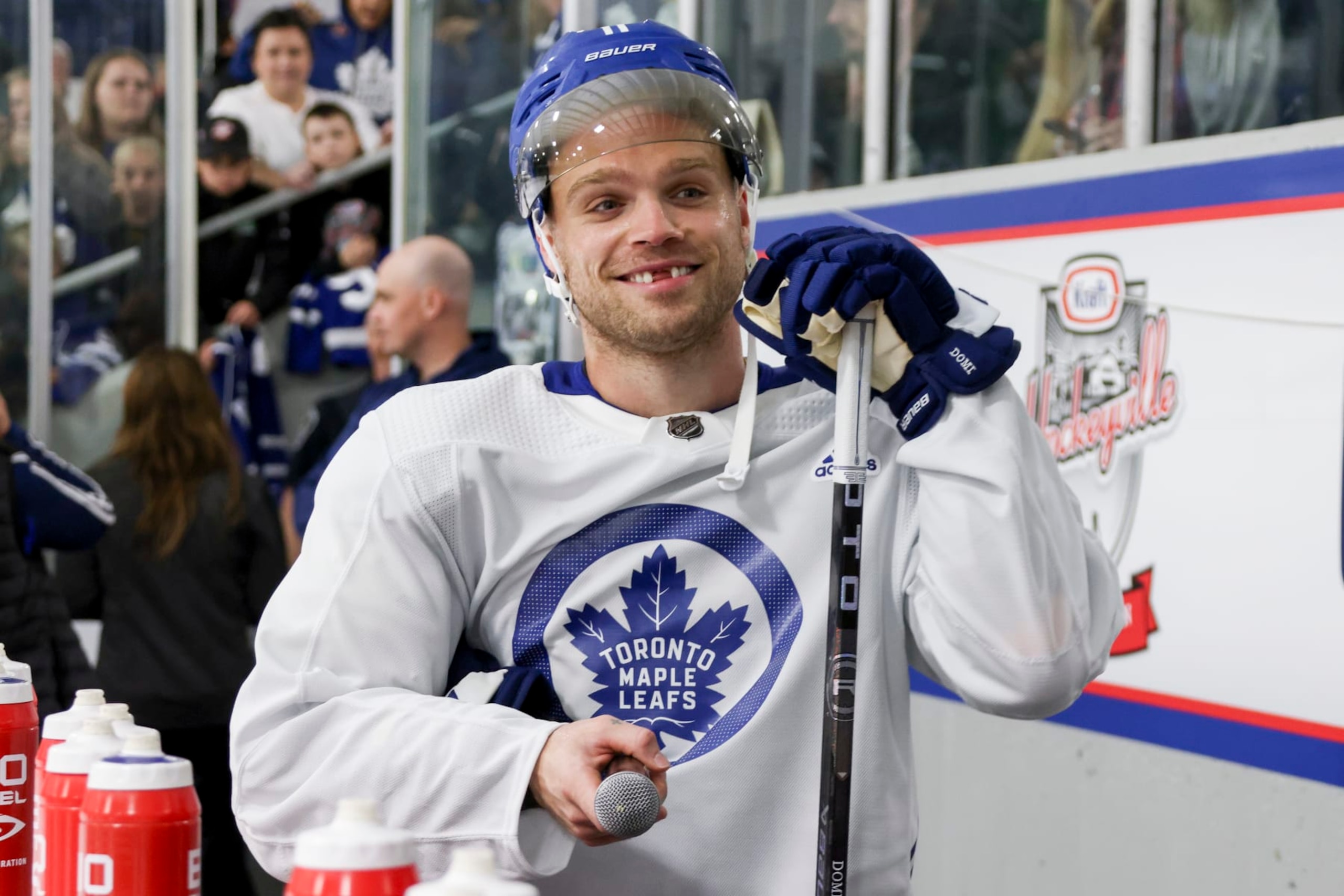
Boston Bruins
What Went Right: Well...they were able to get veterans James van Riemsdyk, Kevin Shattenkirk and long-time favorite Milan Lucic signed to one-year, $1 million-ish contracts. For a team that's pressed against the cap ceiling, that's pretty good work. Getting 25-year-old Morgan Geekie for a one-year, $2 million contract is a nice addition, too. After all, a team that put up 135 points and won the Presidents' Trophy doesn't need too much work on the roster...right?
What Went Wrong: Losing a future Hall of Fame center in Patrice Bergeron and a top-tier No. 2 center in David Krejčí to retirement is sure going to cast a pall on the offseason. Bergeron is an irreplaceable performer as a defender and scorer. Krejci's return to Boston last season helped make them the league's best team because he didn't miss a beat after his time back in Czechia.
Asking anyone to recreate what those players did is asking to be disappointed. At least Florida's success last season after it had a disappointing end to a Presidents' Trophy season the year before provides a blueprint of sorts. What also hurts is losing Taylor Hall and Nick Foligno in a trade with Chicago and seeing Connor Clifton, Tyler Bertuzzi and Dmitry Orlov walk in free agency. It was a brutal offseason.
Grade: D
Buffalo Sabres
What Went Right: The Sabres needed to fix up their defense, and they attacked that immediately by signing veterans Erik Johnson (one year) and Connor Clifton (three years). Johnson brings veteran know-how to a very young blue line group that includes Rasmus Dahlin, Owen Power, Mattias Samuelsson and Henri Jokiharju. They can all benefit from learning from him, and he's even made them all sauna guys, too. Clifton will get the opportunity to show he's a true top-four guy after years in Boston, and the Sabres hope his physical play provides an element they were lacking.
The Sabres also drafted Zach Benson with the 13th pick, and he just might make the team immediately. A good key to drafting is to take a really good player when they fall in your lap.
What Went Wrong: The offseason got off to a bumpy start when forward Jack Quinn ruptured his Achilles tendon during summer workouts, an injury that will keep him out until December or January at the latest. But the Sabres can score goals with everyone, so that doesn't hurt too badly.
Another area where the Sabres struggled last season was goaltending, and rookie Devon Levi showed late last year that he might be the guy they've been waiting for since Ryan Miller was traded in 2014. But also, he's a 21-year-old rookie with seven NHL games under his belt, and they opted to run it back with Eric Comrie and Ukko-Pekka Luukkonen in competition. They missed the playoffs by two points last season, so all eyes will be on the goalies.
Grade: B
Detroit Red Wings
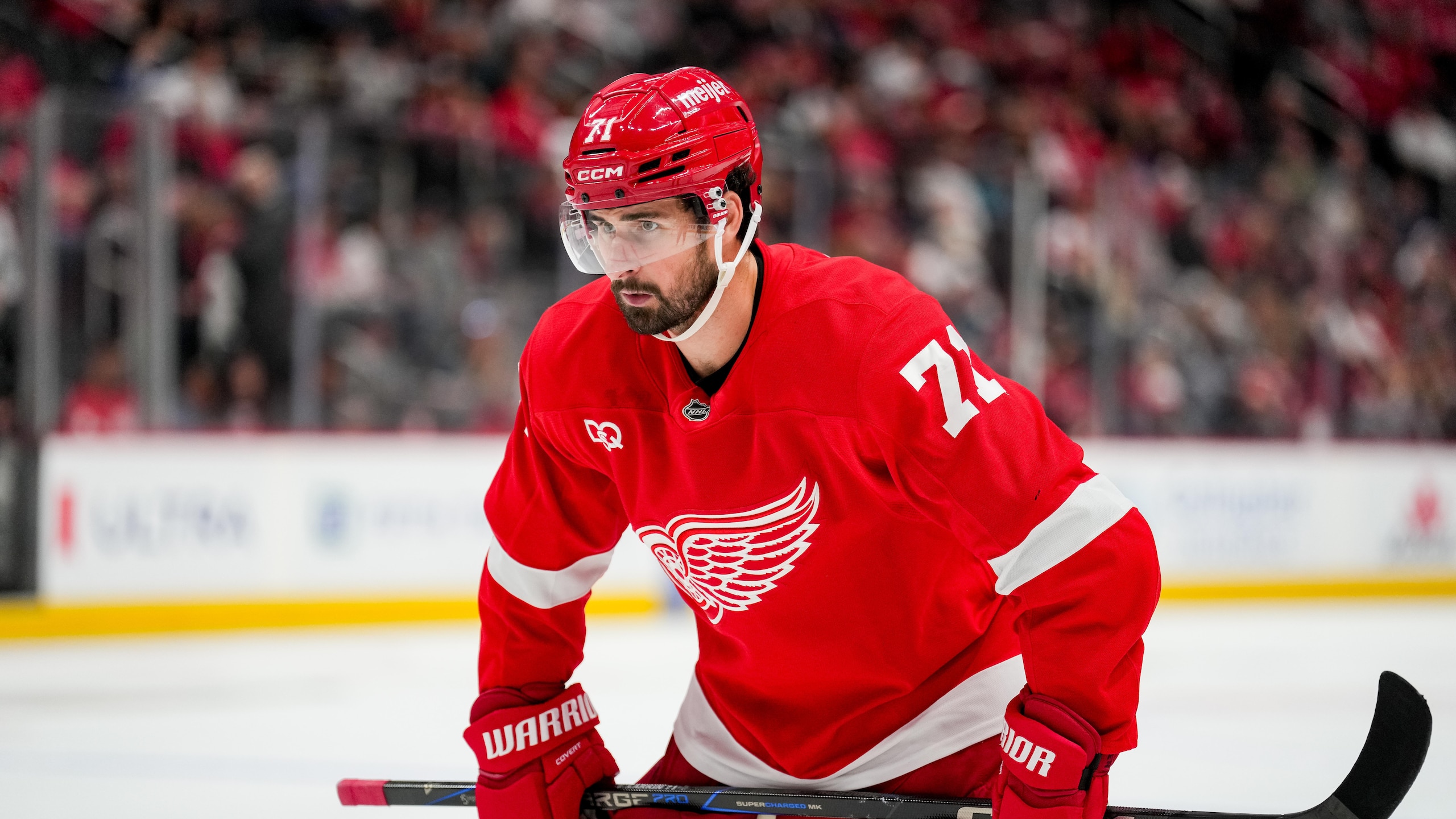
What Went Right: GM Steve Yzerman was one of the busiest executives in the league once again and made it even more apparent that getting the Red Wings back to the playoffs is the goal. He acquired forward Alex DeBrincat from Ottawa and signed him to a four-year, $31.5 million extension. Taking him from a division foe is a crucial move, particularly because they'll be right there with the Senators in playoff competition.
They also added forwards Klim Kostin from Edmonton and signed free agents J.T. Compher (Colorado), Daniel Sprong (Seattle) and Christian Fischer (Arizona). He also deepened the blue line, adding veterans Shayne Gostisbehere (Carolina) and Justin Holl (Toronto), and acquired Jeff Petry from the Canadiens. James Reimer also signed on to be Ville Husso's backup.
What Went Wrong: While the Wings were busier than most teams, the big question for a lot of the additions is whether most of these guys will address their needs. Yes, Detroit is much deeper with veteran talent, and they all seem to address very specific needs, but that kind of turnover sometimes requires time for chemistry to build, if it even builds at all. This puts a load of pressure on coach Derek Lalonde to get everyone on the same page ASAP because the Eastern Conference is going to be a battlefield.
Grade: B
Florida Panthers
What Went Right: After the Panthers' run to the Stanley Cup Final in which they knew they'd begin this season without defensemen Aaron Ekblad and Brandon Montour, Florida made sure to address any possible shortcomings on the blue line by signing as many defensemen as possible to soften the blow. They added the recently bought-out Oliver Ekman-Larsson on a one-year flier and brought back Dmitry Kulikov. They added Niko Mikkola and Mike Reilly as well. It's a lot of defensemen, but guys like Ekblad and Montour are nearly impossible to replace with one or two players each.
They also added Evan Rodrigues on a long-term deal to deepen their forward group, and signed Anthony Stolarz to back up Sergei Bobrovsky in goal and give Spencer Knight the time needed to return to NHL action after he missed most of last season in the NHL's player assistance program.
What Went Wrong: Apart from losing Ekblad and Montour for the first month or two, the Panthers had a quiet offseason. Quiet isn't necessarily a bad thing and for a team fresh off a run to the Cup Final. If Ekman-Larsson has anything left in the tank, it's a great bargain pickup. If not, they've got a pile of other guys signed who can pick up the slack while they wait for their top two guys to return.
Grade: B
Montréal Canadiens
What Went Right: What's going to help the Canadiens most this season is having healthy players. So far, that looks good with Cole Caufield appearing like his old self in training camp and Juraj Slafkovský just being healthy, period. They were able to loose themselves of Mike Hoffman in helping facilitate the Erik Karlsson trade to Pittsburgh.
While they received Jeff Petry and Casey DeSmith in that deal, they sent Petry to Detroit and DeSmith to Vancouver to acquire forward Tanner Pearson. If Pearson is able to come back from the hand injury that ruined his relationship with the Canucks, he's a solid addition. The Habs also brought in Alex Newhook from Colorado to deepen the center position.
These aren't huge additions, but they help Montréal's depth, something that was sorely and brutally tested last season.
What Went Wrong: If there's something that went wrong, it's that the Canadiens didn't really get that much better immediately. Coach Martin St. Louis is helping this rebuilding squad out well with his breath-of-fresh-air style and high-pace play. Montréal has prospects on the way, but they're another year or two away from being NHL factors. For now, they're mostly running it back with the team they had last season that finished last in the Atlantic. While they haven't necessarily gotten worse, they haven't improved enough to keep up with everyone else.
Grade: C
Ottawa Senators
What Went Right: Say this about GM Pierre Dorion: He's going for broke to try to get the Senators back to the playoffs. He landed a starting goalie they believe in when they signed Joonas Korpisalo to a five-year deal, and he brought in Vladimir Tarasenko on a one-year deal to give them another proven sniper.
Goaltending was a problem last season, and if Korpisalo plays the way he did last year with Columbus and Los Angeles, that's a great addition. With young players like Brady Tkachuk, Tim Stützle and Drake Batherson up front, they can score—and they'll need to regularly to keep up with the rest of the division.
What Went Wrong: Ottawa is proof that there's balance in the universe. Jake Sanderson's eight-year extension is great for him, but with the Sens running up against the cap ceiling, it feels questionable at the moment to get him for eight years, $64.4 million before he's shown what kind of player he truly is. He's trending well, but there's certainly some risk.
They've also gotten caught playing hardball with RFA Shane Pinto and don't have the cap space to get him signed just yet. Josh Norris, who's trying to return from shoulder surgery, suffered a setback in camp. The Sens can be good...but can they overcome themselves to do it?
Grade: C
Tampa Bay Lightning
What Went Right: Losing a longtime veteran like Alex Killorn (signed with Anaheim) would be a tough blow to anyone, but Tampa doesn't rebuild, it reloads as best as it can. The Lightning signed Conor Sheary to give them a veteran winger who can handle both ends of the ice. They filled out their defensive ranks with veterans Calvin de Haan and Haydn Fleury, and got Tanner Jeannot and Brandon Hagel signed to extensions. They also retained last year's playoff surprise, Michael Eyissmont, on a two-year deal.
Tampa's big splashes these days come from within via extensions (like with Hagel), and that means they're doing well enough to not have to go big with trades or free agents.
What Went Wrong: The summer started off difficult when they traded Pat Maroon (Minnesota), Corey Perry (Chicago) and Ross Colton (Colorado) because they couldn't afford them, but it got uglier from there.
The Lightning haven't spoken with captain Steven Stamkos about an extension, and that hasn't sat too well with him. Things went from unfortunate to much, much worse when goalie Andrei Vasilevskiy went down for two months after needing back surgery. Going from a Vezina winner to Jonas Johansson and Hugo Alnefelt means the rest of the Lightning lineup will have to play tip-top hockey or GM Julien BriseBois will have to make a trade sooner than later to soften the blow.
You can't prepare for injuries, although you could make the argument that trying to sign a more accomplished backup could've helped out before knowing there was a problem.
Grade: C+
Toronto Maple Leafs
What Went Right: We get that no matter what the Maple Leafs do it's going to generate attention/controversy/nonsense...whatever. But after Toronto bowed out meekly in the second round of the playoffs to the Florida Panthers, it needed to do something. The Leafs changed leadership from Kyle Dubas to Brad Treliving and decided to run it back one more time with their Big Four of Auston Matthews, Mitch Marner, William Nylander and Morgan Rielly. And that's probably a good thing! But they needed something more, and Treliving decided to make it look mean.
Toronto added Max Domi (Carolina), Tyler Bertuzzi (Boston) and Ryan Reaves (Minnesota) to provide a lot of snarl—and in Domi's case, memories of his old man Tie when he drove opponents wild in the 1990s/2000s in Toronto. They also added John Klingberg to their defense to provide more offense from the blue line. Will it work? Who knows. But they did something to change up the atmosphere, and with Boston losing two key players, the Leafs are front-runners in the Atlantic.
What Went Wrong: Depending on how you felt about the job Dubas did as GM, that might be the biggest thing that went wrong. His departure after his contract expired created a change in thought process at the top of management, and the only way to determine whether it worked will be how the team finishes.
Anything less than a second-round playoff appearance will be seen as a failure, and if they're unable to wrest the division away from Boston, Tampa Bay or Florida, then that unto itself will be a crisis and yet another moment to decide if the Big Four should be broken up.
Grade: B
Central Division
3 of 4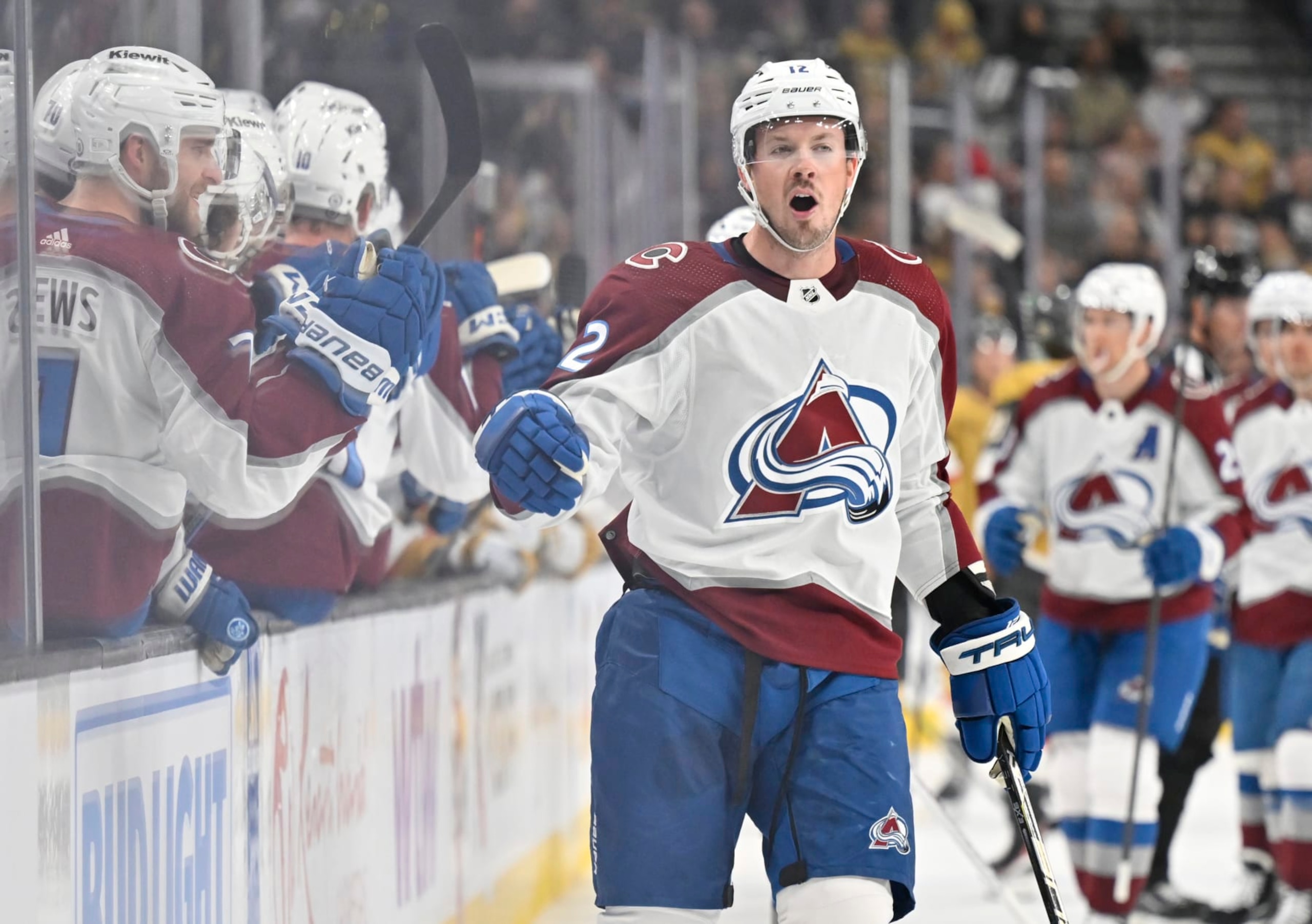
Arizona Coyotes
What Went Right: The biggest addition for the Coyotes was the signing of 2022 first-round pick (No. 3 overall) Logan Cooley. Convincing him to join the organization after his freshman season at Minnesota was a major victory for Arizona because it helps them move ahead right now.
With Dylan Guenther ready to play a full season after showing a lot of what will make him a solid NHL player last year and Matias Maccelli coming off a very good rookie campaign, the Coyotes are working with a strong foundation. Add in the signings of Jason Zucker on a one-year deal and Alex Kerfoot and Nick Bjugstad on two-year pacts, and they're putting something together up front.
They landed Matt Dumba in free agency as well on defense and acquired Sean Durzi from L.A. in a trade to better fill out their defensive corps. The Coyotes play scrappy, but they filled holes with some solid veteran players, and for a team that's always being looked at like it's a joke, it was a respectable offseason.
What Went Wrong: The Coyotes had an arena deal in Tempe voted down, but they might have something cooking for a building in nearby Mesa. But that's off-ice messiness. On the ice, they were able to prevent themselves from taking on the contracts of players who are virtually retired, so that's good because it makes them look less like a salary clearinghouse for big-spending clubs.
However...one old trade came back to haunt them. They retained money in the deal that sent former captain Oliver Ekman-Larsson to Vancouver in 2021. Vancouver bought out the final four years of that contract this summer, a deal the Coyotes signed him to back in 2018. Now they'll have a small amount of dead-cap money on their balance sheet for the next eight seasons because of it.
Grade: B-
Chicago Blackhawks
What Went Right: Drafting Connor Bedard first overall was more than enough to make it an outstanding offseason for Chicago. He will change the entire outlook of a franchise that was in the midst of a full teardown and rebuild. He'll single-handedly speed up that process, and the team further helped by adding key veteran players like Taylor Hall, Nick Foligno and Corey Perry. Chicago also signed forwards Andreas Athanasiou and Ryan Donato, and it will also have rookie Lukas Reichel to unleash on the league as well. Chicago hasn't been in dire straits very long, but its future outlook is quite bright.
What Went Wrong: It's hard to get too negative after landing the heir apparent to Connor McDavid and Sidney Crosby, but the 'Hawks didn't exactly get playoff-good overnight. Their defense is still very thin with just Seth Jones and Connor Murphy to lead the way. Rookie Kevin Korchinski will be exciting, but this team will not be world-beaters this year. That might sound bad, but lining themselves up for another potential top-five or top-10 pick is probably a good thing.
Grade: A-
Colorado Avalanche
What Went Right: Going into the season knowing they would be without captain Gabriel Landeskog was a tough blow, but it allowed the Avs to prepare appropriately. They acquired Ross Colton from Tampa Bay and Ryan Johansen from Nashville. Then they added Tomas Tatar, Miles Wood and Jonathan Drouin in free agency to give them an equal mix of speed, physicality, defensive smarts and skill. They already boasted one of the best defensive groups in the league with Cale Makar and Devon Toews leading the way, with Bo Byram and Josh Manson in support. It was a strong offseason for the Avs.
What Went Wrong: If there's a negative with their offseason, it came to light during training camp when Daily Faceoff's Frank Seravalli reported backup goalie Pavel Francouz was struggling in returning from offseason surgery and would likely miss time. Colorado is plenty set with Alexandar Georgiev as the starter, but without Francouz to spell him, it could lead to issues later on. Justus Annunen will be the backup if they don't find someone else, and this highlights why a lot of teams look to keep three NHL veteran goalies around in case disaster strikes.
Grade: B+
Dallas Stars
What Went Right: After making it to the Western Conference Final, the Stars weren't in position to go messing with what's worked so well. Fortunately for them, the Nashville Predators bought out Matt Duchene, and the Stars signed him to a one-year deal.
Adding another skilled forward to the mix makes them even more dangerous with Jason Robertson, Roope Hintz, Joe Pavelski, Tyler Seguin and Jamie Benn among others capable of lighting it up. They also added veterans Sam Steel and Craig Smith to further deepen the forward group. They'll need it to keep up with Colorado, Vegas and Edmonton in the West. Depending on what Duchene brings, that could be a huge steal for them.
What Went Wrong: About the only thing that went wrong was the Stars weren't able to celebrate a Stanley Cup victory in the offseason. They didn't have any major needs to address and only needed to patch up perceived weaknesses. Defense went mostly untouched, and while that struggled a little in the postseason, the Stars are going to be outstanding just the same this year.
Grade: B+
Minnesota Wild
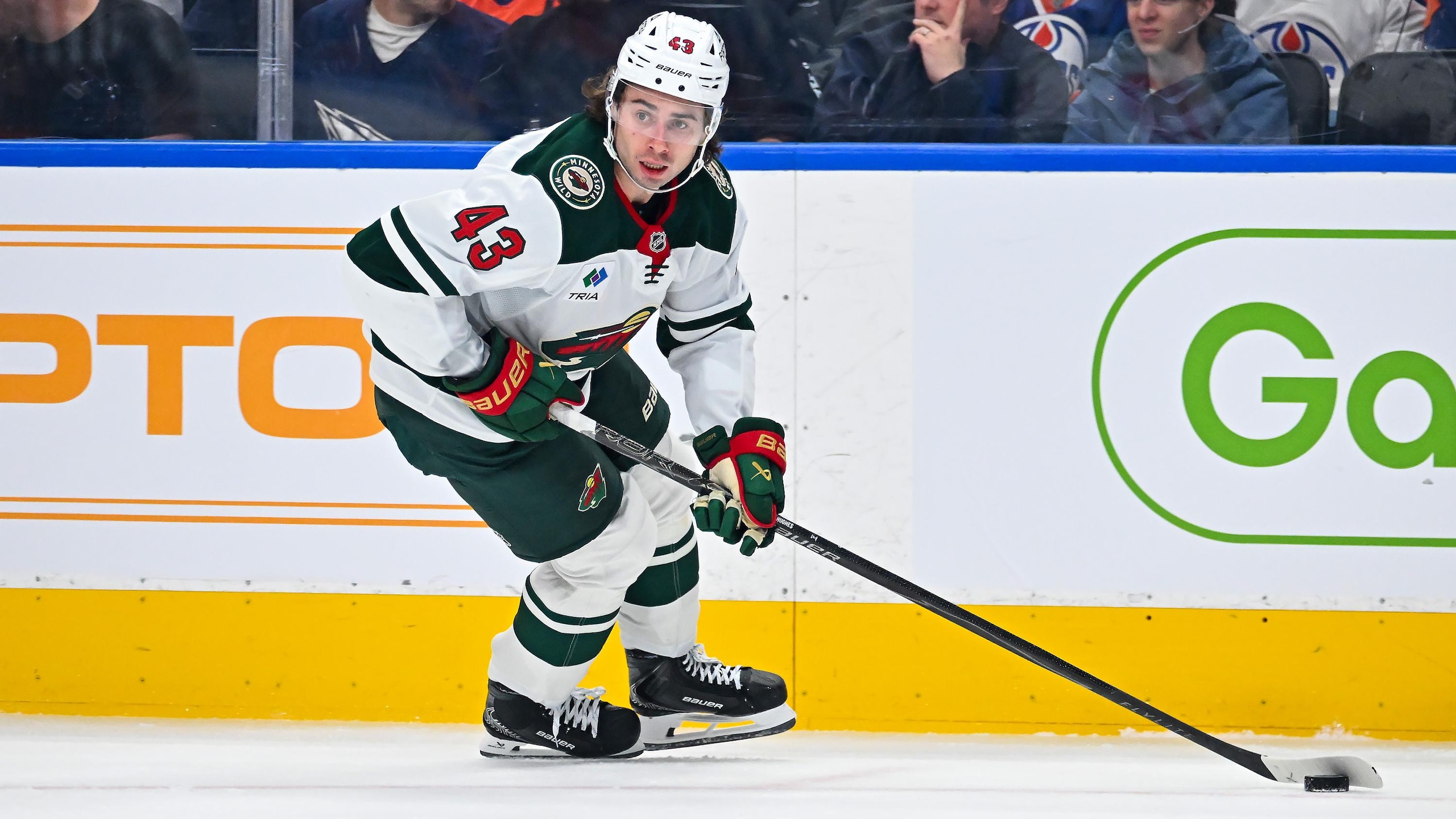
What Went Right: The Wild entered the offseason with a bitter taste in their mouth after a disappointing finish against Dallas in the playoffs. After seeing Ryan Reaves go to Toronto, they addressed the need for a good-in-the-room roughneck by trading for Pat Maroon from Tampa. He'll help keep the temperature up on the ice and down in the room. Aside from that, they're essentially bringing back the same group that features a boatload of young talent with Kirill Kaprizov, Matthew Boldy, Calen Addison, Brock Faber and Filip Gustavsson in goal.
What Went Wrong: The only thing that went wrong in the offseason was they've got another year of being punished for the Ryan Suter and Zach Parise buyouts that put nearly $15 million in dead weight on the cap. They'll have one more year of it next summer. but GM Bill Guerin has done well to fill out their ranks with young players and drafting and developing guys to make it work well. The problem for them is the top four teams in the West are seemingly far ahead of them.
Grade: C+
Nashville Predators
What Went Right: Barry Trotz's takeover as the GM of the Predators saw him drastically change the outlook of the roster. He traded Ryan Johansen to Colorado and bought out Matt Duchene. Add those moves to the in-season trades of Tanner Jeannot, Mattias Ekholm and Mikael Granlund, and it's a massively different team.
They altered the locker room feel by adding good players and good room guys like Ryan O'Reilly, Luke Schenn and Gustav Nyquist and may have gotten bargains with free-agent Denis Gurianov and recent waiver claim Samuel Fagemo from Los Angeles. Trotz wants more skill and more speed with his version of the Predators. It's a start.
What Went Wrong: The Preds were able to sneak up and get into the playoff picture late last season despite cleaning house a bit. But they're a team that's built with a lot of players from within, and while that's OK, it's going to put them firmly in the middle of the pack of teams clamoring for the playoffs.
A healthy return from Filip Forsberg will go a long way to help, but they're lacking in game breakers apart from him and Roman Josi. At least Juuse Saros is an outstanding goaltender because he'll be the main driver of a playoff push.
Grade: B-
St. Louis Blues
What Went Right: The Blues were able to appropriately take advantage of John Tortorella not being a big fan of Kevin Hayes and gave up next to nothing to acquire him. Adding Hayes helps soften the blow from trading Ryan O'Reilly last season, and he should thrive being out of Torts' doghouse in Philly.
Bringing back Oskar Sundqvist is a nice feel-good story because he was so excited to be back in St. Louis. After Thomas Greiss retired, it opened the door for prospect Joel Hofer to take over as backup to goaltender Jordan Binnington. How he handles his first season in the NHL will be worth watching because he's been outstanding in the AHL. St. Louis had a pretty good draft as well.
What Went Wrong: The Blues just didn't do a whole lot this summer. They nearly traded Torey Krug, but he used his no-trade clause to veto the deal to Philadelphia. Credit to him for wanting to make it work in St. Louis—although you have to wonder if that makes things a little awkward for the time being. Rumors of a Colton Parayko deal never panned out either. Maybe GM Doug Armstrong wanted to shake things up, but the Blues are virtually running it back the same team.
Grade: D+
Winnipeg Jets
What Went Right: The Jets made one big deal, sending Pierre-Luc Dubois to Los Angeles and getting three forwards: veteran Alex Iafallo and youngsters Gabriel Vilardi and Rasmus Kupari. Those three will go a long way to softening the blow of losing Dubois and former captain Blake Wheeler, who was bought out. They knew they'd have to trade Dubois, but they did well in doing so. It may have been a test run for future trades if things go south this season.
What Went Wrong: Winnipeg wasn't able to get long-term extensions done with center Mark Scheifele or goalie Connor Hellebuyck. What happens with those two players will go a long way in deciding if they're going to add to a playoff-bound team or conduct a soft rebuild on the fly. Both players can be unrestricted free agents next summer, and much of the Jets' future hangs in the balance until those situations are settled.
Grade: C
Pacific Division
4 of 4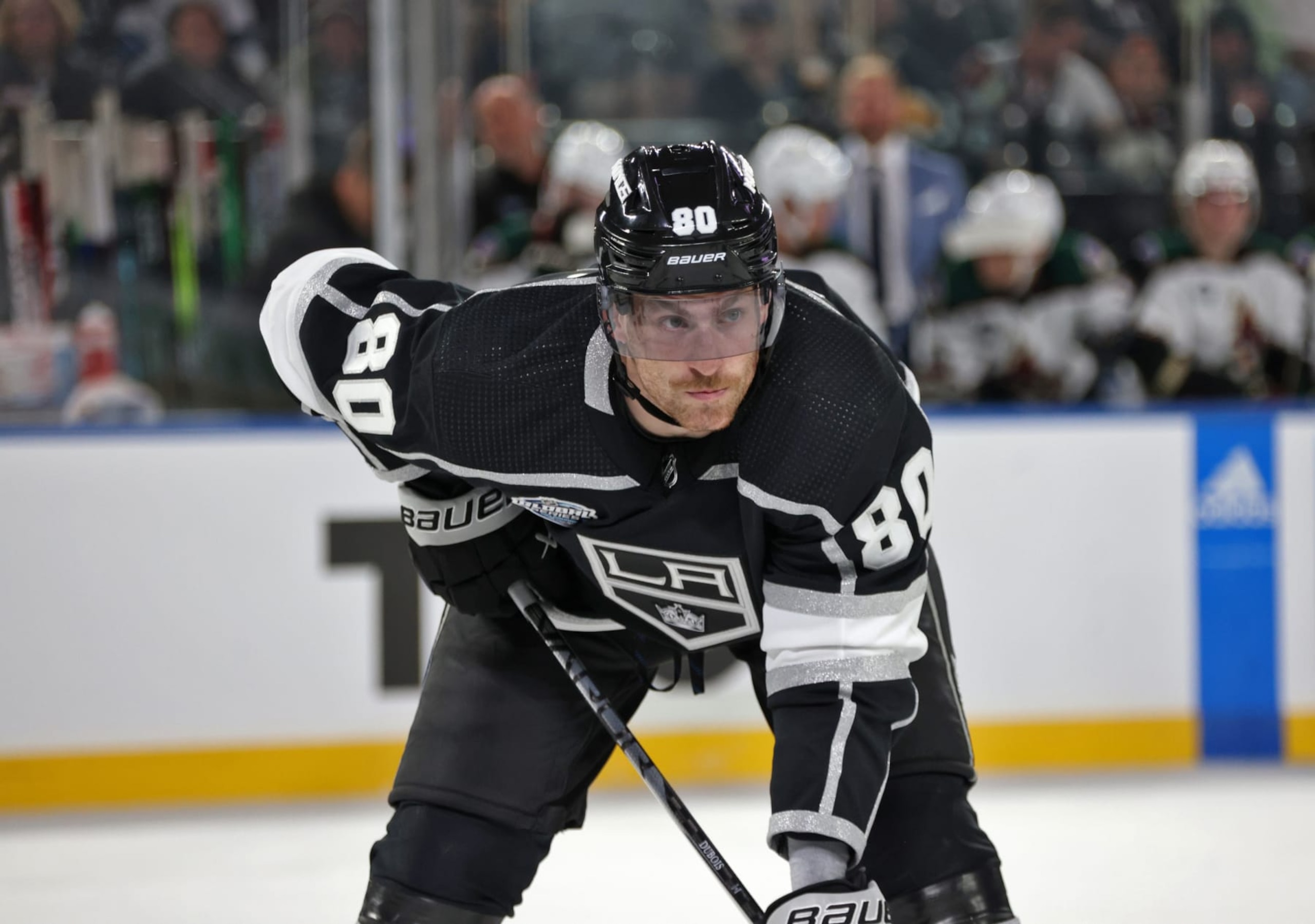
Anaheim Ducks
What Went Right: The Ducks bucked conventional thought from draft prognosticators and selected Leo Carlsson with the No. 2 pick. The Swedish center is going to be fun to watch alongside Troy Terry, Trevor Zegras and Mason McTavish. While no one will compare other players in the draft to Connor Bedard, Carlsson and Columbus' Adam Fantilli will be competing to prove which team made the right call.
The Ducks also made efforts to add veteran presence to what was the worst team in the NHL last year. Forward Alex Killorn will help them in a two-way role, and defensemen Radko Gudas and Ilya Lyubushkin will make them a lot tougher on the back end.
What Went Wrong: The next few years will bear this out, but the battle that went on between GM Pat Verbeek and newly signed RFAs Zegras and defenseman Jamie Drysdale will be fascinating to watch. ESPN reported Zegras wanted a big-money, longer-term contract, but Verbeek held strong with bridge deals each player ultimately signed. Drysdale was coming off a tough injury that ended his season last year, but these kinds of negotiations aren't forgotten quickly. If either or both players have big breakouts in the next couple seasons, the next set of contract talks will be feisty.
Grade: B-
Calgary Flames
What Went Right: Maybe the biggest and best move the Flames made was parting ways with former coach Darryl Sutter. It was clear there was a major disconnect between him and the players, and it was making life miserable for everyone. New coach Adam Huska has a blank slate to work with, and so long as he isn't a Sutter-style coach, the mood around the room in Calgary should improve quickly.
They were able to avoid doing a full roster overhaul despite rumors abounding that some players on soon-to-be expiring contracts (Noah Hanifin, Elias Lindholm) wouldn't re-sign there. Nothing solves problems like winning, and if Huska can help the victories come more often, perhaps some attitudes will change toward the franchise.
Calgary also got a two-year extension done with its new captain, Mikael Backlund, and after years of quietly being one their best two-way players, he's aptly rewarded with more money and the "C."
What Went Wrong: Calgary dealt Tyler Toffoli to New Jersey for Yegor Sharangovich, and although Sharangovich is a very solid player and can score goals, Toffoli has a more defined track record as a scorer. It's not quite a lost trade, but the initial thought was it was a win for the Devils. Their inability to get an extension done with Lindholm, Hanifin or Christopher Tanev makes it a potentially perilous offseason for the Flames and an ominous trade deadline as well.
Grade: C+
Edmonton Oilers
What Went Right: For once it wasn't a dramatic offseason for the Oilers. They struck a bargain deal with winger Connor Brown, who missed last season with injury. If he bounces back to his old ways, it's a steal and makes Edmonton's attack that much more dangerous.
Losing Kailer Yamamoto and Klim Kostin hurts some of their depth, particularly with how Kostin provided a physical element on the fourth line. But when you boast three 100-point scores in Connor McDavid, Leon Draisaitl and Ryan Nugent-Hopkins, you're not out to make big splashes.
What Went Wrong: If there's something that went wrong, it's maybe taking a flier on Brown to replace Yamamoto, but contending with the salary cap makes things like that happen. They didn't make any moves to address their blue line mostly because trading for Mattias Ekholm at the deadline was the big move.
It's difficult to add top depth when pressed against the cap ceiling, and if the Oilers come up short because they don't have the depth to keep up with other teams, then GM Ken Holland may have to make a sacrifice on the roster to help that out. But we're getting ahead of ourselves here. The Oilers are good and are threats to win the Stanley Cup once again.
Grade: C
Los Angeles Kings
What Went Right: The Kings were in the market for another playmaker at center and got one in Pierre-Luc Dubois. They gave up a lot to get him, sending Alex Iafallo, Gabriel Vilardi and Rasmus Kupari to Winnipeg, but now they have an heir apparent for Anze Kopitar and a center for the second line who should allow two-way king Phillip Danault to get even better matchups while on the third line.
L.A. also retained defenseman Vladislav Gavrikov (two years, $11.75 million), who it got from Columbus in the Joonas Korpisalo deal at the deadline last year. His rugged style will come in very handy in the Western Conference and with how coach Todd McLellan likes to see his defense dig into its own end when needed.
What Went Wrong: For as well as the Kings score and how well they can defend, their goaltending presented a lot of challenges last season. Things only mostly settled down when they added Korpisalo and (rudely) sent franchise legend Jonathan Quick out of town.
L.A. didn't re-sign Korpisalo, however, and added veteran Cam Talbot on a one-year deal to pair with Pheonix Copley. Talbot struggled with injuries in Ottawa last season and was only OK when he did play. Questionable goaltending will make a coach go mad. If Talbot and Copley can't hold it down this season, the Kings will be back on the market for help ASAP because this team can be a Cup contender otherwise.
Grade: C+
San Jose Sharks
What Went Right: The Sharks kind of realize who they are and the spot they're in now. Their key players are getting older, and their younger players and prospects aren't quite there yet. That means adding players in the offseason who could result in landing future assets in trades down the road.
It also meant trading Erik Karlsson away to really start the process. The Sharks got a 2024 protected first-round pick and some veteran players to help meet their future ends in trades with Mike Hoffman, Mikael Granlund and Jan Rutta. They also signed forwards Anthony Duclair and Filip Zadina along with defenseman Kyle Burroughs in free agency.
What Went Wrong: You could make a strong argument that they didn't get enough in return for Karlsson, especially because they had to eat some money to help make the trade. One first-round pick and a handful of veterans for a 100-point Norris-winning defenseman doesn't look great, especially when you consider how long and potentially painful this rebuild will be for the Sharks.
What they get in return for the veterans they acquired in future trades may help soften the blow, but right now the Sharks better resemble Jaws after his run-in with Quint and the gang in Amity.
Grade: D
Seattle Kraken
What Went Right: Coming off their first playoff appearance, it was all gravy for the Kraken in the offseason, right? They pieced together a team from the expansion draft, trades, waivers and free agency and marched to a 100-point season. They made things better by getting a solid long-term deal completed with defenseman Vince Dunn and added an outstanding veteran in Brian Dumoulin to go with him on the blue line.
They also added Kailer Yamamoto to take the place of Daniel Sprong, who signed in Detroit. It's not about big splashes with the Kraken; it's about staying the course. Perhaps a full season with Shane Wright could give them another exciting attacker to work with.
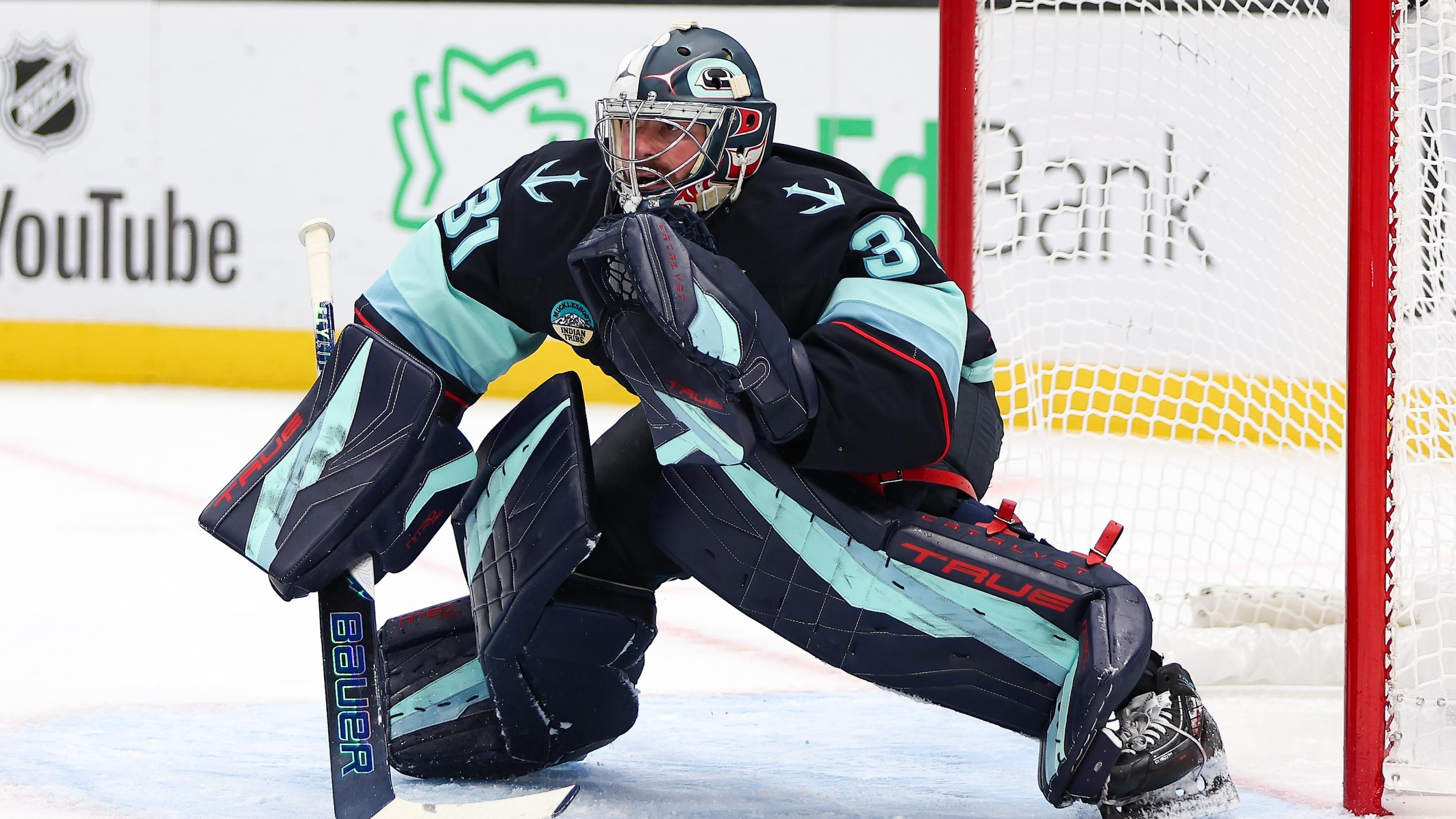
What Went Wrong: Remember the gravy? Yeah, the Kraken are headed into their third season and they've made proper progress in their first two years. Maybe you could nitpick about what they'll do with their goaltending, but Philipp Grubauer showed an edge in the playoffs he occasionally displayed during the regular season. With Martin Jones now gone, the net is Grubauer's to run with. Just so long as Seattle fixes up its penalty killing, it will be tough once again.
Grade: B-
Vancouver Canucks
What Went Right: The Canucks made a solid move by putting the captain's "C" on defenseman Quinn Hughes. He pulls no punches and doesn't tiptoe around what's going on. They're in better shape because of him. On the ice, they were wise to get deeper up front, adding veterans Pius Suter and Teddy Blueger. They also helped out their blue line with Ian Cole and Carson Soucy. Vancouver desperately needed more quality depth players, and those guys will help out.
Their biggest move, however, was the buyout of defenseman Oliver Ekman-Larsson. What was deemed as a bad signing at the time was made that much uglier when they bought out the final four years of his eight-year, $66 million contract. They're not the only ones feeling the pain, though, because Arizona retained money in the trade that sent him to Vancouver, they too are taking a hit because of it. Misery loves company, right?
What Went Wrong: Unfortunately, the Canucks don't have a ton of salary-cap space to make drastic changes. J.T. Miller's seven-year extension kicks in this season at $8 million a year, and they're working on getting a long-term extension done with Elias Pettersson, who can be an RFA next summer. Good luck to GM Patrik Allvin on handling all of that.
Grade: C
Vegas Golden Knights
What Went Right: Aside from getting to party all summer long celebrating a Stanley Cup victory, the Knights were able to re-sign Ivan Barbashev to a five-year, $25 million deal to keep him in the fold and hooked up Cup-winning goalie Adin Hill with a two-year, $9.8 million pact. That's quick, efficient business after winning it all, and truthfully, the Vegas roster didn't need much help.
What Went Wrong: If there's something wrong with Vegas it's that it had to make a few sacrifices to the salary cap. The Knights traded forward and "Misfit" Reilly Smith to Pittsburgh. That may not seem like a major loss, but he's been vital to their success since he arrived in Las Vegas. How they move on without him will be interesting to watch, but if nothing else, the Golden Knights have shown immense resilience in finding players to seize opportunities.
As for their cap worries, LTIR will be their friend again because it appears goalie Robin Lehner (who had hip surgery a year ago) and his $5 million cap hit is destined to provide them some relief as he's out indefinitely.
Grade: B-
.jpg?w=2560 "NHL Trade Grades Connor Hellebuyck")

.jpg?w=2560 "Malik Beasley Negotiating Plea Deal (AP)")

.jpg?w=2560 "Aikman Blasts Cowboys WR 🫣")

.jpg?w=2560 "Jonathan Taylor Landing Spots")