


Some Major League Baseball teams have more flaws—and more glaring flaws—than others, but no team is perfect.
And when the 2023 postseason begins less than three weeks from now, those flaws could, and most likely will, prove fatal.
For many of the 16 teams still realistically in the mix for the 12-team field, quality depth in the starting rotation is the biggest concern. While you shouldn't need a five-man rotation in October, a fourth starter will be necessary at multiple points in a World Series run. And that's a frightening proposition for a number of teams that don't even have three solid starters on their staff.
For others, it's more than fair to question whether the offense will be able to string together consecutive games in which they score multiple runs.
Moreover, are you ready to find out why it's possible Atlanta is hitting too many home runs?
Teams are presented in alphabetical order. Unless otherwise noted, statistics are current through the start of play Wednesday, Sept. 13.
Arizona Diamondbacks
1 of 16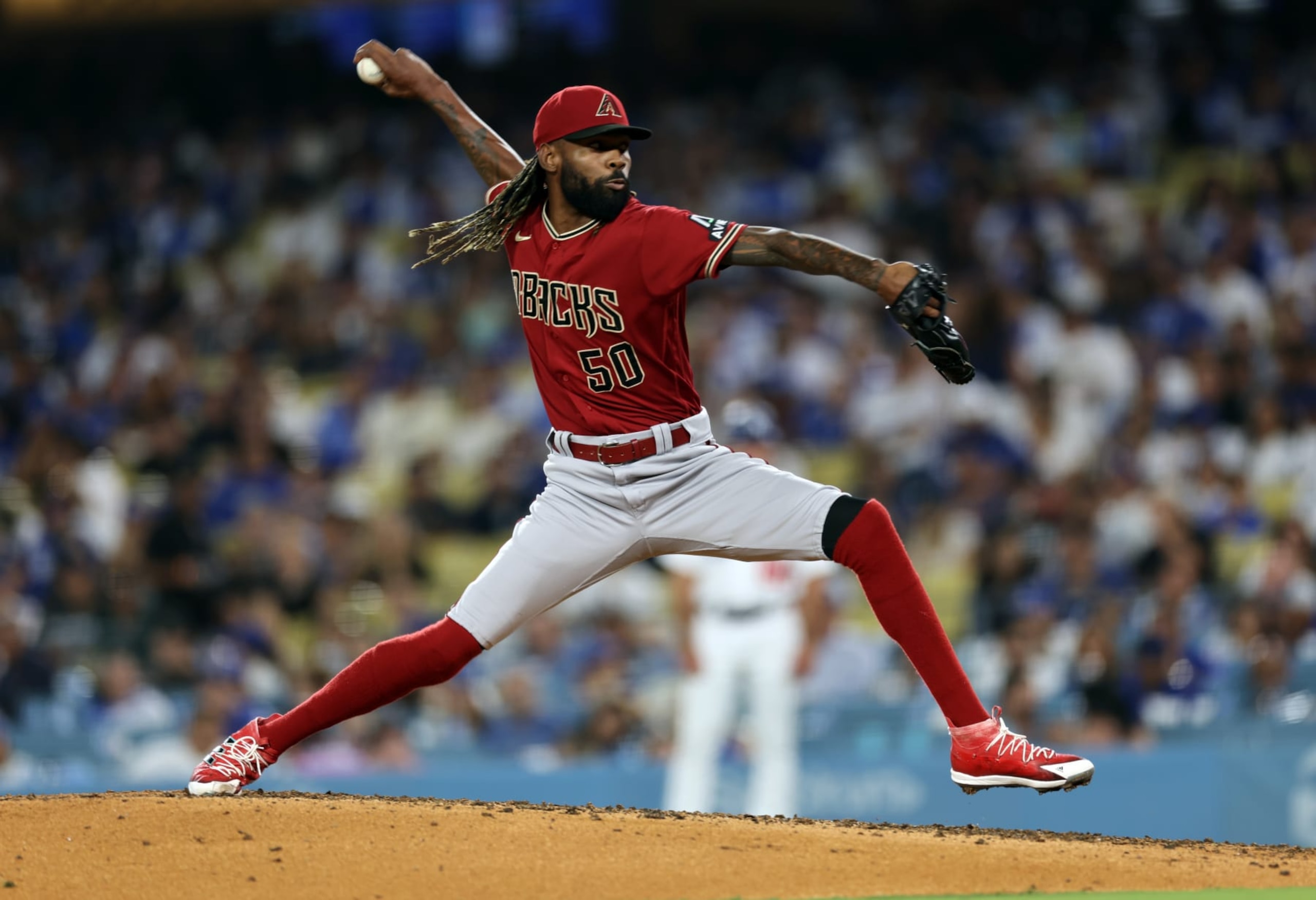
Fatal Flaw: The entire bullpen
When Arizona stormed out to a 50-34 record through its first 84 games, the bullpen was one of its bigger strengths.
Miguel Castro, Andrew Chafin and Scott McGough were situationally and impressively handling the late innings, each racking up at least seven saves and nine holds to go along with a sub-3.25 ERA. Kyle Nelson and Kevin Ginkel were also doing a great job, mostly in the sixth and seventh innings.
Dating back to July 2, though, Arizona has gone 26-36 with a bullpen that ranks among the worst in the majors.
Castro and McGough both have an ERA north of 7.00. Chafin's was at 11.12 over his last seven appearances before getting traded to Milwaukee. Trade deadline acquisition Paul Sewald has 12 saves, but he has been mightily shaky. Ginkel is the only high-leverage reliever who hasn't been a mess.
Couple that with a starting rotation where three-fifths of the arms have an ERA north of 5.50 for the year, and it's going to take a whole lot of offense for the Diamondbacks to win it all.
Atlanta Braves
2 of 16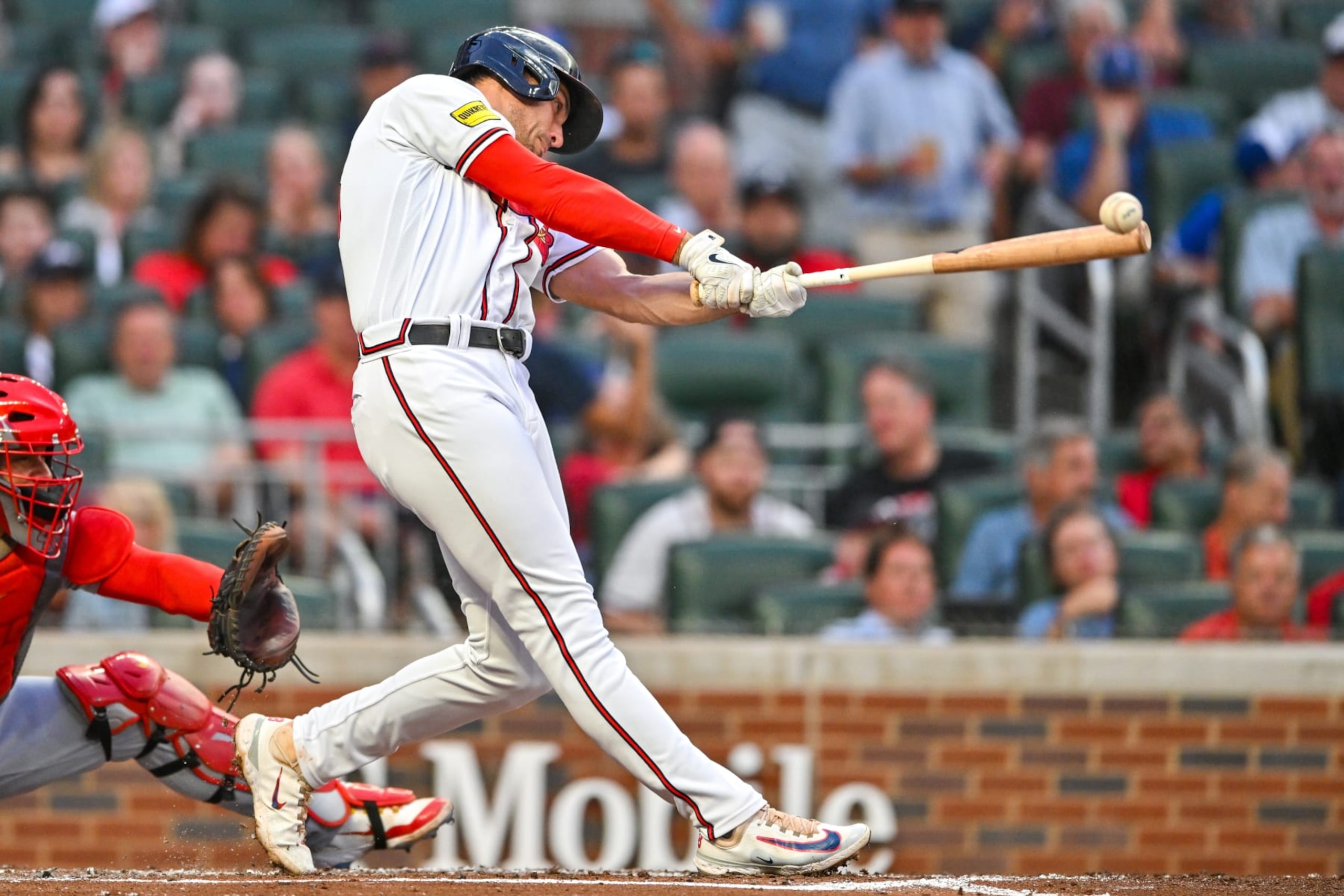
Fatal Flaw: Too many home runs?
The Atlanta Braves have hit so many home runs this season that they could go the rest of the way without hitting a single round-tripper and would most likely still finish at No. 1 in that department.
Matt Olson has already eclipsed 50. Ronald Acuña Jr., Austin Riley and Marcell Ozuna each could get to 40. They've even gotten 17 home runs and an .805 OPS out of their 9-hole this season.
It's ridiculous how well this team has been slugging all season.
But could that actually be a counterintuitive problem in October?
Dating back to 2010, the only team to lead the majors in home runs and even make it to the World Series was the 2020 Los Angeles Dodgers. (And let's not forget that was a 60-game season and the exception to a whole lot of rules.)
Five times (2011, 2012, 2017, 2018 and 2022) the Yankees hit the most homers during the regular season, only to get bounced in either the ALDS or ALCS. Baltimore (2013, 2014 and 2016) and Toronto (2010, 2015 and 2021) also led the majors in home runs three times each, and they didn't even make the postseason half of those times, let alone the World Series.
Granted, Atlanta does much more than just swing for the fences. It also leads the majors in batting average, has a fine pitching staff and is the clear-cut favorite to win it all, none of which can be said for most of those homer-hitting titans of the past decade-plus.
Facts are facts, though, and the home run kings have had a tough time trying to become World Series champions as of late.
Baltimore Orioles
3 of 16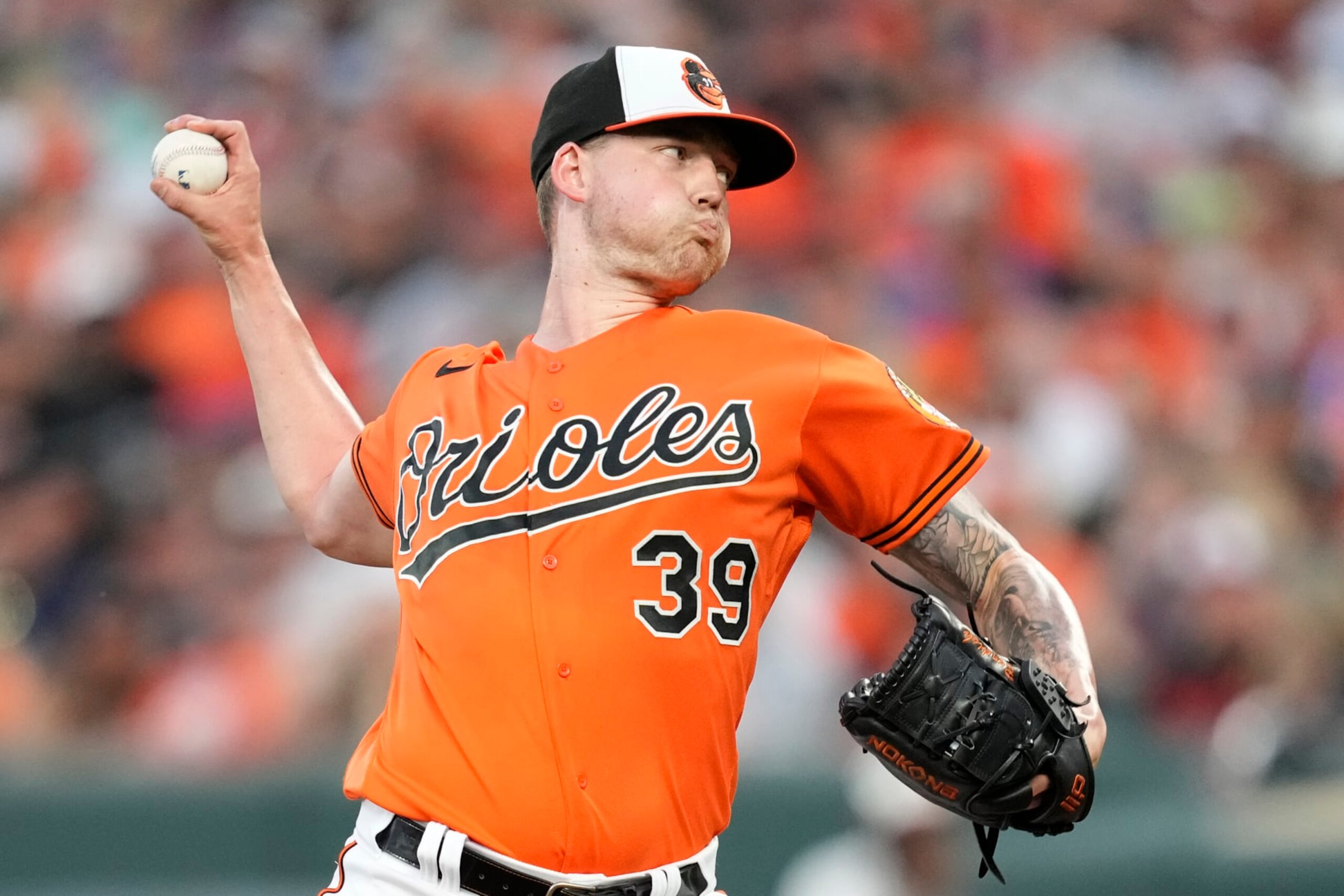
Fatal Flaw: The starting rotation
Say this much for the Orioles' starting rotation: Kyle Bradish has been woefully underappreciated on the national scene, and Grayson Rodriguez has been drastically better since his late-May demotion to Triple-A.
Dating back to May 28, Bradish has made 18 starts with a 2.58 ERA and a K/BB ratio of 4.3-to-1. During that stretch, he made quality starts against Seattle (twice), Toronto (twice), Texas, Tampa Bay, Boston, Minnesota, Milwaukee, Miami, the Yankees, A's and Rockies. He's not a household name yet, but that could change with a gem in Game 1 of the ALDS.
And after a brutal first 10 starts of his MLB career, highly touted prospect Rodriguez has given the O's a 2.55 ERA over his last nine appearances, going at least 5.2 innings and allowing three or fewer earned runs in all but one. If Bradish is on the bump for Game 1, Rodriguez should be the Game 2 starter.
Let's say they're facing the Astros, though.
Are you taking Kyle Bradish over Justin Verlander?
Grayson Rodriguez over Framber Valdez?
Kyle Gibson, Jack Flaherty or Dean Kremer over anyone?
They did just get John Means back for the first time since April 2022, but how quickly can he regain his former role as the ace of the staff?
I'm not trying to suggest Baltimore's possible 100-plus win season has been a fluke or smoke and mirrors. This has been an impressive young team with a ton of clutch/quality hitting.
What I am trying to suggest, though, is that quality starting pitching is just about a mandatory prerequisite for a deep run in October—even more so with All-Star closer Félix Bautista questionable because of his UCL injury.
And unless they face the Cincinnati Reds in the World Series, the O's are going to be at a disadvantage in starting pitching in just about any series.
Chicago Cubs
4 of 16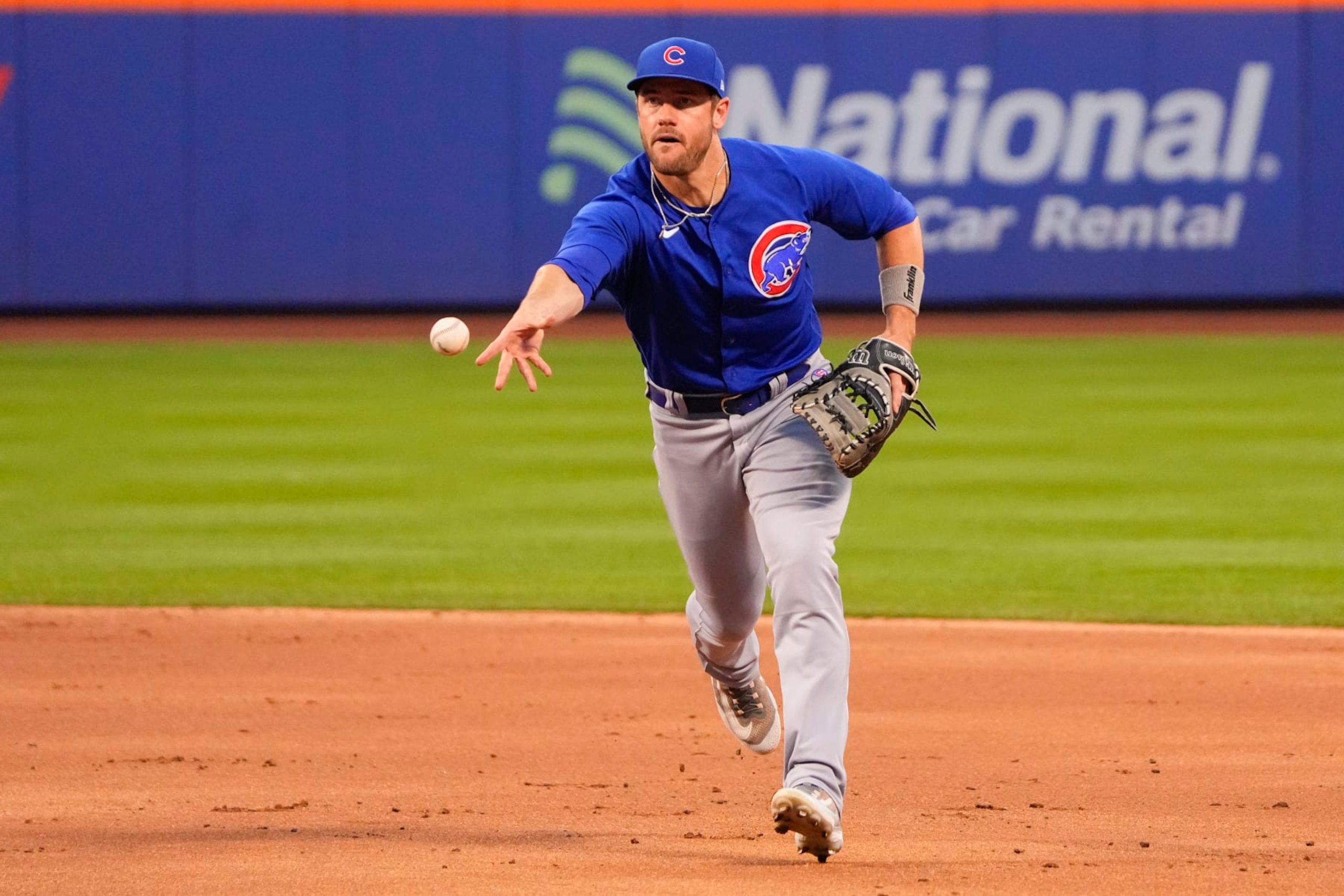
Fatal Flaw: Corner infield and middle relief
Let's start with the corner infield here.
When Jeimer Candelario first arrived from Washington, he made Ted Williams and Tony Gwynn look like average hitters. Through his first nine games with the Cubs, Candelario triple-slashed .485/.541/.727. But in 27 games since then, the guy who bounces back and forth between first and third base has hit .141.
When Cody Bellinger is at first base, no worries there. But when Chicago's star is in his normal home in center field and Candelario's corner-infield partner is either Patrick Wisdom at first or Nick Madrigal at third, yikes.
The Cubs entered the season hoping Wisdom would homer enough to make up for all of the strikeouts, the Mendozian batting average and the less-than-stellar defense at the hot corner, but he hasn't. They were also hoping that one of Eric Hosmer, Trey Mancini or Matt Mervis would be the answer at first base, but that didn't pan out, either.
It's kind of hard to believe they've been this good while getting such minimal production from first and third. (Again, aside from Bellinger, who has played way more innings in center than at first.)
Then in the bullpen, Adbert Alzolay emerged in July as solid closer, at one point converting 18 consecutive save chances. But the 6th-8th innings have been season-long adventures.
Aside from Alzolay, the Cubs don't have a single pitcher who has worked at least five innings of relief with a sub-2.90 ERA.
Cincinnati Reds
5 of 16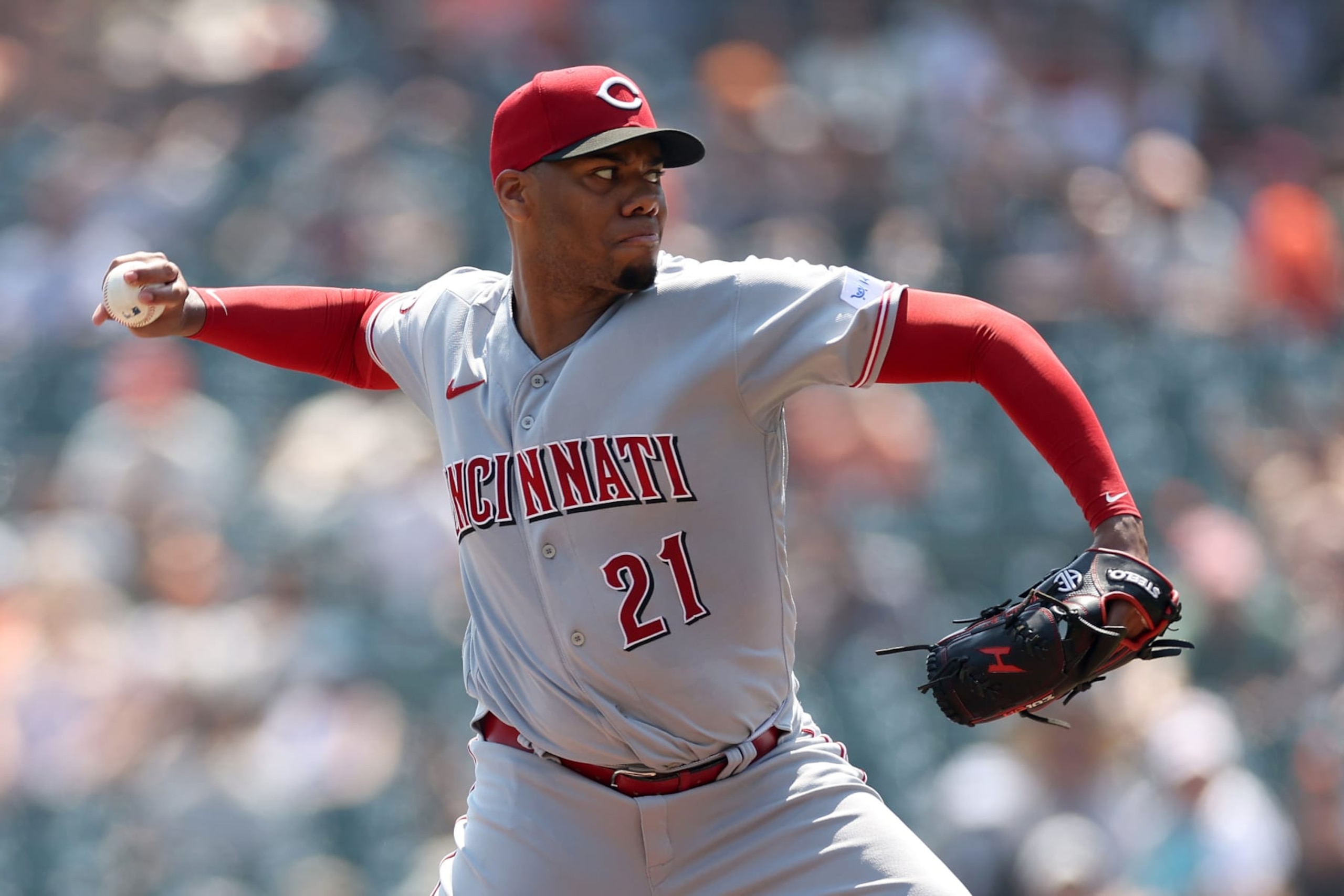
Fatal Flaw: Pitching
While the fatal flaws for Baltimore and Chicago were starting pitching and middle relief, respectively, Cincinnati has been just generally not good on the mound this season.
There are exceptions to the rule, of course. Alexis Díaz has been one of the most reliable closers of the season. Andrew Abbott has had a solid rookie year with a 3.64 ERA and quality starts in 50 percent of his appearances. And, for the most part, Hunter Greene has been pretty good.
Yet, among the 16 teams with tangible postseason aspirations, the Reds have allowed the most runs by a wide margin.
Fourteen of those 16 teams entered play on Wednesday below 650 runs allowed, while Arizona (694) was the only one even remotely in the same area code as Cincinnati (728).
Reds pitchers aren't exactly surging to the finish line, either. After posting a strong 3.51 ERA in July, they were at 5.03 in August and are up to 5.13 thus far in September.
And though they do have enough offensive firepower to win the occasional slugfest, the Reds have gone 25-47 when allowing at least five runs and 7-30 when allowing at least seven runs.
Houston Astros
6 of 16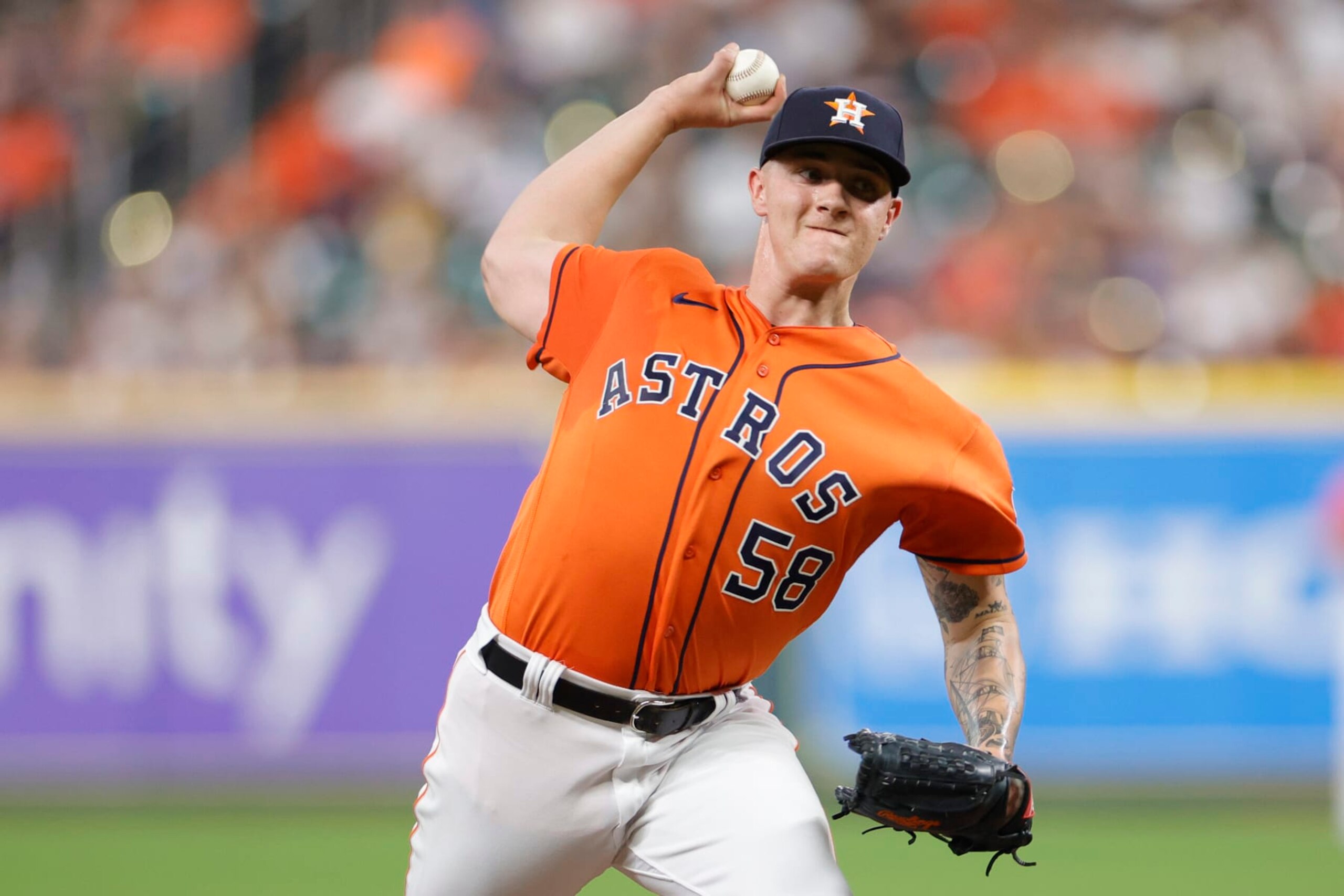
Fatal Flaw: Third and fourth spots in the starting rotation
It's a good thing the Astros reacquired Justin Verlander at the trade deadline, because most of their starting rotation has been falling apart at the seams as of late.
Dating back to August 20, Framber Valdez (2.00 ERA) has been awesome and Verlander (3.48) has been respectable. Beyond that dynamic duo, though, Cristian Javier (6.63), José Urquidy (7.98), J.P. France (8.53) and Hunter Brown (9.56) have all struggled.
Best of luck picking from that collection when it comes time to set the postseason rotation.
When they lost Luis Garcia to Tommy John surgery in May and Lance McCullers Jr. to flexor tendon surgery in June, it became likely that the starting rotation would be the Astros' biggest weakness in the postseason.
Rookies Brown and France were more than holding their own through the first four-and-a-half months, but their outings are getting dicey now that they've both well surpassed their previous high for innings pitched in a season.
Will those two young arms have anything left in the tank by mid-October?
Or will Javier be able to bounce back to what he was over the past three postseasons for Houston, when he logged 32.2 IP with a 2.20 ERA?
If the answer to both questions is a "no," getting back to the ALCS for a seventh consecutive year might not be in the cards for Houston.
Los Angeles Dodgers
7 of 16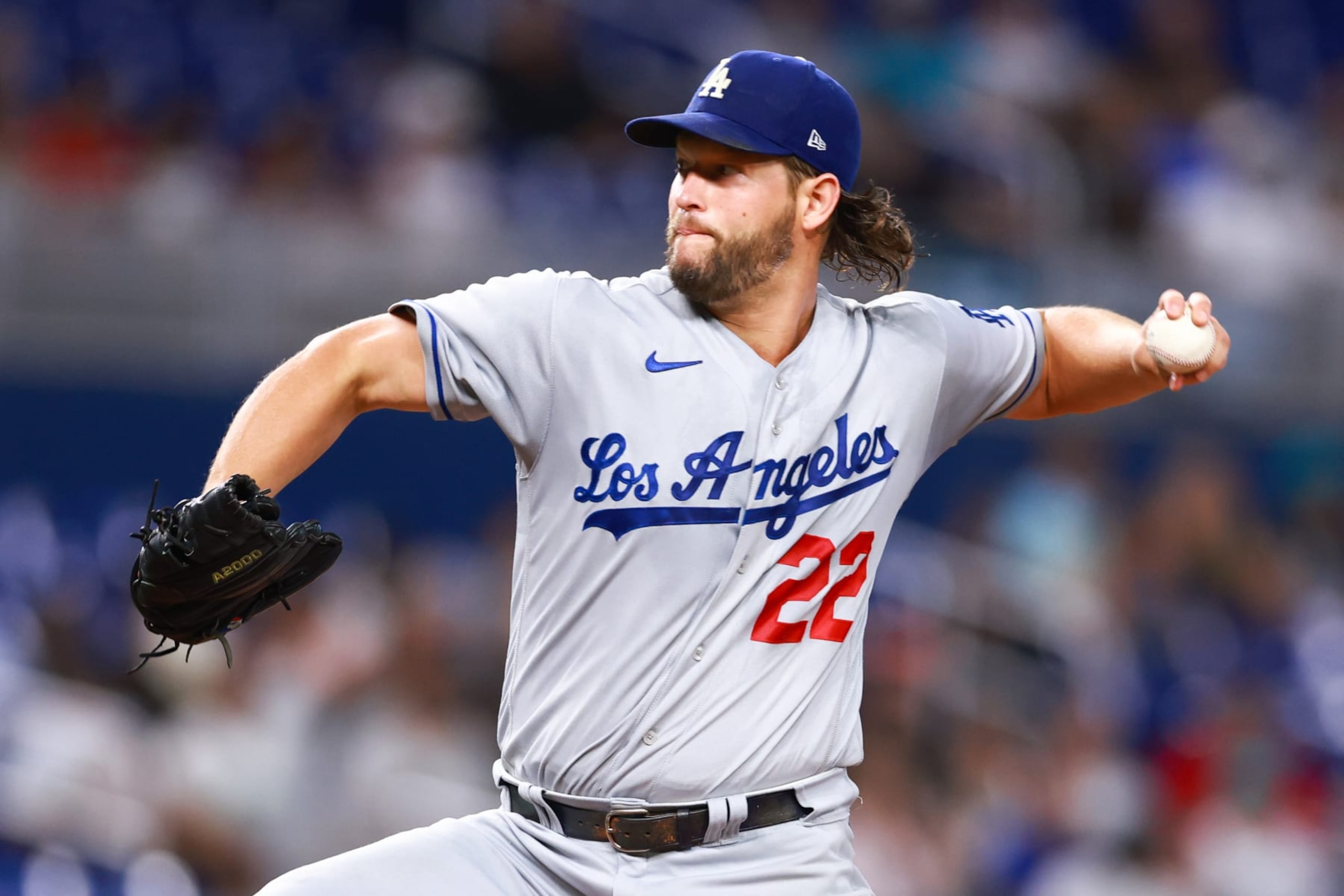
Fatal Flaw: Starting rotation health/availability
It was only three weeks ago that the Dodgers' starting rotation seemed to be rounding into postseason form.
Lance Lynn gave them a 2.03 ERA in his first five appearances after coming over from the White Sox. Julio Urías won each of his first four starts of August with a 1.44 ERA. Clayton Kershaw returned from the IL and was looking good. And there was even talk of Walker Buehler (TJ surgery last August) maybe making it back before the postseason, as he made a rehab appearance with Triple-A Oklahoma City on Sept. 3.
But things have changed in a hurry.
Urías is out indefinitely after getting arrested on domestic violence charges on Sept. 3.
Days after his rehab appearance, they shut down Buehler and said he will not return in 2023.
After allowing seven total runs in his first five appearances, Lynn has allowed at least seven earned runs in two of his last three starts.
And Kershaw was supposed to pitch Monday but had his next start pushed back to Friday, raising concerns about his health as we approach the finish line.
At this point, the starting rotation is in shambles, forced to rely on a sizable combination of rookies Bobby Miller, Gavin Stone, Emmet Sheehan and Ryan Pepiot for the foreseeable future.
Even with Mookie Betts and Freddie Freeman doing their dominant thing, can the Dodgers really win multiple best-of-seven series in their current pitching state?
Miami Marlins
8 of 16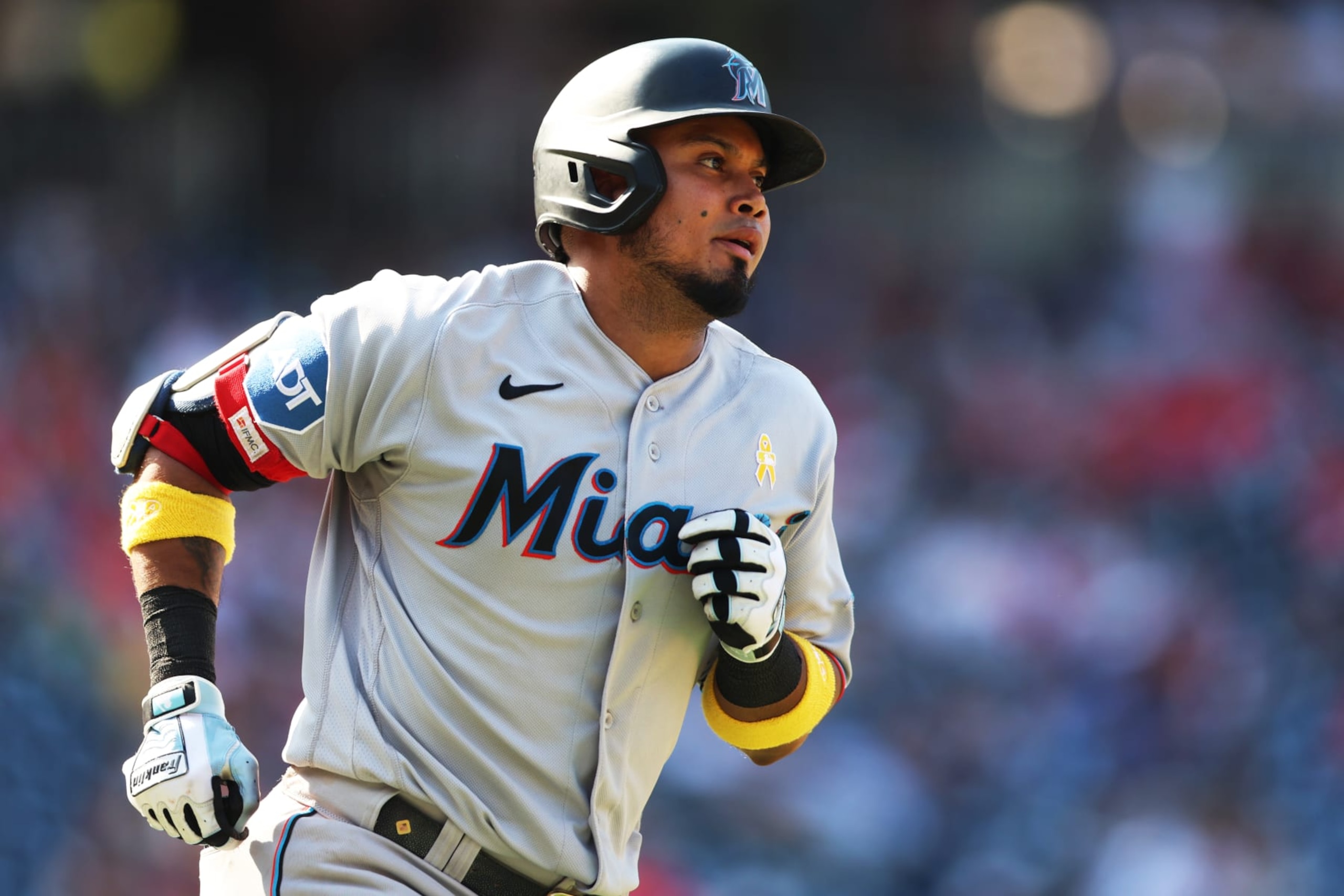
Fatal Flaw: Not enough reliable hitters
Miami went out and got Josh Bell and Jake Burger ahead of the trade deadline, both of whom have been valuable additions to the everyday lineup.
In fact, as of Monday morning, they had the two highest OPS on the roster, with Bell (.855) and Burger (.849) narrowly edging out both Jorge Soler (.842) and Luis Arráez (.840).
Unfortunately, those new bats showed up right as Arráez was starting to cool off, so Miami's moribund offense hasn't actually been any better with Bell and Burger in tow.
The Marlins hit .234 and scored 96 runs in August, both of which were season-low marks for what was already the lowest scoring of the 16 postseason contenders.
They've been slightly more potent thus far in September, but they also lost Soler to the IL with a hip/oblique injury. Others have stepped up their game over the past two weeks, but if Soler is out for the postseason (if the Marlins even make the playoffs), there's not much slugging for opposing pitching staffs to worry about.
When they do score at least six runs, the Marlins have been just about unbeatable, going 34-3 in those games. But it's more likely they'll lose with minimal offense, going 8-39 when scoring two runs or fewer.
Milwaukee Brewers
9 of 16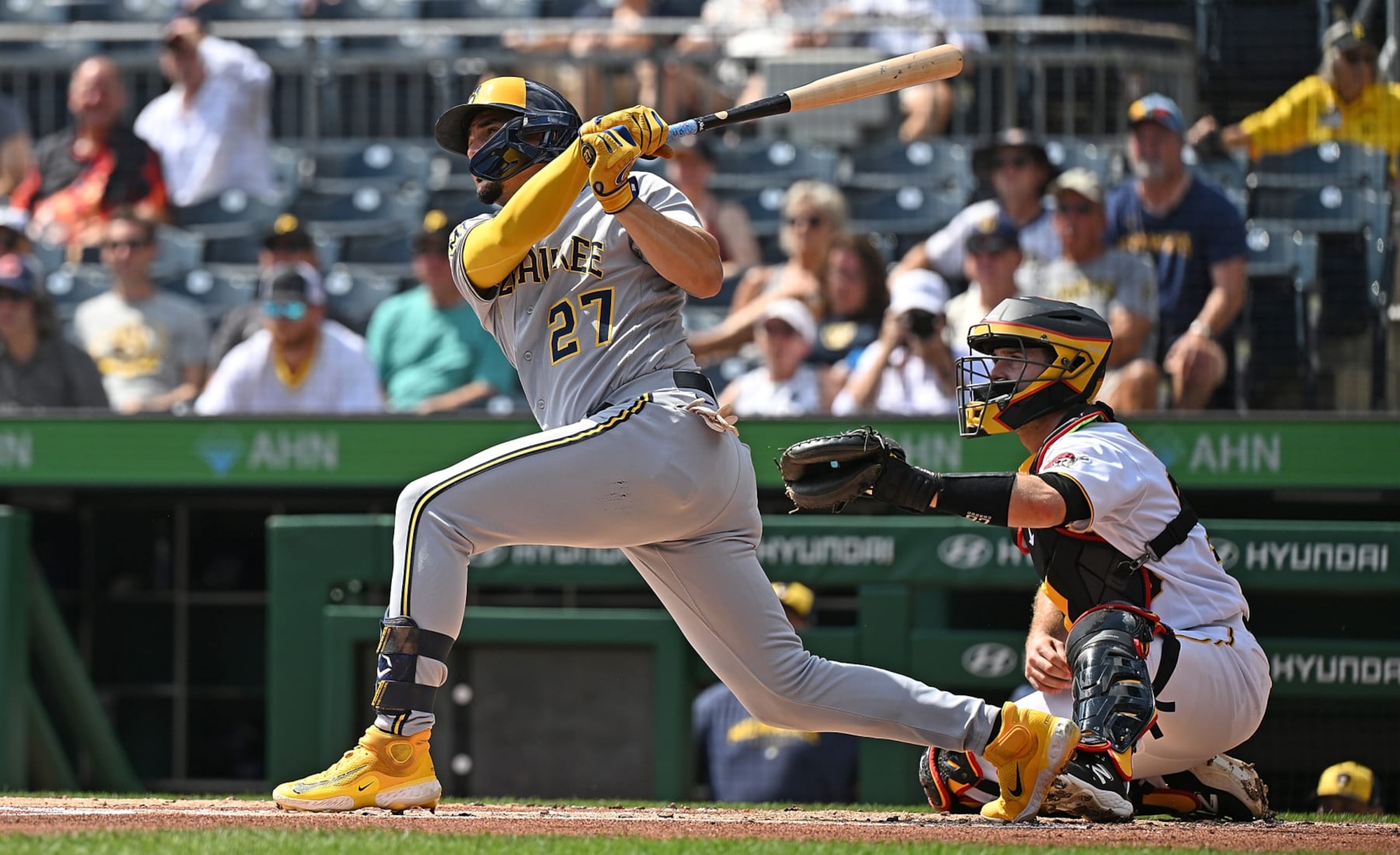
Fatal Flaw: Hitting
At an MLB-wide level, roughly half of the players who have made at least 150 plate appearances this season have done so with a batting average of .251 or better. Per FanGraphs, it was 195 out of 384 players (50.8 percent) as of Wednesday morning.
But Milwaukee hasn't been so successful at the dish.
Of its 14 players with at least 150 plate appearances, only William Contreras (.281), Christian Yelich (.274), Andruw Monasterio (.273) and Owen Miller (.261) are batting .250 or better. And it should be noted that Miller is only hitting .187 in 39 games played dating back to June 12, cooling off drastically after a solid start and recently getting sent down to Triple-A to make room for Josh Donaldson—a testament to how desperate they are for hitting.
Eight of the 14 are batting below .225 for the offense that also almost ranks dead last in the majors in slugging percentage. The Brewers are at .380 in that department, only narrowly ahead of the Guardians (.377), Tigers (.377) and A's (.375).
All that said, the offense has at least been much more clutch of late, scoring at least five runs in 19 of their last 21 wins. But the hitting hasn't really been any better as a whole; just the timing of it and the propensity for the occasional big inning has improved.
And considering the Brewers (if they win the NL Central and their wild-card series against the TBD No. 6 seed) will almost certainly need to go through the Dodgers in the NLDS, it bears mentioning that Los Angeles held this offense to two runs or fewer in five of the six meetings this season.
Minnesota Twins
10 of 16
Fatal Flaw: Pitching in the second half
In the first half of the season, Minnesota's biggest shortcoming was its inability to get on base with any regularity.
Prior to the All-Star Break, the Twins had a .232 batting average and a .309 on-base percentage, both of which ranked bottom five in the majors. They also had an MLB-worst 26.8 percent whiff rate at the plate. But they've turned a serious corner in that department, batting .257 with a .343 OBP in the second half.
As a result, their scoring has increased by roughly 1.3 runs per game.
While the offense has hit its stride, though, what was arguably the best pitching staff in the majors in the first half has regressed to just OK—despite facing maybe the easiest schedule since the All-Star Break.
Sonny Gray and Pablo López have continued to pitch well, so maybe the Twins will finally end their drought of 18 consecutive postseason losses dating back to 2004. However, both Joe Ryan and Bailey Ober have been drastically less effective since strong starts, with Ober even getting demoted back to Triple-A St. Paul a few weeks ago. And primary set-up man Griffin Jax has been shelled more than his fair share of times, now saddled with seven blown saves and nine losses on the season.
With any luck, they'll at least get Brock Stewart back in time for the playoffs. He had a 0.70 ERA through his first 25 appearances, but he has been on the IL with a forearm injury since late June. They've definitely missed getting to call his number in the seventh and eighth inning, but we'll see how effective he can be if he does make it back.
Philadelphia Phillies
11 of 16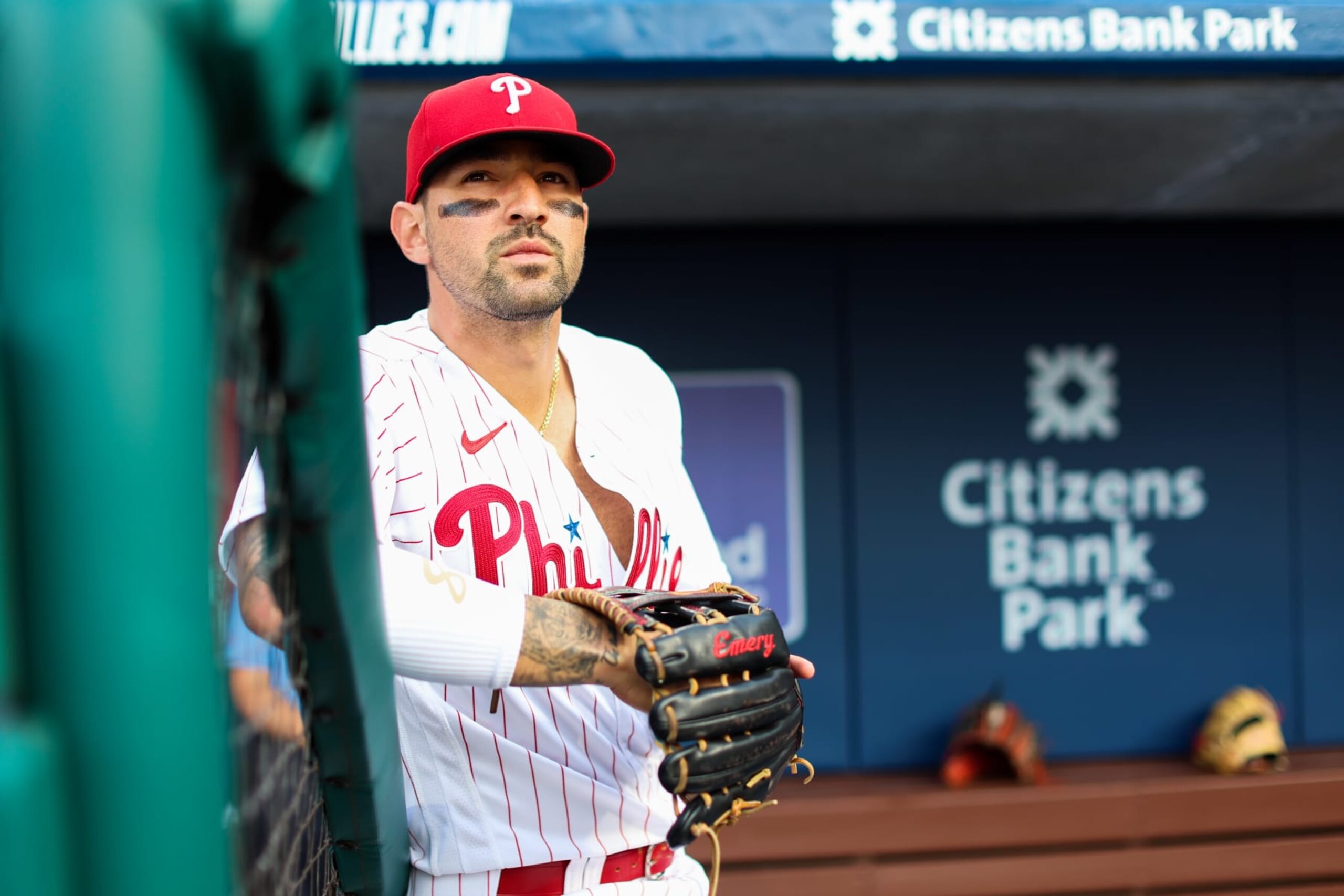
Fatal Flaw: Defense
Team defense is probably the most underappreciated aspect of baseball, in large part because it's hard to quantify.
But you don't need a PhD in UZR or DRS to be able to see that defense isn't exactly Philadelphia's strong suit.
Corner outfielders Kyle Schwarber and Nick Castellanos have been two of the least valuable defenders in all of baseball over the past three seasons. In both cases, it's not because they commit a ton of errors—Castellanos actually hasn't committed a single error since June 2021—but rather because of their limited range, frequently not getting to balls that should be outs, or turning singles into extra-base hits by not taking the best possible angle.
Shortstop Trea Turner is sputtering through one of his worst fielding seasons. He has already committed a career-worst 18 errors, and has been the primary shortstop for one of the worst double play-turning infields in the majors.
Alec Bohm has also struggled while bouncing between first and third base. That includes committing one of the biggest errors of the entire season when he turned what should have been an inning-ending groundout into a game-changing, three-run error in the 8th inning of a Sept. 1 loss to Milwaukee.
At least when Bryce Harper is at first base, the Phillies are able to "hide" Schwarber at DH. But when putting a guy who had spent his entire career in the outfield at first base is a clear improvement, you know things aren't going well.
San Francisco Giants
12 of 16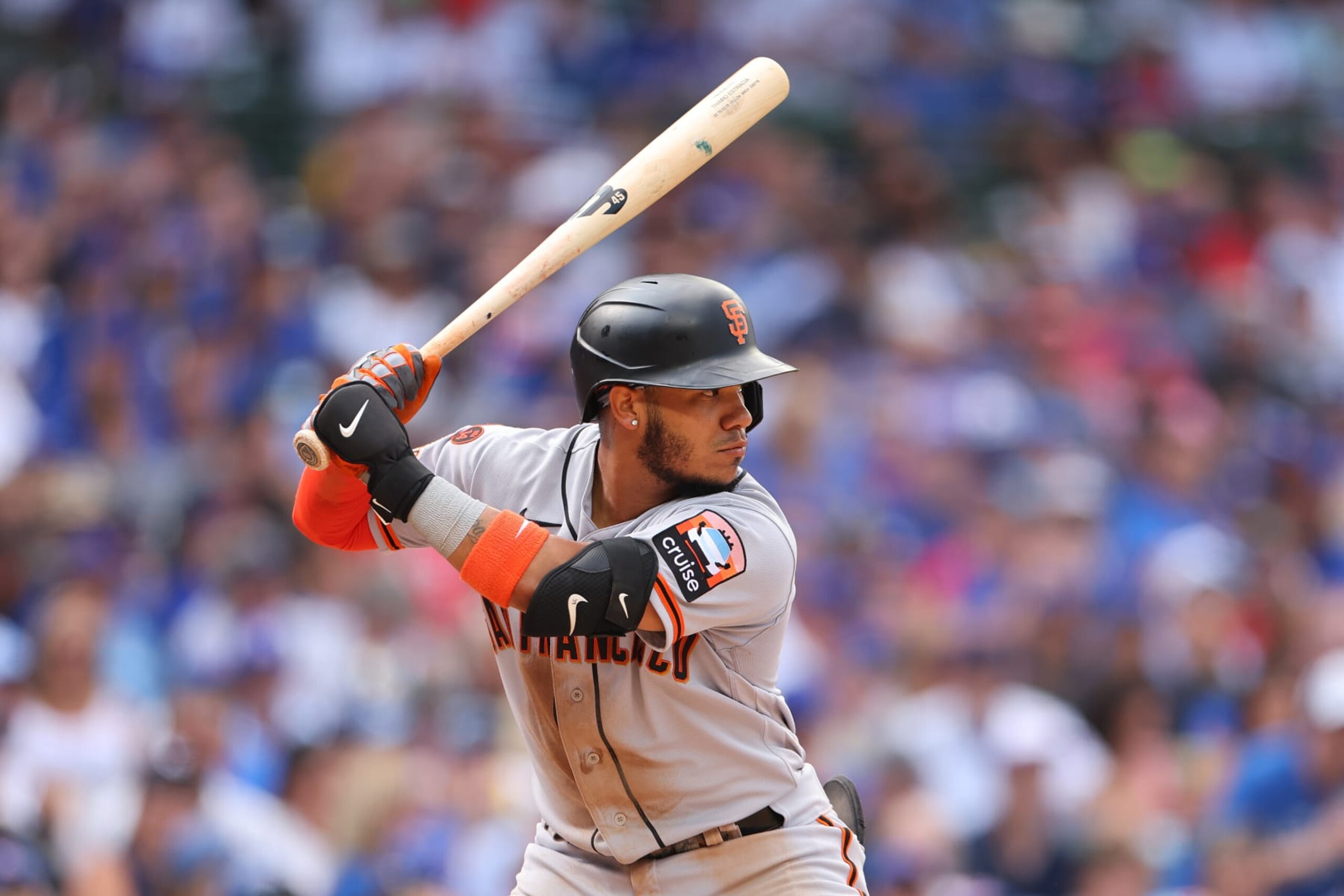
Fatal Flaw: Lack of star hitting (or any hitting lately)
Pop quiz time: Who has been San Francisco's most valuable position player this season?
FanGraphs says it's Thairo Estrada slightly ahead of Patrick Bailey. Baseball Reference has Mike Yastrzemski narrowly edging out Wilmer Flores and LaMonte Wade Jr. for the team lead (among hitters) in WAR.
Either way, we're not exactly talking about a viable candidate for NL MVP here.
The Giants do have eight players with at least a dozen home runs, but Flores (22) is the only one with more than 17 dingers. They also rank bottom 10 in the majors in both batting average and on-base percentage, as well as dead last in stolen bases, with Estrada (21) the only Giant who has more than four swipes this season.
And since the All-Star Break, San Francisco has had the worst slugging percentage (.366) in baseball.
That doesn't mean the Giants can't score or can't get hot for a few weeks. But if they do play their way into a wild-card spot, they are likely to have the lowest-scoring and least-star-studded offense in the 12-team field.
There's always the possibility of unlikely heroes in October. But considering the starting rotation gets bleak in a hurry after Logan Webb and Alex Cobb, San Francisco's lack of established offensive stars is more than a little problematic.
Seattle Mariners
13 of 16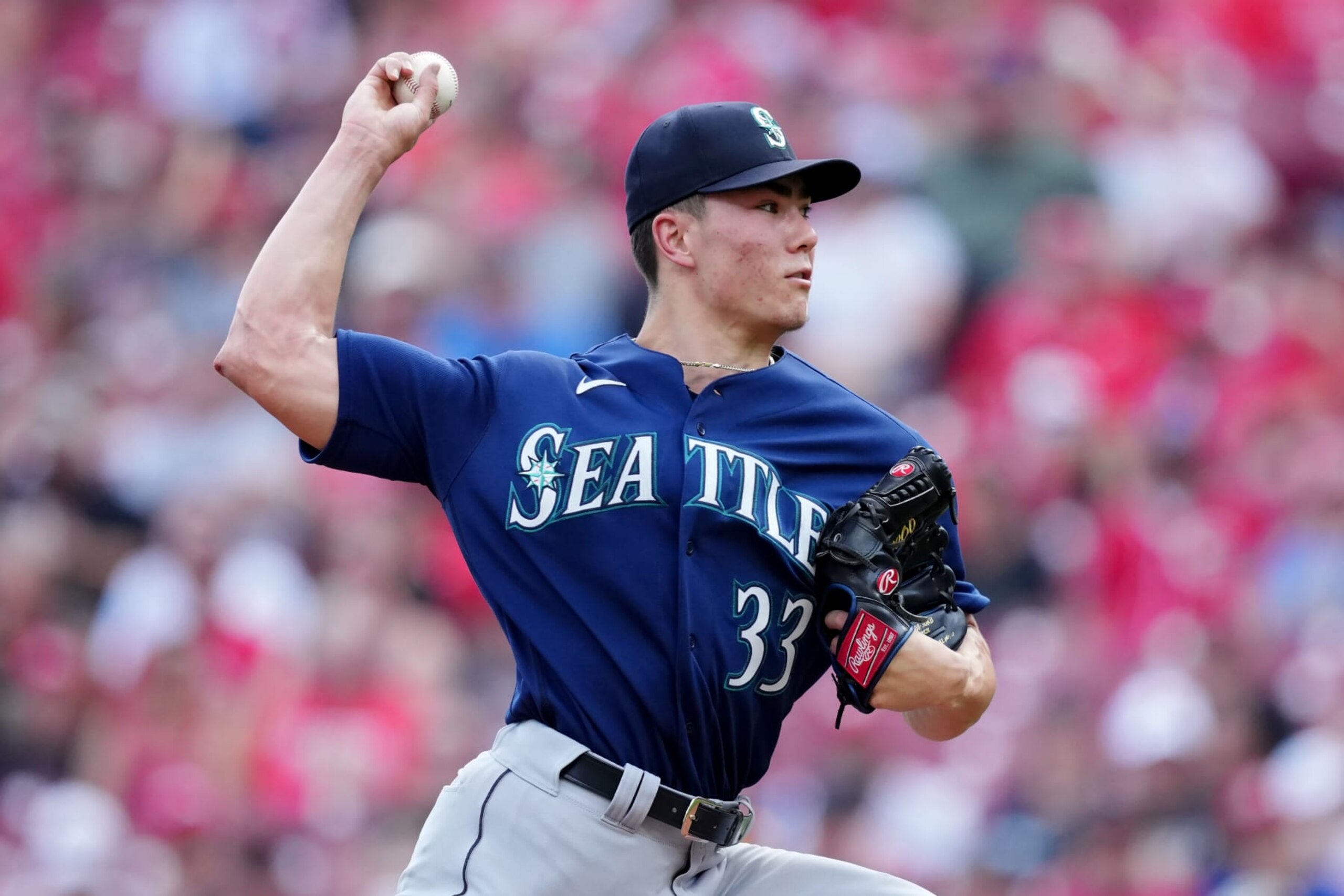
Fatal Flaw: Young arms in pivotal roles
There's no established rule in baseball that your pitching staff needs to be of a certain age in order to contend for a World Series crown.
But if the Seattle Mariners were to make it to the World Series with their young stable of arms, it would certainly fly in the face of what we've seen over the past two decades.
Per Baseball Reference, Seattle has the second-youngest pitching staff in the majors, only bested by the Cleveland Guardians—whose 16 team leaders in innings pitched are each 28 or younger.
Of Seattle's six team leaders in innings pitched, only Luis Castillo is in his age-27 or older season, as Logan Gilbert (26), George Kirby (25), Bryce Miller (24), Bryan Woo (23) and Matt Brash (25) have shouldered a heavy load. They have also been relying a lot on 25-year-old Isaiah Campbell and 24-year-old Andrés Muñoz out of the bullpen lately, with the latter taking over as closer after Paul Sewald was traded to Arizona.
Here's the problem with that: The last time one of the 10 youngest pitching staffs (let alone second-youngest) made it to the World Series at the end of a 162-game season was the 2013 St. Louis Cardinals losing to the Boston Red Sox. (Boston had the third-oldest staff that year.) And the last time one of the eight youngest pitching staffs won the World Series was when Steve Bartman helped the 2003 Florida Marlins on their unlikely run to a title.
I don't have a good explanation for this phenomenon. It's probably some combination of A) experience mattering in October, B) young arms running out of gas late in the year and C) teams with minimal hope of making the postseason being more likely to hand the ball to rookies throughout the course of the regular season.
Whatever causes it, though, the recent history doesn't bode well for Seattle.
(For what it's worth, both Miami and Cincinnati are only slightly older than Seattle, and the Dodgers have the seventh-youngest staff in baseball, as they've had to lean on rookies a ton this season.)
Tampa Bay Rays
14 of 16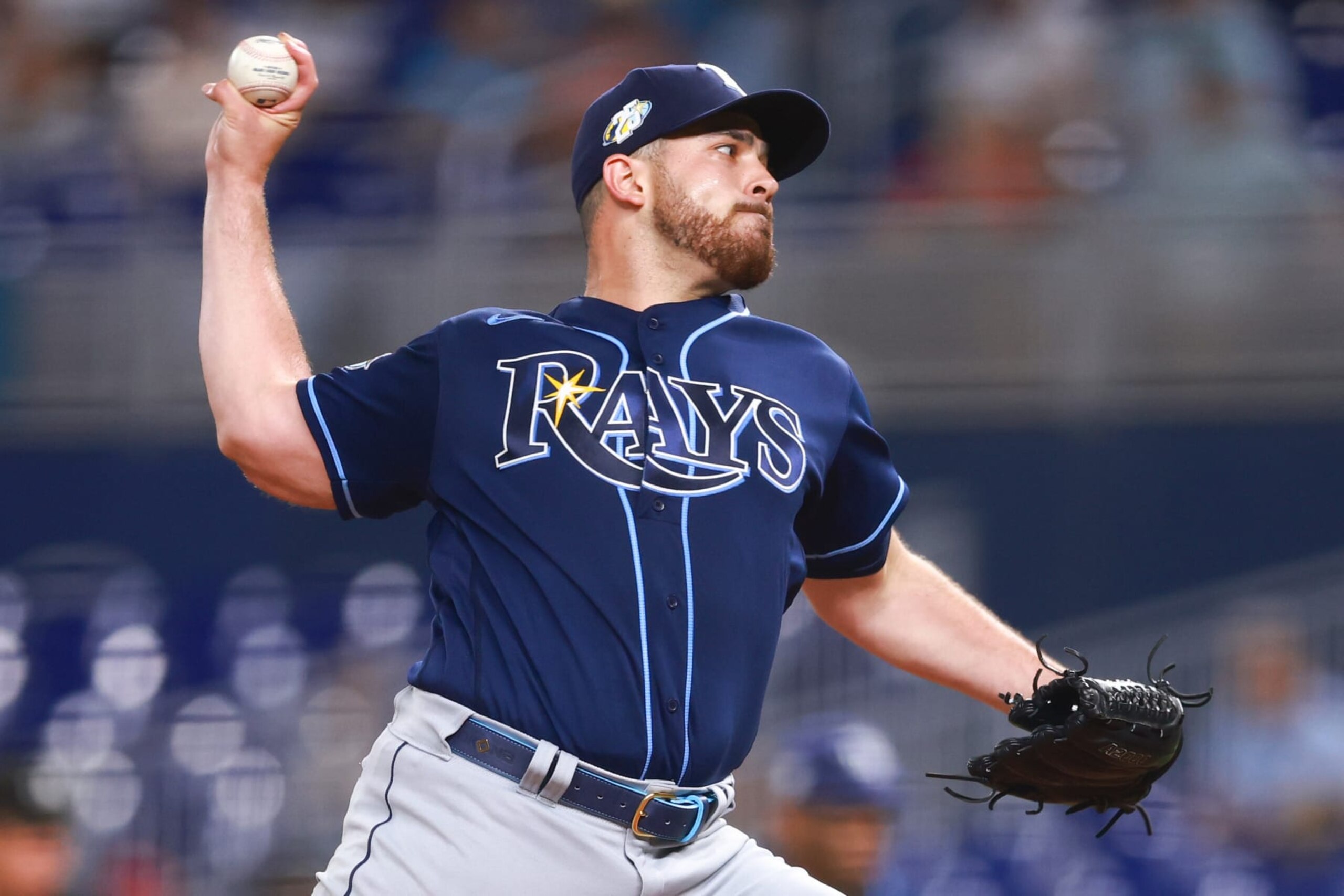
Fatal Flaw: Starting rotation health/depth
Since Shane McClanahan's final appearance of the season on August 2, the Tampa Bay Rays have gone 23-12, making it kind of hard to argue that the current starting rotation will be their downfall in October.
Then again, the first 29 games of that stretch came against teams that would not make the playoffs if the regular season ended today. Plus, they were idle for seven of the first 29 days after McClanahan's last start, so it's equally difficult to argue that they're gearing up to ride this rotation to the promised land.
Tyler Glasnow has been outstanding since returning from the IL in late-May. Can't very well complain about having that strikeout artist on the mound for Game 1 of a postseason series. Zach Eflin is also enjoying the best season of his career and should be a solid option as a Game 2 starter.
But Aaron Civale for Game 3? He has a 4.29 ERA through seven starts in Tampa Bay against what we previously noted has been a favorable schedule as of late. Civale also lasted a grand total of one out in the do-or-die Game 5 of last year's ALDS against the Yankees, allowing three earned runs in the only postseason appearance of his career.
Beyond that, Zack Littell tossed an eight-inning gem last week against Seattle, but is the recently converted reliever Tampa Bay's plan for Game 4?
Would they go with Taj Bradley in that spot, even though he has made one quality start in his 18 appearances this season?
Or do they just reembrace the opener life in games not started by Glasnow, Eflin or Civale?
Texas Rangers
15 of 16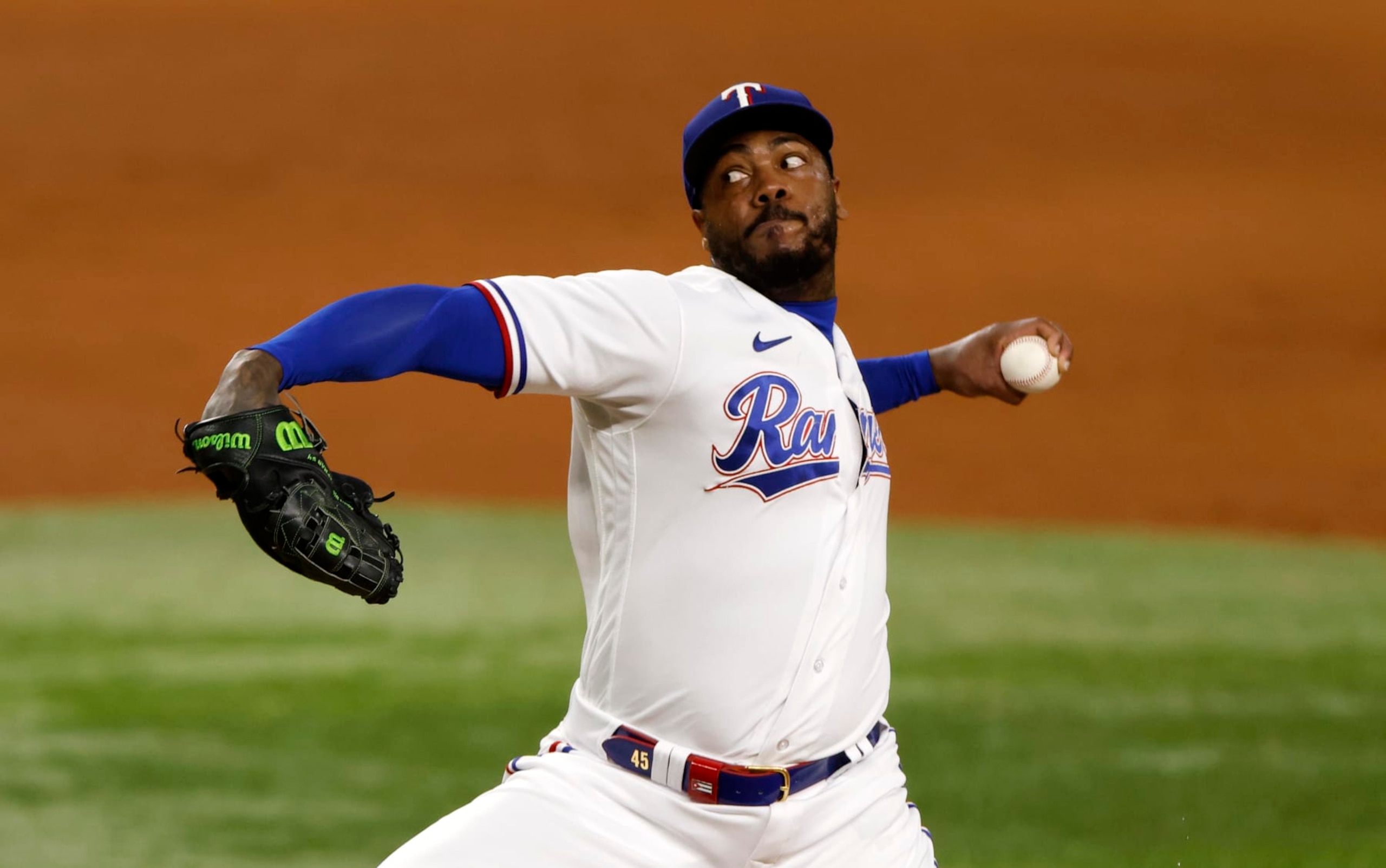
Fatal Flaw: Save situations
As of late, the fatal flaw for Texas has been the disappearing act by the offense. Through August 15, the Rangers had scored 691 runs, only narrowly behind Atlanta (700) for best in the majors. But in losing 15 of their next 19 games, they scored just 71 total runs, plummeting from 5.8 runs per game to 3.7.
But the season-long concern with the Rangers has been the bullpen.
It's why they traded for Aroldis Chapman on June 30, and why they made sure to get Chris Stratton from St. Louis in the Jordan Montgomery trade.
They still can't get out of their own way, though, leading the AL in blown saves (29) while also blowing more saves than they've converted (27).
Will Smith was fine in the closer role for most of the season, but he felt apart in August. And though Chapman has been mostly unhittable in the eighth inning, he has been a disaster in the 9th and 10th innings over the past few weeks.
Chapman's not alone on the extra innings front, either, as the Rangers have posted an 8.03 ERA across 12.1 innings of bonus work.
If Texas can even make the postseason at this point, we shall see who it turns to when the time comes to protect a late-inning lead.
Toronto Blue Jays
16 of 16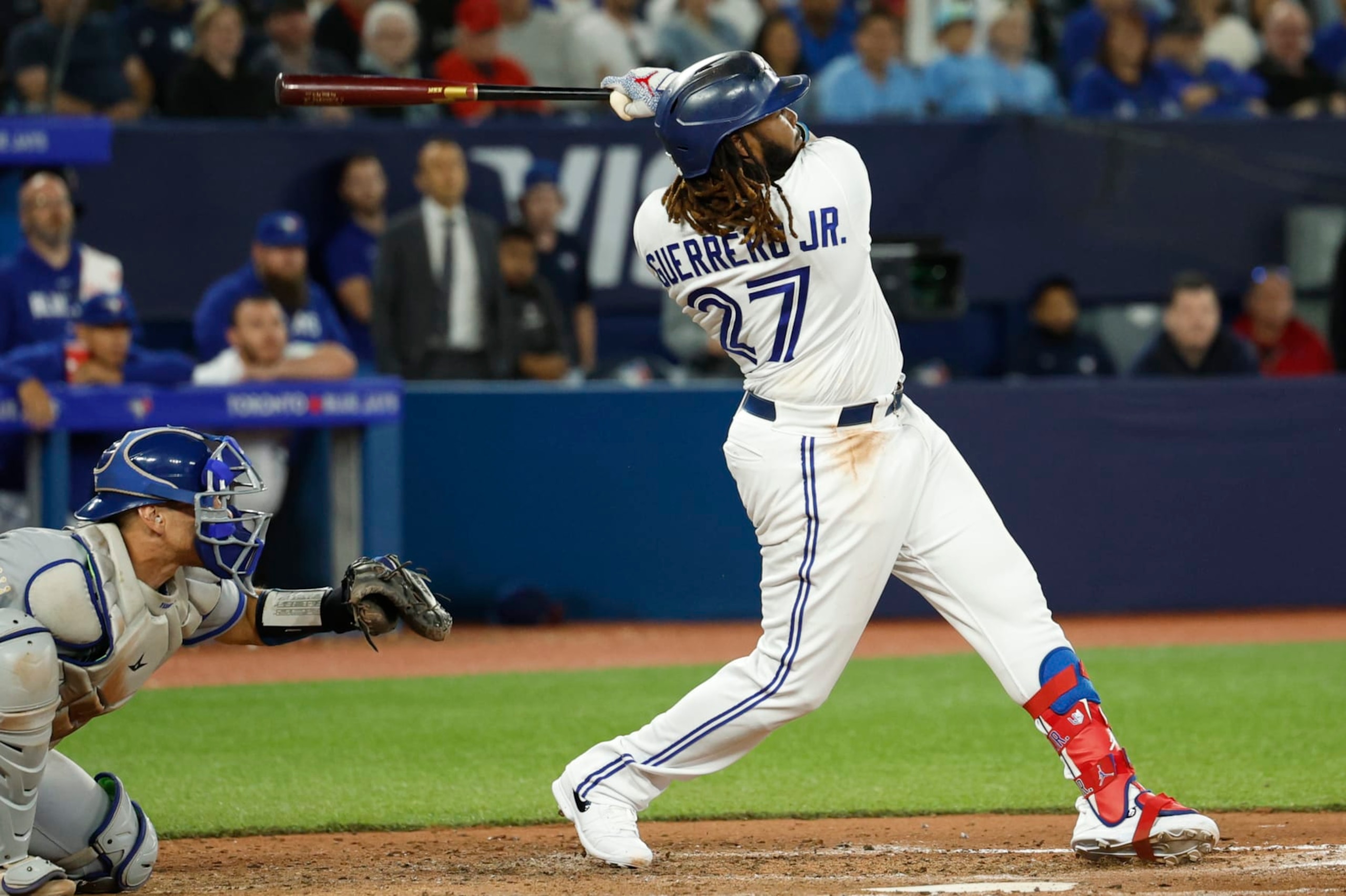
Fatal Flaw: Underachieving Sluggers
Here's a little factoid that no one could have possibly predicted before the season began: The Toronto Blue Jays are the only American League team without a single player who has hit at least 22 home runs this season.
They've got a bunch of guys close to that number. Vladimir Guerrero Jr., Bo Bichette, Matt Chapman, Daulton Varsho, George Springer, Brandon Belt and Danny Jansen each have at least 15 homers. But none greater than 21.
What happened to the team that ranked seventh in the majors in home runs last season?
The team that led the majors in homers with room to spare in 2021?
How is it possible that Belt has bounced back from a dreadful .676 OPS in 2022 for a renaissance type of campaign, yet this still might be the worst offense in the postseason?
As of Wednesday morning, there were 63 players in the majors with at least 150 plate appearances and a slugging percentage of .480 or better. Toronto did not have a single representative in that club.
We keep waiting on Guerrero to wake up and carry this offense, but he has just four home runs and a .691 OPS over his last 44 games. And Springer is slugging worse than in any previous season of his career, even after a two-homer game against Kansas City last weekend.
The Jays do have good pitching. And with the exception of Varsho, everyone gets on base at a solid clip. They could manufacture runs and win some pitching duels en route to a deep postseason run. But a power outage could be their undoing.



.jpg?w=2560 "Raiders Could Start Mendoza")
.jpg?w=2560 "Rodgers Iced Out on Plane 💎")

.jpg?w=2560 "🚨 Week 8 AP Top 25 Poll")
.jpg?w=2560 "Terrible Contracts NBA Teams Wish Would Disappear")
