
Fantasy Football Draft Strategy 2023: Blueprint to Forming a Winning Squad

When it comes to successfully navigating a fantasy football season, a little good fortune never hurts. Sometimes, the most clear path to a championship involves having the fewest core players missing time.
Of course, there's a big difference between a healthy lineup and a genuinely good one. That piece of the equation is addressed on draft day, and while managers can't control exactly who will be available—other managers will be making selections, after all—they can go into the draft with a solid plan.
A smart draft plan typically involves breaking down position groups into tiers of players with similar value.
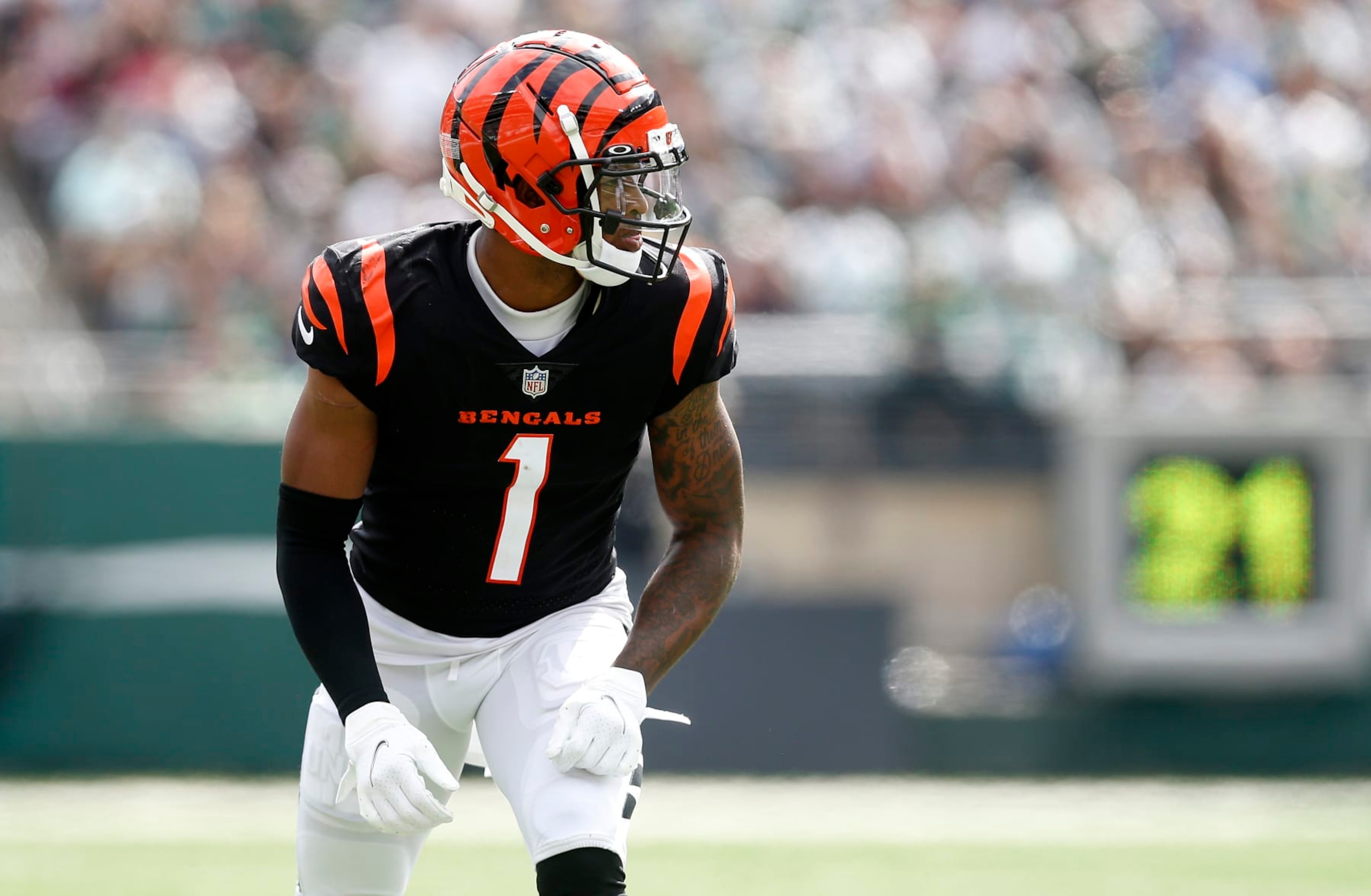
For example, Justin Jefferson, Ja'Marr Chase, Cooper Kupp and Tyreek Hill might make up a Tier 1 receiver group, while Christian McCaffrey, Austin Ekeler, Saquon Barkley and Bijan Robinson make up a Tier 1 RB group. This can help a manager know when to pivot away from a specific position when, say, the draft is entering the third tier of receivers but a Tier 1 RB is still available.
By using a tier system, managers can target value in each round rather than specific players. It's a great approach because there's no guarantee that the one player you must have won't get snagged just before you're on the clock.
Using the tier system as a base, here are a few other strategies for a successful 2023 fantasy draft.
Practice Drafting and Know Your Format
1 of 4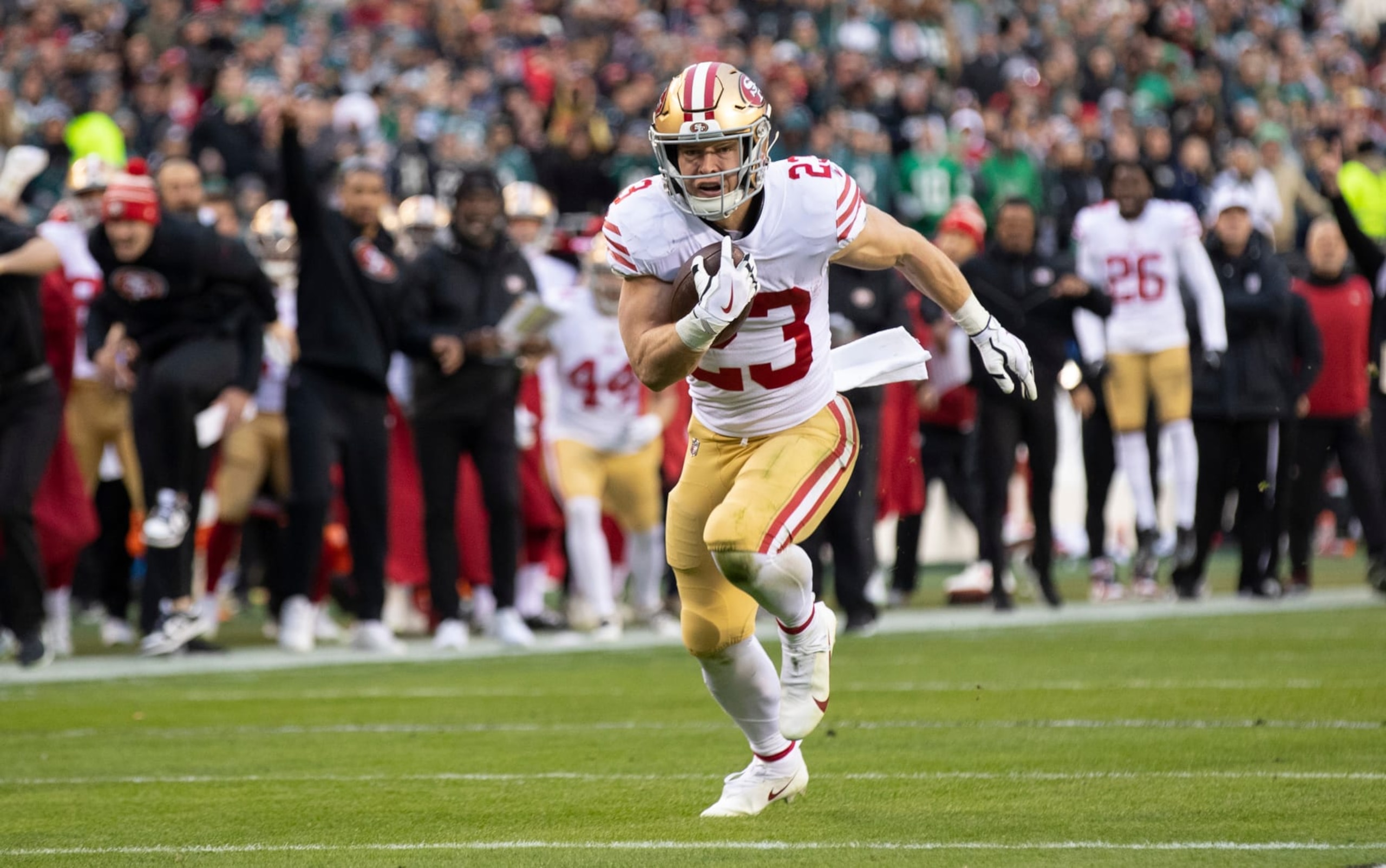
Mock drafts aren't just fun. They can be a valuable tool in a manager's kit, if used properly. Using an app like FantasyPros' Mock Draft Simulator can help a manager test out strategies and decide how to tier players.
Take note during your mock drafts and pay attention to any trends that emerge. If, for example, McCaffrey, Robinson, Ekeler and Barkley are consistently joined by Tony Pollard in the first round, Pollard might warrant an inclusion in your top RB tier.
To get an accurate read on player values, it's important to know your league's format, lineup parameters and scoring system. Running a 10-team standard-scoring mock, three RB mock won't be all that helpful in a 12-team, point-per-reception (PPR), double-flex league.
High-volume running backs like Derrick Henry and Nick Chubb tend to have a little more value in standard-scoring leagues than in PPR, while receivers and dual-threat RBs are a bit more valuable in PPR.
By practicing drafting and becoming familiar with their formats, managers should be able to separate players into draft tiers quite easily ahead of the real thing.
Don't Reach for RBs After Round 3
2 of 4
Ideally, you should be able to snag at least two Tier 1 players through the first three rounds, with a Tier 2 player in tow. Depending on your approach in the opening rounds—receiver-heavy or double-running back—you may find yourself missing a starter at WR or RB in Rounds 4 and 5.
It can be OK to draft a Tier 3 receiver as early as Round 4—depending on how the draft has fallen—because PPR value can make a low-end No. 1 wideout or high-end No. 2 receiver quite valuable.
Cleveland Browns receiver Amari Cooper, for example, has an average draft position (ADP) of 44, according to FantasyPros. There's absolutely nothing wrong with having a player who had 78 catches, 1,150 yards and nine touchdowns in your starting lineup.
However, managers should avoid dipping into that third tier of running backs in the middle rounds of the draft. Players like Houston Texans ball carrier Dameon Pierce (ADP 41) simply carry too many risks.
Pierce was a viable flex starter as a rookie in 2022, finishing with 30 receptions, 1,104 scrimmage yards and four touchdowns. However, he'll be playing behind a bad offensive line, (likely) with a rookie quarterback and may split time with free-agent addition Devin Singletary.
If a Tier 2 running back is on the board in Round 4, great. If not, it's better to focus on pass-catchers and wait for a second or third running back. Pierce's value isn't much higher than that of Kansas City Chiefs receiving back Jerick McKinnon (ADP of 121), who had 56 receptions, 803 scrimmage yards and 10 touchdowns in 2022.
Wait on a Quarterback
3 of 4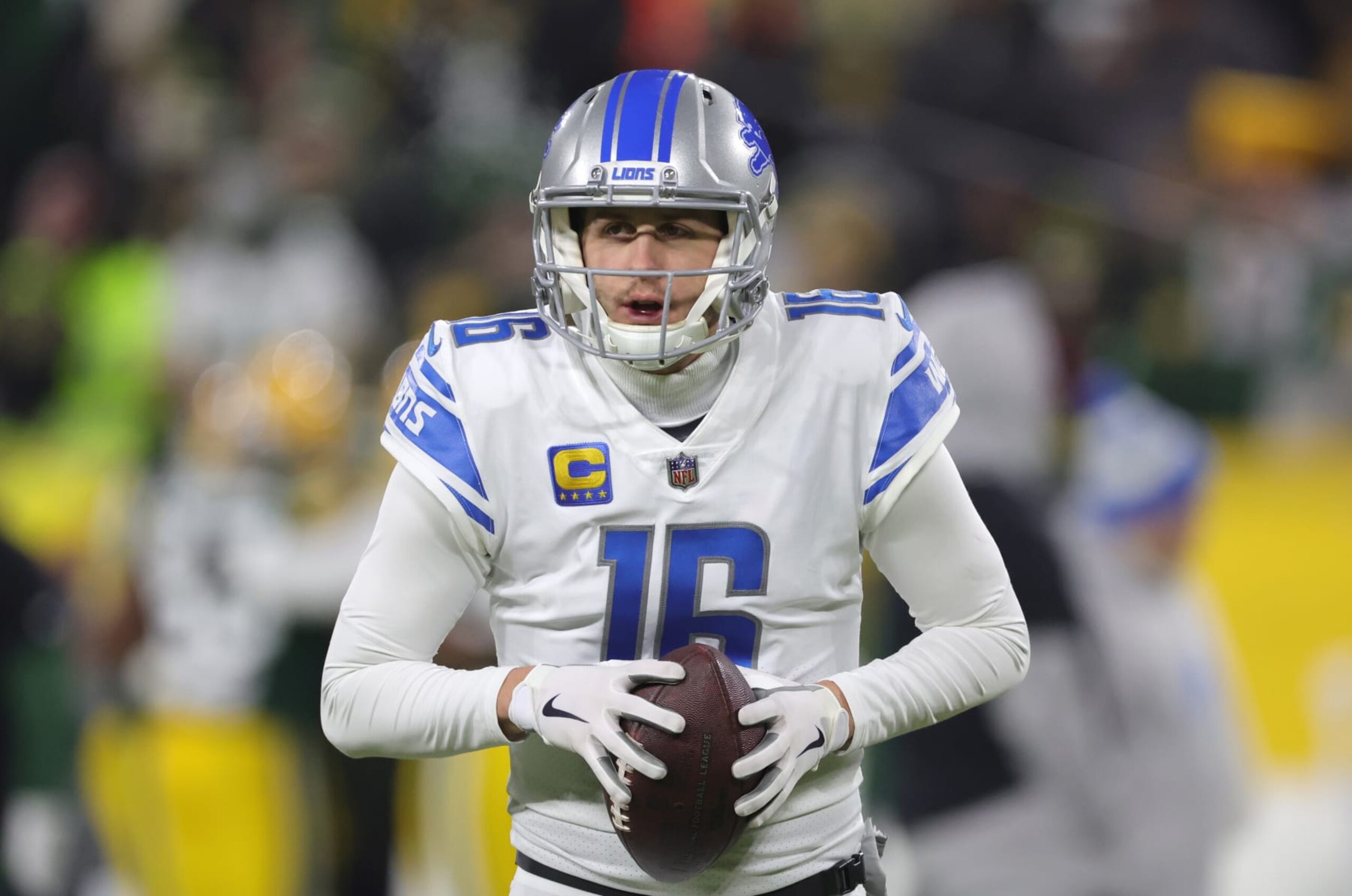
In an effort to grab at least two receivers and two running backs of Tier 2 value or higher, it's usually best to wait on a quarterback.
Having a dependable starter like Patrick Mahomes or Josh Allen will make a manager feel warm and fuzzy inside. However, the risk of missing out on skill-position value by taking a QB in the second or third round is massive.
Spending an early pick on Allen (ADP of 16) could cause a manager to miss out on a top talent like Amon-Ra St. Brown (ADP of 19 or Garrett Wilson (ADP or Jonathan Taylor (ADP of 22).
The reality is that even in a 12-team league, managers should be able to find a viable starter after all other starting positions are filled. If Lamar Jackson (ADP of 32) is available in Round 7, take him, but there's no need to panic if he isn't.
Detroit Lions quarterback Jared Goff, for example, only has an ADP of 123. He's coming off a 4,438-yard, 29-touchdown Pro Bowl campaign. He can help fantasy squads achieve glory, and he'll be available late.
Most managers are going to wait until the final few rounds before drafting a backup QB, so you should have little trouble grabbing a signal-caller from what is a very wide second tier.

.jpg?w=2560 "Chiefs Giants Football")
.jpg?w=2560 "Steelers Saints Football")
Positional Rankings
4 of 4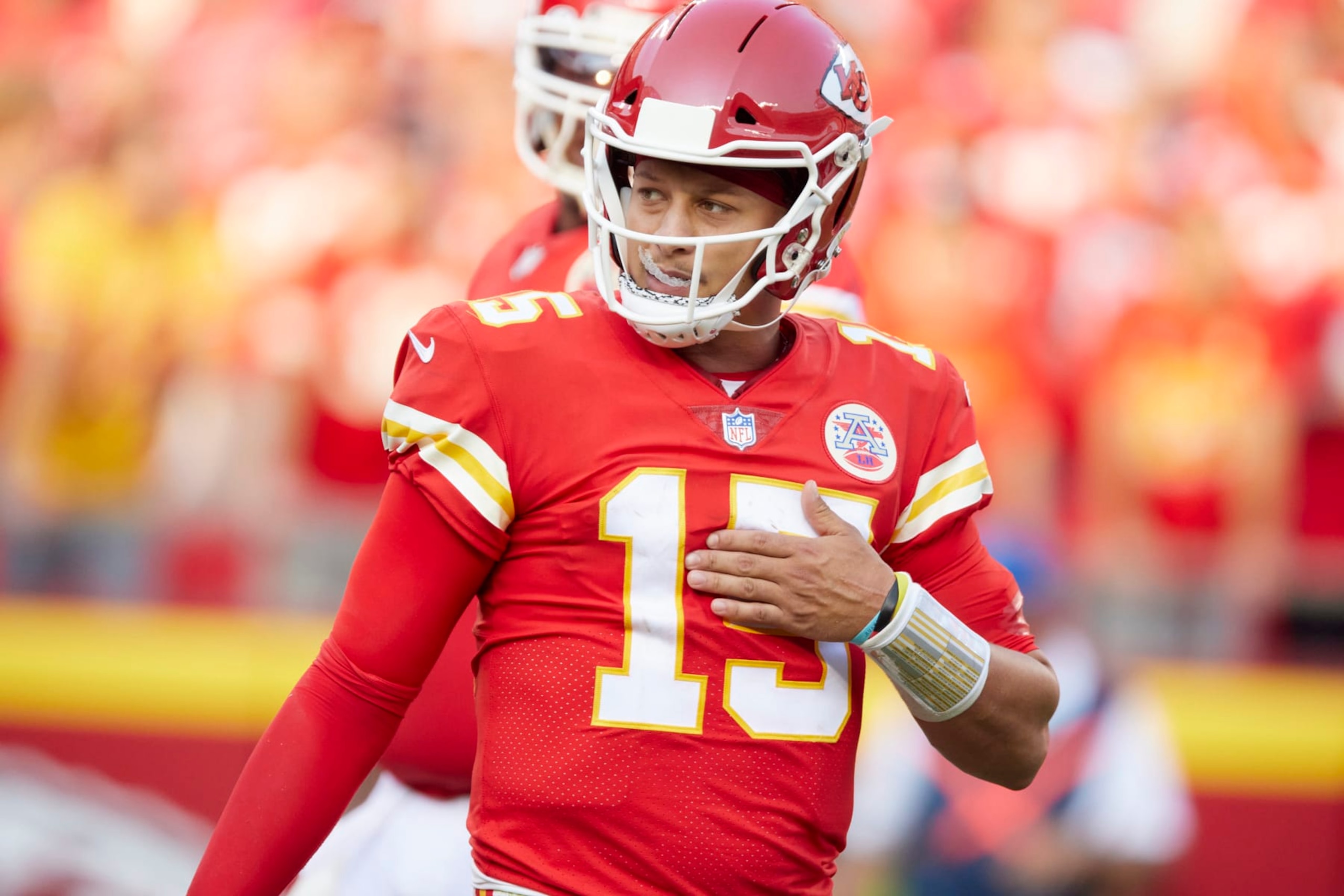
Quarterback
1. Patrick Mahomes, Kansas City Chiefs
2. Josh Allen, Buffalo Bills
3. Jalen Hurts, Philadelphia Eagles
4. Joe Burrow, Cincinnati Bengals
5. Lamar Jackson, Baltimore Ravens
6. Justin Herbert, Los Angeles Chargers
7. Justin Fields, Chicago Bears
8. Trevor Lawrence, Jacksonville Jaguars
9. Dak Prescott, Dallas Cowboys
10. Tua Tagovailoa, Miami Dolphins
Running Back
1. Christian McCaffrey, San Francisco 49ers
2. Austin Ekeler, Los Angeles Chargers
3. Saquon Barkley, New York Giants
4. Bijan Robinson, Atlanta Falcons
5. Tony Pollard, Dallas Cowboys
6. Nick Chubb, Cleveland Browns
7. Derrick Henry, Tennessee Titans
8. Josh Jacobs, Las Vegas Raiders
9. Jonathan Taylor, Indianapolis Colts
10. Rhamondre Stevenson, New England Patriots
Wide Receiver
1. Justin Jefferson, Minnesota Vikings
2. Ja'Marr Chase, Cincinnati Bengals
3. Tyreek Hill Miami Dolphins
4. Cooper Kupp, Los Angeles Chargers
5. CeeDee Lamb, Dallas Cowboys
6. Amon-Ra St. Brown, Detroit Lions
7. Stefon Diggs, Buffalo Bills
8. Davante Adams, Las Vegas Raiders
9. A.J. Brown, Philadelphia Eagles
10. Jaylen Waddle, Miami Dolphins
Tight End
1. Travis Kelce, Kansas City Chiefs
2. Mark Andrews, Baltimore Ravens
3. T.J. Hockenson, Minnesota Vikings
4. Kyle Pitts, Atlanta Falcons
5. Darren Waller, New York Giants
6. Dallas Goedert, Philadelphia Eagles
7. George Kittle, San Francisco 49ers
8. Evan Engram, Jacksonville Jaguars
9. Pat Freiermuth, Pittsburgh Steelers
10. David Njoku, Cleveland Browns

.jpg?w=2560 "🚨 Week 8 AP Top 25 Poll")

.jpg?w=2560 "Lamar Being Out Shocked Ravens")
.jpg?w=2560 "Raiders Could Start Mendoza")