
Splash Meter: MLB's Best- and Worst-Case Scenarios of Big Offseason Spending
So you want to win Major League Baseball's offseason. Well, good idea. You should go for it.
Just know that what comes next, nobody really knows. Good. Bad. Indifferent. All three outcomes are possible, and seemingly more or less equally likely.
It's not much of a conclusion, but it's what we've got after—with huge assists from historical payroll and free-agent signing records from Cot's Baseball Contracts—taking a look back at how splashy spending sprees have panned out since the turn of the century. The idea was to see if either large free-agent investments and/or payroll increases have tended to result in better fortunes for teams the following year.
It'll perhaps surprise nobody that the results were all over the place, but there are notable examples of both massive failure and massive success that stood out. So, we thought we'd highlight five of each.
But first, a closer look at said results.
Post-Big Spending Fates Are a Mixed Bag
1 of 11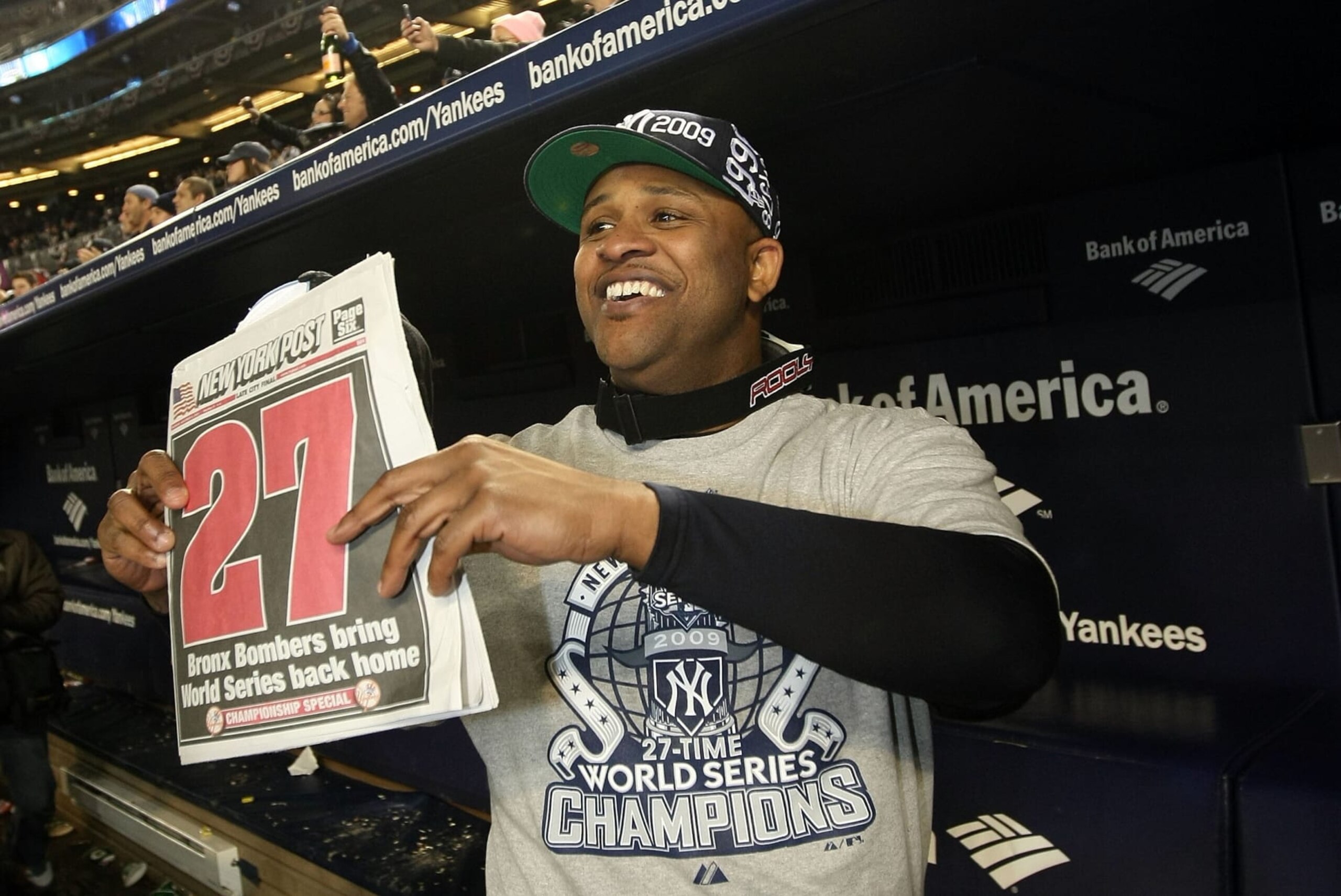
Reality is more nuanced, but let's agree for the sake of agreeing that teams spend money with a simple premise in mind: the more they spend, the more they win.
There have been studies that show this is a sound idea generally, but the picture changes a bit when the focus is limited to sudden spending spikes.
Positive year-to-year payroll increases basically haven't correlated to subsequent increases in winning percentage. And of the 43 teams that have carried out the biggest free-agent spending sprees since 2000—for which we applied a rudimentary inflation adjustment based on CPI—21 made the playoffs the following year and 22 didn't.
But rather than shrug and leave it at that, we set the following ground rules for best- and worst-case scenarios to shine a light on:
- Worst-Case: Spent big, increased payroll and yet had a worse season than the year before and missed the playoffs.
- Best-Case: Spent big, increased payroll and had a better season than the year before and made the playoffs.
Some prominent examples of big-spending success might intuitively come to mind, but you'd be surprised how many of them didn't meet our standards.
For example, the 2009 New York Yankees spent $429 million in free agency the prior winter (about $585.4 million in 2022 dollars) and went on to win 103 games and the World Series. Oddly enough, though, they actually opened the season with a lower payroll than the one they'd had at the outset of 2008. Cheapskates, say we.
In any case, let's count down the worst-case scenarios before moving on and doing the same with the best-case ones.
Worst-Case No. 5: 2007 San Francisco Giants
2 of 11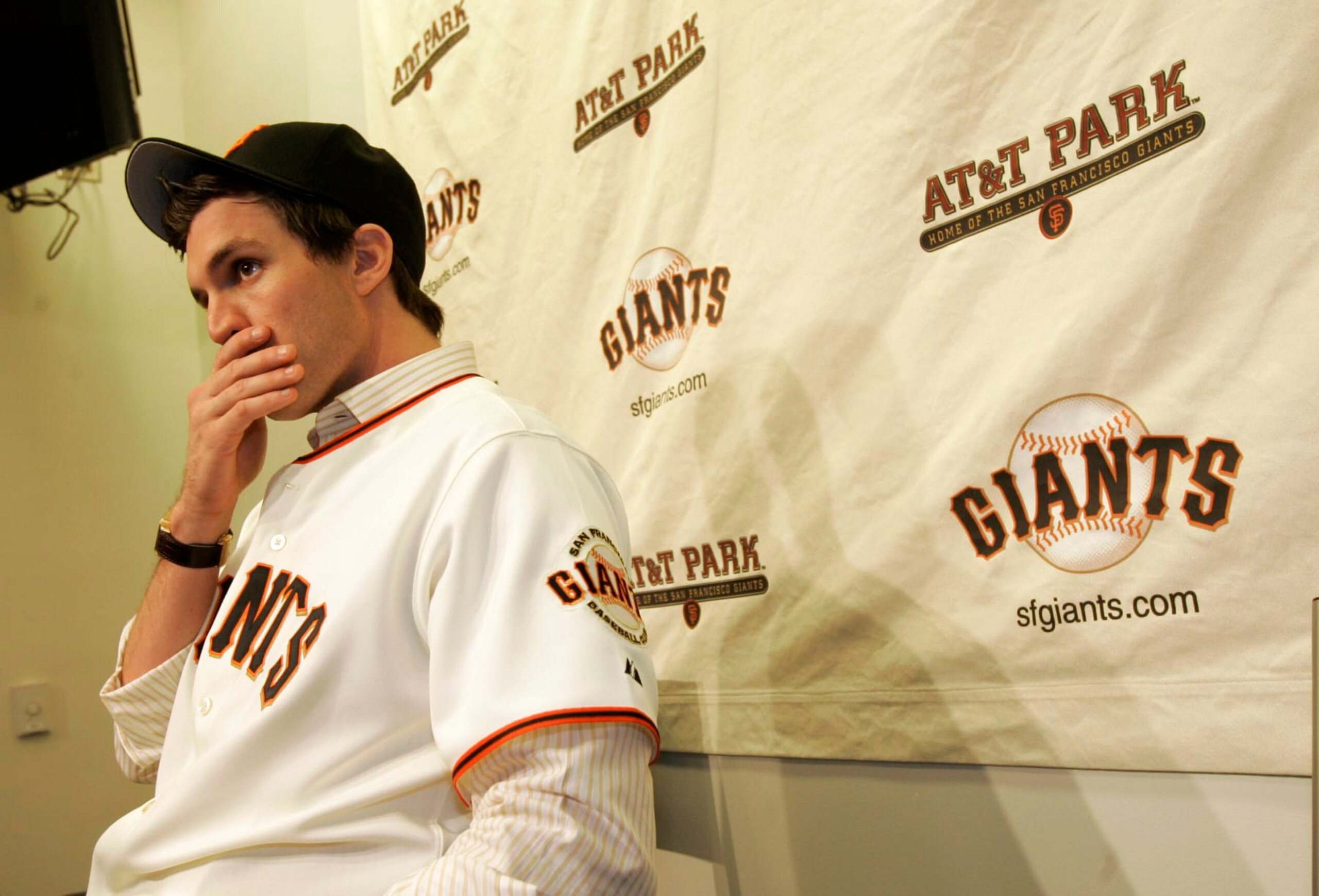
2006-07 FA Spending: $209 Million
2006-07 Payroll Change: +0.2 Percent
2007 Result: 71-91 (5th in NL West)
The Giants may not have dramatically increased their payroll from 2006 to 2007, but the investment they made in free agency that winter is not to be underestimated. In 2022 dollars, they spent more like $300 million on new players.
The headliner, of course, was Barry Zito. The Giants poached the Cy Young Award-winning southpaw from the cross-bay Oakland Athletics for $126 million over seven years, amounting to what was then the largest ever contract for a pitcher.
The Giants also signed Dave Roberts and Bengie Molina and re-signed Ray Durham and Barry Bonds, the latter of whom was just 21 home runs shy of Henry Aaron's all-time record with the 2007 season looming. All in all, not a bad bunch with which to seek a better outcome than the 76-85 record that the '06 club had achieved.
As for why such an outcome never materialized, it didn't help that Roberts and Durham failed to even rise to the level of, um, replacement-level. It helped even less that Zito, whose acehood was already on the fritz despite his big contract, slipped permanently into mediocrity by way of a 4.53 ERA.
On the plus side, the Giants were World Series champions just three years later, and then again in 2012 and yet again in 2014. Even Zito had a hand in the '12 run, allowing just one run in 13.1 innings between Game 5 of the National League Championship Series and Game 1 of the World Series.
Worst-Case No. 4: 2016 Arizona Diamondbacks
3 of 11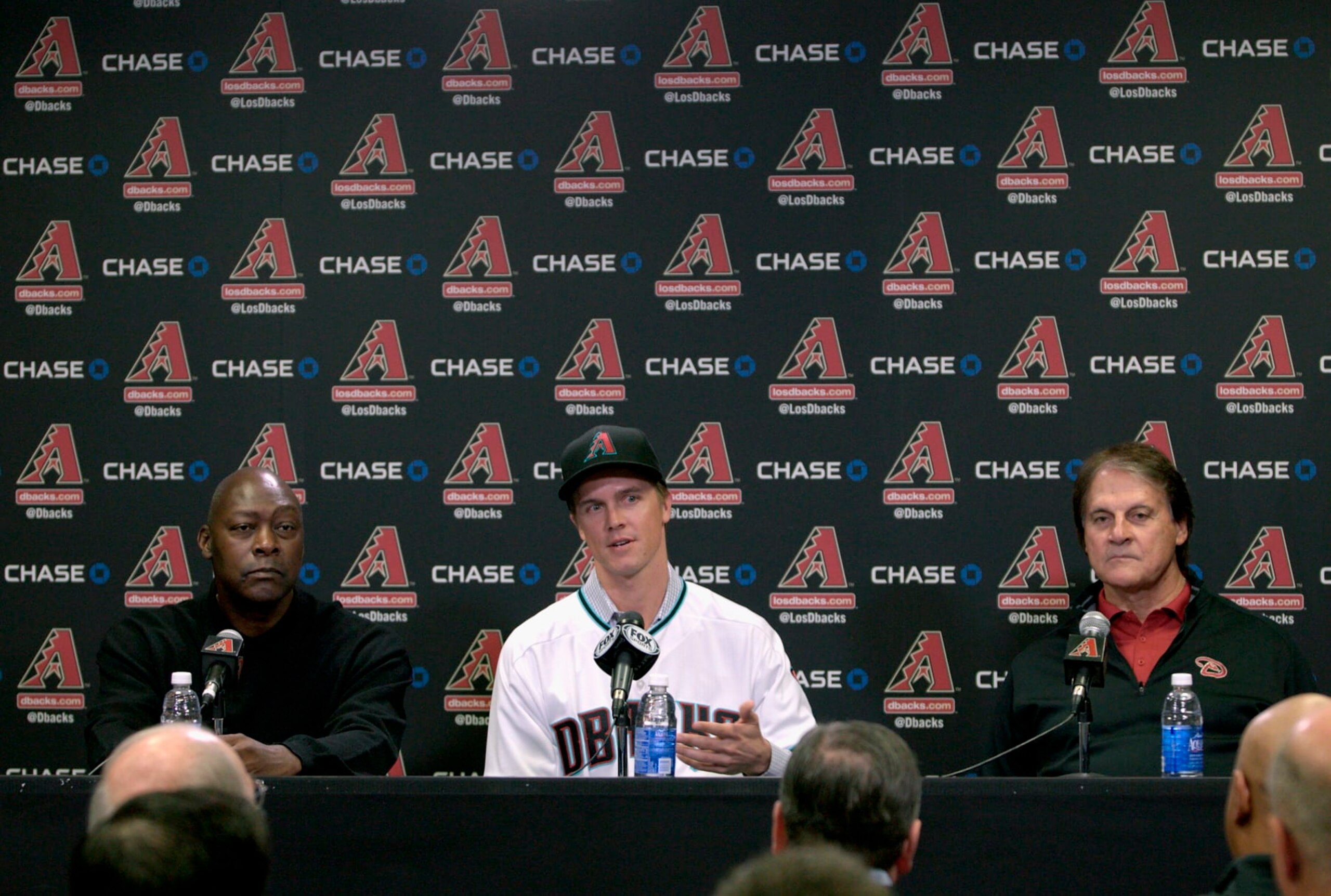
2015-16 FA Spending: $218.8 Million
2015-16 Payroll Change: +11.3 Percent
2016 Result: 69-93 (4th in NL West)
It was in Feb. 2015 that the Diamondbacks agreed to a new local television contract that would pay out roughly $30 million per year. What's a team to do after getting such an ample financial windfall?
How about sign a guy fresh off the best run-prevention season since Greg Maddux in 1995? That's where Zack Greinke was after posting a 1.66 ERA for the Los Angeles Dodgers in 2015, for which Arizona deemed him worthy of a record-setting six-year, $206.5 million deal.
This was also the offseason that the Snakes did the Shelby Miller trade, which had a more modest yet still notable impact on their payroll. The right-hander was eligible for arbitration for the first time in 2016, ultimately resulting in a roughly $4 million increase to his salary.
By all rights, those two aces should have spurred further improvement for the Diamondbacks after they had gone from 98 losses in 2014 to 79 wins in 2015. If all went really well, they might have even challenged the Dodgers for supremacy in the National League West.
This, of course, did not happen. Greinke had a down year in 2016, while Miller's was more like disastrous courtesy of a finger injury and a 6.15 ERA. Uncoincidentally, general manager Dave Stewart and manager Chip Hale both got the axe when it was all over. The D-backs returned to the playoffs under new leadership in 2017, but won just a single game therewithin. They haven't been back since.


Worst-Case No. 3: 2022 Detroit Tigers
4 of 11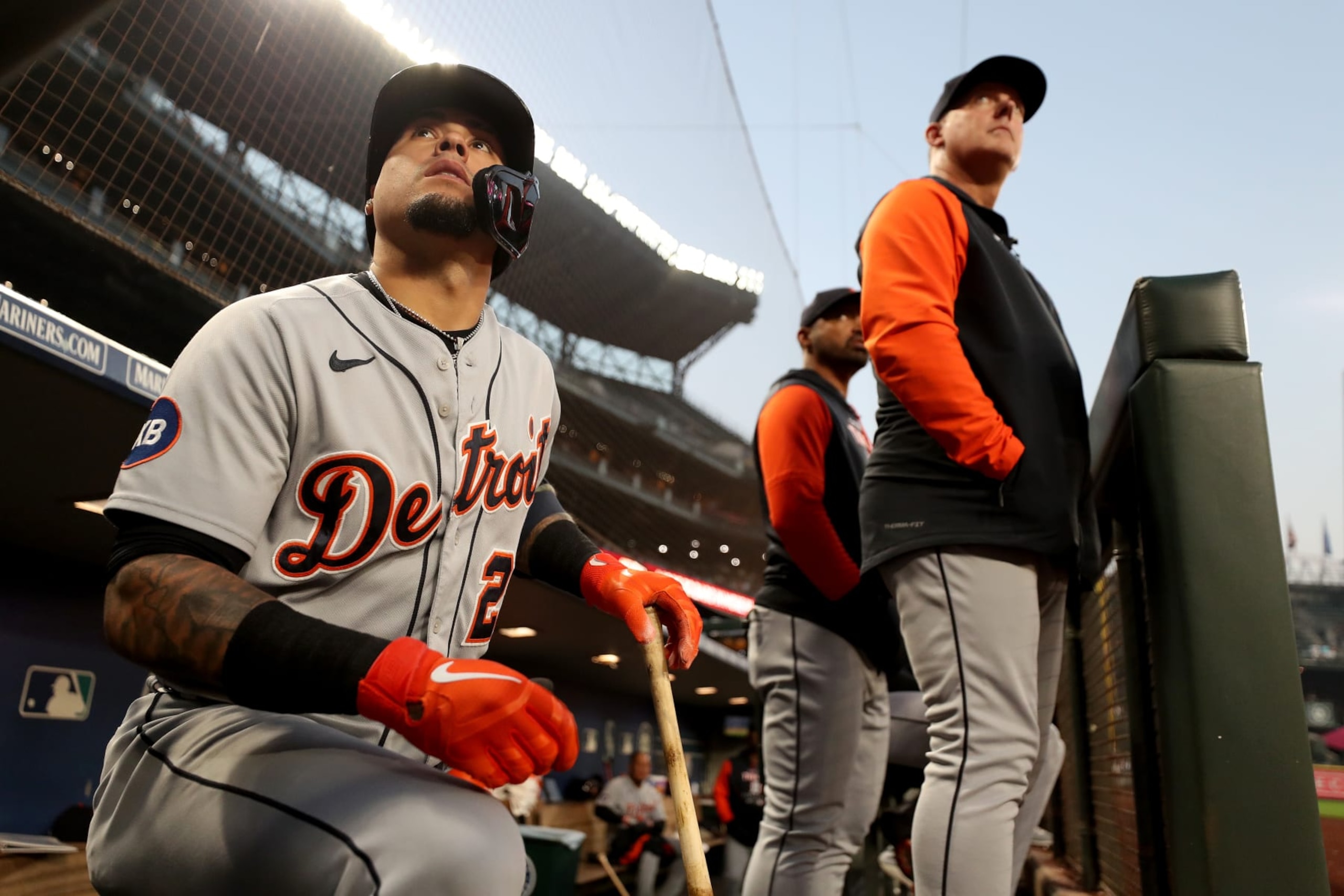
2021-22 FA Spending: $235.5 Million
2021-22 Payroll Change: +67.0 Percent
2022 Result: 66-96 (4th in AL Central)
Having already signed able lefty Eduardo Rodriguez to a five-year, $77 million contract, Tigers owner Christopher Ilitch didn't both to hide his excitement when the team subsequently landed star shortstop Javier Báez on a six-year, $140 million pact.
"This is a turning point for the Tigers, undoubtedly," Ilitch told reporters. "Signing a player like Javy, I think, sends a message to the baseball world and to our fans that the Tigers are here to compete."
Which, to be fair, wasn't a wholly unbelievable message. The Tigers' 77-85 record in 2021 had marked real progress after several years of rebuilding. Between the additions of Rodriguez and Báez and the pending arrivals of top prospects Spencer Torkelson and Riley Greene, another step forward in 2022 seemed a fait accompli.
It's doubtful anyone's forgotten what happened next, and not just because it all went down just last year. Detroit's season went from promising to catastrophic in no time at all, which ultimately cost GM Al Avila his job in August.
The Tigers made a good hire in plucking Scott Harris from the San Francisco Giants to fill Avila's seat, but it's not terribly surprising that he's thus far been given only $18.5 million to work with in free agency this winter. Some wounds need time to heal.
Worst-Case No. 2: 2001 Colorado Rockies
5 of 11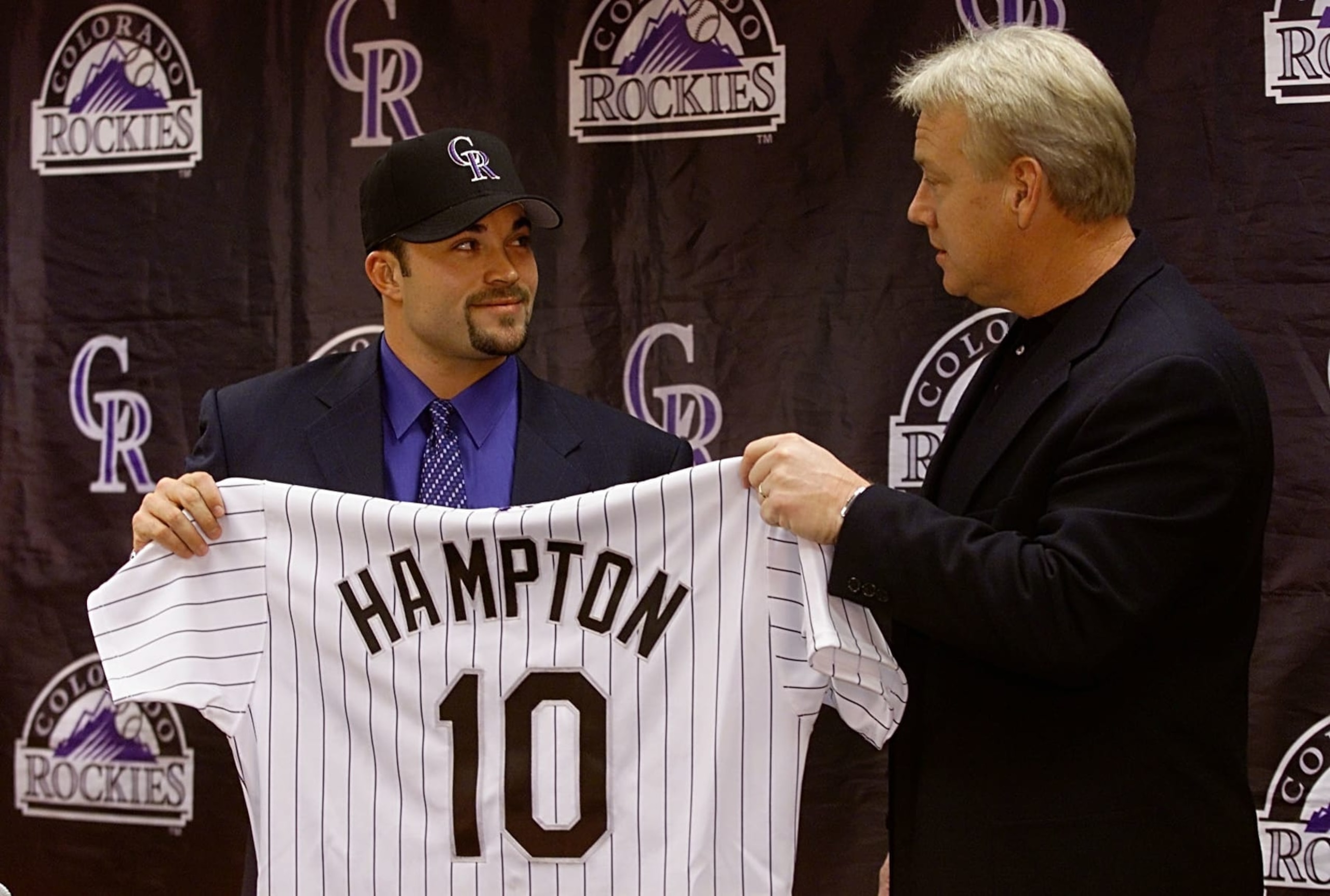
2000-01 FA Spending: $179.6 Million
2000-01 Payroll Change: +11.6 Percent
2001 Result: 73-89 (5th in NL West)
As Rockies teams of that, this or any era usually do, the Rockies pushed plenty of runs across the plate during an 82-win effort in 2000. Darn near close to 1,000, in fact, as they became the first National League team since 1930 to climb as high as 968 runs scored.
But since they also allowed 897 runs in the process, the Rockies clearly needed pitching. That led them to sign not only Mike Hampton for $121 million over eight years, but also fellow lefty Denny Neagle for $51 million over five years. In today's dollars, those contracts are worth more like $284 million than a mere $172 million.
A bold venture, perhaps, but the Rockies saw it as being worth it. Hampton, especially, seemed like just the guy their rotation needed after he had pitched to a stellar 3.14 ERA over 217.2 innings for the National League champion New York Mets the year before.
But in the end, Coors Field remained undefeated against pitchers. Neither Hampton nor Neagle could keep his ERA below 5.00 in 2001, helping to result in the Rockies actually allowing more runs (906, to be exact) than they had in 2000. Hampton was traded to Atlanta after the following season, while Neagle got hurt in 2003 and never pitched again. Both were long gone by the time the Rockies returned to the playoffs in 2007.
But, hey, at least the Colorado school system got a nice endorsement out of all that.
Worst-Case No. 1: 2012 Miami Marlins
6 of 11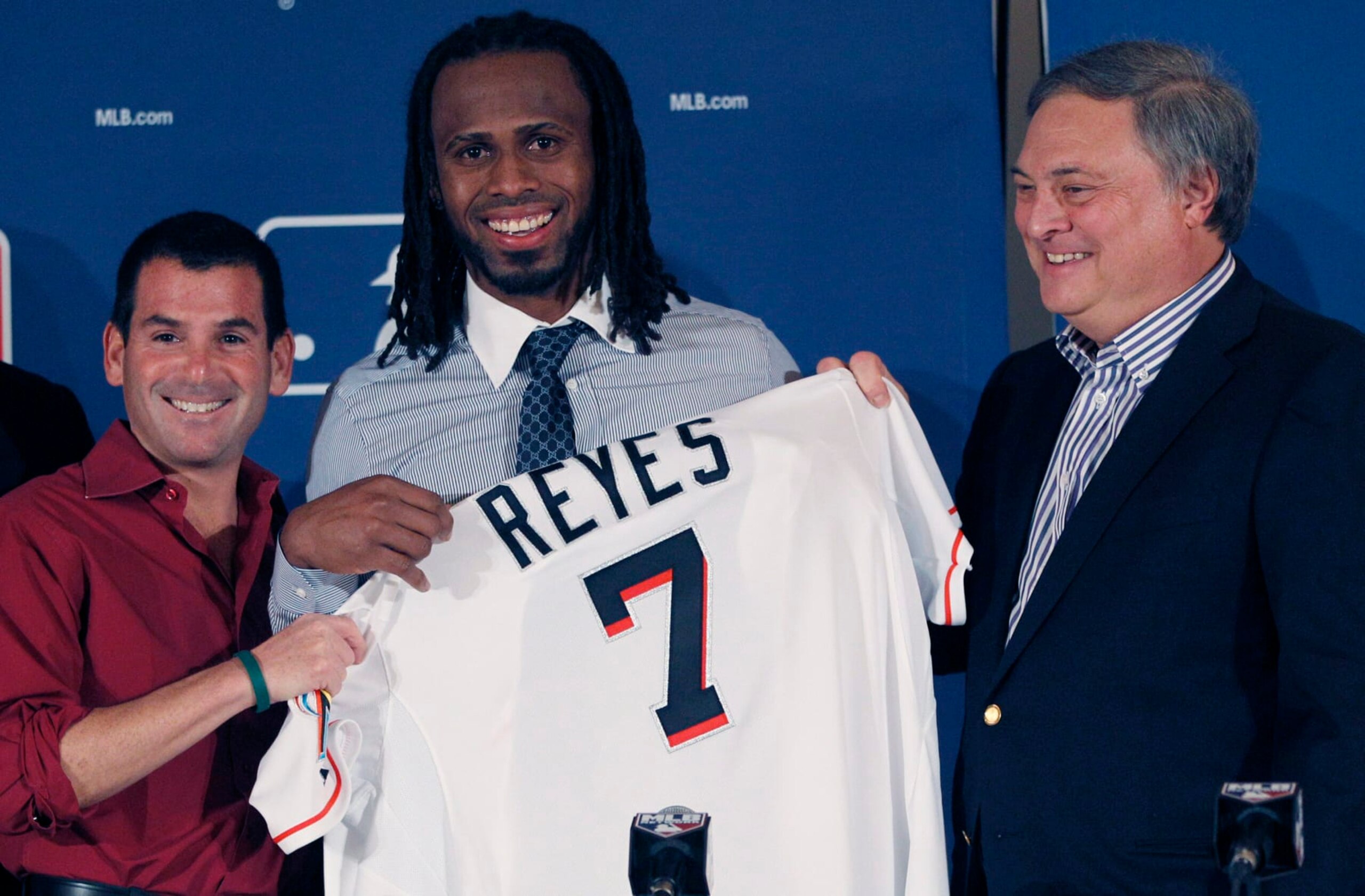
2011-12 FA Spending: $194 Million
2011-12 Payroll Change: +76.2 Percent
2012 Result: 69-93 (5th in NL East)
The Marlins of the 2000s and early 2010s didn't spend. Like, at all. Though they nearly ventured into the top half of MLB payrolls for the 2005 season, they mostly ranked in the bottom five and often at the very bottom, at that.
That changed in 2012 because, well, change was just the name of the game for the Marlins at the time. They were set to transition from the "Florida" Marlins to the "Miami" Marlins and move into a gaudy new ballpark, so why not spend a little money for a change?
Or a lot of money, for that matter. Jose Reyes was the big prize on a six-year, $106 million deal, while Mark Buehrle and Heath Bell scored multi-year deals totaling $85 million.
Thus did the Marlins' Opening Day payroll cross $100 million for the first time, and it didn't seem out of the question that they would make a worst-to-first run in the National League East after finishing at the bottom of the division with a 72-90 record in 2011.
What actually happened was not just a bad season, but the closest thing to a real-life rage-quit that's ever been seen in baseball or maybe anywhere else. The Marlins didn't even wait until the end of the 2012 season to start selling off stars, and they even ditched Reyes and Buehrle that winter. After skyrocketing by 76.2 percent for 2012, their payroll would be down 50.3 percent by the start of the 2013 season.
Best-Case No. 5: 2004 Anaheim Angels
7 of 11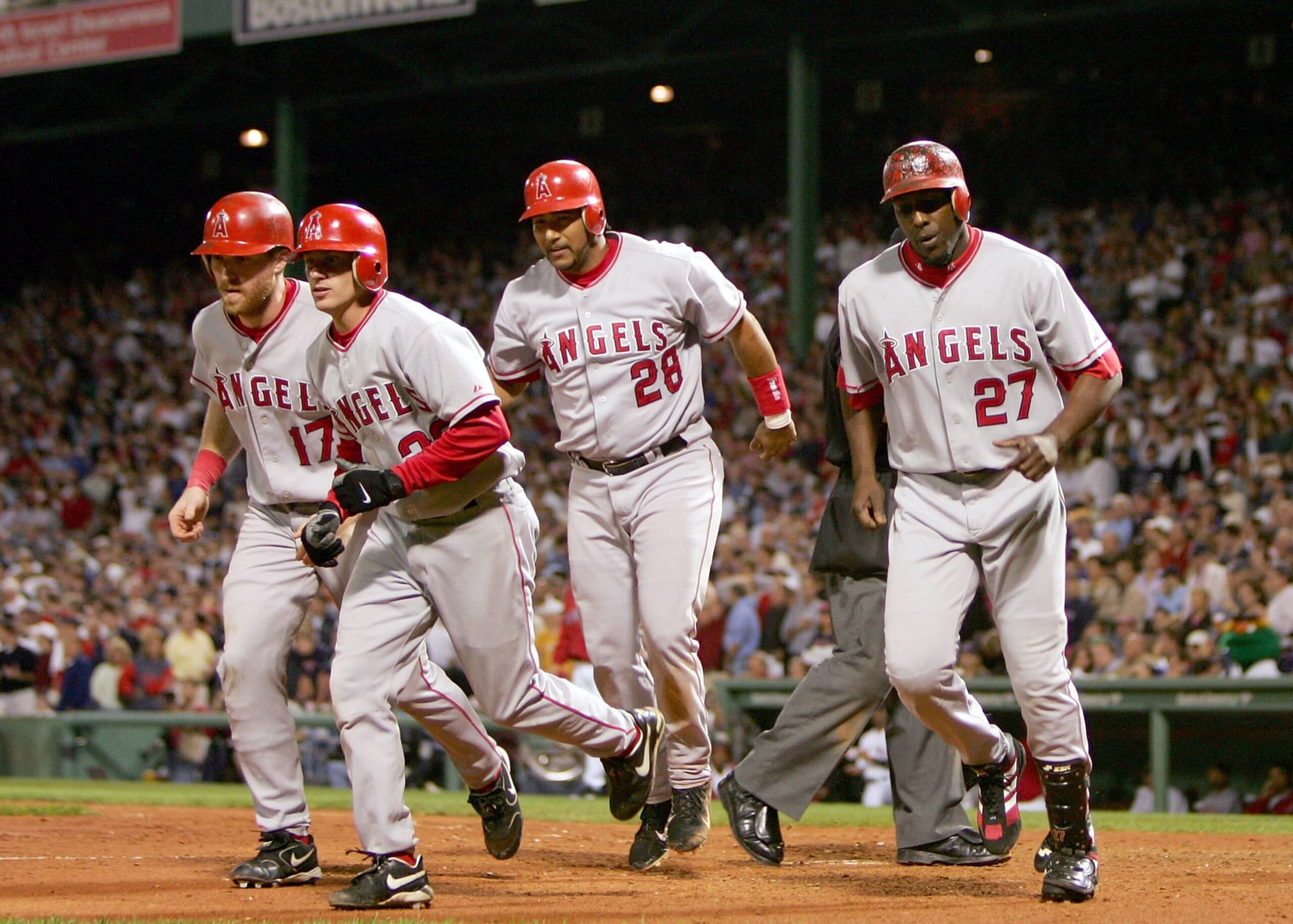
2003-04 FA Spending: $146.3 Million
2003-04 Payroll Change: +27.2 Percent
2004 Result: 92-70 (1st in AL West, Lost American League Division Series)
The Angels finished on top as World Series champions in 2002, and they did it by zigging while everyone else zagged.
Whereas other teams had great starters, they had great relievers. Whereas other teams had tons of power, they played more of a National League-style of offense that relied on putting the ball in play and being aggressive on the basepaths.
In 2003, however, these looked less like features and more like bugs. They hit fewer home runs than all but two other American League clubs, while their top three starters averaged just 1 WAR apiece. Such things contributed to a fall to a 77-85 record that left them out of the playoffs.
This, in a nutshell, is how the Angels came to sign outfielders Vladimir Guerrero and Jose Guillen and hurlers Bartolo Colon and Kelvim Escobar to contracts worth about $146 million in total. Or, close to $226 million in today's dollars.
The Angels ended up getting two major award winners out of that splash, as Guerrero won the AL MVP in 2004 and Colon captured the AL Cy Young Award in 2005. Uncoincidentally, the club made the playoffs both years and even advanced to the American League Championship Series in the latter.
Best-Case No. 4: 2022 New York Mets
8 of 11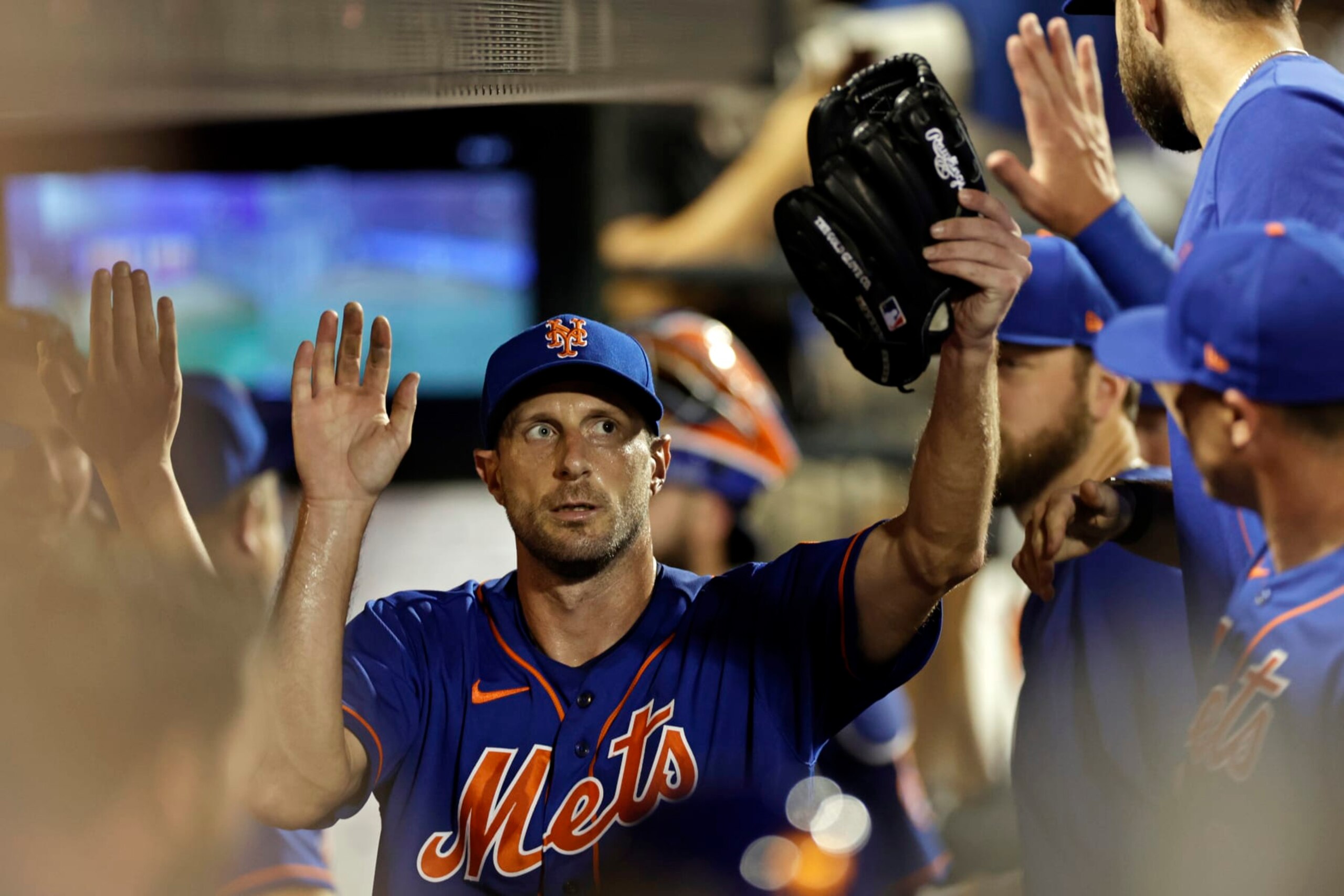
2021-22 FA Spending: $258.5 Million
Payroll Change: +35.5 Percent
2022 Result: 101-61 (2nd in NL East, Lost National League Wild Card Series)
Steve Cohen completed his purchase of the Mets in Nov. 2020, or just in time to put his massive fortune (then valued at $14.6 billion) to work in upgrading the team's roster.
Yet in retrospect, the effort to do so looks shockingly restrained. The Mets barely spent more than $100 million in free agency, headlined by a modest $40.6 million deal with catcher James McCann. Their big splash didn't really come until they extended Francisco Lindor for $341 million, but that wasn't exactly a case of buying a new player.
It's little wonder, then, that the Mets didn't do much of note in going just 77-85 in 2021. It was effectively a failed experiment, and not just on the field either. The year saw them go through not one, but two general managers.
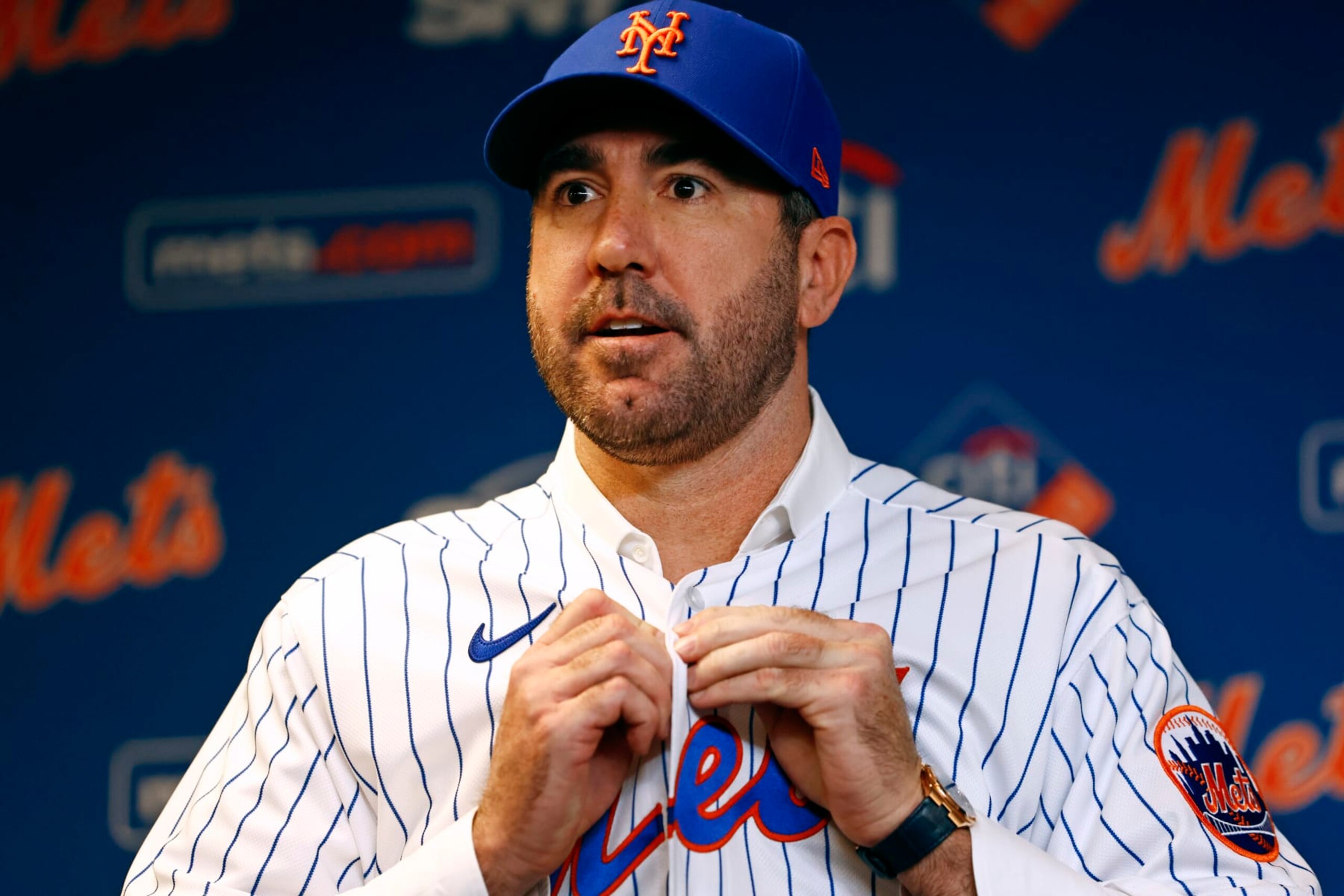
The 2021-22 offseason was thus a time for repairs, and Cohen took the task seriously by hiring an experienced GM in Billy Eppler and basically writing him a blank check for upgrades. Some $258.5 million later, Max Scherzer, Starling Marte, Mark Canha, Eduardo Escobar and Adam Ottavino were Queens-bound.
To be sure, that the Mets eventually won just a single playoff game before bowing out was a disappointment. But they otherwise got what they wanted out of '22 and a whole lot more, as all five of those guys contributed to a 24-win improvement that resulted in the second-best regular season in the franchise's history.
Best-Case No. 3: 2013 Los Angeles Dodgers
9 of 11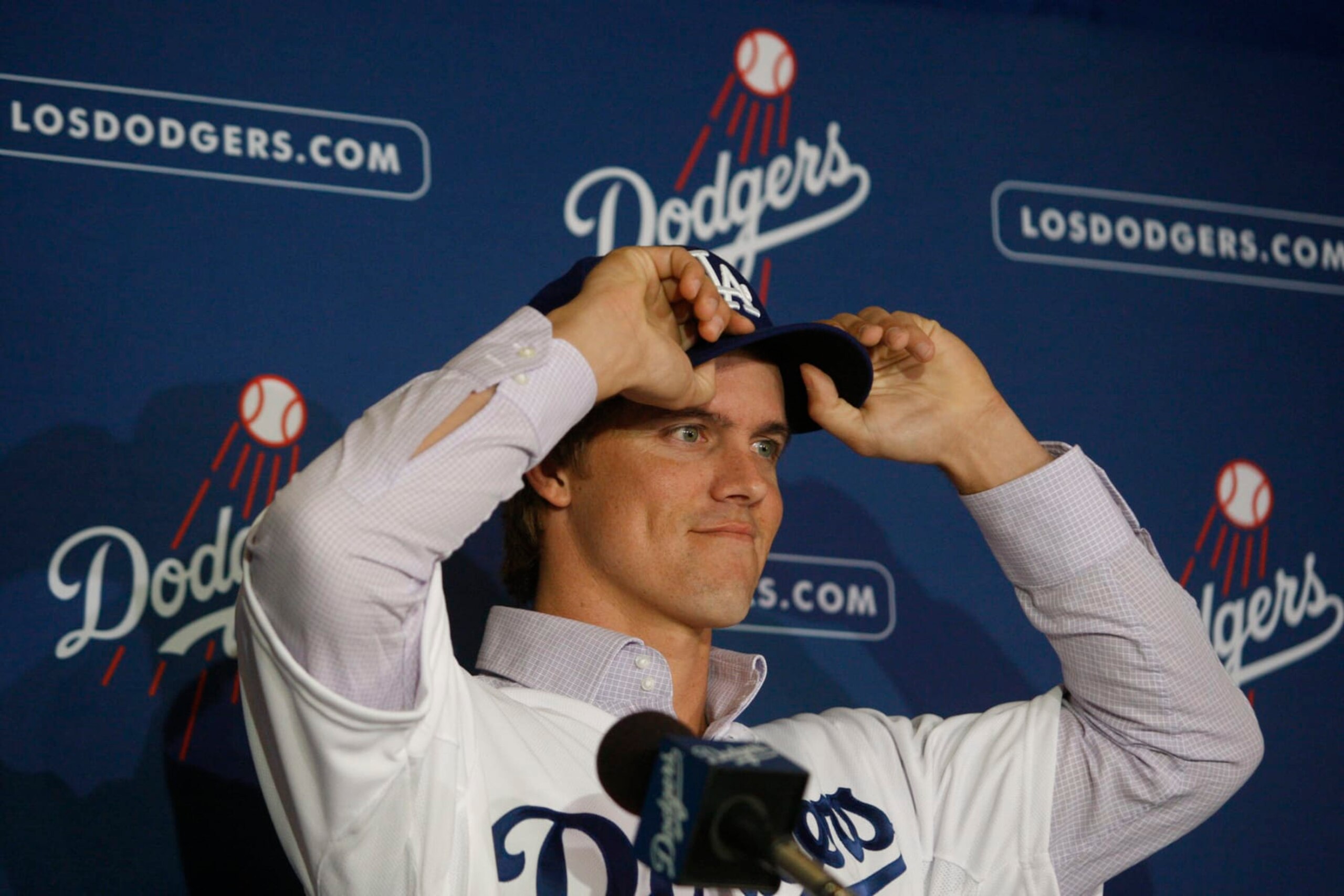
2012-13 FA Spending: $172.4 Million
2012-13 Payroll Change: +105.6 Percent
2013 Result: 92-70 (1st in NL West, Lost National League Championship Series)
Before there was Steve Cohen and the Mets, there was Magic Johnson and the Dodgers.
Johnson and a group of investors including Mark Walter and Stan Kasten finalized their purchase of the team in March 2012. Too late to make any impact additions for the coming season, perhaps, but what they would prove is that big spending doesn't have to be confined to the winter months.
That 105.6 percent payroll increase for the 2013 season was indeed largely driven by expenses taken on during as the 2012 campaign was in progress, including an $85 million extension for Andre Ethier, a $42 million deal with Cuban prospect Yasiel Puig, a trade for Hanley Ramirez, above all, a blockbuster with the Boston Red Sox that brought back Adrián González, Carl Crawford and Josh Beckett.
After that, the Dodgers signed Zack Greinke to a six-year, $147 million pact that shattered the previous record payout for a right-handed hurler. Cot's free-agent database doesn't count international signings, so neither did we. All the same, there was also a $36 million agreement with Korean lefty Hyun-Jin Ryu in there.
It was those deals that really pushed the Dodgers over the edge after they had gone from 82 wins in 2011 to 86 in 2012. Both Greinke and Ryu were proper co-aces for Clayton Kershaw in 2013, and the three of them fueled a rise that saw the Dodgers capture the NL West title and ultimately fall just two wins short of the World Series.
Best Case No. 2: 2018 Boston Red Sox
10 of 11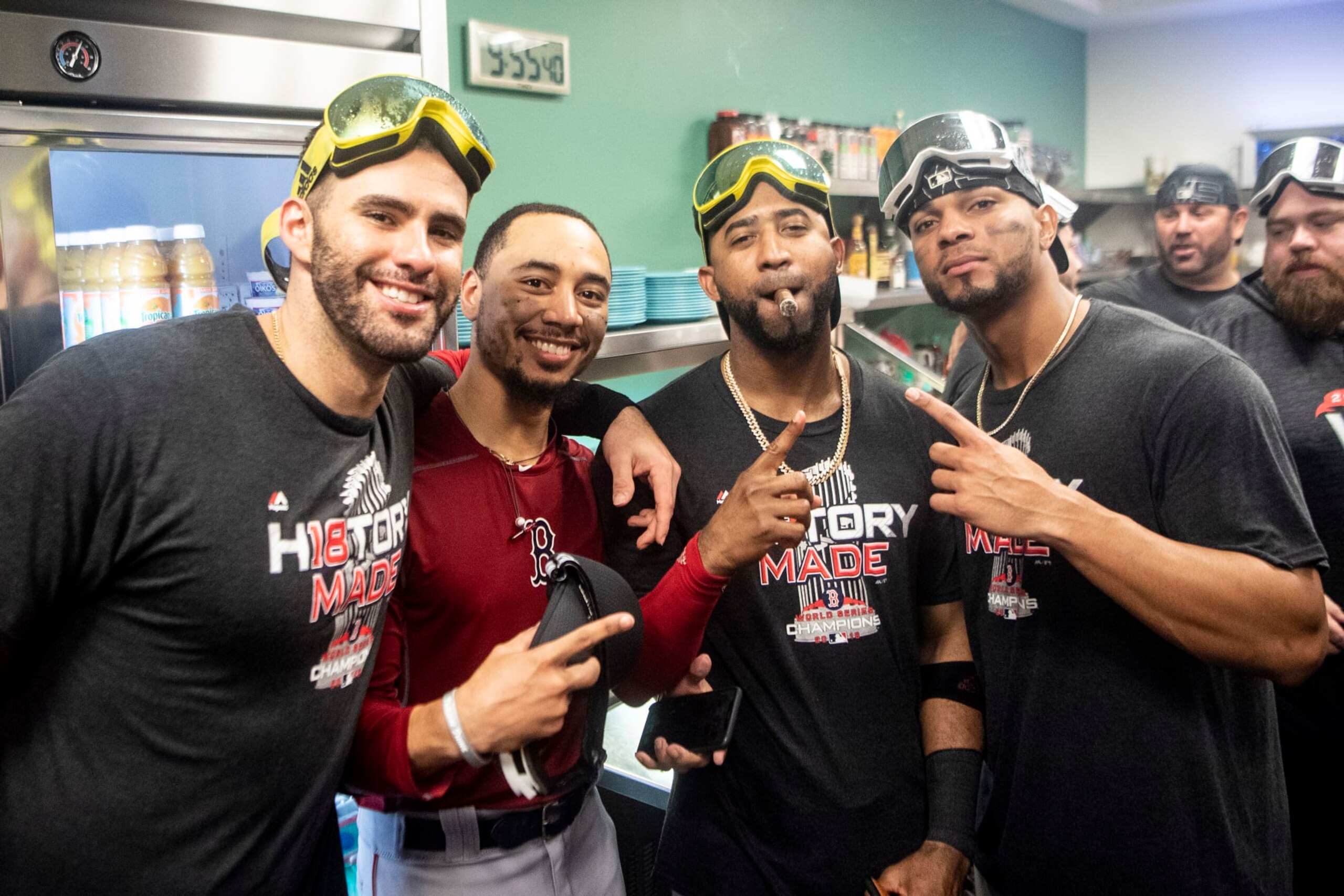
2017-18 FA Spending: $127 Million
2017-18 Payroll Change: +18.6 Percent
2018 Record: 108-54 (1st in AL East, Won World Series)
The legacy of the 2007 Red Sox is at least worth mentioning here. That team got a 19.1 percent payroll increase over the previous season, sparking a 10-win improvement and a run to the club's second World Series championship in four years.
What gave us pause in including them as a success story is that the main beneficiaries of that payroll increase were hit-or-miss contributors in '07. Neither Daisuke Matsuzaka nor J.D. Drew had a particularly good year, while Julio Lugo had a downright bad one.
As such, one might say the Red Sox didn't really master the art of the offseason splash until 2018.
Most of that $127 million went to J.D. Martinez, who collected $110 million of it on a five-year deal. The other $17 million went to Eduardo Núñez and Mitch Moreland, who were meant to be supporting characters to Martinez's star.
Good plan, meet perfect execution. Martinez aided Boston's spectacular regular season in 2018 with 43 home runs and 130 runs driven in, while Núñez and Moreland would both hit crucial home runs in the World Series. When the Red Sox won it, they put a fitting cap on what is unquestionably the most dominant wire-to-wire season in their history.
Best-Case No. 1: 2016 Chicago Cubs
11 of 11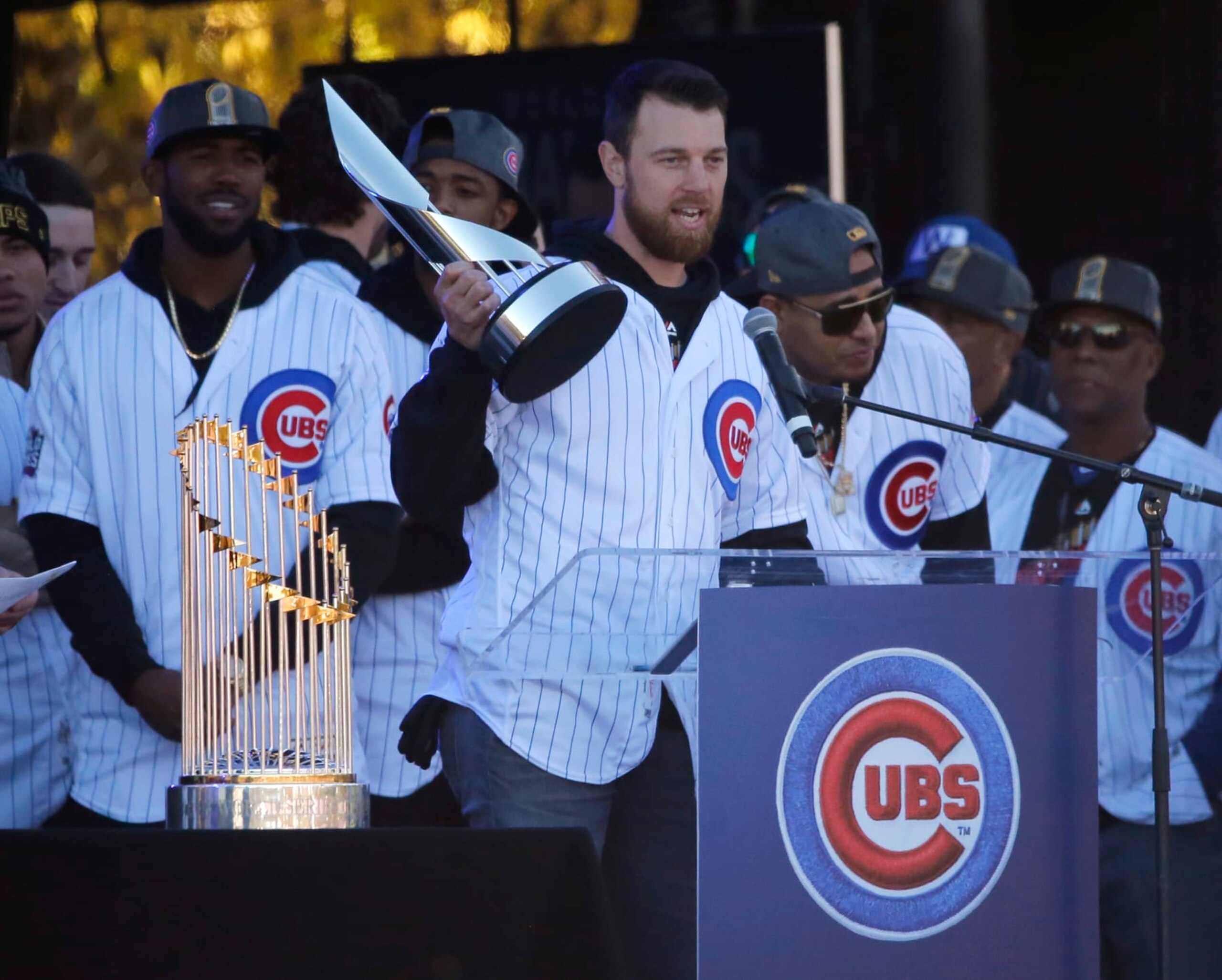
2015-16 FA Spending: $289.8 Million
2015-16 Payroll Change: 42.6 Percent
2016 Result: 103-58-1 (1st in NL Central, Won World Series)
Just as the 2007 Red Sox could have been on this list, so too could have been the 2015 Cubs.
Mostly by way of a $155 million pact with Jon Lester, the '15 Cubs got a 29.9 payroll increase over the 2014 club's opening payroll. And it made a real difference, as Lester did his part to drive a 24-win improvement and a trip to the National League Championship Series.
Rather than back off, though, the Cubs doubled down that winter. Jason Heyward was the big get on a $184 million deal, with Ben Zobrist, John Lackey and Dexter Fowler signing $101 million worth of "smaller" deals. In terms of overall volume, the Cubs were outspent by only one other team that winter.
Whether it all worked as intended is subject to debate, at least where Heyward is concerned. His offense utterly deteriorated, as his average went from a .293 the year before to just .230 in 2016.
Heyward did, however, save face with Gold Glove-winning defense in right field and a mid-rain delay speech during Game 7 of the World Series that may or may not have inspired Zobrist to come up with the game- and series-winning hit. In other words, the Cubs' first World Series title in 108 years would not have happened without their new toys from the previous winter.
Stats courtesy of Baseball Reference, FanGraphs and Baseball Savant.
.jpg?w=2560)