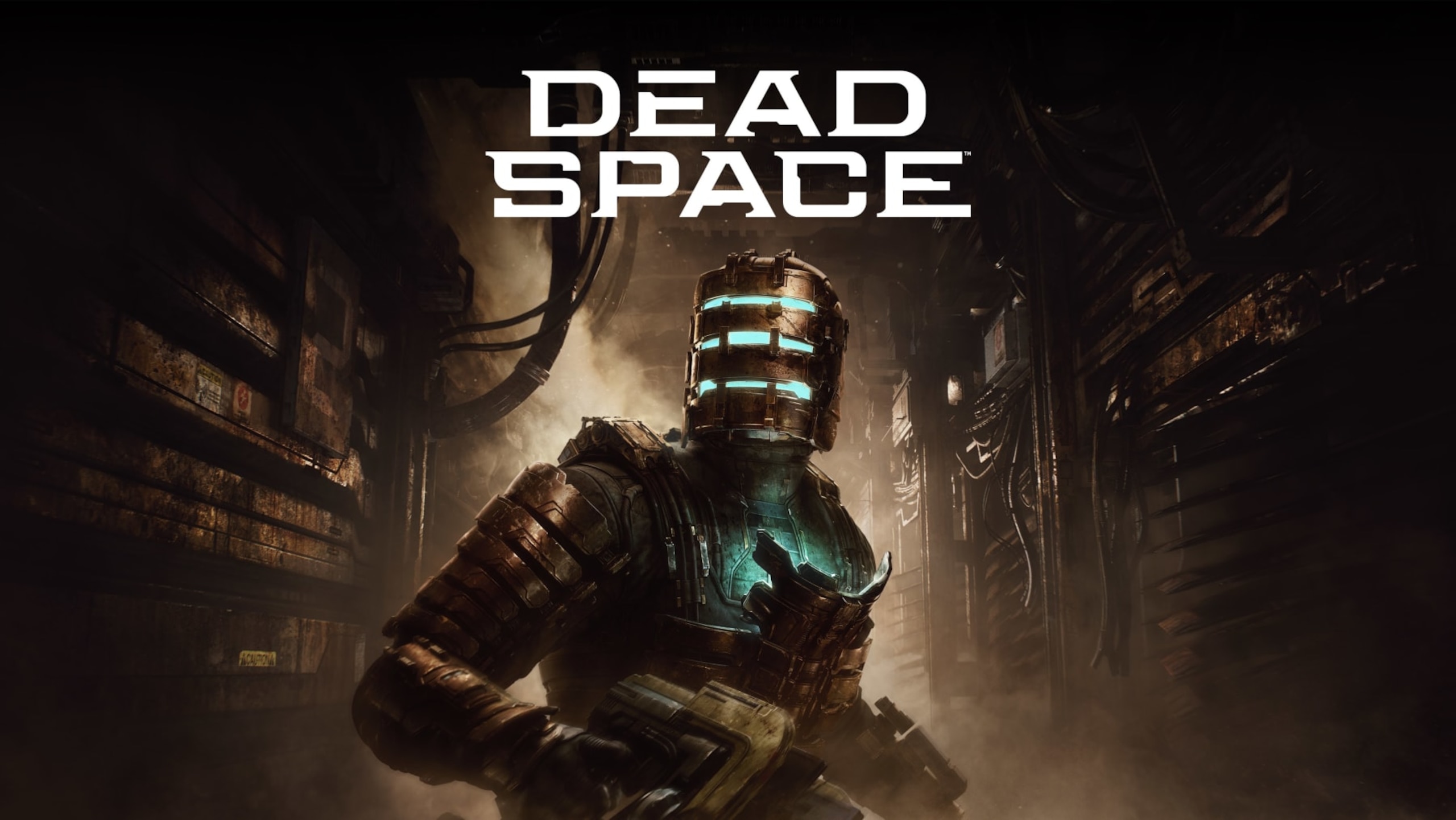

Dead Space Review: Gameplay Impressions, Videos and Speedrunning Tips for Remake
The Dead Space remake from developer Motive Studio has a chance to change how companies and gamers think about remakes entirely.
After all, remaking engineer Isaac Clarke's survival-horror romp through the USG Ishimura is a bold decision. The original, released in 2008, still holds up quite well and there's always inherent risk when remaking something so rock solid in the history books of the industry, which means it's also dripping with the nostalgia factor.
Yet this offering isn't content to just copy and paste. It's rebuilt from the ground up with the Frostbite game engine and remains true to the original game, while going the extra mile with modern designs and an expansion of areas and lore.
TOP NEWS

New NFL contenders starting to emerge after Week 4
.jpg?w=2560 "Cardinals Giants Football")
NFL investigating 2 referees for separate viral exchanges

Deion Playbook Found at Hotel
On paper, it's the rare remake that has a chance of somehow surpassing the original that made it possible.
Graphics and Gameplay
Arguably no better illustration of how far the video game medium has come exists than simply walking down some of the USG Ishimura's corridors.
What was once a gray hallway with blinking lights is now slickened with gore, panels hanging from the ceiling, guts of the ship spilling out from both sides and a groan-inducing number of sounds from the left and right to build tension and unease.
Truly, looking at a comparison video even before release is both stunning and somehow sells things short because this new edition of Dead Space marries graphics and presentation into one of the most impressive packages in gaming.
Some of the tried-and-trues are here again. Features that have become popular bragging points in gaming lately—no load screens or camera cuts—return for a stunning immersion factor. The lighting, shading and sheer attention to detail, be it a child's doll left on a chair or something (arguably) much more sinister, add to the effect. So too does popping on headphones with directional sound and turning off the lights, a decision that will leave players in a vulnerable state.
Another major thing returning players will notice right away? Isaac talks this time, something he didn't do in the original (but did in the sequels). Like everything else about the game's sound design—such as the thrilling score and tone-setting escalations that add tension—it's well done and adds so much more to the experience.
This isn't a case of a remake only getting souped up in the presentation department either.
While there was a certain charm to the clunkiness of the original as it aged, this new offering makes Isaac's plight on a ship infested with monsters called Necromorphs so much more snappy and modern.
That's the best way to describe responsive controls that don't take long to figure out. Movement is smooth, and even the Locater (a narrow blue beam Isaac can summon that shoots along the floor to guide him to the next objective) is fantastic this time out.
Isaac discovers a drove of mining tools and gadgets he can deploy as weapons. First up is the Plasma Cutter, which introduces players to the dismemberment-based gameplay. Taking out a walking monster at the leg remains a key gameplay strategy before Isaac gets stomp-happy. Unlike shooters or otherwise, taking out the arms (or worse) of a crawling enemy does more damage than landing shots to the head or body.
This is one area Dead Space brings in something new, dubbed the "Peeling System." It's almost like the developers bragging about the power at their fingertips and what they can do with it, as it's a very, very detailed visual guide to how much damage a player deals to an enemy's limb.
Sounds silly, but the in-depth visual feedback, grisly as it might be, does a good job of telling players how much damage an attack did and how close a limb is to detaching. In a survival horror game where ammunition is scarce, this is a nice help, never mind impressive. It also perfectly aligns with prior immersive design decisions such as the ammo counters on the gun and stasis and health indicators on Isaac's back—a monster's literal flesh is the player's source of information on how much health it has left.
Speaking of stasis, it and kinesis return in their sci-fi glory amplified by the new presentation package. Managing stasis, which can slow things in the environment and enemies, is again a fun juggling act. So is desperately scanning surroundings while under siege to find something throwable and deadly with kinesis.
Like the original, there's a superb onboarding process for new players. When they just arrive, it's typically one monster at a time greeting them. Before long, though, players have to juggle multiple systems and weapons properly at once while using the environment to counter walking, crawling, ranged enemies and more, all at once.
Actually exploring the USG Ishimura is more robust this time out too. Veterans will notice new rooms, items and even routes. In some places, the order in which players can tackle objectives has been totally opened up, removing some of the iffy linearity found in the original, especially in tricky parts fans might not look back on with the utmost fondness.
The game also issues a big quality-of-life upgrade by permitting the use of Isaac's boosters in zero-gravity spaces, something only the sequels had, completely changing sequences like the centrifuge generator puzzle into something so much more. The implementation of a security clearance system also gives players new reasons to eventually revisit places they have already been in a Metroid-ish fashion, which is huge boon to the entire gameplay loop.
Puzzle design is sometimes basic, but the Circuit Breakers are often downright brilliant. When players approach one of these they must make brutal decisions that put them at varying levels of risk. Since one early box only has two charges, players have to choose whether to turn off life support systems in the area or the lights so that they can open a door they need to get through (that's pretty far away). So the choice is (not!) simple—float through the lit air with a dwindling air supply or fumble around in the dark and pray for the best? It's one of the best examples of puzzles that give players choices in how to tackle them we've seen in a long time.
In almost every respect in these areas, the remake registers as better than the original. This is video games at their best in presentation and immersion, with it actually managing to benefit with comparisons to the original. Thanks to smooth controls and attention to detail, players will always feel in control, if not at least sporting a shaky confidence while forging ahead—until the USG Ishimura humbles them again.
Story and More
Isaac's tale is here, but better.
That's a precise way to nail this one down. An engineer on a repair vessel in the 26th century called to help the planet-cracking mining ship USG Ishimura, Isaac's day quickly turns into a horror show. He and his crew crash land after investigating a distress call to discover the monstrous ship disabled and overrun and the task quickly becomes merely finding a way to survive.
This remake actually takes the time to add new narrative elements to the lore in the form of extra spaces and pickups. It's not the biggest ordeal, but a nice touch that deepens immersion. The effort helps tighten series-long storytelling and seems to answer some of the bigger questions fans had exiting the original. It also shifts some revelations about groups to much earlier in the game, which makes everything tighter and the payoffs better.
There are also slight shifts to characters that add more depth, a welcome thing given how character writing and depth have evolved both in video games and as widespread sensibilities modernize.
Progression also receives nice modern tweaks. The skill trees return with some new options, but nicer still is the absence of those "blank" spots in the trees players had to spend points on to get past.
Weapons get a similar modernization pass. Players can now find and purchase schematics that add new wrinkles to guns, such as adding a damage-over-time effect to Plasma Cutter shots.
The game's brief economy stems from the usual store found throughout the ship, where players can purchase and sell things at a kiosk and manage their storage. These, like save stations, are few and far between. The inability to save on the fly feels like an unnecessary carryover from older game design, but it adds a charm and almost feels necessary for the gameplay loop in this game, specifically.
Also worth noting is the improved user interface (UI) and map controls. It's all snappy and easy to read, plus doesn't break the immersion too badly. Same thing for listening to audio logs or reading text logs while walking.
Actual difficulty getting through the game will very much be a player-to-player thing. Those well-versed in first or third-person shooters won't have as many problems being precise. Even so, the game applies pressure so often in tight spaces while asking players to use the environment and manage scarce resources that even mechanically-skilled players can mess up.
Hence the presence of three difficulty levels and the new "Story Mode" difficulty aimed at a more leisurely experience, or at least as much as possible given the harrowing circumstances. The game also uses an "Intensity Director," a fancy name for an encounter generation system that tweaks enemy spawns and scenarios.
Elsewhere on the modernization front, this remake boasts splendid accessibility options, including aim assistance and magnetism, color blind modes and quite a bit more. Tucked within these options is the ability to censor the most graphic scenes that players might find disturbing.
To cap it all off, there's a New Game+ in the game at launch and no microtransactions, a chef's kiss of sorts in that it's a throwback to simpler times when it was all about the player's experience.
Speedrunning Tips
The original Dead Space had a healthy speedrunning community with some eye-popping numbers considering world-record runs landed near the one-hour mark.
That success should continue given top-10 runs of the original have happened within the last few months. A more open-ended design, new routes and modifications to guns, to name a few of the upgrades, opens the path for entirely new top-timed runs.
Like before, actually pathing out and memorizing where the critical off the "path" resources are will end up being a staple of runs. Experimentation in both routing and what weapon modifications to prioritize for the sake of saving time much later will be a key entertaining thing to watch as runners get their hands on the game.
One bit of noteworthy advice? Toss any unused weapons in a stash so that the game only drops ammo for guns the player actually carries. And yes, this will enable the always-popular Plasma Cutter only run.
And speaking of ammo, using the kinesis module to break boxes means conserving weapon ammunition for when it's really needed. Keep kinesis in mind too, as various throwable objects in the environment can sever limbs with one throw.
Like the first, runs might have to eventually be split into difficulty tiers and glitch and non-glitch efforts, but the backbone of every run remains a near-perfect understanding of the game and execution.
Conclusion
In 2008, Dead Space broke down barriers. It rewrote what immersive horror games could do while bringing to life something worthy of Hollywood screen. As a bonus, it was a completely new IP, which gamers see less and less of these days.
It's only fitting, then, that this game pushes those same boundaries again while excelling in the sheer immersive horror of an unbroken, one-shot experience while mastering its niche gameplay.
True to its original story but breathtakingly brought up to modern presentation and gameplay sensibilities with smart expansions in key areas, Dead Space isn't just the hands-down best way to experience the game—it's a shining example of where the bar should be for remakes in video games.
.jpg?w=2560 "Hill Injury Update Football")
.jpg?w=2560 "Titans Giants Football")
.jpg?w=2560 "Tyreek makes another cryptic post amid Chiefs rumors")


.jpg?w=2560 "Greenlaw Talks Payton Exchange")
