
The 11th NFL Sunday of 2022 is complete. As we approach the stretch run for the postseason, most of the football world is focused on the playoff race. Some key decision-makers, however, are already looking ahead to the 2023 offseason.
This is because many franchises—likely contenders and basement-dwellers alike—have some very difficult decisions looming in a matter of months. Some of those decisions have become even more difficult over the course of the current season.
For quite a few franchises, the 2022 campaign hasn't gone as expected.
Below, we'll examine some of the most difficult decisions facing NFL teams coming out of Week 11. We'll dive into why these choices won't be easy to make and what options are on the proverbial table.
The Next Chapter of the Lamar Jackson Contract Saga
1 of 7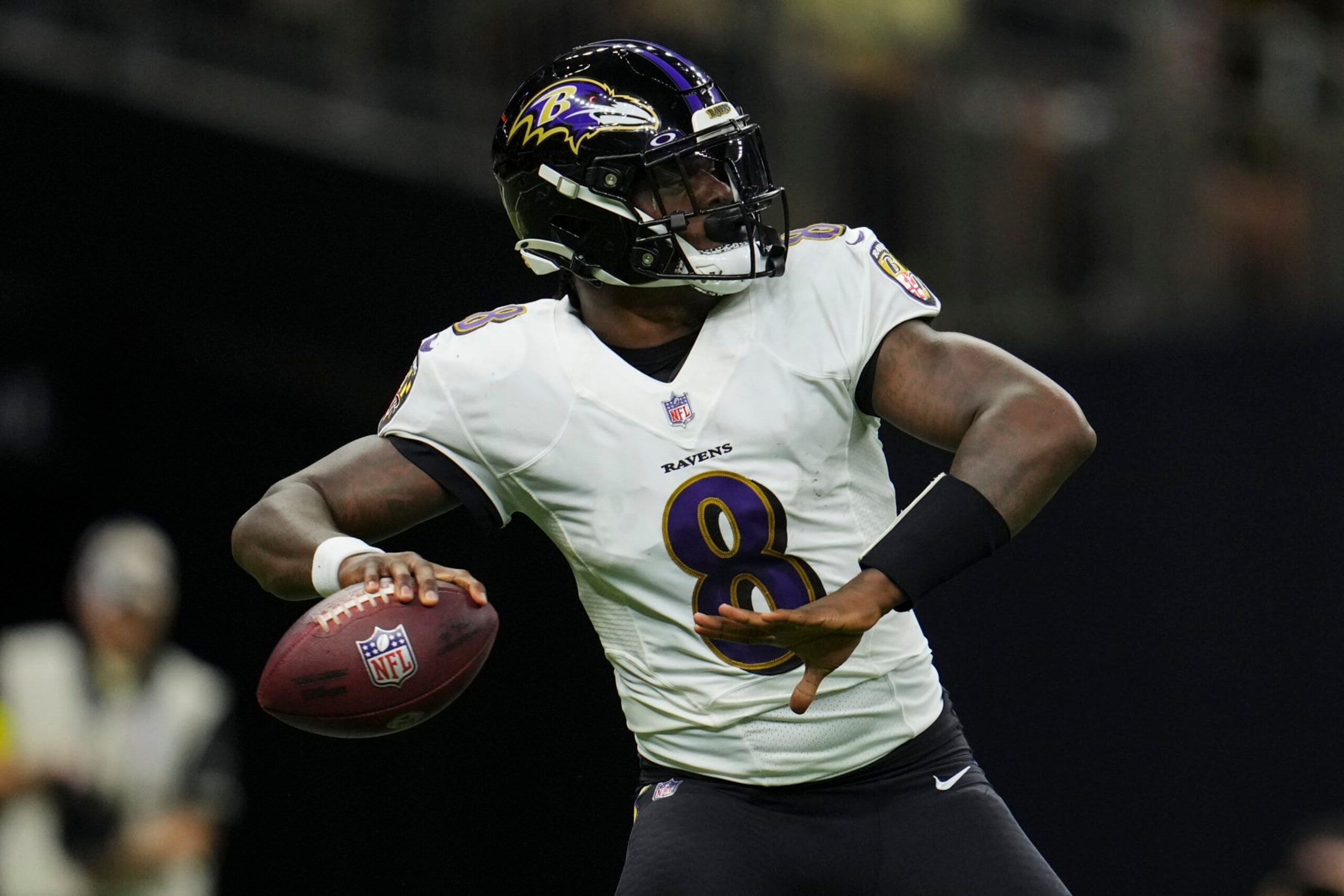
There is little uncertainty about Lamar Jackson's ability to be the Baltimore Ravens' franchise quarterback. He has already won one league MVP award, he's a two-time Pro Bowler and he has Baltimore again barreling toward the postseason.
Yet, the Ravens have not granted Jackson a contract extension. The Louisville product has been extension-eligible since after the 2020 season, and he's playing on the fifth-year option of his rookie contract.
Jackson appears to be improving too, which should be great for Baltimore's long-term prospects.
"I continue to see [Jackson] grow with things that might not jump out to the naked eye," Ravens quarterbacks coach James Urban said, per Kevin Oestreicher of Ravens Wire.
With Jackson slated to reach free agency in 2023, though, the Ravens have to do something to keep him. Their options include granting him a massive extension and using the franchise tag—letting him walk is technically an option, though an unrealistic one.
Baltimore could conceivably keep Jackson for two more years by using the franchise tag. The Washington Commanders took a similar year-to-year approach with Kirk Cousins in 2016 and 2017 before ultimately losing him to the Minnesota Vikings in 2018. It wouldn't be an ideal course, but it would at least buy the Ravens time.
Of course, Jackson could resist the use of the tag, leading to a contract stalemate and potential holdout.
A brand-new contract won't be cheap. According to NFL Media's Ian Rapoport, Jackson already turned down a contract valued at $49 million per year. And whatever Jackson wants now, he'll want more in a year or two.
The Ravens have a lot to sort out in the early days of the offseason, but the goal should be to keep Jackson in Baltimore for the foreseeable future.
The Packers' Future at the Quarterback Position
2 of 7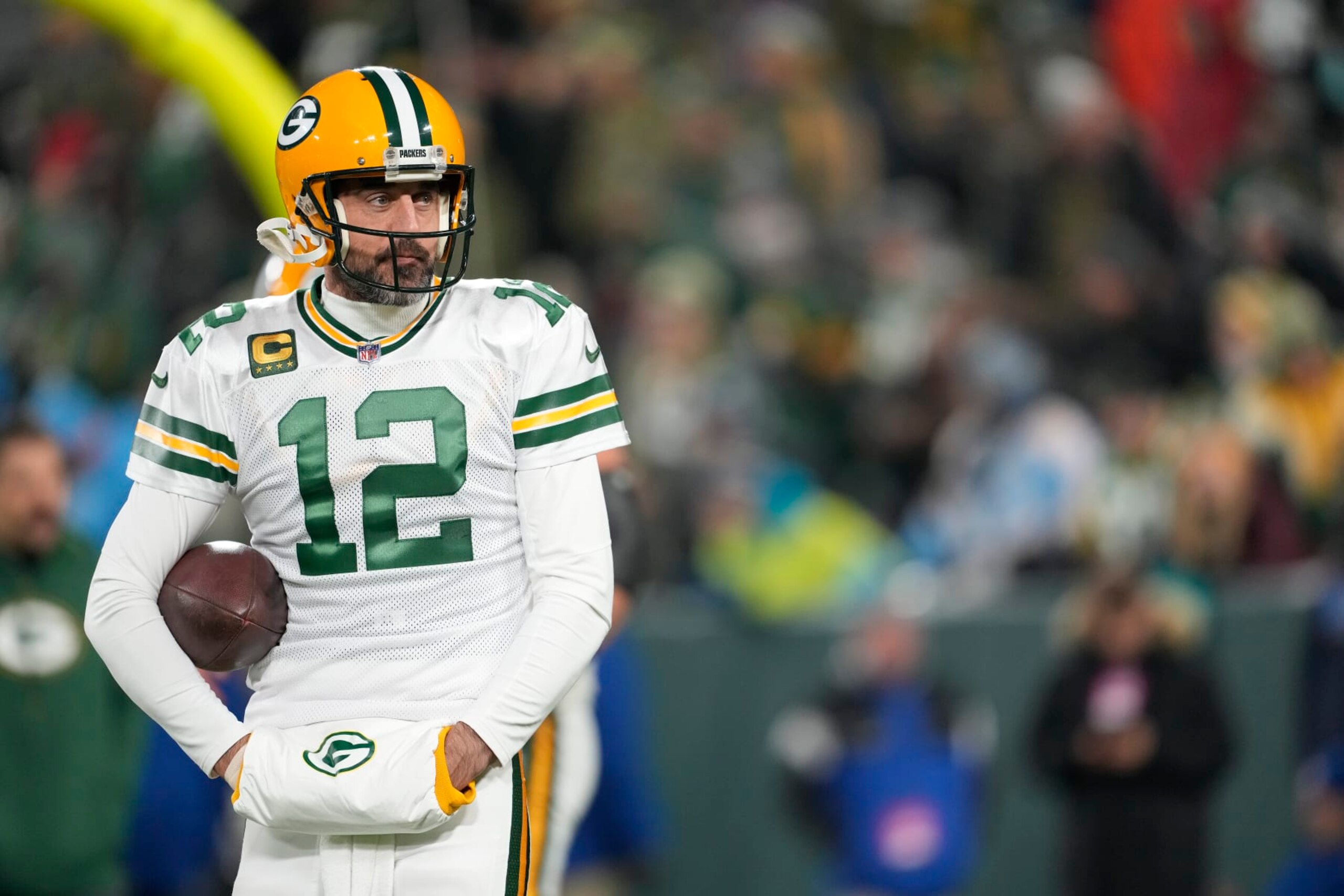
Like Jackson, Green Bay Packers quarterback Aaron Rodgers is a former NFL MVP—in fact, he's the reigning and back-to-back MVP. Unlike his 25-year-old Ravens counterpart, though, Rodgers is nearing the back end of his career.
The 38-year-old hasn't played particularly well this season either. Rodgers has thrown for 2,542 yards with 19 touchdowns, seven interceptions and a 93.2 quarterback rating.
Of course, it hasn't been all Rodgers' fault. Green Bay traded away top wideout Davante Adams in the offseason, while offensive coordinator Nathaniel Hackett left to take the Denver Broncos' head coaching job. Injuries to players like Christian Watson, Randall Cobb, David Bakhtiari and Elgton Jenkins haven't helped matters.
However, Rodgers' inability to lift the offense is a problem. It highlight's just how badly Green Bay needs to find his successor. Rodgers will have $99.8 million in dead money remaining on his deal after this season, so he'll be around at least another year, but the end is coming.
The Packers have 2020 first-round pick Jordan Love, but they don't exactly know what he's capable of doing long-term.
"I think we see it every day, so we've got a pretty good indication," Packers head coach Matt LaFleur said, per ESPN's Rob Demovsky. "There's nothing like getting in the game and getting those live reps, but he continues to show improvement on a daily basis."
The Packers have to decide whether or not to use the fifth-year option on Love this coming offseason. They could also end up with a top-10 draft selection and a crack at a new quarterback of the future.
Green Bay will have to replace Rodgers in the not-too-distant future, and it faces the unenviable task of choosing exactly how to best do that.
The Future of Saquon Barkley and Daniel Jones in New York
3 of 7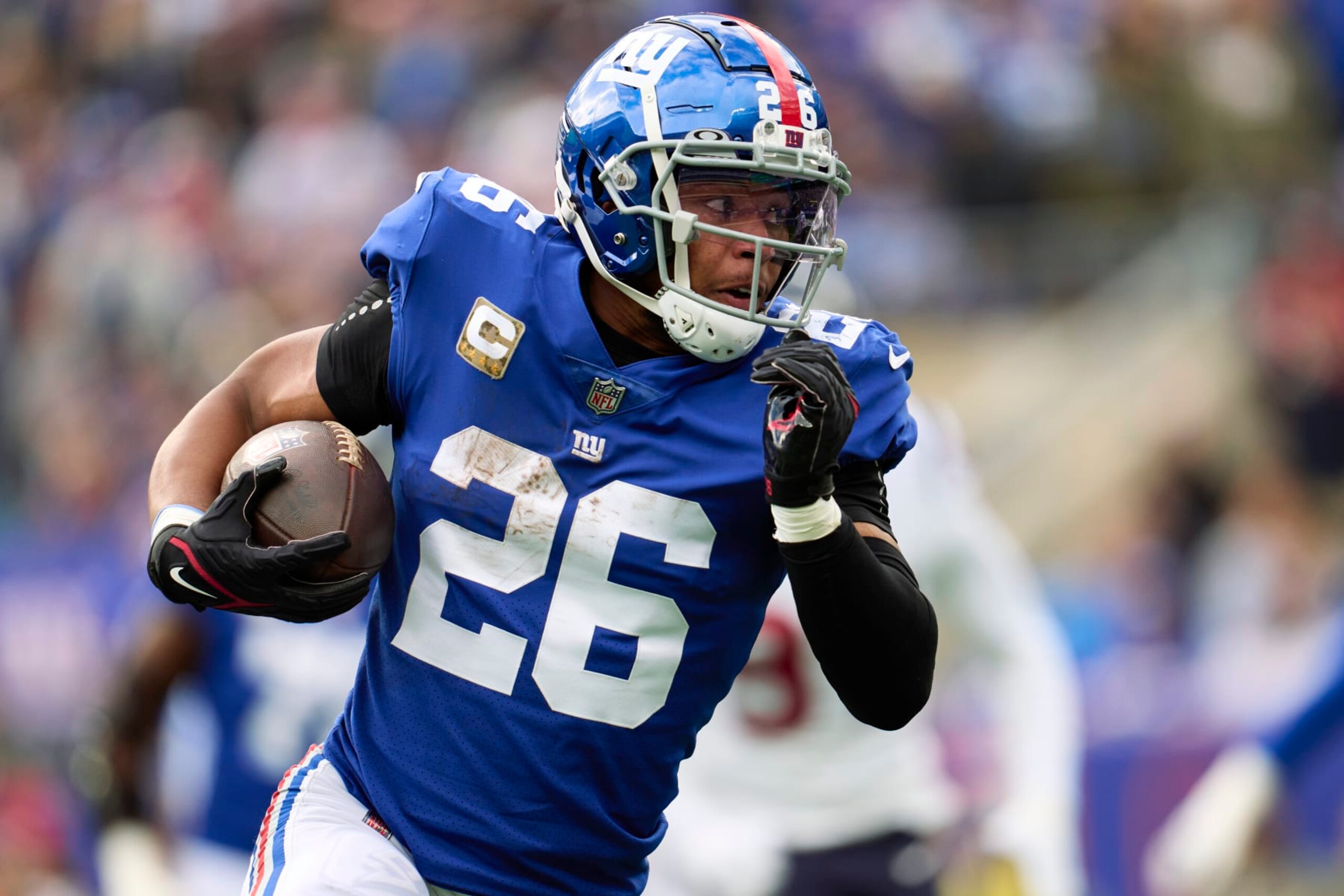
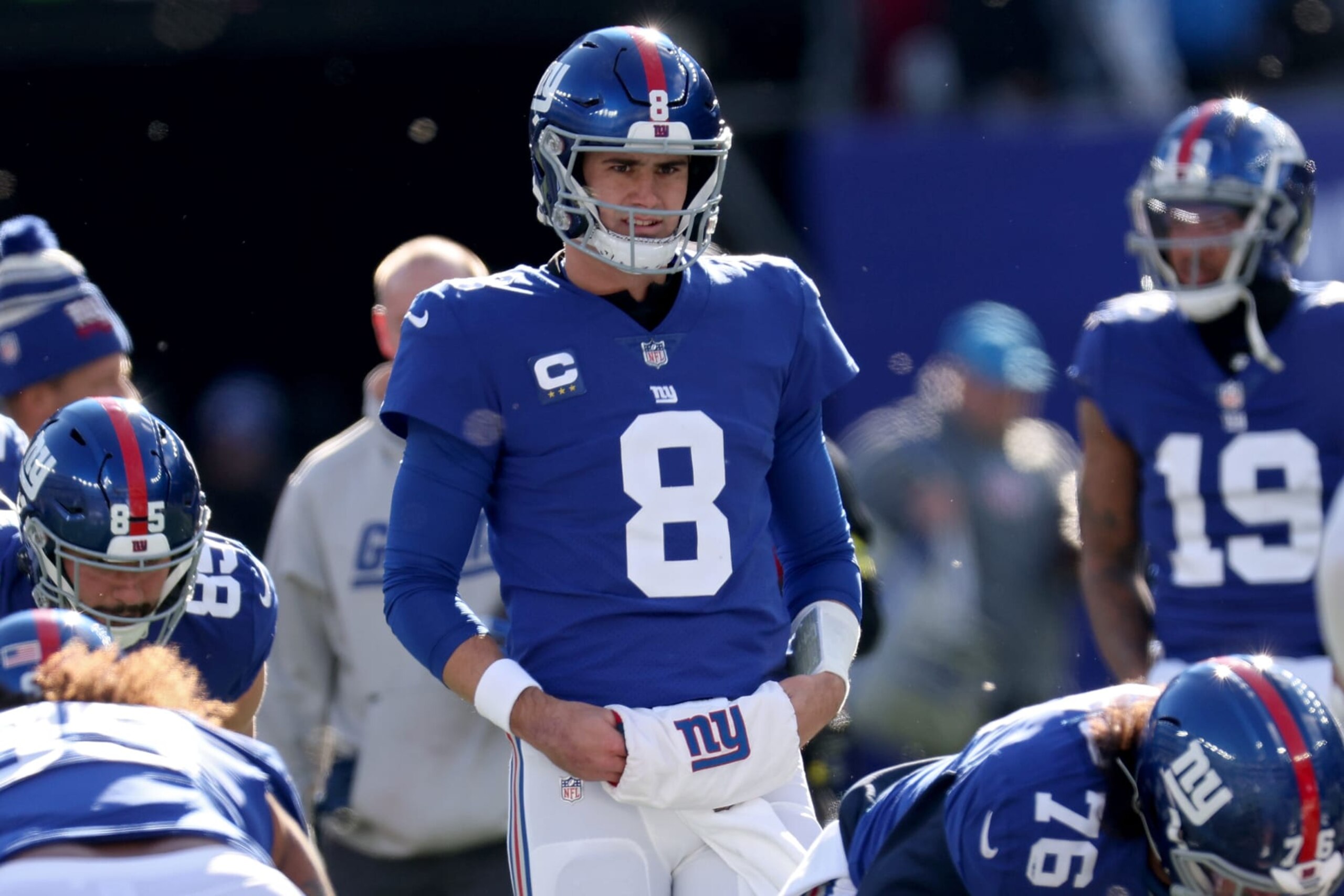
Like many teams mentioned here, the New York Giants have a decision to make on quarterback Daniel Jones. The Duke product largely struggled through his first three years but has largely been a serviceable game manager this season under new head coach Brian Daboll.
As Jones (two interceptions) showed during Sunday's loss to the Detroit Lions, however, he's far from an elite quarterback. He's also in the final year of his rookie deal, as New York declined Jones' fifth-year option.
Will the Giants try to retain a quarterback who is "good enough" or try to replace him in 2023? That won't be an easy decision, especially since the seven-win Giants are unlikely to have a shot at a top quarterback prospect.
New York has an equally difficult choice to make regarding running back Saquon Barkley. The oft-injured Penn State product has returned to Pro Bowl form this season—aside from his 1.5-yards-per-carry effort against Detroit—but is also set to be a free agent in 2023.
The Giants have tried to lock up Barkley but decided after the bye week to pause extension talks until the offseason, according to ESPN's Adam Schefter.
Presumably, Barkley wants to be one of the league's highest-paid backs, but will New York hand a heft contract to a heavily-worked 26-year-old (in February) who has only been fully healthy in two of four seasons? That's an extremely tough call.
The franchise tag could come into play for Barkley or Jones, but New York can only use it on one player. Barkley is the face of the Giants offense, but Jones plays the game's most important position. Deciding who to tag, who to extend and/or who to let go won't be easy for New York.
.jpg?w=2560 "Colts Football")
.jpg?w=2560)
.jpg?w=2560 "Commanders 49ers Football")
The Dallas Cowboys' RB Situation
4 of 7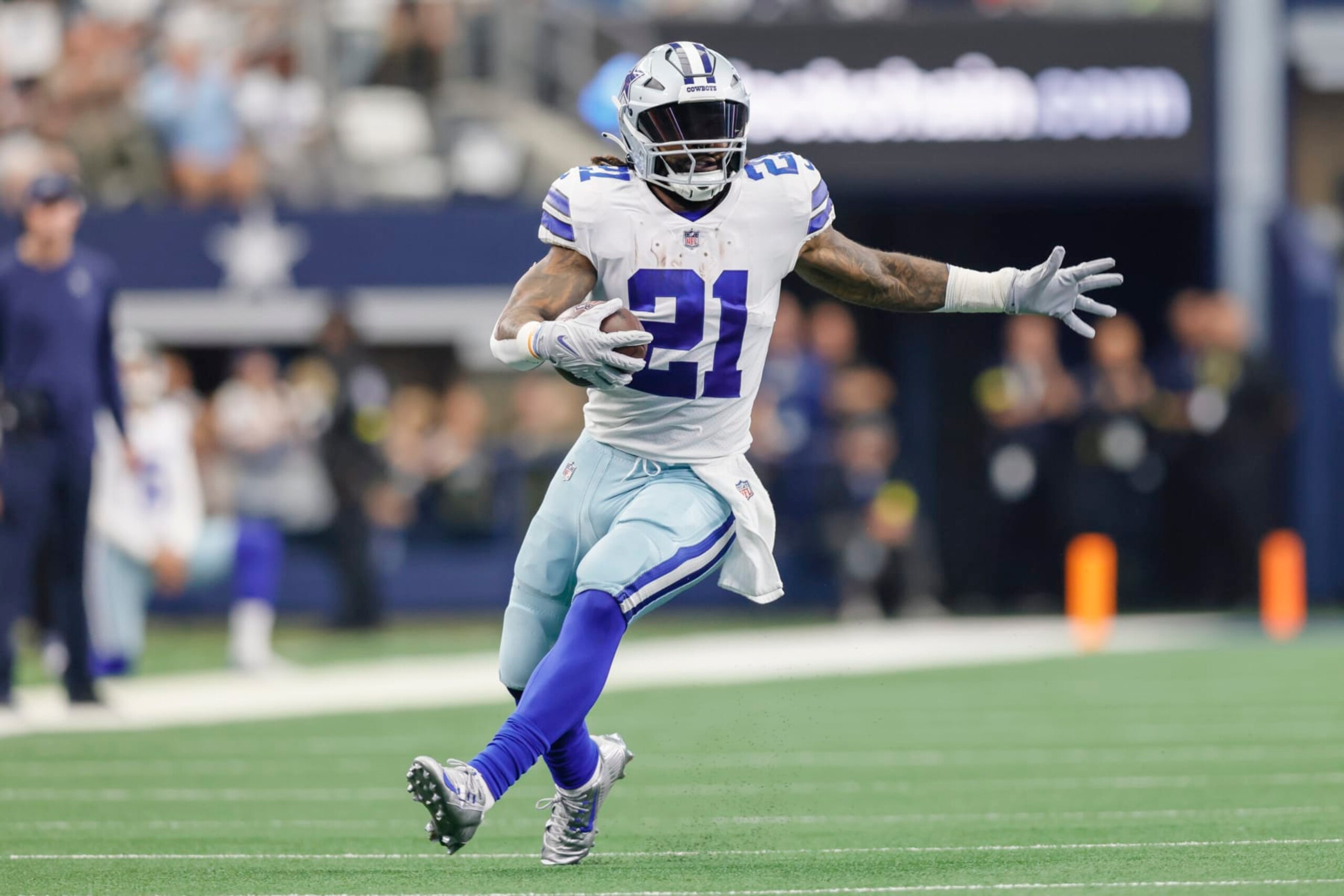
The Dallas Cowboys have quarterback Dak Prescott locked up through the 2025 season, so they're in a much better position than the NFC East-rival Giants. However, Dallas does have to find a resolution at running back.
Dallas used to have a do-it-all running back like Barkley in Ezekiel Elliott. However, the three-time Pro Bowler hasn't been as effective over the past few seasons—he came into Week 11 averaging 4.1 yards per carry—while backup Tony Pollard has emerged as the more explosive runner.
This was on full display against the Minnesota Vikings on Sunday. Elliott made his return from a knee injury and rushed for two touchdowns but averaged just 2.8 yards per carry. Pollard rumbled for 5.3 yards per tote while finishing with 80 rushing yards, 109 receiving yards and two receiving touchdowns.
Pollard came into Sunday averaging 6.0 yards per carry. The problem is that Pollard is slated to be a 2023 free agent, while Elliott is signed through 2026. Keeping both backs could be impossible, as Dallas is projected to have just $2.7 million in cap space.
However, this doesn't mean that the Cowboys are stuck with Elliott and stuck losing Pollard. While Elliott is set to have a cap hit of $16.7 million next season, a post-June 1 release would cost Dallas only $5.8 million in dead money. There is a conceivable scenario in which Dallas re-signs Pollard and chooses to part with the 27-year-old Elliott.
Deciding to do that won't be easy, of course. Elliott has meant a lot to the franchise and remains beloved by franchise owner Jerry Jones. Even with Pollard surging, Jones has continuously supported Elliott.
"We go as Zeke goes," Jones said, per The Athletic's Jon Machota.
Ideally, Dallas will find some way to keep both backs in the fold, but it may have to replace one of them through free agency or the draft. The question is whether the Cowboys will pick Pollard or Elliott to be the next former Cowboys running back.
A Big Quarterback Quandary in San Francisco
5 of 7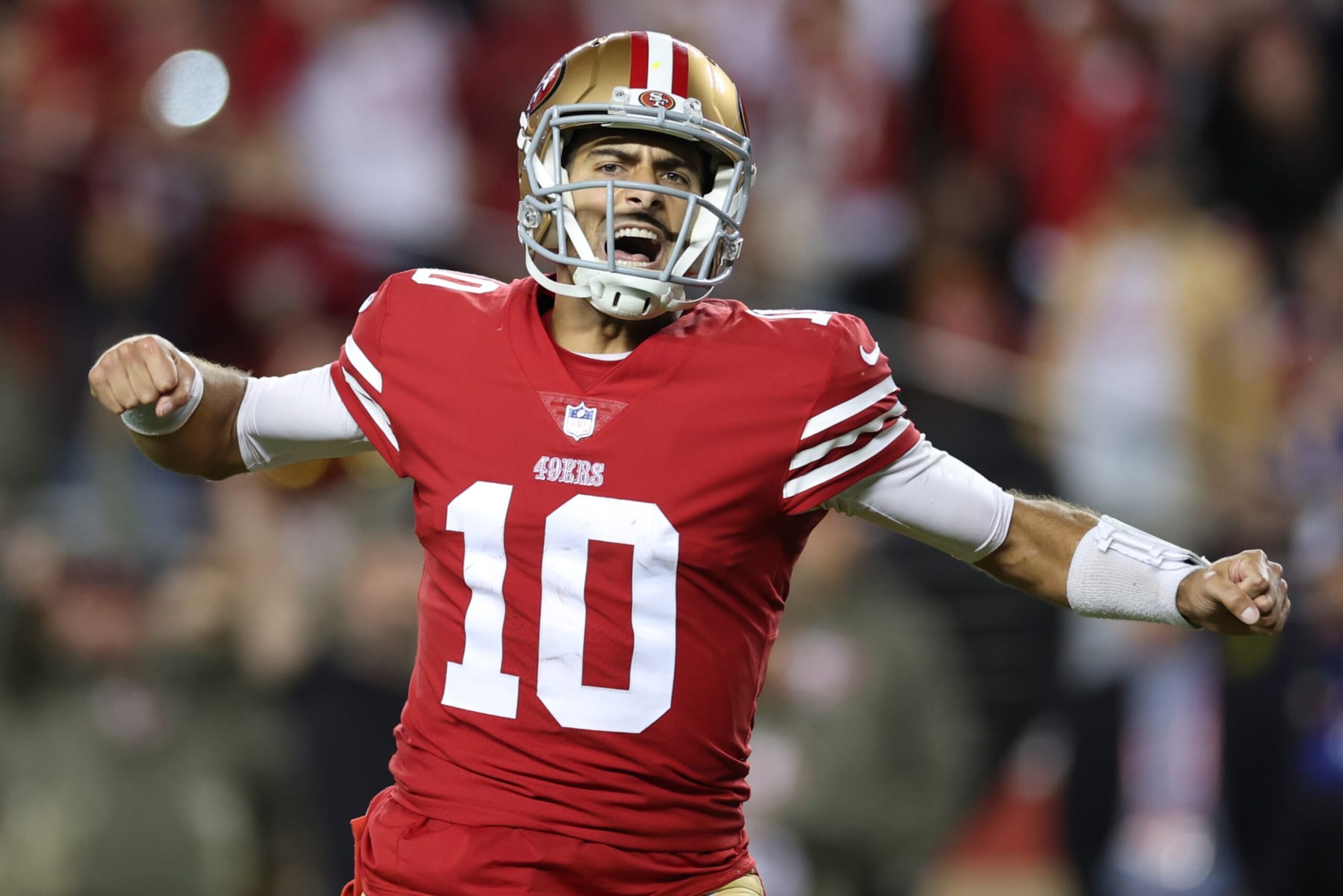
Like the Packers, the San Francisco 49ers face a decision complicated by the presence of a young former first-round pick. San Francisco used the third overall pick in last year's draft on North Dakota State product Trey Lance, and Lance was supposed to take over for veteran Jimmy Garoppolo this season.
Lance was named the Week 1 starter but suffered a season-ending ankle fracture in Week 2. Garoppolo—who was a trade candidate in the offseason—returned to the starting lineup and has the 5-4 49ers potentially headed to the postseason.
With the Seattle Seahawks on bye, San Francisco can match the division leader's record with a win over the Arizona Cardinals on Monday night.
The 49ers don't have to decide on Lance's fifth-year option for another year, but they do have a choice to make with Garoppolo. He took a pay cut to stay in San Francisco this season, and the impending free agent isn't likely to do the 49ers any favors on the open market.
The problem is this: The 49ers have already tapped Lance to be Garoppolo's replacement, but they largely don't know what they have in the youngster. Lance has started just four games and attempted 102 passes.
San Francisco knows it has a quarterback in Garoppolo who can steer it deep into the postseason. Will the 49ers fully commit to Lance with no safety net, or will they pay heavily to keep Garoppolo in the fold? It won't be easy to pick, especially with San Francisco eying just $6.9 million in projected cap space.
What Comes Next for Derek Carr in Las Vegas?
6 of 7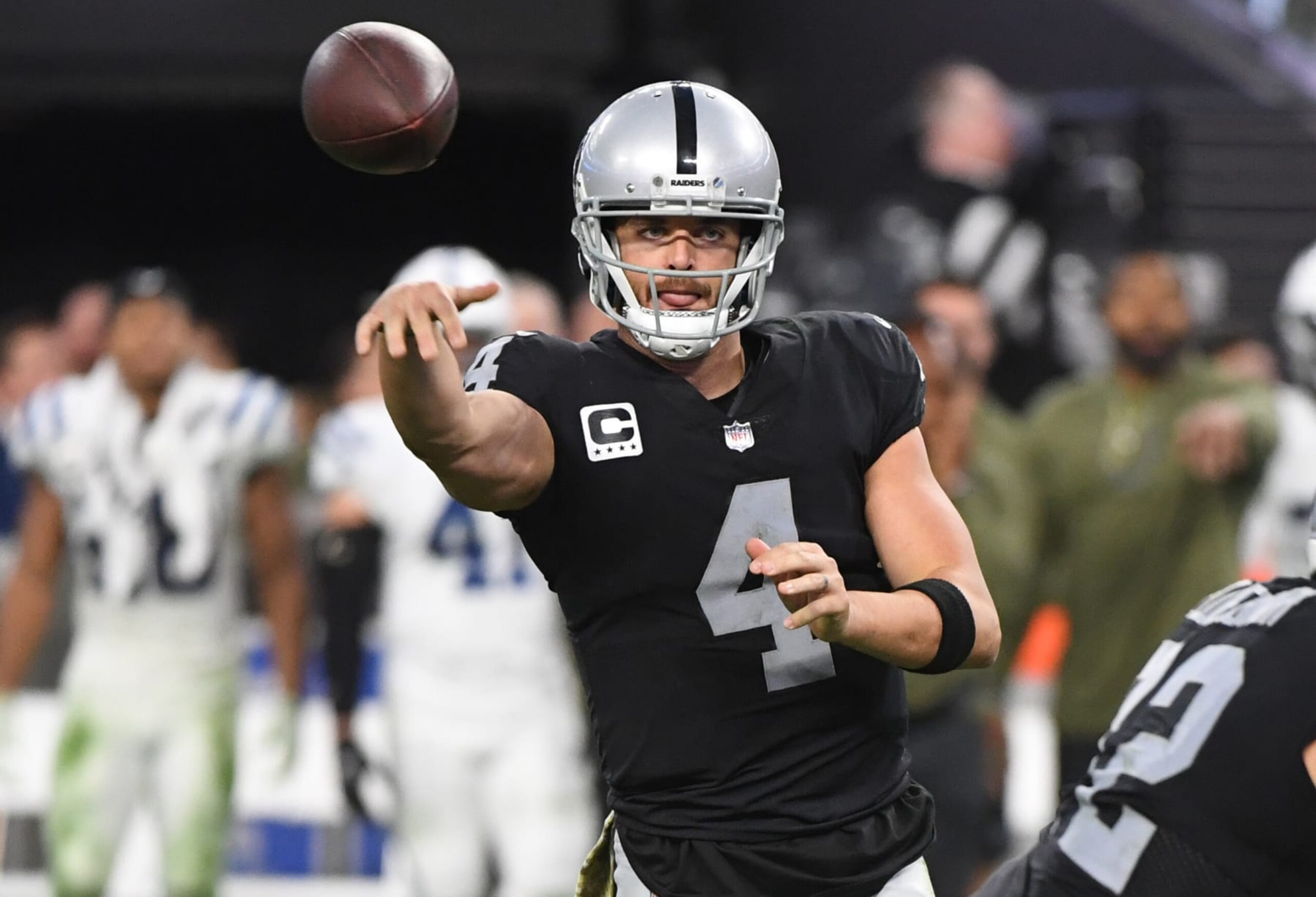
It's been a disappointing season for the Las Vegas Raiders, who were widely expected to be contenders after making the 2021 postseason and acquiring Davante Adams and Chandler Jones in the offseason.
Despite getting a win over the Denver Broncos on Sunday, Las Vegas has stumbled to a 3-7 record, and someone is going to take the blame. With Raiders franchise owner Mark Davis supporting first-year head coach Josh McDaniels, quarterback Derek Carr could become the scapegoat.
This is a possibility recently broached by ESPN's Dan Graziano:
"What's really interesting is the likelihood that quarterback Derek Carr, not McDaniels, takes the fall for this. Remember the 'contract extension' Carr signed last offseason? Yeah, well, it really wasn't. Carr has no guaranteed money left on his deal after this season, and because the Raiders don't like to put signing bonuses in their deals, Carr got a comparatively small signing bonus of $7.5 million."
Complicating matters here is the fact that Las Vegas could wind up with a top-five draft selection and perhaps a chance at a quarterback prospect like C.J. Stroud, Bryce Young or Will Levis.
Carr has been an above-average quarterback during his tenure with the Raiders, but he wasn't selected by the current regime. The draft could give McDaniels and general manager Dave Ziegler a chance to get "their guy."
A prospect like Stroud or Young could have a higher upside than Carr, but he will also be entirely unproved at the pro level. Could the Raiders keep Carr and draft a quarterback to develop behind him? Absolutely, but the San Francisco situation shows that an easy transition isn't guaranteed.
What to Do with Extension-Eligible Quarterbacks
7 of 7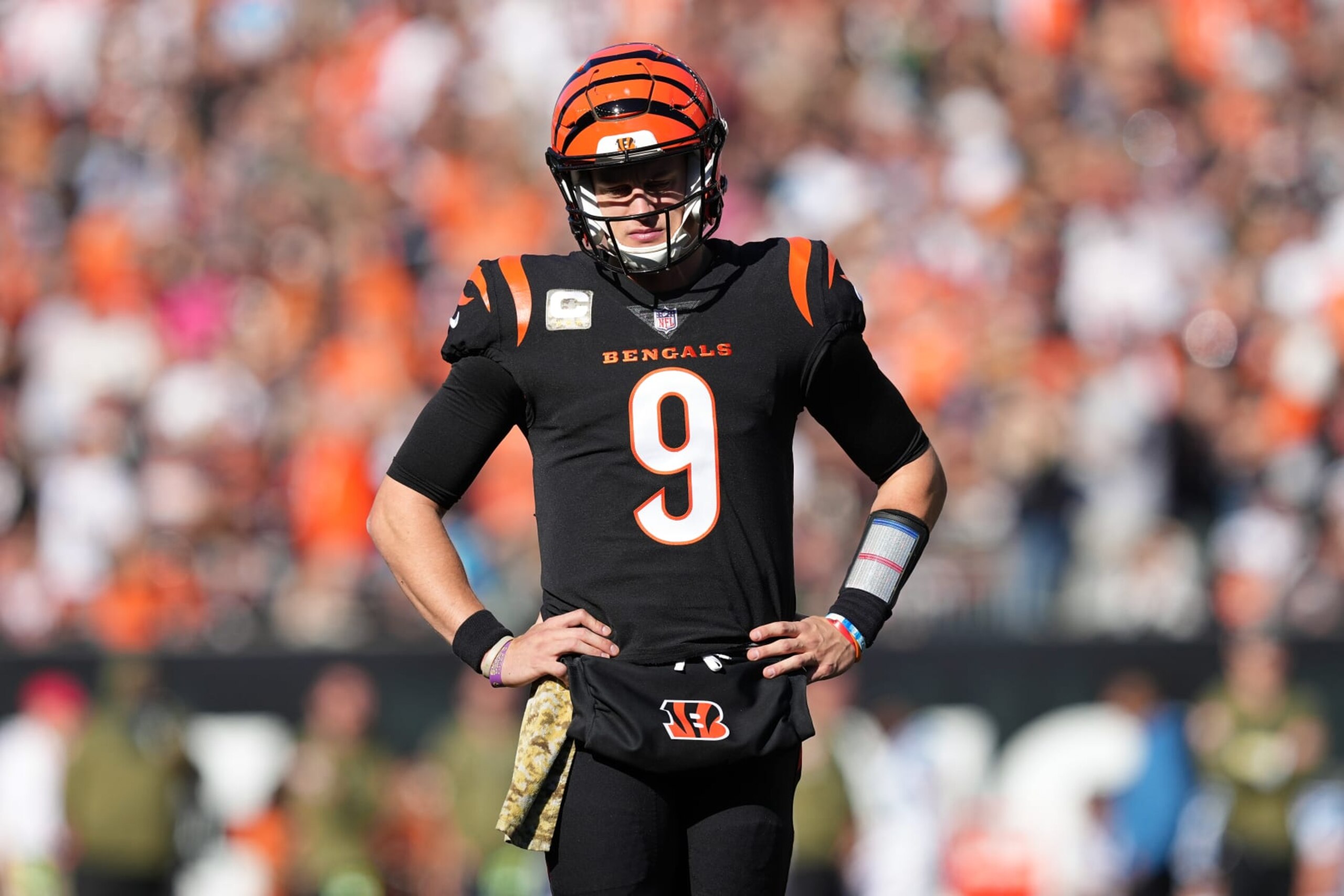
We're going to cheat a little bit and lump four franchises into one category here. This is because the Cincinnati Bengals, Miami Dolphins, Los Angeles Chargers and Philadelphia Eagles all found their current quarterbacks in the 2020 NFL draft.
Why is this important? It's because we're approaching the three-year anniversary of that event, meaning Joe Burrow, Tua Tagovailoa, Justin Herbert and Jalen Hurts will all be eligible for contract extensions.
Burrow took Cincinnati to the Super Bowl last season and is a virtual lock to get another contract from the Bengals—though Jackson's situation shows that there's no guarantee he'll get an early extension.
Herbert and Hurts have been two of the league's hottest young quarterbacks dating back to last season, and Tagovailoa is making strides this year. The additions of head coach Mike McDaniel and wideout Tyreek Hill have been wonderful for Tagovailoa's development, and he's played like a true franchise quarterback this season.
Tagovailoa has completed 71.0 percent of his passes with 18 touchdowns, just three interceptions and a passer rating of 118.4.
Extending any quarterback early, however, comes with risks. The career arcs of Goff and Carson Wentz are proof of this. Both quarterbacks shined early in their careers, received massive paydays and then quickly faded. Wentz is on his second team since being traded away by Philadelphia—and he'll likely be a backup for the rest of the season, according to NFL Media's Ian Rapoport.
These teams will have to weigh the risks of acting too quickly against the reality that quarterback salaries go higher in the coming years.
Contract and cap information via Spotrac.

.jpg?w=2560 "DOLPHINS-AIKMAN")








