

Finances are an integral, fascinating piece of the NBA. Spending lots of money does not guarantee success, but it's also difficult to win championships without a highly paid roster.
Since 2001, 28 of the league's 30 franchises have at least paid something in luxury tax. These payments are the result of excess spending relative to the salary cap, which can be side-stepped thanks to a couple of contract types.
Many front offices do their best to avoid paying any luxury tax. The Charlotte and New Orleans franchises have yet to pay a dime, and the Detroit Pistons have stayed below $1 million in total payments.
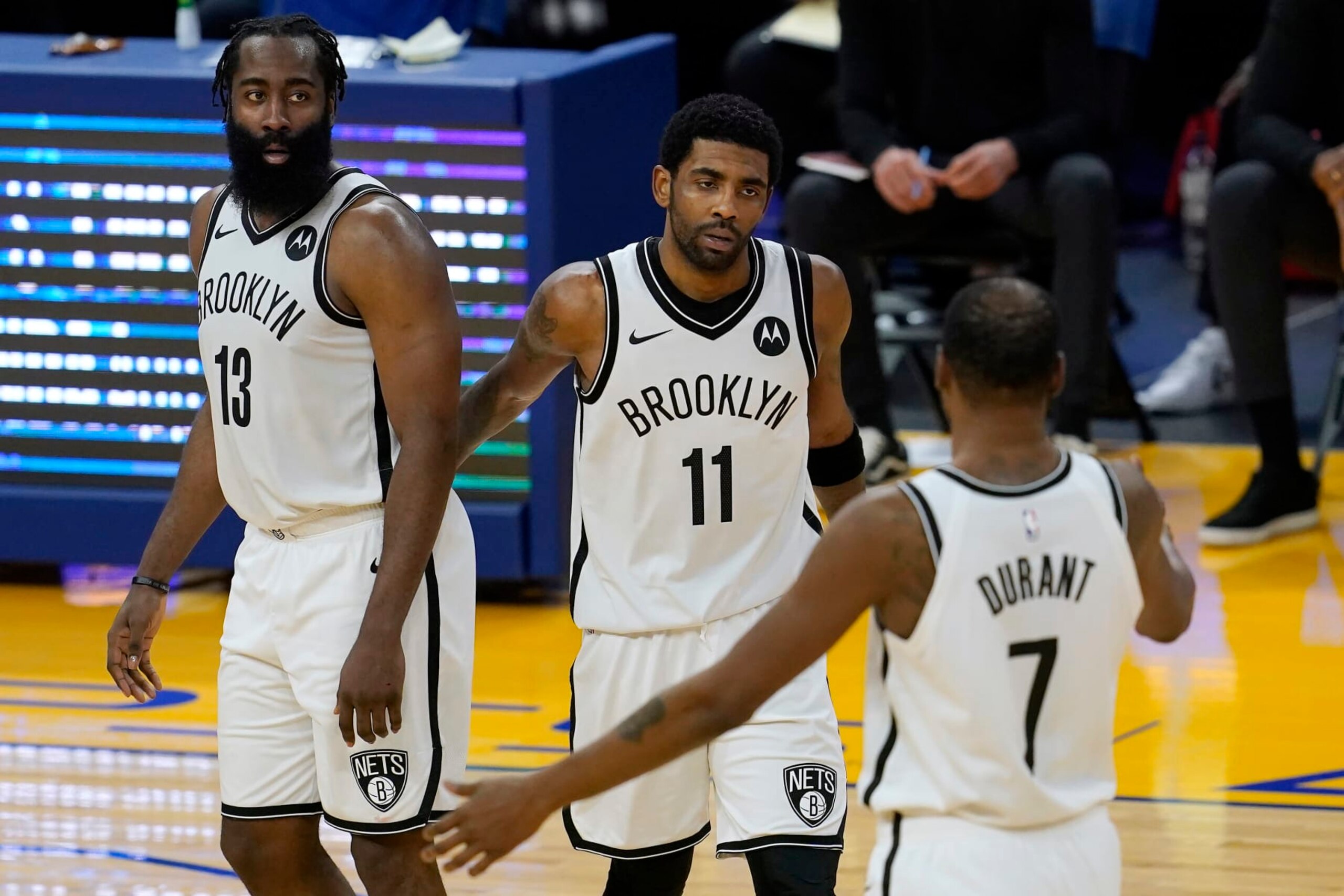
On the other hand, the Golden State Warriors have cleared $300 million—a number the Brooklyn Nets are set to reach. Close behind them, the New York Knicks are on the cusp of $250 million.
All three, along with the Los Angeles Lakers and others, have spent handsomely in specific seasons but fallen well short of a championship.
We're remembering the most expensive non-title years in NBA history, particularly noting the franchises that failed to advance past the opening round of the playoffs or even reach the postseason.
Luxury-tax data is from Mark Deeks of Forbes.
2002-03 Portland Trail Blazers
1 of 7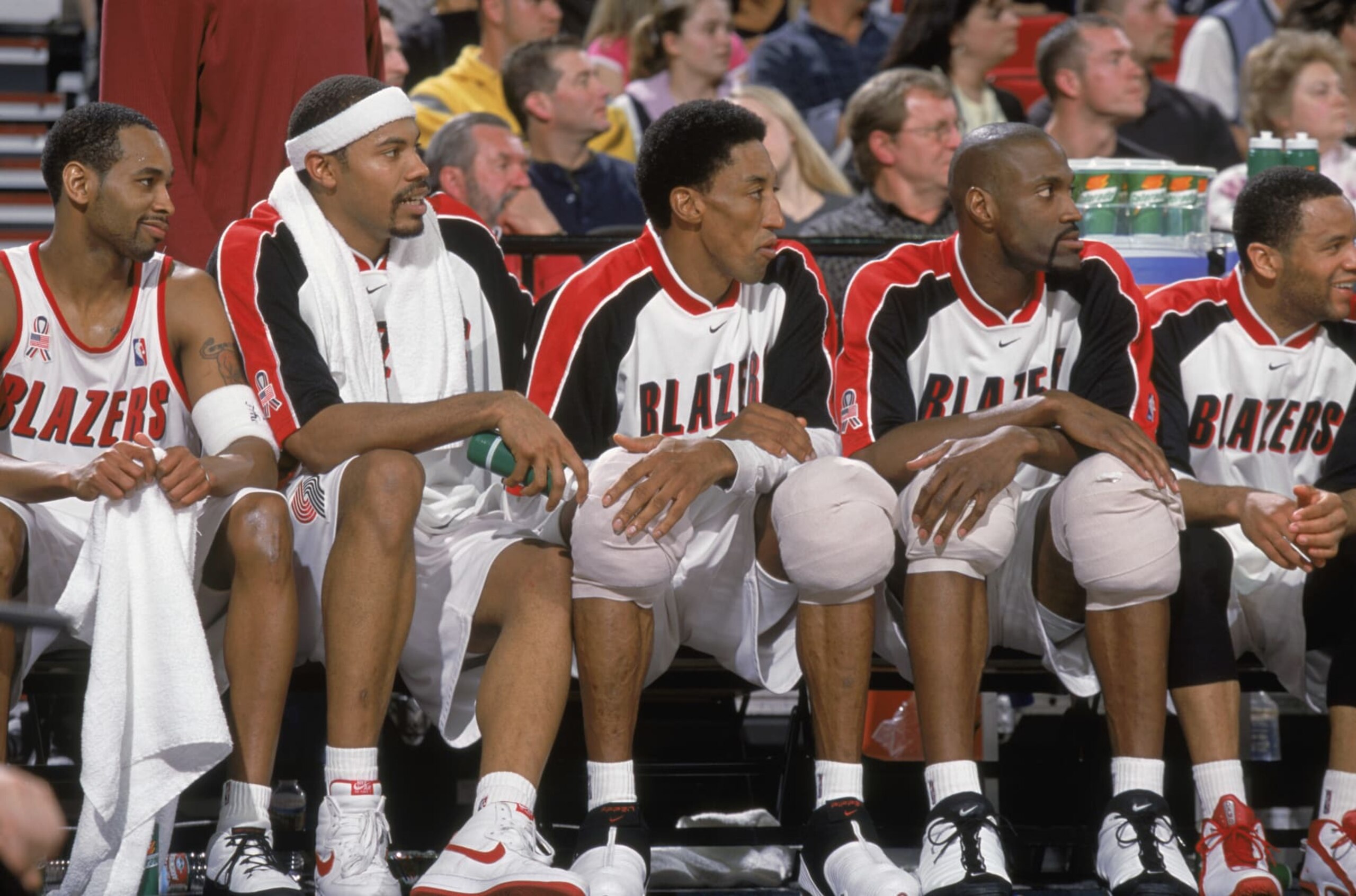
The greatest compliment we can give the Portland Trail Blazers is they went for it.
Portland had Rasheed Wallace, Damon Stoudamire and Bonzi Wells. After losing in the 1999 Western Conference Finals, the Blazers added Scottie Pippen. Following the 2000 WCF exit, they picked up Shawn Kemp and Dale Davis. Ruben Patterson and Derek Anderson joined the following year, and then Antonio Daniels and Jeff McInnis completed the acquisition-fest.
But as the $52 million tax bill came due in 2002-03, the Blazers—who'd only waived Kemp along the way—did not navigate past the opening round of the postseason.
No, it wasn't a shocking result. They fought valiantly against Dirk Nowitzki, Steve Nash and the Dallas Mavericks, forcing a Game 7 despite a 3-0 series deficit. However, the 60-win Mavs prevailed in that decisive matchup.
Pippen returned to the Chicago Bulls in the offseason, and the Blazers wouldn't make the playoffs again until 2008-09.
2003-04 Dallas Mavericks
2 of 7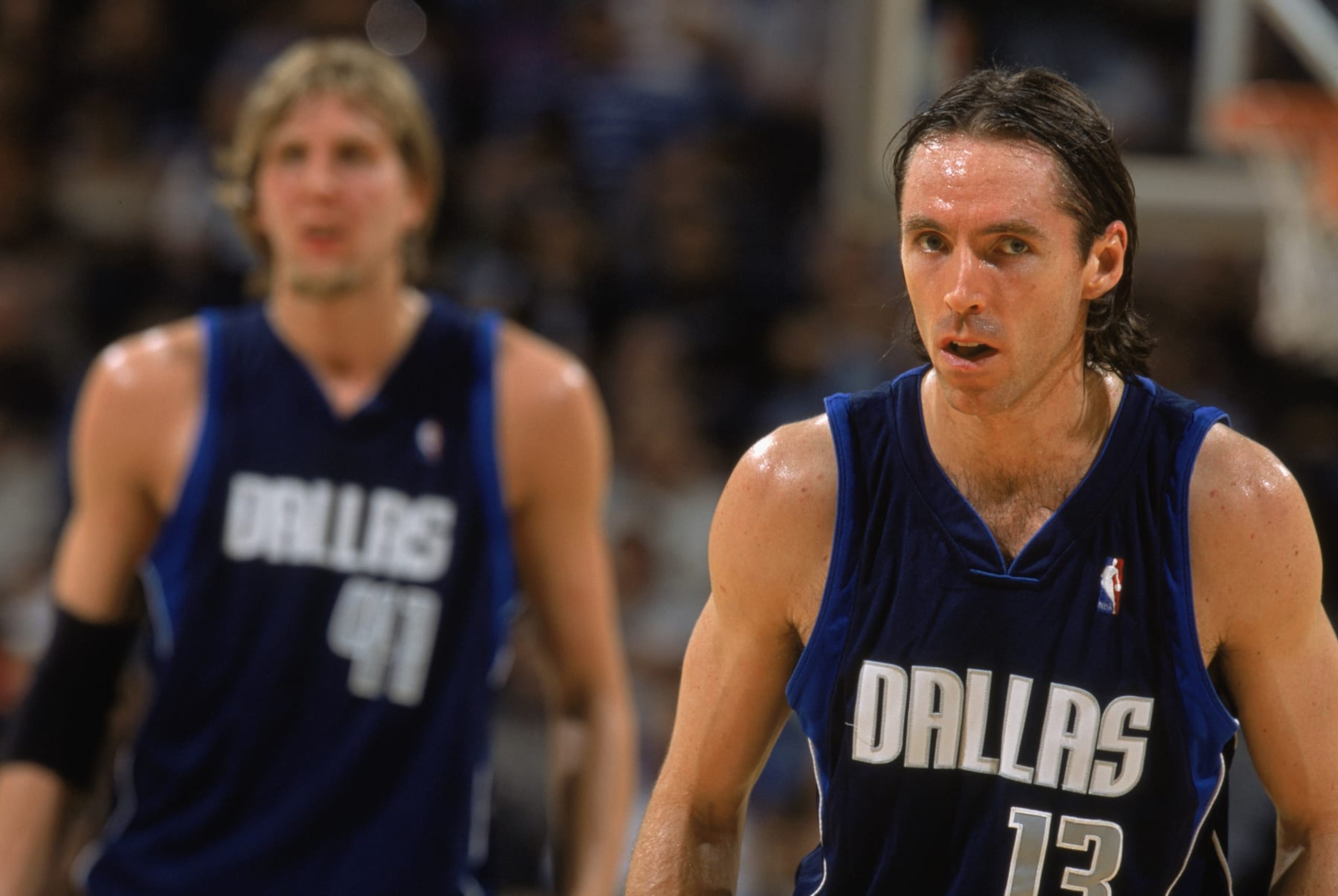
One season later, the Mavericks experienced a near-identical fate to the Blazers squad it had eliminated in 2002-03.
Dallas won 52 games during the regular season, landing the fifth seed in the Western Conference. From there, the road to a championship would be difficult. But the Mavs barely made a dent in the playoffs.
The final season of Steve Nash's tenure with Dallas ended in unceremonious fashion. Although the Mavericks were competitive—three of their four losses were by a combined seven points—they quickly bowed out to the Sacramento Kings in five games.
Dallas paid $25 million in luxury tax, which is more than 12 franchises have totaled to this day, for that immediate exit.
That offseason, Nash departed for the Phoenix Suns in free agency. The reality is Mavs owner Mark Cuban, who's freely acknowledged that it's his biggest regret, paid a costlier price in not re-signing Nash. dirk
2006-07 New York Knicks
3 of 7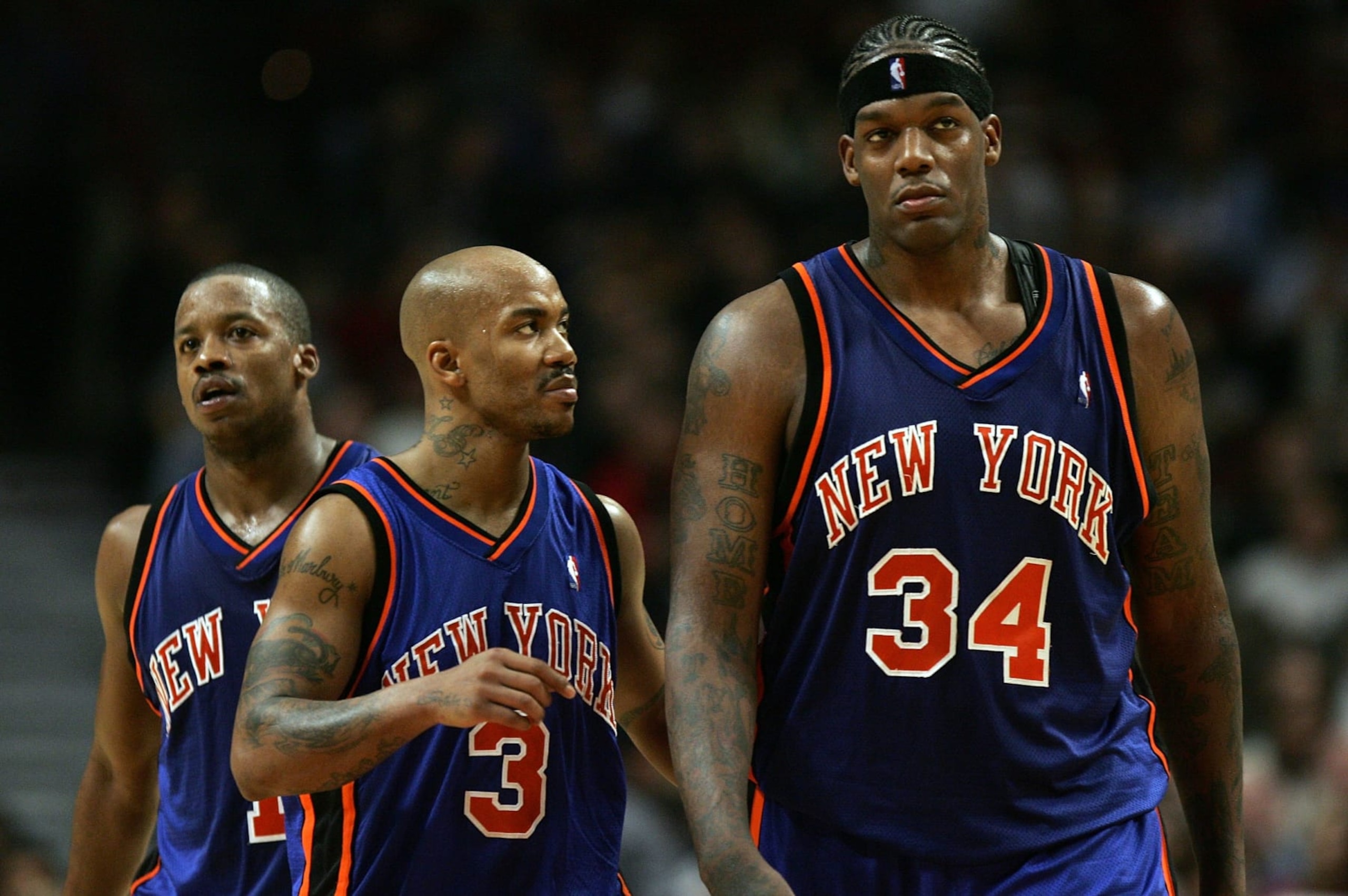
When the NBA implemented the luxury tax in 2001, the New York Knicks became a regular contributor.
And their big budget never led to much of anything.
From the 2002-03 campaign through 2008-09, the Knicks paid $19.7 million or more in all six years. The worst part is they reached the playoffs during only one of those seasons, and that 2003-04 team—which had mustered a 39-43 record—unsurprisingly exited in the first round.
The peak tax payment in that stretch happened in 2006-07. For a roster that included Stephon Marbury, Steve Francis, Quentin Richardson, Jamal Crawford and Eddy Curry, the Knicks owed $45.1 million in tax. Not only did New York miss the postseason, it also managed just 33 wins.
Given the Knicks paid nearly $200 million in tax during that era, there isn't a better example of spending not guaranteeing success.

2013-14 Brooklyn Nets
4 of 7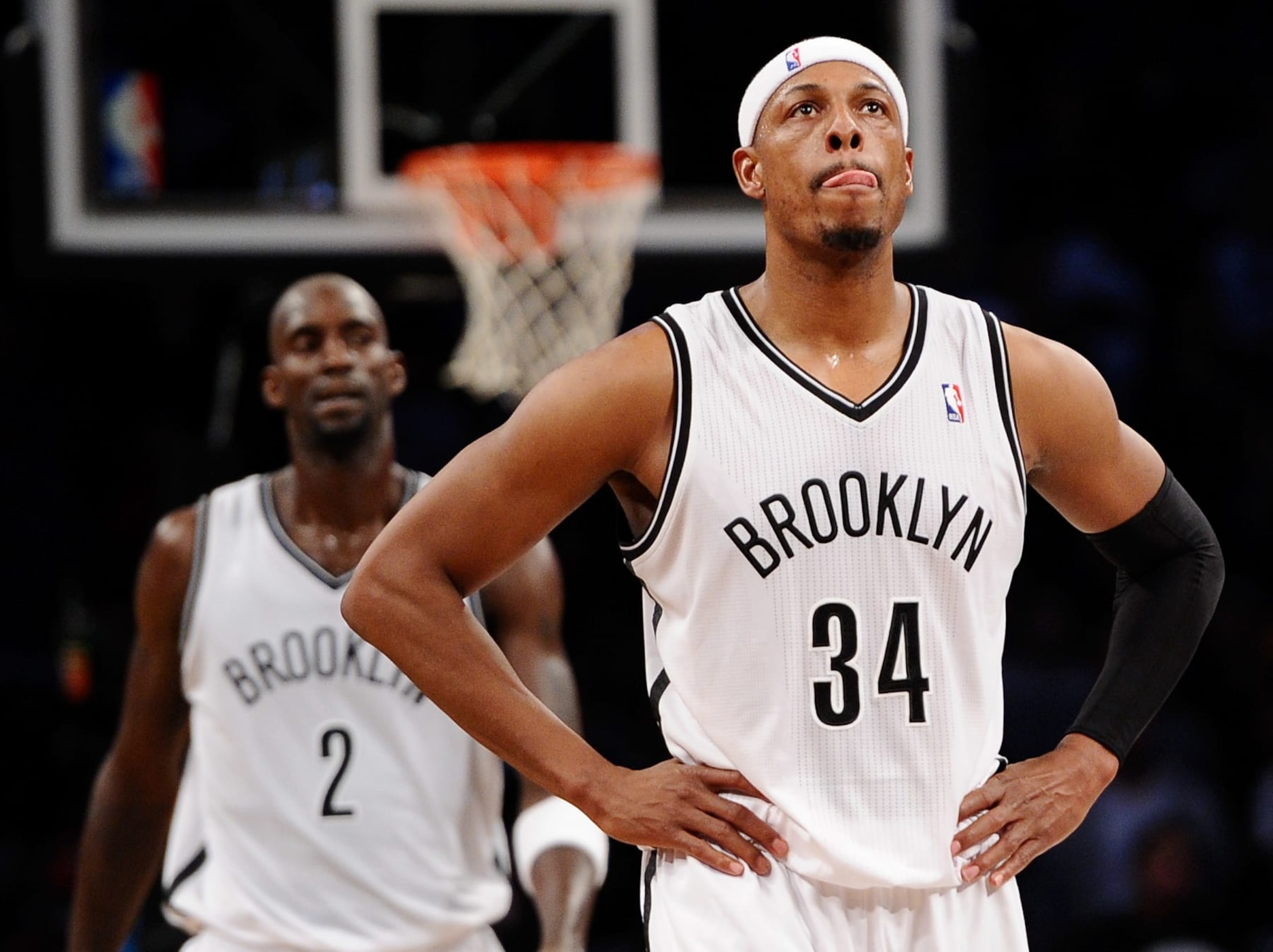
Relative to the timing of postseason exits (or misses), the lone outlier here is the 2013-14 Brooklyn Nets. They advanced past the opening round of the playoffs.
But it's impossible to ignore this roster.
During the preceding summer, the Nets executed the ill-fated blockbuster trade with the Boston Celtics. Brooklyn brought in past-prime stars Kevin Garnett, Paul Pierce and Jason Terry to a roster with Joe Johnson, Brook Lopez and Deron Williams. As a result, the Nets ponied up $90.6 million in luxury tax—a single-year record that remained until 2021-22.
However, the Nets meandered to a 44-38 mark and held the sixth seed in the Eastern Conference. They bounced the Toronto Raptors in an entertaining seven-game series but fell to the LeBron James-led Miami Heat in five.
2018-19 Oklahoma City Thunder
5 of 7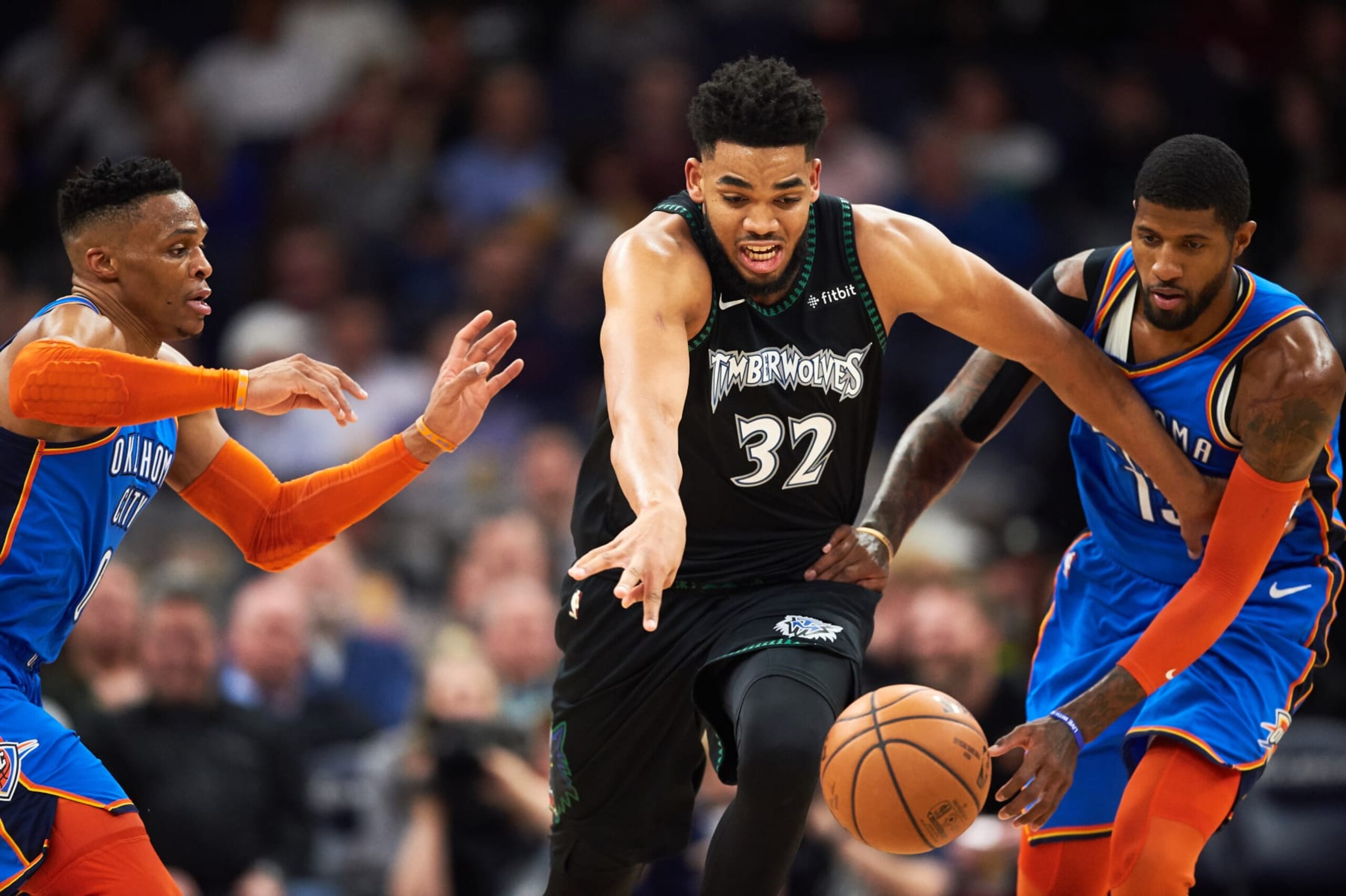
Russell Westbrook braced the Oklahoma City Thunder in the aftermath of Kevin Durant's departure for the Golden State Warriors. Despite his record 42 triple-doubles in 2016-17, though, it was clear Westbrook needed help.
So, the Thunder landed Paul George in July 2017. While the trade was justifiable, the returns were lacking.
Oklahoma City owed no luxury tax in 2016-17 and won 47 games. But then, the Westbrook and George-led Thunder paid $25.4 million for 48 wins in 2017-18 and a staggering $61.6 million in tax for 49 wins in 2018-19. They lost in the postseason's opening round all three seasons.
Following those expensively disappointing years, OKC general manager Sam Presti embarked on a cost-cutting teardown that moved Westbrook to the Houston Rockets and George to the Los Angeles Clippers.
2021-22 Brooklyn Nets
6 of 7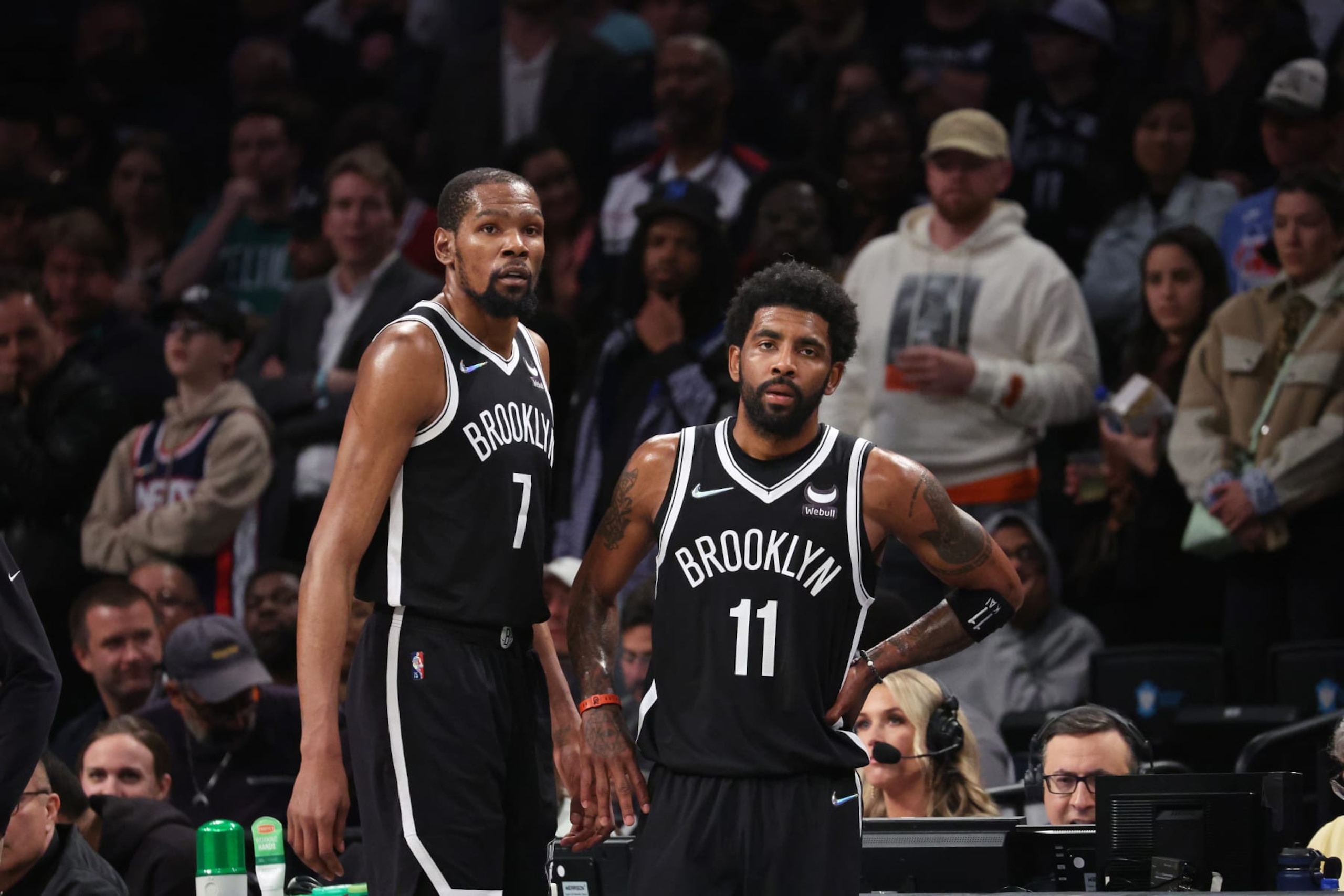
For the 2020-21 season, the Warriors and Nets wrote checks of $60-plus million. However, injury problems for both teams overshadowed what became undeniably frustrating years.
Health setbacks again hurt Brooklyn in 2021-22, but head-shaking drama adorned the path to a massive tax bill.
Kyrie Irving couldn't play home games because of his refusal to get vaccinated amid New York City's vaccine mandate. James Harden forced a trade in February, and the marquee return—Ben Simmons—didn't make an appearance for the Nets. Kevin Durant, who shot 51.8 percent in the regular season, plummeted to 38.6 in the playoffs. Also, the defense stunk.
Overall, the 44-win roster ran a $97.7 million tax bill before the Celtics swept Brooklyn out of the first round.
2021-22 Los Angeles Lakers
7 of 7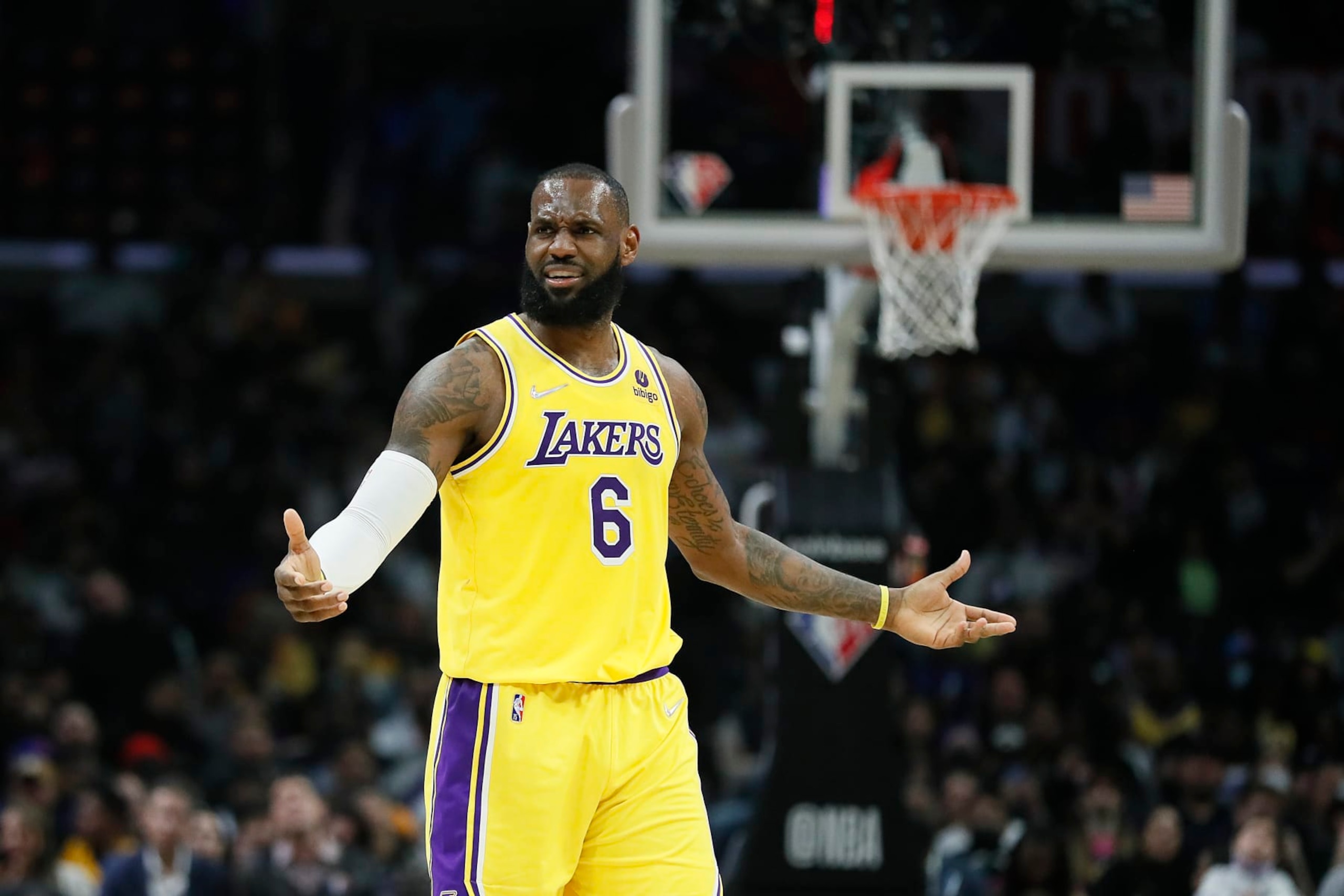
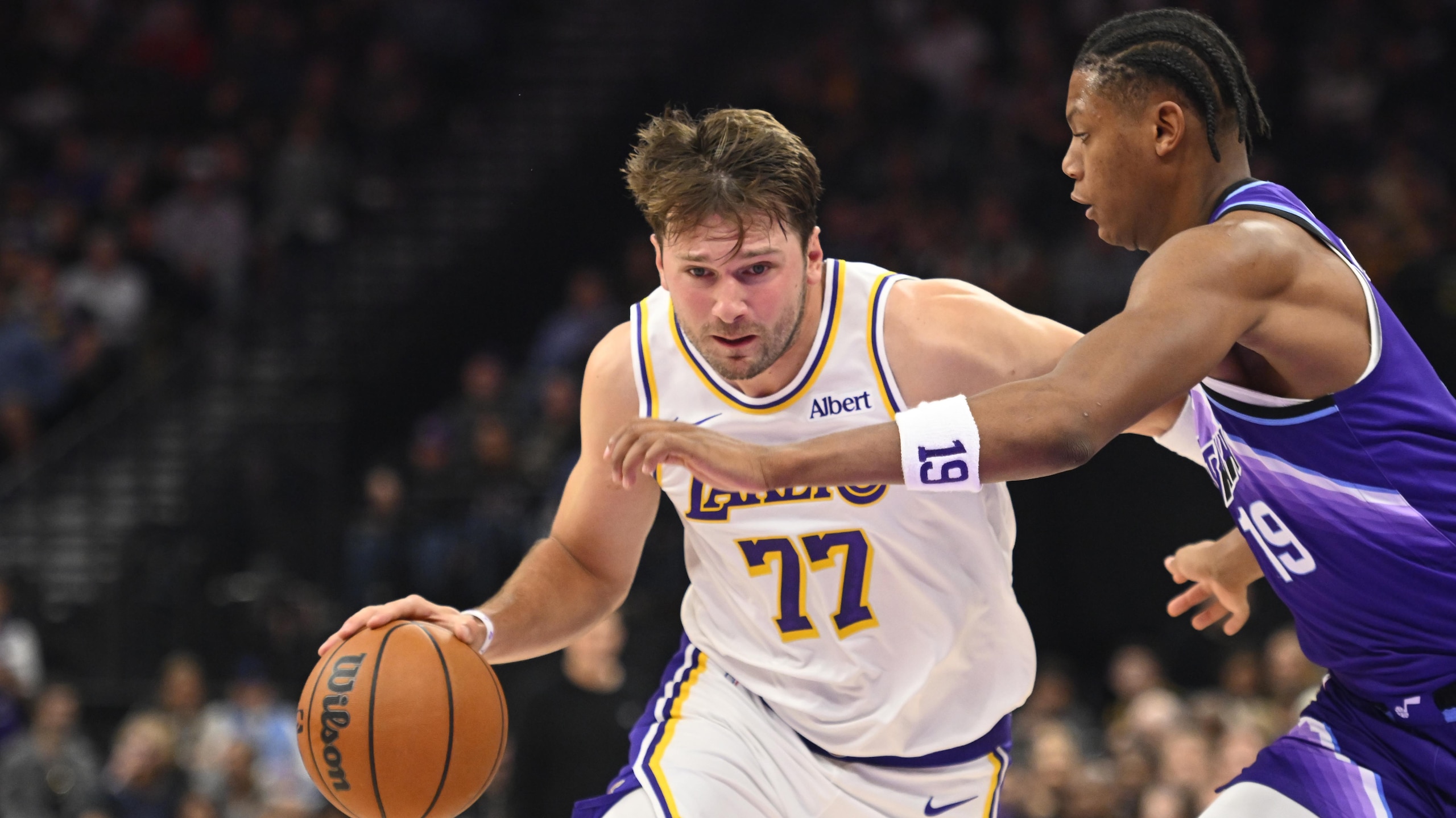
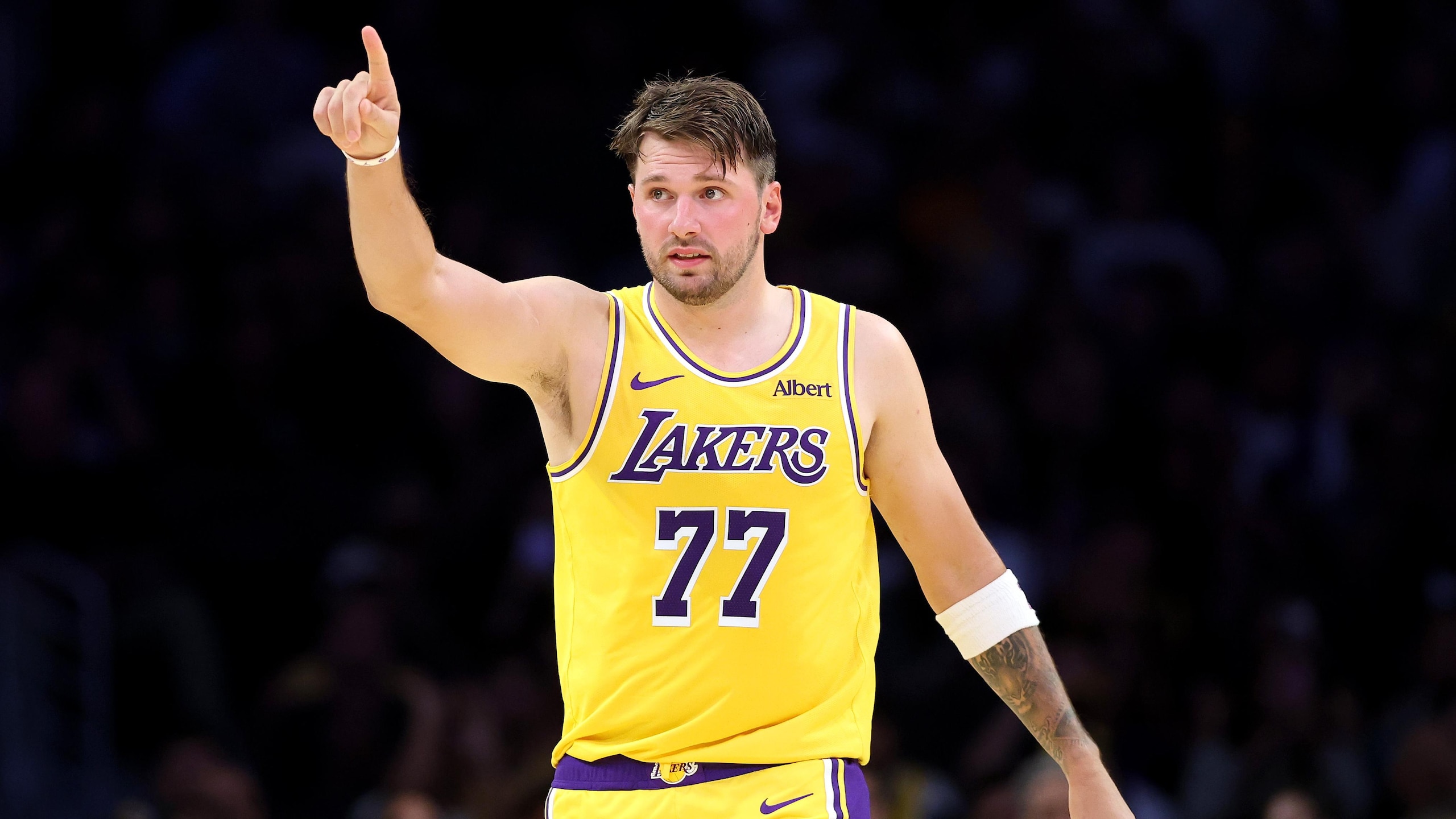
During the 2021-22 season, five franchises paid $45 million or more in luxury tax. In fairness to the Los Angeles Lakers, their $45.1 million brought up the rear of that group.
But the Warriors won the NBA Finals. Brooklyn didn't avoid the list. The injury-riddled Los Angeles Clippers still won 42 games, and the Milwaukee Bucks advanced to the Eastern Conference Semifinals before Khris Middleton's wrist surgery doomed the run.
Meanwhile, the Lakers had a miserable time in the first season with LeBron James, Anthony Davis and Russell Westbrook.
Davis endured a pair of 17-game absences, and LeBron had a couple of five-game injury stretches. But the Lakers struggled no matter the personnel, especially on defense. They trudged to a 33-49 record and even posted an uninspiring 11-10 mark when all three were available.
Exactly as the Knicks had done in 2006-07, the Lakers surpassed $45 million in tax only to win 33 games and miss the playoffs.

.jpg?w=2560 "Mahomes Told Teammate to Leave Meeting")
.jpg?w=2560 "Rodgers Iced Out on Plane 💎")
.jpg?w=2560 "🚨 Week 8 AP Top 25 Poll")


.jpg?w=2560 "Lamar Being Out Shocked Ravens")
.jpg?w=2560 "Raiders Could Start Mendoza")