
'It's the Wild, Wild West': NIL Turning College Hoops Business Upside Down
A final buzzer for any college team’s season not only ends its one shining moment but also now creates an even madder dash for agents hoping to sign players, assistant coaches hoping to lure a standout transfer and schools racing to hire new head coaches. The NBA’s annual predraft picture has been further complicated by this first year of name, image and likeness (NIL) eligibility and the lingering impact of COVID-19.
Five different agents contacted by B/R this week offered essentially the same unofficial slogan for this dual college basketball postseason and predraft window: “It’s the Wild, Wild West.”
TOP NEWS

J-Dub Suffers Gruesome Leg Injury

Blockbuster Trade Idea To Shake Up the East

Mike Brown: 'Our Crap Stinks'
NIL has added a wrinkle to the typical final cycle of meetings for player representatives hoping to land particular clients. Agents are back parachuting to campuses around the country to make their final pitch, and some players are believed to be considering changes of representation away from their NIL commitment for their NBA career.
B/R has already detailed the dynamic surrounding Duke star Paolo Banchero, the latest battle of a brewing conflict between CAA and Klutch Sports. Memphis’ Jalen Duren, another projected lottery pick, signed with VaynerSports for his season with the Tigers but is believed to be available for different representation for his professional career.
Figures throughout the agency world are curious to see how many college athletes were promised certain sponsorship and endorsement opportunities that ultimately didn’t materialize. Unfortunately for some agencies, a player’s subpar performance may have limited those off-court opportunities regardless of their agent’s efforts.
It’s also true that an athlete’s social following has been the ultimate indicator of their NIL success. Industry sources have indicated players can make at least $10,000 for a single sponsored Instagram post. Top women's college basketball player Paige Bueckers is drawing roughly $60,000 per post.
NIL factors are playing an even bigger role in players’ decisions to transfer or enter the NBA draft. Outside agencies’ individualized approach for their clients, high-profile schools have found a creative way to pay players under these new guidelines.
There are countless “collectives” that have formed around major athletic programs, composed of boosters and local business types who have raised millions of dollars in capital to effectively serve as a school’s salary cap. That money is being disbursed among schools’ athletes as determined by a board. In football, The Athletic reported an unnamed 5-star college recruit—who many believe is the Tennessee-committed quarterback Nicholaus Iamaleava—signed a contractual agreement with a school’s NIL collective that could pay over $8 million.
“I think all the schools have figured this out, and they understand they’re gonna have to produce money for kids,” said an NBA figure with knowledge of the growing NIL marketplace. “It’s going to be part of the recruiting process.”
In college basketball, blue blood programs’ collectives are offering some players hundreds of thousands of guaranteed dollars provided they transfer to the schools’ program, according to multiple industry sources.
An athlete only needs to perform some tangible act in order to be paid by a collective. That can range from a social media post to signing autographs at a local car dealership. And that money is essentially paid in monthly installments, just like any paycheck. It’s no surprise nearly 800 basketball players (and quickly rising) have already entered into the NCAA’s transfer portal, as of this writing. College hoopers have until July 1 to transfer and still be eligible for next season. Last year saw over 1,700 players enter the portal by the end of that cycle. In 2020, there were just 1,013.
An athlete now has the agency to hold his incumbent program hostage and demand greater NIL earnings, or else he’ll depart for a richer offer. There is also nothing stopping a player from posting to his Twitter account and telling his team’s rabid fanbase he needs to raise a particular amount through T-shirt sales in order to remain with the program.
“That’s what the transfer portal is for now,” said one NBA scout. “Your old school and the new schools scramble to present how much they can make you. That’s what a lot of assistant coaches do now.”
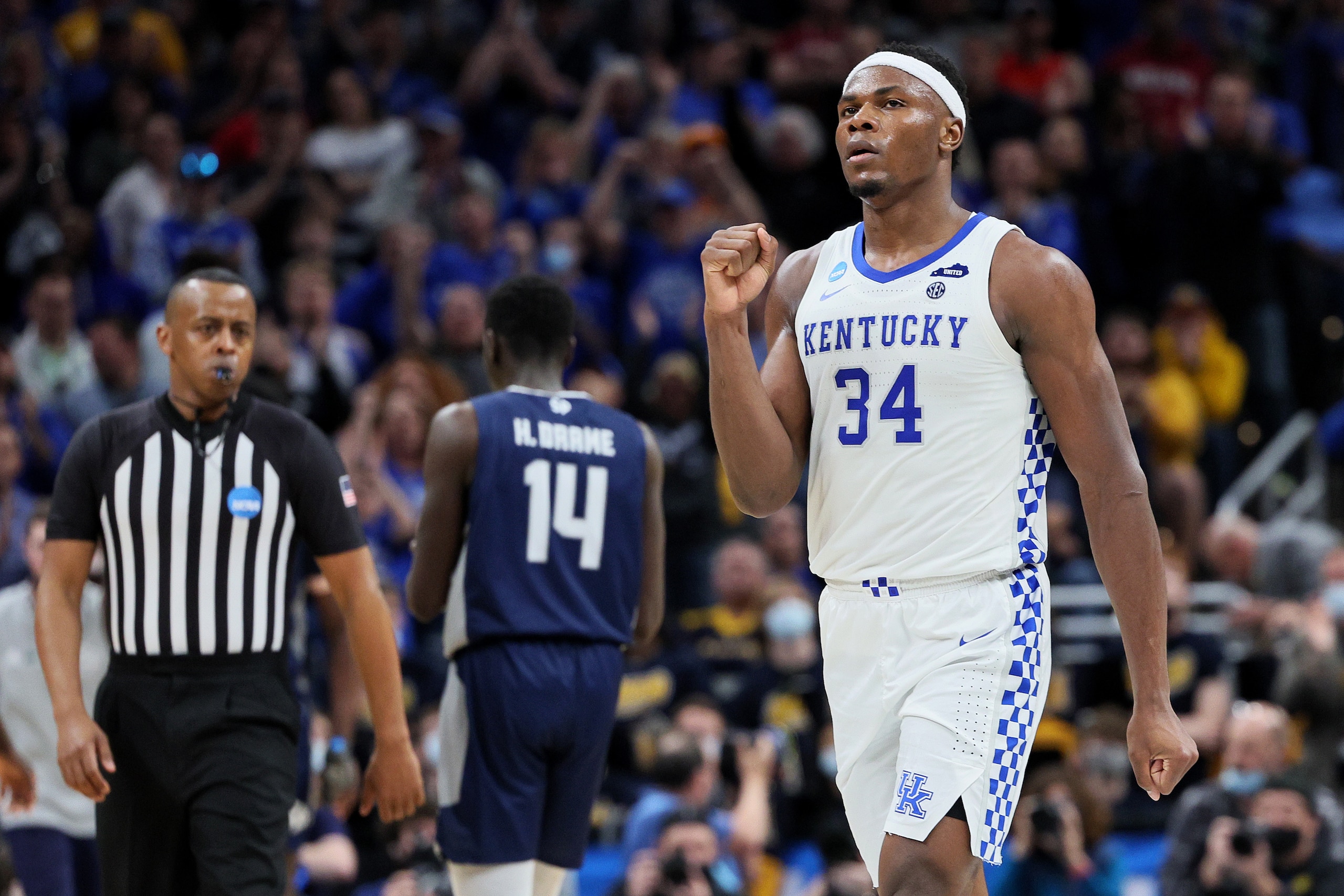
For some players, such as Kentucky's Oscar Tshiebwe, staying in school can even present a more lucrative 2022-23 season than entering the NBA draft. A 22-year-old junior forward, who averaged 17.4 points and 15.2 rebounds per game for the Wildcats this season, Tshiebwe is projected to be a second-round pick based on conversations with league personnel.
In today’s NBA, players are often selected in the bottom half of the second round based on their willingness to sign a two-way contract, which would have netted $462,629 for this 2021-22 campaign. Other second-rounders often sign minimum-salary standard contracts, which this season would have generated a base salary of $925,258.
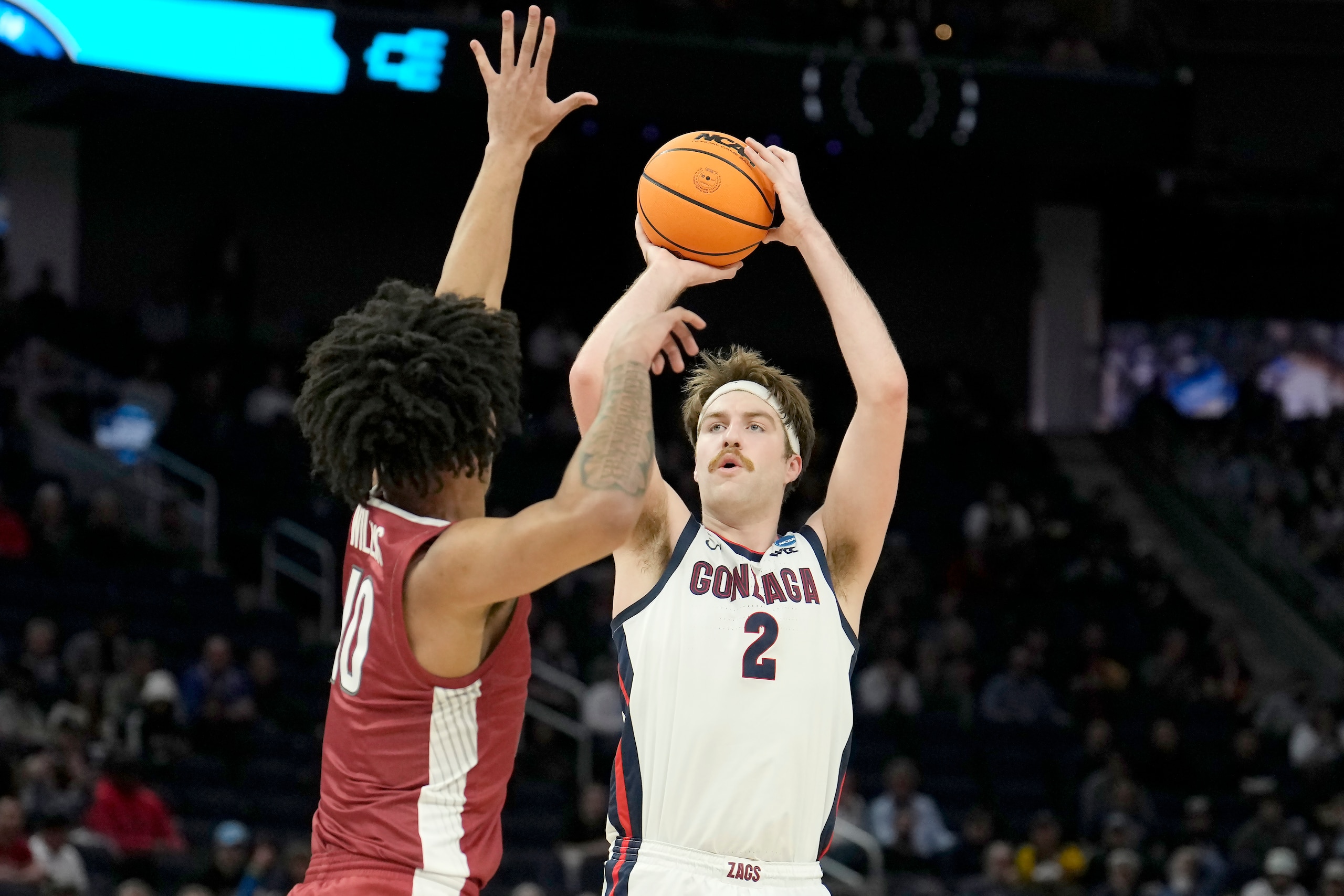
Star players at major programs like Tshiebwe can net well over $1 million in NIL money, industry sources told B/R. Gonzaga junior forward Drew Timme is not considered a high-level NBA prospect but is considered one college of basketball’s biggest earners, rivaling that $1 million number mentioned above. He is a constant presence in local TV commercials.
There’s a further element to Tshiebwe’s predicament. A Democratic Republic of the Congo native, Tshiebwe joined Kentucky under an F1 Visa, which forbids students from working for profit while attending university.
Tshiebwe was unable to earn NIL dollars alongside his teammates for several months as his representatives and UK officials worked to find a pathway for Tshiebwe to earn NIL money. And now that Tshiebwe has become eligible to do business, the Kentucky fanbase that adores him can, theoretically and collectively, line the forward’s pockets more than an NBA organization might. The talented double-double threat will likely still garner second-round consideration in the 2023 draft if he chooses to remain in school.
Furthermore, multiple agents contacted by B/R recounted conversations with clients who are college seniors—who still hold additional years of NCAA eligibility because of COVID-19—and plan to test the NBA draft waters despite the unlikelihood of being selected.
That could be a costly decision. At this juncture, the NCAA has yet to provide a hard-line stance on whether players can attend non-sanctioned events, such as the annual Portsmouth Invitational Tournament, and still be eligible to play in college next season if those players decide to withdraw from the draft. Technically, the only event players are allowed to miss college classes to attend is the draft combine in Chicago. Workouts with teams would be off-limits for a player who is still taking classes in the middle of a semester and wishing to maintain NCAA eligibility.
Some industry figures are fearful the NCAA will be strict in disallowing players who attend Portsmouth and other outings back onto college courts. Others expect players will be slapped with multi-game suspensions before being reinstated to NCAA competition.
As the Sweet 16 rolls on, and players’ profiles continue rising on the national stage, the financial figures underlying these career decisions have become a complicated math problem, with ripple effects all the way through the NBA draft.
Jake Fischer has covered the NBA for Bleacher Report since 2019 and is the author of Built to Lose: How the NBA's Tanking Era Changed the League Forever.
.jpg?w=2560)

.jpg?w=2560 "Ugly Jets Scoring Stat 😳")
.jpg?w=2560 "Landing Spots for Trade Candidates 📍")
.jpg?w=2560 "Raiders Could Start Mendoza")
.jpg?w=2560 "Latest Peyton-Colts Rumors")