
Tom Brady Rips NFL's Decision to Add 17th Regular-Season Game: 'Terrible Decision'
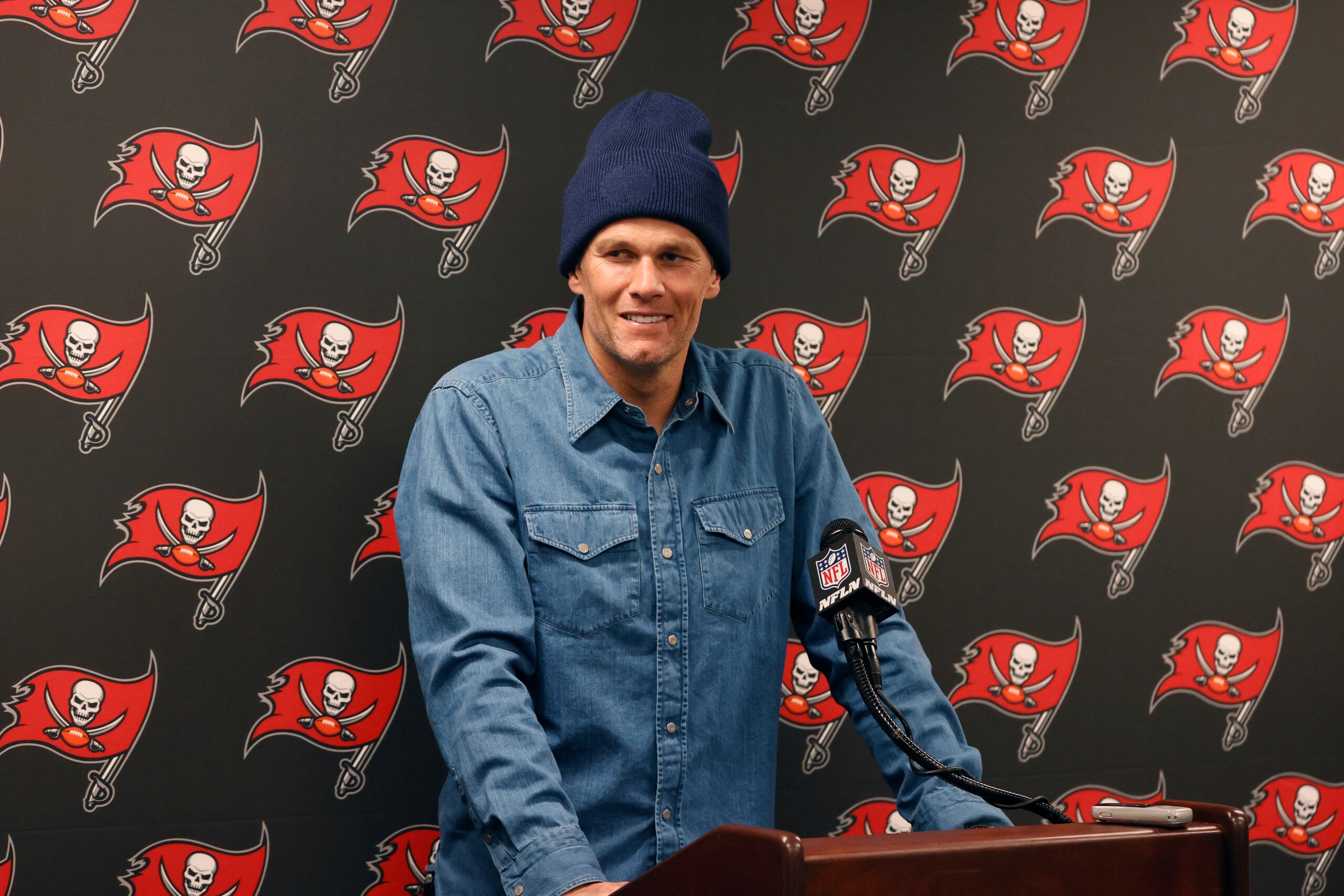
Tom Brady may want to play football until he's 50 years old, but he's not a fan of doing so for 17 games in a single season.
“I think it’s pointless,” Brady said on his podcast of the additional regular-season game. “I thought it was a terrible decision. So I don’t like the fact that we’re playing a 17th game at all. I think 16 is plenty. And, again, you’re eight games into the year and you’re not halfway through, so that’s kind of a little frustrating aspect. So whatever, I mean, we’ll play it. It’s there, you know, a lot of guys probably miss games over the course of the season anyway, so they probably don’t play all 16, most guys.

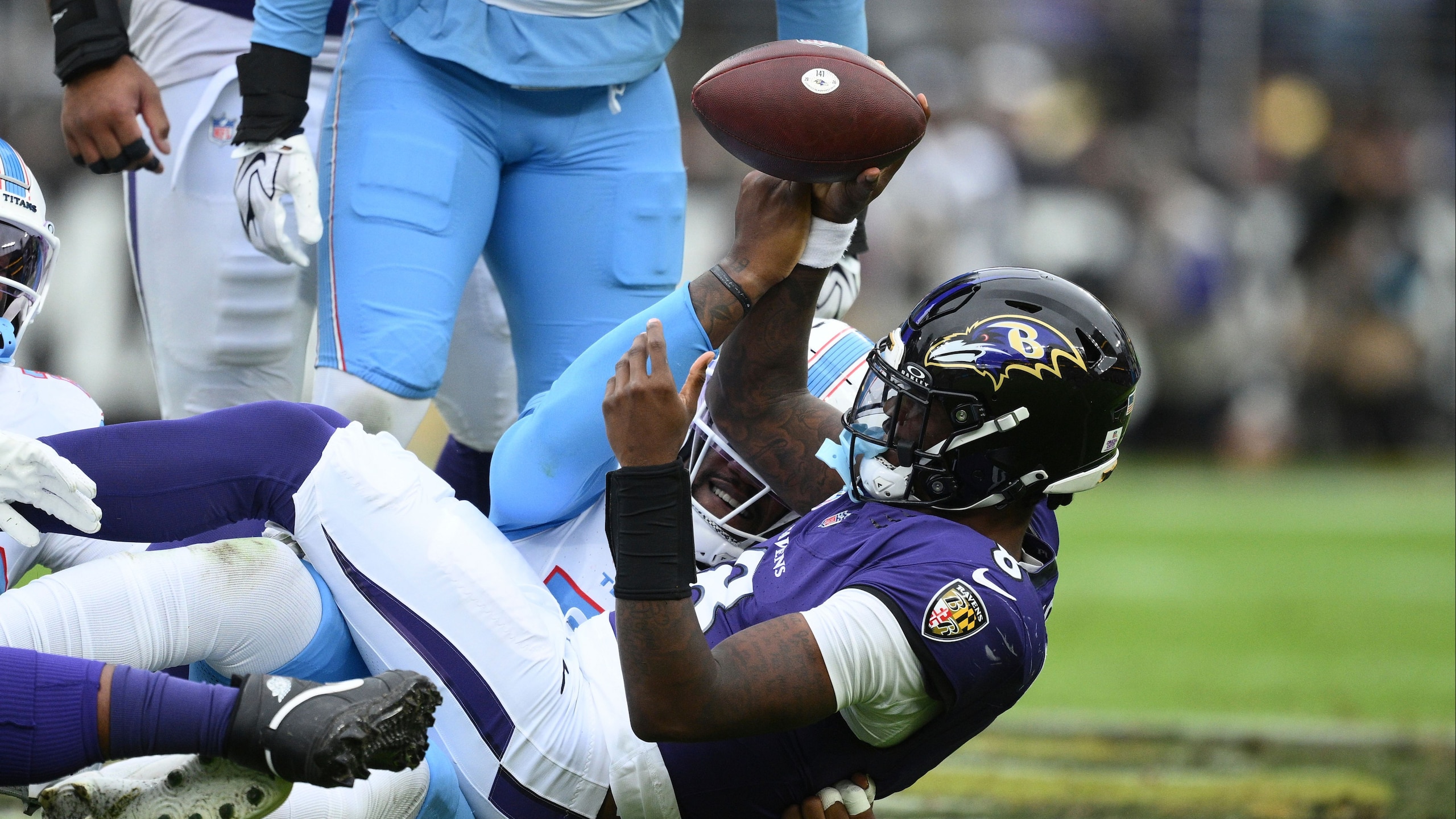
.jpg?w=2560 "Eagles Titans Football")
"But, you know, if you’re fortunate to be able to make it through a season and you got to play the 17th game, I think there’s a lot of things that I would adjust to, you know, the offseason, you know, the regular-season schedule. A lot of people know my feelings on some of these topics. I’ve been pretty vocal about NFL issues over the last couple of years and some of the things that are done that I don’t necessarily think are in the best interests of the game.”
The NFL expanded its regular season to 17 games this season as it looks to continue finding new revenue streams. The additional game was a massive point of contention for players, who barely ratified the new collective bargaining agreement in 2020 over safety concerns.
Brady says NFL owners were able to get the 17th game in large part because "usually what the owners want the owners get." The Buccaneers quarterback pointed to the difficulty of getting the massive collective of NFL players to agree on any subject versus a much smaller group of owners.
“We have union leadership which absolutely does the best they can based on the circumstances that they have but it is very challenging to get 1500 players to agree,” Brady said. “And it’s much easier to get 32 owners to agree who have all the information and they do regular quarterly meetings and they meet and they’re all interested in growing the game. Which, look, the players want to grow the game as well but we want to grow it in a way that’s, again, that’s right for the players as well. So there’s not a lot of thought that goes into that and I don’t think the coaches are represented as well, either. I think there can be a much more constructive way of doing the right thing by all parties, if there were the right committees and right amounts of negotiation and, you know, I think it would actually make for a much better game."
Brady's point on the numbers is salient given the overwhelming majority of stars who spoke out on the CBA were against signing it. However, the NFL's middle and lower class—guys who tend to have shorter careers and much smaller bank accounts—greatly outnumber the stars. It's much harder for those players to take a stand, and NFL ownership consistently takes advantage of that knowledge in negotiations.
Owners will forever be at an advantage over players in CBA talks because they are almost all independently wealthy outside of sports with revenue streams that do not have a finite number of years attached. That's how we wind up with 17 games despite even the protestation of a player who may love football more than any person on the planet.